Our Vision
To help people to harness the power of nature so that they can improve their wellbeing through deepening their nature connection, and in recognising these benefits, to become more environmentally aware and better stewards of the natural world.
About Forest Healing and
the Practice of Forest Bathing
Forest Healing: Promoting A Mutual Relationship
Forest Healing is the profound process of restoration that unfolds when humans and forests come into a conscious, and more respectful relationship. Forests offer us sanctuary — a place where we can slow down, breathe deeply, and reconnect with ourselves and the natural world. Scientific research continues to affirm what many people instinctively feel — time spent among trees can reduce stress, lower blood pressure, boost mood, and support immune function. Through practices like Forest Bathing (Shinrin-Yoku) and nature mindfulness, we can experience the calming presence of the woods, tuning into the language of rustling leaves, birdsong, and the earthy scent of moss and soil.
But Forest Healing is not a one-way exchange. As we receive these gifts of wellbeing, we’re also invited into a relationship of reciprocity. The forests need our care and attention — now more than ever. By deepening our nature connection, we can begin to act more mindfully in how we live, consume, and relate to the land. We can help forests to heal through stewardship, reducing our impact, supporting rewilding and conservation efforts, and simply by being present in ways that honour and protect these vital ecosystems. When we care for the forests, they care for us — and this beautiful exchange is at the heart of Forest Healing.
In fact when Tomohide Akiyama, the Director General of the Japanese Ministry for Agriculture, Forestry & Fisheries first conceptualised the practice of ‘Shinrin-yoku’ (see below for more details), he believed that if people felt the health benefits of visiting the forests, that they would be more motivated to do things to protect and look after them and the wider natural environment. In this way ‘Forest Healing’ is continuing this tradition.
Forest Bathing is a health-promoting, nature-connection practice that aims to enhance mental and emotional wellbeing, and relieve stress and anxiety. People who practice it often find it physically, psychologically and emotionally beneficial to spend time ‘bathing’ in the atmosphere of the forest. Find out more about what to expect on a Forest Bathing walk.
Forest Bathing and Shinrin-Yoku
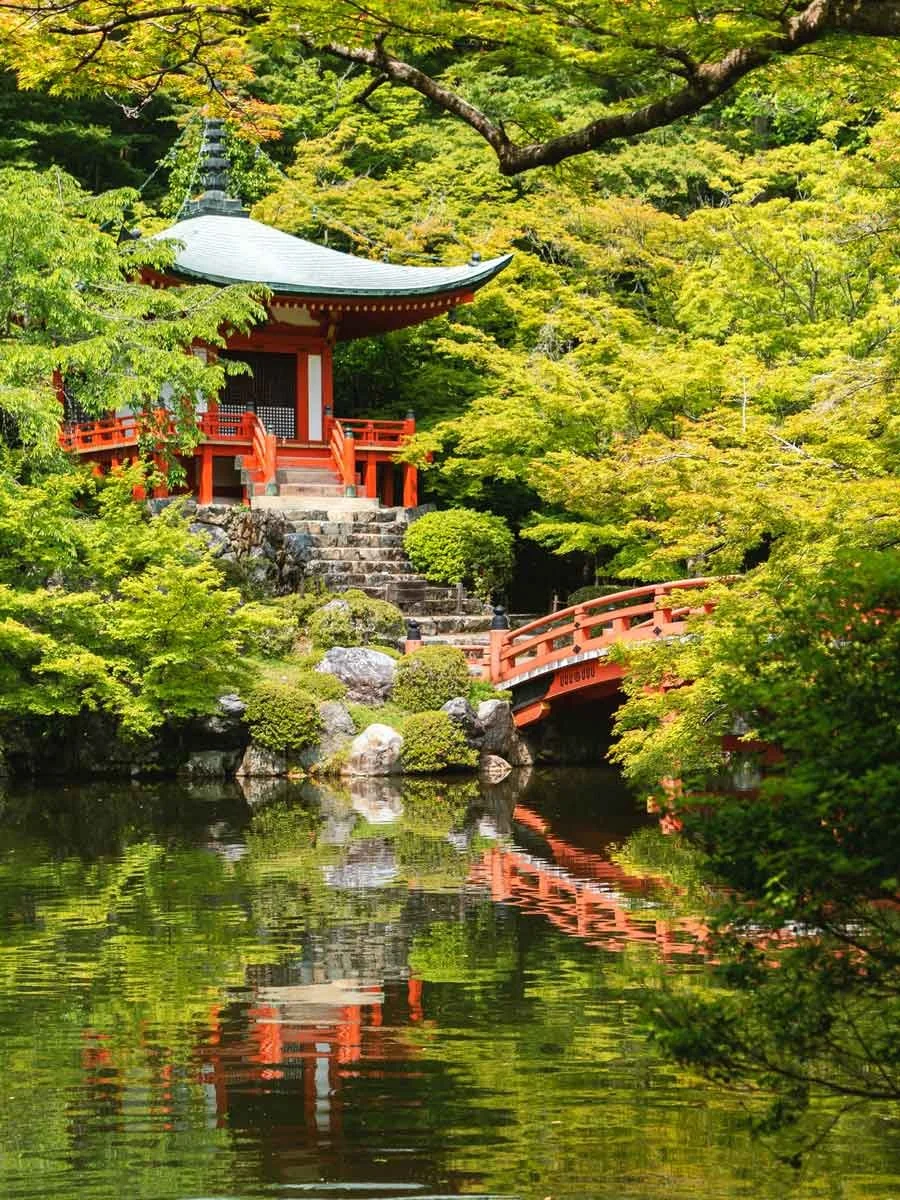
Spending time in forested areas for the purpose of enhancing health, wellbeing and happiness has been practiced in Japan for several centuries, where it is now referred to as ‘Shinrin-yoku’. It is the practice of walking slowly and leisurely through the woods or forest, inhaling the forest air, immersing yourself in the natural environment and mindfully using all your senses, opening them to the forest atmosphere and fostering an emotional connection to the landscape and environment. It has its origins in Buddhist nature-connection practices and the beliefs within the Shinto religion about the healing powers of forests, and the trees spirits which live within them.
Shinrin-Yoku and Forest Bathing Origins
The phrase ‘Shinrin-yoku’ was first used by Tomohide Akiyama, the Director General of the Japanese Ministry for Agriculture, Forestry & Fisheries in 1982 and translates as ‘Forest Bath’ – the characters even look a little like trees:
森林浴
The creation of this forest therapy practice was a response to a growing public health crisis in Japan in the early 1980s as a result of increases in anxiety and stress-related illness, attributed to increased urbanisation and working long overtime hours. In fact the Japanese have coined the term ‘Karoshi’ (過労死) which can be translated literally as ‘overwork death’, to describe this type of sudden occupational mortality.
Forest Bathing has been developed into an evidence-based approach to improving health and wellbeing through the curative effects of forests, that is often define as ‘a health promoting, salutogenic, nature connection practice that aims to enhance well-being, relieve stress, and encourage relaxation’. Salutogenisis is an approach to health promotion that focuses on factors that support good health and wellbeing, and are therefore seen as primarily preventative.
As the Forest Therapy Hub describe:
“Forest Bathing is a nature-based wellbeing practice that enhances our natural ability to adapt to change in our lives, more positively and healthily, supporting a better quality of life.”

Your Forest Bathing Guide
My name is Hugh Asher and I became particularly interested in the potential for improving peoples’ health and wellbeing through increased connection with nature in 2020 during the Coronavirus restrictions. I have a background in supporting people experiencing poor mental and emotional health and I decided to train as a Forest Bathing Guide with the Forest Therapy Institute at this time.
I am a member of the The Forest Therapy Hub and support their mission of promoting health and well-being practices based on nature and scientific evidence, and promoting an interaction between people and nature that supports the restoration of their health and well-being.
The Role of a Forest Bathing Guide
My role as a Forest Bathing Guide is to help you to slow down, both physically and mentally, and to help you to relax and let go of stress by offering structured nature-connection activities, known as Forest Bathing ‘Invitations’, in a carefully designed sequence to create an experience that enhances nature connection and boosts the therapeutic and restorative effects of nature for health and wellbeing for you.
However, a fundamental concept in Forest Bathing is that it is the forest and the natural environment that facilitates the wellbeing benefits, and not the guide. As Amos Clifford, author of ‘Your Guide to Forest Bathing: Experience the Healing Power of Nature’ describes:
“The Forest is the Therapist. The Guide Opens the Doors.”
One of the things that really attracted me to Forest Bathing is that it is all about appreciating the wonder and beauty in nature and our surroundings, rather than about ‘knowledge’. I am not very skilled in tree identification and I don’t need to be in order to experience the wellbeing benefits of being among the trees. My role as a guide is to help shift your attention and focus from learning about what something in the forest is to learning how something in the forest makes you feel. My goal is to help to reconnect with yourself and the natural environment for the benefit of both.
I have Professional Indemnity and Public Liability Insurance, am qualified in Outdoor First Aid (just in case), have undertaken Mental Health First Aid training and I am a Disclosure Scotland Protecting Vulnerable Groups (PVG) scheme member.
The Difference Between Forest Bathing and Forest Therapy
Some Forest Bathing and Nature Therapy organisations and practitioners see Forest Bathing and Forest Therapy as the same thing, whereas others view them as two different, but inter-related practices, that differ dependent on those participating. Under this model, a Forest Bathing Guide leads Forest Bathing activities in a structured sequence with the intention of deepening nature-connection in the general population and the goal of generally improving their mental, physical and emotional health and wellbeing. A Forest Therapy Practitioner utilises the same kind of sequenced nature-connection activities, but tailors these nature-based interventions to target specific mental health and physical health difficulties, considering the individual needs of the participant and focusing on alleviating them:
Health Promotion (Wellness): Forest Bathing Guide
Health Prevention (Stress): Forest Bathing Guide
Treatment: Forest Therapy Practitioner
Recovery & Rehabilitation: Forest Therapy Practitioner
How Does Forest Bathing Differ From Just a Walk in the Woods?
The difference is mainly in intention and distance covered. ‘Ordinary’ walks often have a geographical goal, such as getting to the top of a hill or mountain, or walking all the way around a lake. Quite often we can be so focused on getting to where we want to go that we fail to notice what is around us. On a Forest Bathing walk, the intention is to increase our awareness of our environment and increase our nature-connection - the goal is achieving a positive and beneficial state of mind and the experience of reduced stress and increased relaxation rather than reaching a destination or covering a particular distance. We have written a longer article about ‘How Forest Bathing is More Than Walking the Woods’.