


Nature Connection Articles
Our Most Recent Articles
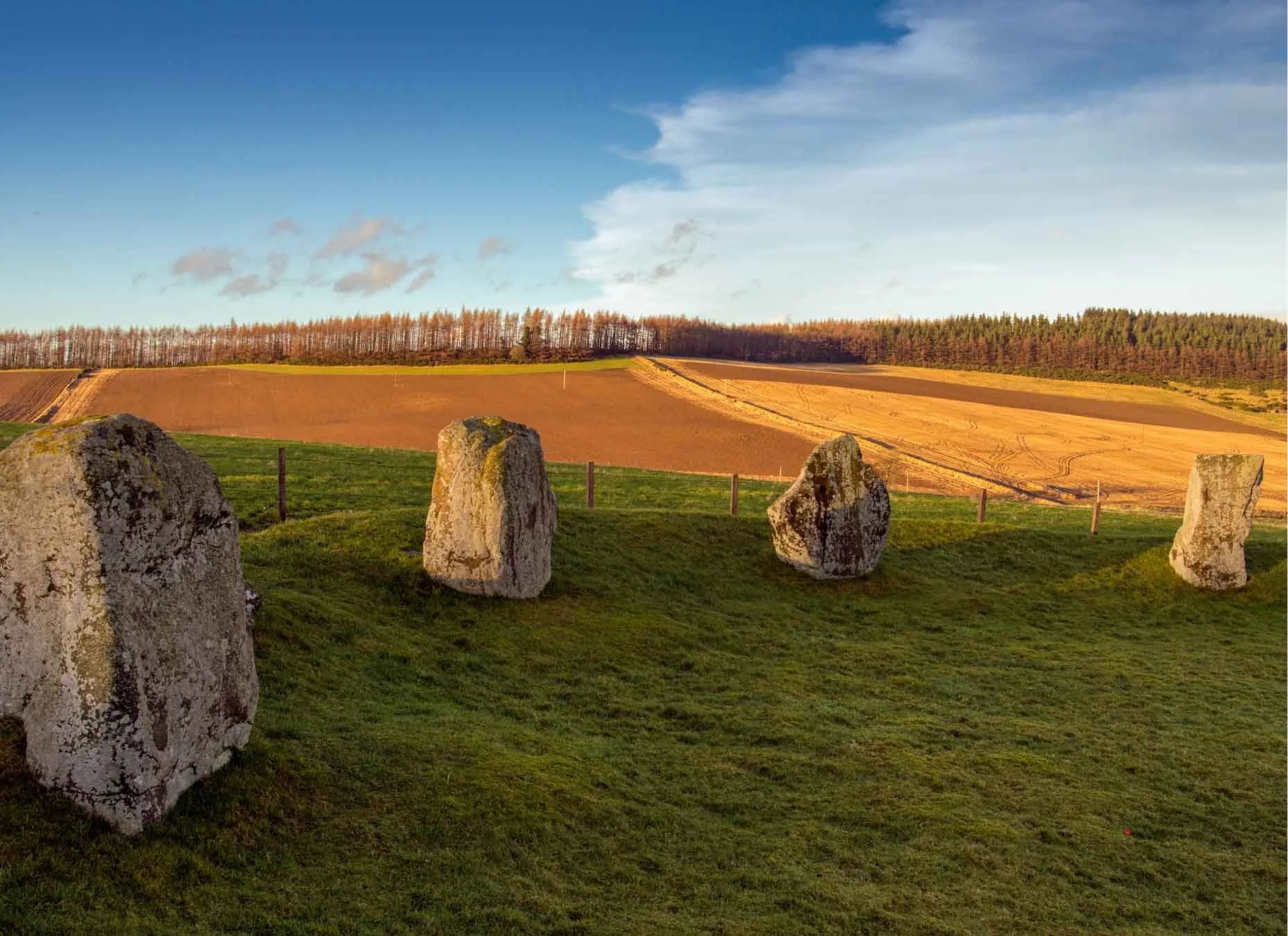
The Autumnal Equinox in Celtic and Pictish Cultures
Explore the significance of the Autumnal Equinox in Celtic and Pictish Scotland, from harvest traditions and the journey towards Samhain to ancient solar alignments and our changing relationship with the natural world.
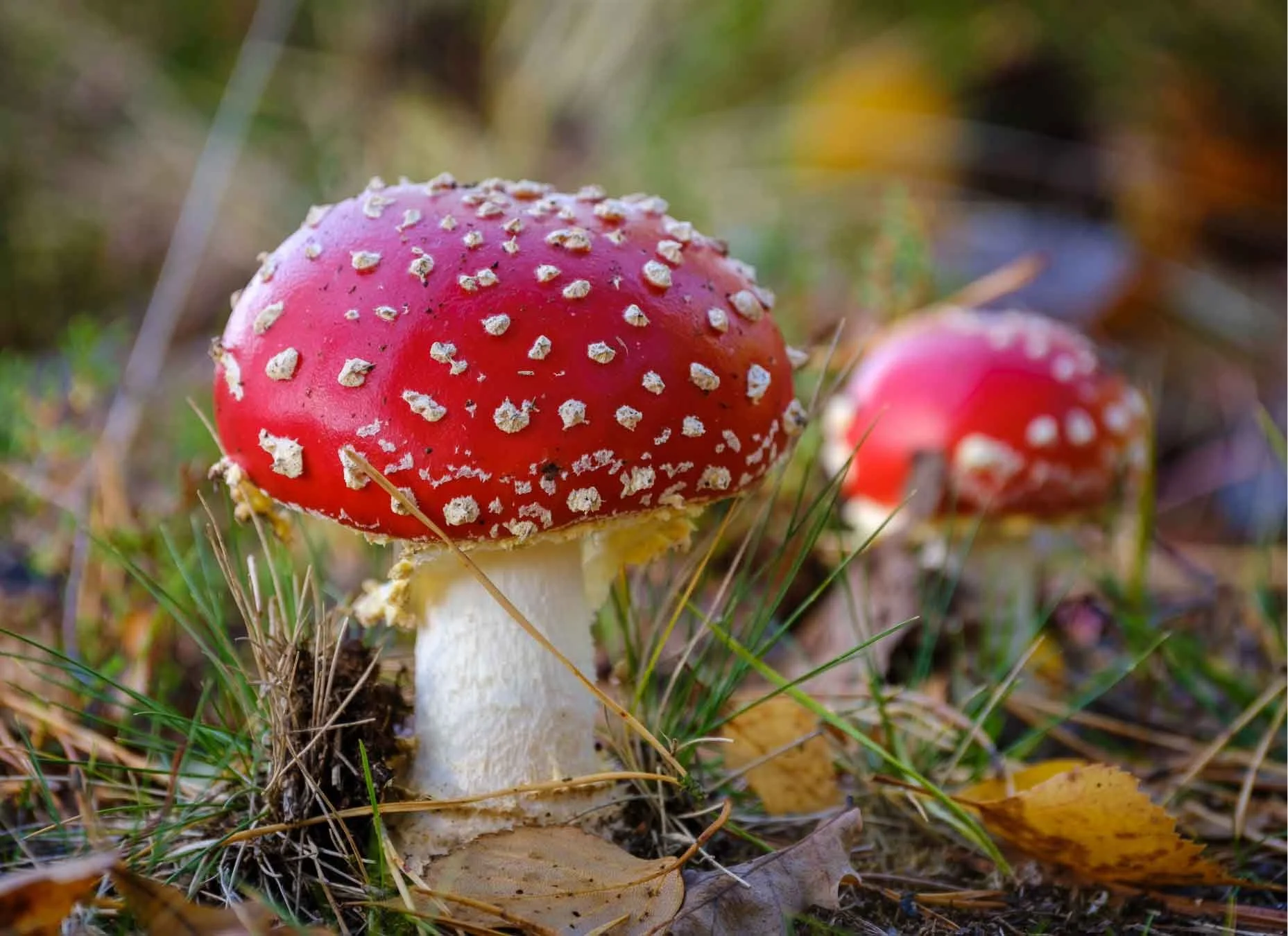
The Symbiotic Relationship Between Birch Trees and Fly Agaric Mushrooms
As we walk through the woods at this time of year, there are few mushrooms more recognisable than the Fly Agaric, Amanita muscaria. Its brilliant scarlet cap, scattered with white remnants of the veil that once enclosed the young mushroom, has become almost synonymous with the idea of the mushroom itself. It appears in fairy tales, children’s books, Christmas decorations and folklore, where it often seems to occupy a world somewhere between botany and enchantment. Yet the most fascinating thing about Fly Agaric may be considerably less visible.

The Emotional Champagne Bottle
Have you ever been sitting quietly in a forest when, quite unexpectedly, you felt tears welling up in your eyes? Perhaps nothing particularly sad had happened. Nobody had said anything upsetting and there was no obvious reason for the tears. You were simply sitting beneath the trees, listening to the wind moving through the leaves, noticing the birdsong, feeling your feet on the earth, and then suddenly … there they were.
Tears.
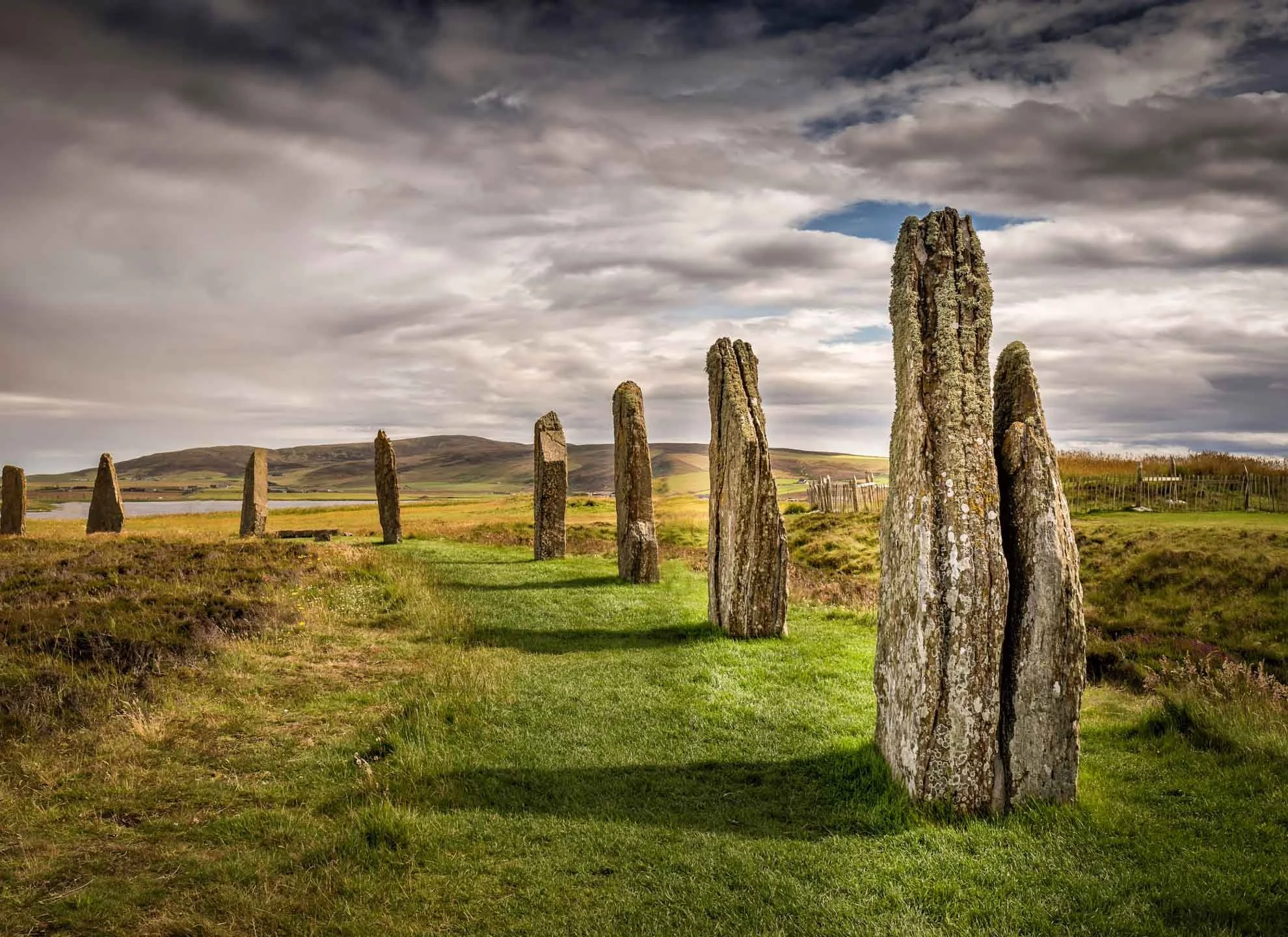
Deep Time
We are accustomed to thinking about time in terms of hours, days and years. We remember birthdays, anniversaries and seasons. We think about what happened last week, what we might do next month, perhaps what we hope to achieve over the next few years.
But standing beside a Neolithic monument can stretch the imagination in a completely different direction. Suddenly, fifty years seems very small. A hundred years is barely a moment. A thousand years feels strangely close.
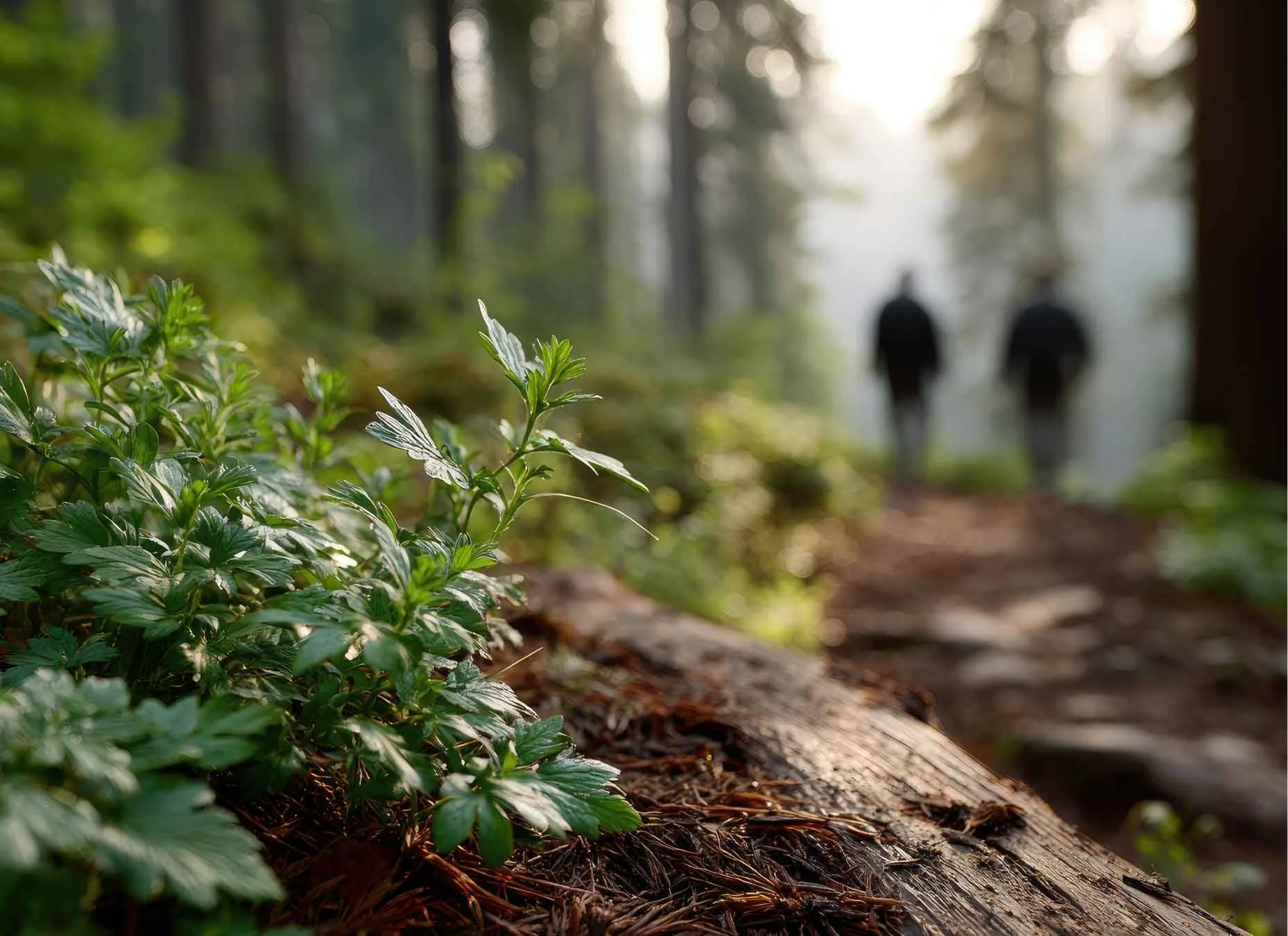
How Can Nature-Based Practices Strengthen the Therapeutic Alliance?
When therapeutic interactions move outside of the ‘consulting room’ and into nature, something interesting seems to happen. Nature can create a shared space where we walk alongside one another, notice the world together, and sometimes discover that healing becomes less about what one person does to another and more about how two people can explore things together.
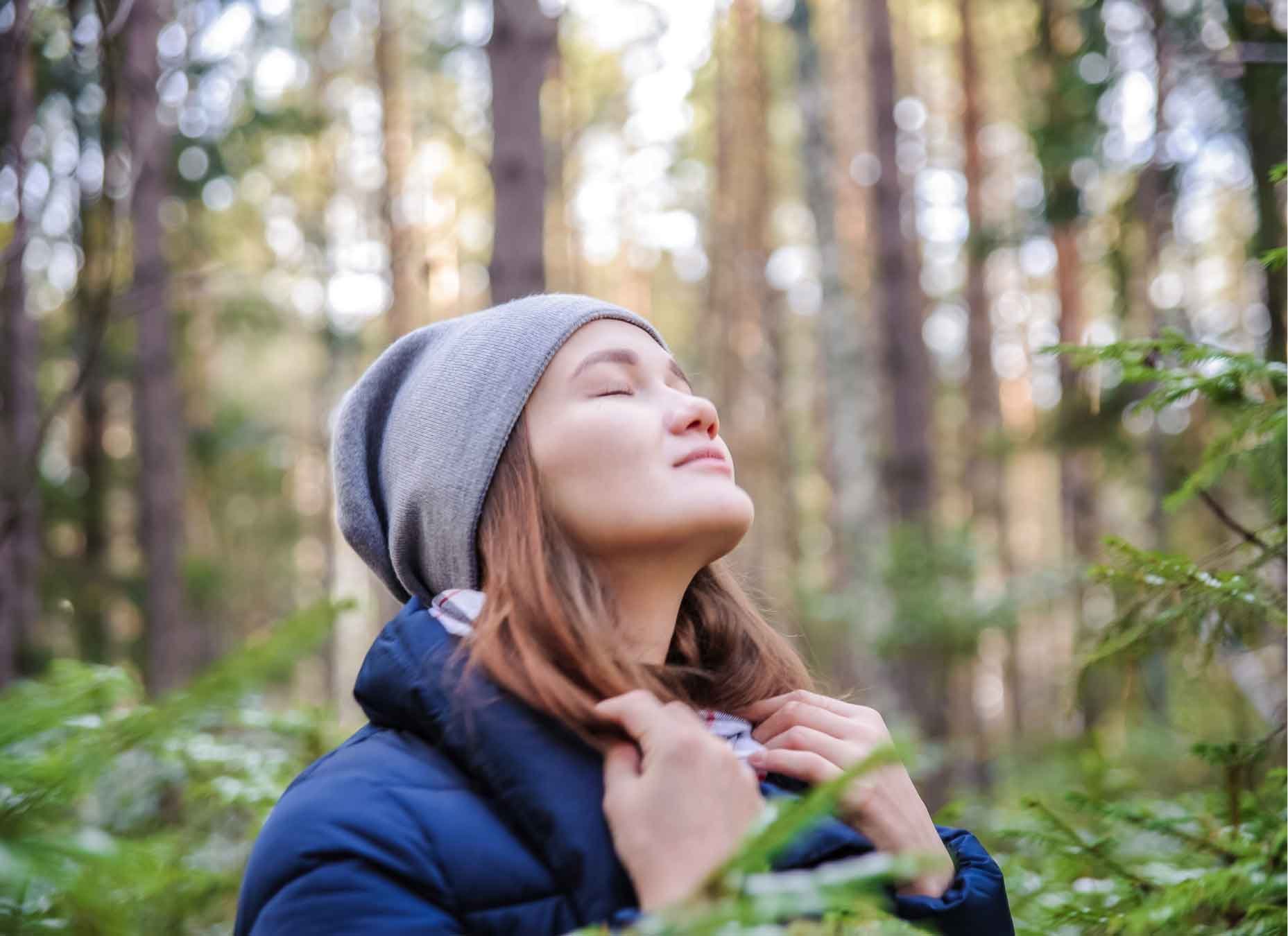
The Importance of Smell
Discover why smell is such an important part of our connection with nature. Explore how the scents of woodlands, earth, trees and seasons can influence relaxation, memory, mood and wellbeing — and discover simple ways to awaken your sense of smell during time outdoors.

Secure Attachment to Nature: How the Natural World Can Become a Safe Haven for Emotional Wellbeing
For many years, researchers have explored the physical and psychological benefits of spending time in nature. Studies have shown that regular contact with the natural world can reduce stress, improve mood, lower blood pressure, support immune function, enhance creativity and increase our overall sense of wellbeing. More recently, scientists have begun asking an even more intriguing question: why does nature affect us so deeply?
One emerging answer comes from an unexpected place. It comes from attachment theory.
Recovery Through Nature Concepts and Principles
For a long time I have been a great fan of Laurie Davidson’s ‘Principles of Recovery’, which were initially applied to ‘Recovery’ within the field of mental health. Here I have decided to expand on them to develop my own ‘Recovery Through Nature Concepts and Principles’.
For each of the 10 original principles I will present the original ‘Recovery Principle’ and ‘What it Can Mean in Practice’ and then provide my own reflection on how this is applied in ‘Recovery Through Nature’.

Lughnasadh: The Celtic First Harvest Festival and the Wisdom of Nature
As the long days of midsummer begin to soften and the countryside fills with ripening grain, heavy hedgerows and the first fruits of the harvest, an ancient Celtic festival quietly arrives. Lughnasadh (pronounced LOO-na-sa) marks the beginning of the harvest season and reminds us that abundance is something to notice, honour and share.

Proprioception, Interoception and Nature Connection
A walk amongst trees can slow the breath, soften the shoulders, and quiet the mind. But something subtler is often taking place too: the body is beginning to notice itself again. The feet register the ground. The chest rises and falls. The stomach murmurs. The muscles make tiny adjustments. The body, in other words, is speaking. And nature has a way of helping us listen.
This is where proprioception and interoception meet nature connection.
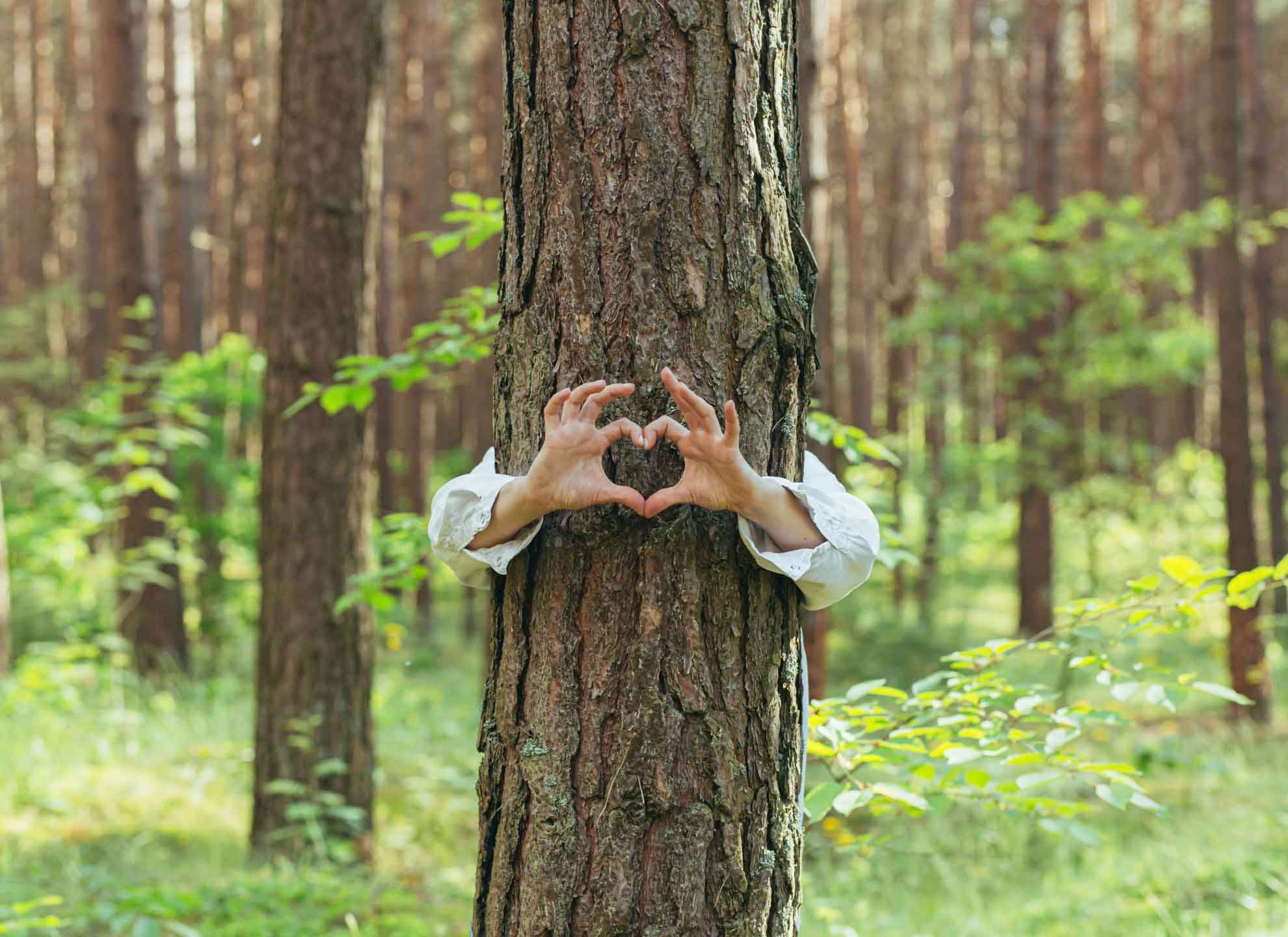
What is ‘Silvotherapy’?
Silvotherapy is a gentle, tactile practice involving connecting with trees through touch, presence, and mindful attention. Here we explore what it is, why it differs from Forest Bathing, and how it better reflects the Forest Healing ethos.

Albert Einstein on Nature: Finding Wisdom in the Natural World
Whilst we may never discover the hidden equations that govern the cosmos as Einstein did, each time we pause beneath an old tree, breathe deeply, and allow ourselves to become fully present, we participate in the same spirit of inquiry that guided one of history's greatest minds. We begin to understand — not everything, perhaps — but enough to live more gently, more attentively, and more fully within the living world.
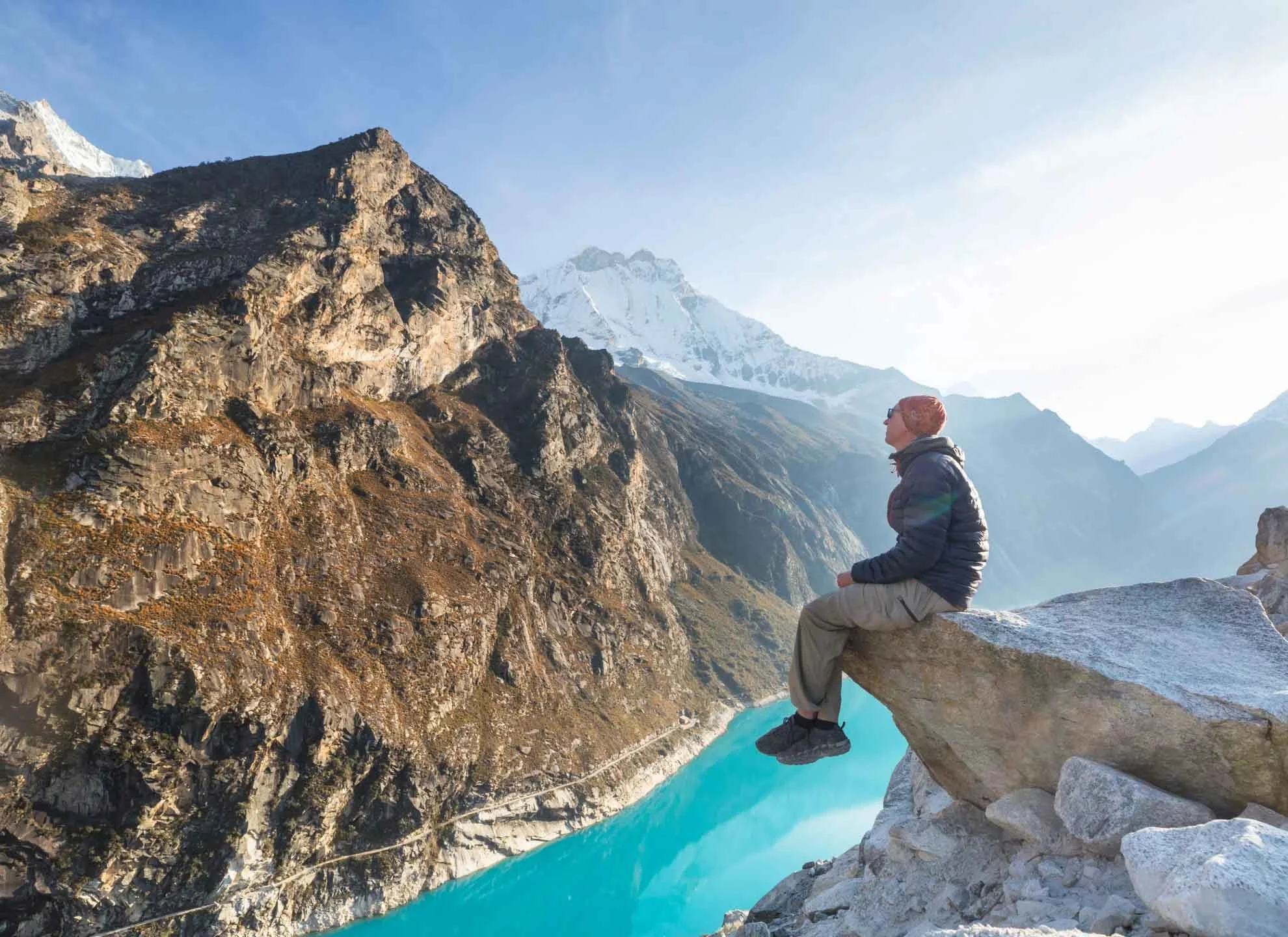
The Science of Awe: Forest Healing and Wonder
Have you ever stood beneath a vast canopy, watched sunlight move through the trees, or felt that quiet, expansive feeling when the world suddenly seems bigger than your worries? That is awe — and science is beginning to show that it may be far more than a fleeting emotion.

The Imaginary Sense in Forest Bathing
In the practice of Forest Bathing, the imaginary sense can be described as a heightened perception or awareness of your surroundings that goes beyond the five traditional senses. It is an intuitive and imaginative way of experiencing nature and connecting with the forest environment on a deeper level.
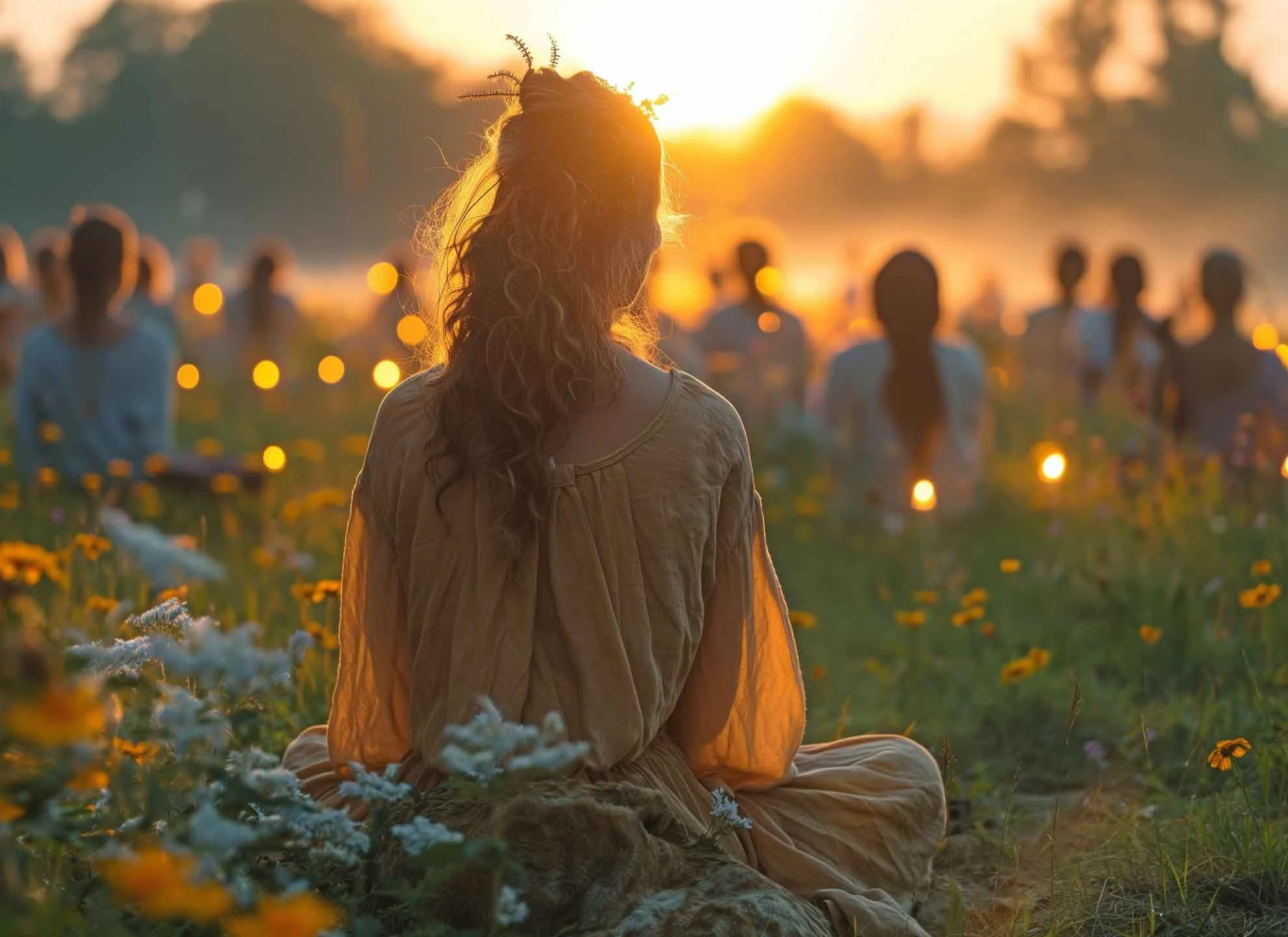
The Summer Solstice in Ancient Scotland
The Summer Solstice has been celebrated for thousands of years, and people such as the Celts would have been able to observe the rising and setting of the sun and use those cycles to track the year using monument built with this purpose in mind.
Two Paths to the Same Horizon
Nature connectedness may be a key trait shared by both Forest Bathing and psychedelic therapy. Awe, flow, spirituality, and perceptual change are all fascinating parallels, but nature connectedness is where the research most clearly suggests that both approaches may be influencing the same underlying human capacity: the ability to experience ourselves as part of, rather than separate from, the living world.
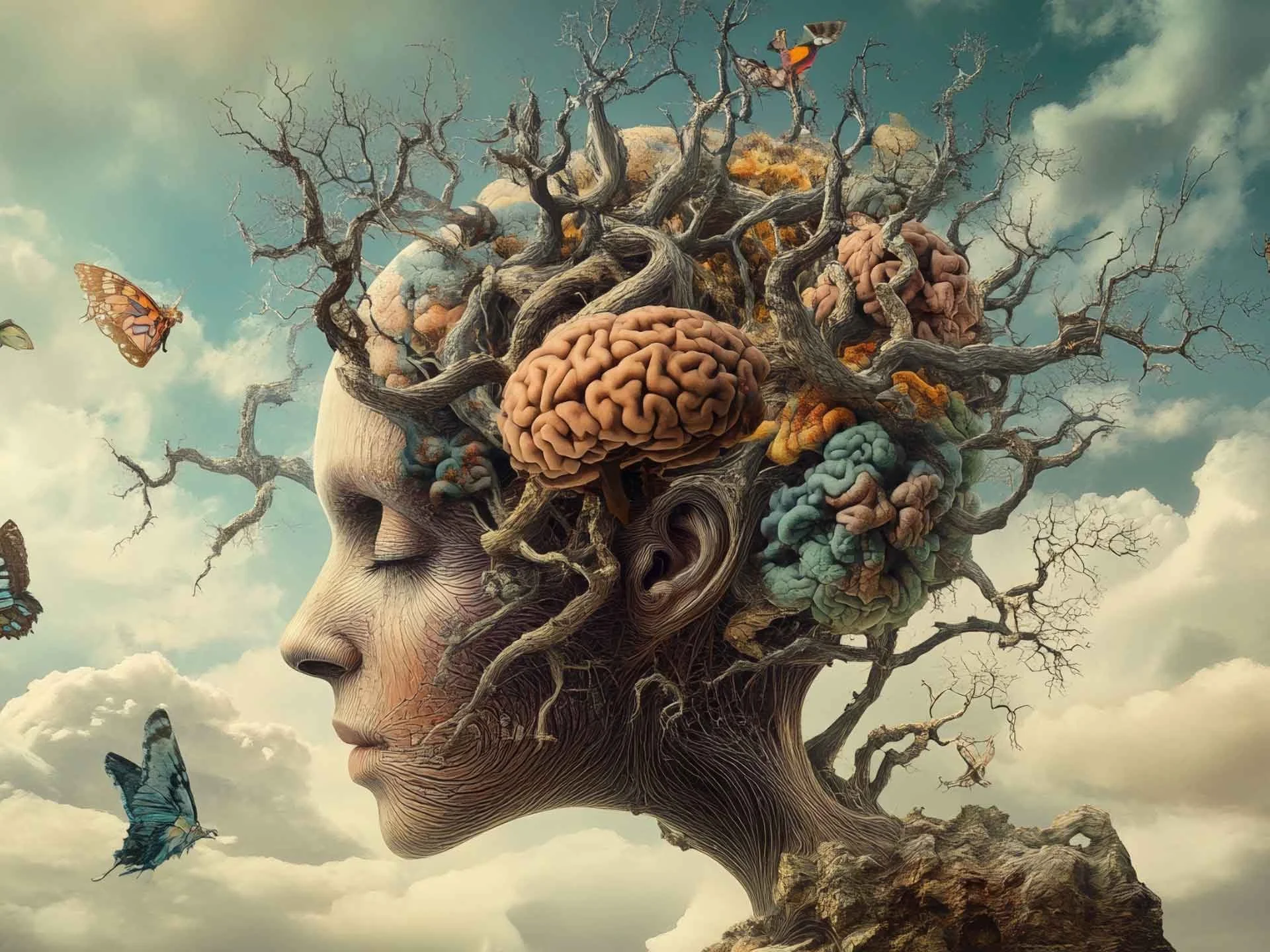
How Nature Can Support Neurodiversity
Woodlands may be particularly well suited for autistic people because they often combine predictability with freedom. A forest path can be explored at your own pace. A tree, a texture, a pattern of light, a bird call, or the feel of moss can become a focus of interest without overwhelming the senses. Many autistic people thrive when they can choose how to engage, when to pause, and how much sensory input to allow in. Nature can offer that kind of autonomy.
The Importance of Silence
In our modern world, silence is increasingly rare. Many of us live inside a constant stream of notifications, engines, background radio, traffic, and conversation. That matters, because the nervous system does not experience noise as neutral. It has to process it, filter it, and often defend against it. Quiet, by contrast, gives the body a chance to shift away from continual alertness.
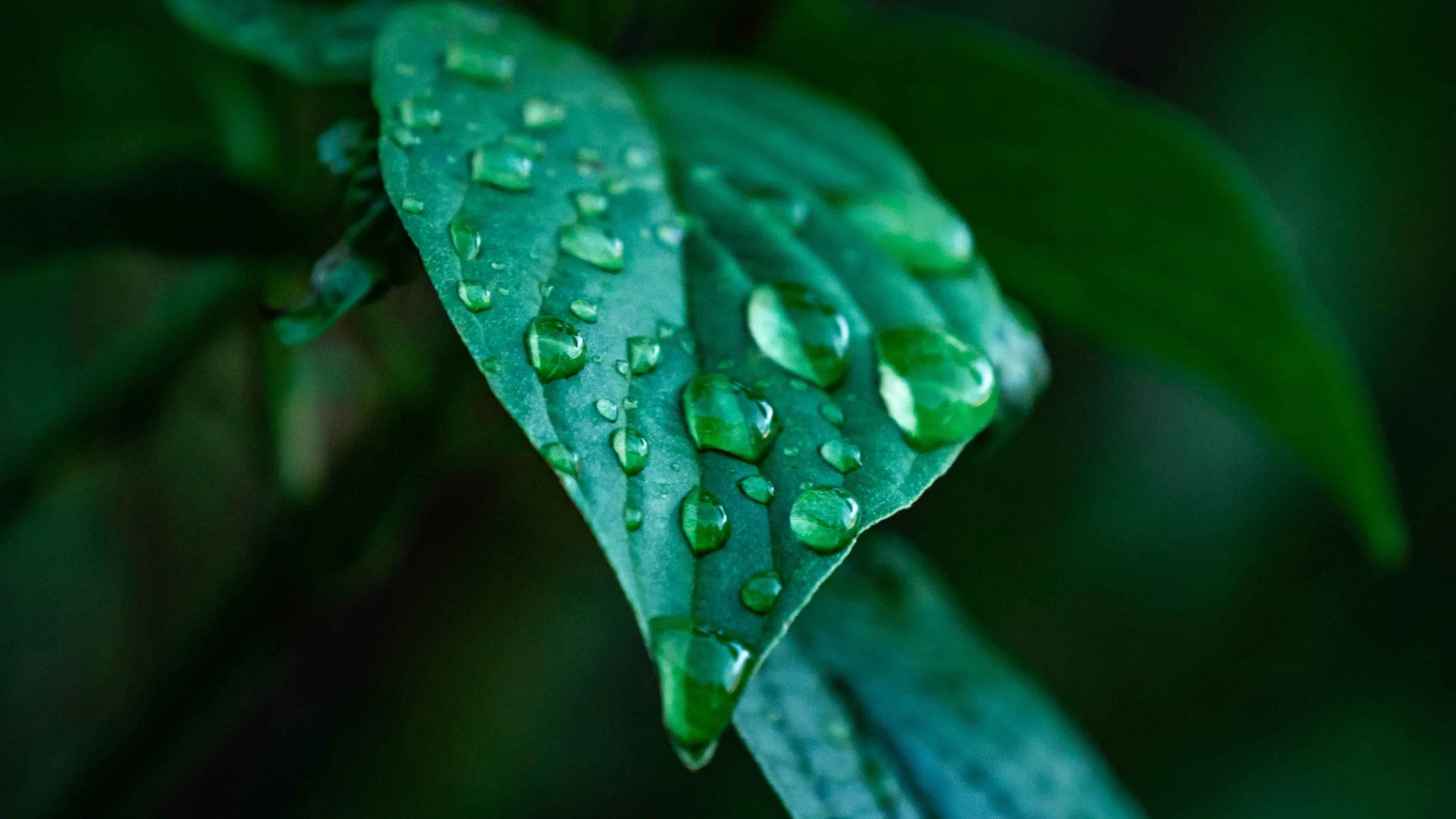
Petrichor - The Smell of Rain
I sometimes offer Forest Bathing activities around interacting with rain inviting people to notice the rain, the sounds of drops falling, the silence between drops, the feeling of the rain on their skin, and noticing the smells that often follow rain or storms. There is actually a name for the earthy scent that we can smell when it first rains after a long period of dry weather, and that’s ‘Petrichor’.

Reducing Depression Through Forest Bathing and Nature Connection
Depression is one of the most common and disabling mental health conditions, and it affects mood, sleep, energy, motivation, concentration, self-worth, and day-to-day functioning. Alongside talking therapies, medication, movement, and social support, there is growing interest in approaches that help people regulate stress and reconnect with themselves and the world around them. Nature-based practices such as Forest Bathing, Forest Therapy, Shinrin-yoku, Silvotherapy, Sit Spot practice, and other forms of mindful nature connection are increasingly being studied as low-cost, low-risk ways to support mental wellbeing. Recent research suggests that these approaches can reduce depressive symptoms, improve sleep, and soften related difficulties such as rumination, stress, and emotional fatigue.