

Pathways to Connection with Nature
12th June 2022
‘Connecting’ is one of the Five Ways of Wellbeing and in this article we will be looking at ‘Connecting with Nature’. There is a wealth of evidence that increased nature connection brings health and wellbeing benefits to people, including reducing stress and anxiety, increasing resilience and improving immune functioning. We also have a symbiotic relationship with nature in that nature influences our health and we influence the health of the planet.
Connection with nature is about much more than just being in nature or exposed to nature. Nature-connectedness is about really tuning in to your surroundings and noticing what is happening around you through all your senses, and you don’t necessarily need to move at all, in fact the slower you go, the better you tend to connect. Nature-connection activities should help you to feel more in tune with nature and a part of nature rather than apart from nature. It is all about appreciating the wonder and beauty in nature and the natural environment, rather than about ‘knowledge’. Nature-connection is not about wildlife or tree-identification, it involves shifting your attention and focus from learning about what something in nature is to how things in nature make you feel.
There are many different ways that people can connect with nature, and the specific pathways that are most meaningful or important to an individual may vary:
Physical activities in nature: Engaging in physical activities in natural settings, such as walking, cycling, swimming, or birdwatching, can be a great way to connect with the natural world and feel more grounded and present.
Mindfulness practices: Engaging in mindfulness practices such as Forest Bathing or practices such as meditation or yoga in a natural setting, can help you connect with the present moment and cultivate a sense of peace and connection with the natural world.
Gardening or farming: Working with plants and soil in a garden or farm setting can be a rewarding way to connect with nature and contribute to the environment.
Nature-based therapy: Some people find it helpful to work with a therapeutic practitioner or another professional who uses nature-based approaches to promote well-being.
Artistic expression: Creating art that celebrates or reflects upon the natural world can be a way to connect with nature on a deeper level and express your feelings and thoughts about the environment.
Indirect experiences: This can include activities such as reading about nature, watching nature documentaries, or looking at pictures of nature that allow people to learn about and appreciate nature without physically being in it.
Service and stewardship: This can include activities such as volunteering for environmental organisations or participating in conservation efforts that allow people to actively contribute to the health and well-being of the natural world.
The 5 Pathways to Connection with Nature
The Nature-Connectedness Research Centre at the University of Derby has also described five ways that people can build a better relationship with their natural environment.
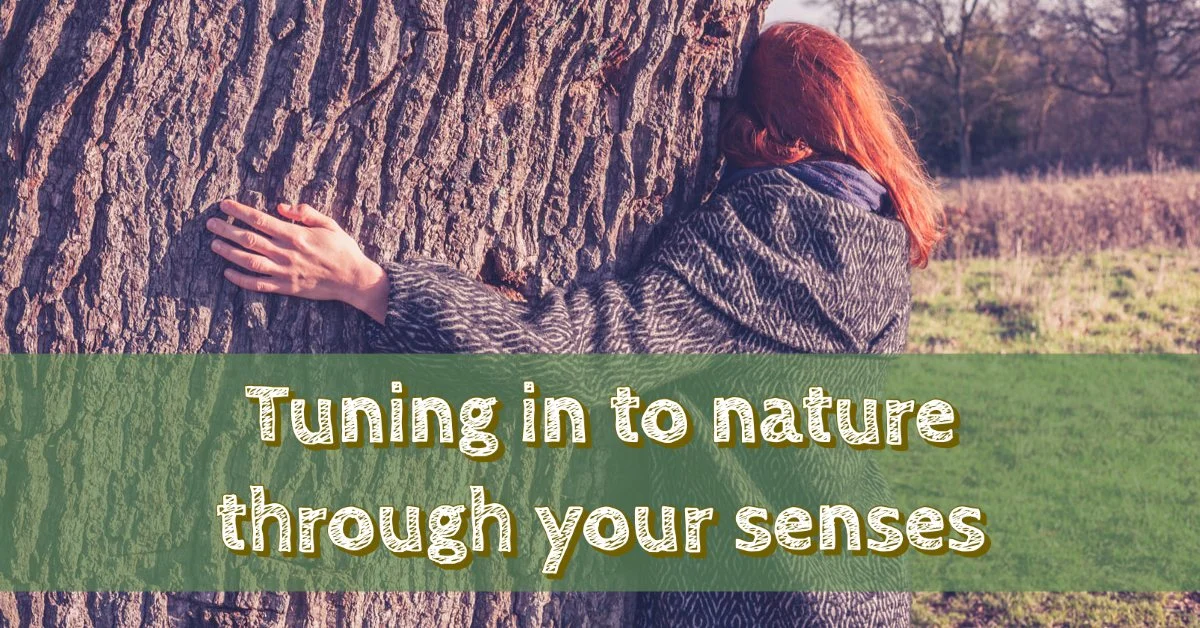
Pathway One - Sensory contact with the natural world
This pathway is about tuning in to nature through the senses.
Notice and actively engage with nature, spending time fully experiencing nature with all your senses.
Sit and listen to the birdsong
Smell wild flowers
Watch the breeze move the trees
Go barefoot
Taste the fruits of nature.
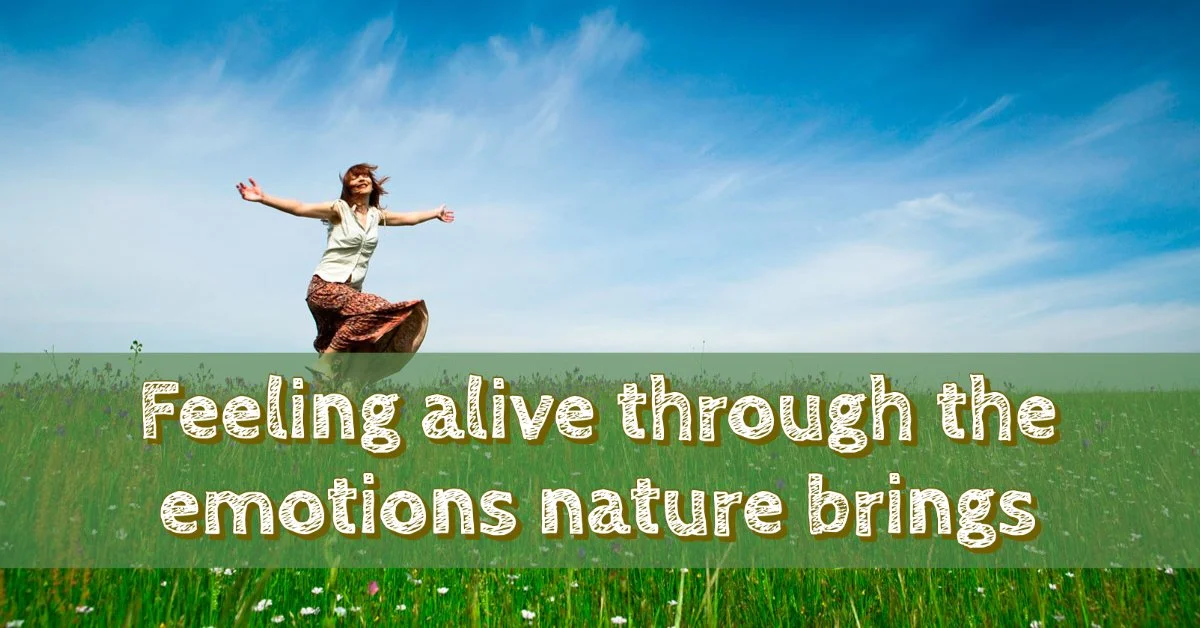
Pathway Two - Finding an emotional bond with nature
This pathway is about feeling alive through the emotions that nature brings.
Engage emotionally with nature by finding joy in wildlife
Find happiness and wonder in nature, such as in a spider's web
Note the good things in nature and the joy and calm that they bring
Embrace Nature in times of sorrow by reflecting on and sharing your feelings about nature with others
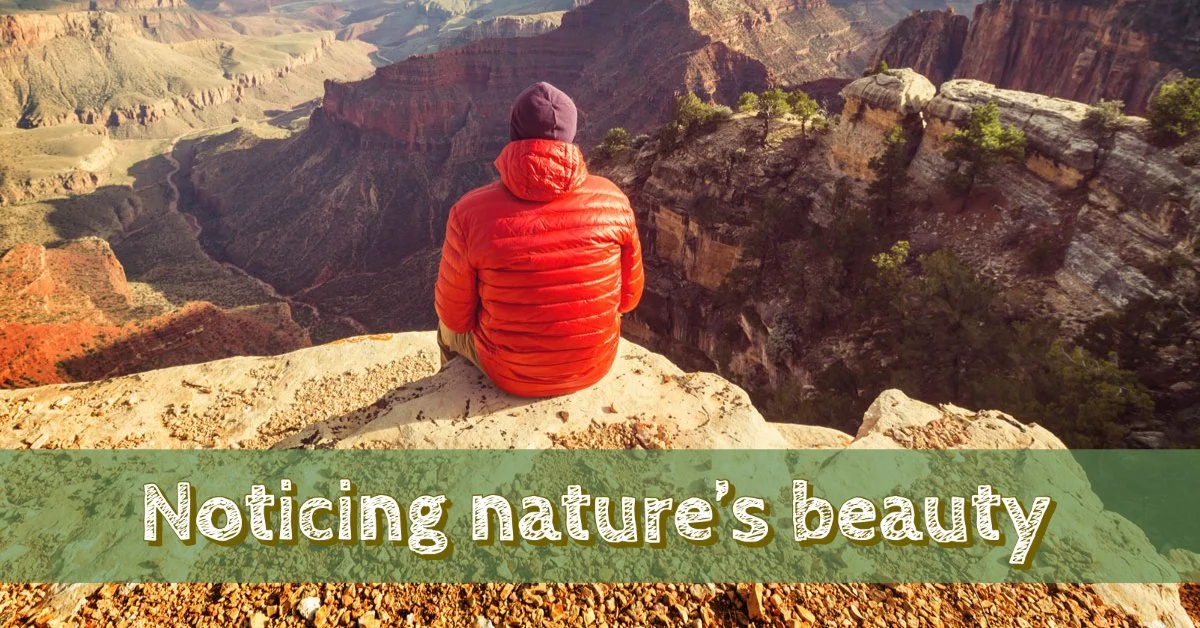
Pathway Three - Taking time to appreciate the beauty of nature
This pathway is about noticing nature's beauty and finding beauty throughout the natural world, taking time each day to appreciate the beauty in nature and engaging with it through art and words.
Create a piece of eco-art in your local woods or on the beach from fallen branches and leaves or pebbles and shells
Paint a picture
Try mindful photography
Visit somewhere with an awe-inspiring view
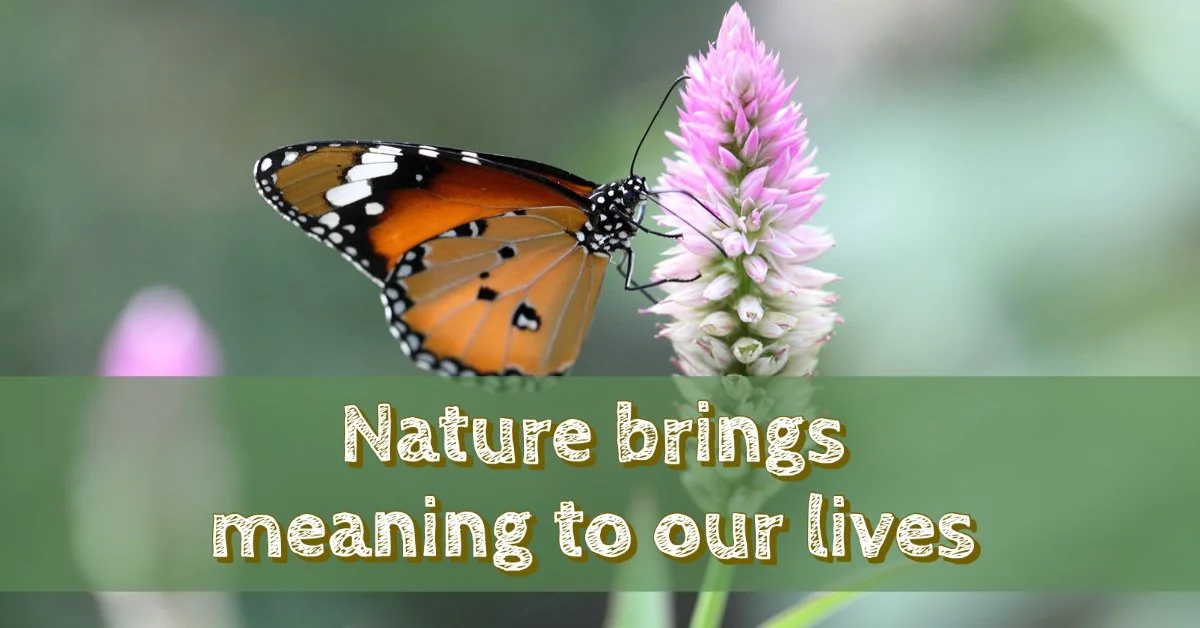
Pathway Four - Reflecting on the meaning of nature
This pathway is about exploring and expressing the meaning that nature brings to our lives, noticing how nature appears in songs and stories, poems and art, how natural spaces are special places and celebrating the mystery, signs and cycles of nature.
You could keep a reflective journal
Read folk stories about nature
Celebrate the solstice, the first cuckoo of Spring or the falling of the last leaf on the tree
Pathway Five - Showing compassion and caring for nature
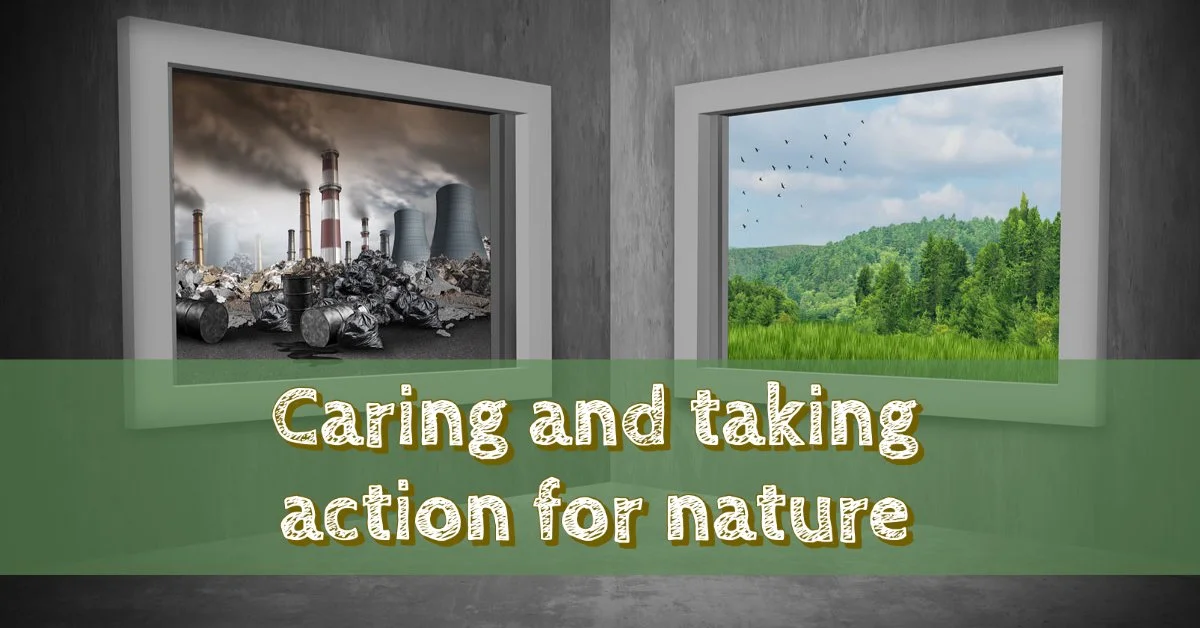
This pathway is about taking action and caring about nature. Think what you can do for nature and take actions that are good for nature. Recognise shared life stories and be a part of the community of nature.
Feed the birds
Plant some wild flowers
Take part in a beach clean
Put up a nest box
Support conservation and rewinding projects
Buy eco-friendly products

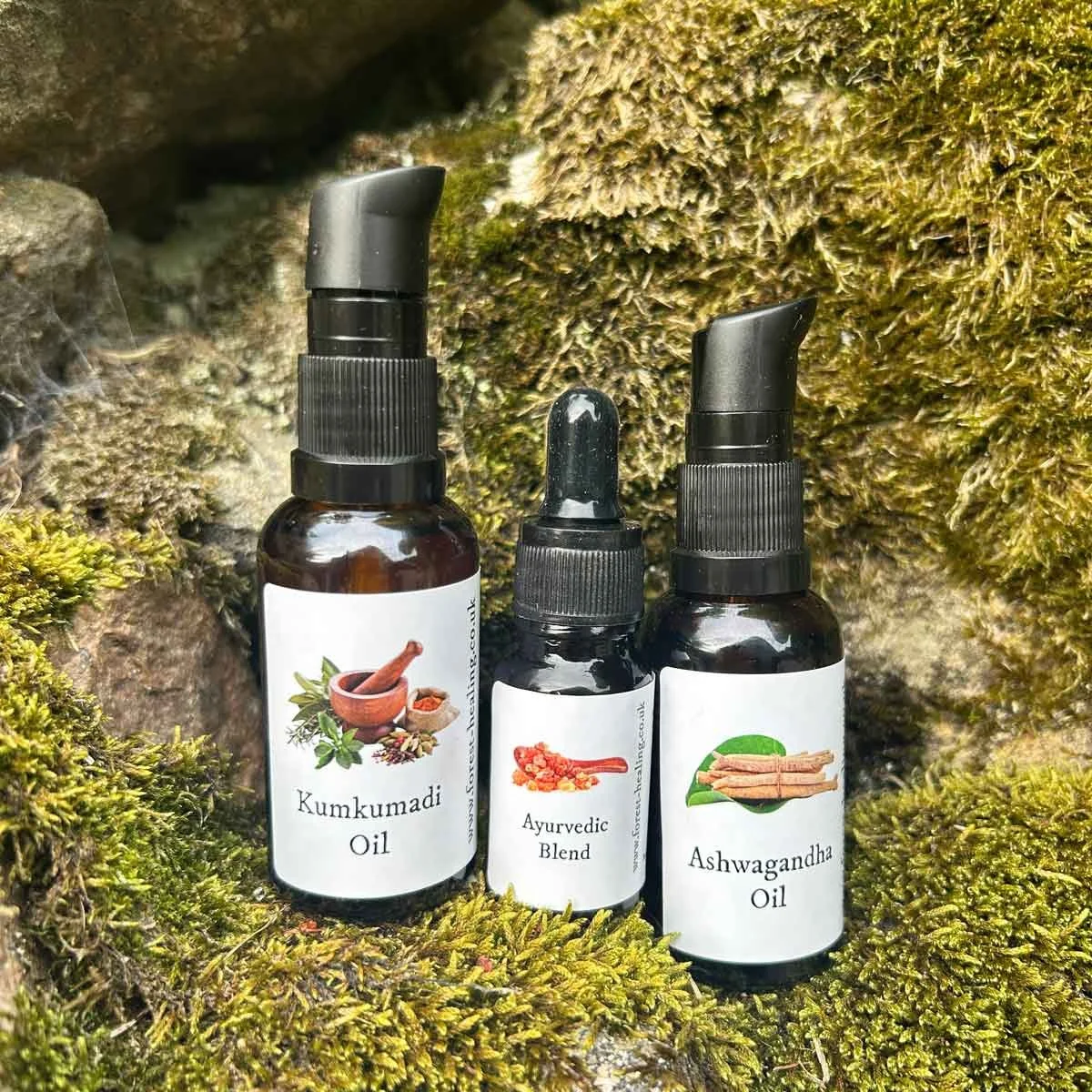
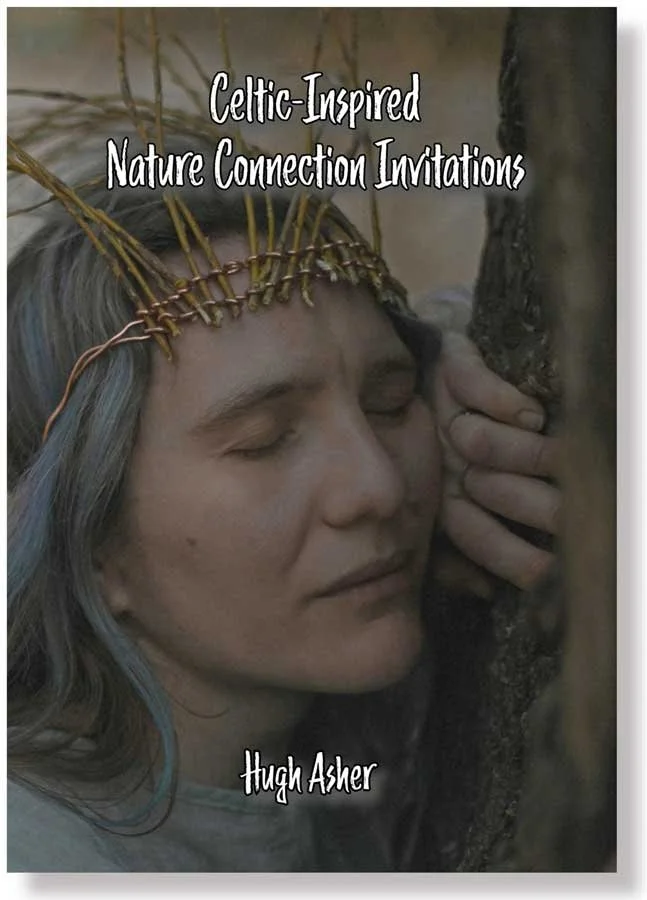

A small collection designed to gently open the door into deeper relationship with the natural world.
This complete set of four Forest Healing booklets brings together practical guidance, reflective ideas, and simple nature connection practices that can be used anywhere — from ancient woodland to a nearby park, garden, or even a single Sit Spot outdoors.
Written to be accessible, grounding, and easy to follow, these booklets offer a pathway into the core practices of Forest Bathing (Shinrin-yoku), Silvotherapy, and everyday nature connection. Rather than asking you to achieve anything, they simply invite you to slow down, notice more deeply, and allow nature to become an active presence in your wellbeing.
Across the four booklets you will explore:
• What Forest Bathing, Silvotherapy, and Nature Connection actually are
• The key benefits of spending mindful time in natural environments
• The practice of the “Sit Spot” and how to develop your own relationship with a chosen place
• Simple, practical Forest Bathing invitations you can try alone or with others
• Ways to bring nature connection into everyday life, even in small moments
Together, they form a gentle introduction to practices that have been shown to support reduced stress, improved mood, greater clarity of thought, and a deeper sense of belonging within the natural world.
These are not academic texts or rigid instruction manuals. They are invitations — encouraging you to step outside, slow your pace, and rediscover the quiet intelligence of trees, weather, and landscape.
Whether you are completely new to nature connection or looking to deepen an existing practice, this collection offers a simple, supportive starting point for building a more intentional and restorative relationship with the living world around you.
A small set of booklets that can change the way you experience even the most familiar patch of nature.
Buy all Four Forest Bathing and Nature-Connection Booklets for £11.00 including FREE P&P within the UK.
Postage to the Rest of the World is £4.