

Rumination and Connection with Nature
19th June 2022
Rumination
/ruːmɪˈneɪʃ(ə)n/
Noun
A deep or considered thought about something.
The action of chewing the cud.
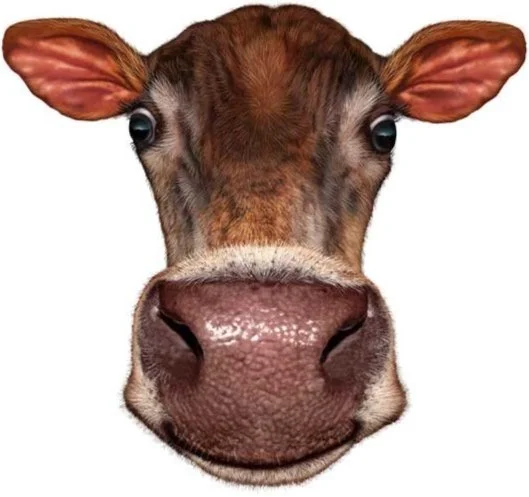
Rumination in cows (and other herbivorous animals) describes the action of eating grass and other forages where they chew and re-chew food over an extended period of time. The rumination process allows them to eat forages and other high fiber feeds that are not be able to be eaten by humans and other non-ruminant animals. In humans, rumination usually refers to a mental process that occurs where you have constant and repetitive thoughts about something; typically, a problem or situation. According to the Merriam-Webster dictionary, rumination is defined as “obsessive thinking about an idea, situation, or choice especially when it interferes with normal mental functioning”. When people ruminate they often play the same thoughts over and over in their heads often analysing their current distress, the reasons for it and its consequences.

Rumination is linked to depression and anxiety. When people ruminate they activate part of their brain called the subgenual prefrontal cortex (SGPFC), an important brain region involved in emotional regulation and reward mechanisms and resulting in feelings of sadness and helplessness, loss of pleasure (anhedonia) and lack of motivation. A study called ‘Nature experience reduces rumination and subgenual prefrontal cortex activation’ found that people who went for a 90 minute walk in nature experienced a sizeable reduction in blood flow to the SGPFC and a reduction in ruminations, whilst the people in the study who went for a walk in an urban area experienced so comparable reductions. The researchers reflected that nature experiences impact rumination in a way that is significantly more profound than more urban experiences.
In her book ‘The Nature Fix’, Florence Williams describes nature connection as having the same effect on rumination as shaking a favourite toy in front of a crying toddler to distract them does.
Further Reading!
Bratman et al (2015) Nature experience reduces rumination and subgenual prefrontal cortex activation

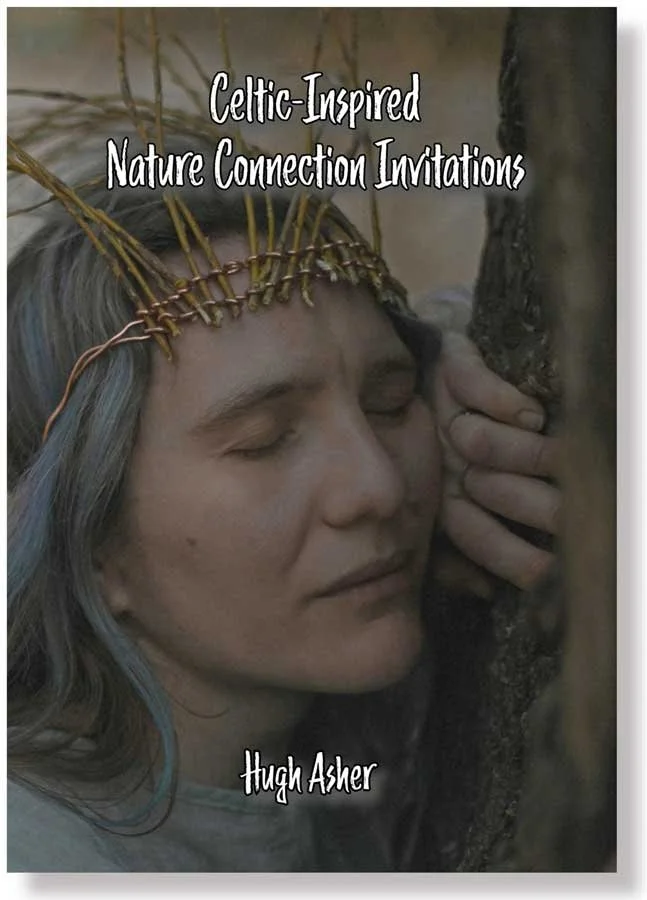

A small collection designed to gently open the door into deeper relationship with the natural world.
This complete set of four Forest Healing booklets brings together practical guidance, reflective ideas, and simple nature connection practices that can be used anywhere — from ancient woodland to a nearby park, garden, or even a single Sit Spot outdoors.
Written to be accessible, grounding, and easy to follow, these booklets offer a pathway into the core practices of Forest Bathing (Shinrin-yoku), Silvotherapy, and everyday nature connection. Rather than asking you to achieve anything, they simply invite you to slow down, notice more deeply, and allow nature to become an active presence in your wellbeing.
Across the four booklets you will explore:
• What Forest Bathing, Silvotherapy, and Nature Connection actually are
• The key benefits of spending mindful time in natural environments
• The practice of the “Sit Spot” and how to develop your own relationship with a chosen place
• Simple, practical Forest Bathing invitations you can try alone or with others
• Ways to bring nature connection into everyday life, even in small moments
Together, they form a gentle introduction to practices that have been shown to support reduced stress, improved mood, greater clarity of thought, and a deeper sense of belonging within the natural world.
These are not academic texts or rigid instruction manuals. They are invitations — encouraging you to step outside, slow your pace, and rediscover the quiet intelligence of trees, weather, and landscape.
Whether you are completely new to nature connection or looking to deepen an existing practice, this collection offers a simple, supportive starting point for building a more intentional and restorative relationship with the living world around you.
A small set of booklets that can change the way you experience even the most familiar patch of nature.
Buy all Four Forest Bathing and Nature-Connection Booklets for £11.00 including FREE P&P within the UK.
Postage to the Rest of the World is £4.