

Nature-Connection and The Environment

Today (June 5th) is World Environment Day. Since it was established 50 years ago by the United Nations in 1972, World Environment Day has been raising environmental awareness, supporting environmental action and driving positive environmental changes. The Theme this year is ‘Only One Earth’, the same theme as the First World Environment Day which was held in 1974.
In last 50 years, there has been a huge change in technology such as the development of mobile phones and personal computers, as well as increased access to electronic information and entertainment. This, combined with a reduction in easily accessible green spaces and other changes to our lifestyles that have occurred during this time, have meant that the overall time that people spend in nature has decreased dramatically. This is especially so amongst children where less than one in 10 children now regularly play out in ‘wild spaces’ such as parks, forests or beaches, compared to half of their parents when they were children.
What Does It Mean to be Connected With Nature?
The term 'connection with nature' encompasses how we related to nature, react to it and experience it. ‘Nature Connection’ is commonly used to describe our relationship to nature including the emotions and the emotional responses that nature creates in us. Being in nature can generate a wide range of emotions within us including calm, joy, awe and wonder, as well as aiding creativity and improving concentration. Increased nature connectedness is also associated with a lower incidence of ‘affective’ mental health problems in particular lowering depression and anxiety levels and relieving stress. It is important though to recognise that there is a difference between ‘exposure to nature’ and ‘connection to nature’.
The Difference Between ‘Exposure to Nature’ and ‘Connection to Nature’
There is a significant difference between the positive effects of nature exposure and those experienced by people who increase their nature connectedness. While we may experience nature exposure on a regular basis whilst we are engaging in activities outside, our modern Western society has seen a significant decline in the importance of true nature connectedness. Nature connectedness is seen as the extent to which nature is part of our identity and how we then relate to the natural world around us. This is not to say that walking or cycling to work, or taking a walk in the local park is not beneficial, just that the majority of the befits to human emotional health and wellbeing and the affect that this has on pro-environmental behaviours comes from how we interact with what is around us and how we value it. If we are physically outside, but mentally thinking about work, the shopping that we need to do later, or trying to beat our personal best record for running 3K we are not connecting with nature.

Nature connection activities can range from mindfully sitting in nature or walking slowly through nature, exploring the natural environment that surrounds you through all your senses, up to physically engaging with nature and hugging a tree (there are benefits to hugging trees and you really should give it go if you never have!) and lots in between.
The important thing is that we feel and perceive ourselves as part of nature, rather than separate to it (disconnected). The stronger a person’s connection to nature, the more likely they are to spend time in nature, and experience more of the benefits of exposure to it as well.
Pathways to Nature Connectedness
According to the Nature Connectedness Research Group there are a variety of pathways to nature connectedness to help people to develop a new relationship with the natural world. This new closer, healthier and more sustainable relationship with nature comes through noticing, feeling, beauty, celebration and care and the five pathways they identify are:
Senses - tuning in to nature through the senses
Emotion - feeling alive through the emotions and feelings nature brings
Beauty - noticing nature’s beauty
Meaning - nature bringing meaning to our lives
Compassion - caring and taking action for nature
The Environmental Benefits of Increased Nature Connection
Whilst individual benefits of increased connection to nature to health and wellbeing are important on a personal level, increased connection with nature can also be beneficial to the wider natural environment, as it can lead to more pro-environmental attitudes and subsequent positive behaviours. As the report Home to Us All: How Connecting with Nature Helps Us Care for Ourselves and the Earth describes, there is a growing body of evidence that people’s relationship with nature profoundly influences their behaviours toward the environment. At a time when the world is confronted with growing environmental threats, better understanding the critical connection between people and nature is key to informing effective decision making, stimulating positive action, and optimising the benefits people and communities receive from nature.
Connecting with nature therefore helps to bring us improved mental, physical and emotional health, and provides the foundation for resilient, healthy ecosystems, communities, and economies to thrive and remain for generations to come.
Are There Downsides to Increased Connection to Nature?
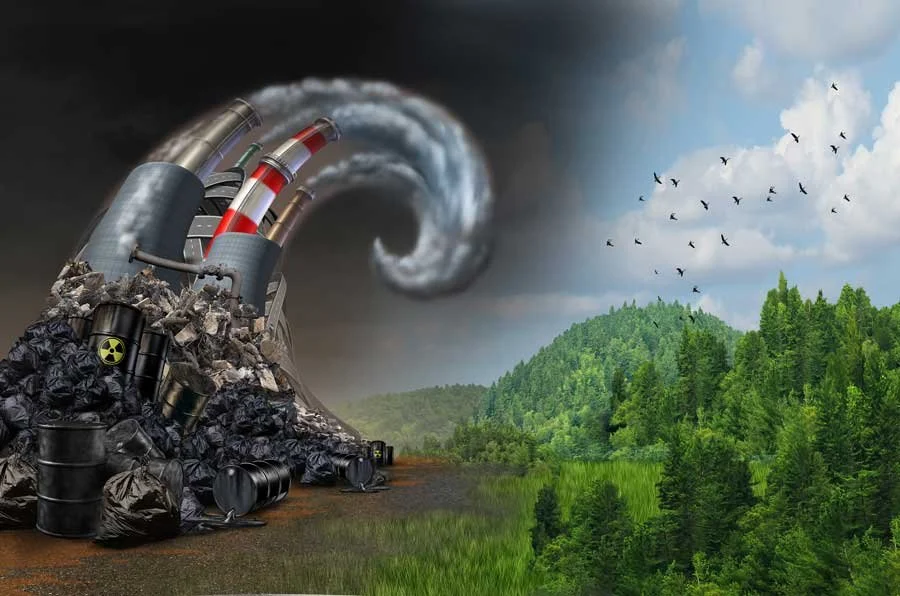
One of the few downsides identified is that people who feel high levels of connection with nature, also tend to experience higher levels of eco-anxiety. Eco-anxiety, ecological grief, eco-grief or climate change anxiety, is a chronic or persistent anxiety about ecological disasters and threats to the natural environment such as pollution and climate change. Fears for our future and feelings of powerlessness are commonly linked to anxiety, stress, depression, anger, helplessness, sadness and feelings of hopelessness. In this way eco-anxiety can be amplified by fear and feelings of powerlessness in being able to do anything in the face of an impending catastrophe. However, (re)connecting with nature, appreciating its beauty, and finding meaning in nature can also help us to cope with our eco-anxiety. Engaging with nature is also an important part of looking after ourselves. When you go into nature you remind yourself that you are not a passive observer, but an integral part of nature and the natural world. Spending time connecting with nature has been shown to reduce stress, anxiety and depression, lower heart rate and increase concentration.
Engaging in 20 minutes a day of nature-mindfulness or trying Forest Bathing may also offer ways you can reconnect with nature too. A fundamental aspect of Forest Bathing as a practice is called ‘reciprocity’. The reciprocity principle encourages you not to just take from the forest – Forest Bathing is not about you exploiting nature by extracting wellness and pleasure from it – it is about a partner relationship, characterised by communication and give-and-take that resonates well with being eco-conscious. Reciprocity increases awareness of the many ways in which we are connected with nature.

A Small Book of Nature Connection Ideas – Simple Outdoor Practices to Improve Wellbeing and Awareness
A gentle invitation to step outside and reconnect with the living world.
This small booklet contains 9 nature connection activities designed to help you slow down, notice more deeply, and experience the natural world in a more direct and meaningful way. These practices are suitable for children, young people, and adults, and can be carried out in gardens, parks, woodlands, or any accessible outdoor space.
Improving your connection with nature has been shown to support reduced stress, lower anxiety and depression, improved attention, and greater overall psychological wellbeing. This booklet offers simple, practical ways to begin experiencing those benefits for yourself through direct engagement with the natural environment.
Rather than requiring special equipment or prior experience, these ideas are designed to be easy to follow and adaptable to your surroundings. Each activity encourages curiosity, sensory awareness, and a slower, more attentive way of being outdoors.
Inside this booklet you will discover:
• 9 simple nature connection activities for all ages
• An introduction to what nature connection is
• An overview of the benefits of spending mindful time in nature
• Pathways for deepening your awareness of the natural world
• Practical ways to integrate nature connection into everyday life
These activities are not about achieving a goal or completing a task. They are about shifting attention — from thinking to sensing, from doing to noticing, from separation to relationship.
Whether you are completely new to nature connection or looking for small ways to deepen your existing practice, this booklet offers a simple starting point that can be returned to again and again.
A small book, designed to help you rediscover the quiet richness of the world just outside your door.
P&P is FREE within the UK.
Postage to the Rest of the World is £4.

A Small Book of Coping With Eco-Anxiety
In a time of environmental uncertainty, it is natural to feel sadness, worry, grief, or overwhelm. Many people who care deeply about the natural world are finding themselves affected by eco-anxiety, climate anxiety, or eco-grief.
A Small Book of Coping With Eco-Anxiety offers a gentle and practical starting point for anyone who is feeling the emotional weight of environmental change. This small booklet explores what eco-anxiety is, why it can arise, and why those who feel especially connected to nature may be particularly sensitive to its loss or alteration.
Rather than turning away from these feelings, the booklet invites you to meet them with awareness, compassion, and care. It offers simple reflections and coping suggestions to help you steady yourself when feelings become heavy, reconnect with what supports you, and find small but meaningful ways to respond.
Created in the spirit of Forest Healing, this booklet recognises that our relationship with the natural world is deeply emotional as well as practical. When the world around us feels fragile, it can help to return to nature not only as something we seek to protect, but as a source of grounding, comfort, perspective, and belonging.
This is a small book, but it opens onto something important: the possibility of holding ecological grief without becoming overwhelmed by it, and of finding resilience through presence, connection, and care.
A gentle, practical booklet for anyone affected by eco-anxiety.
This 24-page booklet explores eco-anxiety, climate change anxiety, and eco-grief, with simple suggestions to help you cope. Written in the Forest Healing style, it offers a compassionate space to reflect on difficult feelings about the natural world and to find steadiness, perspective, and hope.
Postage and Packing is FREE within the UK and £4 for the Rest of the World.

Explore the significance of the Autumnal Equinox in Celtic and Pictish Scotland, from harvest traditions and the journey towards Samhain to ancient solar alignments and our changing relationship with the natural world.