

Children and Connection with Nature
29th June 2022
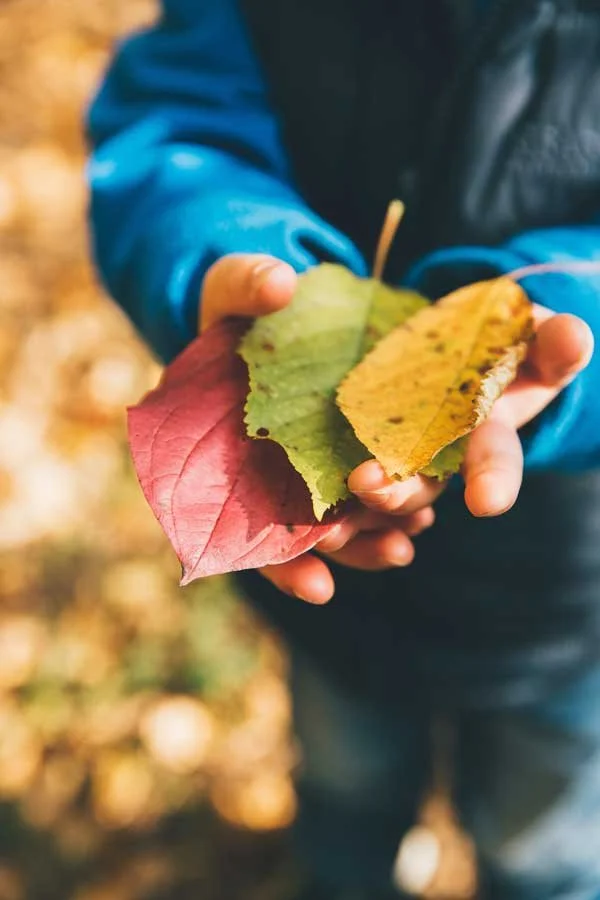
An increasing number of children now grow up in urban areas with limited access to nature. In the last 50 years, there has also been a huge change in technology such as the development of mobile phones and personal computers, as well as increased access to electronic information and entertainment. This, combined with a reduction in easily accessible green spaces and other changes to our lifestyles that have occurred during this time, have meant that the overall time that people spend in nature has decreased dramatically. This is especially so amongst children where fewer than one in 10 children now regularly play out in ‘wild spaces’ such as parks, forests or beaches, compared to half of their parents when they were children. This article will explore why nature-connection is important for children, but also for their future and for the planet.
Nature Deficit Disorder
In his book The Last Child in the Woods, author Richard Louv coined the phrase ‘Nature Deficit Disorder’ to describe the increasingly large gap between children and nature that he believes has led to increases in behavioural and attention-disorders, depression, and anxiety in young people. He proposed that it is not what children know about nature and the natural world that is important, but how much time they spend in nature. There is an increasing amount of research too, that supports this proposition.
Environmental Education and Nature Connection
Research has shown that whilst environmental knowledge, understanding and education is often see as a prerequisite to pro-environmental ecological behaviours - actions which contribute towards environmental preservation or conservation - it has very little effect on longer-lasting ecological behaviours compared to connectedness to nature, at least in the case of children.
Why is Ecological Behaviour Important?
It is now generally and widely accepted that human activity, actions and behaviours are having a detrimental effect on the environment and wider planetary ecosystems. Solutions that motivate people to change their behaviours with the goal of increasing environmental protection and conservation and reducing detrimental behaviours are actively being sought. As the motivators for ecological actions are often formed in childhood, it is seen as important to explore how we can best encourage pro-environmental behaviours in future generations. But purely knowledge-based approaches to changing ecological behaviours often lack the necessary long-lasting motivational component as knowledge by itself, especially that gained to pass a test or assessment, has a short-term effect on values and attitudes.
Intrinsic and Extrinsic Motivation
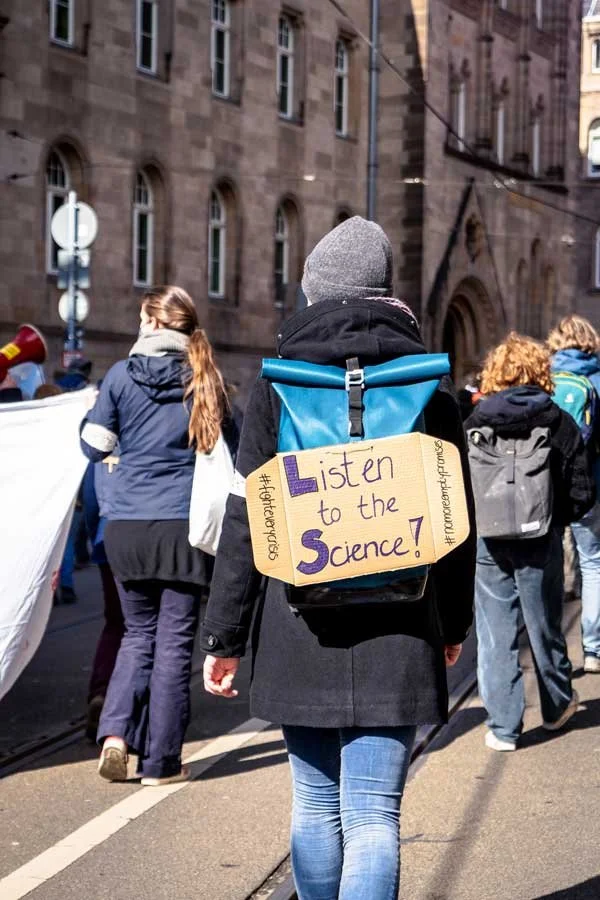
People rarely do anything unless there is a personal reason to do it, and we often refer to this as motivation. Psychologists have proposed different ways of thinking about motivation, including whether motivation arises from outside (extrinsic motivation) or inside (intrinsic motivation) an individual. In terms of motivation to engage in pro-environmental behaviours, extrinsic motivation would be to gain approval from others for pro-environmental behaviours or because there is a reward for doing so, such as getting money back in bottle-return schemes. Policy makers often use such external incentives to try and make pro-environmental behaviours more attractive, but they often have a financial cost and the motivation to engage in the behaviour often stops when the reward is withdrawn. However, people who engage in pro-environmental behaviours despite a lack of external rewards, or despite the additional cost or effort required to engage in pro-environmental actions and activities must be intrinsically motivated by something else, such as environmental self-identity.
Environmental Self-Identity
Environmental self-identity is the extent to which a person perceives themselves as actively engaging in environmentally-friendly activities and refraining from environmentally-damaging ones and not surprisingly has been shown to be a predictor of pro-environmental behaviours. Understanding ways in which this intrinsic motivation to engage in pro-environmental behaviours can be enhanced could prove to be both an effective, and cost-effective way to encourage ecological behaviours. As previously discussed, this self-identity can be strongest when formed in childhood.
Connectedness to Nature
Connectedness with nature refers to an individual’s sense of their relationship with the natural world that usually goes beyond mere contact with, or exposure to nature and involves a sense of meaningful involvement in something larger than oneself. Connectedness to nature has been shown to be the strongest predictor of ecological behaviours and that nature-connectedness developed in childhood remains into adulthood. In this way connection with nature is often seen as a prerequisite for engaging in ecological activities and behaviours as it provides the intrinsic motivation to do so, as connectedness to nature means that knowingly causing damage to the environment impacts the sense of environmental self-identity more directly. Connectedness to nature also provides intrinsic motivation to learn about the natural environment and how to protect it, in a way that extrinsic motivation to gain knowledge in order to pass a test or assessment does not.
The Competence Model of Environmental Education
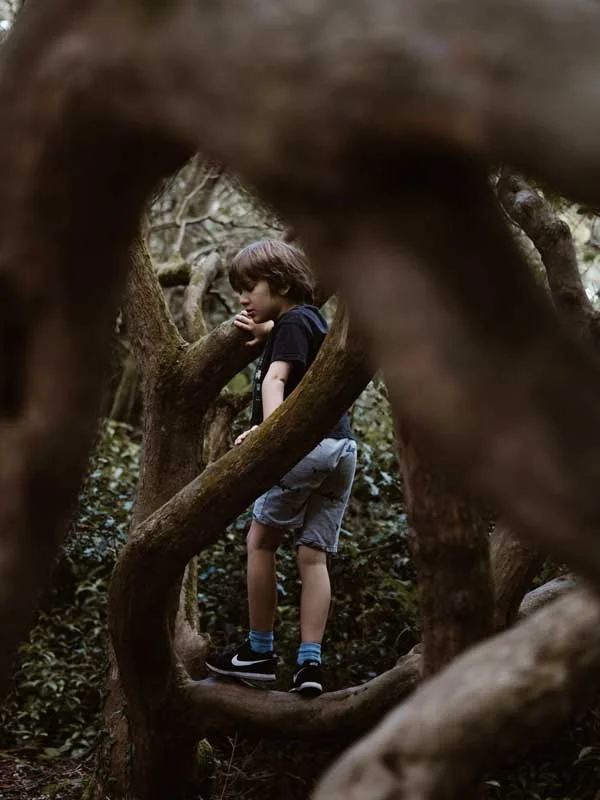
The Competence Model of Environmental Education therefore proposes that environmental education is only effective when the intrinsic motivation of connection with nature is combined with the acquisition of environmental knowledge that enables a person to know what type of actions to take.
Outside of Forest Schools and environmental education that takes place in the natural environment, providing environmental knowledge in a standard educational setting is the norm, and attempts to foster nature-connection are not usually a component of this. Increased nature connection therefore more commonly comes from participation in extra-curricula outdoor activities with the potential to increase a strong empathic relationship with nature, which, coming full-circle, we discussed as the type of activities that are in rapid decline. This is not to say that environmental education is ineffective, as an understanding of the ecological impact of human behaviours is essential if we are to influence positive change, but that without a nature-connection component it’s effectiveness is greatly reduced.
Nature-Connection Activities for Children
This post was written as part of the Highland Climate Festival for which we had created a range of nature-connection activities that are suitable for children of different ages.




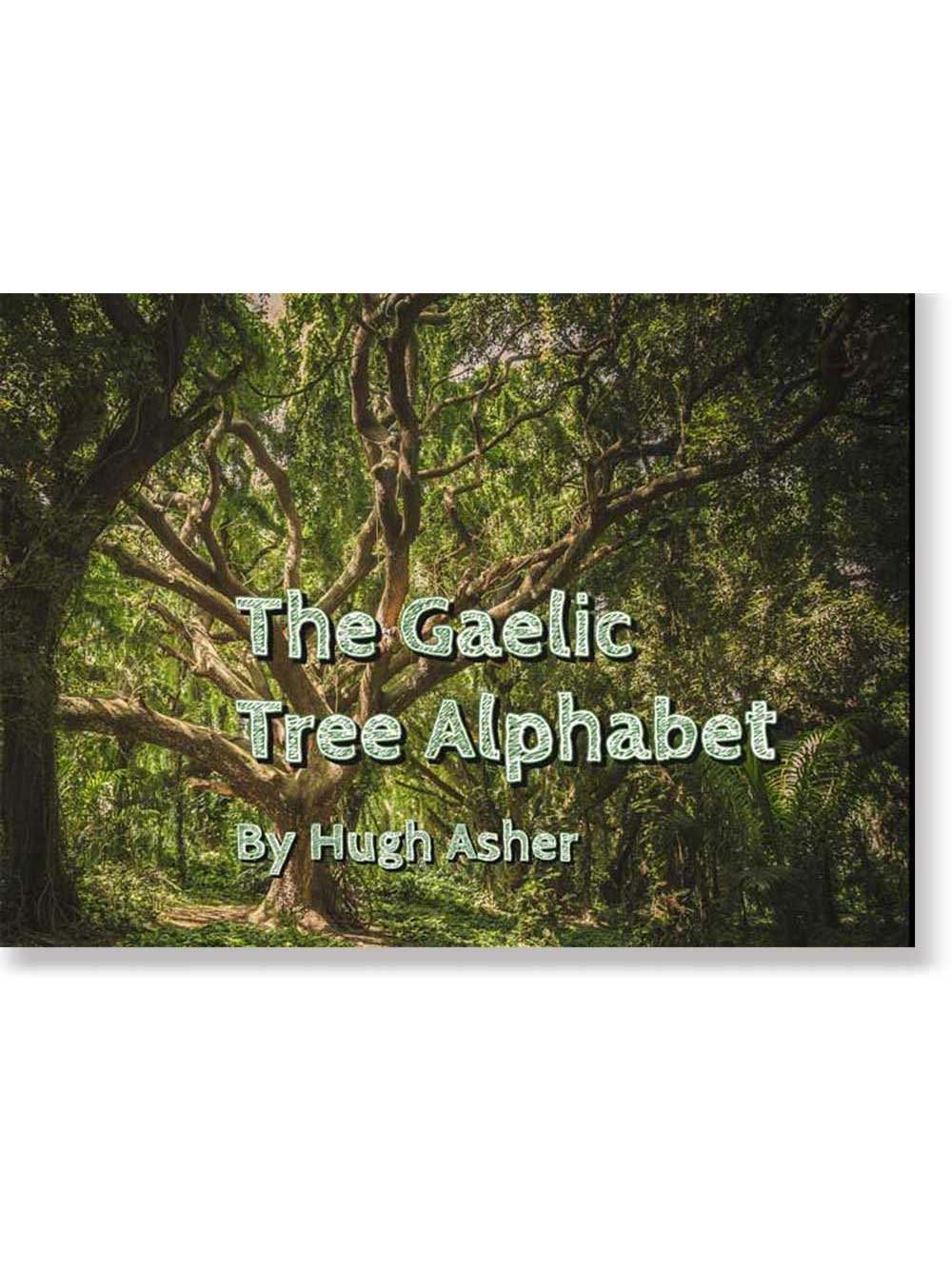
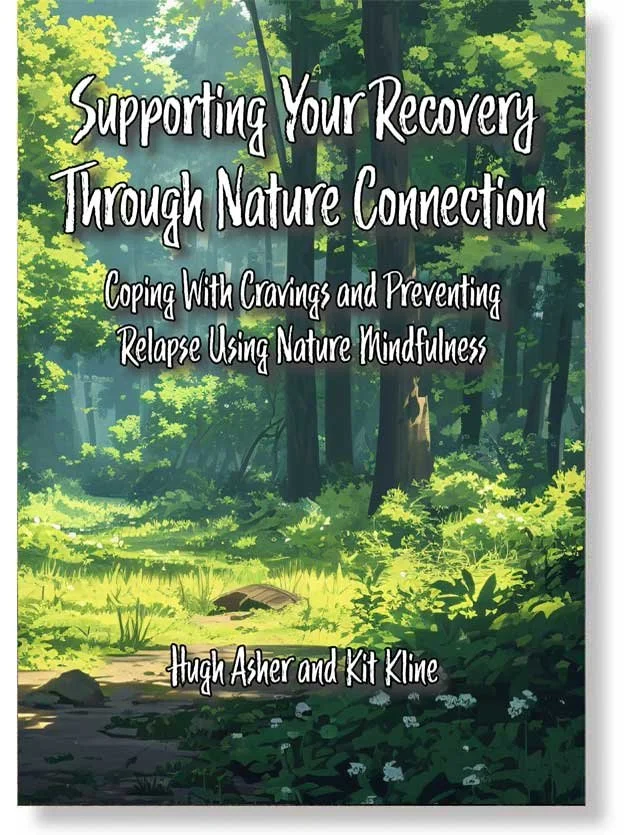




A small collection designed to gently open the door into deeper relationship with the natural world.
This complete set of four Forest Healing booklets brings together practical guidance, reflective ideas, and simple nature connection practices that can be used anywhere — from ancient woodland to a nearby park, garden, or even a single Sit Spot outdoors.
Written to be accessible, grounding, and easy to follow, these booklets offer a pathway into the core practices of Forest Bathing (Shinrin-yoku), Silvotherapy, and everyday nature connection. Rather than asking you to achieve anything, they simply invite you to slow down, notice more deeply, and allow nature to become an active presence in your wellbeing.
Across the four booklets you will explore:
• What Forest Bathing, Silvotherapy, and Nature Connection actually are
• The key benefits of spending mindful time in natural environments
• The practice of the “Sit Spot” and how to develop your own relationship with a chosen place
• Simple, practical Forest Bathing invitations you can try alone or with others
• Ways to bring nature connection into everyday life, even in small moments
Together, they form a gentle introduction to practices that have been shown to support reduced stress, improved mood, greater clarity of thought, and a deeper sense of belonging within the natural world.
These are not academic texts or rigid instruction manuals. They are invitations — encouraging you to step outside, slow your pace, and rediscover the quiet intelligence of trees, weather, and landscape.
Whether you are completely new to nature connection or looking to deepen an existing practice, this collection offers a simple, supportive starting point for building a more intentional and restorative relationship with the living world around you.
A small set of booklets that can change the way you experience even the most familiar patch of nature.
Buy all Four Forest Bathing and Nature-Connection Booklets for £11.00 including FREE P&P within the UK.
Postage to the Rest of the World is £4.