

Ways to Bring Nature-Connection Indoors
3rd July 2022
We have previously discussed the benefits of increasing your connection with nature and in this article we are going to look at a range of ways that you can increase your nature-connection when you cannot go outside. This might be because of the weather, or for physical or psychological reasons. The birdsong seems to start automatically so either turn your volume down, mute this page in your tabs or scroll down to ‘Birdsong.FM’ and pause it if you do not want to listen to it just yet.
Bringing The Beneficial Outdoors Indoors

Potted Plants and Wild Flowers
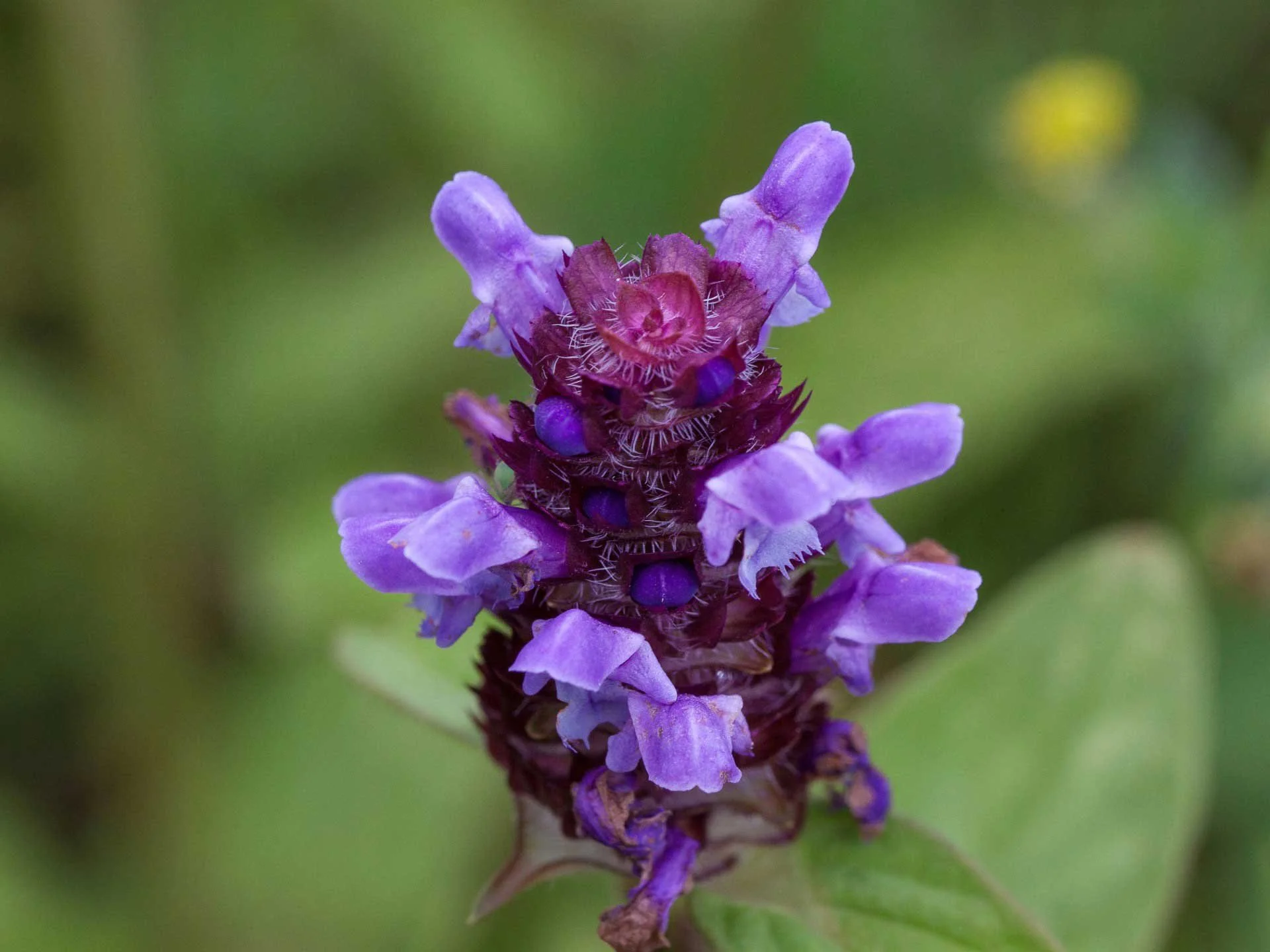
Sometimes the easiest way to bring nature indoors is by getting yourself a few potted plants, or cutting some wild flowers when you are outside and arranging them in a vase or jug. Planting something in a pot yourself and watching it growing it on your windowsill can be especially rewarding.
Create a ‘Nature-Museum’
If you do go outside, then look for things that bring you pleasure that you can bring in from the beach, park, woods or forest. This could include feathers that you pick up, interesting stones, pine cones, or dried leaves. You can either put them all together in a big jar or another container, and look at them and feel their textures when needed; you can display them somewhere individually or all together; or you can put them together to create a piece of indoor eco-art.
Make or Buy a Bird Feeder
If you (or a neighbour) have a bird table, or bird feeder that you can see, just sit and watch the birds. Notice how many different types of bird visit. Do different types of bird prefer different types of food or feeder if there is a selection?
If you don’t have access to a bird feeder yourself, you can access a live stream of bird feeders across the world here:
and watch even bigger birds here (depending on the time of year):
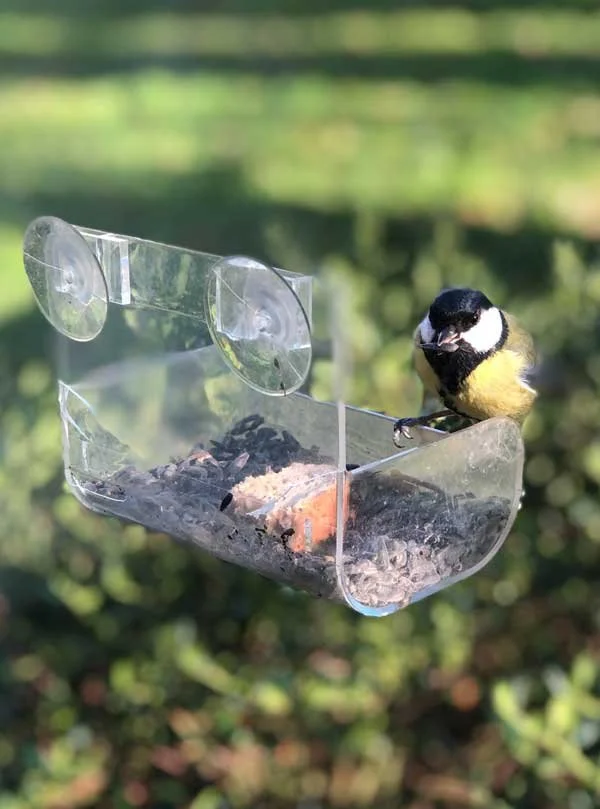
Or you can watch a video of our bird table on the croft":
Indoor Sit Spot
There is no reason why your Sit Spot place cannot be next to a window, especially one where you can look out over a view of trees or sky.

If possible, put a comfy chair that you can sit in near by an open window. The idea is to very simply sit comfortably for 10 to 20 minutes and just ‘be’ - immersing yourself in the natural world outside. Simply sit and observe what is around you. Try to focus on each of your senses in turn. Think about what you can see, what you can hear, what you smell and what you can feel.
When thoughts arise, gently bring yourself back to your senses; to the sounds, sights, smells, and feel of your surroundings. Notice the specific qualities of the place in which you are and your place within it. What seems to be drawing your curiosity the most?
Sight
Take some time to really look around and allow yourself time to notice things that you might not have noticed before. How many different shades of green can you make out? Focus on observing things that are moving.
Sound
Many people find it easier to concentrate on their other senses when they close their eyes, so feel free to do this if you want to and it feels comfortable to do so, whilst you listen to what you can hear around you. Do you hear animals or birds? Do you hear the wind rustling the leaves? Notice the closest sounds and the sounds furthest away? What is the faintest sound that you can hear?
Smell
If you are close enough to the window to be able to inhale the air from outside the window, give this a try. What does the air feel like in your nostrils? Can you identify any particular smells? Smells are one of the senses most closely related to memory. What feelings or emotions do these smells create?
Touch and Feeling
Focus for a little while on what you can feel. Is there a breeze coming in through the window? Is it a warming or cooling breeze? Is the sunshine warming you? If you have collected items for your nature museum, such as a pine cone, you can explore these items with your eyes and your hands. Try holding them up to your nose and smelling them too.
As you sit, as well as taking notice of the things that you experience through your senses, also take notice of how these experiences interact with each other and how they affect you emotionally. As well as noticing the colours, textures and patterns in nature, also notice how these make you feel. Can you find things that simply feel good to look at? What emotions do you notice in yourself as you sit in your Sit Spot? Are you happy or sad? Contented? Nostalgic? How does the practice of sitting quietly and mindfully change your mood? You might consider adding a few of these personal reflections to your journal if you want.
Listen to Natural Sounds Such As Bird Song
You can use recordings or apps that play birdsong, ocean waves or rainfall.
Birdsong.FM plays birdsong 24 hours a day and you can download the app onto your mobile phone too!
Watch Videos of Nature
YouTube is full of videos like the one below, where you can watch an endless array of scenes from nature.
or clips that might inspire you and fire up your imagination.
Wildlife Programmes
Watch wildlife programmes that fill you with awe! A research study in which participants either viewed a few minutes of the inspiring David Attenborough documentary Planet Earth, a neutral video from a news program, or funny footage from the BBC’s Walk on the Wild Side, found that watching a few minutes of Planet Earth led people to feel 46 percent more awe and 31 percent more gratitude than those in the other groups. This study and others like it tell us that even brief nature videos are a powerful way to feel awe, wonder, gratitude, and reverence — all positive emotions known to lead to increased well-being and physical health.





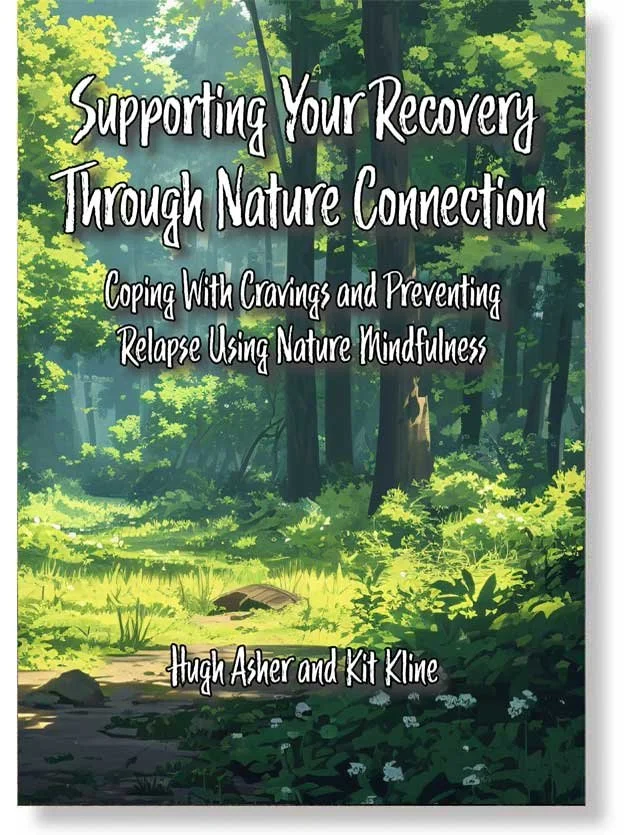






A small collection designed to gently open the door into deeper relationship with the natural world.
This complete set of four Forest Healing booklets brings together practical guidance, reflective ideas, and simple nature connection practices that can be used anywhere — from ancient woodland to a nearby park, garden, or even a single Sit Spot outdoors.
Written to be accessible, grounding, and easy to follow, these booklets offer a pathway into the core practices of Forest Bathing (Shinrin-yoku), Silvotherapy, and everyday nature connection. Rather than asking you to achieve anything, they simply invite you to slow down, notice more deeply, and allow nature to become an active presence in your wellbeing.
Across the four booklets you will explore:
• What Forest Bathing, Silvotherapy, and Nature Connection actually are
• The key benefits of spending mindful time in natural environments
• The practice of the “Sit Spot” and how to develop your own relationship with a chosen place
• Simple, practical Forest Bathing invitations you can try alone or with others
• Ways to bring nature connection into everyday life, even in small moments
Together, they form a gentle introduction to practices that have been shown to support reduced stress, improved mood, greater clarity of thought, and a deeper sense of belonging within the natural world.
These are not academic texts or rigid instruction manuals. They are invitations — encouraging you to step outside, slow your pace, and rediscover the quiet intelligence of trees, weather, and landscape.
Whether you are completely new to nature connection or looking to deepen an existing practice, this collection offers a simple, supportive starting point for building a more intentional and restorative relationship with the living world around you.
A small set of booklets that can change the way you experience even the most familiar patch of nature.
Buy all Four Forest Bathing and Nature-Connection Booklets for £11.00 including FREE P&P within the UK.
Postage to the Rest of the World is £4.