

Green Prescriptions - An Holistic Approach to Public Health
In today's fast-paced world, it's easy to become overwhelmed by stress and anxiety. The constant demands of work, family, and technology can leave us feeling burnt out and disconnected from the natural world. However, there is a growing body of evidence that suggests that spending time in nature can have a positive impact on our physical and mental health and our wider wellbeing. This is where green prescribing can play an important role.
What is Green Prescribing?
Nature-based social prescribing, also known as "green prescribing," involves connecting individuals with nature and outdoor activities in order to improve their health and well-being. This kind of social prescribing is a non-medical approach to treating health issues and promoting well-being. It is a way of connecting patients with community services and activities that can help address the social, emotional, or practical needs that are contributing to their health problems.
The idea behind green prescribing is to use nature activities that are cheap and easy to access to help individuals to address social and psychological factors that impact health, and in this way to enable them to improve their physical and mental health and reduce their dependence on medical treatments, helping them to improve their overall health and quality of life. Such social prescribing approaches aim to address the root causes of health problems and enhance people's health and wellbeing by connecting them with community-based activities and services that they find enjoyable and meaningful.
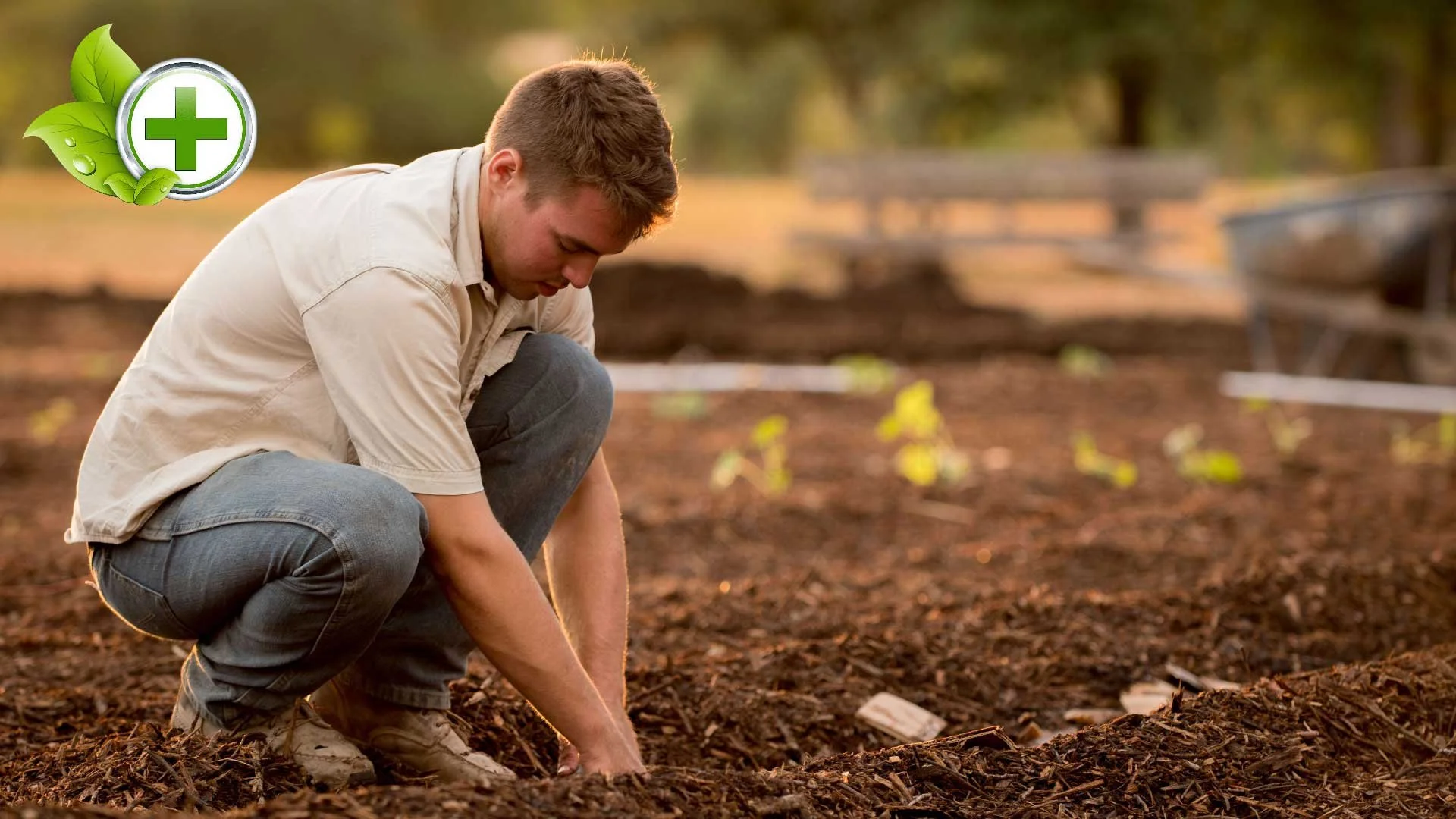
Exposure to nature and outdoor environments that can have a positive impact on physical and mental health, and can be a very cost-effective alternative to traditional medical treatments for certain health conditions, particularly those with a mental, emotional or social cause. They are also seen as a way to empower individuals to take control of their own health and to provide a more holistic approach to healthcare.
Green prescriptions typically involve a healthcare professional, such as a GP, nurse, clinician, Occupational or Physio Therapist, or other healthcare practitioner, making a referral for a patient to engage in outdoor activities or to spend time in nature. This might include activities like hiking, gardening, or bird-watching, or simply spending time in local parks or green spaces.
The Personal Benefits of Green Prescribing
The personal benefits of green prescribing are wide-ranging, and include:

Reduced Stress and Anxiety:
Spending time in nature can have a calming effect, and has been shown to reduce stress and anxiety levels, which can have a positive impact on mental health and well-being. Research suggests that exposure to nature has been shown to lower levels of the stress hormone cortisol, a marker of stress and tension.
Increased Physical Activity:
Engaging in outdoor activities, such as walking, gardening or bird-watching, can increase physical activity levels, which can improve physical health and reduce the risk of chronic diseases.
Better Sleep:
Spending time in nature has been shown to improve sleep quality and duration.
Better Mental Health:
Spending time in nature has been linked to improved mental health, including reduced symptoms of depression and increased feelings of happiness and contentment, potentially due to the release of endorphins and the reduction of stress and anxiety.
Improved Self-Esteem and Confidence:
Engaging in outdoor activities and experiencing new environments can help individuals to build confidence, develop new skills and boost self-esteem.
Improved Focus and Concentration:
Spending time in nature can improve focus and concentration, making it easier to complete tasks and increase productivity. Nature exposure has been linked to improved cognitive functioning, as well as increased attention span and has been shown to reduce symptoms of attention deficit hyperactivity disorder (ADHD).
Increased Feelings of Wellbeing:
Spending time in nature has been linked to increased feelings of well-being, happiness, and a sense of connection to the world around us.
Reduced Social Isolation and Loneliness:
Engaging in outdoor activities can help to reduce social isolation and loneliness, which can have a positive impact on mental health.
The Financial Benefits of Green Prescriptions
Green prescriptions, or socially prescribing nature, also has the potential to provide financial benefits by reducing healthcare costs and improving quality of life. Some of the most notable financial benefits include:
Reduced Public Healthcare Costs:
By addressing some of the social and psychological factors that impact health, and by promoting physical activity, reducing stress and anxiety, and improving mental health, green prescriptions can help to reduce the need for medical treatments and interventions, and in this way they can improve public health provision, leading to reduced costs for the healthcare system and the wider economy.
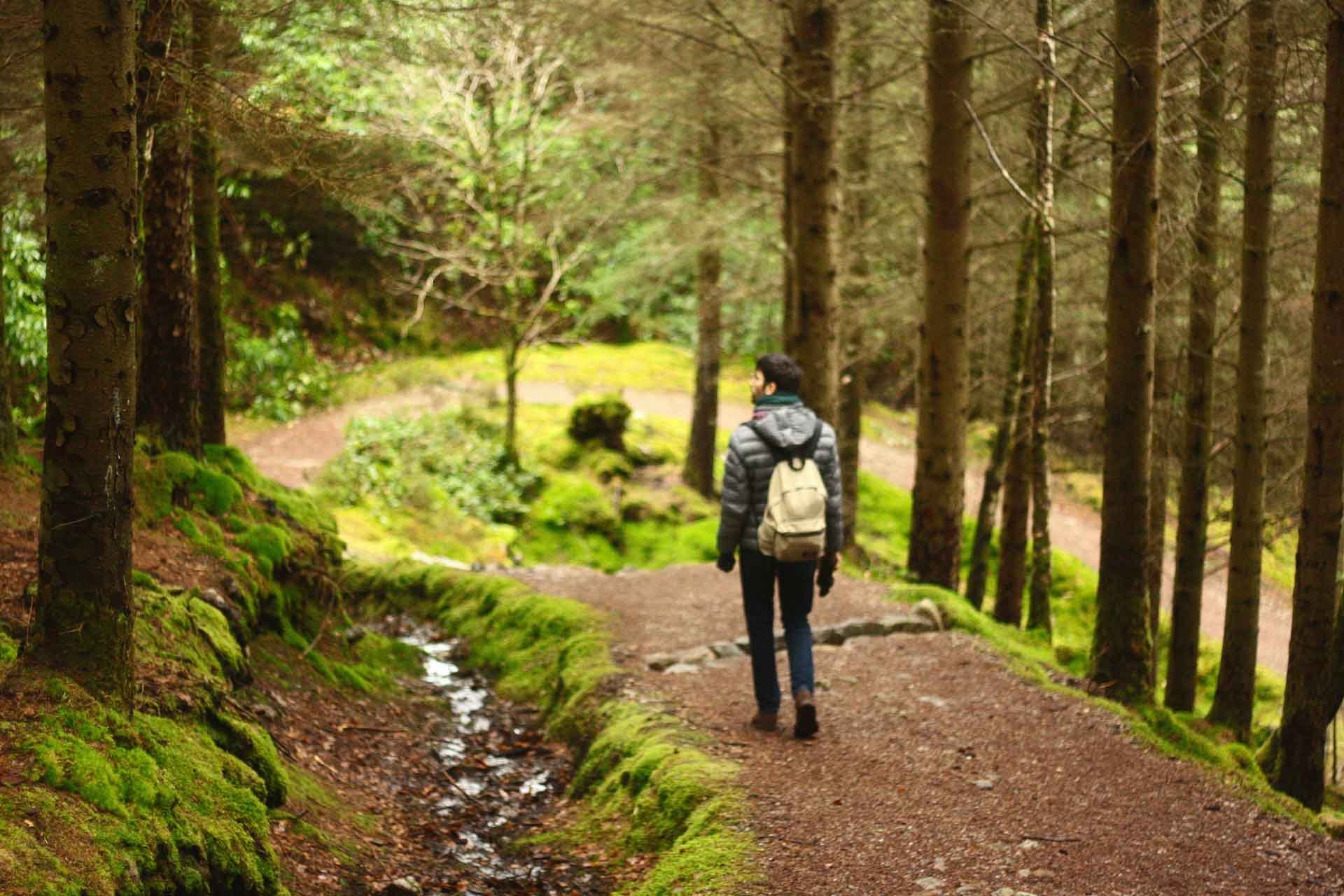
One of the first studies to demonstrate the “avoided costs” to the National Health Service through improved wellbeing by visiting woodlands and nature, was carried out by Forest Research in 2020. It was commissioned by Scottish Forestry, the Welsh Government and the Forestry Commission in England, and published in 2021. It reported that visits to woodlands for recreation could save around £141 million in treating mental ill-health in England, £26 million a year in treating mental ill-health in Scotland, £13 million in Wales and £6 million in Northern Ireland. These savings to the NHS would be made through fewer GP visits and prescriptions, reduced hospital and social service care, and the costs of lost days of work although the researchers believed that the true savings are likely to be significantly higher.
Increased Productivity:
By improving physical and mental health, green prescriptions can help individuals be more productive and, as a result, increase their earning potential and resulting in cost saving for employers.
Reduced Absenteeism:
By improving health and reducing stress and anxiety, green prescriptions can help individuals miss less work, which can reduce the financial burden of absenteeism for both employees and employers.
Lower Costs for Social Care:
Green prescriptions can help to reduce the need for social care, by reducing social isolation and loneliness and improving mental health, which can result in cost savings for both individuals and the public sector.
Increased Tourism Revenue:
Increased exposure to nature can boost tourism in local areas, resulting in increased revenue for local businesses and the local economy. The West Highland Peninsulas where An Darach Forest Therapy is located, promote the area as a Wellbeing Tourist Destination.
The Environmental Benefits of Green Prescriptions
Green prescriptions not only have positive impacts on individual health and well-being, but they can also have positive environmental benefits. By encouraging individuals to engage with and appreciate the natural world, green prescriptions can help to raise awareness of environmental issues and promote conservation efforts.
Green Prescribing and Forest Bathing
Researchers at Chiba University in Japan remind us that over the 7 million years of human evolution, “less than 0.01% of it has been spent in modern surroundings and 99.99% of this time living [and working] in the natural environment” and that “despite living in this modern era and surroundings, our bodies are best adapted to living in a natural environment.” In particular they emphasise “the gap between natural settings, to which our physiological functions are best adapted, and the highly urbanized and artificial environment that we inhabit is a contributing cause of the “stress state” in modern people.”

Of course one of the most long-standing nature therapies in modern times, Shinrin-Yoku (or Forest Bathing) has its origins in Japan, which has been shown to lower blood pressure, reduce pulse rate, and lower levels of stress hormone cortisol as well as heart rate. Shinrin-Yoku was made available as a ‘green prescription’ by the Japanese government in the early 1980s as a response to an epidemic of stress and anxiety. However, Shinrin-yoku is perceived in Japan as a form of preventative medicine, rather than just something to prescribe when someone is in crisis. Although it may help with the symptoms of mental or physical illness, the idea is to engage in this activity regularly as a preventative or ‘salutogenic’ form of health promotion.

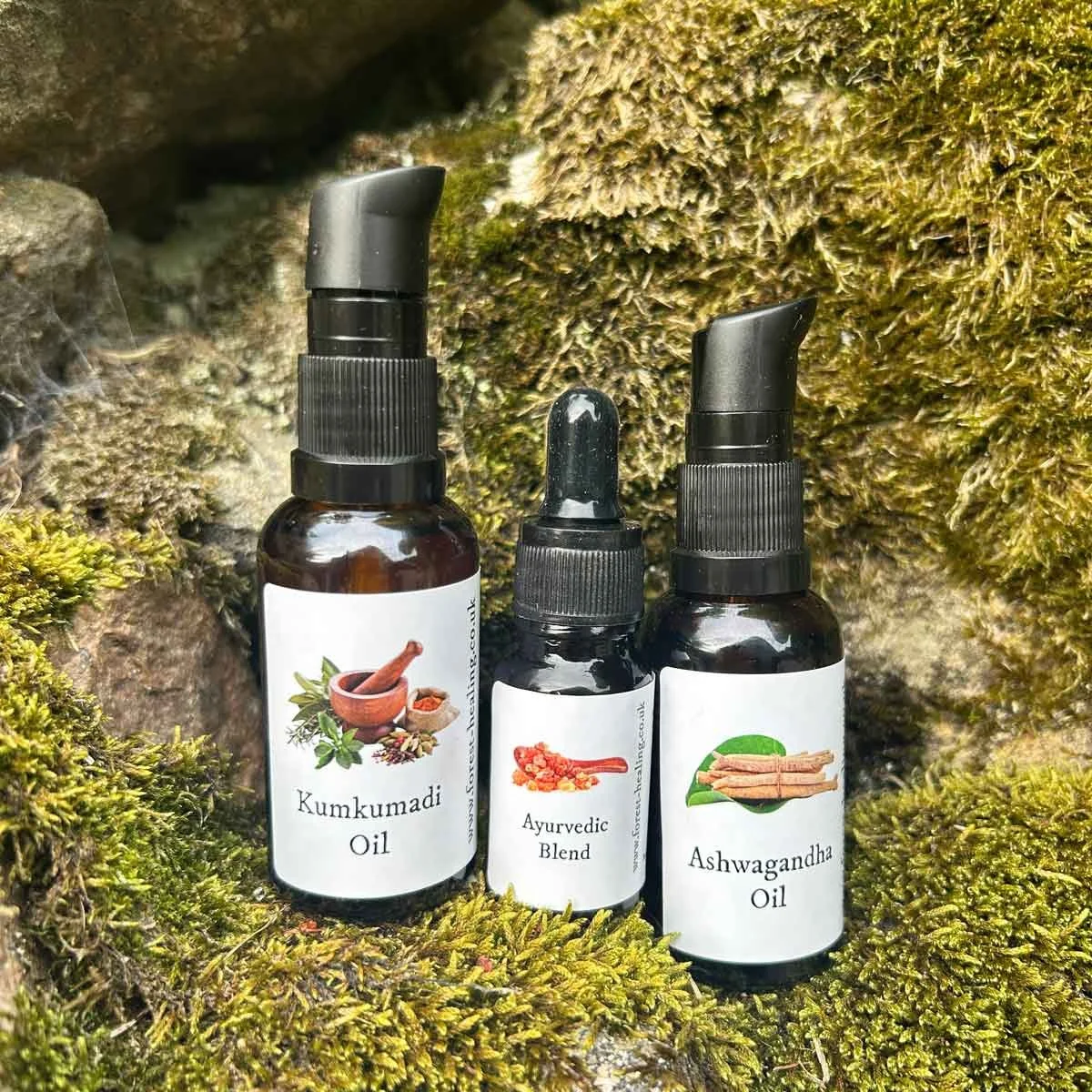
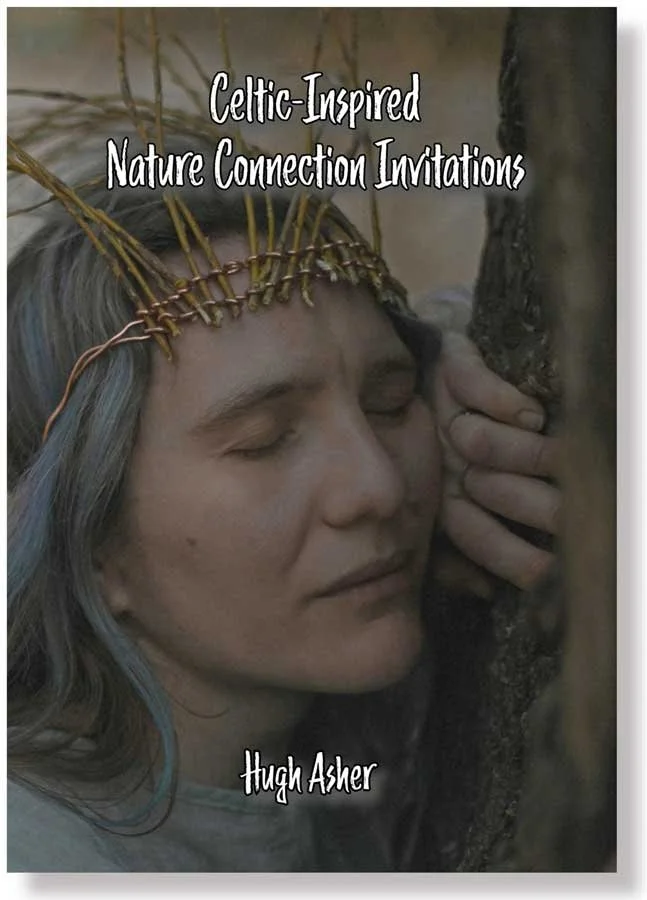

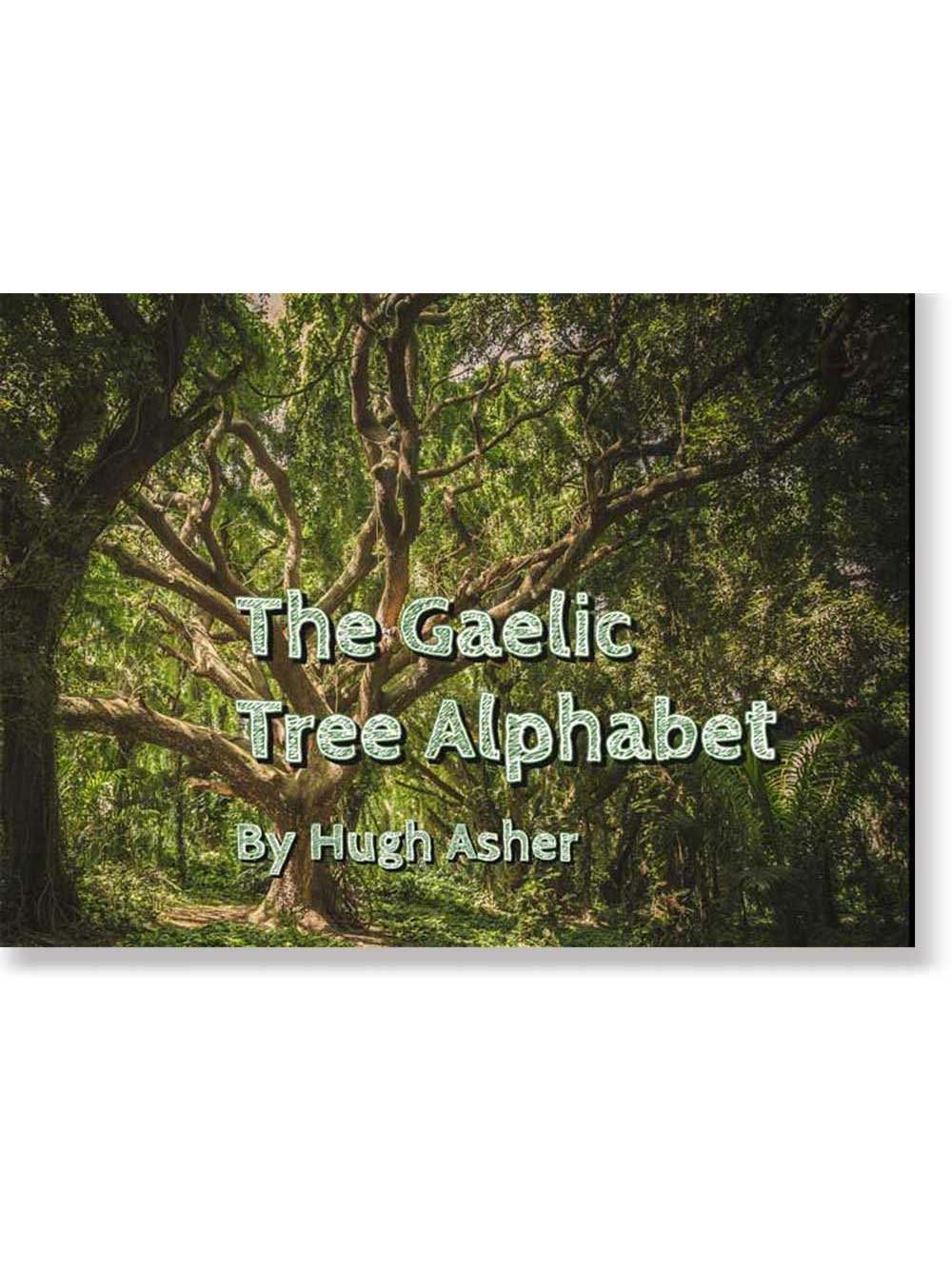
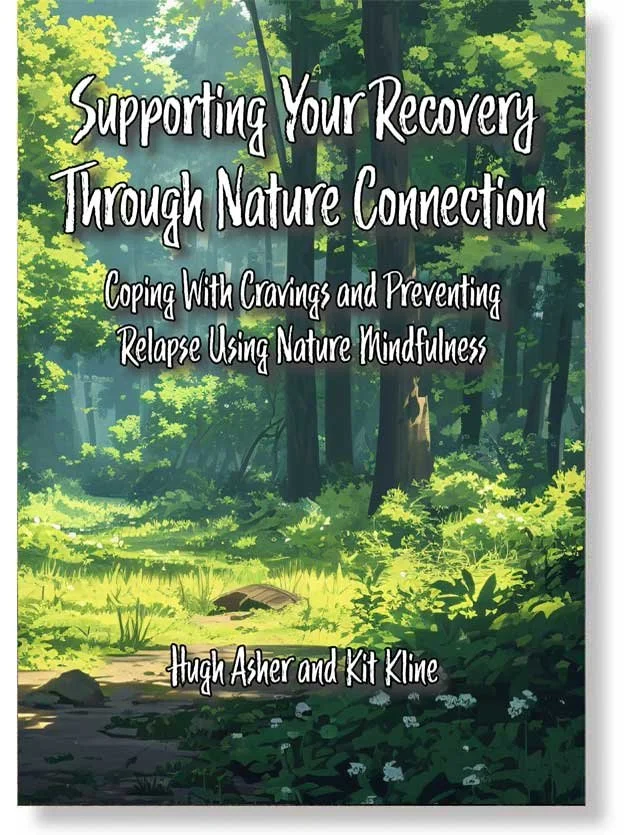




A small collection designed to gently open the door into deeper relationship with the natural world.
This complete set of four Forest Healing booklets brings together practical guidance, reflective ideas, and simple nature connection practices that can be used anywhere — from ancient woodland to a nearby park, garden, or even a single Sit Spot outdoors.
Written to be accessible, grounding, and easy to follow, these booklets offer a pathway into the core practices of Forest Bathing (Shinrin-yoku), Silvotherapy, and everyday nature connection. Rather than asking you to achieve anything, they simply invite you to slow down, notice more deeply, and allow nature to become an active presence in your wellbeing.
Across the four booklets you will explore:
• What Forest Bathing, Silvotherapy, and Nature Connection actually are
• The key benefits of spending mindful time in natural environments
• The practice of the “Sit Spot” and how to develop your own relationship with a chosen place
• Simple, practical Forest Bathing invitations you can try alone or with others
• Ways to bring nature connection into everyday life, even in small moments
Together, they form a gentle introduction to practices that have been shown to support reduced stress, improved mood, greater clarity of thought, and a deeper sense of belonging within the natural world.
These are not academic texts or rigid instruction manuals. They are invitations — encouraging you to step outside, slow your pace, and rediscover the quiet intelligence of trees, weather, and landscape.
Whether you are completely new to nature connection or looking to deepen an existing practice, this collection offers a simple, supportive starting point for building a more intentional and restorative relationship with the living world around you.
A small set of booklets that can change the way you experience even the most familiar patch of nature.
Buy all Four Forest Bathing and Nature-Connection Booklets for £11.00 including FREE P&P within the UK.
Postage to the Rest of the World is £4.