

Nature Connection and Mental Health
10th October 2024
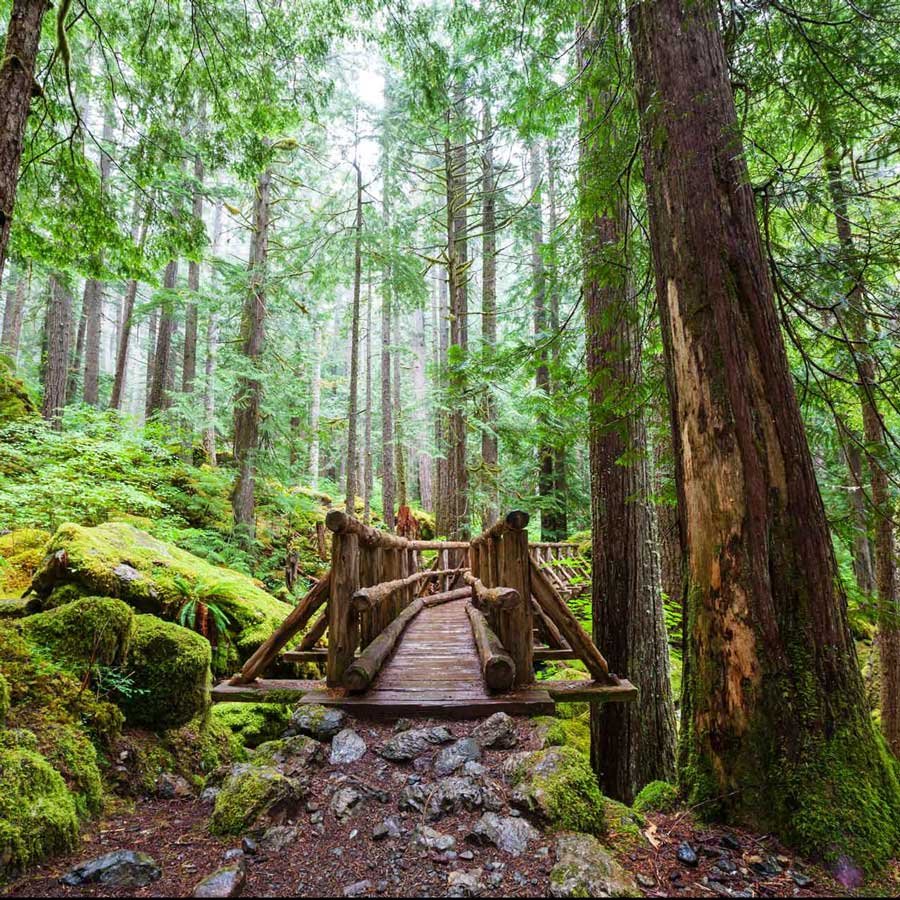
“The key to unlocking the power of the forest is in the five senses. Let nature enter through your ears, eyes, nose, mouth, hands and feet. Listen to the birds singing and the breeze rustling in the leaves of the trees. Look at the different greens of the trees and the sunlight filtering through the branches. Smell the fragrance of the forest and breathe in the natural aromatherapy of phytoncides. Taste the freshness of the air as you take deep breaths. Place your hands on the trunk of a tree. Dip your fingers or toes in a stream. Lie on the ground. Drink in the flavor of the forest and release your sense of joy and calm. This is your sixth sense, a state of mind. Now you have connected with nature. You have crossed the bridge to happiness.”
World Mental Health Day 2024
Today (Thursday October 10th) is World Mental Health Day. Modern life can have a significant impact on mental health and so raising awareness of mental health issues, as well supporting people to engage in activities that improve their mental health, increase their resilience, and reduce their stress, anxiety and depression is key to what we set out to achieve. Fortunately, people are increasingly recognising the positive effects that nature and increased nature connection can have on our mental health and wellbeing. Many of us just know intuitively that being in nature makes us feel more relaxed and happy
Nature-Connection and Mental Wellbeing
We have previously discussed the concept and importance of nature connection in greater depth, and discussed how increased connection with nature has been shown to lead to lower levels of anxiety, depression and stress; increased attention span and cognitive functioning and improvements in psychological and social wellbeing. In this article we are going explore some of the mechanisms through which nature mindful activities such as Forest Bathing can be beneficial to mental health.
What is Forest Bathing?
As the quote above from Dr. Quing Li suggests, Forest Bathing (or Forest Therapy as it is sometimes known) describes a practice of walking slowly and leisurely through the woods or forest, immersing yourself in the natural environment and mindfully using all your five senses. The practice of Forest Bathing as we know it has its roots in Japan in the early 1980s, when there was recognition of a growing public health crisis in Japan as a result of increases in anxiety and stress-related illness, attributed to increased urbanisation and working long overtime hours. In fact the Japanese have coined the term ‘Karoshi’ (過労死) which can be translated literally as ‘overwork death’, to describe this type of sudden occupational mortality. In response to this, Tomohide Akiyama, the Director General of the Japanese Ministry for Agriculture, Forestry & Fisheries devised the practice of ‘Shinrin Yoku’ (森林浴 which translates as ‘Forest Bath’) to encourage more people to experience the benefits that spending time in woods and forests can bring.
Unlike traditional forms of physical exercise, Forest Bathing does not involve strenuous activity; it simply means being in a forested environment, mindfully engaging with the environment through your senses, and absorbing the sights, sounds, and smells of the natural world. It is less about hiking or walking for fitness and more about slowing down, being present, and interacting with nature in a way that allows the body and mind to relax deeply. The focus is on quiet contemplation and sensory immersion rather than speed or destination.
Forest Bathing and similar mindful nature-connection activities help you to slow down, both physically and mentally; encourage you to relax and let go of stress; and to help you to deepen your connection with nature. If you are being guided by a Forest Bathing guide or Forest Therapy practitioner, they will usually offer you a series of structured nature-connection activities, known as Forest Bathing ‘Invitations’, in a carefully designed sequence to create an experience that enhances nature-connection and boosts the therapeutic and restorative effects of nature for your health and well-being.

Forest Bathing and Mental Health
There has been a huge increase in the amount of research exploring the positive effects of Forest Bathing in recent years, especially in the field of ‘Forest Medicine’. Studies have shown that spending time in a natural environment can lead to significant improvements in both mental and physical health. Here we explore some of the key benefits, focusing on how they specifically affect mental health and wellbeing.
Stress and Anxiety
Research shows that there is a strong relationship between Forest Bathing and a decrease in chronic stress. If the body experiences chronic stress for too long a period of time, the parasympathetic nervous system can start to malfunction and the actions of the sympathetic nervous system become the norm. Forest Bathing has been shown to contribute to reversing this.
For 99% of human existence, we have spent most of our time in the natural environment. Most of our physiological functions have evolved in, and are designed for, a natural environment. It is only in the last couple of hundred years, since the Industrial Revolution, that we have become predominantly urban dwellers. However, the human race has not adapted fast enough to keep up, and many people find that urban living puts them in a permanent state of stress.
The autonomic nervous system functions to regulate the human body's unconscious actions and comprises the Sympathetic and Parasympathetic nervous systems. The sympathetic nervous system directs the body's rapid involuntary response to dangerous or stressful situations. A flash flood of hormones boosts the body's alertness and heart rate, sending extra blood to the muscles and pumping adrenaline around the body. The sympathetic nervous system prepares the body for intense physical activity and is often referred to as the ‘Fight or Flight’ response. The parasympathetic nervous system has almost the exact opposite effect and relaxes the body and inhibits or slows many high energy functions, and sometimes referred to as the ‘Rest and Digest’ response.
Fight or Flight

When we are under artificial lighting, sitting in a traffic jam, working long hours or experiencing ‘technostress’ (the negative psychological link between people and the introduction of new technologies), the constant bombardment of stimuli activates the ‘fight or flight’ response, even though there is not a Sabre-Tooth Tiger in sight. The body often reacts to these stresses as if they are potentially life-threatening, even when they are not. This is because the sympathetic nervous system is not only triggered by physically dangerous situations (coming face-to-face with a Sabre-Tooth Tiger) but also by emotionally dangerous situations such as rush hour traffic, demanding jobs and bosses and social media.
Rest and Digest
The Parasympathetic Nervous System regulates the functioning of the body that allows it to rest and digest. It is in this restored state of calm during the body performs various tasks of repair. The more time that you spend in nature, the more the rest and digest function is activated.
Improved Mood and Reduction of Depression
Forest environments have a natural ability to lift mood and combat feelings depression. Research has reported that Forest Bathing and similar nature connection activities can have a significant positive effect on mental health, especially in those experiencing depression. Exposure to nature increases the production of serotonin, the brain chemical that plays a crucial role in regulating mood and emotions, and people who engage in Forest Bathing often report feeling more positive, peaceful, and grounded after their experience. For some people, Nature Therapies such as Forest Bathing have been shown to be more effective in relieving symptoms of depression than hospital-based psychotherapy.
Enhanced Focus and Cognitive Function
Mental fatigue is a common consequence of the digital age, where constant multitasking and information overload can lead to decreased focus and cognitive function. Forest bathing provides a restorative experience for the brain. According to the "Attention Restoration Theory" (ART), natural environments can help to restore cognitive resources depleted by urban living.
Nature engages the brain in a form of "soft fascination", which is less demanding than the intense concentration required by technology or work-related tasks. This allows the brain to rest and recover, leading to improved attention span, better decision-making abilities, and enhanced creativity.
Increased Mindfulness and Self-Awareness
Mindfulness — defined as a state of active, open attention to the present — has been shown to reduce anxiety, depression, and stress. Forest Bathing is a kind of nature mindfulness that encourages people to immerse themselves in the sensory-rich natural environment. When walking in the forest, you are invited to notice the subtleties of nature: the textures of leaves, the sound of birds, or the feeling of the earth beneath the feet.
This mindful engagement with nature also creates a buffer against rumination — the tendency to dwell on negative thoughts or worries, which is common in conditions like depression and anxiety. By focusing attention outward, toward the environment, rather than inward on personal concerns, Forest Bathing encourages a healthier mental state.
Reduction in Mental Fatigue and Burnout
Burnout is a state of chronic physical and emotional exhaustion often brought on by prolonged stress. While burnout is commonly associated with work, it can also stem from other areas of life, such as caregiving or managing household responsibilities.
Forest environments have a calming and restorative effect that counteracts the mental drain caused by prolonged stress. A study published in The Journal of Environmental Psychology found that spending time in nature can reduce feelings of burnout by providing mental rest and reducing cognitive overload. The natural surroundings can help people recover from prolonged periods of attention-demanding tasks, leading to improved emotional balance.
Salutogenic Approaches to Health and Wellbeing
The Forest Therapy Institute define Forest Bathing as ‘a health promoting, salutogenic, nature connection practice that aims to enhance well-being, relieve stress, and encourage relaxation’. But what exactly are ‘Salutogenic Approaches’?
The word ‘salutogenesis’ comes from the Latin salus (health) and the Greek genesis (origin) and so salutogenesis means the origin of health. The concept was developed by Aaron Antonovsky from his research into how people manage and cope with stress and at the same time maintain health and wellbeing. In his 1979 book, Health, Stress and Coping, Antonovsky observed that stress is pervasive and ever-present, but that not all individuals have negative health outcomes in response to high levels of stress, and he described his research into how people survive, adapt, and overcome even the most stressful life experiences.
Salutogenisis is therefore an approach to health promotion that focuses on factors that support good health and wellbeing, and sits in opposition to the dominant ‘pathogenesis approach’ in healthcare that focuses on the causes of disease. Salutogenic approaches are therefore seen as primarily preventative.
So what does this have to do with Forest Bathing?
It has been recognised for a long time that exposure to nature and developing a improved connection with nature can have positive effects on mental and physical health and wellbeing, rather than merely providing an antidote to negative life experiences. In this way, Forest Bathing adopts a salutogenic approach in that it brings benefits to people who are experiencing negative experiences such as stress or anxiety, but also it has health improvements for people who are not feeling stressed or anxious, or do not realise that they are. As a participant on one of our guided nature-mindfulness activities said:
“I felt very relaxed when I got home. I have to admit I was surprised how a gentle quiet walk in good company made such an impact on my state of being. I’m not anxious or stressed, no more than usual, but I was surprised at how much tension I had.”
How to Practice Forest Bathing
Forest Bathing is a simple practice that anyone can adopt, even without access to a traditional forest. Here are some tips to get started:
Find a Natural Setting
While forests provide the ideal environment, any green space, such as a park or garden, can offer benefits. The key is to choose a location with minimal human-made noise and distractions.Go Slowly
This is not about exercise or reaching a destination. Walk slowly, or sit quietly, allowing your senses to fully engage with the environment. Listen to the birds, smell the earth, and observe the textures and colors around you.Engage Your Senses
Mindfully engage each of your senses. Feel the cool breeze on your skin, take in the scent of the trees, or notice the variety of sounds that emerge as you stand still.Unplug
Turn off your phone or leave it behind. The aim is to disconnect from technology and reconnect with nature.Practice Mindful Breathing
Take deep breaths, inhaling the fresh air and releasing any tension. Focus on the natural rhythm of your breath, allowing it to deepen the sense of calm.No Time Limit
Whether you spend 10 minutes or an entire day, Forest Bathing is flexible. However, research published in the journal Nature suggests that two hours of exposure to natural environments a week provides the most noticeable benefits, but this can be over multiple sessions.
Forest bathing walks can be guided by a Forest Bathing Practitioner, or self-guided, but they usually last about two hours. It is suggested that you try to go Forest Bathing for this length of time at least twice a month. There are other Forest Bathing Activities such as Sit Spot that are usually practiced for a shorter length of time but more frequently. In the practice of Silvotherapy, the sessions are usually shorter than in Forest Bathing sessions - lasting about 30 to 40 minutes in duration - and often have a greater focus on the sensations associated with touch and actual physical contact with the trees than Forest Bathing. Expressing gratitude for nature regularly has also been shown to help to reduce both anxiety and depression.
We have produced this range of Forest Bathing and Nature Connection Booklets to enable you to take yourself on Forest Bathing outings; learn more about Sit Spot; and increase your nature-connection. They cost £3 each or are £11 for all four with free P&P to UK addresses.


A small collection designed to gently open the door into deeper relationship with the natural world.
This complete set of four Forest Healing booklets brings together practical guidance, reflective ideas, and simple nature connection practices that can be used anywhere — from ancient woodland to a nearby park, garden, or even a single Sit Spot outdoors.
Written to be accessible, grounding, and easy to follow, these booklets offer a pathway into the core practices of Forest Bathing (Shinrin-yoku), Silvotherapy, and everyday nature connection. Rather than asking you to achieve anything, they simply invite you to slow down, notice more deeply, and allow nature to become an active presence in your wellbeing.
Across the four booklets you will explore:
• What Forest Bathing, Silvotherapy, and Nature Connection actually are
• The key benefits of spending mindful time in natural environments
• The practice of the “Sit Spot” and how to develop your own relationship with a chosen place
• Simple, practical Forest Bathing invitations you can try alone or with others
• Ways to bring nature connection into everyday life, even in small moments
Together, they form a gentle introduction to practices that have been shown to support reduced stress, improved mood, greater clarity of thought, and a deeper sense of belonging within the natural world.
These are not academic texts or rigid instruction manuals. They are invitations — encouraging you to step outside, slow your pace, and rediscover the quiet intelligence of trees, weather, and landscape.
Whether you are completely new to nature connection or looking to deepen an existing practice, this collection offers a simple, supportive starting point for building a more intentional and restorative relationship with the living world around you.
A small set of booklets that can change the way you experience even the most familiar patch of nature.
Buy all Four Forest Bathing and Nature-Connection Booklets for £11.00 including FREE P&P within the UK.
Postage to the Rest of the World is £4.


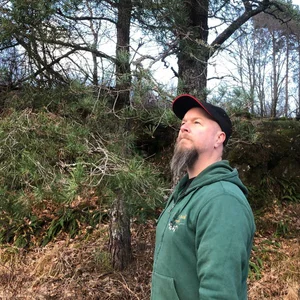
Forest bathing and related nature-connection activities can be beneficial for mental health, reducing stress and anxiety, alleviating depression, raising mood and increasing resilience.