

Making Nature Connection Part of Your Wellbeing Toolbox in 2025
Revised and Updated on 29th December 2024
(First Published on 14th August 2022)
We instinctively know that getting out into nature is good for us. But how can you get the most out of this free-to-access health and wellbeing resource? Maybe you aspire to increase your nature-connection but never get past thinking about it. Perhaps you are aspiration-rich but time-poor and wonder how to get the most benefit from nature with the least time-input each week.

Levels of Connection with Nature
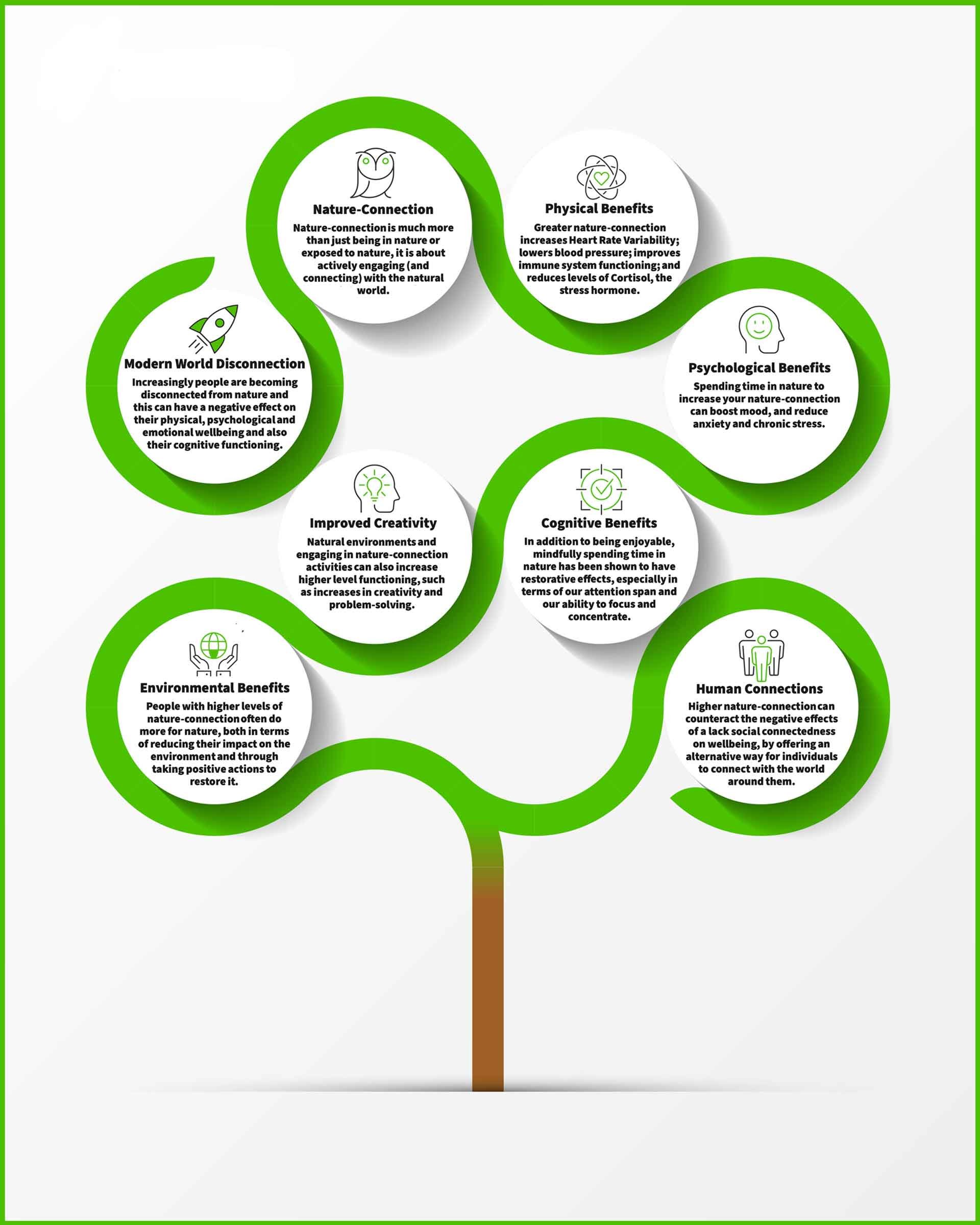
Connection with nature is about much more than just being in nature or exposed to nature. You can be hiking outside trying to reach the top of a mountain or jogging through the woods whilst listening to your MP3 player, focusing on a geographic goal or thinking about what you’re going to make your post-run smoothie from without connecting with nature. Nature-connection activities should help you to feel more in tune with nature and a part of nature rather than apart from nature. It is all about appreciating the wonder and beauty in nature and the natural environment, rather than about ‘knowledge’. Nature-connection is not about wildlife or tree-identification, it involves shifting your attention and focus from learning about what something in nature is to how things in nature make you feel.
Connection with nature is about really tuning in to your surroundings and noticing what is happening around you through all your senses - sight, sound, smell, touch and even taste. And you don’t necessarily need to move at all, in fact the slower you go, the better you tend to connect. This is why the Forest Bathing practice of Sit Spot is seen as such an effective way to increase your nature-connectedness.
We can look at ‘Levels of Connection with Nature’ in a variety of ways. Let’s examine some of these levels and explore how an understanding of them can amplify our nature connection for a healthier and more balanced life.
Visiting Nature
The first level involves simply being in natural settings like forests, parks, or green spaces. This passive engagement none-the-less still offer the opportunity for you to unwind, relax, and begin to experience some of the sensory benefits of nature, such as the sight of lush greenery, the sound of rustling leaves, and the fresh scent of trees. This level of engagement is fundamental in initiating the connection with nature.
Active Engagement and Connection with Nature
This level requires more active participation and mindful connection with nature. This is where you actively endeavour to notice and engage with the sights, sounds, and sensations around you to the exclusion of other thought processes. This can lead to a heightened sense of connectedness with the natural world.
Immersive Engagement and Connectedness
The highest level involves a profound immersion in nature, where you may experience a deep sense of connectedness and oneness with the natural world, perhaps reaching the Flow State, a mental state in which you become fully immersed in an activity, and experience a feeling of energised focus, full involvement, and enjoyment. This level goes beyond mere physical presence or outdoor activities - it entails a deeper emotional and spiritual connection with nature, fostering a sense of belonging and interdependence with the environment.
We can explore these more fully through a framework of Cognitive Engagement, Affective Engagement and Behavioural Engagement:
Cognitive Engagement
Cognitive engagement involves observing and understanding nature. It's about immersing ourselves in the sights, sounds, and intricate details of the natural world. Studies suggest that mindful observation of nature can reduce stress, anxiety, and improve cognitive functioning and enhance concentration and creativity.
You can practice cognitive engagement by practicing ‘Sit Spot’ or taking mindful walks in natural settings. Focus on the smaller details of nature – the rustling leaves, chirping birds, and earthy scents. Embrace the present moment and let nature's beauty captivate your senses.
Affective Engagement
Affective engagement refers to the emotional connection with nature. This level involves experiencing feelings of joy, awe, and serenity when surrounded by natural environments. It's this emotional bond that enhances psychological wellbeing and fosters a sense of belonging.
Behavioural Engagement
Behavioural engagement encompasses active participation in nature-connection activities. Practices such as Forest Bathing or Silvotherapy involve immersing yourself in nature intentionally, bringing mental and physical health and wellbeing benefits, reducing cortisol levels (the stress biomarker), and elevating mood.
Our Nature-Based Wellbeing Plans can help you to develop your understanding and application of these concepts.
Nature-Based Health and Wellbeing Plans
As part of our programmes of nature-connection activities focusing on supporting people to improve their physical, psychological and emotional health and wellbeing, we have developed an approach that incorporates Nature-Based Health and Wellbeing Plans. These Nature-Based Wellbeing Plans can be created individually or in a group workshop, following a guided Forest Bathing walk or after an online programme of Nature Connection Activities such as our Sit Spot and Nature Connection Practice Programme.
What are Nature-Based Wellbeing Plans?

Nature-Based Wellbeing Plans are bespoke and individualised wellbeing plans, usually developed in collaboration between you and a Forest Bathing Guide, a Forest Therapy Guide or a Silvotherapy Practitioner. Everybody’s Nature-Based Wellbeing Plan will be different and will meet your individual preferences and needs. These plans are often designed after you have been on one or more guided Forest Bathing walk or engaged in Forest Therapy activities. The Nature-Based Wellbeing Plan seeks to build on these experiences and what you have learned about yourself, the natural environment around you and the types of nature connection activities that resonate most strongly with you. For example, some people may prefer more tactile activities where they predominantly explore touch and texture, whereas other people may prefer an approach more based around the practice of Sit Spot where they sit and ‘just be’, primarily focusing on what it happening around them using their different senses.
How will a Nature-Based Wellbeing Plan help me?
A structured Nature-Based Wellbeing Plan can help you to combine the benefits of nature-connection with the intentional planning of a holistic health approach, increasing your nature-connection, and encourage you to maximise your exposure to nature and natural environments that can dramatically improve your mental, emotional and physical wellbeing.
By engaging in planned nature-connection activities and mindful walks in nature you can reduce your stress, develop your resilience, enhance your mood, increase your concentration and creativity and deepen your connection with the natural world. Moreover, structured Wellbeing Plans provide a greater sense of accountability and direction, promoting more consistent engagement and ensuring that you maximise the benefits nature has to offer for overall health and wellness.
Guided Forest Bathing walks will often last 2 - 3 hours, and whilst this kind of intense immersive experience can enhance your connection with nature, it is often not practical or possible for many people to undertake this kind of activity more than a few times a month. Nature-Based Wellbeing plans can fill this gap by looking at ways to integrate what you learn during the Forest Bathing activities into your everyday life.
If you live somewhere that does not have easy access to trees, woodlands and forests, your Nature-Based Wellbeing Plan might explore other ways that you can connect with nature instead.
How are Nature-Based Wellbeing Plans Beneficial?
Modern approaches to health promotion are now focusing more strongly on preventative approaches to healthcare. Historically this has been a focus on diet, sleep and exercise, but it is increasingly recognised that nature should be considered to be the fourth pillar of health alongside these other three pillars. A Nature-Based Wellbeing Plan can help you to gain the most benefit from increasing your nature-connection.
What Does a Nature-Based Wellbeing Plan Involve?
The foundation for the Nature-Based Wellbeing Plans is based on the 5x5 Model I learned when undertaking training with the Forest Therapy Institute, and developed by Shirley Gleeson of Nádúr Centre for Integrative Forest Therapy.
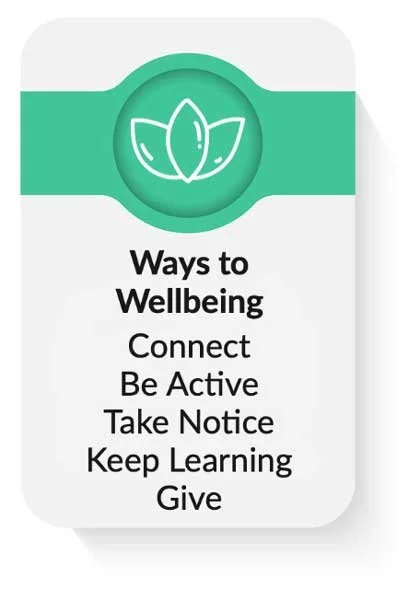
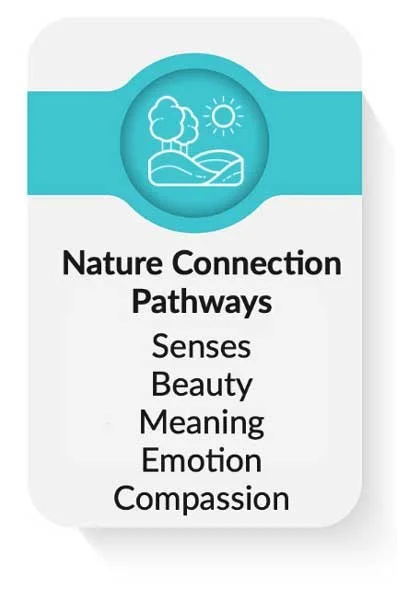
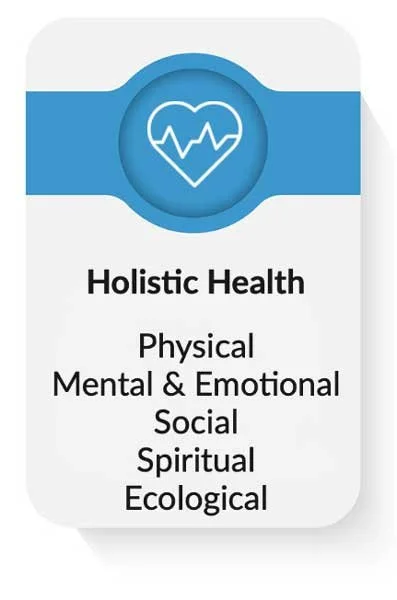
It draws upon Five Concepts, each of which has Five Components:
The Five Primary Senses
The Five Ways to Wellbeing
The Five Nature Connection Pathways
The Five Dimensions of Holistic Health
And Five Features of the Natural Environment


How is a Nature-Based Wellbeing Plan Devised?
Your Nature-Based Wellbeing Plan will be created, developed and designed around what you enjoy doing and what you want to get out of increasing your nature-connection. There is a video tutorial to guide you through the 5 different steps.
Initially, you will start by exploring the five primary senses of Sight, Sound, Smell, Touch and Taste and devise a series of simple activities based around the nature-connection practice ‘Sit Spot’ that you can engage in regularly (daily or most days of the week is ideal - even if only for 5 minutes a day). By doing this you will gain a better understanding of the kinds of nature-connection activities that you most enjoy and feel that you get the most benefit from. This is important if you are going to make increased connection with nature a regular part of your life going forwards.
Next, you will identify the wider goals that you would like to achieve - such as reducing stress and anxiety or increasing creativity - and ensure that these goals are given a target date for when you are going to achieve them by. This helps to maintain your drive, focus and motivation. This time frame will needs to be realistic though, and have a little extra time built in for when life happens, or else you can become discouraged if you don’t meet your milestones.
For this reason, you will create goals that are SMART (Specific, Measurable, Achievable, Relevant and Time-Bound). You will also be encouraged to try to anticipate some of the barriers that might arise in relation to your nature connection activities, and to begin to create a routine that fits around your lifestyle.
The Nature-Based Wellbeing Plan that you will create will include a schedule and routine for the different components of your Nature-based Well-being Plan. This will not just include outdoor activities, but will look at ways to bring nature indoors and how to make improved connection with nature a greater feature of your life as a whole.
Periodically you will be invited to review and adjust the Nature-Based Wellbeing Plan (usually after a fortnight and then once a month) until your understanding and familiarity with a range of nature connection activities is such that you are guided in your nature connection activities just by nature itself.
What Your Nature-Based Wellbeing Plan Will Include
You will receive a link to the Membership Area of this website which includes a wide range of nature-based resources that will guide you in completing your Nature-Based Wellbeing Plan and help you to get the most out of it. We will also send you a 12-page workbook that you can use to record the activities that you most enjoy and that bring you the most benefit; devise some initial nature-based wellbeing goals; and create a timetabled plan to include four weeks of activities. There is an online tutorial with videos and written information to guide you through the five step approach that we take to creating your Nature-Based Wellbeing Plan.
There is also a section in the Membership Area providing details of over 30 Nature-Connection Activities that you can try and that you can incorporate into your Nature-Based Wellbeing Plan.
After the first four-week period, there is the option to have a review and plan a further four weeks of activities. This can continue as long as you wish and until you are confident in creating your own plans just using Nature as a guide.
The Cost of a Bespoke Nature-Based Wellbeing Plan
The initial Nature-Based Wellbeing Plan costs £40 and includes:
One 12-page Workbook covering the first 4 weeks
Online access to Nature-Connection Resources to help you to complete your plan and to maximise the benefits
Online access to over 30 Nature-Connection activities or ‘invitations’
Access to the Online Nature-Connection Resources and Nature-Connection Activities continues after the 4 week period covered, but a follow-up programme is also available designed to support further wellbeing development after the initial 4 week period.
This continued support costs £10 and includes :
A workbook covering a further 4 week period with a greater focus on reflection and development
FREE Introductory Discussion
If you would like to have a chat with me about how a Nature-Based Wellbeing Plan could benefit you, or talk about other nature-mentoring options available, please email me!

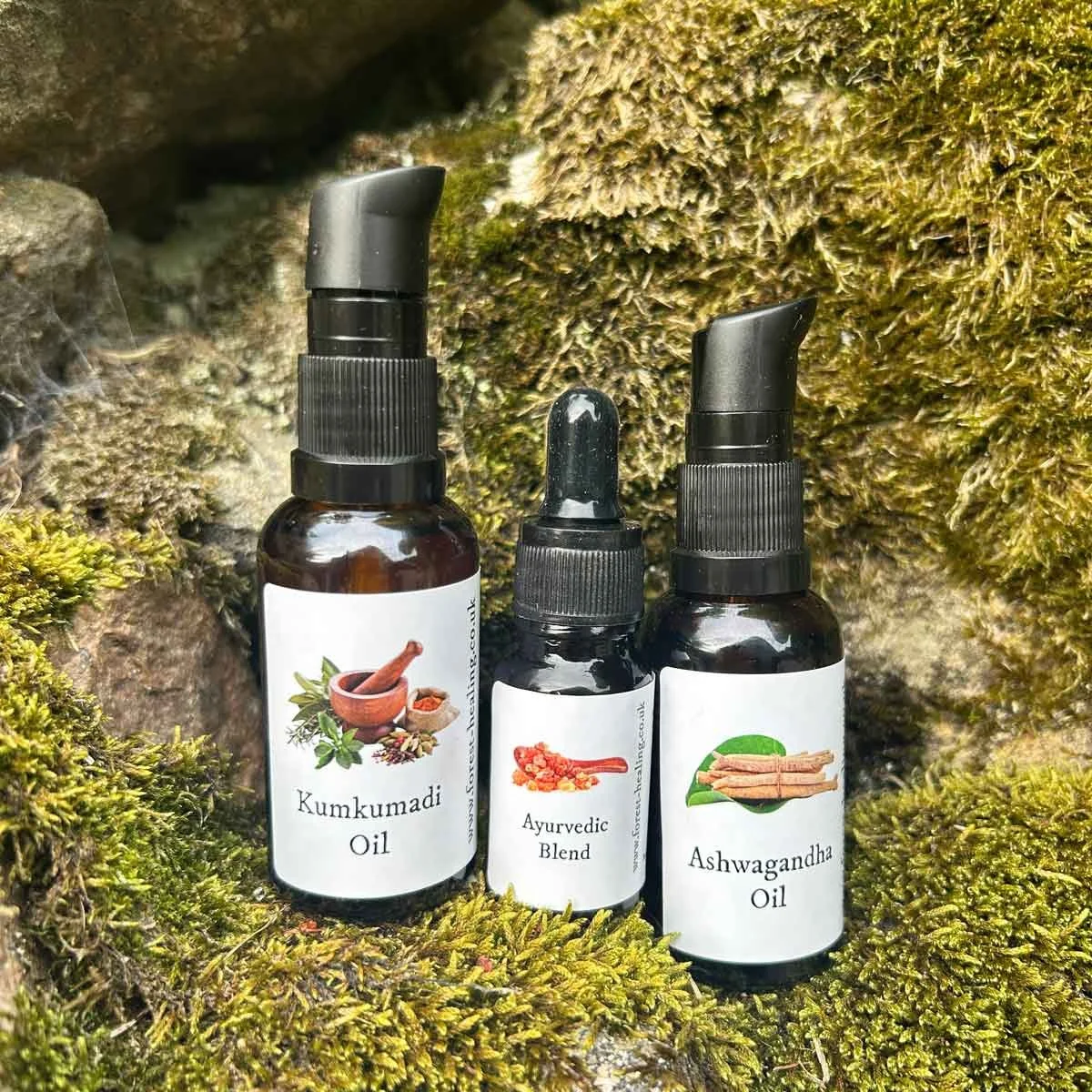


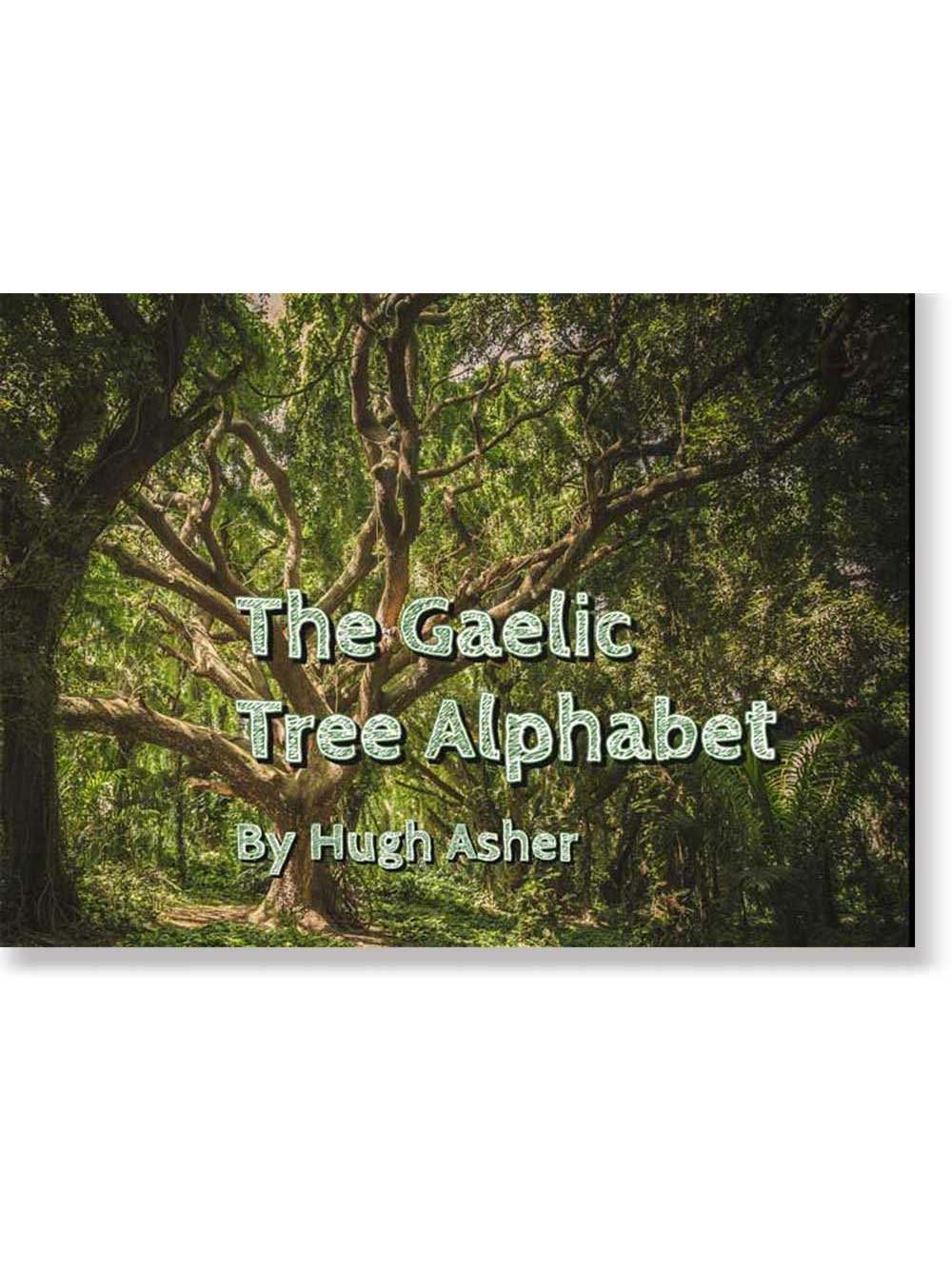
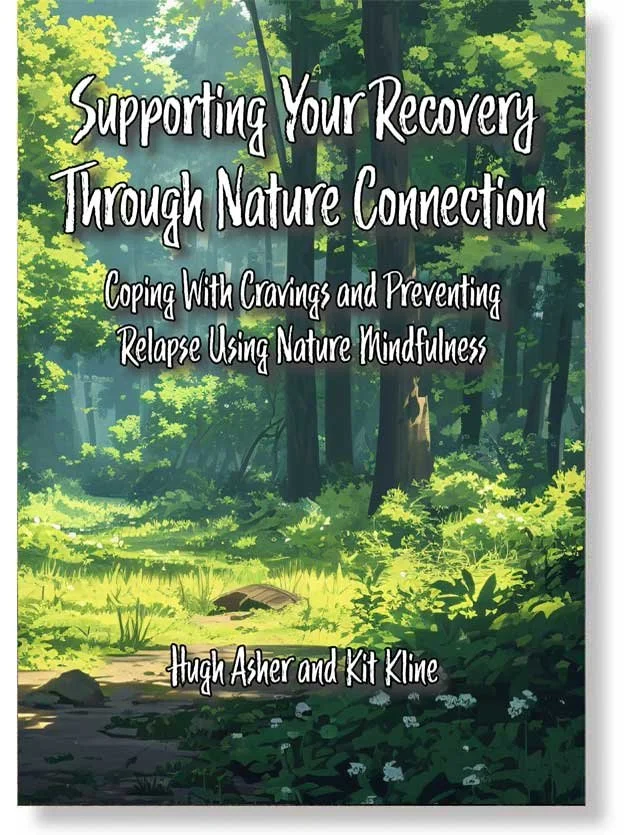





A small collection designed to gently open the door into deeper relationship with the natural world.
This complete set of four Forest Healing booklets brings together practical guidance, reflective ideas, and simple nature connection practices that can be used anywhere — from ancient woodland to a nearby park, garden, or even a single Sit Spot outdoors.
Written to be accessible, grounding, and easy to follow, these booklets offer a pathway into the core practices of Forest Bathing (Shinrin-yoku), Silvotherapy, and everyday nature connection. Rather than asking you to achieve anything, they simply invite you to slow down, notice more deeply, and allow nature to become an active presence in your wellbeing.
Across the four booklets you will explore:
• What Forest Bathing, Silvotherapy, and Nature Connection actually are
• The key benefits of spending mindful time in natural environments
• The practice of the “Sit Spot” and how to develop your own relationship with a chosen place
• Simple, practical Forest Bathing invitations you can try alone or with others
• Ways to bring nature connection into everyday life, even in small moments
Together, they form a gentle introduction to practices that have been shown to support reduced stress, improved mood, greater clarity of thought, and a deeper sense of belonging within the natural world.
These are not academic texts or rigid instruction manuals. They are invitations — encouraging you to step outside, slow your pace, and rediscover the quiet intelligence of trees, weather, and landscape.
Whether you are completely new to nature connection or looking to deepen an existing practice, this collection offers a simple, supportive starting point for building a more intentional and restorative relationship with the living world around you.
A small set of booklets that can change the way you experience even the most familiar patch of nature.
Buy all Four Forest Bathing and Nature-Connection Booklets for £11.00 including FREE P&P within the UK.
Postage to the Rest of the World is £4.