

The Benefits of Practicing Gratitude for Nature
5th October 2024
“To see a world in a grain of sand, and a heaven in a wild flower. Hold infinity in the palm of your hand, and eternity in an hour.”

Today I am grateful for the sunshine that filtered through the trees and lifted my mood; for the birdsong that I heard whilst mindfully sitting in nature; and to a Highland Cow whose sheer existence brings me bucket-loads of joy.
Practicing gratitude for nature is a simple process, involving being thankful for the things we see, hear, feel and experience all around us. Noticing beauty in nature and identifying the positive things that happen each day, however small, and being grateful for them, can help us to focus less on the negative things that happen and the negative emotions that we feel. It is a skill that can take time and practice to master, but much in the same way that we can alter the way that our bodies work, and develop the muscles necessary to perform new skills, we can also alter the ways that our brain works. This is achieved through a process called neuroplasticity, in which we train the brain to form new connections and pathways and change how its circuits are wired. If you experience anxiety or depression this might feel like a bit of an uphill struggle, but it really can help and it might well be easier (and more pleasurable) than you think. How? Well, there is research evidence that regularly expressing gratitude can help here as thinking grateful thoughts has been shown to increase blood flow to the parts of the brain (the hypothalamus) where a lot of our key body functions including stress are regulated. Expressing gratitude also causes the release of dopamine and serotonin, both of which can enhance our mood.
The great thing too, is that the more that we focus our attention on noticing specific things, the more prevalent it appears to be. If you don’t believe me, give this a try. One of my favourite Forest Bathing Invitations is to notice all the different shades of green that you can see around you. The more that you look the more different shades that you see. It’s the same with gratitude for nature, the more that we bring our conscious thought to acknowledging things that we are grateful for, the more things that we notice that we are grateful for.
The Mental Health Benefits
Spending time in nature has long been associated with reduced stress and anxiety. When coupled with practicing gratitude, this effect becomes even more pronounced. Gratitude has been shown to decrease negative emotions such as envy, resentment, and frustration while increasing feelings of contentment. When we actively express thankfulness for the beauty and tranquility of nature, we engage in a process that cultivates mindfulness — a practice that promotes a greater awareness of the present.
Numerous studies have indicated that spending time in natural environments, such as parks, forests, or by bodies of water, reduces the production of stress hormones like cortisol. A 2019 study published in the journal Frontiers in Psychology found that spending just 20 minutes in nature significantly reduced feelings of stress and improved participants’ mood and cognitive function. By consciously practicing gratitude during these moments in nature, the psychological benefits are amplified. This intentional focus can help people to reduce anxiety, prevent rumination, and foster a deeper sense of peace.

The Emotional Health Benefits
Practicing gratitude enhances our emotional resilience, which is essential for coping with life’s challenges. When practiced in relation to nature, it encourages people to shift their focus from the pressures and demands of modern life to the sustaining and nurturing qualities of the Earth and Nature. This shift in perspective fosters an emotional connection to the world around us, allowing for a deeper appreciation of life’s simplicity.
For example, being thankful for a sunrise, the sound of rain, or the rustle of leaves in the wind can shift our focus from daily stresses to a broader, more peaceful perspective. Research has shown that practicing gratitude can lead to more pro-social behaviours such as kindness, compassion, and generosity. As we become more grateful for the gifts of nature, we often feel a stronger urge to protect and preserve these gifts for future generations, creating a positive feedback loop between emotional wellbeing and environmental stewardship.
The Physical Health Benefits
The physical benefits of spending time in nature are well-documented, but when combined with a sense of gratitude, these benefits can become even more potent. Exposure to natural environments has been linked to improved immune function, reduced blood pressure, and lower rates of cardiovascular disease. A 2022 study published in the journal Landscape and Urban Planning showed that people who spent time in green spaces reported improved physical wellbeing, including increased energy and lower rates of illness.
Practicing gratitude while in nature can encourage healthier habits as well. For instance, people who feel grateful for their local parks and nature reserves may be more likely to spend time walking, hiking, or biking in those areas, leading to increased physical activity. Additionally, practicing gratitude has been associated with better sleep and increased motivation to engage in self-care practices such as healthy eating and regular exercise. By nurturing a sense of appreciation for nature, people may also be more likely to participate in other outdoor physical activities, further contributing to overall physical health and vitality.
The Spiritual Benefits
Gratitude for nature can also have profound spiritual effects, fostering a deeper sense of connection and purpose. Nature has a way of reminding us of our place in the world, our smallness in the grander scheme of things, and yet, simultaneously, our importance within the web of life. The natural world offers countless opportunities for reflection and awe, from the vastness of the stars in the night sky to the intricate details of a single flower. Practicing gratitude for these moments of wonder can help to cultivate a sense of reverence for the natural world, often leading people toward a greater understanding of their own place within it.
Many people report feeling a sense of spiritual renewal when they spend time in nature. Gratitude for the Earth’s beauty and bounty can deepen these feelings, promoting a sense of interconnectedness with all living beings. This can lead to a more sustainable and purposeful way of life, where people are more likely to make decisions that respect and protect the environment. In many spiritual traditions, expressing gratitude for nature is seen as a way of fostering humility and respect for the natural cycles of life, death, and renewal.
The Environmental Benefits
Gratitude is a powerful motivator for action. When people feel genuinely grateful for something, they are more likely to take steps to preserve and protect it. Practicing gratitude for nature can foster a more mindful and responsible relationship with the environment, encouraging sustainable practices such as conservation, recycling, and reducing your carbon footprint.
For instance, people who feel thankful for the clean air they breathe may become more conscious of their transportation choices, opting to bike or walk instead of drive whenever possible. Similarly, gratitude for clean water may inspire people to reduce plastic waste, conserve water, or support policies that protect waterways and ecosystems. This connection between gratitude and environmental stewardship is crucial in an era of environmental degradation and climate change. A mindful practice of gratitude can inspire both individual and collective efforts to live more harmoniously with the Earth and the natural environment.
The Social Benefits
Practicing gratitude for nature can also bring people together, fostering a sense of shared responsibility for the environment. Community gardening, beach or trail cleanups, tree planting events, and environmental advocacy are examples of activities where gratitude for the natural world can inspire collective action. These efforts not only benefit the environment but also build stronger social bonds and a sense of belonging among participants.
When communities come together to express appreciation for nature, they also strengthen their ties to one another, creating a culture of care and stewardship. This collective gratitude can lead to greater environmental awareness and more sustainable practices on a larger scale. In this way, gratitude for nature becomes a catalyst for both personal and societal transformation.
Gratitude and Nature Connection
Gratitude can also help to build improved nature connection because it increases our awareness of the natural world and the beauty that it contains. Increasing our nature-connection through engaging with nature through our senses and immersing ourselves in our natural surroundings in itself brings mental, physical and emotional benefits, but practicing gratitude for nature can bring additional benefits. Increased nature-connection, through practicing gratitude for nature, can also bring environmental benefits, as people with higher levels of nature-connection often do more for nature, both in terms of reducing their impact on the environment through using fewer resources and through taking positive actions to help the environment and reduce their contribution to climate change. As humans we have a reciprocal and symbiotic relationship with nature, and recognising, feeling and showing gratitude to nature for what it provides us and how it supports us often results in us wanting to protect nature in return. Practicing gratitude for nature reminds us that we are a part of nature rather than separate from it.
Benefits of Gratitude For Nature Exercises
So how does ‘Gratitude for Nature’ help here?
Professor Miles Richardson and colleagues from the Nature Connectedness Research Group at the University of Derby conducted a piece of research comparing gratitude for nature with more conventional gratitude journalling. One group of participants were asked to note three good things in nature each day for five days within their typical everyday environment and routine; one group were asked to note three good things in their lives; and a control group were asked to note three factual things. They found that the group that noted three good things in nature showed the greatest positive well-being outcomes. They concluded that “the simple intervention of noting three good things in nature each day can deliver sustained increases in nature connectedness required to enhance well-being and sustainable behaviour towards the natural world”.
As Isabel Hardman notes in her book The Natural Health Service: How Nature Can Mend Your Mind, the simple explanation for this outcome is that nature is indifferent to us, it mostly does its own thing without our intervention or interference, and focusing on nature rather than ourselves helps us to rewire our brains to actively look for good in things. It also prevents us from focusing entirely on ourselves, moving our attention and focus to what is going on around us, rather than inside us. This isn’t to say that noticing the good things in nature is a panacea for all mental health problems, but the evidence suggests that it often helps.
Try to build ‘Gratitude for Nature’ into your daily routine, and acknowledge three things every day that you are grateful for in nature. If you need some help, try starting with the video below, featuring a TED Talk by award-winning photographer and filmmaker Louie Schwartzberg. In the clip, Schwartzberg focuses on documenting his favourite subject – flowers - and his deep appreciation of nature is the topic of his talk in which he delves into the connection between natural beauty and gratitude.
So sit back, relax and let this amazing TED Talk fill you with awe, wonder and gratitude.
Final Thoughts
Gratitude for nature is a practice that offers myriad benefits, including boosting mental, emotional, physical, spiritual, and environmental wellbeing. By intentionally appreciating the natural world, we open ourselves to the healing and nurturing powers that nature provides. In turn, this deepened connection fosters a greater sense of purpose, responsibility, and joy in our daily lives. Whether through a simple walk in the park, a quiet moment of reflection, or participating in environmental conservation, practicing gratitude for nature is a powerful tool for enhancing our overall quality of life and contributing to a healthier, more sustainable planet.




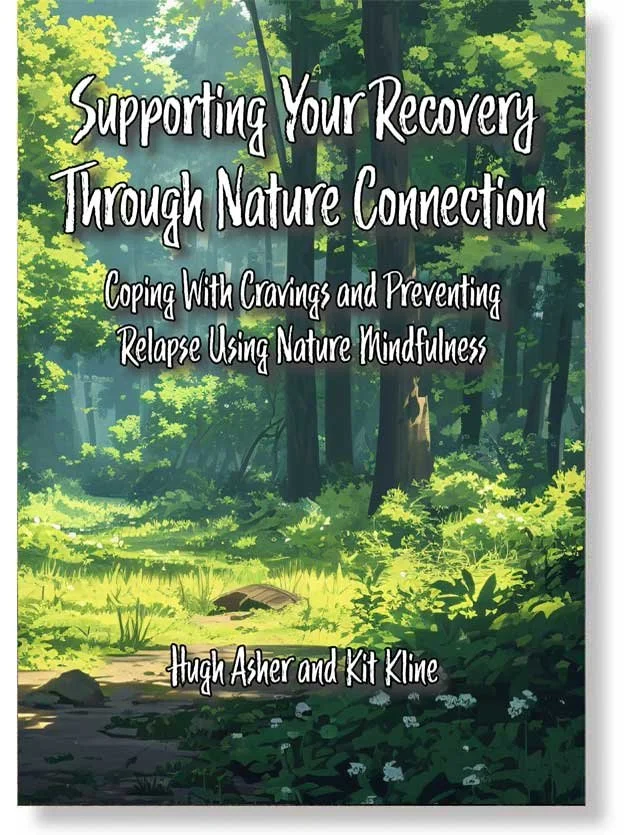








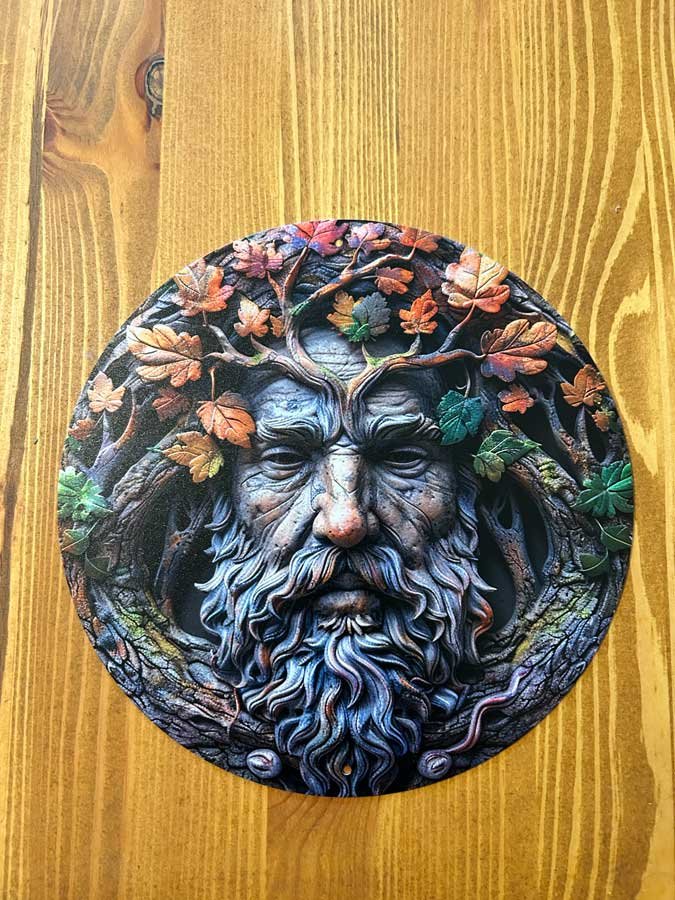



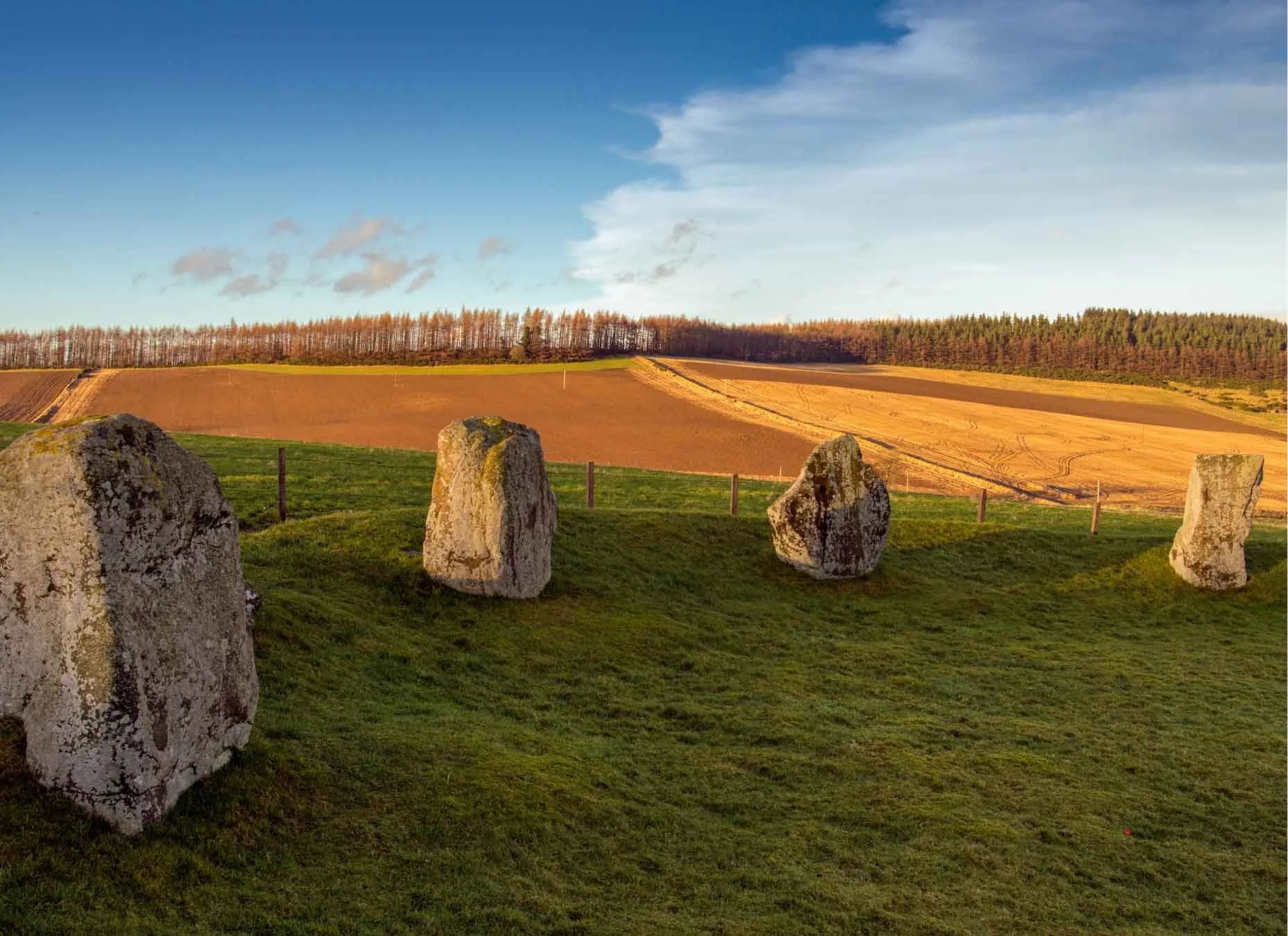
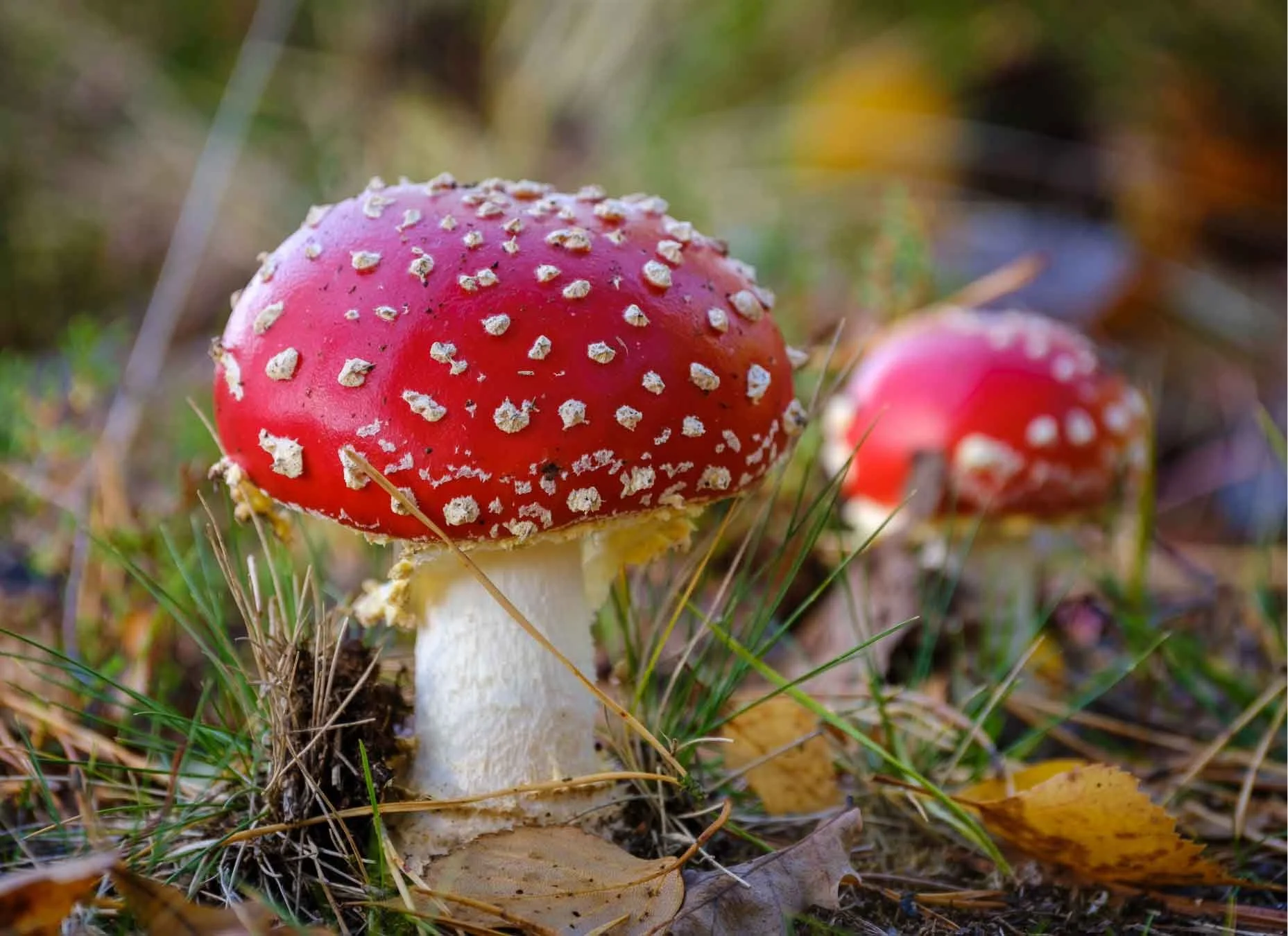

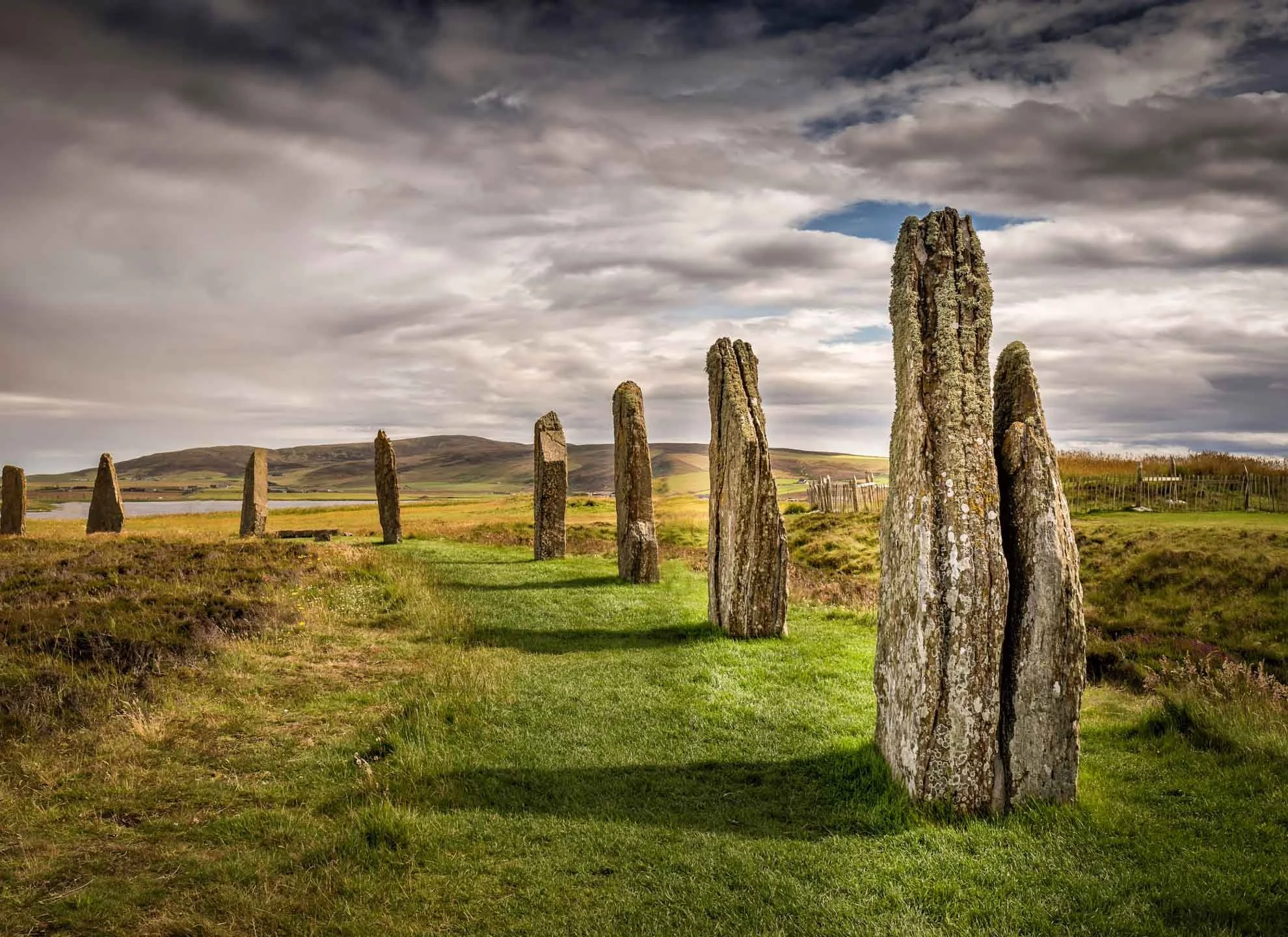
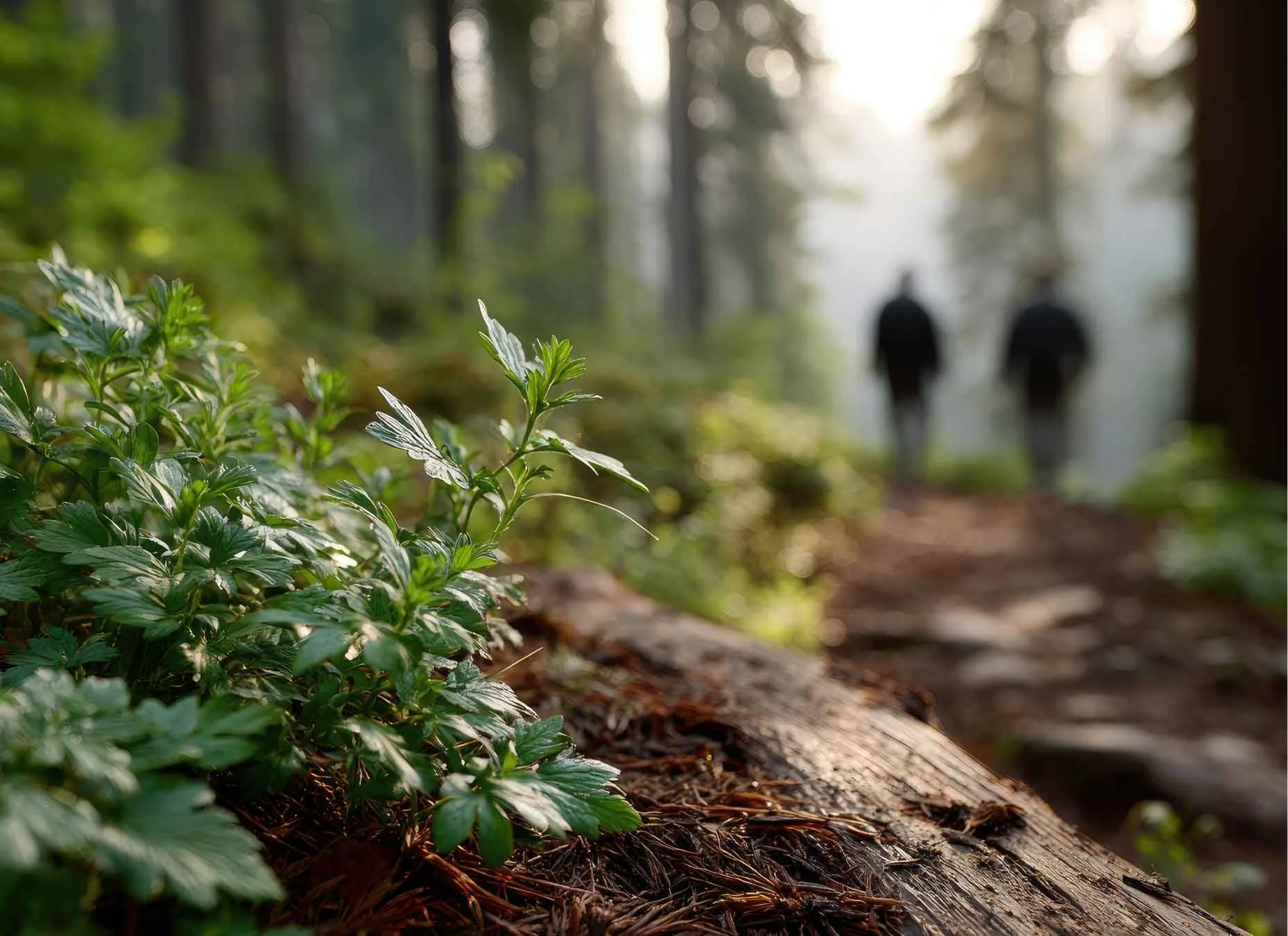
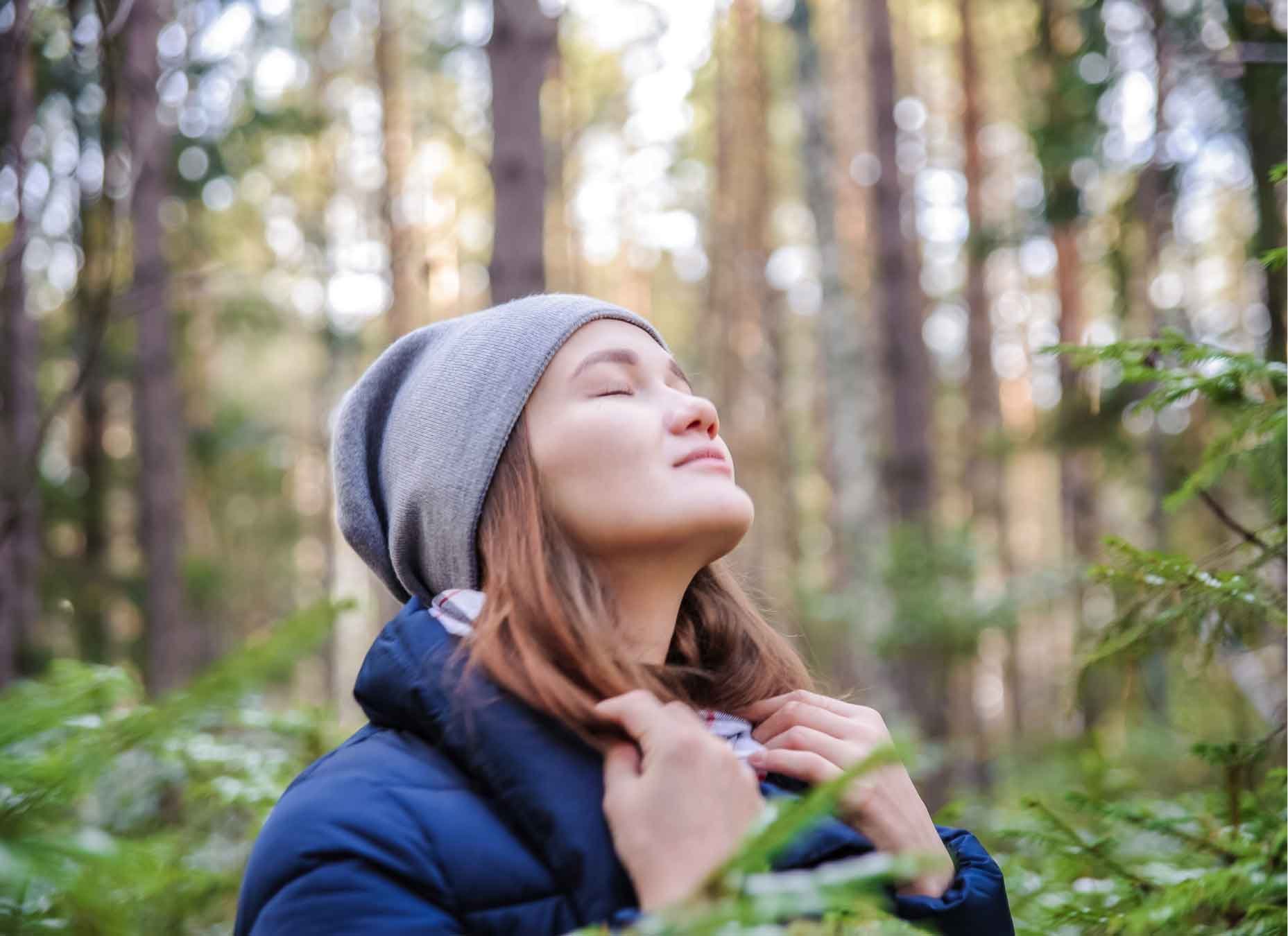

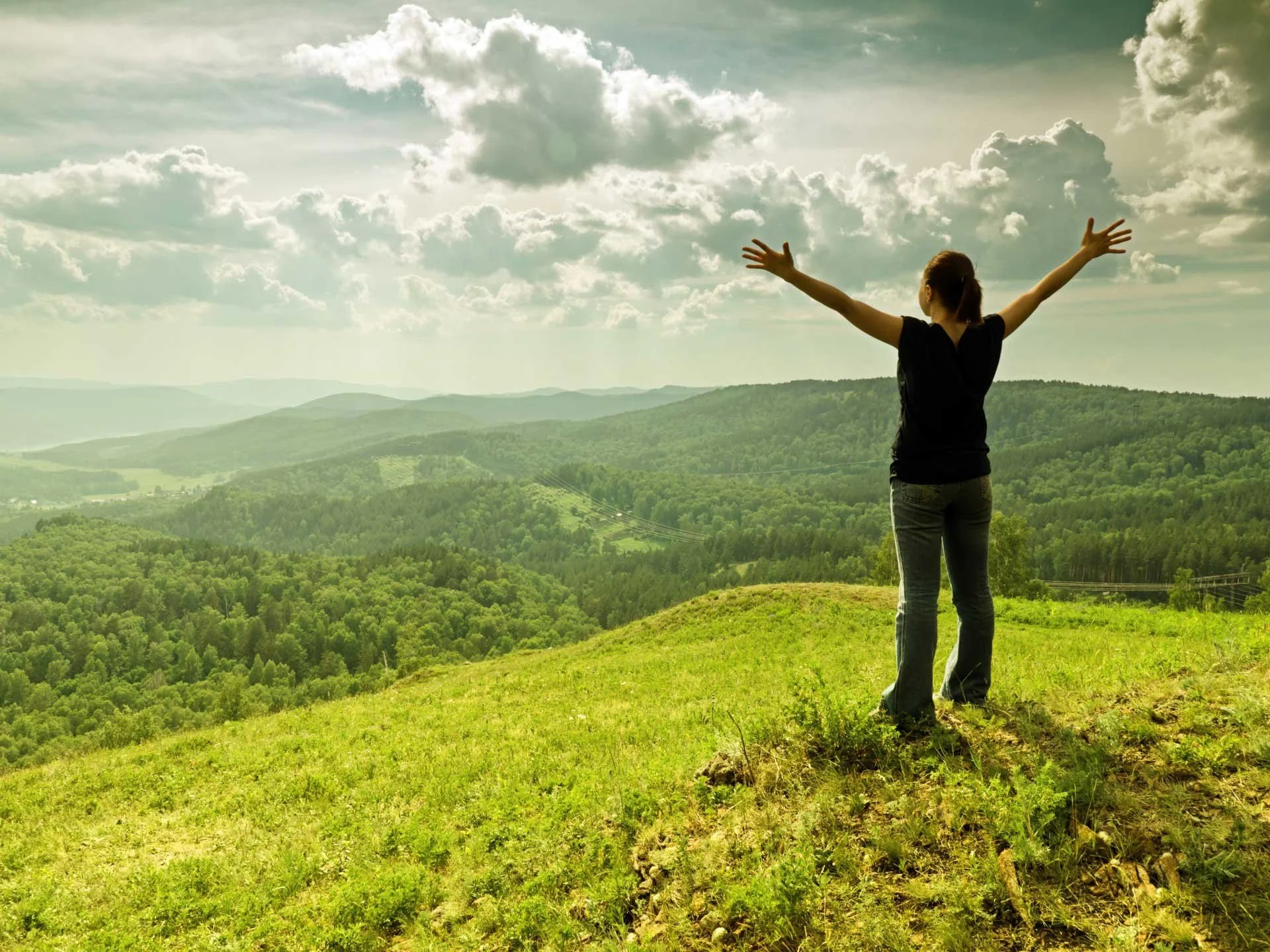





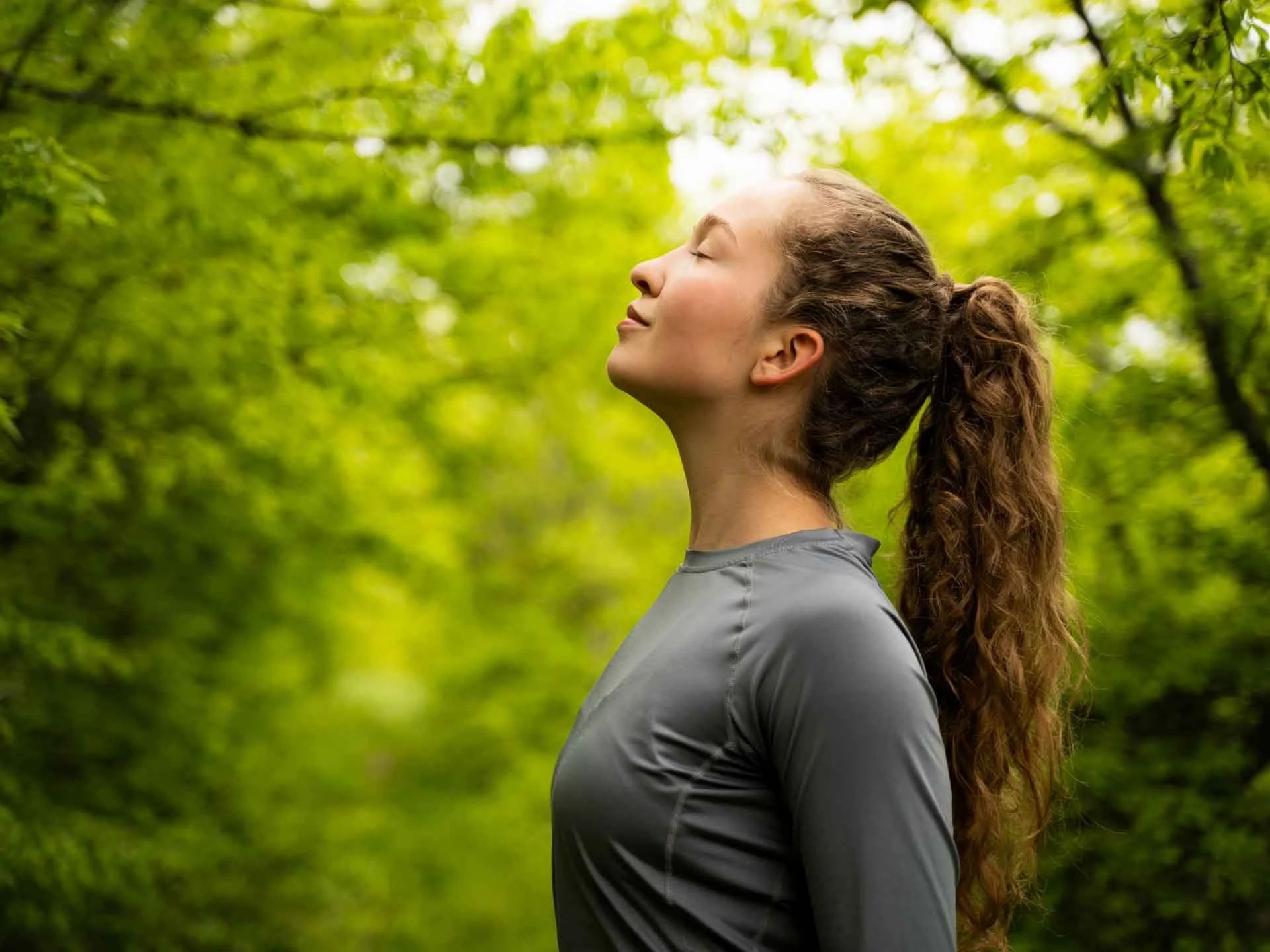










A small collection designed to gently open the door into deeper relationship with the natural world.
This complete set of four Forest Healing booklets brings together practical guidance, reflective ideas, and simple nature connection practices that can be used anywhere — from ancient woodland to a nearby park, garden, or even a single Sit Spot outdoors.
Written to be accessible, grounding, and easy to follow, these booklets offer a pathway into the core practices of Forest Bathing (Shinrin-yoku), Silvotherapy, and everyday nature connection. Rather than asking you to achieve anything, they simply invite you to slow down, notice more deeply, and allow nature to become an active presence in your wellbeing.
Across the four booklets you will explore:
• What Forest Bathing, Silvotherapy, and Nature Connection actually are
• The key benefits of spending mindful time in natural environments
• The practice of the “Sit Spot” and how to develop your own relationship with a chosen place
• Simple, practical Forest Bathing invitations you can try alone or with others
• Ways to bring nature connection into everyday life, even in small moments
Together, they form a gentle introduction to practices that have been shown to support reduced stress, improved mood, greater clarity of thought, and a deeper sense of belonging within the natural world.
These are not academic texts or rigid instruction manuals. They are invitations — encouraging you to step outside, slow your pace, and rediscover the quiet intelligence of trees, weather, and landscape.
Whether you are completely new to nature connection or looking to deepen an existing practice, this collection offers a simple, supportive starting point for building a more intentional and restorative relationship with the living world around you.
A small set of booklets that can change the way you experience even the most familiar patch of nature.
Buy all Four Forest Bathing and Nature-Connection Booklets for £11.00 including FREE P&P within the UK.
Postage to the Rest of the World is £4.