

The Benefits of Nature Mindfulness
Saturday 2nd May 2026
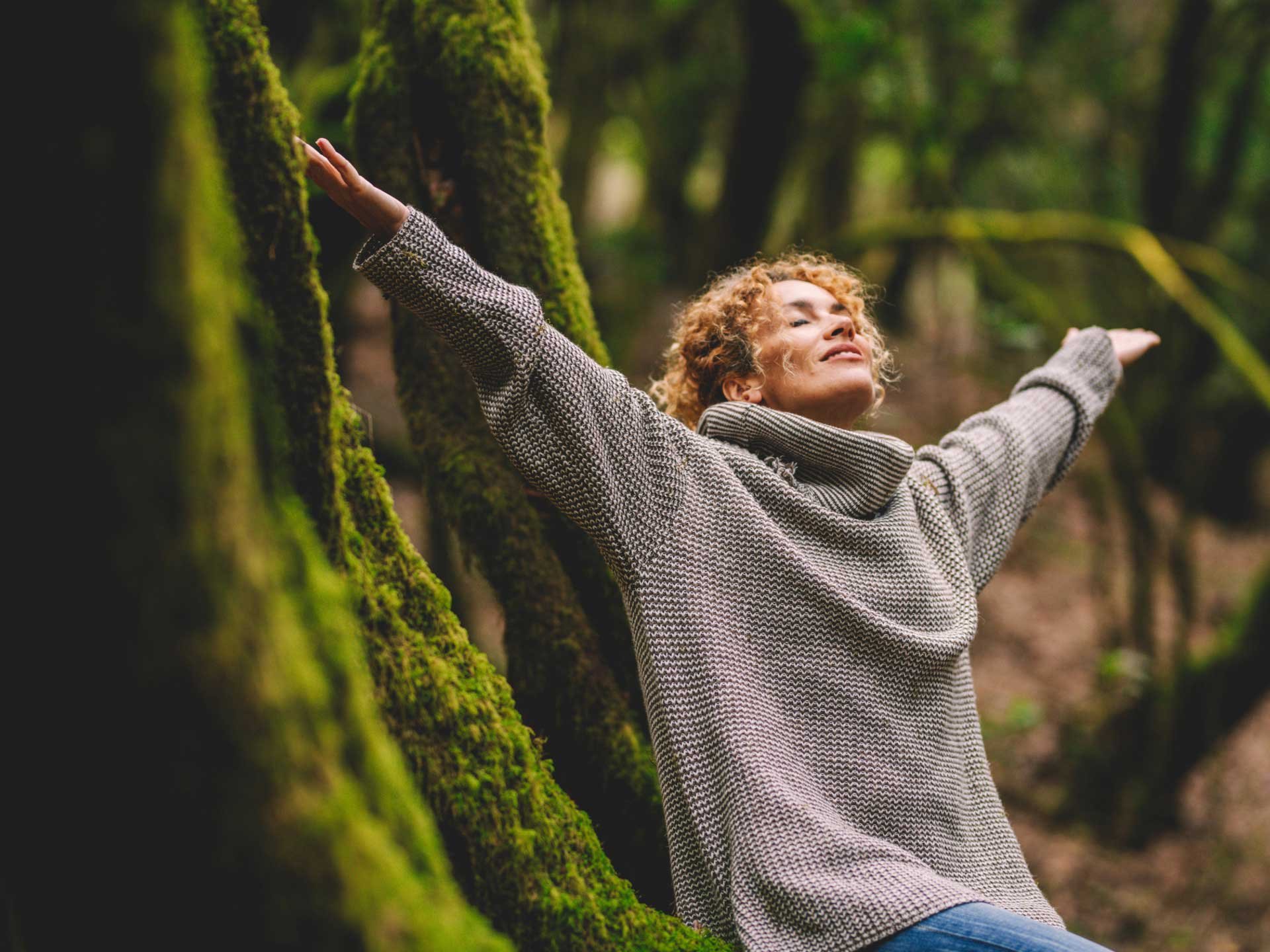
At Forest Healing, we actively encourage people to explore ways in which they can strengthen their relationship with the natural world and deepen their connection to nature. Nature mindfulness is one way of doing this. It is the practice of bringing gentle, attentive awareness to your direct experience while in contact with the more-than-human world — whether that is in a woodland, a park, a hedgerow, or even a single tree on a city street. There is a quiet moment, if you allow it, just after you step beneath the canopy of trees. The air shifts. The light softens. Something in you, often without words, begins to loosen its grip. You may not notice it immediately — but your breath deepens, your shoulders drop, and the steady hum of thought becomes less insistent. This is where nature mindfulness begins.
In a noisy, hurried world, it can be surprisingly hard to rest in the present moment. Our attention is tugged in several directions at once: screens, deadlines, messages, noise, and the quiet pressure to keep up. Nature mindfulness offers a gentler way back. At its heart, it is the practice of paying careful, non-judgemental attention while in contact with the natural world. That might mean noticing the movement of leaves, the shape of a cloud, the feel of wind on skin, or the shifting sounds of birds, water, and insects. Research suggests that both mindfulness and exposure to nature support wellbeing in their own right, and that combining them may deepen the benefits.
There is a long tradition of people intuitively sensing that nature calms and restores us, but modern research has helped explain why. A key idea is Attention Restoration Theory, which proposes that natural environments help replenish tired, overused attention because they invite “soft fascination” rather than demanding constant effort. Nature can hold attention without draining it, leaving room for reflection and mental recovery. The same theory suggests that natural settings feel restorative because they offer a sense of being away from everyday demands, enough extent to feel immersed, and compatibility with our own needs and inclinations.
In a culture that often asks us to move faster, produce more, and stay constantly connected, this simple act of paying attention can feel quietly radical. And yet, both ancient wisdom traditions and modern research suggest that it may be one of the most natural and necessary things we can do.
What is Nature Mindfulness?
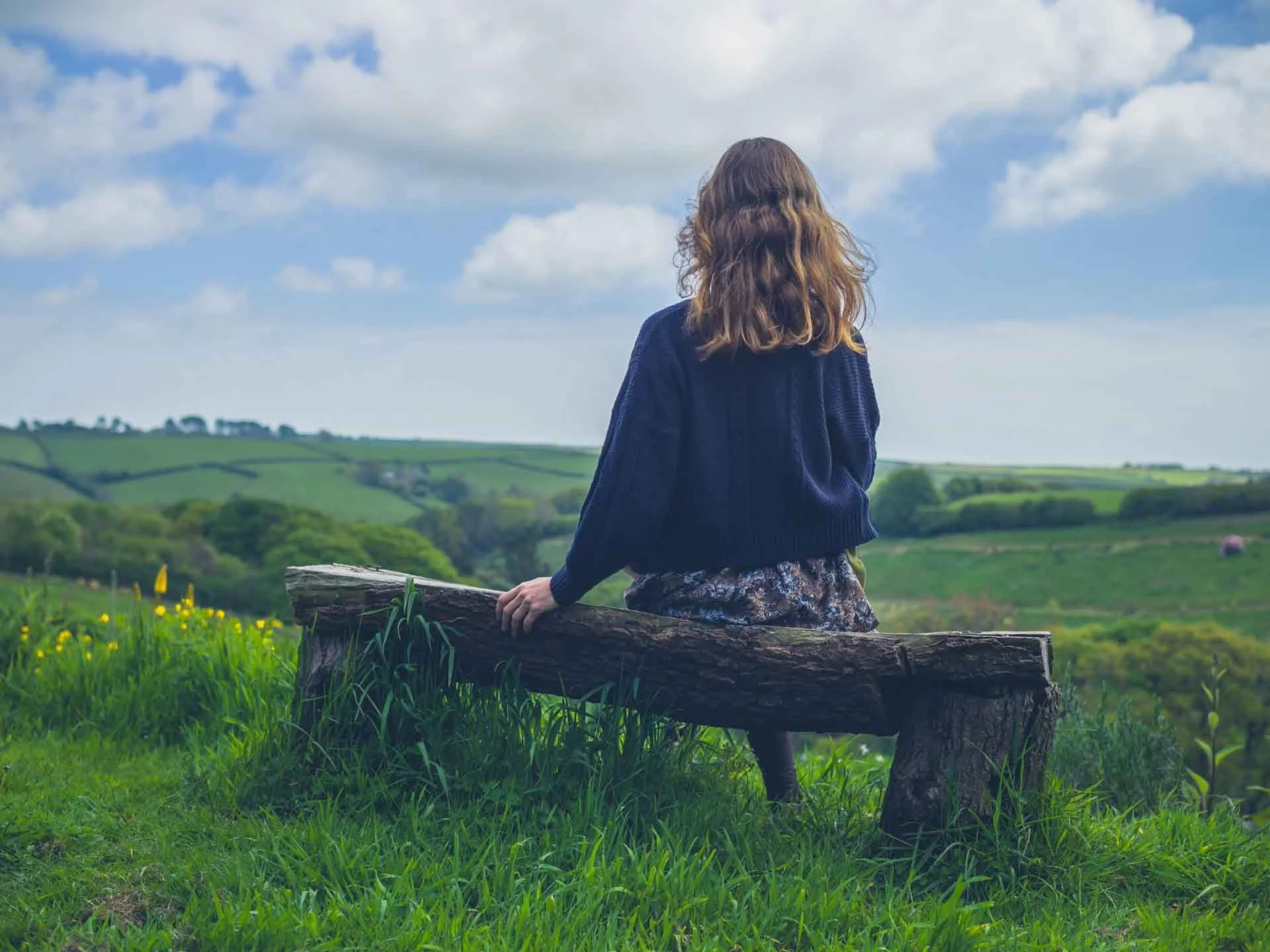
Mindfulness, at its core, is the practice of paying attention to the present moment with openness and without judgement. It invites us to notice what is here — sensations, thoughts, emotions — without needing to change or fix them. When we bring this awareness into a natural setting, something subtle but important shifts. The environment itself begins to support our attention.
Rather than focusing on an internal anchor alone, such as the breath, we are gently held by the sensory richness of the world around us — the movement of leaves, birdsong carried on the air, the texture of bark beneath the fingertips, the scent of soil after rain. Our awareness becomes relational rather than contained.
This is what is often described in research as “soft fascination” — a quality of attention that is effortlessly engaged without becoming strained. Unlike the hard focus required for screens, tasks, and problem-solving, nature invites a kind of attention that restores rather than depletes. Over time, this way of being can begin to feel less like a practice we “do” and more like a state we unconsciously adopt.
Why Nature Helps Us Come Back to Ourselves
Modern life places heavy demands on our attention. We are frequently asked to concentrate, filter, decide, and respond, often without pause. This sustained effort can lead to what psychologists call “directed attention fatigue” — a state where our ability to focus becomes frayed, and we feel mentally tired, irritable, or overwhelmed.
Natural environments offer a different experience. According to Attention Restoration Theory, certain environments help replenish our capacity for attention by engaging it in a gentle, effortless way. Nature tends to meet the key conditions for this restoration:
Being away – a sense of stepping out of our usual mental and physical routines
Soft fascination – attention held without strain
Extent – a feeling of immersion in a coherent, rich environment
Compatibility – a natural fit between the setting and our needs
When we practice mindfulness in these environments, we are not working against the current of our surroundings. Instead, we are carried by it. And there is something deeply intuitive about this. Many people find it easier to be present in a woodland than in a quiet room, where the natural world itself becomes an ally in the practice.
The Hidden Language of Patterns
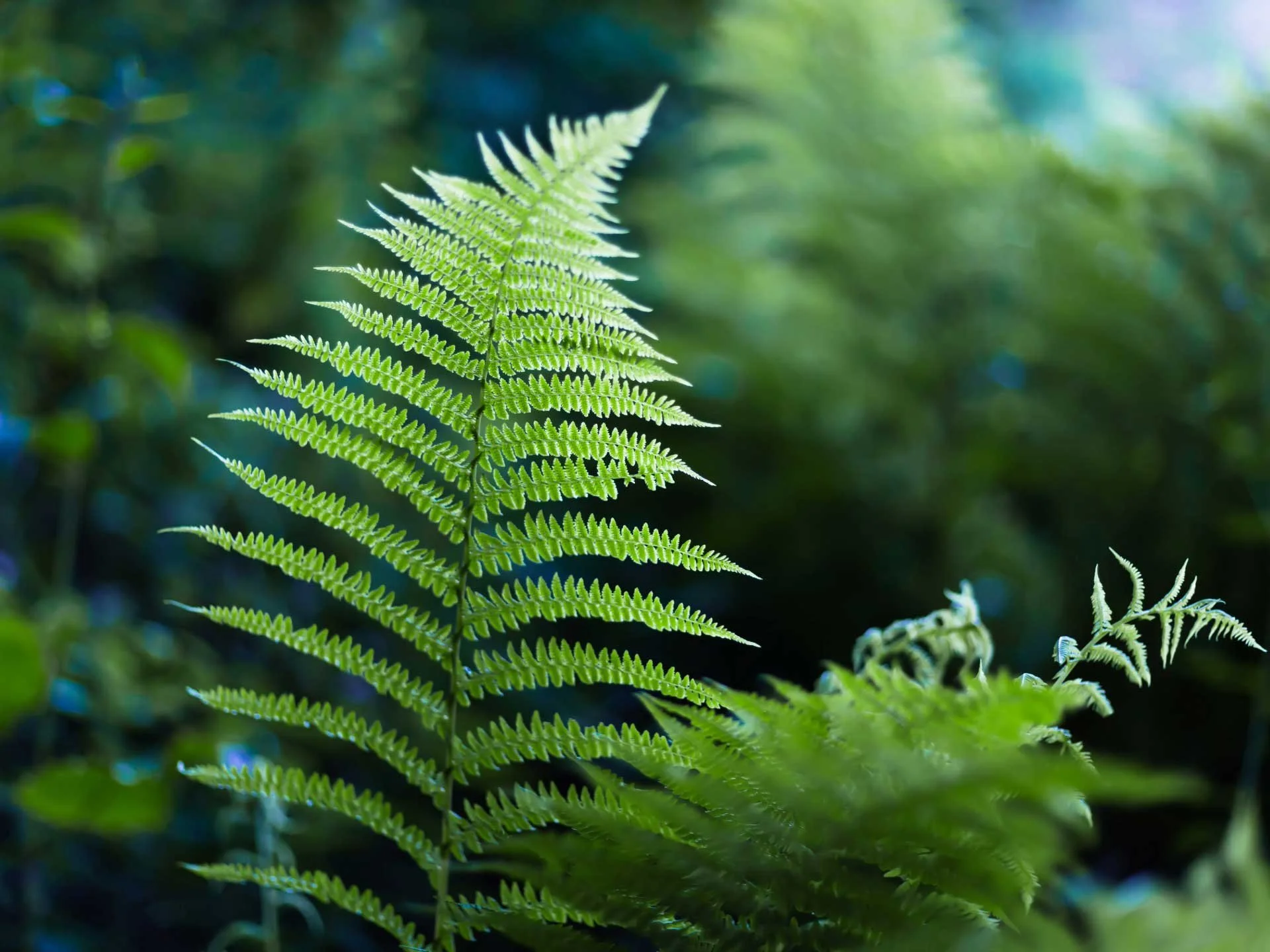
One of the more intriguing strands of research explores not just being in nature, but what it is about nature that soothes us. A 2019 study by Hägerhäll and colleagues, looked at fractal patterns — those repeating, self-similar shapes found throughout the natural world. Think of the branching of trees, the veins of a leaf, the outline of a coastline, or the shifting forms of clouds, or the shape of a bracken frond where the smaller leaves replicate the shape of the branches which in turn replicate the shape of each larger stem. These patterns sit somewhere between order and randomness. Too much order can feel rigid and artificial. Too much randomness can feel chaotic and unsettling. Natural fractals strike a balance — structured enough to be coherent, varied enough to remain interesting.
Using EEG measurements, the researchers found that more natural, irregular fractal patterns were associated with increased alpha brainwave activity. This state is often linked to relaxed alertness — a calm, wakeful presence similar to that cultivated in meditation. In other words, the very shapes and patterns of the natural world may be quietly guiding our nervous system toward balance.
For a nature mindfulness practitioner, this insight deepens the invitation: when you gaze at a tree, follow the curve of a branch, or trace the pattern of leaves against the sky, you are not only observing beauty — you may also be participating in a subtle process of attention restoration.
The Evidence for Nature Mindfulness
While the felt experience of nature mindfulness is often enough to convince us of its value, the research base is steadily growing.
A large body of evidence shows that exposure to natural environments is associated with:
Reduced stress and anxiety
Improved mood and emotional regulation
Better cognitive function and attention
Lower blood pressure
Improved sleep
Increased physical activity
When mindfulness is combined with time in nature, these benefits may deepen further.
A systematic review and meta-analysis of nature-based mindfulness practices found moderate positive effects across psychological, physiological, and interpersonal outcomes. Participants not only experienced improvements in mental wellbeing, but also changes in bodily markers and social connection. Interestingly, the review suggested that more natural or “wild” environments tended to produce stronger effects than more managed settings, although both were beneficial. It also noted that informal, intuitive mindfulness practices — those that arise organically in response to the environment — can be just as effective, if not more so, than highly structured techniques. This aligns closely with the fundamental ethos of Forest Healing: that there is wisdom in allowing the experience to unfold, rather than trying to control it.
Another study comparing indoor and outdoor mindfulness programmes found that participants practicing in natural settings reported:
Lower stress and rumination
Greater reflection
Stronger sense of connection to nature
Some of these benefits were still present months later.
Nature Connectedness: More Than a Feeling
Perhaps one of the most meaningful outcomes of nature mindfulness is the development of nature connectedness— a felt sense of relationship with the living world. This is not simply about liking nature or enjoying a walk outdoors. It is about experiencing oneself as part of a wider web of life — being ‘a part of nature and not apart from nature’.
Research suggests that higher levels of nature connectedness are associated with:
Greater wellbeing and life satisfaction
Increased sense of meaning and purpose
More pro-environmental attitudes and behaviours
Enhanced empathy and compassion
In the context of nature mindfulness, this connection often arises quietly. It may begin with something simple, such as noticing the resilience of a tree growing through stone, the intricate work of moss, or the presence of a bird that continues its song regardless of human concerns.
Over time, these moments can accumulate into a shift in perspective.
We move from observer to participant. From separation to relationship.
And from that place, care tends to follow naturally.
The Body Remembers
Nature mindfulness is not only a mental practice. It is deeply embodied. When we slow down in a natural setting, the body often responds before the mind fully catches up. Breathing deepens. Heart rate steadies. Muscles soften. The senses become more awake.
This is not accidental.
Natural environments tend to support the activation of the parasympathetic nervous system — the part of our physiology associated with rest, repair, and recovery. In contrast to the constant low-level activation many people experience in daily life, nature offers a space where the body can begin to recalibrate.
Even brief encounters can make a difference.
A few minutes spent noticing the movement of leaves or listening to birdsong can interrupt cycles of stress and bring us back into a more balanced state. With regular practice, these moments can begin to accumulate, supporting resilience over time.
A Practice of Reciprocity
At Forest Healing, it feels important to say this clearly: nature mindfulness is not just about what we receive.
It is also about our relationship with nature and what we give back to nature. When we bring mindful attention to the natural world, something changes in the quality of that relationship. We begin to notice more. To appreciate more. To feel gratitude. And from there, a gentle sense of responsibility often emerges.
This does not need to be grand or overwhelming. It might be as simple as:
Walking more lightly
Leaving a place as we found it
Offering a moment of quiet appreciation
Learning the names of the beings we encounter
Supporting the health of local green spaces
In this way, nature mindfulness becomes a two-way process. As we are restored by the natural world, we also begin to care for it more deeply.
Bringing Nature Mindfulness into Everyday Life
One of the most reassuring aspects of this practice is that it does not require special conditions.
You do not need ancient woodland or remote wilderness — though these can be powerful places. Nature mindfulness can happen wherever there is life.
A small park. A garden. A line of trees along a street. Even the sky above a city.
You might begin with something very simple:
Pause.
Take a breath.
And notice.
What is moving?
What is still?
What sounds are present, near and far?
What textures can you feel?
What draws your attention, without effort?
There is no need to force anything. The practice is not about achieving a particular state, but about allowing experience to unfold.
Sometimes it will feel peaceful. Sometimes restless. Sometimes surprisingly emotional.
All of it belongs.
Coming Home
In the end, the benefits of nature mindfulness may not be best measured only in reduced stress or improved focus—though these are real and valuable. Perhaps its deeper gift is this:
It reminds us how to be.
To be present.
To be receptive.
To be in relationship.
And in doing so, it offers a quiet kind of homecoming. Not to a place we must travel to, but to a way of being that has always been available—waiting, like the forest itself, patient and undemanding, until we are ready to return.
Final Thoughts
Nature mindfulness invites us into a different rhythm of living — one that is slower, more attentive, and quietly reciprocal. It reminds us that restoration is not something we have to strive for or earn, but something that can emerge when we soften our attention and allow ourselves to be in genuine contact with the living world. The research points to real and meaningful benefits — reduced stress, improved focus, greater wellbeing — but the deeper value often lies in something less measurable: a felt sense of belonging. In a culture that so often pulls us into abstraction and urgency, nature offers a steady, grounding presence. When we meet it with mindful awareness, we begin to remember our place within it.
Over time, this practice can become less about stepping away from life, and more about stepping into it more fully. The boundary between “practice” and “everyday living” begins to dissolve. A passing breeze, birdsong between meetings, light shifting through leaves — these small moments become invitations to return, again and again. And in that returning, something quietly transformative unfolds. We become not only calmer, but more connected; not only restored, but more responsive and caring. In this way, nature mindfulness is not just a wellbeing tool, but a gentle pathway back into relationship — with ourselves, with each other, and with the wider living world that holds us.




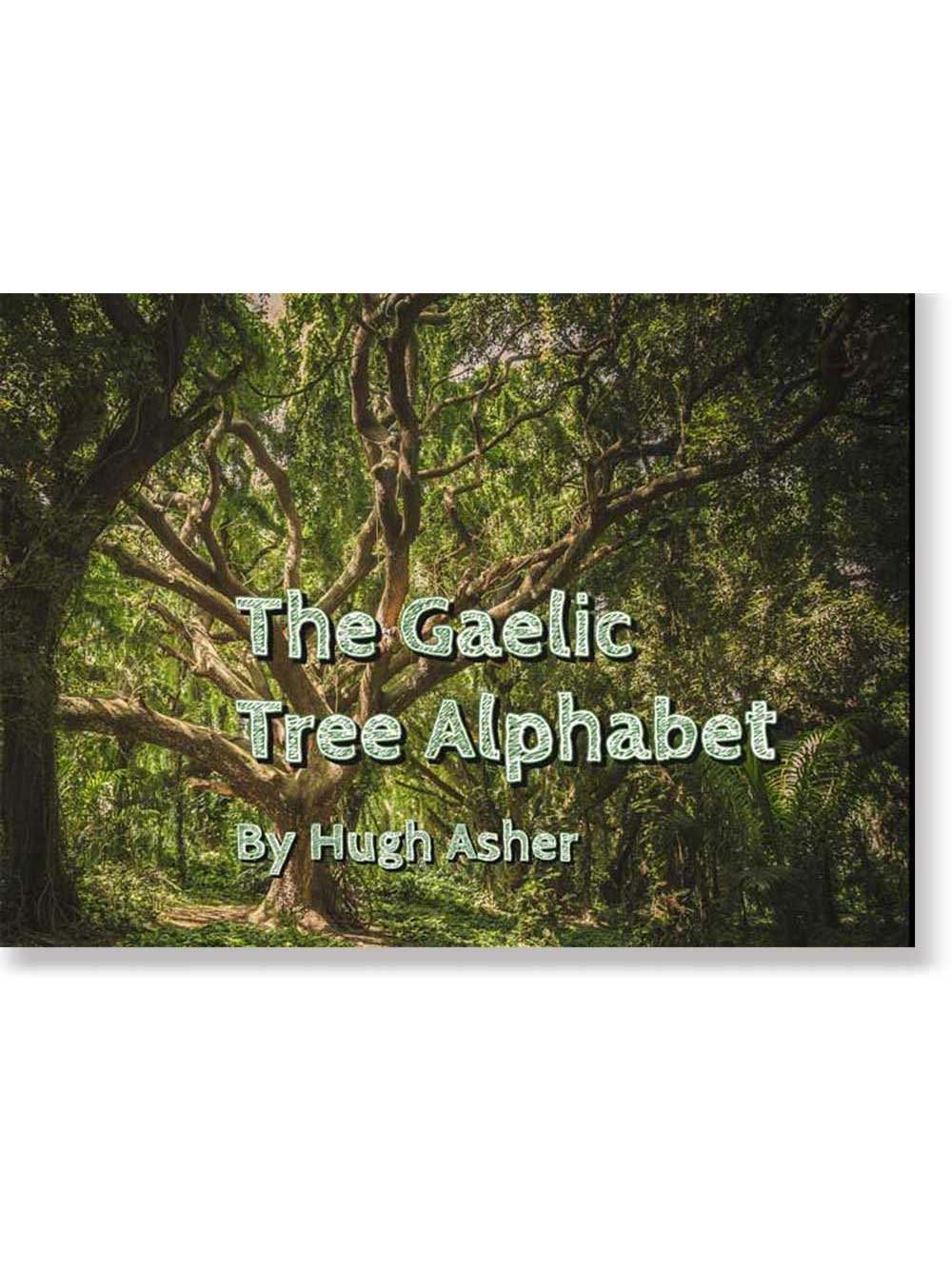
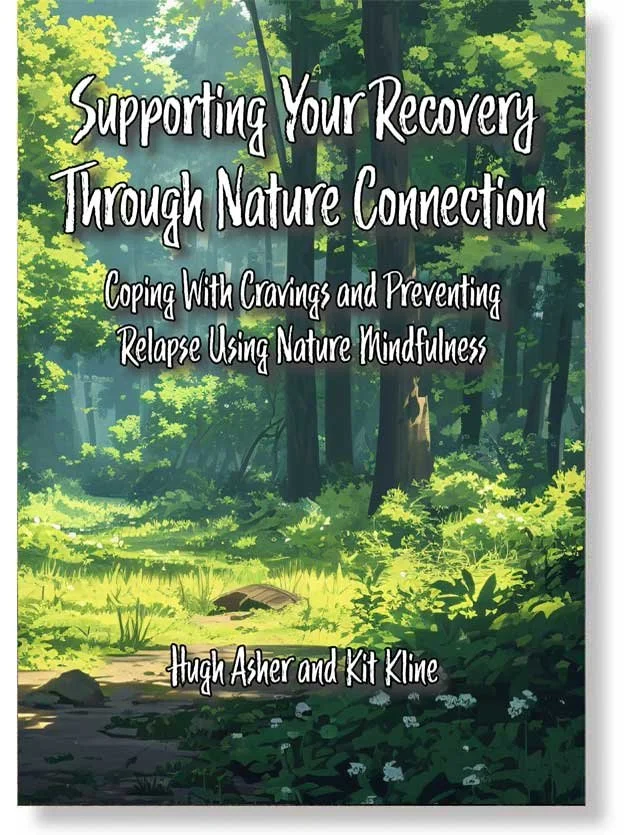















A small collection designed to gently open the door into deeper relationship with the natural world.
This complete set of four Forest Healing booklets brings together practical guidance, reflective ideas, and simple nature connection practices that can be used anywhere — from ancient woodland to a nearby park, garden, or even a single Sit Spot outdoors.
Written to be accessible, grounding, and easy to follow, these booklets offer a pathway into the core practices of Forest Bathing (Shinrin-yoku), Silvotherapy, and everyday nature connection. Rather than asking you to achieve anything, they simply invite you to slow down, notice more deeply, and allow nature to become an active presence in your wellbeing.
Across the four booklets you will explore:
• What Forest Bathing, Silvotherapy, and Nature Connection actually are
• The key benefits of spending mindful time in natural environments
• The practice of the “Sit Spot” and how to develop your own relationship with a chosen place
• Simple, practical Forest Bathing invitations you can try alone or with others
• Ways to bring nature connection into everyday life, even in small moments
Together, they form a gentle introduction to practices that have been shown to support reduced stress, improved mood, greater clarity of thought, and a deeper sense of belonging within the natural world.
These are not academic texts or rigid instruction manuals. They are invitations — encouraging you to step outside, slow your pace, and rediscover the quiet intelligence of trees, weather, and landscape.
Whether you are completely new to nature connection or looking to deepen an existing practice, this collection offers a simple, supportive starting point for building a more intentional and restorative relationship with the living world around you.
A small set of booklets that can change the way you experience even the most familiar patch of nature.
Buy all Four Forest Bathing and Nature-Connection Booklets for £11.00 including FREE P&P within the UK.
Postage to the Rest of the World is £4.