

Nature Connection as an Antidote to Anger
Saturday 9th May 2026
I received a request a few weeks ago, and I love a request!
It read “I’m wondering, please, if you have written a blog post about anger. There is so much of it in the world today (it seems to be a go-to reaction for many) and I cannot understand it.”
So I am delighted to say that here it is!
Anger is a powerful and often misunderstood emotion. It can flare up suddenly, arrive after long periods of strain, or sit quietly beneath the surface until something small finally brings it to the boil. In itself, anger is not the problem. It is often a messenger — a signal that something feels unfair, overwhelming, unsafe, blocked, or deeply out of alignment. What becomes difficult is when anger has nowhere to go, or when it is repeatedly fed by stress, overstimulation, rumination, and exhaustion. That is where nature connection can offer something quietly transformative. Recent reviews and research suggest that time in natural settings can support emotion regulation, reduce rumination, lower stress, and help people feel calmer and less irritable.
For many people, anger is not just an emotional experience but a whole-body one. The jaw tightens, the chest hardens, the breath shortens, and the nervous system seems to move into readiness for battle. In a world full of noise, screens, deadlines, and pressure, that state can become surprisingly easy to reach and difficult to leave. Nature gives us a different kind of environment — one that is less demanding, less interruptive, and often more rhythmic. Research evidence suggests that nature exposure is associated with improved emotional self-regulation, reduced physical stress and heart rate, and greater relaxation. In other words, it does not simply distract us from anger — it can help create the conditions in which anger is easier to notice, feel, and settle.
Why Anger Can Feel Louder in Modern Life

Anger rarely appears in a vacuum. It is often intensified by the conditions around it. Urban living, constant connectivity, and digitally saturated routines can leave very little space for the nervous system to recover. One British Association for Holistic Medicine & Health Care (BHMA) article notes that more than half the world’s population now lives in urban environments and that many people spend most of their time indoors or in vehicles, and it argues that this dislocation from the outdoors may contribute to the stresses of modern life. The same piece describes growing evidence that nature engagement is linked with better emotional and cognitive health, improved recovery from stress, and reduced social isolation. That matters because anger is often fuelled by overload and overwhelm. When we are tired, pressured, overstimulated, or socially disconnected, the threshold for irritation drops. Small frustrations feel bigger. Ordinary delays feel personal. Other people’s needs can seem intolerable. Nature is helpful here because it introduces a different pace. It invites the body and mind into a setting where there is less to defend against and more to receive. A Canadian Psychological Association’s fact sheet describes nature as supporting calmer mood, less irritability, better impulse control, and reduced stress symptoms. Those are not just pleasant side effects, they are exactly the capacities that help anger loosen its grip.
There is also a simple but important truth — anger often thrives on repetition. A hurtful conversation replays in the mind. A slight becomes a story. An injustice becomes a loop. But nature can help to interrupt those loops. A recent review of 27 articles found that nature exposure generally has a positive impact on emotion regulation processes, especially by decreasing rumination and worry and supporting adaptive strategies such as mindfulness and cognitive reappraisal. The review also found an association between nature connectedness and emotional or ‘affect’ regulation, suggesting that the sense of being connected to nature matters alongside exposure itself.
Emotional regulation is a term used, particularly within psychology, to describe a person’s ability to effectively manage and respond to emotional experiences. Regulating and balancing emotions in this way can be a conscious or unconscious action but is a very important and an almost constant function of human life. People consciously and unconsciously use a range of emotional regulation strategies daily to help them to respond to and deal with hundreds of emotion-provoking stimuli, ideally in an appropriate, beneficial and healthy way. Emotional regulation includes responses to both positive and negative feelings, and how we can strengthen them, use them, influence them and control them. Studies into emotional regulation show that there is a significant positive correlation between emotion regulation and depression management and that people with lower levels of anxiety usually demonstrate higher emotional regulation and balance, and vice versa. Our ability to keep our emotions regulated is important for psychological and emotional wellbeing and as emotional functioning can influence physiological functioning such as blood pressure and heart rate, this can have physical benefits too. Beyond these, emotions can provide the motivation for behaviour change towards healthier behaviours and responses in a way that purely cognitive responses cannot always.
What Nature Changes Inside us
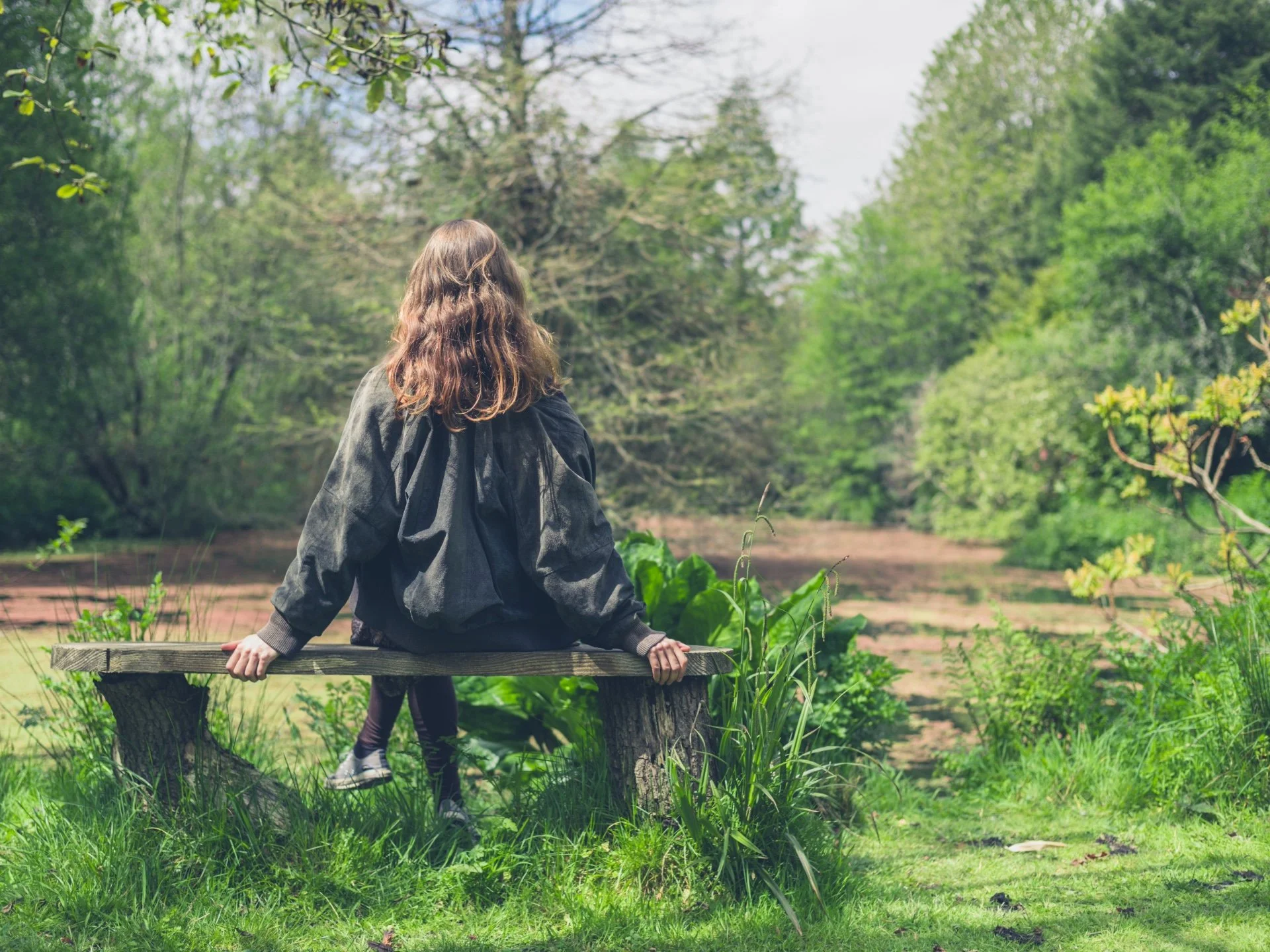
One of the reasons nature can help with anger is that it works on several levels at once. It is sensory, physiological, cognitive, relational, and sometimes deeply spiritual. A 2025 review in Trends in Cognitive Sciences summarises evidence that nature contact affects negative and positive emotional functioning through multiple interacting pathways, including emotion regulation, psychoneuroimmunology, microbiome, sleep, and physical activity. That wider picture matters, because anger is not only a thought or feeling — it is also shaped by sleep, movement, inflammation, stress physiology, and the overall state of the body. Nature can support all of those at once.
At the level of attention, nature gives the mind something to rest on without overloading it. The CPA fact sheet notes that attention is a limited resource that can become fatigued, and that nature can restore attention and concentration. That restoration is important for anger because when attention is exhausted, self-control gets harder. We become more reactive, less reflective, and more likely to say or do things we later regret. Nature does not magically remove difficult feelings, but it can help create a bit more space between the trigger and the response.
At the level of stress physiology, nature appears to soften the body’s alarm response. The CPA notes reductions in anxiety symptoms, physical stress, and heart rate, along with improved relaxation. The BHMA article reports that Forest Bathing studies have found the people in natural settings exhibit lower cortisol, lower pulse rate, lower blood pressure, and greater parasympathetic activity compared with those in city environments. That shift toward parasympathetic activation is meaningful because anger often arrives with mobilised energy, as the body prepares for action. Nature can help the body come back from that edge and move toward regulation rather than escalation.
There is even evidence that brief contact can help. The CPA fact sheet reports that just 1–10 minutes in nature can boost attention, reduce feelings of stress, and improve mood, while 20 minutes at a time has been linked with reduced cortisol. For someone in the middle of an angry, tense, or flooded state, that is encouraging. It means nature does not have to be an elaborate retreat or long hike to be useful. Sometimes a short walk to a tree-lined street, a sit on a bench beside water, or a few minutes standing quietly in a garden is enough to begin shifting the emotional weather.
Nature Helps to Loosen Rumination, and Rumination Fuels Anger
Anger often becomes more painful when it turns into rumination. The mind replays the insult, the unfairness, the frustration, the imagined comeback. What began as a real feeling can harden into a mental habit. Several studies summarised in recent secondary sources suggest that time in nature reduces rumination and negative affect. One review of the evidence describes a 90-minute walk in nature as reducing activity in a brain region associated with rumination, while a 50-minute walk in nature improved anxiety, rumination, negative affect, and working memory compared with an urban walk. Another source summarising newer research notes improvements in positive emotions, mood disturbance, rumination, nature connection, compassion, and heart rate variability in forest bathing interventions.

This is especially important because rumination gives anger momentum. When a person keeps mentally returning to a grievance, the body can remain in a state of activation long after the original moment has passed. Nature may help by shifting attention outward and downward, from the mind’s endless commentary to the steadier reality of light, air, movement, birdsong, leaves, and earth. The research summaries suggest that nature supports mindfulness and cognitive reappraisal — two capacities that are central to emotion regulation and helpful when anger is asking to be understood rather than obeyed.
That does not mean nature is a form of avoidance. Sometimes anger needs expression, conversation, boundaries, or repair. Nature should not be used to bypass those needs. But it can help a person get back into a state where they can choose the next step wisely. Instead of acting from the first surge, they may be able to pause, breathe, and decide whether the situation needs speaking, grieving, resting, or simply letting go. That pause is one of nature’s quiet gifts.
Connection Matters as Much as Exposure
There is a difference between being outdoors and feeling connected to nature (link). A person can sit in a park while still mentally elsewhere. They can walk in a wood and remain wrapped in worry, planning, self-criticism, or resentment. The evidence suggests that nature connectedness itself is relevant. The rapid review found an association between nature connectedness and affect regulatory processes, and the Children & Nature Network’s summary of that review notes that emotion regulation and related processes may mediate the effects of nature connectedness on stress and happiness. That means the felt relationship with nature may be part of what makes it healing.

This is one reason why anger can soften so effectively in the presence of living things. Trees do not argue back. Water does not demand a performance. A hillside, a hedge, a cloud, or a bird call does not require us to explain ourselves. Nature can therefore become a refuge not because it solves our problems, but because it gives us a less defensive relationship with our own experience. For highly sensitive people, one article describes nature as a “release valve” for overstimulation, and while that piece is written from a more personal perspective, it captures something many people recognise: nature can feel like a place where the system finally stops bracing.
The BHMA article also emphasises that nature engagement can support emotional wellbeing, greater inner freedom, confidence, and increased sensitivity to one’s own wellbeing. It describes ecotherapy as practices that deepen connection with nature and with a wider sense of self, and it notes that nature-based therapies can help in conditions ranging from depression and anxiety to PTSD and social isolation. That broader therapeutic frame matters here because anger is often entwined with hurt, loneliness, powerlessness, or a sense of not being seen. Nature may not erase those feelings, but it can make room for them to be held differently.
Why Anger Can Soften in Green and Blue Spaces
Not all nature is experienced in the same way, but many settings seem to support regulation: forests, parks, gardens, riversides, beaches, mountains, and even carefully designed therapeutic green spaces. The CPA fact sheet defines nature broadly and notes that while benefits can come from photographs, sounds, and views through a window, the greatest benefits generally occur outdoors in a natural environment. The BHMA article similarly points to green and blue spaces as places where ecotherapy and nature connection work can happen, from public gardens and sensory spaces to woodlands and coastal areas.

One reason these environments matter is sensory balance. Anger often grows in environments that are either too demanding or too flat. Natural settings are different: they offer gentle stimulation without the hard edges of constant interruption. The eye can roam. The ear can rest in layered sound. The body can sense temperature, breeze, texture, and ground. That multisensory experience can help pull us out of the narrowed, heated tunnel of anger and back into a fuller relationship with the moment. Recent summaries also suggest that nature improves mood and helps people feel happier, which is not trivial when working with difficult emotion.
Nature also supports social functioning. The CPA notes that nature tends to increase generosity, cooperation, and social connection. This is a subtle but valuable point for anger work. Much anger is relational at its root: feeling dismissed, unseen, controlled, unappreciated, or treated unfairly. If nature can soften defensive arousal and increase a sense of connectedness, it may help us re-enter relationship with more perspective and less heat. Sometimes that leads to a cleaner boundary. Sometimes it leads to compassion. Sometimes it leads to a difficult conversation that is more honest and less combustible.
Nature Connection is Not a Luxury
It is easy to think of time in nature as a bonus, something for holidays or rare weekends. The research points in a different direction. The CPA fact sheet suggests that even brief exposure can make a difference, and that two hours per week has been linked with better health and wellbeing (120 minute link). The implication is not that everyone needs a wilderness retreat to regulate anger. It is that regular, modest, reachable contact can matter. For many people, that may be a walk at lunchtime, a sit under a tree after work, a slow lap around the local park, or a few quiet minutes in the garden before the day begins.
That accessibility is important because anger often appears in ordinary life, not just during dramatic crises. It shows up in traffic, family life, work emails, financial pressure, fatigue, and sensory overload. Nature offers a practical counterweight precisely because it can be woven into ordinary days. It is not only for the healed, the fit, the peaceful, or the patient. It is for the irritated, the overwhelmed, the grieving, the tired, the overworked, and the on-edge. In that sense, it is not an escape from life but a return to something more spacious within it.
A Gentle Way to Work with Anger in Nature
When using nature connection for anger, the aim is not to force calm, as that usually backfires. The aim is to create conditions where the body can settle enough for the feeling to be met honestly. Here is a simple approach that draws on the spirit of Forest Bathing and nature-based emotional regulation:
Begin by choosing a natural place that feels safe enough and simple enough. It may be a garden, a local park, the edge of a wood, a river path, or a quiet patch of sky between buildings. Let the place be somewhere you can arrive without pressure. Walk slowly. Notice the temperature of the air. Feel your feet on the ground. Listen for the farthest sound you can hear, then the nearest. Let your attention move gently, without trying to fix the anger. The point is to create contact, not performance.
Then notice what your anger is doing in the body. Is it heat, tightness, vibration, buzzing, pressure, or heaviness? Naming the sensation can help shift the experience from a story into something more workable. If you like, place a hand on a tree trunk, a wall, or your own chest. Breathe out a little longer than you breathe in. Studies suggest that nature supports relaxation, lowers stress symptoms, and helps self-regulation; this kind of simple embodied contact gives those effects a chance to be felt.
Next, ask a gentle question: What does this anger need? Not what does it want me to destroy, prove, or win, but what does it need? Sometimes the answer is rest. Sometimes space. Sometimes water. Sometimes movement. Sometimes boundaries. Sometimes grief. Nature can help us hear that answer more clearly because it quietens the noise around it. If rumination is strong, let your eyes rest on something alive and changing, such as moving water, leaves blowing in wind, birds lifting from a branch, or clouds moving across the sky. Research indicates that nature exposure can reduce rumination and support adaptive emotion regulation strategies such as mindfulness and reappraisal.
If the anger is particularly hot, keep the practice very simple. A ten-minute walk may be enough. The CPA notes that even 1–10 minutes can improve mood and reduce stress, while 20 minutes may support cortisol reduction. That means you do not need to stay until you feel serene. You only need enough contact for the nervous system to begin remembering that it is safe to soften. Sometimes that is the beginning of a much larger shift.
When Nature Becomes Part of a Larger Healing Pattern
Nature connection works best when it is part of a wider pattern of care. Angry states are often intensified by poor sleep, ongoing stress, loneliness, and physical depletion. The 2025 review in Trends in Cognitive Sciences highlights pathways such as sleep and physical activity alongside emotion regulation and other mechanisms. That is a useful reminder that time outdoors is not a replacement for basic needs; it is one way of supporting them. A walk in nature may improve sleep pressure, calm the body, restore attention, and make healthy choices feel more possible.
Nature can also be especially supportive when combined with other healing practices. Slow breathing, journaling, therapy, mindful movement, and honest conversation can all complement time outdoors. The BHMA article notes that nature-based therapies have been used in community gardens, horticulture, sensory spaces, and therapeutic gardens, often with benefits for people experiencing PTSD, anxiety, depression, ADHD, autism, or social isolation. These settings point toward an important truth: healing does not always happen by thinking harder. Sometimes it happens by being held differently by place, rhythm, and living systems.
This is why nature can feel like such a fitting antidote to anger. Not because anger is bad, and not because nature is a cure-all, but because nature offers the opposite of so much that keeps anger alive: it offers slowing where there has been rushing, spaciousness where there has been compression, relationship where there has been isolation, and non-judgment where there has been self-attack. In a world that often pushes us toward reactivity, nature invites a different kind of strength: the strength to pause, feel, and respond.
A Short Practice for Angry Moments
Try this the next time anger feels close to the surface.
Step outside, or sit beside a window with a view of something living. Find one natural object and stay with it for a minute: a leaf, a branch, a patch of sky, a stone, a puddle, a cloud, a bird. Let your eyes rest there. Notice three sensory details you had not noticed before. Take one slow breath out for longer than the breath in. Then ask quietly, “What is here beneath the anger?” You do not need a full answer. Sometimes the answer is simply that you are tired, hurt, overloaded, lonely, frightened, or needing space. That kind of honest naming is already a form of regulation. Research suggests that nature can support mindfulness, reduce rumination, and improve self-regulation, and this practice gives those benefits a simple shape.
If you remain angry, that is okay. The practice is not meant to shut anything down. It is meant to help you stay in relationship with yourself while the feeling moves through. Nature is especially good at that. It does not demand that we be smaller than we are. It simply offers a steadier world to stand in while we remember our own steadiness. Over time, that can change how anger lives in us: less as a wildfire and more as a signal we know how to hear.
You can download a more detailed nature-connection invitation for working with anger here!
Final Thoughts
Nature connection is not a sentimental extra. It is a practical, evidence-supported way of helping the nervous system settle, attention recover, rumination loosen, and emotion regulation strengthen. The research we now have points in the same direction: nature exposure is linked with calmer mood, reduced stress, less irritability, improved concentration, and healthier emotional processing. For anger, that can be invaluable. Nature does not shame the feeling, and it does not argue with it. It creates enough space for the feeling to breathe. And in that space, a different response can begin to emerge.
If you have enjoyed this article and would like to support what we do by donating £2 or more to buy saplings to plant, please follow the link below:

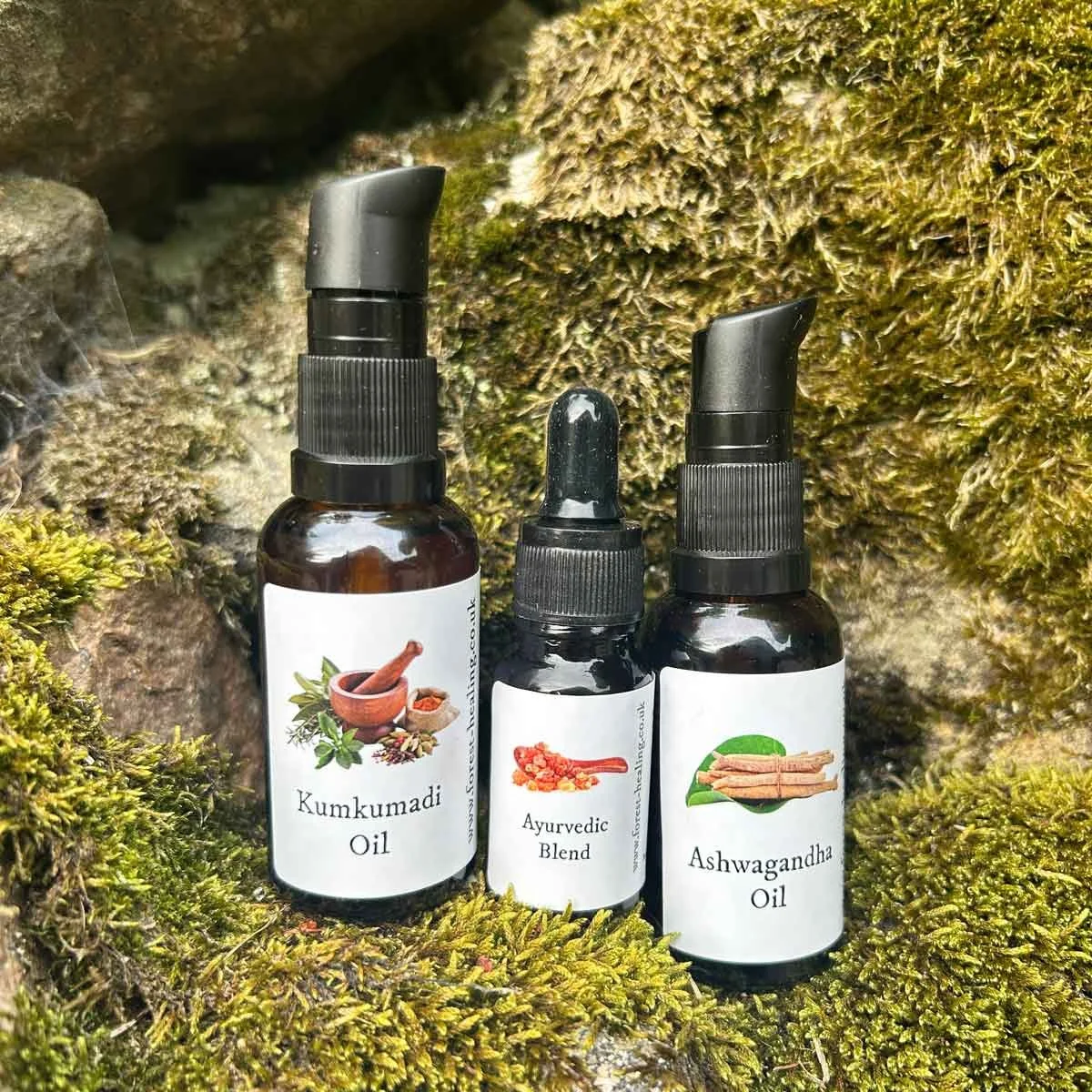

















A small collection designed to gently open the door into deeper relationship with the natural world.
This complete set of four Forest Healing booklets brings together practical guidance, reflective ideas, and simple nature connection practices that can be used anywhere — from ancient woodland to a nearby park, garden, or even a single Sit Spot outdoors.
Written to be accessible, grounding, and easy to follow, these booklets offer a pathway into the core practices of Forest Bathing (Shinrin-yoku), Silvotherapy, and everyday nature connection. Rather than asking you to achieve anything, they simply invite you to slow down, notice more deeply, and allow nature to become an active presence in your wellbeing.
Across the four booklets you will explore:
• What Forest Bathing, Silvotherapy, and Nature Connection actually are
• The key benefits of spending mindful time in natural environments
• The practice of the “Sit Spot” and how to develop your own relationship with a chosen place
• Simple, practical Forest Bathing invitations you can try alone or with others
• Ways to bring nature connection into everyday life, even in small moments
Together, they form a gentle introduction to practices that have been shown to support reduced stress, improved mood, greater clarity of thought, and a deeper sense of belonging within the natural world.
These are not academic texts or rigid instruction manuals. They are invitations — encouraging you to step outside, slow your pace, and rediscover the quiet intelligence of trees, weather, and landscape.
Whether you are completely new to nature connection or looking to deepen an existing practice, this collection offers a simple, supportive starting point for building a more intentional and restorative relationship with the living world around you.
A small set of booklets that can change the way you experience even the most familiar patch of nature.
Buy all Four Forest Bathing and Nature-Connection Booklets for £11.00 including FREE P&P within the UK.
Postage to the Rest of the World is £4.