

Nature Connection and Creativity
21st September 2024
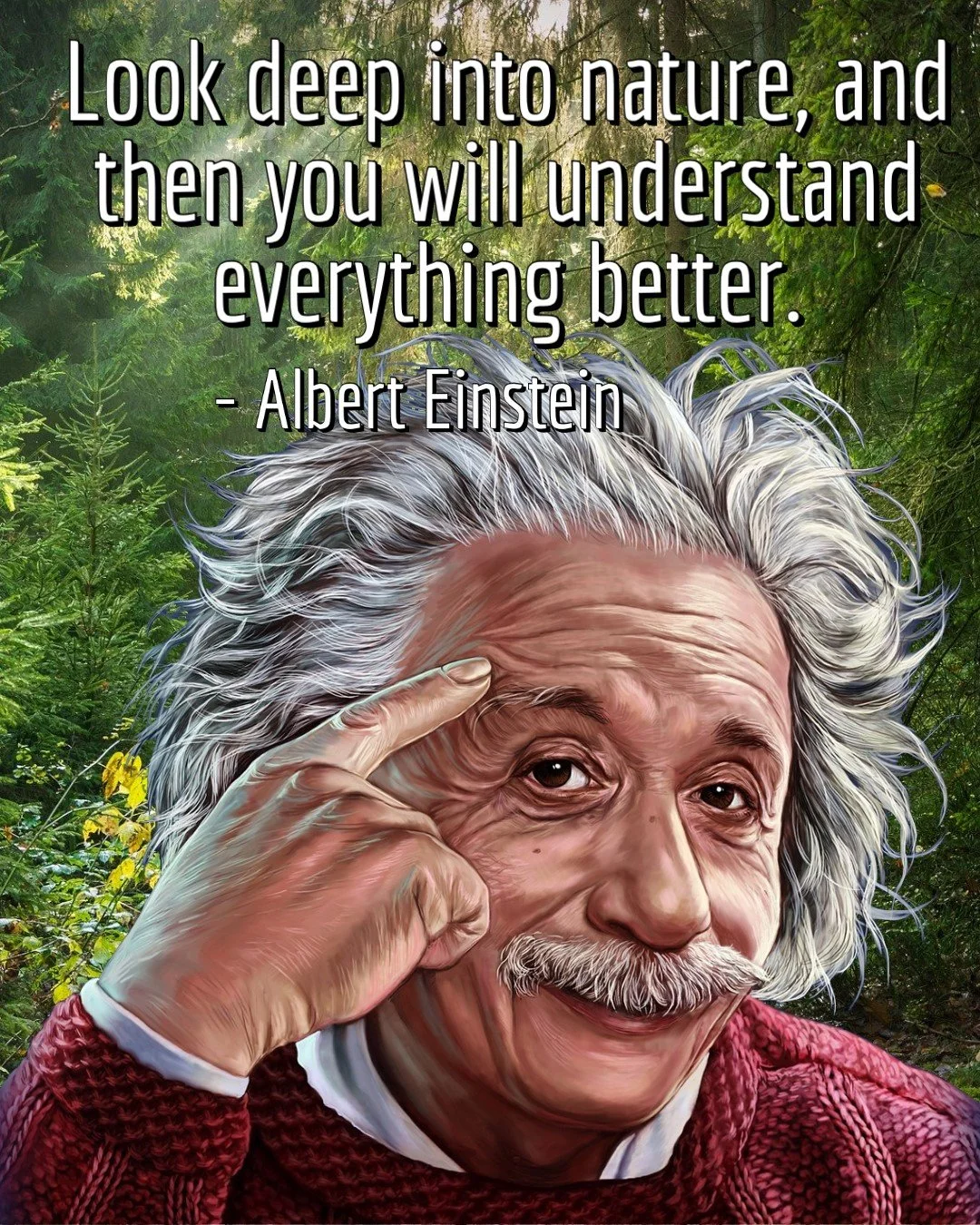
“Look deep into nature, and then you will understand everything better” - Albert Einstein
A daily walk in nature was sacred to Albert Einstein as he believed that allowing his mind to wander during walks often brought solutions regarding the universe's most vexing mysteries. There is plenty of evidence is that walking in nature can boost memory, creativity and problem-solving as during this activity, the brain seems to adopt a totally different style of thinking that can lead to insights you might not get sitting indoors at a desk. It is also well documented that exercise reduces stress, anxiety and depression and evidence suggests we benefit more from exercise done in nature rather than indoors or in urban settings.
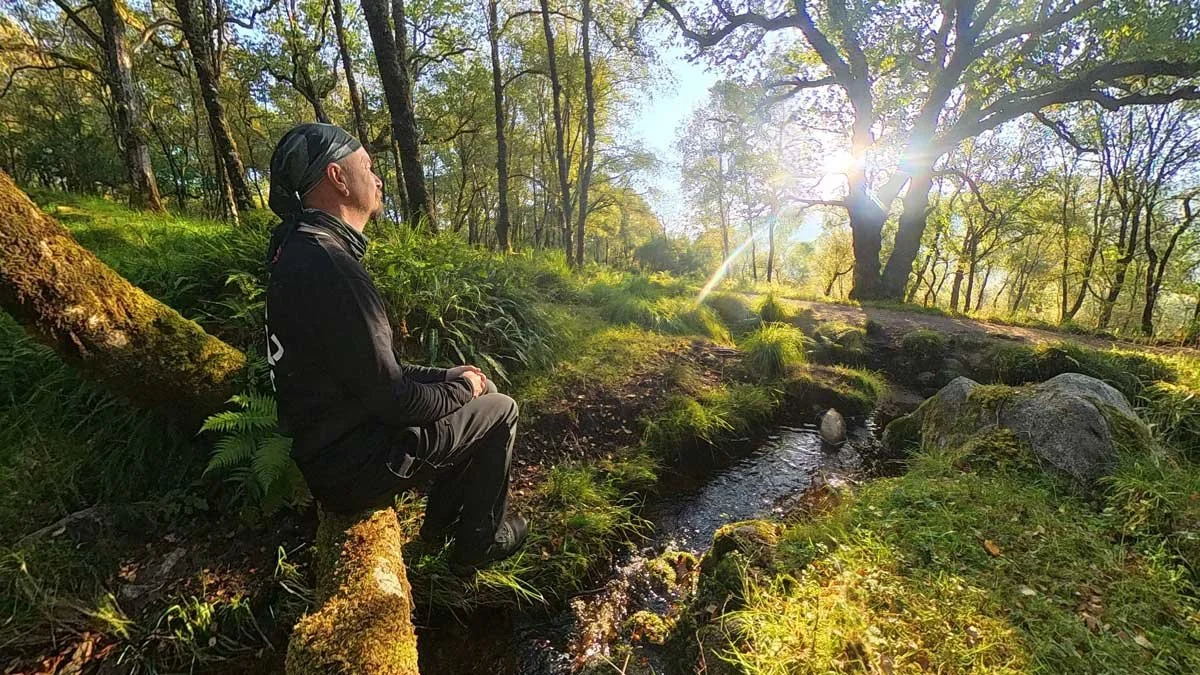
I myself find spending time sitting in nature each day to be restorative for me. As you might know, Sit Spot is favourite activity of mine to help me to connect with nature. Sit Spot helps me to de-stress, to problem solve and whilst I’m trying hard to focus on my surroundings, I regularly find that it is when I am trying to quieten my thinking down that my brain then sometimes gets the most creative.
Connection with Nature and Increased Creativity
Recent research has shown that increased nature-connection has been shown to lead to an increase in creativity as well as increased attention capacity and concentration and a reduction in mental fatigue. Psychologists and neuroscientists propose that our brains, overstimulated by modern life and technology, can more quickly and effectively recover and recharge in natural settings. Researchers have found that mental fatigue and concentration can be improved by time spent in or looking at nature. Attention is like a muscle that can become fatigued if sustained on one specific thing for too long. Using what is known as Attention Restoration Theory, scientists have begun to find that exposure to natural environments can help the brain recover and replenish its ability to direct attention.
Attention Restoration Theory
Rachel and Stephen Kaplan’s Attention Restoration Theory (ART) proposes that natural environments in particular are restorative when they engage your attention effortlessly through ‘soft fascination’ and offer a sense of ‘being away' from everyday concerns. They propose that nature is capable of holding our attention with little effort whilst at the same time leaving “ample opportunities for thinking about other things”. Attention Restoration Theory proposes that prolonged periods of directed attention (such as the constant concentration required for work, problem-solving, or navigating urban environments) leads to mental fatigue. Nature, however, provides an environment where the mind can shift from directed attention to involuntary attention — the type of passive focus we experience when watching a sunset, listening to the rustle of leaves, or gazing at the stars. This shift to a more ‘soft fascination’ allows the brain to recover, which not only restores cognitive functions but also enhances creativity.
A qualitative study investigating the influence of the natural environment on creativity concluded that nature plays a significant role in the preparation phase (i.e. giving attention to a topic, gathering information and exploring aspects of the topic) and incubation phase (i.e. conscious or unconscious cognitive processes enabling new ideas to emerge) of creative development. Attention Restoration Theory proposes that nature experiences promote creativity by providing a break from effort-intensive preparation of a creative task and improving conscious work during the incubation phase through recovery from fatigue. This means time in nature can give us more attention available for persistently sticking to our problem solving and seeing our ideas through.
Boosting Divergent Thinking
Creativity involves two types of thinking: convergent thinking (which focuses on narrowing down multiple ideas to find a single, correct solution) and divergent thinking (which involves generating as many creative ideas as possible). Nature seems to significantly enhance divergent thinking, which is essential for creativity. By encouraging a mental ‘break’ and reducing cognitive load, natural settings open the door to freer, more flexible thinking.
In a 2012 study conducted by psychologists David Strayer and his colleagues at the University of Utah, backpackers showed a 50% increase in creativity after spending four days immersed in nature without access to technology. The participants demonstrated improved performance on tests that required divergent thinking, suggesting that prolonged exposure to natural environments enhances cognitive flexibility and creative idea generation.
Reducing Stress and Anxiety: Opening the Creative Mind
Stress is a significant barrier to creativity. The more stressed or anxious we feel, the harder it is to think clearly, let alone generate new ideas. Nature has a well-documented ability to reduce stress levels, lowering cortisol production and promoting feelings of calm and wellbeing. By reducing stress and fostering relaxation, nature provides the mental clarity needed for creativity to flourish.
A 2010 study from the University of Essex found that just five minutes of exercise in a natural setting significantly improved both mood and self-esteem. The simple act of walking in a park or along a beach can trigger the release of endorphins, which not only boost happiness but also create the ideal mental environment for creative thoughts to flow.
The emotional benefits of nature are particularly important for people in creative professions, where stress and pressure to perform can stifle the creative process. By regularly reconnecting with nature, creatives can maintain a sense of balance, which is crucial for sustained innovation.
Sensory Stimulation and Creativity
Nature also engages our senses in ways that stimulate the creative mind. The sounds, sights, and textures found in natural environments create a multisensory experience that urban environments rarely provide. Sensory input is critical to creativity, as new stimuli often spark new ideas. When we walk in the woods, swim in the sea, or simply sit in a park, we encounter patterns, colors, and shapes that can evoke new ways of thinking.
Visual Inspiration
Nature is inherently varied and unpredictable, offering a wide range of visual stimuli that can inspire creativity. From the fractal patterns of tree branches to the symmetry of flower petals, the natural world offers a rich source of inspiration. Artists and designers, in particular, draw from nature’s complex geometries and organic forms to create innovative works. In fact, this relationship has a long history — art movements like Impressionism and Romanticism often reflected deep connections with natural environments.
Auditory Relaxation and Cognitive Clarity
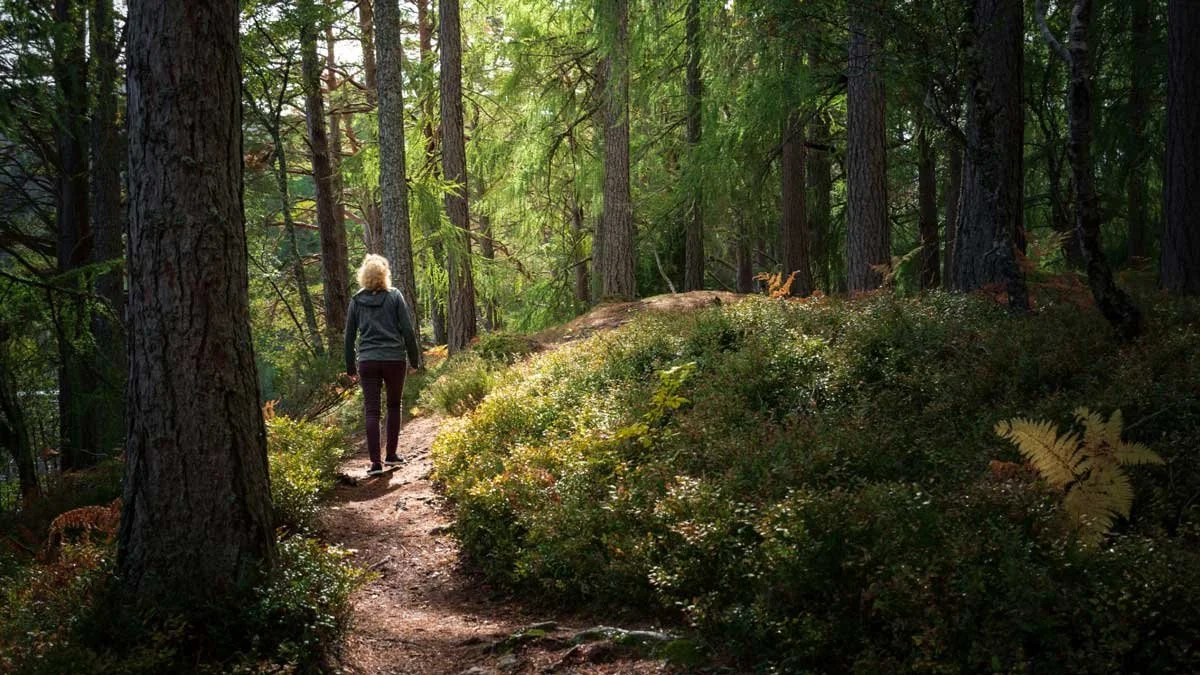
The sounds of nature — such as birds chirping, waves crashing, or a gentle breeze rustling through trees — have been shown to have a calming effect on the mind. Research suggests that listening to nature sounds reduces stress and fosters a more mindful state. This increased relaxation can allow the brain to clear away intrusive thoughts, giving rise to creative ideas that are otherwise suppressed by mental noise.
The cacophony of human sounds in urban environments, in contrast, often serves to overwhelm the mind, making it more difficult to concentrate and less conducive to creativity. Natural sounds, on the other hand, help regulate mood and open the door to clearer, more creative thinking.
Nature as a Catalyst for Creative Flow
One of the most powerful experiences that enhances creativity is entering a state of ‘flow’. Flow is a psychological state where a person becomes fully immersed and engaged in a task, losing track of time and experiencing a deep sense of satisfaction. Achieving flow is often linked to peak creative performance, and nature can play a critical role in facilitating this state.
When we are in nature, away from distractions, we are more likely to enter a flow state. The simplicity and beauty of natural surroundings allow us to focus deeply on creative tasks, whether that’s writing, painting, or problem-solving. Activities like hiking, swimming, or simply sitting quietly in a forest can help clear mental clutter and open the door to uninterrupted creative flow.
Practical Ways to Connect with Nature for Creativity
Nature Walks
One of the simplest and most accessible ways to harness the creative power of nature is by taking regular walks outdoors. Whether it’s a ramble through a local park or a stroll around your neighborhood, walking in nature helps stimulate creative thought. Walking itself has been shown to boost creative output, but doing so in nature compounds the effect by reducing stress and engaging the senses in novel ways.Outdoor Workspaces
If your schedule allows, consider working outdoors. Whether you bring a sketchbook, laptop, or just a notepad, working in a natural environment can inspire fresh ideas. The change of scenery can prevent mental fatigue and encourage creative breakthroughs.Green Spaces in Urban Settings
If you live in a city, seek out green spaces such as botanical gardens, rooftop gardens, or urban parks. Incorporating nature into your environment, even in small doses, can stimulate creativity.Mindful Observation
Spending time mindfully observing nature can also promote creativity. Try engaging all your senses: listen to the rustle of leaves, feel the texture of bark, observe the patterns of clouds, and breathe in the scents of flowers. This type of mindfulness helps to ground you in the present moment, making it easier for your mind to wander creatively.Journaling Outdoors
Bring a notebook or sketchpad into nature, and allow your thoughts to flow freely. Many creatives find that they generate their best ideas while surrounded by natural beauty.Unplug from Technology
Nature’s benefits are maximised when we fully disconnect from digital distractions. Consider going on a technology-free retreat for a day or even a few hours. Allowing your mind to rest from screens opens up mental space for creativity and imagination.Bringing Nature Indoors
For those who live in cities or have limited access to natural settings, incorporating elements of nature into your indoor space can still have a positive effect on creativity. Houseplants, natural light, water features, and artwork depicting nature can all help bring some of the cognitive and emotional benefits of nature indoors.
Nature as a Metaphor for Creative Processes
Beyond its sensory benefits, nature itself offers powerful metaphors that can inspire the creative process. The cycles of growth, decay, and renewal found in nature can reflect the stages of creative development. For example, the way a seed grows into a tree can symbolise how ideas start small and evolve into something larger and more impactful. The unpredictability of weather patterns may remind creatives that their process won’t always be linear or under their control — and that this unpredictability is part of the journey.
Nature encourages us to see patterns, understand systems, and embrace complexity, all of which can enrich the creative process. By drawing connections between natural phenomena and human creativity, individuals can approach their creative work with a sense of openness and curiosity.
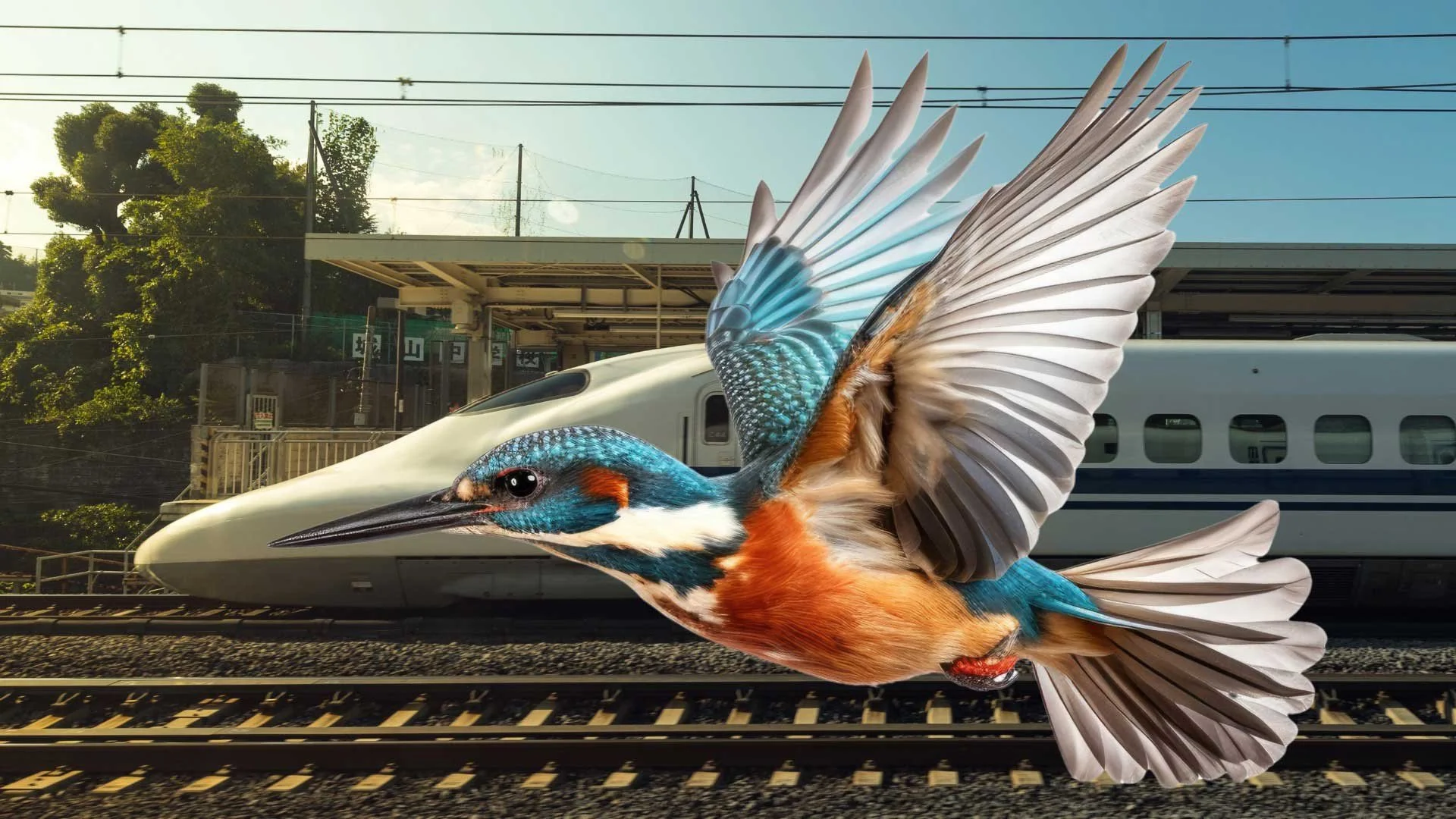
Biomimicry: Innovation Inspired by Nature
In fields like design and technology, biomimicry is a prime example of how nature inspires creativity. Biomimicry involves studying nature’s time-tested patterns and strategies to solve human challenges. Examples include the shape of the Japanese Bullet Train, the invention of Velcro, which was inspired by the way burrs cling to fur, or the development of more energy-efficient buildings modelled after termite mounds. By observing and mimicking nature, innovators unlock new ways of thinking that can revolutionise industries and drive progress.
Forest Bathing and Creativity
Research specifically looking at the effects of Forest Bathing on creativity found that as well as increasing positive emotions and reducing negative emotions, Forest Bathing improved participants’ creative performances by over 25%, suggesting that forest therapies can increase high-level cognitive functioning, such as creativity.
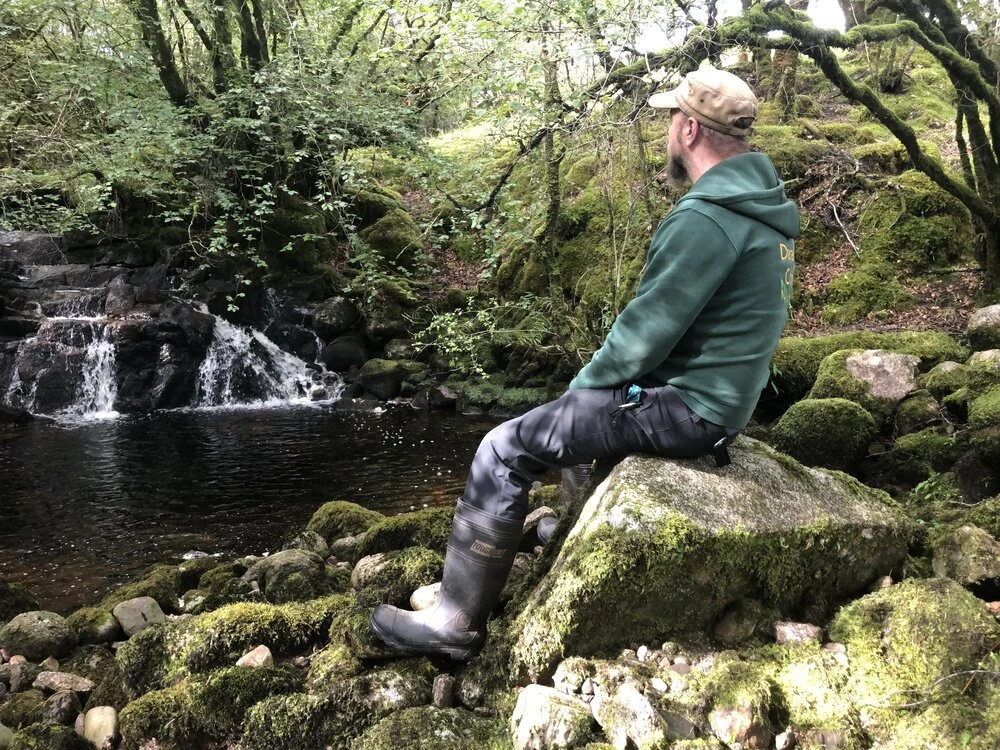
Creativity and Sit Spot
Sometimes when I am sitting in my Sit Spot, I can find it hard to gently bring myself back to my sense of my surroundings because I suddenly start to overflow with creative ideas. Ideas seem to jump into my head from no-where and get in the way of my nature-mindfulness practice. To overcome this, I sometimes take a notebook out with me, and depending on how frequent and rapid the creative ideas I have are, I either do 15 minutes of Sit Spot where I write down ideas as they come to me, then try to return to my focussed Sit Spot practice for another 15 to 20 minutes, or I do 15 minutes of more focussed Sit Spot and then just sit for as long as the creative ideas are flowing, depending on my time constraints.
Final Thoughts: Rewilding the Creative Mind
The connection between nature and creativity is as ancient as humanity itself. By re-establishing our bond with the natural world, we can unlock new ways of thinking, solve problems more creatively, and feel more inspired in our everyday lives. Nature offers more than just a pretty backdrop; it’s a dynamic, multisensory space that fosters clarity, innovation, and creative breakthroughs.
In a world where overstimulation and digital distractions are the norm, returning to nature can help to ‘rewild’ our minds, opening them up to greater possibilities. Whether you're seeking to generate new ideas, overcome creative blocks, or simply refresh your outlook, nature often holds the key to enhancing your creative potential.





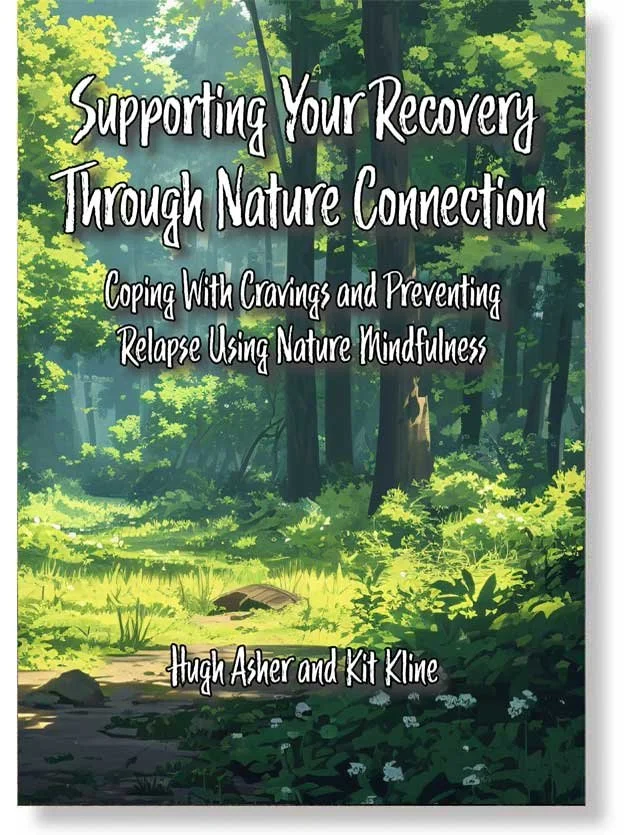



A small collection designed to gently open the door into deeper relationship with the natural world.
This complete set of four Forest Healing booklets brings together practical guidance, reflective ideas, and simple nature connection practices that can be used anywhere — from ancient woodland to a nearby park, garden, or even a single Sit Spot outdoors.
Written to be accessible, grounding, and easy to follow, these booklets offer a pathway into the core practices of Forest Bathing (Shinrin-yoku), Silvotherapy, and everyday nature connection. Rather than asking you to achieve anything, they simply invite you to slow down, notice more deeply, and allow nature to become an active presence in your wellbeing.
Across the four booklets you will explore:
• What Forest Bathing, Silvotherapy, and Nature Connection actually are
• The key benefits of spending mindful time in natural environments
• The practice of the “Sit Spot” and how to develop your own relationship with a chosen place
• Simple, practical Forest Bathing invitations you can try alone or with others
• Ways to bring nature connection into everyday life, even in small moments
Together, they form a gentle introduction to practices that have been shown to support reduced stress, improved mood, greater clarity of thought, and a deeper sense of belonging within the natural world.
These are not academic texts or rigid instruction manuals. They are invitations — encouraging you to step outside, slow your pace, and rediscover the quiet intelligence of trees, weather, and landscape.
Whether you are completely new to nature connection or looking to deepen an existing practice, this collection offers a simple, supportive starting point for building a more intentional and restorative relationship with the living world around you.
A small set of booklets that can change the way you experience even the most familiar patch of nature.
Buy all Four Forest Bathing and Nature-Connection Booklets for £11.00 including FREE P&P within the UK.
Postage to the Rest of the World is £4.