

The Flow State and Outdoor Activities
1st July 2023
The Flow State is often referred to as ‘being in the zone’, and is probably most commonly associated with extreme sports such as surfing, snowboarding and BASE jumping. However, the Flow State can be also experienced through gentler outdoor physical activities such as walking, running and paddling, as well as playing music and creating art and through comparatively sedate and relaxing nature mindfulness activities such as Forest Bathing. In this way nature provides a nurturing environment that can help you to disconnect from the distractions of modern life and reconnect with the present moment through a range of sports activities and pastimes.
The Flow State
The ‘Flow State’ was first conceptualised by the Positive Psychologist Mihaly Csíkszentmihályi, and refers to a state of optimal experience where you are fully immersed in, and intensely focused on an activity. It is a state of deep engagement where your skills and abilities perfectly match the challenges at hand, leading to a sense of effortless concentration and enjoyment. During Flow, you often lose track of time and self-consciousness, experiencing a heightened sense of clarity, satisfaction, and fulfilment. The Flow State is characterised by a balance between your skills and the level of challenge you are facing, providing a rewarding and intrinsically motivating experience. It is a state often associated with increased creativity, productivity, and overall wellbeing.
Benefits of Achieving the Flow State
In the Flow State, you often experience a heightened sense of clarity, focus, and enjoyment, which can lead to several benefits. Some of the common positive outcomes that people experience while in the Flow State include:
Optimal Performance
One of the primary goals in the Flow State is to achieve peak performance in a particular activity or task. With heightened focus and concentration, you can push your skills and abilities to the limit, leading to improved productivity, creativity, and efficiency.
Enhanced Learning
Being in the Flow State can facilitate accelerated learning and skill acquisition. The state of deep engagement or Deep Work allows you to absorb information more readily, process feedback effectively, and make more rapid progress in mastering new concepts or skills.
Personal Growth
The Flow State provides an opportunity for your personal growth and self-discovery. It allows you to challenge yourself, overcome obstacles, and tap into your full potential. Through this process, you can often gain a sense of accomplishment and develop a stronger sense of self-efficacy (a kind of self-belief that usually refers to the confidence that you have in your ability to achieve things).
Joy and Fulfilment
The Flow State is inherently enjoyable and rewarding. Engaging in activities that bring about the Flow State can lead to a deep sense of joy, fulfilment, and happiness and the immersive nature of the experience can bring about a sense of purpose and meaning in your life.
Alleviating Stress and Anxiety
The Flow State has been shown to reduce stress and anxiety levels. Immersion in an activity that captures your full attention allows you to temporarily detach from everyday worries and concerns, providing a mental and emotional respite.
Mindfulness and Presence
Flow experiences often involve being fully present in the moment, which aligns with the principles of mindfulness. The state of Flow encourages you to focus on the task at hand, cultivating a deep sense of awareness and mindfulness that can be carried over into other aspects of your life.
Ultimately, the goals in the Flow State vary from person to person and depend on the specific activity being pursued. However, the overarching theme is to harness the inherent potential within yourself and experience a state of optimal engagement, fulfillment, and growth.
Conditions Required for the Flow State
Several conditions have been identified that commonly contribute to the emergence of the Flow State. While the exact combination may vary from person to person, some common conditions that facilitate the experience of flow include:
Clear Goals
Having clear, specific, and challenging goals is often important for entering the Flow State. When you have a clear direction or purpose for your actions, it helps you to focus your attention and channel your efforts towards a specific outcome.
Concentration and Focus
The Flow State often requires intense concentration and undivided attention. Immersion in the activity at hand helps you to block out distractions and enter a state of deep focus where you can fully engage with the task.
A Balance of Skill and Challenge
Flow occurs when there is a balance between your skill level and the challenge presented by the activity. If the challenge is too low, it can lead to boredom, while if the challenge is too high, it can result in anxiety or frustration. Finding the right balance encourages the stretching of skills and the continuous improvement of performance.
Immediate Feedback
Flow is best facilitated when you receive immediate and clear feedback on your actions. Feedback helps you to adjust your performance in real-time, make necessary corrections, and stay in a state of optimal engagement and learning.
An Altered Sense of Time
In the Flow State, you often lose track of time, experiencing a sense of timelessness. The perception of time is altered, with hours feeling like minutes. This lack of awareness of time often allows you to remain fully absorbed in the activity without distractions.
Autonomy and Control
Having a sense of control and autonomy over your actions is important for entering the Flow State. When you feel empowered to make decisions and have a sense of ownership over your activities, it enhances motivation and engagement.
Enjoyment and Intrinsic Motivation
When the activity is inherently rewarding and aligned with your interests, you are more likely to enter a state of flow. Flow is more likely to occur when you genuinely enjoy the activity and are intrinsically motivated to engage in it. Intrinsic motivation means that your motivation comes from the pleasure of immersion in the activity itself, rather than external motivators such as acceptance, fame, power, or money for example.
Absorption and Loss of Self-Consciousness
Flow involves a sense of being fully absorbed in the present moment, with a temporary loss of self-consciousness. In a Flow State you become completely immersed in the activity, and your sense of self and awareness of the external world diminishes.
It's important to note that these conditions are not always present simultaneously, and achieving Flow is a dynamic and individual process. However, by creating an environment and engaging in activities that align with these conditions, you can increase the likelihood of entering the Flow State.
Surfing and the Flow State
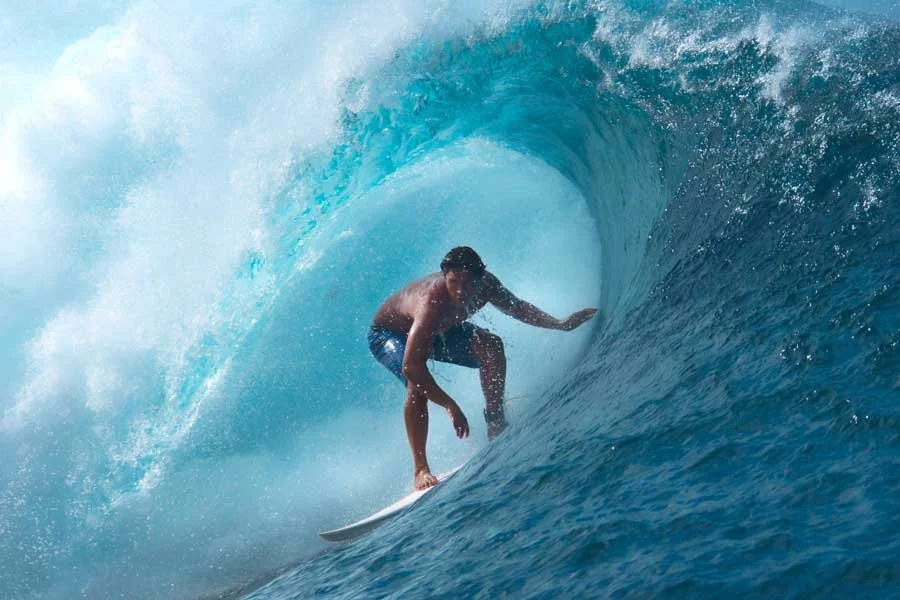
Although at the more adventurous end of the activity spectrum we will start by exploring ‘Flow’ in surfing as it is an activity most closely associated with the Flow State.
Surfing serves as an ideal platform for experiencing the Flow State due to its dynamic nature and the deep connection that you get with the ocean. When surfers find themselves in a Flow State, they become one with the waves, experiencing a profound sense of harmony and connection. Every aspect of the sport, from paddling out to catching a wave and executing manoeuvres, contributes to a state of heightened focus and concentration.
When surfers immerse themselves in the power and beauty of the ocean, they unlock a state of complete absorption and effortless focus. The Flow State in surfing brings numerous benefits, including enhanced performance, a deep connection with nature, and improved mental wellbeing.
Key Characteristics
Clear Goals and Feedback
The Flow State in surfing is facilitated by clear goals, such as catching the perfect wave or executing a specific manoeuvre. Immediate feedback from the ocean's movements and the surfer's response provides constant information and guides their decision-making, fostering a continuous feedback loop.
A Balance between Skill and Challenge
Flow most commonly occurs when the difficulty of the task matches the individual surfer's skill level. In surfing, this equilibrium is found by selecting waves that provide an appropriate challenge, allowing surfers to showcase their abilities while maintaining a sense of control. Striking this delicate balance enhances the exhilaration and engagement, facilitating Flow.
Immersion in the Present Moment
Surfing demands complete attention and presence in the present moment. Surfers must be attuned to the ever-changing conditions of the ocean, positioning themselves to catch the wave at the right moment and adjusting their movements in real-time. This immersion in the present moment is a hallmark of the Flow State.
The Benefits of the Flow State in Surfing
Enhanced Performance
When surfers enter the flow state, their skills and abilities are optimised, resulting in improved performance. Their timing, balance, and coordination become seamless, enabling them to execute manoeuvres with precision and grace. Surfing in the Flow State can lead to breakthroughs in skill progression and the ability to ride even bigger waves with confidence and style.
Connection with Nature
Surfing facilitates a profound connection with nature and the ocean. When in Flow, surfers become attuned to the rhythms and energy of the waves, feeling a sense of oneness with the water. This connection to the natural elements can promote a feeling of peace and rejuvenation, providing a unique form of nature-connection and mindfulness.
Mental Wellbeing
Engaging in activities that facilitate Flow has been associated with improved mental wellbeing. Surfing in the Flow State offers an escape from daily stressors and distractions, providing a space for self-expression and self-discovery. The intense focus and sense of accomplishment during Flow can enhance self-esteem, promote resilience, and cultivate a positive mindset.
Paddling, Canoeing, Kayaking and The Flow State
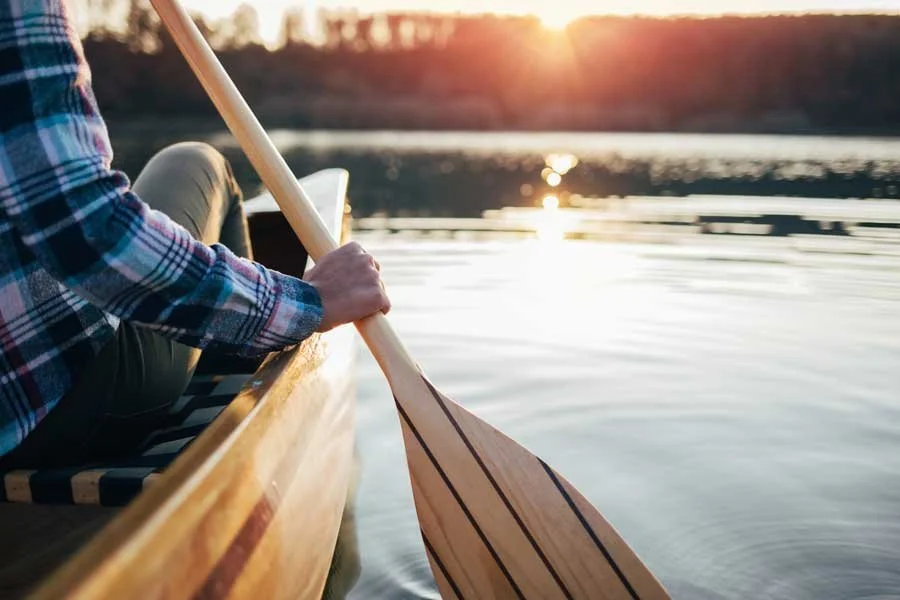
Canoeing and kayaking provide an ideal environment for achieving Flow due to the perfect blend of challenge and skill required. When paddlers are in a Flow State, they experience a sense of oneness with the water, their vessel, and the surrounding environment. The rhythmic motion of propelling the boat forward, reading the river's currents, and manoeuvring through obstacles all contribute to a state of heightened focus and concentration.
Canoeing and kayaking offer more than just physical exercise and outdoor adventure. When paddlers immerse themselves in the challenges and beauty of the water, they can unlock a state of complete absorption and effortless focus. Again the Flow State brings numerous benefits, including enhanced performance, joy, and psychological wellbeing.
Key Characteristics
Clear Goals and Feedback
The Flow State achieved in canoeing and kayaking is often fostered by clear goals, such as reaching a specific destination or successfully navigating a rapid. The immediate feedback from the water's movements and the boat's response helps paddlers fine-tune their actions, creating a continuous feedback loop.
Balance between Skill and Challenge
As previously mentioned, the Flow State occurs when the difficulty of the task matches the individual's skill level. In paddle sports, this equilibrium is achieved by selecting appropriate routes and rapids that are challenging enough to push the paddler's abilities but not overwhelming. This delicate balance enhances the sense of control and engagement, facilitating Flow.
Immersion in the Present Moment
The dynamic nature of canoeing and kayaking demands constant attention and responsiveness. Paddlers must stay fully present and attuned to the changing conditions of the river, enabling them to make split-second decisions and respond to the ever-shifting water. This absorption in the present moment is a hallmark of the Flow State.
However, more sedate flat water paddling can also enable the Flow State. The repeated action of submerging the paddle in the water, rotating it backwards, lifting it from the water and bringing it forwards, and then repeating this action creates a rhythm and focus that is conducive to being ‘in the moment’. The sound of the paddle as it enters and exits the water can be almost hypnotic.
The Benefits of the Flow State in Canoeing and Kayaking
Heightened Performance
When paddlers enter the Flow State, their skills and abilities are maximised, leading to improved performance. Reaction times are faster, decision-making becomes more precise, and movements become more fluid and effortless. This enhanced performance can contribute to increased skill and accomplishment and conquering challenging sections of the river.
Joy and Fulfilment
The Flow State in canoeing and kayaking offers an unparalleled sense of joy and fulfillment. The merging of the paddler's actions with the river's flow creates a harmonious experience. Time often seems to dissolve, and worries and distractions fade away, leaving only the pure enjoyment of the activity itself.
Psychological Wellbeing
Similarly to surfing, canoeing and kayaking provide an opportunity to disconnect from the stresses of daily life and find solace in nature. The sense of accomplishment, mastery, and the deep satisfaction experienced paddling during Flow can boost self-confidence, reduce anxiety, and promote a positive mindset.
Rock Climbing and the Flow State

Rock climbing is a sport that not only challenges physical strength and agility but also offers a gateway to the Flow State. It serves as a perfect activity for experiencing Flow due to its combination of physicality, mental focus, and problem-solving. When climbers find themselves in a Flow State, they become fully absorbed in the act of scaling a wall or rock face , experiencing a sense of oneness with the stone. Every move, grip, and decision becomes an integral part of their journey.
Key Characteristics
Clear Goals and Feedback
The Flow State in rock climbing is facilitated by clear goals, such as reaching a specific hold or completing a challenging route. Climbers receive immediate feedback from the rock's texture, the position of their body, and their interaction with the climbing equipment. This feedback loop guides their decisions and adjustments, fueling their progress.
The Balance between Skill and Challenge
As the Flow State often occurs when the difficulty of the task matches the individual's skill level, in rock climbing, this equilibrium is achieved by selecting routes that present a challenge while still being within the climber's capabilities. Striking this balance enhances the climber's focus, motivation, and engagement, fostering the Flow State.
Immersion in the Present Moment
Rock climbing demands complete concentration and presence in the present moment. Climbers must assess the wall's features, plan their movements, and execute precise sequences, all while maintaining balance and managing fear. This intense focus on the here and now is a defining characteristic of the Flow State.
The Benefits of Flow State in Rock Climbing
Enhanced Performance
When climbers enter the Flow State, their skills and abilities are tested and pushed, leading to improved performance, navigating the rock with grace, utilising efficient techniques and fluid movements to reach the top of the climb. Climbing in the Flow State can result in breakthroughs, allowing climbers to conquer more challenging routes and achieve their climbing goals.
Mental Resilience and Focus
The Flow State in rock climbing fosters mental resilience and focus. Climbers must overcome physical and mental obstacles, pushing their limits and persevering through difficulties. The deep concentration and unwavering determination developed during Flow can translate into other aspects of life, enhancing problem-solving skills and resilience in the face of challenges.
Mind-Body Connection
Rock climbing in the flow state nurtures a profound mind-body connection. As climbers maneuver their bodies and engage their muscles, they become attuned to the subtle feedback from their body's responses. This heightened awareness enhances proprioception and kinesthetic sensitivity, leading to improved coordination, balance, and overall bodily control.
The Flow State and Wild Swimming

Wild swimming, the act of immersing yourself in natural bodies of water, offers more than a refreshing escape from warm weather. It serves as an effective gateway to the Flow State through its combination of sensory immersion, natural beauty, and physical engagement. When wild swimmers find themselves in a Flow State, they have become completely absorbed in the act of swimming, merging with the water and the surroundings. Each stroke, each breath, becomes an integral part of their journey.
Key Characteristics
Clear Goals and Feedback
As with previous activities, wild swimming can involve clear goals, such as reaching a specific point, exploring a particular stretch of water or swimming a certain distance. Swimmers can receive immediate feedback from the water's movement, temperature, and their own bodily sensations, guiding their choices and adjustments. This constant feedback loop propels their progress and enhances their connection with the environment.
Balance between Skill and Challenge
In wild swimming, the match of task difficulty and the individual's skill level is found by selecting water bodies that offer an appropriate challenge, such as currents, distance and depth, while still being within the swimmer's comfort and ability. This delicate balance heightens focus, joy, and engagement, facilitating the Flow State.
Immersion in the Present Moment
Wild swimming can demand complete presence and mindfulness. Swimmers attune themselves to the water's currents, the touch of the breeze, and the sounds of nature. Each stroke becomes a rhythmic meditation, captivating swimmers in the present moment, and this immersion in the now is a central aspect of the Flow State.
The Benefits of the Flow State in Wild Swimming
Deep Relaxation and Joy
When wild swimmers enter the Flow State, they experience profound relaxation and gain pleasure from the act of gliding through the water, the sensation of weightlessness, and the connection with nature, often creating a sense of liberation. Finding the Flow State through wild swimming can offer respite from daily stressors, promoting mental wellbeing and a heightened sense of happiness.
Connection with Nature
Wild swimming fosters a deep connection with nature and its elements. Submerging yourself in a body of natural water allows you to intimately experience the environment's purity and beauty. The Flow State enhances this connection, as you become attuned to the water's energy, the sun's warmth, and the sounds of wildlife, creating a profound sense of harmony and oneness.
Improved Mind-Body Wellbeing
Engaging in physical activities that facilitate the Flow State has been linked to improved mind-body wellbeing. Wild swimming promotes physical fitness, as the body engages in a full-body workout. Simultaneously, the mental focus and relaxation experienced during Flow releases tension and promotes a sense of calmness, benefiting overall wellbeing.
In this way, through swimming in the wild and immersing themselves in the natural waters, wild swimmers tap into a state of complete absorption, joy, and harmony, the Flow State, bringing numerous additional benefits including relaxation, connection with nature, and improved mind-body wellbeing.
The Flow State in Trail Running
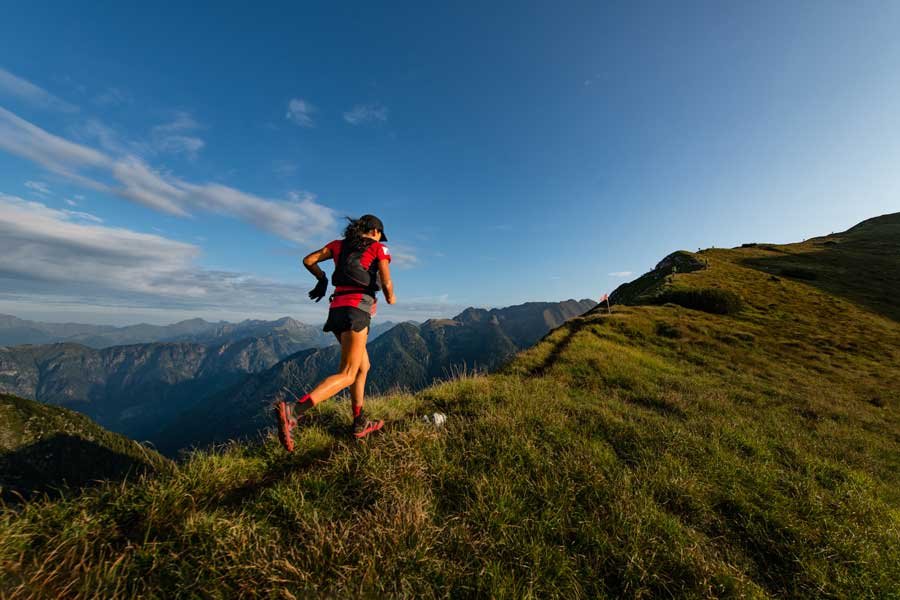
Trail running, an invigorating blend of running and immersing oneself in nature's beauty, offers more than just a physical workout. Trail running also serves as an ideal conduit to the Flow State due to the dynamic challenges and captivating scenery it offers. When trail runners find themselves in a Flow State, they become one with the trail, merging their movements with the surrounding environment. Each stride, each breath, becomes a harmonious dance between the runner and nature.
Key Characteristics
Clear Goals and Feedback
The Flow State in trail running is fostered by clear goals, such as completing a specific distance or conquering a challenging trail. Runners receive immediate feedback from the terrain, their body's responses, and their own internal sense of rhythm, guiding their pace and decisions. This feedback loop fuels their motivation and enhances their connection with the trail.
A Balance between Skill and Challenge
As discussed, Flow most commonly occurs when the difficulty of the task matches the individual's skill level. In trail running, this equilibrium is found by selecting trails that provide an appropriate level of challenge, such as varying elevations or technical sections, while still being within the runner's capabilities. Striking this balance cultivates focus, determination, and engagement, facilitating the Flow State.
Immersion in the Present Moment
Trail running demands complete presence and mindfulness. Runners must stay attuned to the changing terrains, navigate obstacles, and adjust their pace accordingly. Each step becomes a meditative act, grounding runners in the serenity of the present moment. This immersion in the "here and now" is a key element of the Flow State.
The Benefits of Flow State in Trail Running
Enhanced Performance
When trail runners enter the Flow State, their skills and abilities reach their peak, leading to improved performance. They navigate technical sections with agility, maintain an optimal pace, and adapt swiftly to changes in the trail. Running in the Flow State can result in breakthroughs, allowing runners to conquer longer distances and surpass their personal bests.
Mental Resilience and Focus
Achieving a Flow State in trail running nurtures mental resilience and focus. Runners must overcome physical and mental obstacles, such as fatigue and self-doubt, pushing their limits and persevering through challenges. The deep concentration and unwavering determination developed during Flow can extend beyond running, enhancing problem-solving skills and resilience in various aspects of life.
Connection with Nature
Trail running in the Flow State offers a profound connection with nature. Runners become attuned to the rhythmic sounds of their surroundings, the scents of the forest, and the awe-inspiring vistas. The Flow State enhances this connection, as runners immerse themselves in the beauty of the natural environment, fostering a sense of tranquility and oneness.
When trail runners lace up their shoes and venture onto the trails, they can tap into a state of complete absorption, focus, and exhilaration that can unlock the transformative Flow State. The Flow State in trail running brings numerous benefits, including enhanced performance, mental resilience, and a deep connection with nature.
Forest Bathing, Nature Connection and the Flow State
I have written a more in-depth article on Forest Bathing, nature connection and the Flow State, but engaging in slower activities like Forest Bathing or just simply sitting quietly in nature, allows you to fully immerse yourself in the sensory experience, fostering a profound sense of awareness and mindfulness. As you align your attention with the natural world around you, you can tap into the Flow State and experience a deep sense of tranquillity and harmony with your surroundings. In this way such nature mindfulness activities also offer a powerful pathway to enhance your wellbeing, creativity, and overall performance while fostering a meaningful connection with the environment.










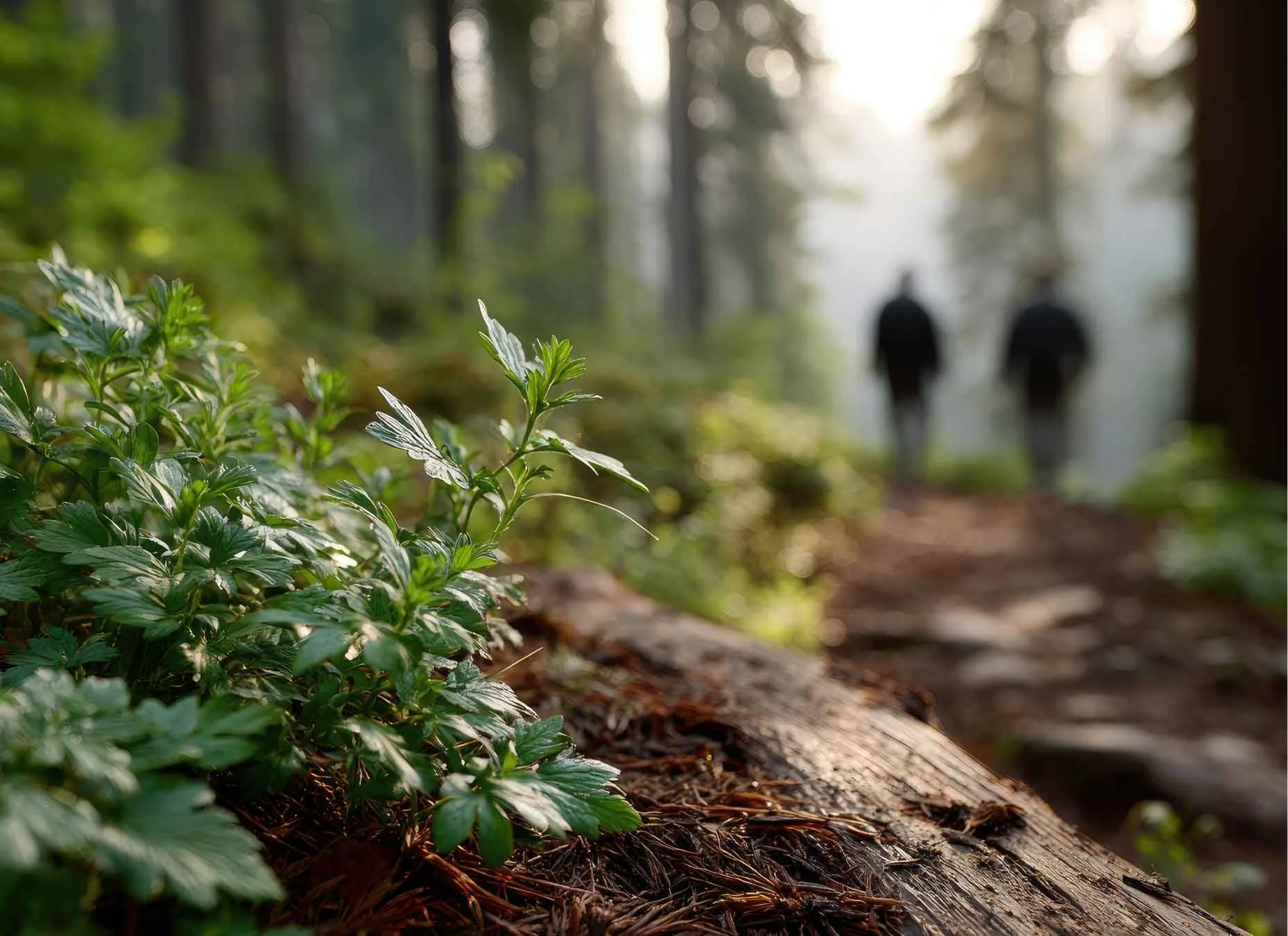
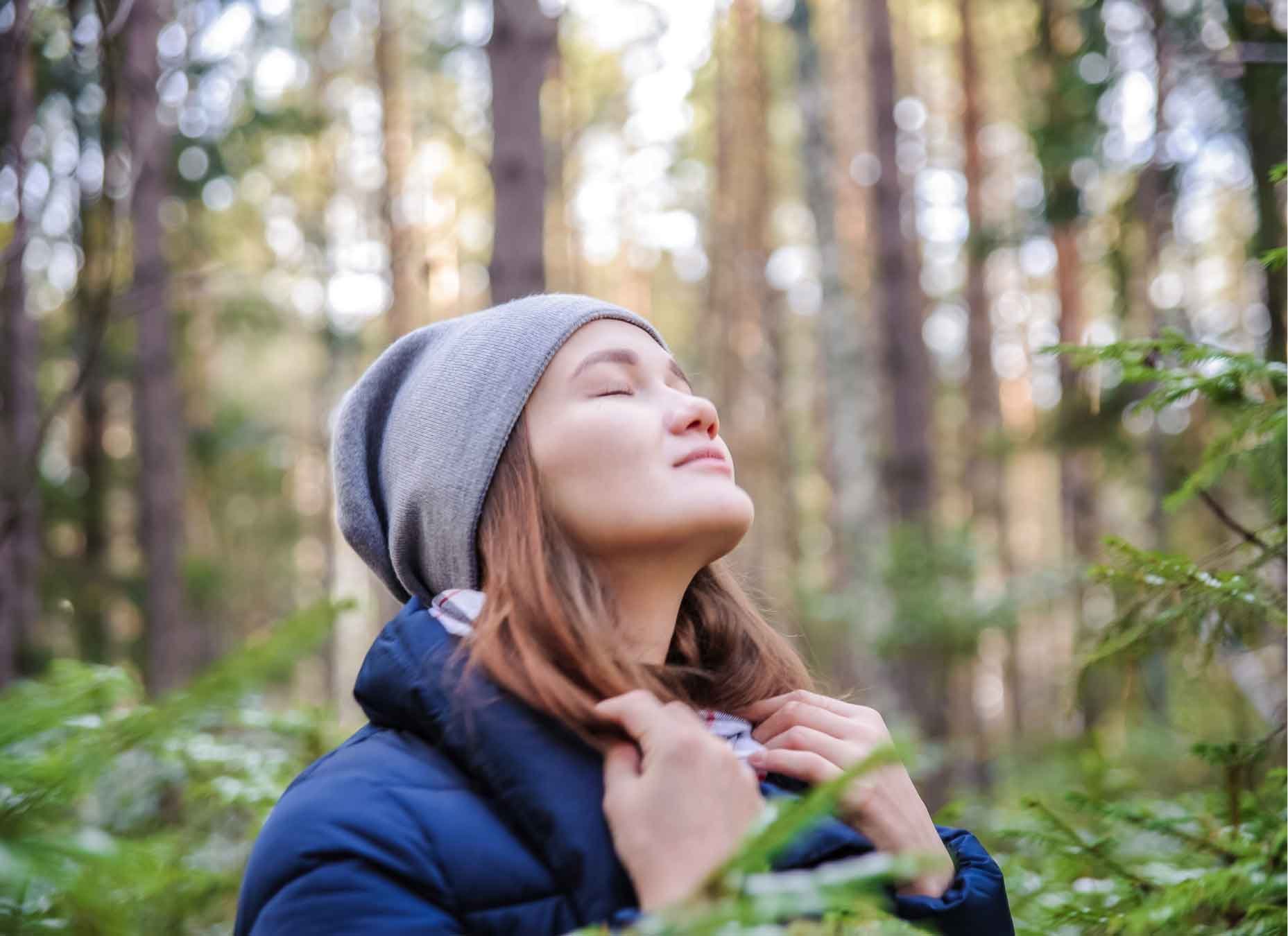












A small collection designed to gently open the door into deeper relationship with the natural world.
This complete set of four Forest Healing booklets brings together practical guidance, reflective ideas, and simple nature connection practices that can be used anywhere — from ancient woodland to a nearby park, garden, or even a single Sit Spot outdoors.
Written to be accessible, grounding, and easy to follow, these booklets offer a pathway into the core practices of Forest Bathing (Shinrin-yoku), Silvotherapy, and everyday nature connection. Rather than asking you to achieve anything, they simply invite you to slow down, notice more deeply, and allow nature to become an active presence in your wellbeing.
Across the four booklets you will explore:
• What Forest Bathing, Silvotherapy, and Nature Connection actually are
• The key benefits of spending mindful time in natural environments
• The practice of the “Sit Spot” and how to develop your own relationship with a chosen place
• Simple, practical Forest Bathing invitations you can try alone or with others
• Ways to bring nature connection into everyday life, even in small moments
Together, they form a gentle introduction to practices that have been shown to support reduced stress, improved mood, greater clarity of thought, and a deeper sense of belonging within the natural world.
These are not academic texts or rigid instruction manuals. They are invitations — encouraging you to step outside, slow your pace, and rediscover the quiet intelligence of trees, weather, and landscape.
Whether you are completely new to nature connection or looking to deepen an existing practice, this collection offers a simple, supportive starting point for building a more intentional and restorative relationship with the living world around you.
A small set of booklets that can change the way you experience even the most familiar patch of nature.
Buy all Four Forest Bathing and Nature-Connection Booklets for £11.00 including FREE P&P within the UK.
Postage to the Rest of the World is £4.