

Nature’s Blueprint: How Biomimicry Draws Inspiration from The Natural World
20th April 2024
Innovation is a cornerstone of human progress, driving advancements across a wide range of fields from technology to design. Biomimicry, derived from the Greek words "bios" (life) and "mimesis" (to imitate), is a discipline that seeks inspiration from nature to solve human problems. Unlike traditional engineering approaches, which often focus solely on human-made solutions, biomimicry looks to nature as a mentor, learning from the millions of years of trial and error that have shaped the natural world. It is an approach to innovation that seeks to identify sustainable solutions to human challenges by emulating nature's time-tested patterns and strategies.
At the heart of biomimicry lies the concept of ‘nature as model, measure, and mentor’, as coined by Janine Benyus, a biologist and prominent advocate for biomimicry. This approach involves observing how organisms and ecosystems function, understanding the principles behind their designs, and using these insights to create sustainable and innovative solutions. Essentially, it involves observing how nature solves problems, whether in design, engineering, or other fields, and then applying those principles to human-made designs and systems. The idea is that nature has already solved many of the problems we face, so by mimicking these natural processes, structures, and systems, we can hopefully create more sustainable, efficient, and resilient technologies and designs. This article examines the concept of biomimicry, exploring its principles, applications, and the transformative potential it holds for the future.
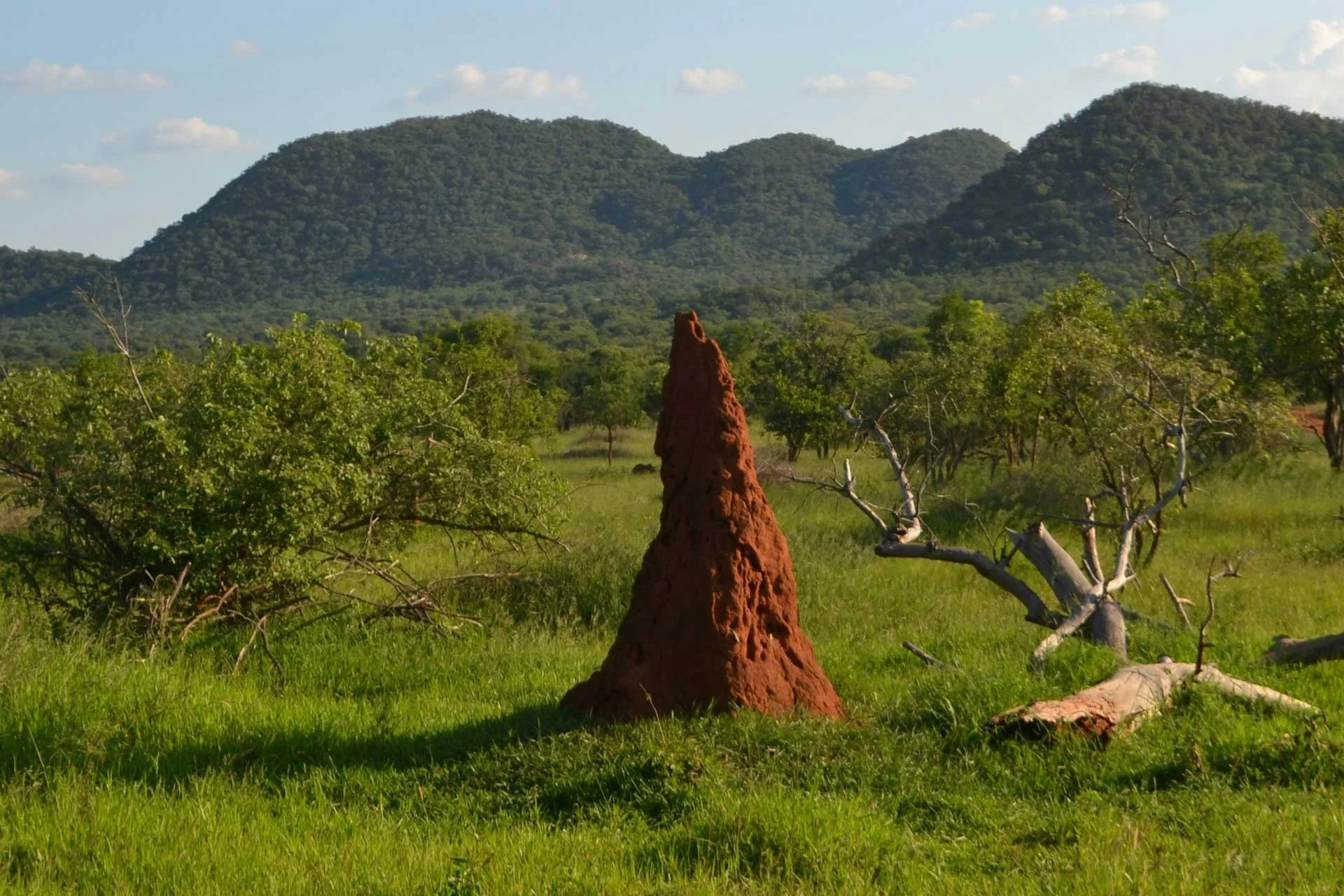
Photo by Ingeborg Korme on Unsplash
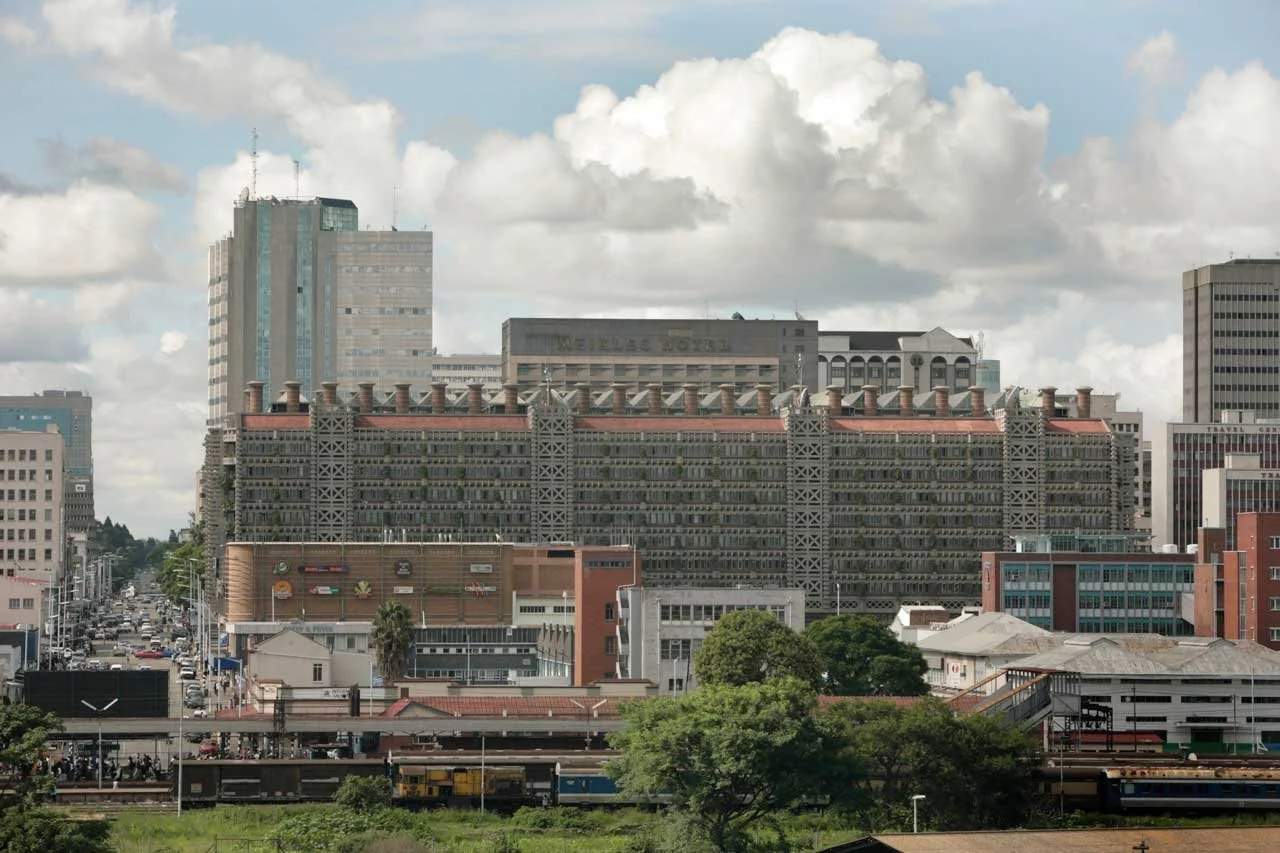
"File:Eastgate Centre, Harare, Zimbabwe.jpg" by David Brazier is licensed under CC BY-SA 3.0.
To view a copy of this license, visit https://creativecommons.org/licenses/by-sa/3.0/?
Architecture
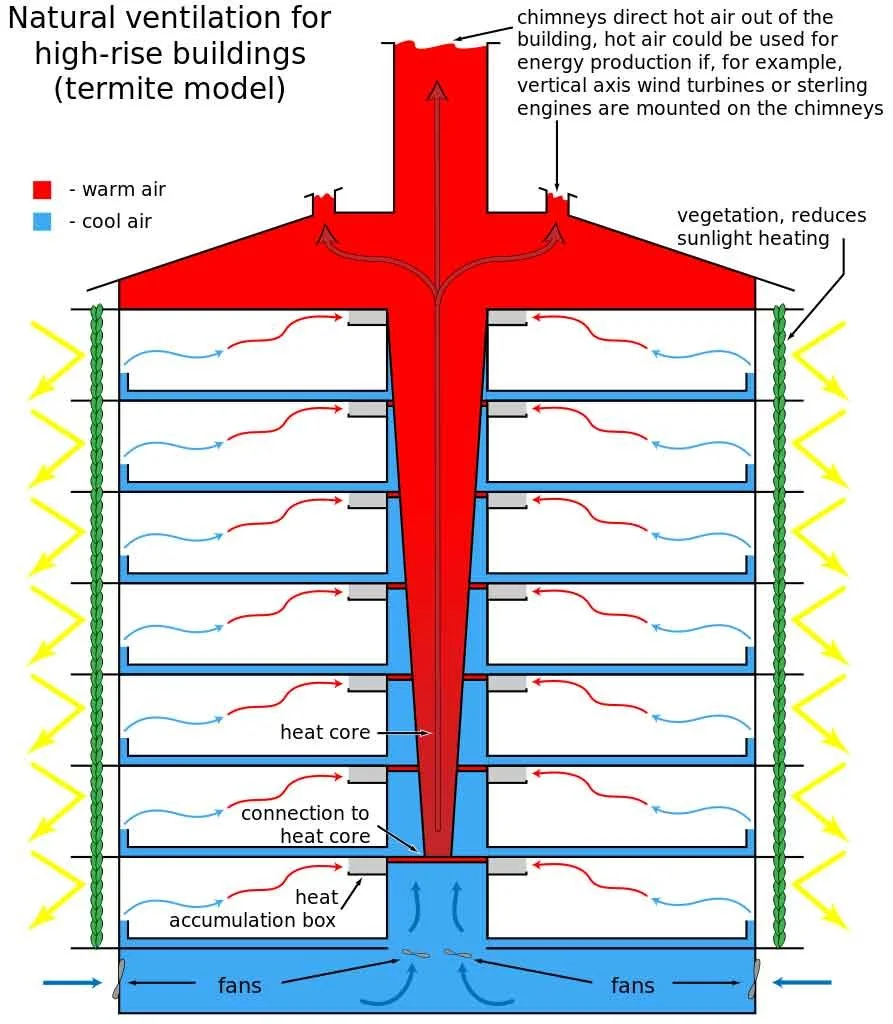
“Natural_ventilation_high-rise_buildings.svg.png by Fred the Oyster is licensed under CC BY-SA 3.0.
To view a copy of this license, visit https://creativecommons.org/licenses/by-sa/3.0/?
The Eastgate Centre in Zimbabwe, designed by architect Mick Pearce, drew inspiration from termite mounds to create a building that regulates temperature and ventilation without the need for conventional heating or cooling systems. Termite mounds have internal flues that vent through the top and sides, and the mound itself is usually positioned to catch the breeze. As the wind blows, hot air from the main chambers below ground is drawn out of the structure, helped by termites opening or blocking tunnels to control air flow. By mimicking the structure of termite mounds, and their use of passive ventilation (also known as passive cooling) to maintain a constant internal temperature, the building achieves significant energy savings and reduces its environmental impact. Through purely passive (rather than mechanical) cooling, it is reported that the Eastgate Centre only uses about 10% of the energy needed by a similar conventionally cooled building.
Passive cooling in building design focuses on a combination of preventing heat from entering the interior (heat gain prevention) and by removing heat from the building (natural cooling). The building starts the day at a relatively cool temperature. During the day as the sun shines on the building and the people and the electronic equipment that it contains contribute to additional heat, this heat is absorbed primarily by the fabric of the building. The building has been designed to have a high heat capacity through a thick concrete casing that acts a s a heat sink, and consequently the temperature in the building does not rise greatly.
Protruding stone elements not only protect the small windows from the sun but also increase the external surface area of the building to improve heat loss to space at night and minimise heat gain by day (they are made of precast concrete, brushed to expose the granite aggregate that matches the lichen-covered rocks in Zimbabwe’s wild landscape!). These horizontal protruding ledges are interspersed with columns of steel rings that support green vines and other vegetation to further reduce heat absorptions from sunlight.
Each evening as the temperature outside the building drops, the heat retained in in the building is vented through chimneys. This process is primarily achieved through the warm air rising and drawing in cooler air at the bottom of the building can be assisted by fans. At night this process continues, drawing cool air through cavities in the floors and the building then begins the next day at a relatively cool temperature again. The building's design also maximises airflow through the use of open spaces and atriums, as well as strategically placed vents. This allows cool air to circulate throughout the building, further reducing the need for mechanical cooling systems.
‘Lotus-Leaf’ Coatings
The surface of lotus leaves are highly water repellent due to tiny wax-covered bumps that repel water droplets and prevent them from sticking. This natural phenomenon has inspired the development of self-cleaning coatings for buildings and fabrics, which mimic the lotus leaf's ability to repel dirt and water. These surfaces, coated with nano-scale structures that are designed to repel water and dirt, are now being used in paints, textiles, and coatings, reducing the need for harsh cleaning chemicals and minimising maintenance costs.
Whale Flipper-Inspired Turbine Blades
Engineers have designed both wind and tidal turbine blades inspired by the bumpy leading edge of whale flippers.These biomimetic blades are more efficient at reducing noise and capturing both wind and tidal energy.
Velcro
Perhaps one of the most famous examples of biomimicry is Velcro. Swiss engineer George de Mestral invented Velcro after noticing how burrs stuck to his dog's fur during a walk. He mimicked the tiny hooks on the burrs to create the now-ubiquitous hook-and-loop fastener.
Spider Silk
The remarkable strength and flexibility of spider silk has inspired the development of new materials for various applications, including medical sutures, bulletproof clothing, and lightweight composites for aerospace.
Gecko-Inspired Adhesives
Geckos can effortlessly climb vertical surfaces and even hang from ceilings due to microscopic hairs on their toes that create strong but temporary bonds with surfaces. Researchers have developed adhesive materials inspired by gecko feet, which can be used for applications such as climbing robots and reusable adhesive tapes. Adhesive tapes and patches for wound closure and surgical procedures, inspired by these microscopic hairs have been created that minimise tissue damage and improve patient outcomes.
Transportation
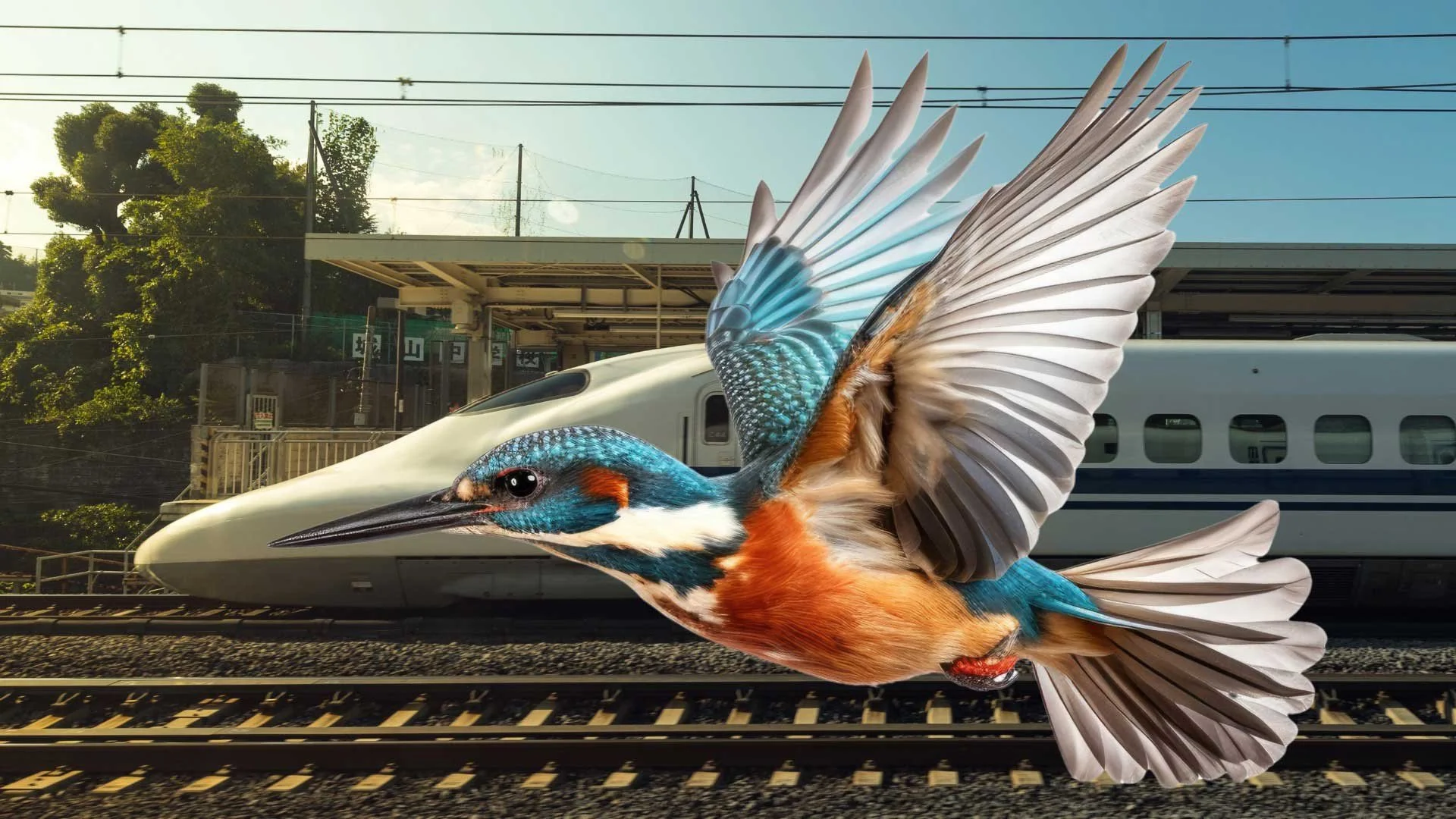
The design of high-speed trains and aircraft often takes inspiration from the streamlined shapes of birds and fish, which minimise drag and improve efficiency. By studying the aerodynamics of natural flyers, engineers can optimise the design of vehicles for enhanced performance and fuel efficiency. Engineers designing Japan's Shinkansen bullet train looked at the shape of the beak of the kingfisher to reduce noise and increase speed. The train's streamlined shape also reduces the sonic boom when entering tunnels.
Medicine
The development of medical adhesives and surgical techniques has been influenced by the adhesive properties of gecko feet. By understanding how geckos can cling to surfaces with remarkable strength yet detach effortlessly, researchers have created adhesive tapes and patches for wound closure and surgical procedures, minimising tissue damage and improving patient outcomes.
The Future of Biomimicry?
As the challenges facing humanity become increasingly complex, the need for sustainable and innovative solutions has never been greater. Biomimicry offers a promising approach to address these challenges by harnessing the wisdom of nature. Looking ahead, the future of biomimicry holds exciting possibilities:
Biologically Inspired Robotics
By studying the locomotion and behaviour of animals, researchers are developing robotic systems that can navigate challenging environments with agility and efficiency. These bio-inspired robots have applications in search and rescue missions, environmental monitoring, and exploration of inaccessible terrain.
Biomedical Engineering
Biomimicry is driving advancements in prosthetics, tissue engineering, and drug delivery systems by mimicking the structure and function of biological tissues and organs. By integrating biological principles into medical technologies, researchers aim to develop more effective treatments and therapies for a wide range of conditions.
Sustainable Design
With growing concerns about climate change and resource depletion, biomimicry offers innovative solutions for sustainable design and manufacturing. By emulating nature's circular economy and efficient use of materials, designers and engineers can create products and processes that minimise waste and environmental impact.
Final Thoughts
Nature has long been the ultimate innovator, constantly adapting and evolving in response to environmental pressures. Biomimicry represents a profound shift in how we approach innovation, recognising that the answers to many of our most pressing challenges may already exist in the natural world. By embracing nature as a mentor, we can unlock a wealth of possibilities, driving sustainable progress and building a new era of innovation inspired by the beauty and efficiency of the natural world.
If you have enjoyed this article and would like to support what we do by donating £2 or more to buy saplings to plant, please follow the link below:

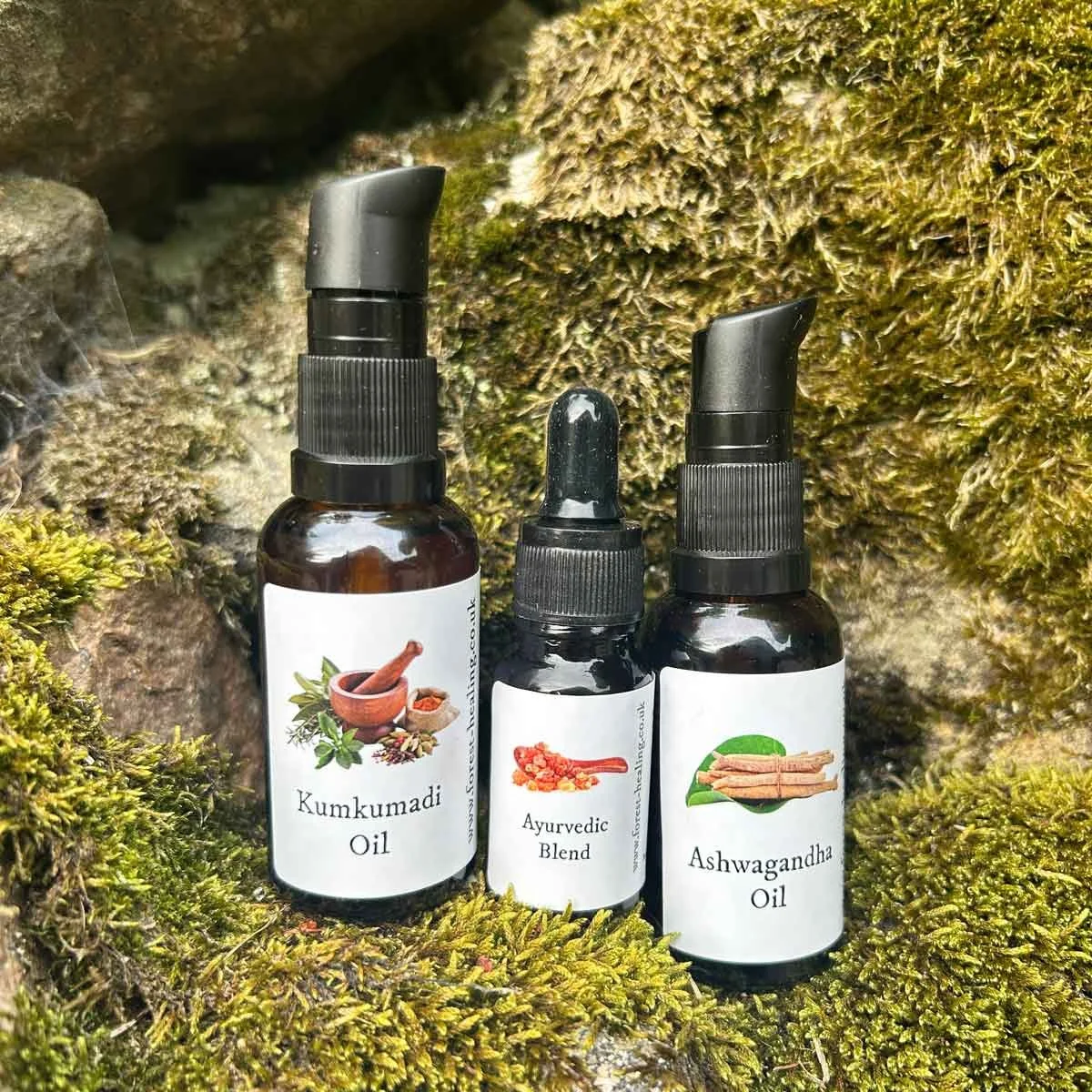




















A small collection designed to gently open the door into deeper relationship with the natural world.
This complete set of four Forest Healing booklets brings together practical guidance, reflective ideas, and simple nature connection practices that can be used anywhere — from ancient woodland to a nearby park, garden, or even a single Sit Spot outdoors.
Written to be accessible, grounding, and easy to follow, these booklets offer a pathway into the core practices of Forest Bathing (Shinrin-yoku), Silvotherapy, and everyday nature connection. Rather than asking you to achieve anything, they simply invite you to slow down, notice more deeply, and allow nature to become an active presence in your wellbeing.
Across the four booklets you will explore:
• What Forest Bathing, Silvotherapy, and Nature Connection actually are
• The key benefits of spending mindful time in natural environments
• The practice of the “Sit Spot” and how to develop your own relationship with a chosen place
• Simple, practical Forest Bathing invitations you can try alone or with others
• Ways to bring nature connection into everyday life, even in small moments
Together, they form a gentle introduction to practices that have been shown to support reduced stress, improved mood, greater clarity of thought, and a deeper sense of belonging within the natural world.
These are not academic texts or rigid instruction manuals. They are invitations — encouraging you to step outside, slow your pace, and rediscover the quiet intelligence of trees, weather, and landscape.
Whether you are completely new to nature connection or looking to deepen an existing practice, this collection offers a simple, supportive starting point for building a more intentional and restorative relationship with the living world around you.
A small set of booklets that can change the way you experience even the most familiar patch of nature.
Buy all Four Forest Bathing and Nature-Connection Booklets for £11.00 including FREE P&P within the UK.
Postage to the Rest of the World is £4.