


Nature Connection Articles
Our Most Recent Articles

The Ancient Atlantic Oakwoods
The Atlantic Oakwoods of Scotland range from Sutherland in the North to Loch Lomond in the South, but fragments remain all the way down the Atlantic Coast of the Western Highlands, South-West Scotland, Cumbria and the Lake District, the West coast of Ireland, and through Brittany in France, Galicia in Spain and the West coast of Portugal.
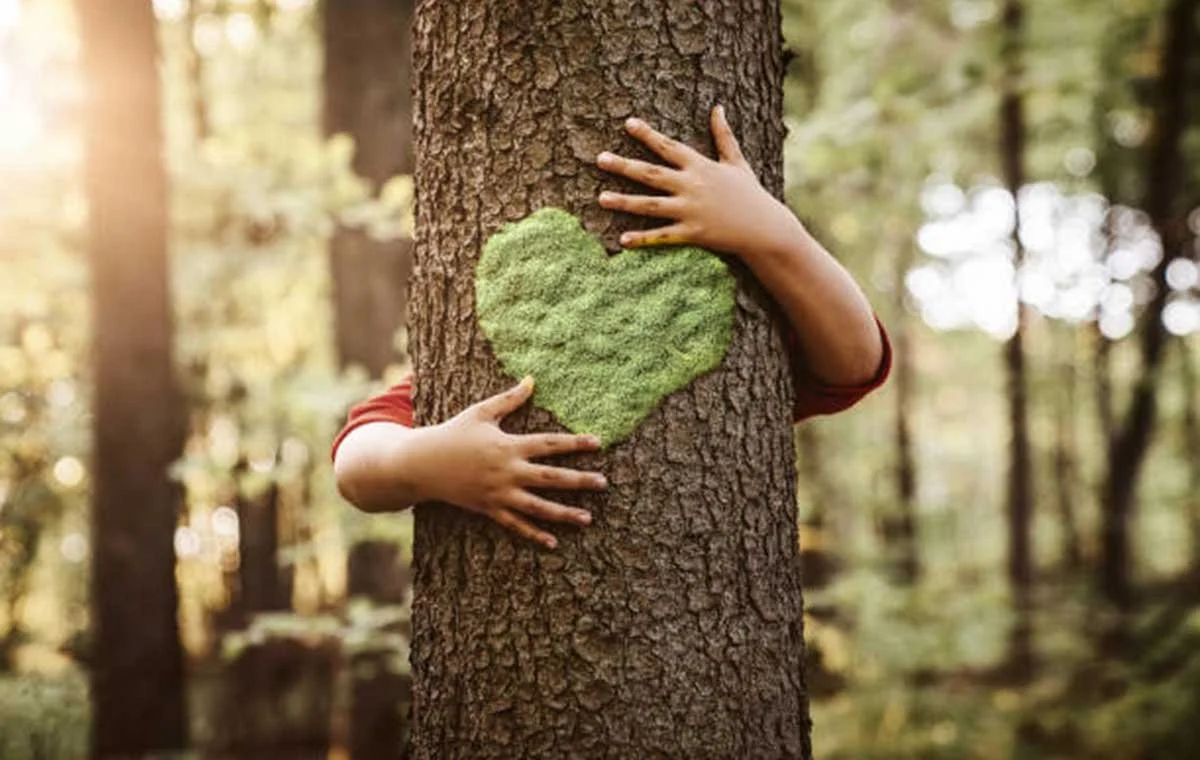
Is Forest Bathing about Hugging Trees?
Forest Bathing can involve actually wrapping your arms around a tree. But it can also involve simply feeling the texture of the bark, smelling the leaves or needles, and noticing the beauty of a tree from further away, as well as just mindfully taking in the environment, landscape and soundscape around the tree.

Autism and Nature-Connection
Autism is a 'neurodifference' that affects the way that people process information and how they perceive and interact with the world around them. People with autism may appear socially awkward, distant or aloof. They often experience difficulties with making and maintaining relationships and may have difficulties understanding and relating to other people and social situations and this can lead to frustration, anxiety or social isolation.
This article looks at how increased nature-connection could be beneficial for people with autism and the potential role that the hormone oxytocin could play.

Autism and Barefooting
Tyler lives in Des Moines, Iowa and has autism. He started the Barefoot Autism Challenge to encourage people, whether autistic or not, to take their shoes off and experience the pleasures of walking barefooted.
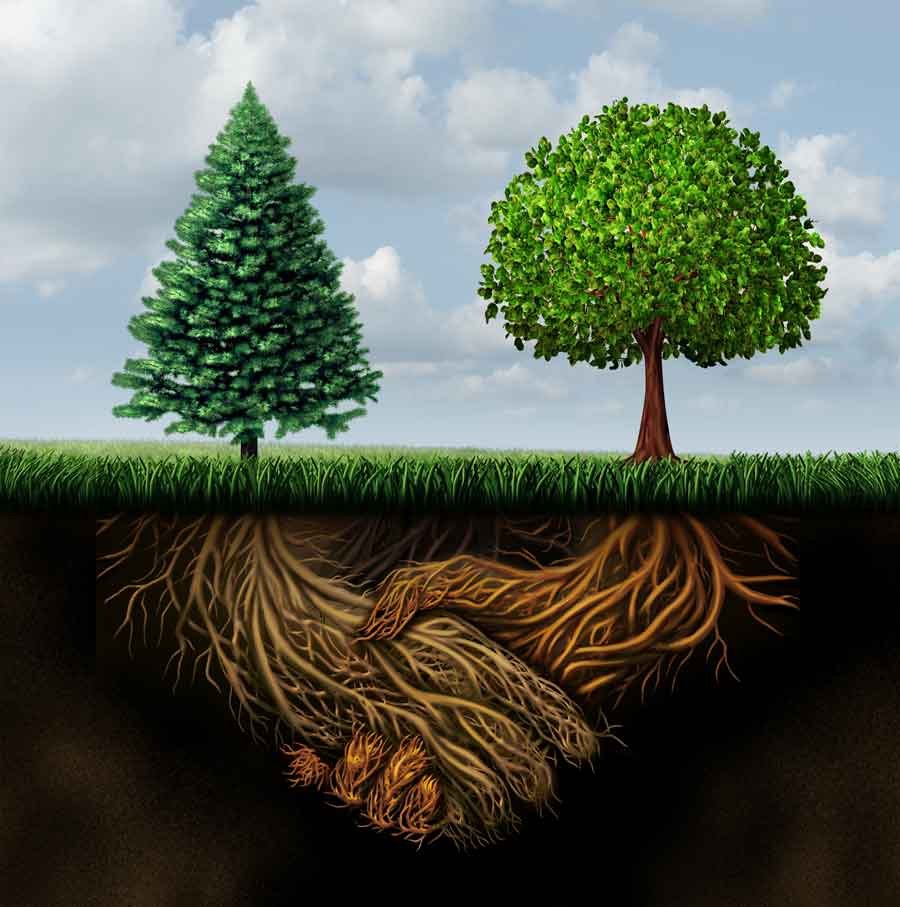
The Wood Wide Web
The Wood Wide Web is a term used to describe the underground network of fungi that connect the roots of trees and other plants in a forest ecosystem. This network of fungi, known as mycorrhiza, is important for the exchange of nutrients and other substances between plants.

Me and Nature. An autist’s connection to Nature
Autism and Nature - a connection that some have said is stronger in autistic people than in neurotypical people. Others say that it’s the sensory input imbalance that neurodivergent people often experience that makes a connection with Nature stronger and more profound once you find it. Others yet point to the many studies showing that everyone, no matter how your brain is wired, benefit from being in and close to Nature.
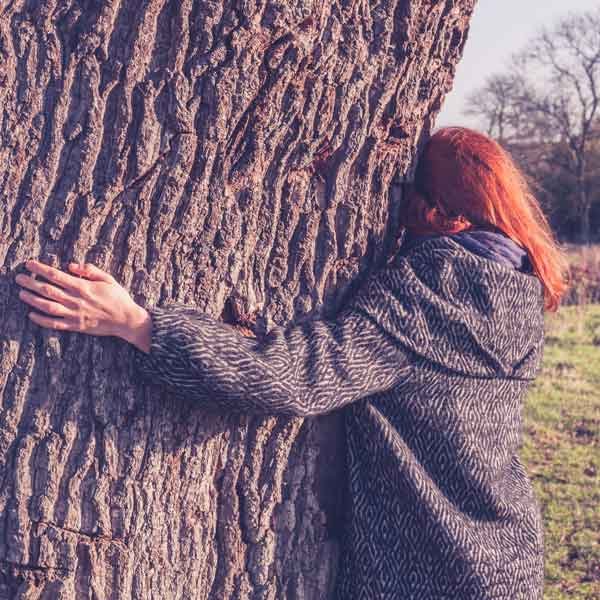
Silvotherapy and Forest Bathing
Whilst many people view Forest Bathing and Silvotherapy as one and the same, Silvotherapy sessions are usually shorter than Forest Bathing sessions - 30 to 40 minutes in duration - and have a greater focus on the sensations associated with touch and actual physical contact with the trees than Forest Bathing.

The Autonomic Nervous System
For 99% of human existence, we have spent most of our time in the natural environment. Most of our physiological functions have evolved in, and designed for, a natural environment. It is only in the last couple of hundred years, since the Industrial Revolution, that we have become predominantly urban dwellers. However, the human race has not adapted fast enough to keep up, and many people find that urban living puts them in a permanent state of stress.

What Are The Differences Between Shinrin Yoku And Forest Bathing
The practice of Forest Bathing has its origins in the Japanese practice of Shinrin Yoku and it is called ‘Forest Bathing’ as Shinrin Yoku translates into English as ‘Forest Bath’ (the characters even look a little like trees 森林浴). However, there are a number of key differences between the two practices.

The Theories Underpinning Forest Bathing and Nature-Connection
There are a variety of theories that underpin and support the proposals that Forest Bathing and Nature-Connection activities have beneficial effects on psychological and physical wellbeing. These theories include the Biophilia Hypothesis, Attention Restoration Theory, and Psychophysiological Stress Recovery Theory.
Forest Therapy Hub Interview
You can read the interview that I did with the Forest Therapy Hub here. I discuss social prescribing, and the benefits of Forest Bathing and Nature-Connection for mental health and also for people experiencing arthritis.

What You Should Know About Phytoncides and Terpines
Phytoncides and terpenes are antimicrobial and insecticidal compounds that are emitted by the plants and trees and protect them from bacteria, fungi and being eaten by insects and animals. They also serve as a way for trees and plants to communicate with each other, warning about danger. Terpenes have also been found to play an important role in counteracting global warming.

Natural Killer Cells and Forest Bathing
Natural Killer (NK) cells are a type of lymphocyte that serves a variety of function in the immune system, such as destroying infected and abnormal cells in the body. They can even target a viral infection inside cells, without destroying the entire cell.
Research has shown that Forest Bathing enhances NK activity in humans by increasing the number of NK cells and intracellular levels of anticancer proteins.
Forest Bathing and Mindfulness
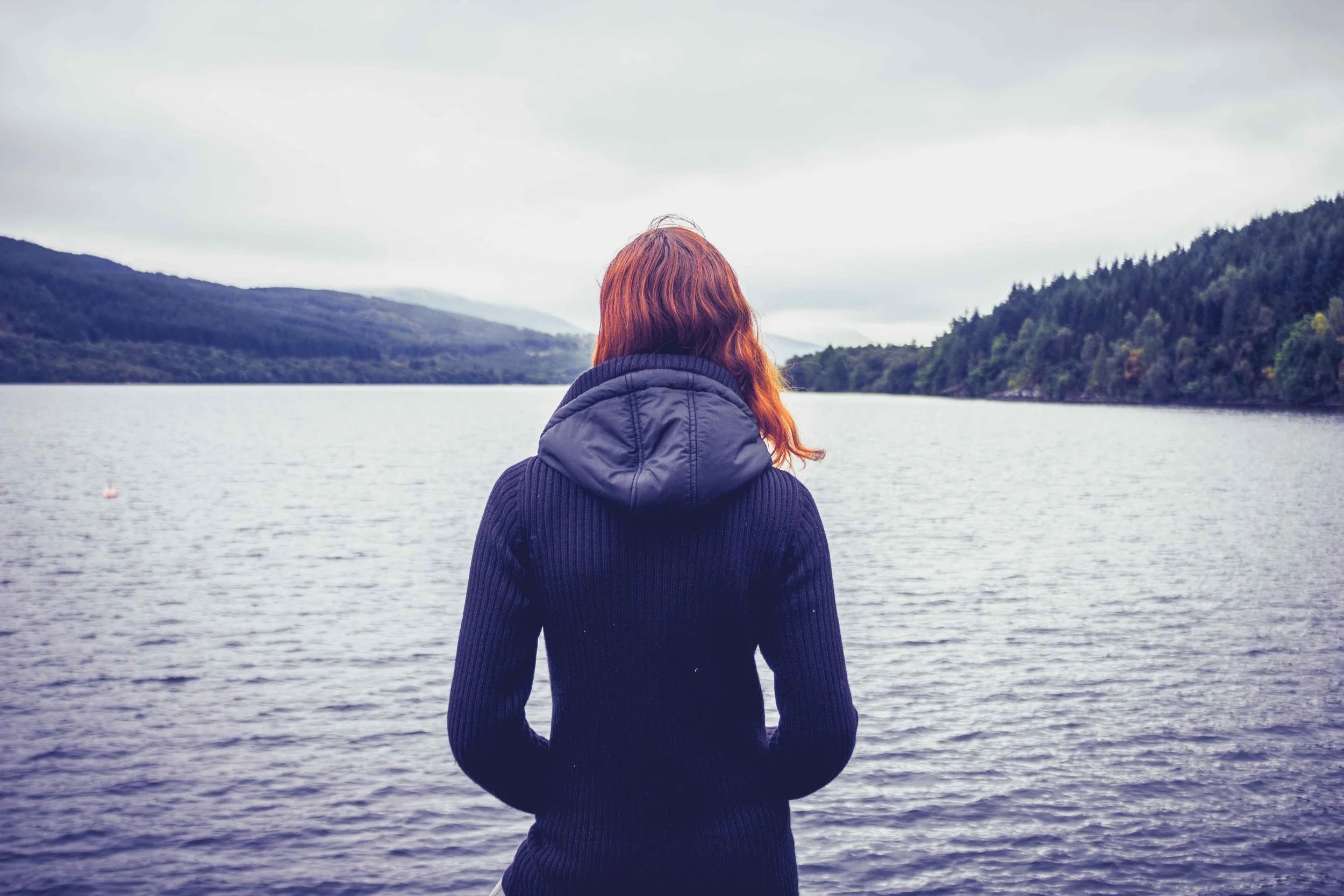
Forest Bathing is often referred to as a ‘nature-mindfulness’ practice in which people are encouraged to ‘mindfully take in their environment using their different senses’ but there are a number of characteristics that differentiate Forest Bathing from Mindfulness, as described here.

Arthritis and Forest Bathing
Arthritis pain is caused in part by inflammation, but this can become a bigger problem when it causes chronic stress or anxiety, as higher levels of the stress hormones cortisol in the body can lead to greater inflammation that can make arthritis more painful. Forest Bathing reduces cortisol levels and so can contribute to reducing inflammation. Participants in Forest Bathing activities have reported significant decreases in pain and depression, and a significant improvement in health-related quality of life following the Forest Bathing activities.
What is Nature Connection?
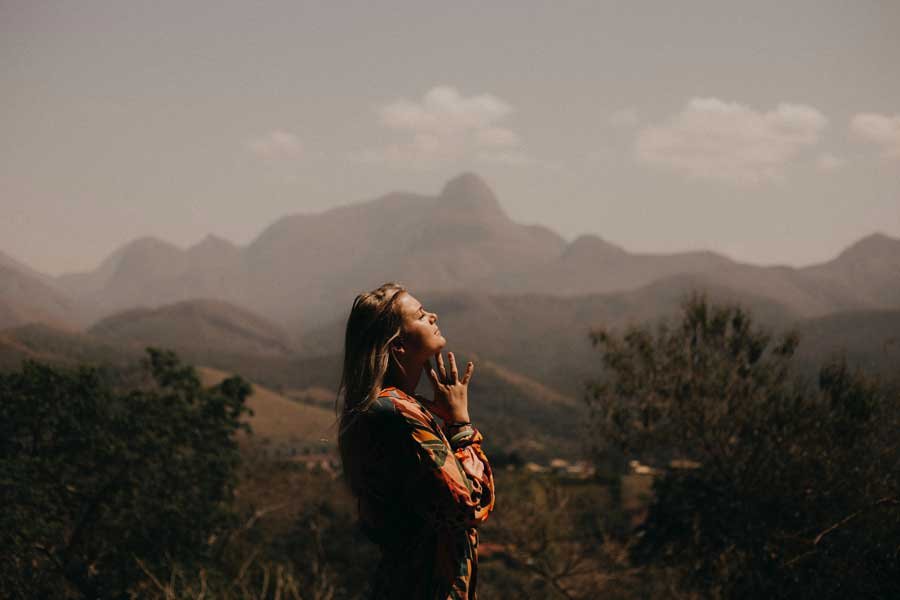
Many people instinctively know that being in nature is good for us, and research backs this up, showing that people who are more ‘connected’ with nature often report greater life satisfaction; lower levels of stress, anxiety and depression; and greater levels of emotional and mental wellbeing. But what is ‘Nature Connection’
Nature connection is much more than just being in nature or exposed to nature, it is about really tuning in to your surroundings and noticing what is happening around you.
What is Forest Bathing?
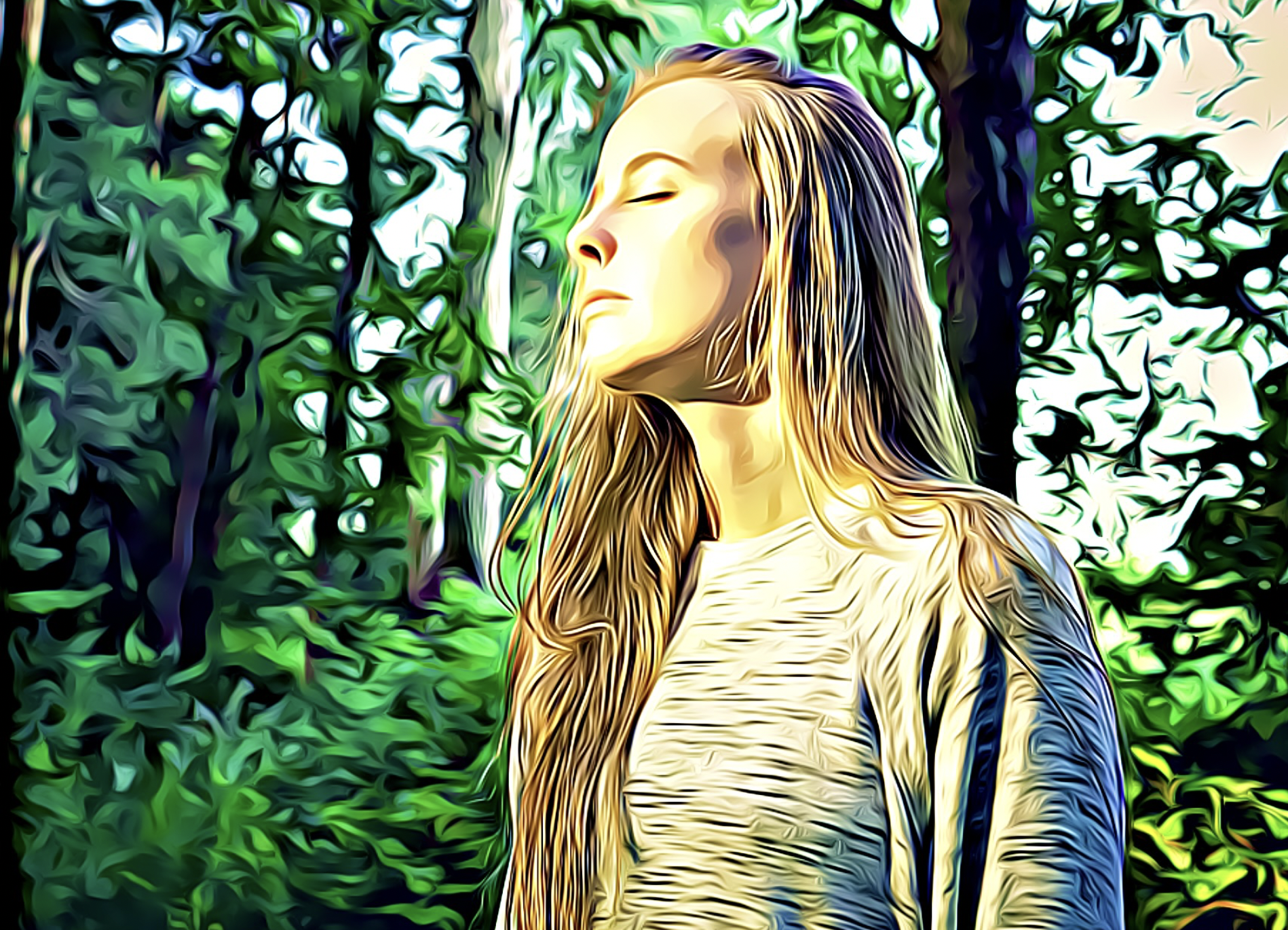
Forest Bathing or 'Silvotherapy' is a health-promoting practice that involves spending time outdoors in nature and amongst trees to enhance wellbeing and relieve stress through increased nature-connection and harnessing the healing and restorative powers of nature.