

What You Should Know About Phytoncides and Terpines
22nd January 2022

This post looks at Phytoncides and Terpenes and what makes ‘Green Spaces’ including woodlands and forests potentially more beneficial for your health than ‘Blue Spaces’ such as lakes and the seashore where there may be a lower density of trees and shrubs. It starts with a look at the function of Natural Killer Cells in the human body.
Natural Killer Cells

Natural Killer (NK) cells are a type of lymphocyte that serves a variety of function in the immune system, such as destroying infected and abnormal cells in the body. They can even target a viral infection inside cells, without destroying the entire cell. Research has shown that Forest Bathing enhances NK activity in humans by increasing the number of NK cells and intracellular levels of anticancer proteins. The increased NK activity was shown to last for more than 30 days after a Forest Bathing trip, and this has very important implications for preventive medicine. Taking an urban trip has not been shown to increase human NK activity or numbers of NK cells, indicating that increased NK activity during Forest Bathing is not due to the trip itself but due to the forest environment.
So what is it about the Forest environment that makes the difference?
Oxygen levels are usually higher in forested areas (as trees absorb carbon dioxide and emit oxygen) but there are also higher levels of other substance in the forest air and two of these that have been identified as contributing to the beneficial effects that can be gained from Forest Bathing are ‘Phytoncides’ and ‘Terpines’. Research by Dr. Quing Li, a world-renown expert in Forest Medicine, shows that NK cells have been found to increase in number and activity when people inhale phytoncides. Exposure to phytoncides has also been shown to have an anti-inflamatory effect; reduce stress and anxiety; and improve mood.
What are Phytoncides?

In 1928 a Russian Biochemist called Dr. Tonkin found that many trees and plants produce natural oils containing volatile antimicrobial and insecticidal compounds that are emitted by the plants and trees, and protect them from bacteria, fungi and being eaten by insects and animals. He named these ‘Phytoncides’ [phyto = plant and cide = to kill] although this can be a little confusing as they also have some very beneficial effects, for both the trees themselves, and for us. Later evidence suggests that phytoncides also form part of the system through which trees communicate with each other. When a tree gets attacked by herbivores, insects or other dangers it can start to emit an increased amount of phytoncides, warning other trees to secrete more phytoncides into their bark (where the highest concentrations of phytoncides are usually found) to protect their outer layer against dangers. In this way the tree can make itself less appetising! Many people who practice Forest Bathing believe that exposure to the phytoncides and terpenes (see below) are one the main benefits of Forest Bathing.
Trees known to produce especially high levels of phytoncides include the evergreen trees such as Cedars, Spruces, Conifers and Pine, but also Oak trees. These bioactive molecules are not only beneficial for the trees, they have also been shown to have benefits for humans, as breathing in phytoncides has been shown to:
Improve the immune response by increasing the numbers of NK cells in the body’s circulatory system
Have an anti-inflammatory effect
Help people to relax and lower autonomic nervous system activity
Reduce stress as exposure to forest air reduces cortisol levels
Sleep: Phytoncides like α-pinene enhance sleep
Lower blood glucose levels
However, as noted in this article from Environmental Health and Preventative Medicine, there is a common misconception that the beneficial effects of Forest Bathing are solely or primarily due to phytoncides. The concentration of phytoncides in the forest air is affected by temperature (30 degrees Celsius is said to be the optimum temperature) and can vary greatly from forest to forest and by time of year, much more than the benefits of Forest Bathing in different locations and at different times of year do. The same article proposed that phytoncides exert their effects through the physiological effects of breathing them in and sensing their smell (olfactory processing) rather than absorption into the blood stream, due to the comparatively low levels of phytoncides measured in forests.
What are Terpenes?
Terpenes are specific kind of phytoncide (such as the monoterpene limonene found in citrus peel) produced by trees and plants. Some terpenes attract pollinators, whilst others help to protect the trees and plants against diseases and being eaten. These compounds are what give trees such as Pines and Spruces and plants such as lavender their distinctive smell and they are commonly the main constituents of essential oils. When a plant containing terpenes is dried, the terpenes can oxidise and become terpenoids.
There are thousands of different terpenes, but some of the important ones to Forest Bathers include:
D-Limonene which smells ‘lemony’ (not surprisingly); Alpha-pinene which is the fresh ‘piney’ scent that you smell if you crush pine needles; Beta-pinene that has a more ‘herby’ smell; Camphene that smells like turpentine (terpinetine!) and is more concentrated in pine needles nearest the tree trunk.
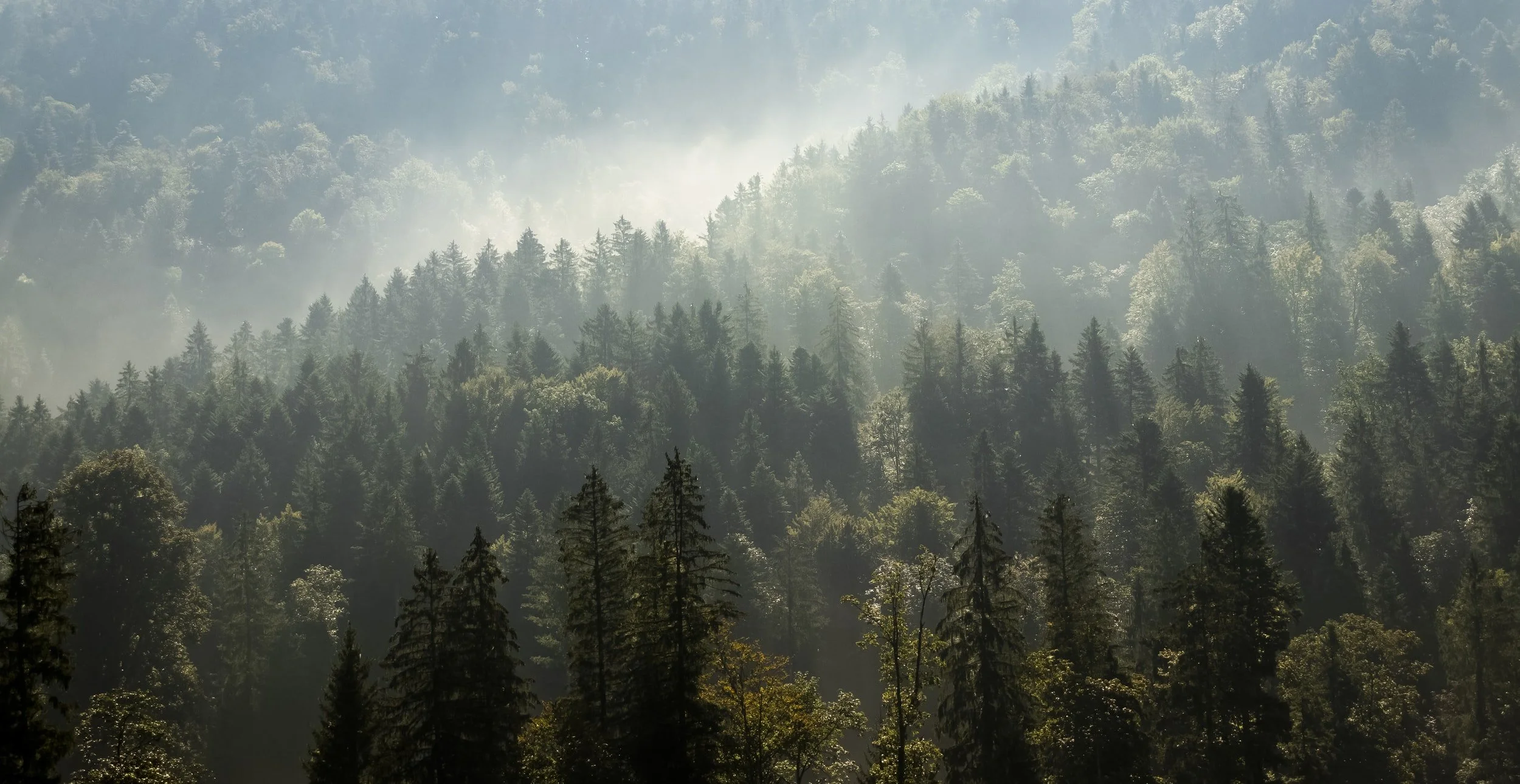
A 2008 study looking at the function of Terpenes reported that as well as providing localised protection and benefits for the trees, terpenes react in the air to form tiny particles called ‘aerosols’ that help to turn water vapour in the atmosphere above the trees into clouds. Trees produce and emit higher amounts of terpenes in warmer weather, and these were measured as doubling the thickness of the clouds at 1000m above the forest, reflecting an extra 5% of sunlight and allowing the forest to regulate temperature better.
This research is the first to quantify the cooling effect of these released chemicals, and the scientists involved say the findings "must be included in climate models in order to make realistic predictions". This is because trees release more terpenes in warmer weather, and so forests could act to counter further temperature rises, acting as a negating response to climate change.
So the next time you are out in the woods or the forest, stop for at least a few moments and take in a few deep breaths through your nose and notice the natural smells of the forest air. Then take a few moments to reflect on the gratitude that we should have for the benefits that trees bring us.
And if you struggle to get out amongst the trees, we offer a range of Essential Oils, which are really just very concentrated terpenes!

10 ml of Therapeutic Grade Hinoki Cypress Essential Oil in a dropper bottle.
Bring the calming scent of the Japanese forest into your home with Hinoki Oil. Distilled from the sacred Hinoki Cypress, this beautifully woody and citrus-fresh essential oil is inspired by the restorative practice of forest bathing and helps create moments of calm, mindfulness, and nature connection.
Hinoki Oil – Bringing the Essence of the Japanese Forest into Your Home
Imagine stepping into a quiet forest of ancient Japanese cypress trees. The air is cool and still. Sunlight filters through the canopy, and the scent of warm wood, fresh needles, and distant citrus fills your senses. This is the experience that Hinoki Oil can evoke.
Distilled from the revered Hinoki Cypress (Chamaecyparis obtusa), a tree that has been treasured in Japan for centuries, Hinoki Oil carries a distinctive aroma that is soft, woody, slightly smoky, and subtly citrusy. Its fragrance is often associated with traditional Japanese temples, forest shrines, and the restorative practice of forest bathing, or Shinrin-yoku.
Many people find Hinoki's scent deeply calming and grounding. Rich in natural plant compounds known as phytoncides, it offers a simple way to bring a little of the forest indoors when spending time among trees is not possible.
Use a few drops in a diffuser during meditation, yoga, journalling, or quiet reflection. Add it to a warm bath to create a spa-like atmosphere, or simply inhale its aroma whenever you need a moment of stillness and reconnection.
At Forest Healing, we love Hinoki because it captures something of the quiet wisdom of old forests. Its scent invites us to slow down, breathe deeply, and remember that we are part of the natural world, not separate from it.
Ways to enjoy Hinoki Oil:
• Diffuse to create a peaceful, woodland-inspired atmosphere
• Add to a nature connection or mindfulness practice
• Blend with cedarwood, bergamot, frankincense, or lavender
• Use as part of an evening wind-down ritual
• Bring the scent of the forest into your home, workspace, or therapy room
A small bottle of Hinoki Oil offers more than a fragrance. It offers an invitation to pause, reconnect, and experience a little of the restorative spirit of the forest wherever you are.
Postage and Packing is £2 for up to six 10ml bottles in the UK.
Due to insurance and liability reasons, we no longer ship our essential oils to the USA or Canada - Sorry!

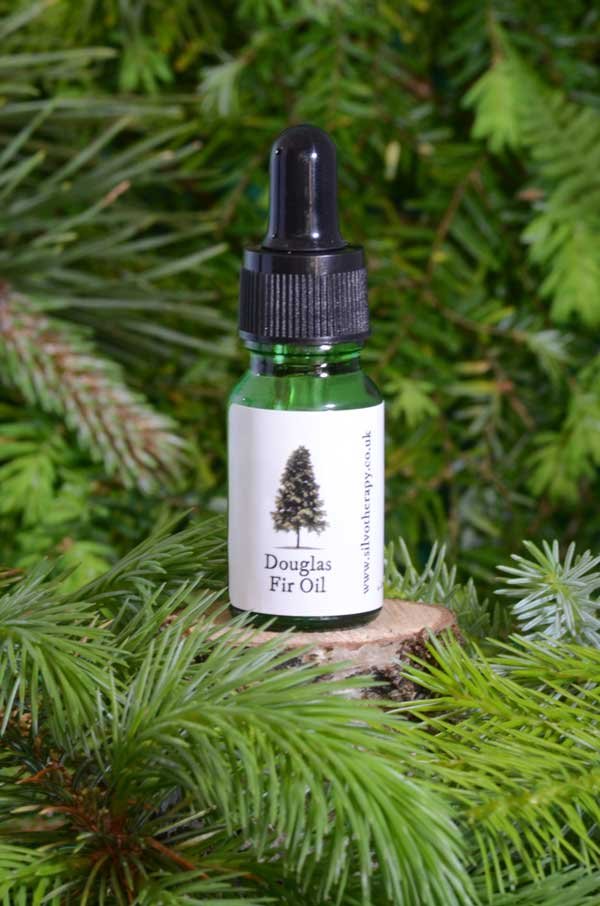
Douglas Fir Essential Oil – Fresh Forest Air from the North American Conifer Woods
A scent that feels like stepping into a cool, sunlit evergreen forest after rain.
Douglas Fir Essential Oil (Pseudotsuga menziesii) carries the fresh, resinous aroma of towering conifers found across North America. Bright yet grounding, it sits somewhere between pine, citrus peel, and soft woodland air — a fragrance that feels both uplifting and deeply restorative.
Often described as the “scent of clean forest air”, Douglas Fir is traditionally associated with clarity, renewal, and emotional lightness. Many people find its aroma helps to shift mental heaviness, encouraging a sense of openness and spaciousness, as though breathing more freely in a quiet forest clearing.
Its character is both energising and calming at the same time — like standing beneath tall evergreen trees, where light filters through the canopy and the air feels fresh, cool, and alive.
At Forest Healing, this oil is part of an invitation to reconnect with the feeling of nature as something that supports and resets us. Even when we are indoors, its scent can evoke the sense of walking slowly through forest trails, where thought settles and attention naturally softens into the present moment.
Ways to use Douglas Fir Essential Oil:
• Diffuse to create a fresh, forest-like atmosphere
• Use during study, work, or focus-based activities
• Add to mindfulness or breath awareness practices
• Support emotional reset during stressful or busy periods
• Blend with other conifers or citrus oils for an uplifting woodland aroma
A simple, grounding oil that carries the clarity of evergreen forests — fresh, open, and quietly revitalising.
10 ml of Therapeutic Grade Douglas Fir Essential Oil in a dropper bottle - perfect for bringing the outdoors indoors and experiencing the uplifting effects of inhaling the Phytoncides from the trees.
Postage and Packing is £2 for up to six 10ml bottles in the UK.
Due to insurance and liability reasons, we no longer ship our essential oils to the USA or Canada - Sorry!
If you have enjoyed this article and would like to support what we do by donating £2 or more to buy saplings, please follow the link below:

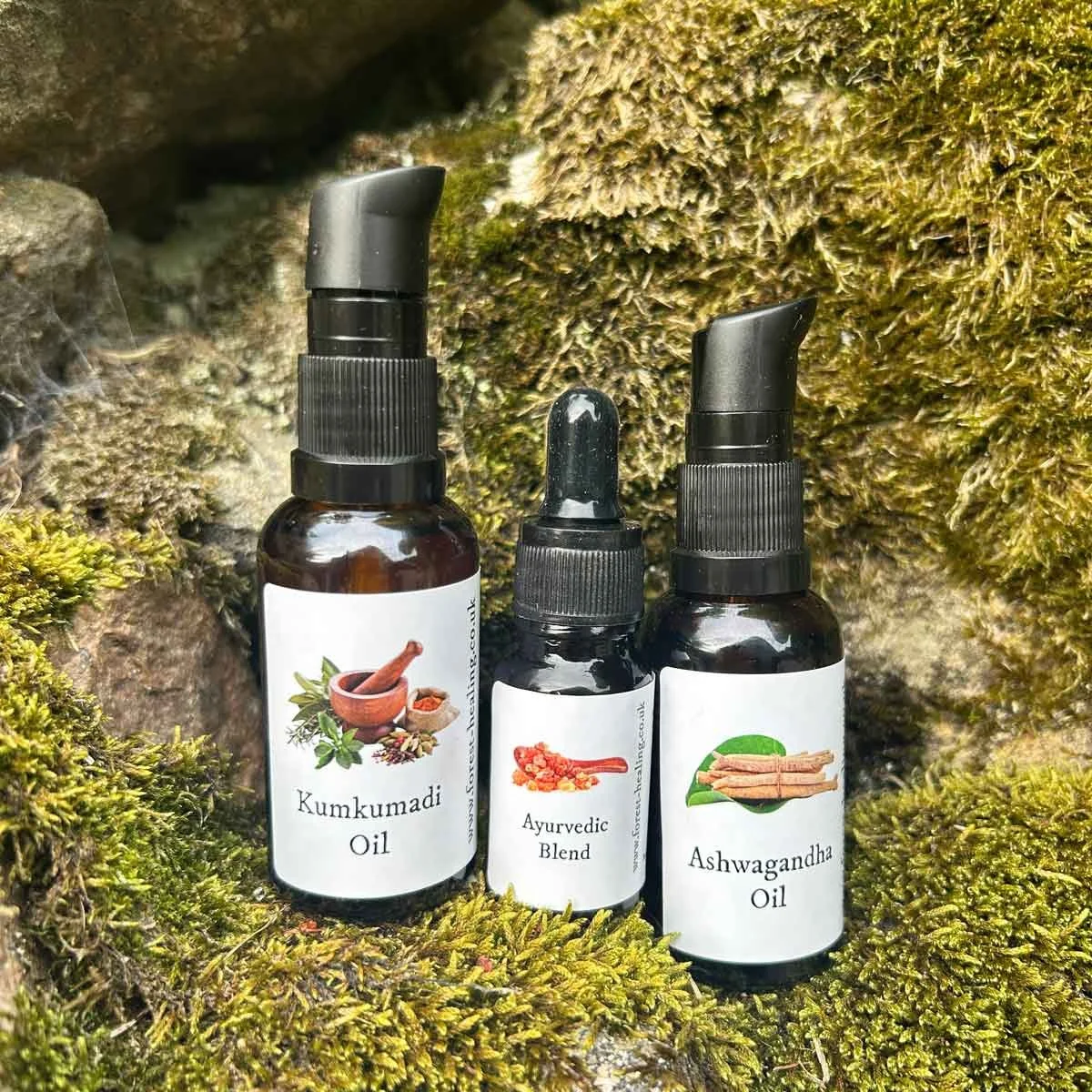
10 ml of Therapeutic Essential Oils in a green dropper bottle - perfect for bringing the outdoors indoors and experiencing the uplifting effects of inhaling the Phytoncides from the trees.
Shinrin Yoku #1 contains a blend of Hinoki and Yuzu Oil.
The Hinoki is 100% Hinoki Oil.










10 ml of Therapeutic Grade Hinoki Cypress Essential Oil in a dropper bottle.
Bring the calming scent of the Japanese forest into your home with Hinoki Oil. Distilled from the sacred Hinoki Cypress, this beautifully woody and citrus-fresh essential oil is inspired by the restorative practice of forest bathing and helps create moments of calm, mindfulness, and nature connection.
Hinoki Oil – Bringing the Essence of the Japanese Forest into Your Home
Imagine stepping into a quiet forest of ancient Japanese cypress trees. The air is cool and still. Sunlight filters through the canopy, and the scent of warm wood, fresh needles, and distant citrus fills your senses. This is the experience that Hinoki Oil can evoke.
Distilled from the revered Hinoki Cypress (Chamaecyparis obtusa), a tree that has been treasured in Japan for centuries, Hinoki Oil carries a distinctive aroma that is soft, woody, slightly smoky, and subtly citrusy. Its fragrance is often associated with traditional Japanese temples, forest shrines, and the restorative practice of forest bathing, or Shinrin-yoku.
Many people find Hinoki's scent deeply calming and grounding. Rich in natural plant compounds known as phytoncides, it offers a simple way to bring a little of the forest indoors when spending time among trees is not possible.
Use a few drops in a diffuser during meditation, yoga, journalling, or quiet reflection. Add it to a warm bath to create a spa-like atmosphere, or simply inhale its aroma whenever you need a moment of stillness and reconnection.
At Forest Healing, we love Hinoki because it captures something of the quiet wisdom of old forests. Its scent invites us to slow down, breathe deeply, and remember that we are part of the natural world, not separate from it.
Ways to enjoy Hinoki Oil:
• Diffuse to create a peaceful, woodland-inspired atmosphere
• Add to a nature connection or mindfulness practice
• Blend with cedarwood, bergamot, frankincense, or lavender
• Use as part of an evening wind-down ritual
• Bring the scent of the forest into your home, workspace, or therapy room
A small bottle of Hinoki Oil offers more than a fragrance. It offers an invitation to pause, reconnect, and experience a little of the restorative spirit of the forest wherever you are.
Postage and Packing is £2 for up to six 10ml bottles in the UK.
Due to insurance and liability reasons, we no longer ship our essential oils to the USA or Canada - Sorry!