


Nature Connection Articles
Our Most Recent Articles

The Imaginary Sense in Forest Bathing
In the practice of Forest Bathing, the imaginary sense can be described as a heightened perception or awareness of your surroundings that goes beyond the five traditional senses. It is an intuitive and imaginative way of experiencing nature and connecting with the forest environment on a deeper level.

Two Paths to the Same Horizon
Nature connectedness may be a key trait shared by both Forest Bathing and psychedelic therapy. Awe, flow, spirituality, and perceptual change are all fascinating parallels, but nature connectedness is where the research most clearly suggests that both approaches may be influencing the same underlying human capacity: the ability to experience ourselves as part of, rather than separate from, the living world.
The Importance of Silence
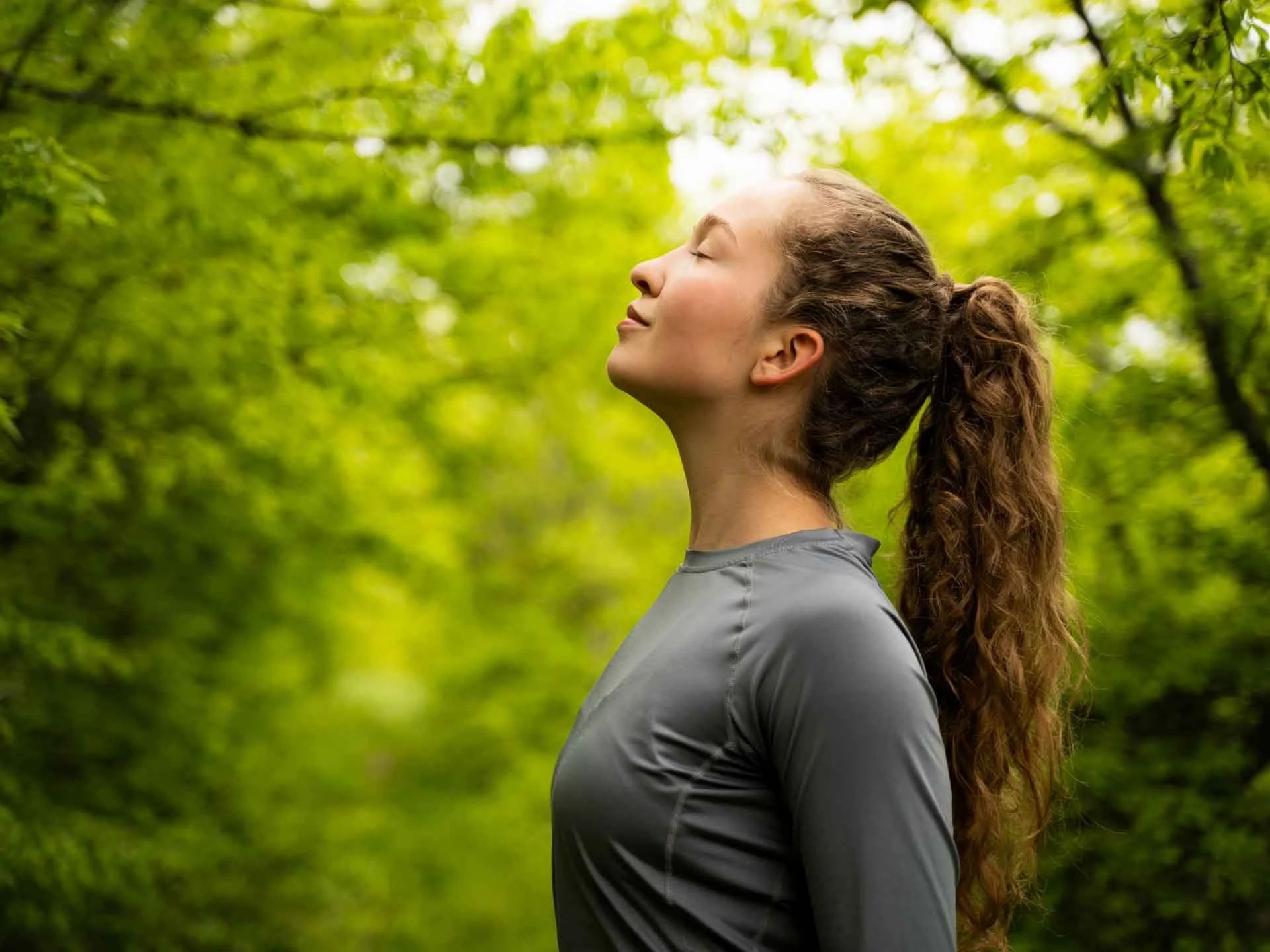
In our modern world, silence is increasingly rare. Many of us live inside a constant stream of notifications, engines, background radio, traffic, and conversation. That matters, because the nervous system does not experience noise as neutral. It has to process it, filter it, and often defend against it. Quiet, by contrast, gives the body a chance to shift away from continual alertness.
Petrichor - The Smell of Rain
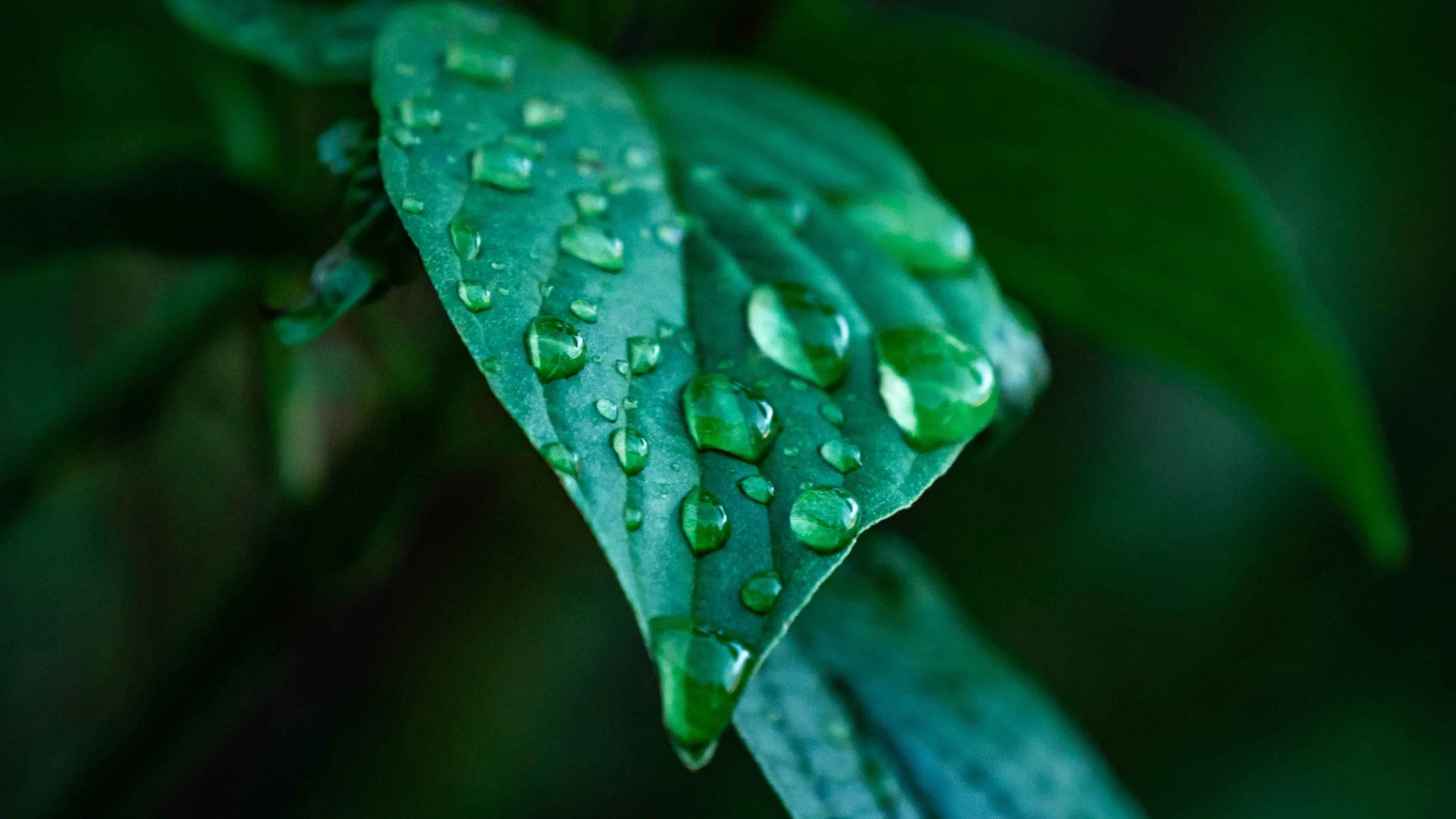
I sometimes offer Forest Bathing activities around interacting with rain inviting people to notice the rain, the sounds of drops falling, the silence between drops, the feeling of the rain on their skin, and noticing the smells that often follow rain or storms. There is actually a name for the earthy scent that we can smell when it first rains after a long period of dry weather, and that’s ‘Petrichor’.

Reducing Depression Through Forest Bathing and Nature Connection
Depression is one of the most common and disabling mental health conditions, and it affects mood, sleep, energy, motivation, concentration, self-worth, and day-to-day functioning. Alongside talking therapies, medication, movement, and social support, there is growing interest in approaches that help people regulate stress and reconnect with themselves and the world around them. Nature-based practices such as Forest Bathing, Forest Therapy, Shinrin-yoku, Silvotherapy, Sit Spot practice, and other forms of mindful nature connection are increasingly being studied as low-cost, low-risk ways to support mental wellbeing. Recent research suggests that these approaches can reduce depressive symptoms, improve sleep, and soften related difficulties such as rumination, stress, and emotional fatigue.

The Greening of the Self: Joanna Macy's Wisdom Meets Forest Bathing
The Greening of the Self and the practice of Forest Bathing offer a profound pathway to personal and planetary healing. By reconnecting with nature and recognising our intrinsic interdependence with the natural world, we can experience a transformative shift in consciousness. This shift empowers us to take action, not only for our own wellbeing but for the wellbeing of the planet. As we embrace our ecological selves, we become active participants in the collective effort to create a sustainable future for generations to come.

Grounding in Forest Bathing
‘Grounding’ is a phrase that I have heard used quite often in relation to Forest Bathing and Forest Therapy, but it can mean two different things depending on the context in which it is used, as we are going to explore here. It can both be a way of helping you to gain some distance from your thoughts, feelings, and memories by bringing you back to the present moment; and connecting yourself to the Earth (Earthing) through direct contact.

Sit Spot and Nature Connection
Sit Spot is a beneficial practice that helps foster mindfulness and connection with nature. It involves taking a moment to sit in one spot in nature for at least 20 minutes, giving wildlife time to become accustomed to your presence and resume their own behaviour. Through staying still in your chosen spot you can cultivate a deeper comprehension of yourself, others, and the wider natural world.

What are Forest Bathing ‘Invitations’?
'Invitations' are a core concept in the practice of 'Forest Bathing' or shinrin-yoku, a Japanese term that means "taking in the forest atmosphere". The practice involves spending time in a forest or natural environment to promote relaxation, reduce stress, and enhance overall wellbeing. The term "invitations" refers to specific, gentle suggestions or prompts, usually offered by a guide or practitioner to help participants to engage more deeply with their natural surroundings.

The Origins of Forest Bathing
The practice of Forest Bathing, also known as Shinrin-yoku, originated in Japan in the 1980s. The term "Shinrin-yoku" was coined by the Japanese Ministry of Agriculture, Forestry, and Fisheries in 1982 and can be translated as "taking in the forest atmosphere" or "forest bathing." The development of Forest Bathing as a therapeutic practice was a response to the rapid urbanisation and technological advancements being experienced in Japan.
The Way of Water: Resiliently Flowing Beyond Obstacles
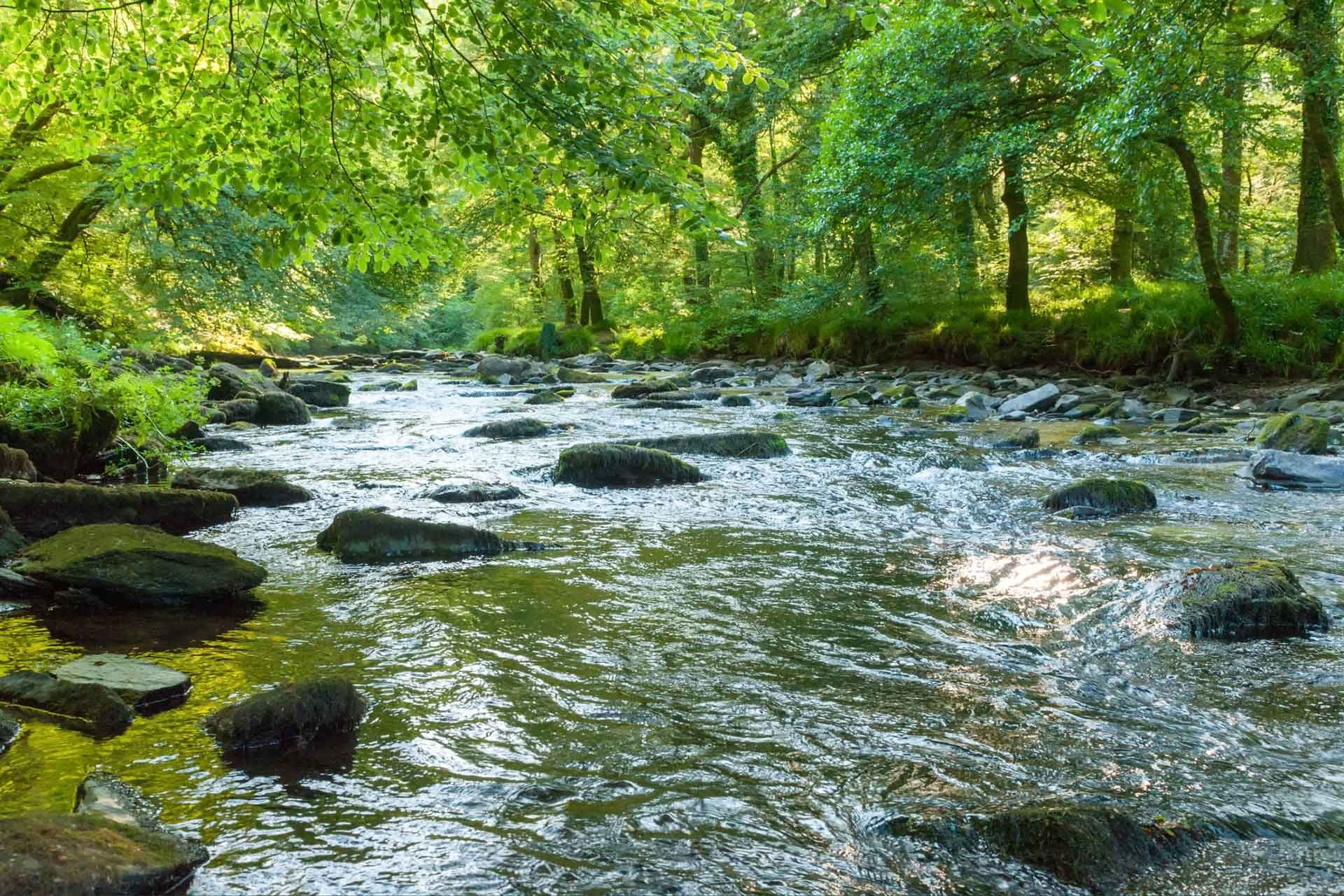
Water, in its ever-flowing nature, teaches us profound lessons about resilience. As it navigates its path, water encounters countless obstacles, yet it persists, finding alternate routes, shaping the land, and flowing onward with unyielding determination. Metaphorically, the way water flows around obstacles serves as a powerful illustration of human resilience, reminding us of our capacity to adapt, overcome challenges, and find new paths forward.
Exploring the More-Than-Human World: Forest Bathing, Animism, and David Abram's Ecological Philosophy
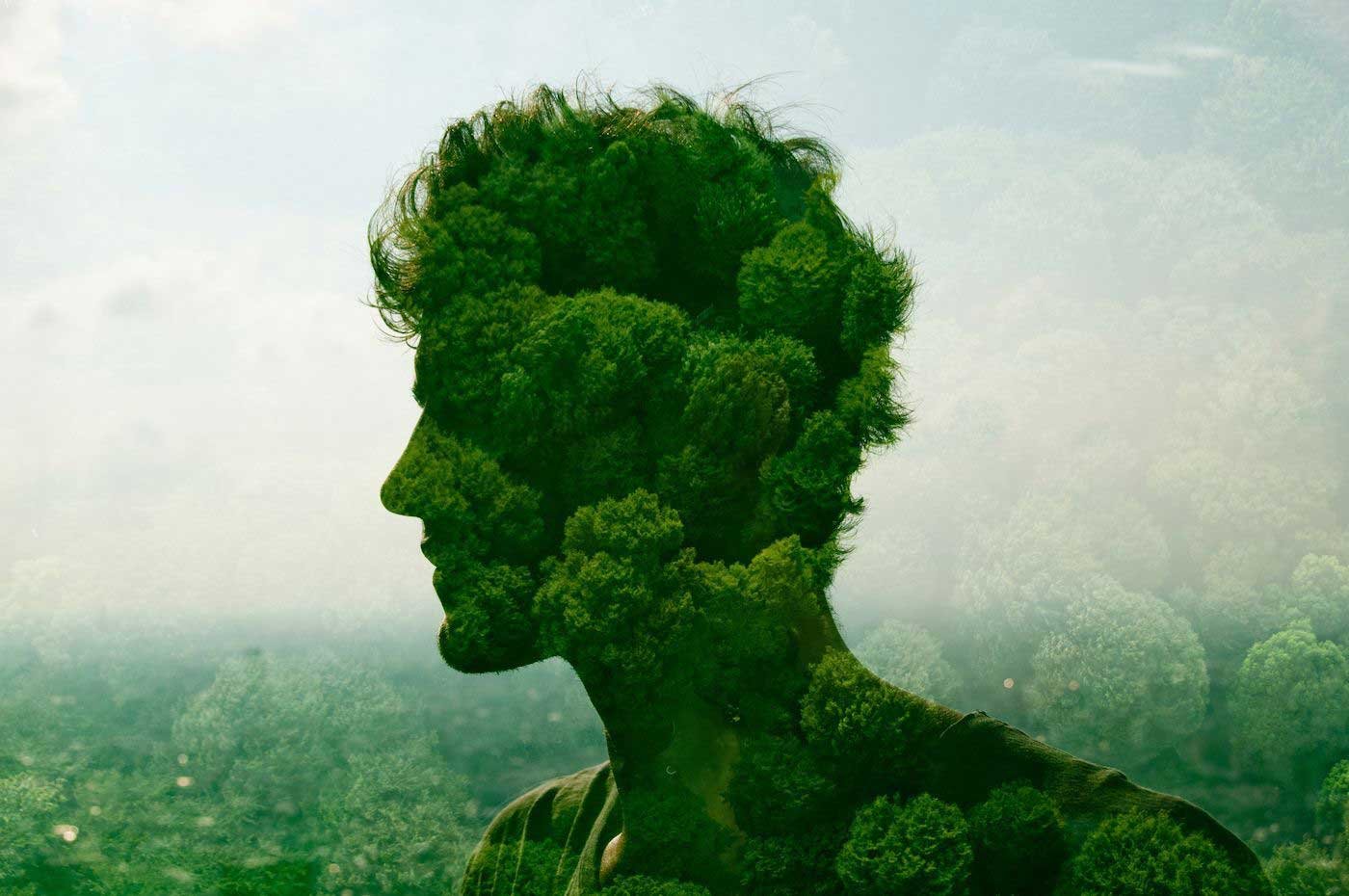
In a fast-paced world dominated by technology and human-centred thinking, there is an ever-growing yearning for a deeper connection with nature and the more-than-human world that surrounds us. This longing has given rise to practices like forest bathing and revived interest in ancient philosophies such as animism. Drawing inspiration from the work of ecophilosopher David Abram, we embark on a journey to understand the significance of these practices and their potential to reawaken our senses and foster a profound connection with the natural world.

Project Eudaimonia - Part Two
Eudaimonic wellbeing refers to a state of psychological wellbeing that goes beyond mere happiness or subjective feelings of pleasure. It focuses on the fulfilment of your potential, on personal growth, and the pursuit of meaning and purpose in life. It embodies positive psychological functioning and encompasses qualities such as personal development and growth; self-acceptance; autonomy; purpose in life; positive relationships; and a sense of mastery or competence. Read about how I am putting this into practice though increased nature connection.
Are The Japanese More Culturally Aligned With The Concept of Forest Bathing?
Japan’s connection to nature is a deep and integral part of their cultural heritage. From the reverence for the kami that resides in all natural objects, to the celebration of the changing seasons, the Japanese people have a profound respect for the natural world that is reflected in every aspect of their society. As the world becomes more urbanised and disconnected from nature, it is important to remember the lessons we can learn from Japan and strive to reconnect with the natural world around us.

The Standard Sequence in Guided Forest Bathing
Although each Forest Bathing experience, whether guided or not, will always be different depending on the location, the time of year, the prevailing weather conditions, your mood, and many other factors, most ‘schools’ of Forest Bathing share a similar structure including a number of key nature-connection activities or ‘invitations’, sometimes referred to as ‘The Standard Sequence’. This carefully designed sequence creates an experience that enhances nature connection and boosts the therapeutic and restorative effects of nature for health and well-being. It also means that there is a degree of consistency in what you can expect wherever you experience a guided Forest Bathing walk, and by whoever you are guided.

The Connection Between ‘Deep Ecology’ and Forest Bathing
Deep Ecology and Forest Bathing both share a similar understanding of the importance of nature and the interconnectedness of all living beings, and they both promote the idea that humans should live in harmony with nature.
Deep Ecology puts emphasis on the moral obligation to respect the rights of other species and the natural environment, while Forest Bathing focus on individual human health and well-being.

Nature Connection and Wellbeing
Research published in the journal Nature, shows that people who spend at least 120 minutes in nature each week are significantly more likely to report higher psychological well-being than those who don't visit nature at all during an average week. This post explores this, and suggests ways to easily and enjoyably connect with nature for two hours a week.

The Theories Underpinning Forest Bathing and Nature-Connection
There are a variety of theories that underpin and support the proposals that Forest Bathing and Nature-Connection activities have beneficial effects on psychological and physical wellbeing. These theories include the Biophilia Hypothesis, Attention Restoration Theory, and Psychophysiological Stress Recovery Theory.

Forest Bathing and Mindfulness
Forest Bathing is often referred to as a ‘nature-mindfulness’ practice in which people are encouraged to ‘mindfully take in their environment using their different senses’ but there are a number of characteristics that differentiate Forest Bathing from Mindfulness, as described here.

Arthritis and Forest Bathing
Arthritis pain is caused in part by inflammation, but this can become a bigger problem when it causes chronic stress or anxiety, as higher levels of the stress hormones cortisol in the body can lead to greater inflammation that can make arthritis more painful. Forest Bathing reduces cortisol levels and so can contribute to reducing inflammation. Participants in Forest Bathing activities have reported significant decreases in pain and depression, and a significant improvement in health-related quality of life following the Forest Bathing activities.