


Nature Connection Articles
Our Most Recent Articles
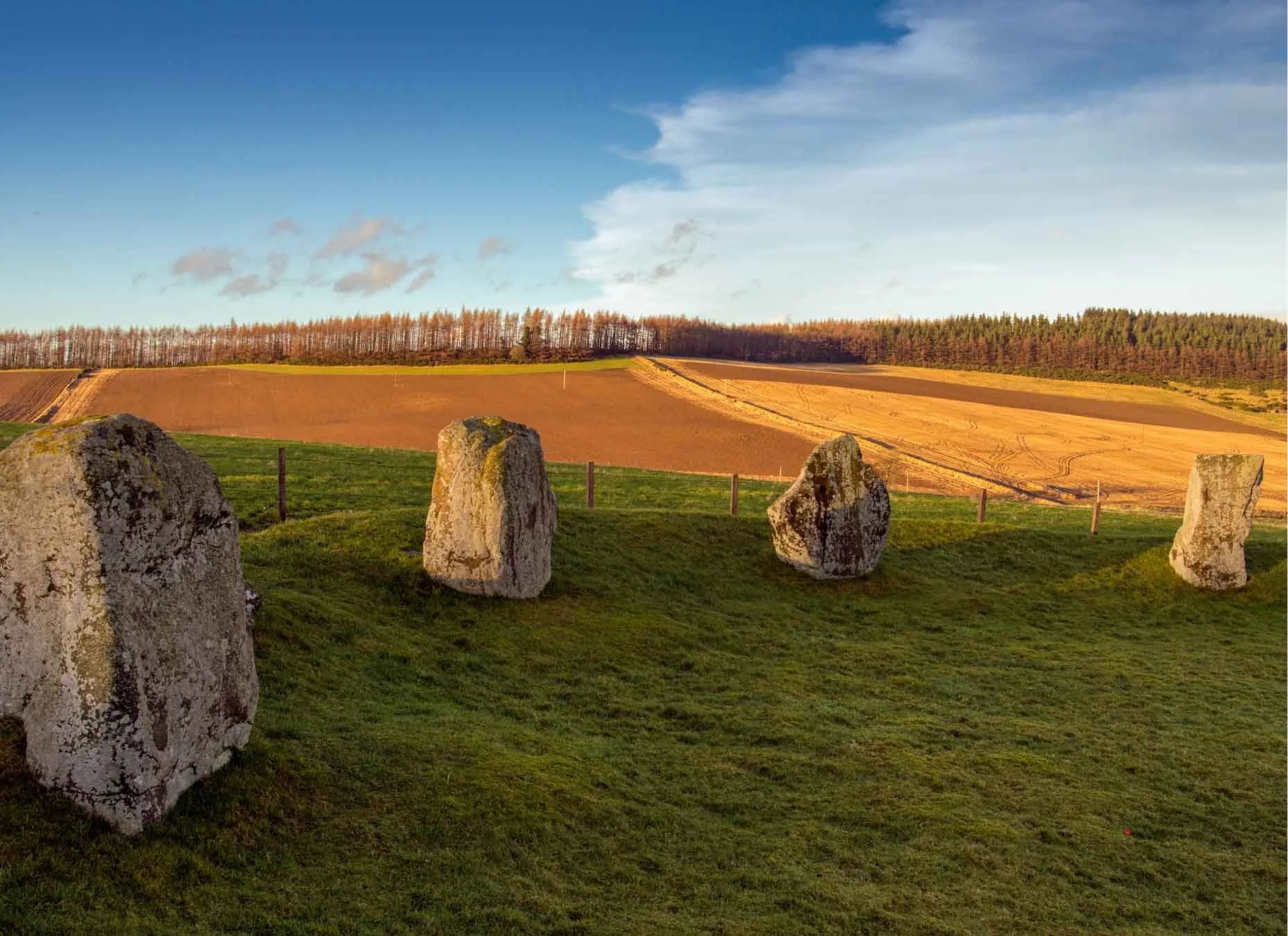
The Autumnal Equinox in Celtic and Pictish Cultures
Explore the significance of the Autumnal Equinox in Celtic and Pictish Scotland, from harvest traditions and the journey towards Samhain to ancient solar alignments and our changing relationship with the natural world.
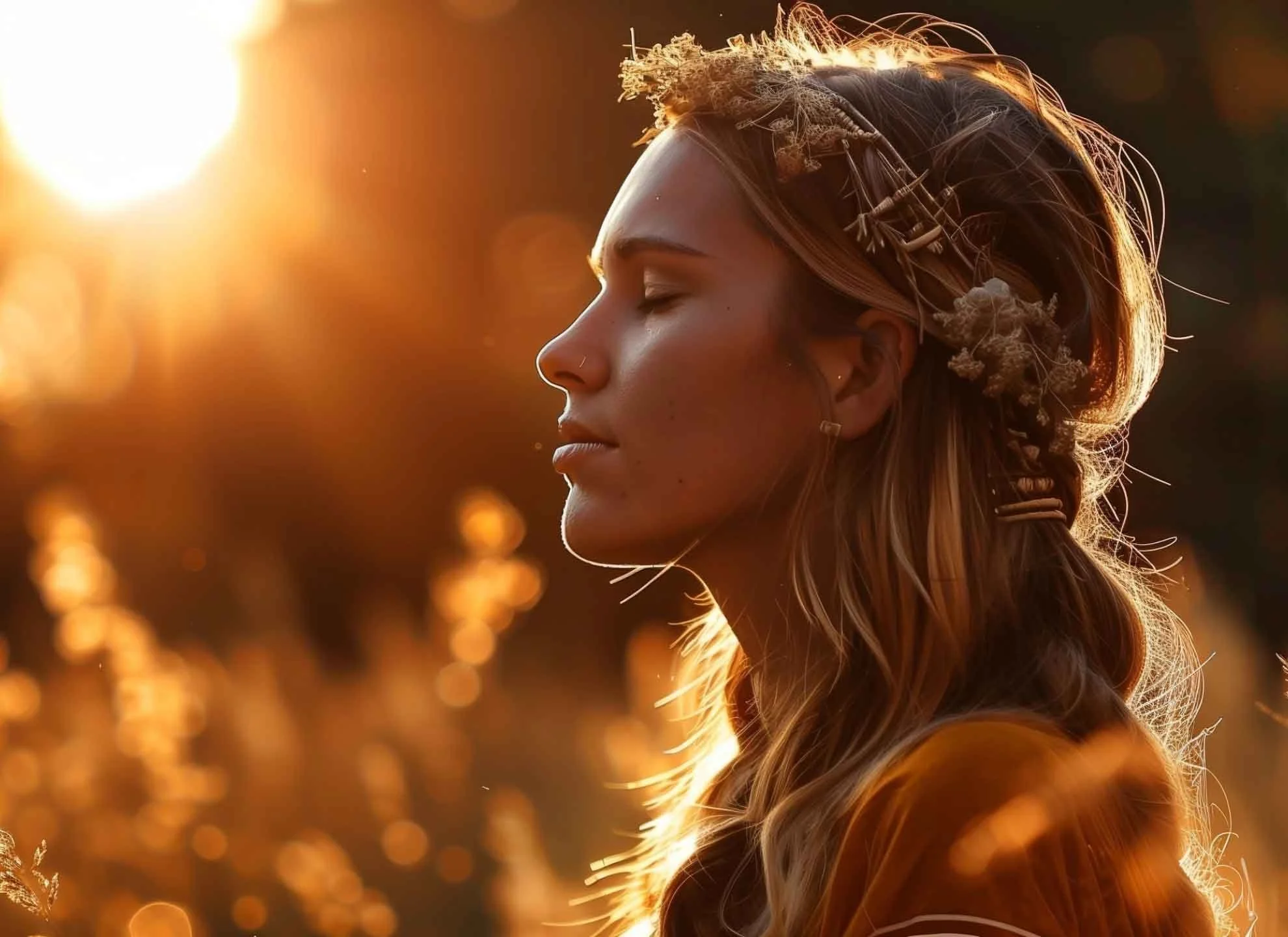
Lughnasadh: The Celtic First Harvest Festival and the Wisdom of Nature
As the long days of midsummer begin to soften and the countryside fills with ripening grain, heavy hedgerows and the first fruits of the harvest, an ancient Celtic festival quietly arrives. Lughnasadh (pronounced LOO-na-sa) marks the beginning of the harvest season and reminds us that abundance is something to notice, honour and share.
Spirituality, Spiritual Experiences and Ecotherapy
Studies show that nature-based therapies can sometimes evoke powerful feelings of presence, belonging, and awe. Participants often describe moments when the natural world helps them see their lives from a new perspective, process difficult emotions, and rediscover hope. These experiences don’t necessarily involve religion. Instead, they often arise through simple encounters with the living world — walking through woodland, listening to water, or quietly observing the rhythm of nature.
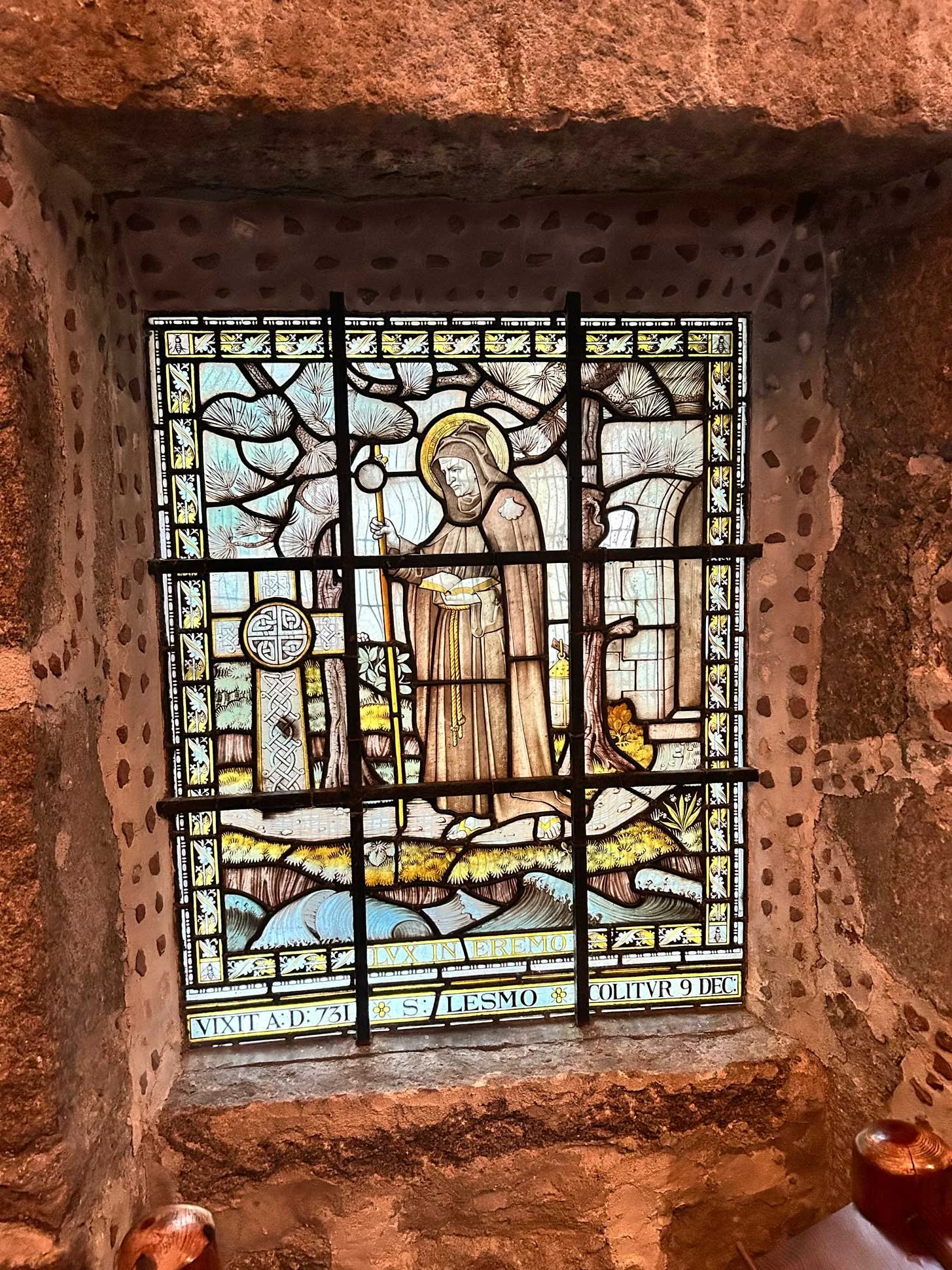
St. Lesmo, The Celtic Saints and Nature Connection
The legend of St. Lesmo of Glen Tanar is an example of a hermit‑saint tied to the wilderness; like many early Celtic hermits he served travellers on rough mountain roads. But it is really the broader Celtic tradition (with or without Christianity) that kept alive a deep love and respect for nature. From holy wells to storybook saints feeding animals, the Celtic ethos saw the natural world as charged with the divine.

The Significance of the Spring Equinox in Celtic and Pictish Cultures
For the Celts and Picts, who inhabited the lands of modern-day Scotland, Ireland, and parts of Britain, the natural world was not merely a backdrop but a sacred realm intertwined with the spiritual and mundane aspects of existence. The Spring Equinox, occurring around March 20th each year, was a time of profound significance, symbolising renewal, fertility, and the triumph of light over darkness. The equinoxes, representing moments of celestial equilibrium, held a special place in their cosmology.

The Importance of Nature Connection in Celtic Culture: Exploring Animism and Celtic Beliefs
The importance of nature connection in Celtic culture, rooted in animism and Celtic beliefs, is a source of inspiration and wisdom for the modern world. The Celts' deep reverence for the natural world, their sustainable practices, and their belief in the interconnectedness of all life offer valuable lessons and a profound sense of responsibility in today's environmental challenges. By exploring and adopting these ancient beliefs, we can enhance our own connection to nature and work towards a more harmonious and sustainable coexistence with the natural world.

Imbolc and St. Brigid
February 1st is the Gaelic Festival of Imbolc, or St, Brigid's Day. It marks the midway point between the Winter Solstice and the Vernal Equinox. Rooted in ancient Gaelic traditions, this festival symbolises the awakening of the Earth from its Winter slumber and the anticipation of Spring's arrival. Imbolc has its origins in Celtic paganism and is deeply connected to the goddess Brigid, who is associated with Spring, fertility, healing, and poetry.
The Winter Solstice In Ancient Scotland
The Winter Solstice is believed to have held particularly profound significance in Neolithic and Celtic Culture. It marked the Sun’s gradual return to strength, symbolising renewal, hope, and the triumph of light over darkness. In Celtic spirituality, the Solstice was not only a turning point in the year but also a time when the veil between the physical and spiritual worlds was believed to be thin, allowing for communication with ancestors and spirits. This reverence is physically expressed in many ancient sites across Scotland, where standing stones and burial mounds are aligned with the Sunrise or Sunset on the Solstice, serving as both time markers and sacred spaces of transformation.
The Symbolism of White Heather in Scotland
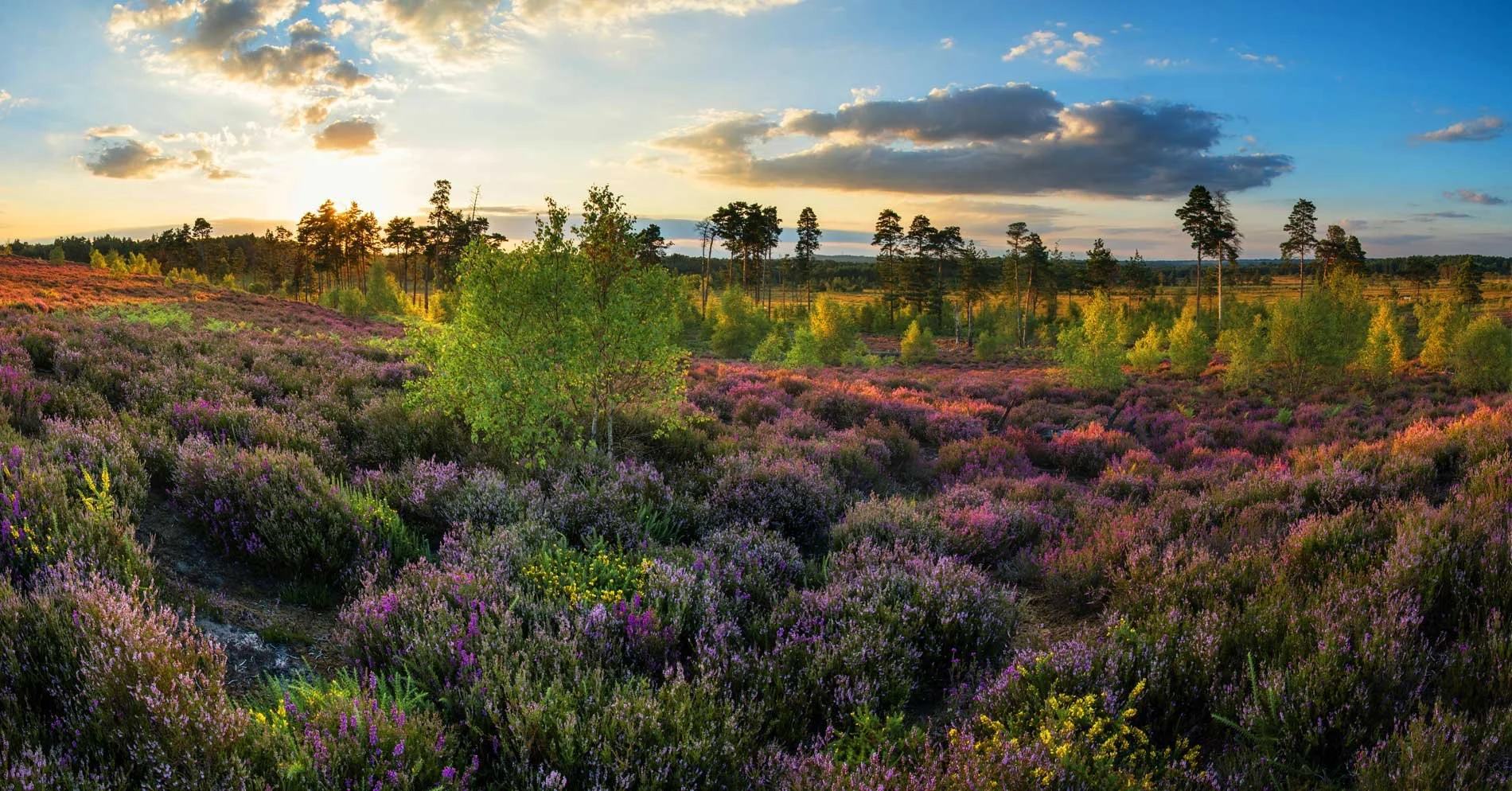
In Scotland, Heather competes with the Thistle to be the most iconic Scottish plant and it covers many a Highland hillside, turning these hills purple in late Summer. Sometimes you can find a sprig of the more elusive white Heather in amongst the purple Heather flowers, and this white Heather is often seen as the Highland equivalent of the four-leafed Clover.

Samhain: Walking Between the Worlds — A Celtic Celebration of Liminality, Nature, and Renewal
As the wheel of the year turns towards darkness and stillness, the ancient Celtic festival of Samhain offers a profound invitation: to step into the liminal space where the seen and unseen meet, where the Summer’s abundance gives way to Winter’s rest, and where nature itself teaches us about endings, thresholds and connection.
Exploring Liminality in Forest Bathing — A Journey Through the In-Between
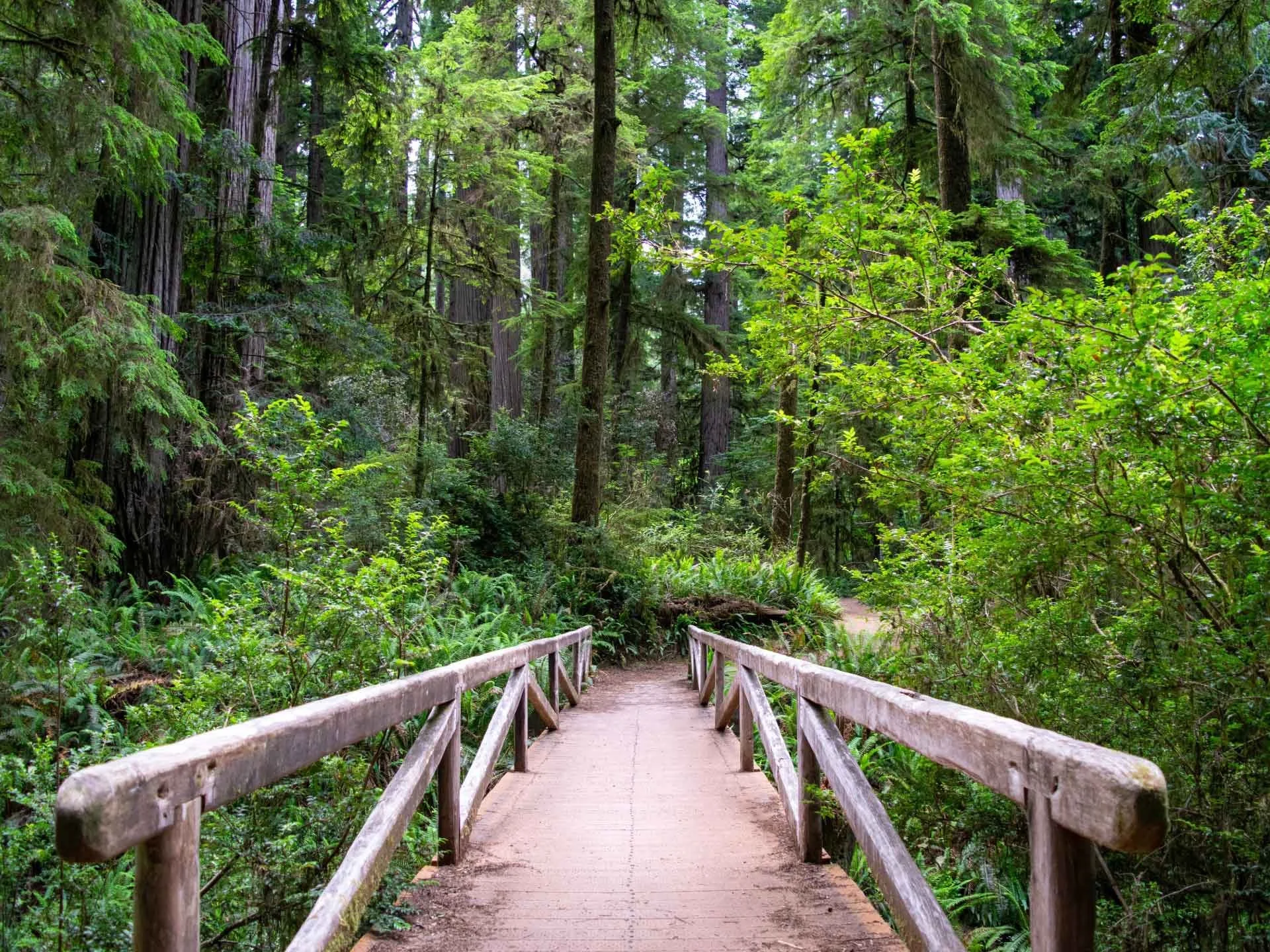
Nature connection activities such as Forest Therapy or Forest Bathing, also known as Shinrin-yoku (a term originating in Japan), offer an immersive experience in the natural world. These practices go beyond simple recreation, inviting participants to slow down, observe, and engage deeply with the surrounding environment through each of their senses. One intriguing aspect of Forest Bathing is the sense of liminality it creates — a state of being in transition, between two different phases or spaces, neither fully here nor there. This liminal experience can foster a profound psychological and emotional shift, enhancing the healing qualities of time spent in nature.
Thin Places and Liminal Spaces in Celtic Culture
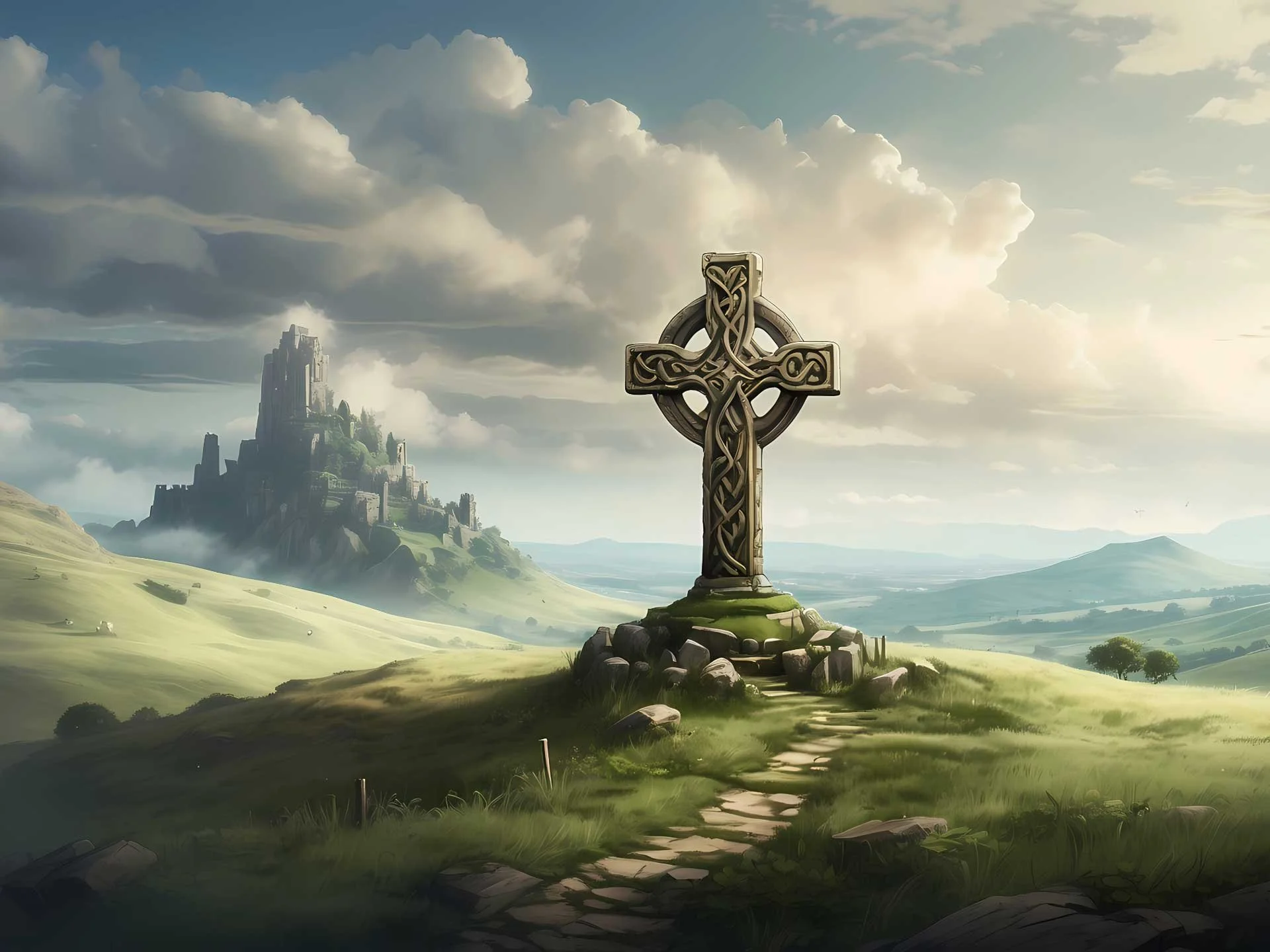
Liminality, a concept associated with transitions, thresholds, and in-between spaces, holds significant importance in many cultures worldwide. It represents the state of being in a transitional phase, neither fully in one place nor another. In Celtic culture, liminality takes on an even more mystical form through the idea of ‘thin places’ — locations where the boundary between the Earthly realm and the divine or spiritual (or Otherworld) is believed to be exceptionally thin, allowing for profound spiritual experiences.
The Moon as a Calendar
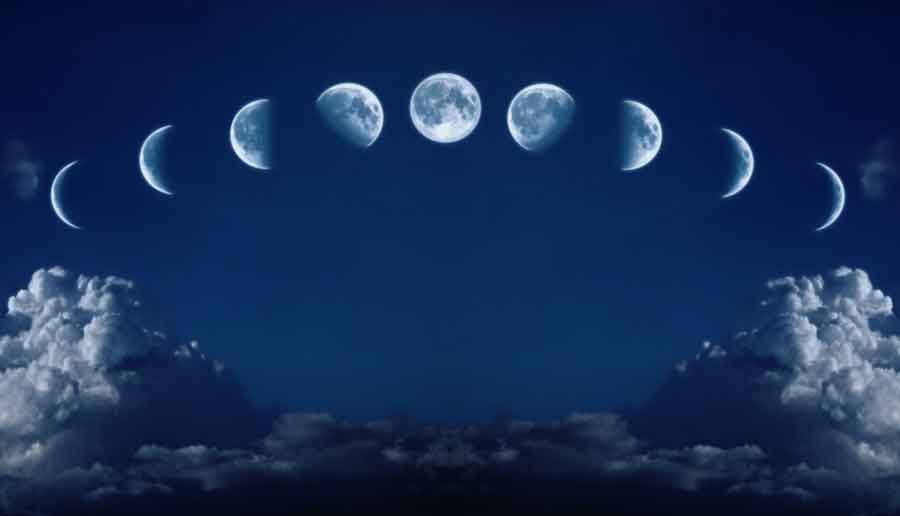
The moon has been used as a calendar for thousands of years by various cultures and civilisations around the world. Its phases and cycles have been observed and studied, allowing people to track time and plan their activities accordingly. An analogue watch usually has two hands that tell the hours and minutes, but marking the hours and minutes may not have been as important to our ancestors as marking the days, the weeks and the seasons. For them, the Sun would have help mark the days and the Moon would have helped to mark the weeks, the months, and the seasons.

The Ancient Atlantic Oakwoods
The Atlantic Oakwoods of Scotland range from Sutherland in the North to Loch Lomond in the South, but fragments remain all the way down the Atlantic Coast of the Western Highlands, South-West Scotland, Cumbria and the Lake District, the West coast of Ireland, and through Brittany in France, Galicia in Spain and the West coast of Portugal.