

What are Forest Bathing ‘Invitations’?
17th August 2024

A Forest Bathing, Forest Therapy, Nature Connection or Silvotherapy ‘invitation’ is an activity to encourage you to connect with the natural world around you through one or more of your different senses. These are activities that are designed to heighten your sensory awareness and increase your nature connection.
The inclusion of such specific nature-connection activities is a fundamental part of Forest Bathing that sets it apart from being just a ‘walk in the woods’. If you are being guided by a Forest Bathing Guide or Forest Therapy Practitioner, then the Forest Bathing invitations will usually be offered in a carefully designed sequence to create an experience focused on increasing your nature connection and boosting the therapeutic and restorative effects of nature for your health and wellbeing.
Once you develop a greater and more nuanced connection with nature though, you will often find that nature itself suggests the invitations. Forest Bathing is really all about reawakening your child-like curiosity in nature, and once you begin to exercise your curiosity in this way, invitation will tend to spring from your environment and surroundings are you walk through nature and engage with it.
Why are they called ‘Invitations’?
They are called ‘invitations’ to convey the concept of choice. If I invite you on a walk in nature you are free to join me or not, or to join me for some of it. I am not compelling you, or saying that it is compulsory for you to join me. Forest Bathing and Nature Connection invitation are just the same. They are only ever suggested activities that you might like to try. Whether guided or self-guided there should never be any pressure to engage in any activity that you do not wish to, there is no ‘right’ way or ‘wrong’ way to participate in them, and they are not things to be ‘achieved’ in order to feel that the Forest Bathing activity was ‘successful’.
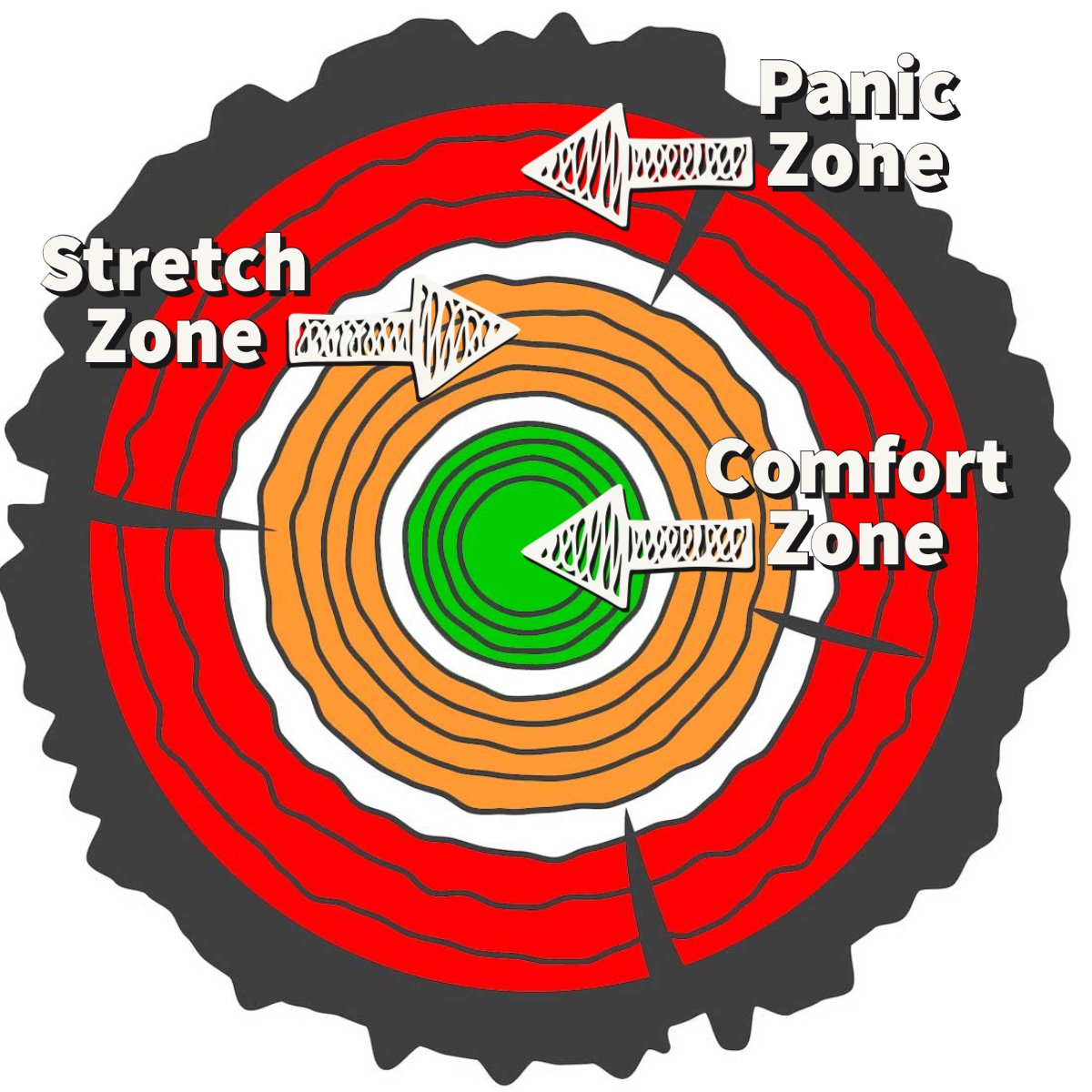
However, an important component of Forest Therapy and Nature Connection practices is to step outside of your ‘Comfort Zone’ a little. When you step out of your Comfort Zone and into your Stretch Zone, that is where the real magic often happens. The Stretch Zone is where you challenge yourself a little, learn new skills, and grow as an individual.
Activities that may gentle encourage you into your Stretch Zone might include:
Going barefoot outside
Standing up to your ankles in running water
Picking up leaf litter from the forest floor and smelling it
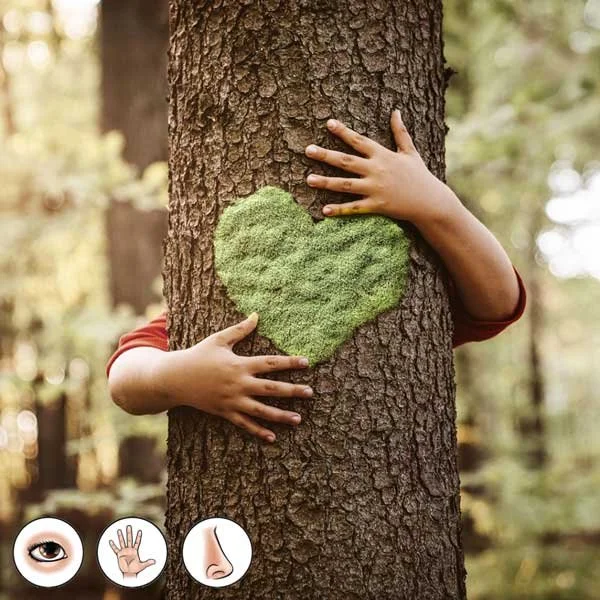
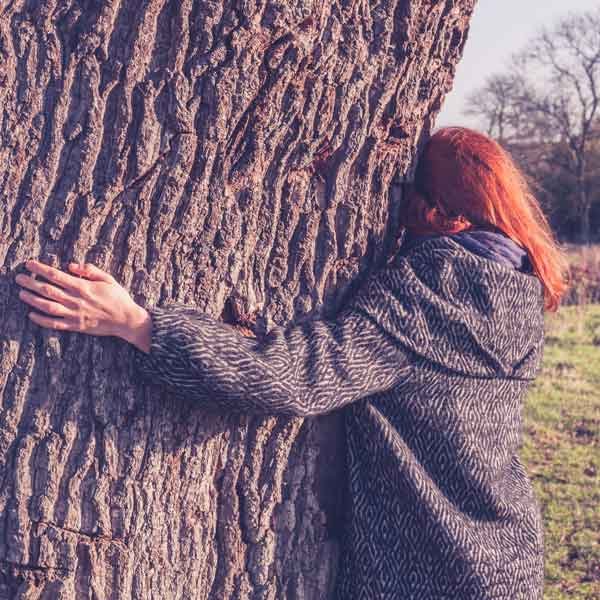
Giving a tree a hug!
I have written a much more detailed article about the Comfort Zone, Stretch Zone and Panic Zone that you can read if you would like.
The ‘Standard Sequence’ of Forest Bathing Invitations
Although each Forest Bathing experience, whether guided or not, will always be different depending on the location, the time of year, the prevailing weather conditions, your mood, and many other factors, most ‘schools’ of Forest Bathing share a similar structure including a number of key nature connection invitations. The Association of Nature and Forest Therapists refer to this as ‘The Standard Sequence’. This carefully designed sequence creates an experience that enhances nature connection and boosts the therapeutic and restorative effects of nature for health and wellbeing. It also means that there is a degree of consistency in what you can expect wherever you experience a guided Forest Bathing walk, and by whoever you are guided. As Amos Clifford described in his influential book ‘Your Guide to Forest Bathing: Experience the Healing Power of Nature’, “Structure is part of what makes forest bathing a ‘practice’.”
One of the Standard Sequence of Forest Bathing invitations that a Forest Bathing or Therapy Guide will usually offer as the first invitation is known as 'Awaken the Senses' or as 'The Pleasures of Presence'. In the video below I guide you through my version of it, so that you can listen to it outside in nature in if you want, and experience it for yourself.
Below are some of my favourite Forest Bathing invitations:

Sitting by Water
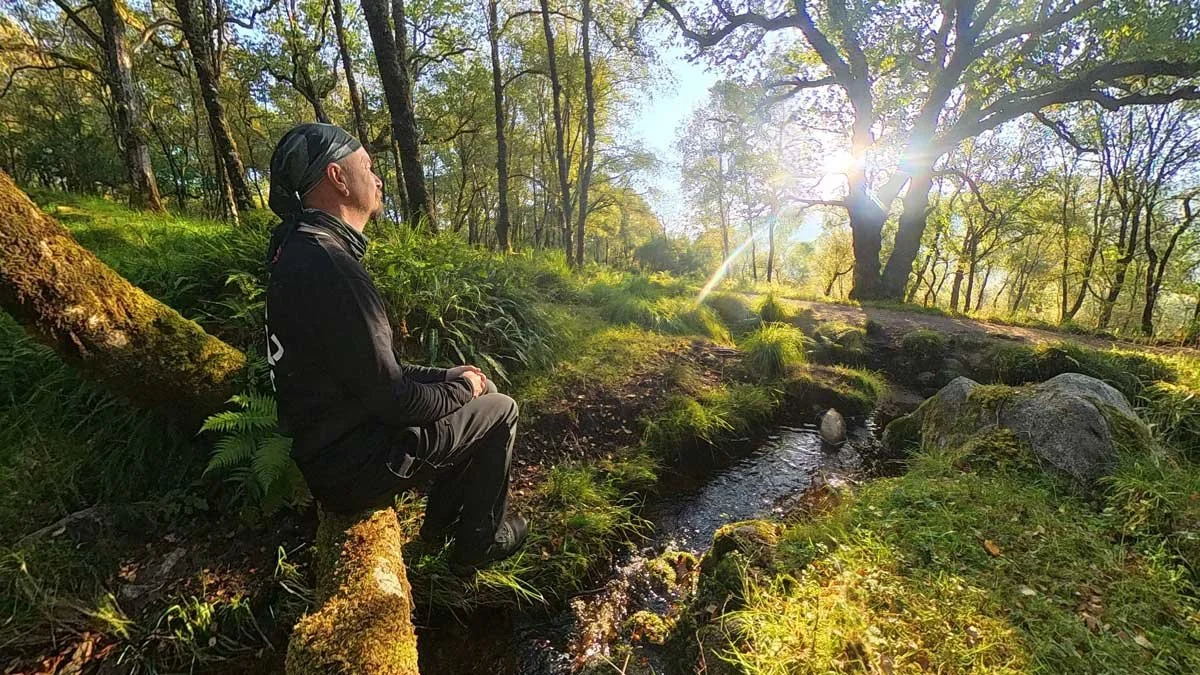
Find a safe spot beside a stream, river, or lake and sit quietly by it for 10 to 20 minutes.
What do you notice about:
The surface of the water?
Things beneath the surface?
The patterns that the water makes?
The sounds of the water?
The smell of the air?
How being near water makes you feel?
If you feel comfortable with it and it is safe to do so, you can either sit or stand with your feet in the water and pay attention to to the feeling of the water as it passes around your feet and ankles.
Alternatively, you may wish to simply touch the water with your hand and notice what it feels like. If you are sitting by running water, you may like to look at the water in the river or the stream and follow the path that it takes upstream, imagining where the water might have come from and the landscape that it might have passed through on its way to where you are now.
What else do you notice about the water?

Forest Floor
The next time that you are in the woods or the forest, or an open area outdoors, walk slowly, sit or kneel on the ground if it’s comfortable, and explore the forest floor for 10 to 20 minutes.
Take notice of what plants, fungi, lichens and mosses, or insects you can see.
If you feel comfortable doing so, take a handful of the duff, humus or soil from the forest floor and explore it using all the senses of sight, smell and touch. You may find a magnifying glass useful while doing this.
Remember - there is no need to rush, so take your time and acknowledge all the things that you notice.
For the Love of Trees
Look around you and find a tree that calls out to you. Approach this tree and explore it with your eyes and your hands. See what it smells like and give it a hug if you want. Take a few steps back and spend some time slowly looking at the tree all the way from the base of the trunk to highest branches. What do you notice about this tree?
Is there a breeze that moves the tree. If so, and you feel comfortable with the idea, allow yourself to move in partnership with the tree.
Whilst you are exploring and bonding with your tree, consider the reciprocal relationship that we have with trees. The leaves of trees use sunlight, water and the carbon dioxide they absorb to make plant sugars and at the same time they release oxygen. We breathe in that oxygen (amongst other things) that we need to live, and breathe out the carbon dioxide that the trees need to live.

Nature Pleasure Hunt
This nature connection activity can be done when you are walking or running in nature and works very well to interupt rumination or persistent negative thinking patterns. Simply look around you and notice the sights and sounds that bring you pleasure. When you notice something that does this, name it — ‘Butterfly’, ‘Birdsong’, ‘Bright Flower’ etc. — and then look out for another sight or sound that stands out to you or brings you pleasure.
If your mind wanders, or you start to ruminate again, just gently bring your focus back to looking for things in nature that bring you pleasure.
How Long Should you Spend on an Invitation?

Usually trying to remain in a mindful state for 5 to 10 minutes is a good place to start, and then begin to build up to longer periods as you become more skilled at nature mindfulness. Some invitations, such as ‘Nature Pleasure Hunt’ (above) are good whilst you are doing other activities and so can last quite a long time. I find this a great invitation if I start ruminating whilst walking or running in nature. Other invitations will occupy you for longer or shorter periods. Sometimes I get into a ‘Flow State’ and can sit absorbed in a nature connection activity for a prolonged period of time. There is no ‘right’ length of time, so just engage with the invitation for the length of time that feels right for you.
We have a range of booklets for sale with suggested Forest Bathing Invitations and Nature-Connection ideas that can be purchased in our store. They are A6 in size (pocket-sized) and 24 pages long. They cost £3 each or all four for £11 and postage and packing is free within the UK (£4 overseas).




Recent research has shown that increased nature connection has been shown to lead to an increase in creativity as well as increased attention capacity and concentration and a reduction in mental fatigue. Kaplan and Kaplan’s Attention Restoration Theory proposes that natural environments in particular are restorative when they engage your attention effortlessly through ‘soft fascination’ and offer a sense of ‘being away' from everyday concerns.