

The Wisdom of Letting Go: Lessons from Trees Shedding Their Leaves in Autumn
Saturday 12th October 2024
As the crisp air of Autumn sets in, deciduous trees across the landscape undergo a spectacular transformation. Their lush green leaves, which thrived during the warmer months, slowly turn into vivid hues of red, orange, and yellow before eventually falling to the ground. While this process marks the end of one growing season, this process of shedding leaves, known scientifically as "abscission”, also holds valuable lessons for us about the art of letting go, embracing change, and preparing for renewal. Trees, through this act, teach us lessons about impermanence, resilience, and the wisdom of releasing what no longer serves us. In this article we explore the deeper symbolism behind this process and what we can learn from it.

The Necessity of Release
Trees shedding their leaves is not a passive act, rather it is an essential survival strategy. As the daylight wanes and the temperatures drop, trees undergo physiological changes in preparation for Winter. During this time, the production of chlorophyll slows down, causing the green pigment in leaves to fade and reveal the vivid colours that have been hidden beneath. But there is more to this transformation than just that. The tree sheds its leaves to conserve energy and water during the colder months when the ground is frozen, and moisture is scarce. In this way, letting go becomes a strategy for endurance, making room for new growth in the Spring.
Lesson One: Letting Go as a Means of Survival
One of the most profound lessons from the shedding of leaves therefore, is that letting go is a natural part of life. Just as trees instinctively release their leaves in preparation for Winter, we too, must release burdens, attachments, and even aspects of ourselves that are no longer aligned with our growth. The tree doesn't mourn the loss of its leaves; rather, it understands the necessity of this process to conserve energy and survive the colder months. In the same way, letting go of certain relationships, habits, thoughts, grudges or material possessions can allow us to preserve our emotional and mental wellbeing. Like trees, we need to conserve our resources for what truly matters. By letting go, we create the space for renewal and growth when the time is right. The shedding process also illustrates that we need to trust the natural ebb and flow of life. Trying to cling to what has passed its season — whether it’s a job, a toxic relationship, or old ways of thinking — can only hinder our growth. Just as the trees cannot sustain their leaves through Winter, we cannot carry everything indefinitely. There is wisdom in recognising when something is no longer serving us and allowing ourselves the freedom to release it. Letting go is not a sign of weakness; rather, it is an essential process for personal growth and wellbeing.
The Beauty of Impermanence
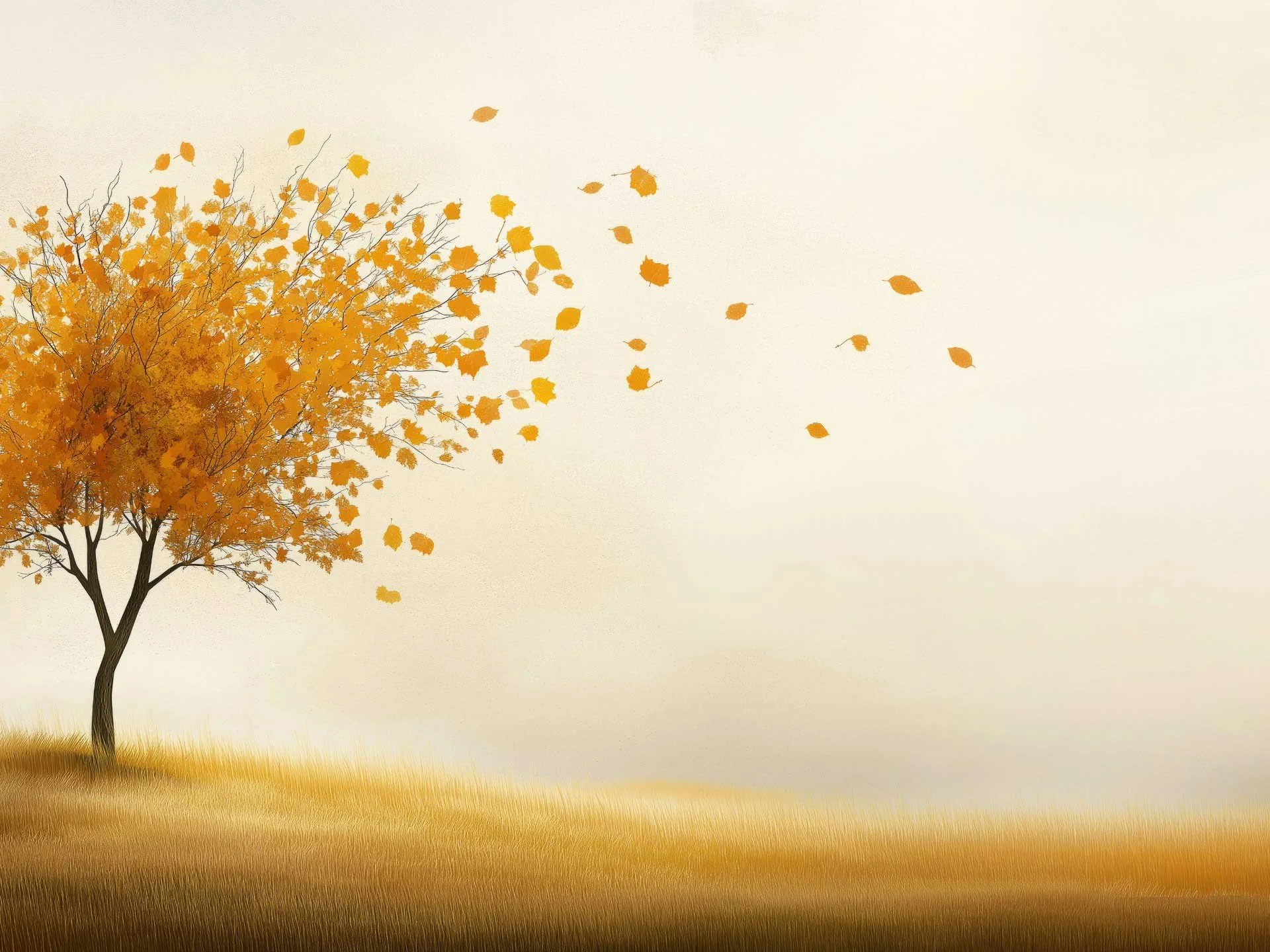
One of the most beautiful aspects of Autumn is how trees embrace the cycle of impermanence. Their leaves do not cling to the branches indefinitely, nor do they resist the inevitable changes brought about by the seasons. Instead, they let go with grace, allowing themselves to be carried by the wind or fall gently to the ground, where they decompose and nourish the soil. The falling leaves can also remind us of the fleeting nature of life. Nothing lasts forever — seasons change, life circumstances shift, and we, too, are constantly evolving. In recognising the impermanence of all things, we are invited to appreciate the present moment more fully. This process should remind us that change is natural and inevitable. Often, we fear change because it disrupts the known, but Autumn shows us that letting go can be a beautiful thing. The vibrant colours of fall are a testament to the splendour that can accompany endings.
Lesson Two: Embracing Change and Transition
Autumn is a time of transition. The shedding of leaves is a visible reminder that change is not only inevitable but also beautiful. In our lives, we frequently resist transitions, whether it's the end of a relationship, a career shift, or a personal transformation. Trees, however, do not resist the natural flow of life; they transition with grace. They undergo cycles of growth, dormancy, and renewal. Every Autumn, the trees shed their leaves, only to burst forth again in the Spring. This cyclic nature of life reminds us that endings are not permanent; they are part of a larger rhythm, and that here is always potential for renewal after loss. Autumnal changes can teach us to embrace these cycles with patience and acceptance, understanding that change, even when difficult, is essential for new growth. When we experience personal or professional setbacks, we might feel that the end of one chapter is final. But just as the tree knows that Spring will come again, we can remind ourselves that after periods of loss or transition, new opportunities and beginnings will emerge. The temporary dormancy in our lives can serve as a time of reflection, healing, and inner preparation for what’s to come. We learn that when we accept change as part of the cycle of life, we can embrace it as an opportunity for beauty, growth, and renewal. Letting go of the need for permanence allows us to move forward with greater ease and resilience.

Trust in the Cycles of Life
One of the most powerful lessons we can learn from trees is to trust in the cyclical nature of life. After shedding their leaves in Autumn, trees enter a period of dormancy during Winter. Though they appear barren, beneath the surface, they are conserving energy and preparing to burst forth with new life in Spring. This reminds us that letting go is not an end but part of a larger cycle. Even when it feels like we are losing something, the act of releasing often sets the stage for something new to emerge. We can trust that the seasons of our own lives will bring renewal after periods of loss or stillness.
Lesson Three: Trusting the Process of Renewal
Just as trees trust that Spring will come, we too must trust that after times of letting go, we will experience renewal. This is especially important during difficult moments when it feels like we are losing something precious. Whether we are releasing an old identity, a relationship, or a dream that no longer aligns with who we are, letting go can be a leap of faith. But if we trust the natural rhythms of life, we can find peace in knowing that new growth is always on the horizon.
In our own lives, we can cultivate this same sense of trust. When we let go of something — a job, a relationship, an old way of thinking — it can feel like a loss. But if we trust in the cycles of life, we can have faith that new growth will follow. Letting go is not the end; it is simply a part of the journey. By trusting in the process, we can move through life with more ease and confidence, knowing that every ending brings a new beginning.
The Balance of Holding On and Letting Go
Trees do not forcefully hold onto their leaves; they release them gracefully. As temperatures drop and days shorten, chemical changes in the tree trigger the shedding process, causing the leaves to detach effortlessly. The tree accepts this process without clinging to the past season. This graceful acceptance is a valuable lesson for us as well. Often, when we face changes in life, we resist, clinging to old habits or identities, fearing the unknown. However, when we learn to let go with grace, we experience greater peace and comfort. It is also important to note that trees do not indiscriminately shed everything. They hold on to their core — their roots and trunk — while letting go of the parts that are no longer necessary for their survival. This balance of holding on and letting go is a delicate dance, and it mirrors the balance we must strike in our own lives. We do not need to release everything when we let go. Instead, we must discern what is essential to our wellbeing and what we can release to lighten our load.
Lesson Four: Discernment in Letting Go
Letting go is therefore not about giving up; it is about making conscious choices about what to release and what to hold onto. By reflecting on what truly serves us, we can let go of what is draining or holding us back while maintaining our core values, relationships, and goals. This process requires introspection and self-awareness, and understanding that acceptance doesn’t mean giving up — it means acknowledging that certain things are out of our control and embracing the changes as they come. By resisting less and accepting more, we create space for new growth and possibilities. Letting go with grace can apply to emotional baggage, grudges, or regrets that weigh us down. The more we release, the lighter we become and this balance allows us to move forward with clarity and strength.
In our own lives, we often also try to control outcomes, people, or situations. We hold tightly to expectations, fearing that letting go will lead to loss or failure. However, like the trees, we must learn to trust in the flow of life. Letting go is not about giving up; it is about releasing the need for control and trusting that life will unfold as it should. By loosening our grip, we open ourselves to new possibilities and allow life to surprise us.

The Role of Patience and Timing
Lastly, trees teach us that letting go is not rushed. The shedding of leaves occurs gradually, at the right time, and under the right conditions. Trees do not force the process; they allow it to unfold naturally. This reminds us that letting go is a process that requires patience. In our fast-paced modern world, we often feel pressured to ‘move on’ quickly. However, true letting go takes time. It is a process of detachment, reflection, and emotional release. Trees show us that there is wisdom in allowing this process to unfold at its own pace.
Lesson Five: Patience in the Process of Letting Go
We cannot force ourselves to let go before we are ready. Just as trees release their leaves when the time is right, we too must be patient with ourselves. The process of letting go is gradual, and it requires time, introspection, and self-compassion. By adapting to our own timing, we can release with greater ease and grace.
Resilience Through Adaptation
Autumn also teaches us about resilience. As trees shed their leaves, they prepare themselves for the harsh Winter ahead. Without the leaves, trees lose less water and are better equipped to endure the cold. In our own lives, letting go often leads to greater resilience. By learning to adapt to new circumstances — whether they are expected or come as a surprise — we become stronger and more capable of handling future challenges.
Lesson Six: Embracing Change
We learn resilience not by avoiding change but by embracing it. The tree, having shed its leaves, stands bare but unbroken through the Winter, rooted deeply in the Earth. This reminds us that our core remains strong even when we shed layers of our identity or let go of external achievements. Our strength comes from within, from our roots — our values, beliefs, and sense of self.
Transformation is Beautiful
While the shedding of leaves signifies loss, the transformation itself is breathtaking. The vibrant colours of Autumn remind us that change, while inevitable, can also be beautiful. Letting go does not have to be painful or grim; it can be a time of reflection and celebration of what was, as well as anticipation for what’s to come.
Lesson Seven: Recognising The Beauty of Change
Often, we associate letting go with loss or failure, but trees show us that it can be a positive and even joyous experience. Letting go creates space for new beginnings. It frees us from the weight of what we no longer need, making room for growth, creativity, and new opportunities. In this sense, letting go is not something to fear but something to embrace. By embracing the beauty in change, we can shift our perspective on letting go. Rather than focusing on what we are losing, we can appreciate the transformation that occurs within us. The vibrancy of Autumn leaves is fleeting, but it reminds us to find beauty in the transient moments of life, to savour the present even as we move toward the future.
Final Thoughts - Letting Go Is A Gift
The trees in Autumn show us that letting go is not about loss but about preparation, transformation, and trust. It is an essential part of life’s cycles, one that makes room for new growth, strengthens resilience, and deepens our connection to the rhythms of nature. As we watch the leaves fall, we are reminded that letting go is not an end but a beginning — a clearing of space for the next beautiful phase of life.
So, as you watch the trees shed their leaves this Autumn, take a moment to reflect on what you, too, might need to let go of. Embrace the change, trust the process, and remember that letting go is an integral part of your journey toward growth and renewal.

Find guidance, resilience, and wellbeing through the wisdom of nature.
This practical 64-page workbook combines nature connection activities, mindfulness practices, and reflective exercises to help you improve your mental and emotional wellbeing. Discover how the lessons found in trees, seasons, landscapes, and natural processes can support personal growth, resilience, and positive change. Includes access to more than 30 additional nature connection activities, articles, and downloadable resources.
Nature has been guiding and supporting human wellbeing for countless generations. This workbook is an invitation to step outside, slow down, and rediscover the wisdom that has been waiting for you all along.
Nature as a Guide: A Pathway to Mental and Emotional Health and Wellbeing
In a world that often encourages us to move faster, achieve more, and spend less time outdoors, nature offers a different invitation. It invites us to slow down, notice, reflect, and reconnect with what truly matters.
Nature as a Guide is a practical and inspiring workbook designed to support your mental and emotional wellbeing through nature connection, mindfulness, and gentle self-reflection. Drawing upon the wisdom found in woodlands, landscapes, seasons, and natural processes, this workbook encourages you to discover how the natural world can become a trusted companion on your journey towards greater resilience, balance, and wellbeing.
Across its pages, you will find thought-provoking exercises, reflective questions, and nature-based activities that help you explore where you are in life, where you would like to be, and how nature's patterns and metaphors can illuminate the way forward. From learning resilience through the changing seasons to finding inspiration in the quiet strength of trees, the workbook helps translate nature's lessons into meaningful insights for everyday life.
Whether you are experiencing stress, navigating change, seeking greater self-understanding, or simply longing to deepen your relationship with the natural world, this workbook offers practical tools and gentle guidance to support your journey.
As an added resource, the book includes access to more than 30 additional nature connection activities, articles, and downloadable materials, enabling you to continue exploring and developing your own relationship with nature long after you have completed the workbook.
Our latest workbook - ‘Nature As A Guide - A Pathway to Mental and Emotional Health and Wellbeing’ has a worksheet on ‘Letting Go’ that you can download here.
If you have enjoyed this article and would like to support what we do by donating £2 or more to buy saplings to plant, please follow the link below:



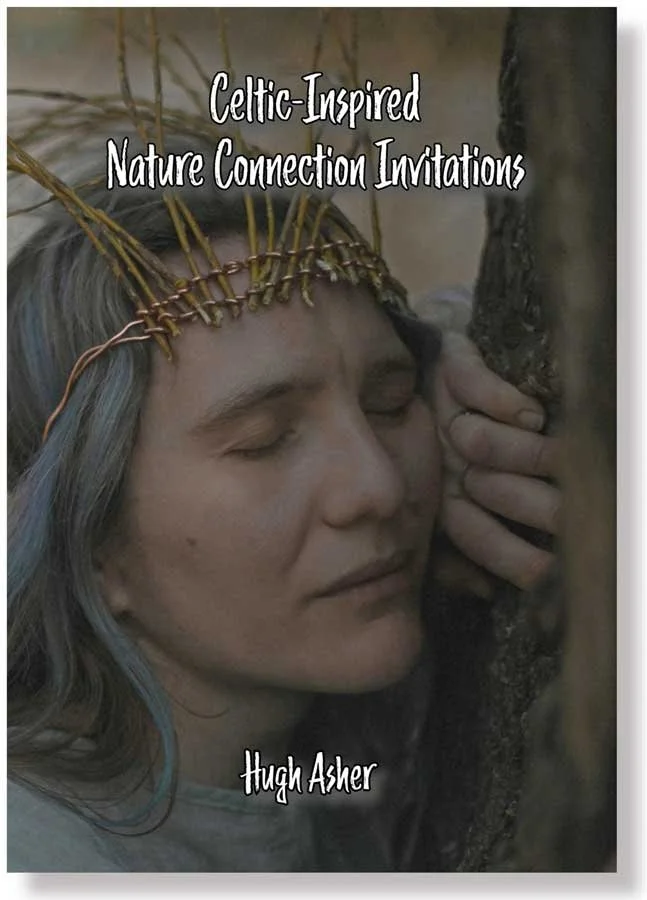


























A small collection designed to gently open the door into deeper relationship with the natural world.
This complete set of four Forest Healing booklets brings together practical guidance, reflective ideas, and simple nature connection practices that can be used anywhere — from ancient woodland to a nearby park, garden, or even a single Sit Spot outdoors.
Written to be accessible, grounding, and easy to follow, these booklets offer a pathway into the core practices of Forest Bathing (Shinrin-yoku), Silvotherapy, and everyday nature connection. Rather than asking you to achieve anything, they simply invite you to slow down, notice more deeply, and allow nature to become an active presence in your wellbeing.
Across the four booklets you will explore:
• What Forest Bathing, Silvotherapy, and Nature Connection actually are
• The key benefits of spending mindful time in natural environments
• The practice of the “Sit Spot” and how to develop your own relationship with a chosen place
• Simple, practical Forest Bathing invitations you can try alone or with others
• Ways to bring nature connection into everyday life, even in small moments
Together, they form a gentle introduction to practices that have been shown to support reduced stress, improved mood, greater clarity of thought, and a deeper sense of belonging within the natural world.
These are not academic texts or rigid instruction manuals. They are invitations — encouraging you to step outside, slow your pace, and rediscover the quiet intelligence of trees, weather, and landscape.
Whether you are completely new to nature connection or looking to deepen an existing practice, this collection offers a simple, supportive starting point for building a more intentional and restorative relationship with the living world around you.
A small set of booklets that can change the way you experience even the most familiar patch of nature.
Buy all Four Forest Bathing and Nature-Connection Booklets for £11.00 including FREE P&P within the UK.
Postage to the Rest of the World is £4.