

What Forest Bathing and Psychedelic Therapy Can Teach Us About Awe, Wonder, Connection, and Healing
Exploring the surprising parallels between Forest Bathing, psychedelic therapy, flow states, spirituality, and the transformative power of guided experience.
Saturday 13th June 2026
This is an article that has been bouncing around in my head for about 5 years now, ever since I trained as a Forest Bathing guide. Twenty years ago I completed a Masters Degree in Substance Use (honestly!) and my dissertation was on ‘The Religious Significance of Entheogenic Substances’ - in other words, and exploration of the value given to spiritual or mystical experiences that involve hallucinogenic or ‘psychedelic’ substances. During my Forest Bathing Guide training I saw that there were a number of parallels between this topic, and the practice of nature connection. I have finally sat down and tried to expand on these!
Introduction: Different Doorways, Similar Landscapes
In recent years there has been growing interest in two seemingly very different approaches to wellbeing and healing. One is ancient in spirit yet modern in practice: Forest Bathing, or Shinrin-yoku, the practice of immersing yourself in the atmosphere of the forest. The other is the re-emergence of psychedelic-assisted therapy, where substances such as psilocybin (the active ingredient in ‘Magic Mushrooms’) are being carefully researched for their potential therapeutic benefits within controlled clinical settings.
At first glance these approaches appear to have little in common. One asks us to walk slowly beneath trees, paying attention to birdsong, dappled sunlight, and the scent of moss. The other unfolds in carefully supervised therapeutic environments and may involve profound alterations in perception and consciousness. Yet when we listen carefully to the stories of those who have experienced both, intriguing similarities begin to emerge. In reference to both practices, people often speak of feeling deeply connected to something larger than themselves. They describe a heightened sense of presence, wonder, and meaning. They report a loosening of habitual patterns of thought and an increased capacity to see themselves and the world differently. Words such as awe, flow, spirituality, mystery, and transformation frequently appear.
This raises an interesting question. Might Forest Bathing and psychedelic therapy, despite their obvious differences, sometimes lead people towards similar inner landscapes?
The answer is not straightforward. Forest Bathing is not a substitute for psychedelic therapy, nor should psychedelic experiences be romanticised or regarded as universally beneficial. Nevertheless, exploring the parallels between them can teach us something profound about human consciousness, healing, and our relationship with the natural world. Perhaps most importantly, it may reveal that some of the states of mind people seek through extraordinary means can also be found, quietly and gently, among the trees.
The Importance of the Guide
One of the strongest parallels between Forest Bathing and psychedelic therapy is the role of guidance. Modern culture often celebrates individual exploration and self-discovery. Yet many traditions throughout history have recognised the value of travelling with an experienced companion when entering unfamiliar territory. In psychedelic-assisted therapy, preparation and support are considered essential. Participants are carefully guided before, during, and after the experience. The guide or therapist helps establish safety, provides reassurance when difficulties arise, and supports the process of integrating insights into daily life. A skilled Forest Bathing guide fulfils a remarkably similar function. The guide is not there to teach participants what to think or feel. Rather, they create conditions in which meaningful experiences become more likely. Through carefully crafted invitations, participants are encouraged to slow down, awaken their senses, and cultivate curiosity about the more-than-human world around them.
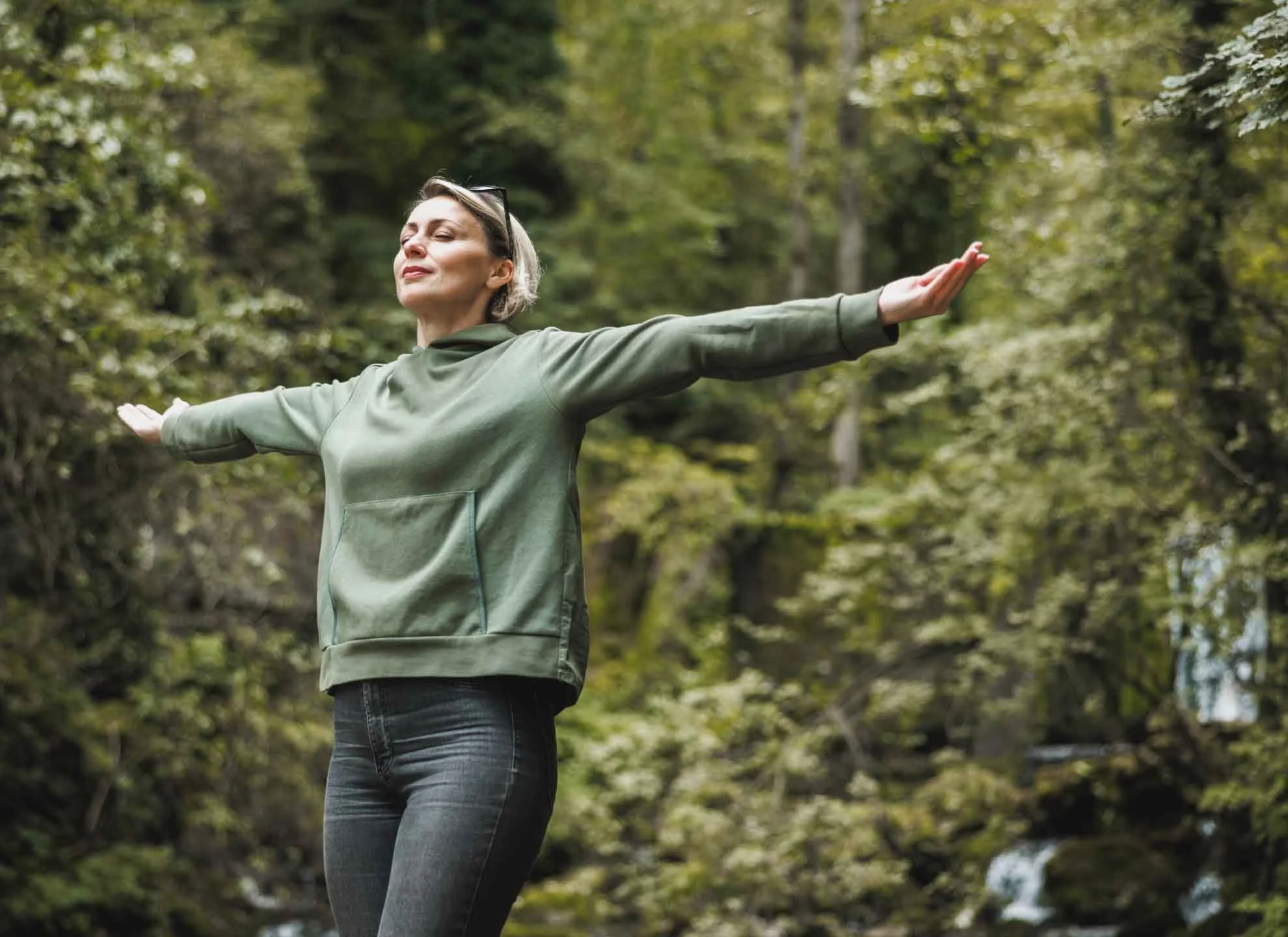
In both Forest Bathing and psychedelic therapy, guidance creates a container or ‘holds the space’ — the act of being fully present with someone else, without judgment or distraction, so that the person can share their experiences and perspective. Within that space people need to be supported to feel safe enough to become vulnerable, attentive, and open to experience. The guide does not create the transformation, rather, they help create the conditions in which transformation can emerge naturally. Many people arrive carrying a lot of mental baggage. Their attention is scattered across worries, plans, responsibilities, and unfinished conversations. The guide acts as a bridge between everyday consciousness and a more receptive mode of being.
My personal experience is that guided activities can bring a level of emotional release that is not easily achieved in self-guided activities. I think that the thinking and planning that is needed to curate your own nature connection experience can interfere with maximising the positive effects that it can have. Whereas when another person is doing the thinking and you just need to do the connecting with nature, the effects can be that much more profound. I find that the depth of immersion in nature and my environment that I experience differs for me between guiding myself and handing over reins to another competent nature connection guide. Trained guides and facilitators can also design guided nature connection activities to address specific emotional or psychological challenges which you may not have the experience and expertise to create yourself, or may not have the confidence and motivation to even try.
Beyond Thinking: The Gift of Direct Experience
Modern life encourages us to live predominantly ‘in our heads’. We analyse, evaluate, compare, categorise, and judge. Much of this is useful. Yet many people find themselves increasingly disconnected from their bodies, emotions, senses, and surroundings. Both Forest Bathing and psychedelic experiences invite a temporary shift away from conceptual thinking and towards direct experience.
The forest does this gently.
Participants may spend several minutes observing the play of light through leaves or feeling the texture of bark beneath their fingertips. Such simple acts redirect attention from abstract thought to immediate sensory awareness. Over time, the chatter of the mind often begins to soften. Thoughts do not disappear, but they cease to dominate.
A similar phenomenon is often reported during psychedelic experiences. People describe stepping outside habitual patterns of thinking and encountering reality in a more immediate and vivid way. Familiar assumptions may temporarily loosen, allowing new perspectives to emerge.
What is fascinating is that both pathways appear to involve a reduction in the dominance of our ordinary narrative self — the ongoing story we tell about who we are and how the world works. When that story becomes less central, something else becomes possible.
We begin to encounter life more directly.
Entering the Flow State
Many Forest Bathing participants report a curious shift in their relationship with time. Minutes feel longer. Moments become richer. The pressure to be somewhere else begins to dissolve. Psychologists describe a similar phenomenon through the concept of flow. Flow occurs when attention becomes fully absorbed in the present moment. Self-consciousness diminishes, action and awareness merge, and time may appear to slow down or speed up. Although flow is often associated with sport, music, art, or craftsmanship, natural environments appear particularly supportive of flow-like experiences.
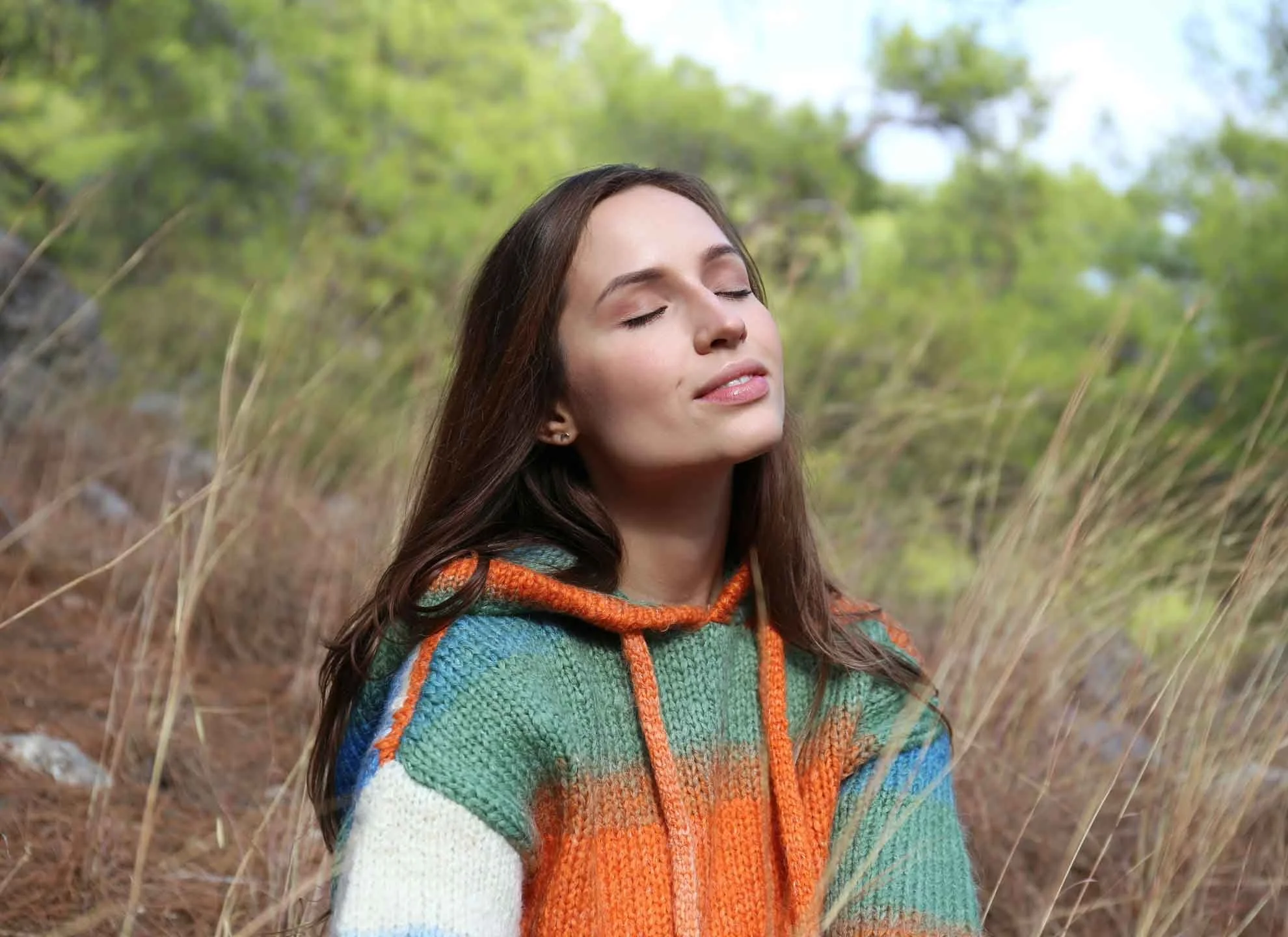
The forest provides a balance of fascination and ease in which there is enough complexity to hold our attention, yet not so much stimulation that we become overwhelmed. The rustling of leaves, shifting patterns of light, birdsong, moving clouds, and changing weather continually invite attention without demanding it. Forest bathing creates ideal conditions for what might be called soft flow — a state of effortless immersion in the living world. Psychedelic experiences can also involve intense states of absorption. Participants frequently describe becoming completely immersed in visual imagery, emotional processes, memories, or encounters with nature.
In both cases there is often a temporary reduction in self-conscious monitoring and an increased sense of being fully present. The experience feels less like controlling life and more like participating in it.
Awe — Nature's Gateway to Transformation
Perhaps no word better captures the overlap between Forest Bathing and psychedelic experiences than awe. Awe arises when we encounter something so vast, beautiful, complex, or mysterious that it challenges our usual ways of understanding the world. Standing beneath ancient trees. Watching mist drift through a woodland valley. Observing a star-filled sky. Listening to waves breaking on a remote shoreline.
Such experiences can leave us speechless.
Researchers have increasingly recognised awe as an important component of psychological wellbeing. Experiences of awe are associated with increased life satisfaction, reduced stress, enhanced social connection, and greater feelings of meaning. One reason awe is so powerful is that it shrinks the self. Not in a negative sense, but in a liberating one. Our personal worries, ambitions, and anxieties suddenly appear within a much larger context.
The forest excels at evoking this response. A mature woodland is both intimate and immense. We can focus on the intricate veins of a single leaf while simultaneously sensing participation in a vast ecological community that stretches across centuries.
Psychedelic experiences often evoke awe in a more dramatic manner, yet the underlying movement may be similar. In both cases people report feeling connected to something larger than themselves. The experience may be interpreted psychologically, ecologically, spiritually, or philosophically, what matters is the shift in perspective.
The world becomes larger.
The self becomes less central.
Connection deepens.
Spirituality Without Dogma
Many people who participate in Forest Bathing describe the experience as spiritual, yet they often struggle to explain exactly what they mean (see the next section for more details!). For some, spirituality involves a sense of sacredness. For others it refers to feelings of interconnectedness, belonging, gratitude, wonder, or reverence. Importantly, these experiences frequently arise without reference to any particular religious tradition.
The forest has long been regarded as a place of spiritual encounter. Across cultures and throughout history, woodlands have served as sites of pilgrimage, contemplation, ritual, and revelation. Perhaps this should not surprise us – When we spend time in nature, we encounter realities that transcend human concerns. Trees live longer than we do. Ecosystems operate according to rhythms far older than civilisation. Seasonal cycles remind us that growth, decay, death, and renewal are inseparable aspects of life.
Psychedelic research has also highlighted the importance of spiritual and mystical experiences. Participants often report feelings of unity, transcendence, sacredness, and profound meaning. Some describe encounters that rank among the most significant experiences of their lives.
Forest Bathing generally evokes these qualities more subtly. The forest whispers rather than shouts. Its teachings arrive through birdsong, silence, shifting light, and patient observation.
Yet the destination may sometimes be surprisingly similar — a greater sense of belonging within the wider web of life.
The Mystery of Ineffability
William James, one of the pioneers of modern psychology, identified ineffability as a hallmark of mystical experience. Ineffability simply means that an experience is difficult to describe in words. Having participated in and guided many nature connection sessions I can certainly recognise this phenomenon. People often emerge from the forest saying things like:
"I don't really know how to explain it."
"It wasn't anything dramatic, but something changed."
"I feel different somehow."
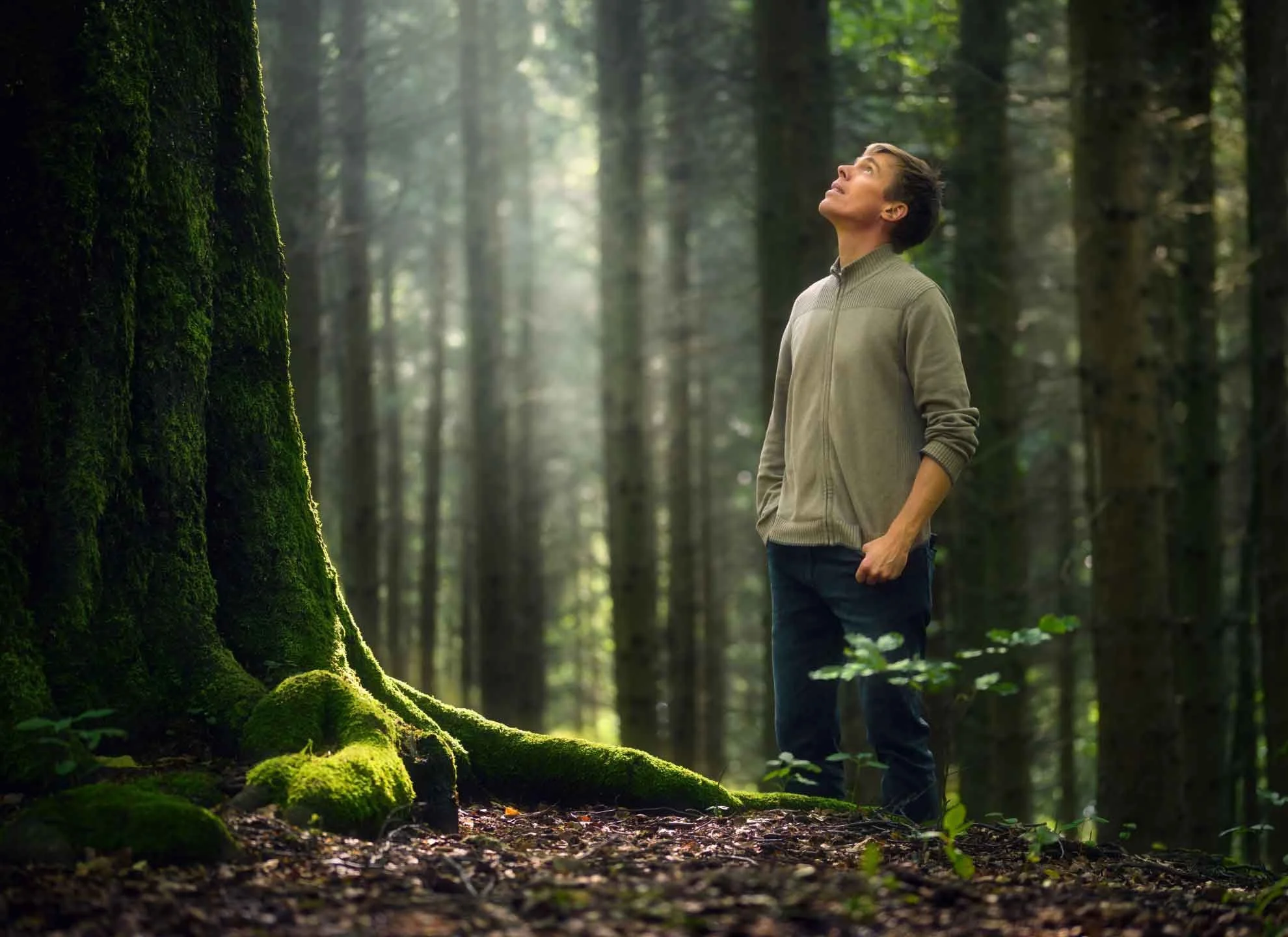
Finding the language to describe it can be difficult because the experience is not primarily conceptual. It is embodied, felt, and lived.
The same challenge frequently appears in accounts of psychedelic experiences. Participants report encountering states of consciousness that seem larger than language itself. This does not mean the experiences are supernatural, rather, it reflects a simple truth: not everything important can be fully captured through words.
Some forms of understanding arise through direct participation — The scent of pine needles after rain; the feeling of sunlight warming your face, the sense of stillness beneath ancient trees.
Such experiences can be described, but never completely transferred. They must be encountered.
Seeing the World Anew: Perceptual Shifts
One of the most obvious differences between Forest Bathing and psychedelic experiences involves perception.
Psychedelic substances can produce dramatic alterations in sensory experience. Colours may appear more vivid, patterns more intricate, and emotional significance more intense. Forest Bathing can sometimes produce similar experiences, as previously discussed. But rather than altering perception through chemistry, such practices alter perception through focus and attention.
The colours were always there.
The birds were always singing.
The fragrance of the forest floor was always present.
We simply were not noticing.
Forest bathing trains perception, and it helps us recover capacities that modern life often suppresses. Participants frequently report seeing familiar places with fresh eyes. The ordinary becomes extraordinary. Details once overlooked suddenly become sources of fascination and delight.
In this sense, Forest Bathing offers a kind of natural perceptual enhancement, not by changing reality, but by helping us encounter reality more fully.
Nature Connection and the Dissolving Self
Both Forest Bathing and psychedelic experiences often involve changes in how people experience themselves. Many participants describe a temporary reduction in the sense of separation between self and environment.
This does not mean losing one's identity.
Rather, it involves recognising that identity is more fluid and interconnected than we often assume. In the forest this can occur gradually. A person may begin by observing nature as something external.
A tree.
A bird.
A stream.
Over time the distinction between observer and observed can soften.
Breathing slows.
Attention widens.
The body relaxes into the landscape.
We no longer feel separate from nature but part of it.
This experience lies at the heart of nature connection. Research increasingly suggests that a stronger sense of connection with nature is associated with improved wellbeing, greater resilience, increased happiness, and more environmentally responsible behaviour. When we feel connected, we care. When we care, we protect.
The forest teaches this lesson quietly but persistently.
Psychedelics and Nature Connection
Researchers have become increasingly interested in the relationship between psychedelic experiences and nature connectedness. While much of the early research focused on mental health outcomes such as depression, anxiety, and addiction, a growing body of evidence suggests that psychedelic experiences can also influence how people relate to the natural world.
Studies have found that people who have had psychedelic experiences often report stronger feelings of connection with nature than those who have not. More significantly, longitudinal studies have shown that increases in nature connectedness can persist for months after a carefully supported psychedelic experience. Participants frequently describe feeling less separate from the living world and more aware of their place within wider ecological systems. Trees, animals, landscapes, and even weather patterns may come to be experienced not merely as background scenery but as meaningful participants in a shared web of life.
This finding is particularly intriguing because nature connectedness is itself associated with many of the outcomes that both Forest Bathing and psychedelic therapy seek to encourage. Research has linked a stronger connection with nature to improved psychological wellbeing, greater life satisfaction, increased resilience, reduced rumination, and more pro-environmental attitudes and behaviours. Some researchers have even suggested that enhanced nature connectedness may be one of the pathways through which psychedelic experiences exert part of their therapeutic effect.
As discussed in the previous section, one explanation is that both psychedelics and immersive experiences in nature can temporarily soften the psychological boundaries that separate "self" from "other". When this happens, individuals often report a greater sense of belonging within the wider community of life. This does not necessarily involve mystical beliefs or spiritual interpretations, although it may for some people. Rather, it reflects a shift from seeing oneself as isolated and independent towards experiencing oneself as embedded within a larger ecological whole.
For those familiar with the practice of Forest Bathing, these findings may sound surprisingly familiar. A guided Forest Bathing session often encourages participants to move beyond seeing the forest as a collection of objects and towards experiencing a relationship with the living landscape. The difference is that Forest Bathing cultivates this connection gradually through attention, sensory awareness, and repeated encounters with nature. Psychedelic experiences may sometimes produce a similar sense of interconnectedness more rapidly and intensely. Yet in both cases, the enduring value may lie not in the experience itself but in the lasting recognition that we are participants in nature rather than observers standing apart from it.
Integration: Bringing the Experience Home
One of the most important lessons emerging from psychedelic therapy is the importance of integration. An extraordinary experience, however meaningful, is not enough by itself. The real question is what happens afterwards.
How does the insight become embodied?
How does it influence relationships, choices, habits, and daily life?
Forest bathing offers the same challenge. A peaceful afternoon in the woods is valuable, yet its deeper significance emerges when the experience begins to shape the way we live.
Perhaps we become more attentive.
More grateful.
More patient.
More aware of our interdependence with the living world.
Perhaps we spend more time outdoors.
Perhaps we listen more deeply.
Perhaps we remember that we belong to something larger than our worries.
The Forest Bathing guide often plays an important role in this process. Sharing circles, reflective practices, and invitations for ongoing engagement help participants carry their experiences beyond the boundaries of the session. The goal is not escape. It is return to everyday life with renewed awareness.
The Forest as a Gentle Teacher
The renewed interest in psychedelic therapy reflects a growing recognition that altered states of consciousness may have therapeutic value when approached responsibly and supported appropriately.
At the same time, Forest Bathing reminds us that profound experiences do not always need to be dramatic. Transformation can arrive quietly. It can emerge through repeated encounters with beauty, wonder, and presence. The forest offers a slower and gentler path. A path available to almost everyone.
Through sensory awareness, awe, flow, contemplation, and connection, it invites us into states of mind that many people spend their lives seeking. Not by taking us away from reality, but by bringing us more deeply into it.
Final Thoughts — Different Paths, Shared Wisdom
Forest Bathing and psychedelic therapy are certainly not the same. One is a nature-based practice accessible to almost anyone, the other is a specialised therapeutic approach that belongs within carefully regulated clinical settings. Yet both point towards an important truth. Healing is not always about fixing what is wrong — sometimes it is about remembering what has been forgotten.
Remembering our capacity for wonder.
Remembering our connection with the living world.
Remembering that beneath the noise of modern life there remains a quieter, deeper awareness waiting to be rediscovered.
The forest has been offering this invitation for thousands of years. All we need to do is slow down enough to hear it.
If you have enjoyed this article and would like to support what we do by donating £2 or more to buy saplings to plant, please follow the link below:

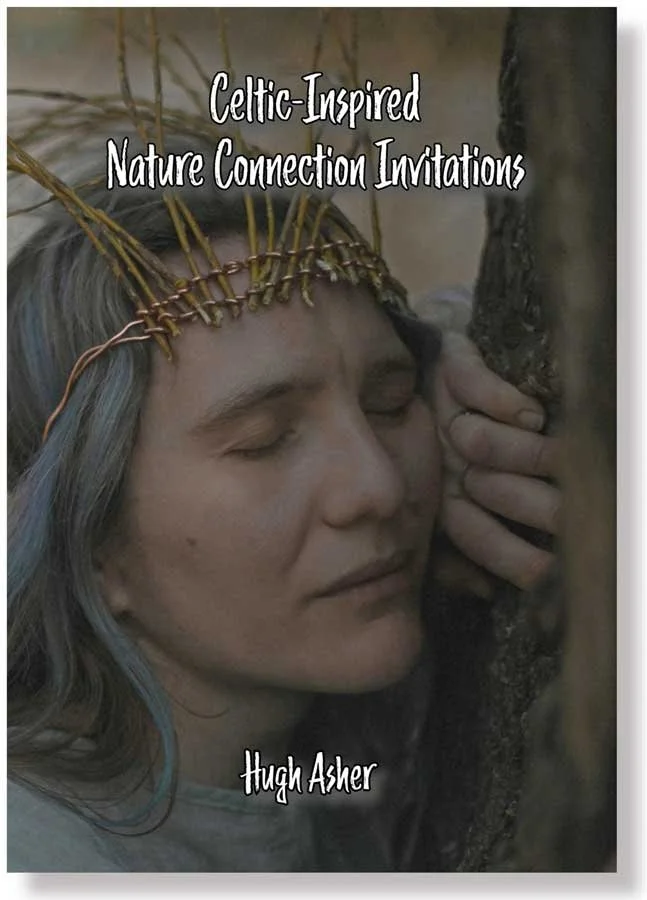










A small collection designed to gently open the door into deeper relationship with the natural world.
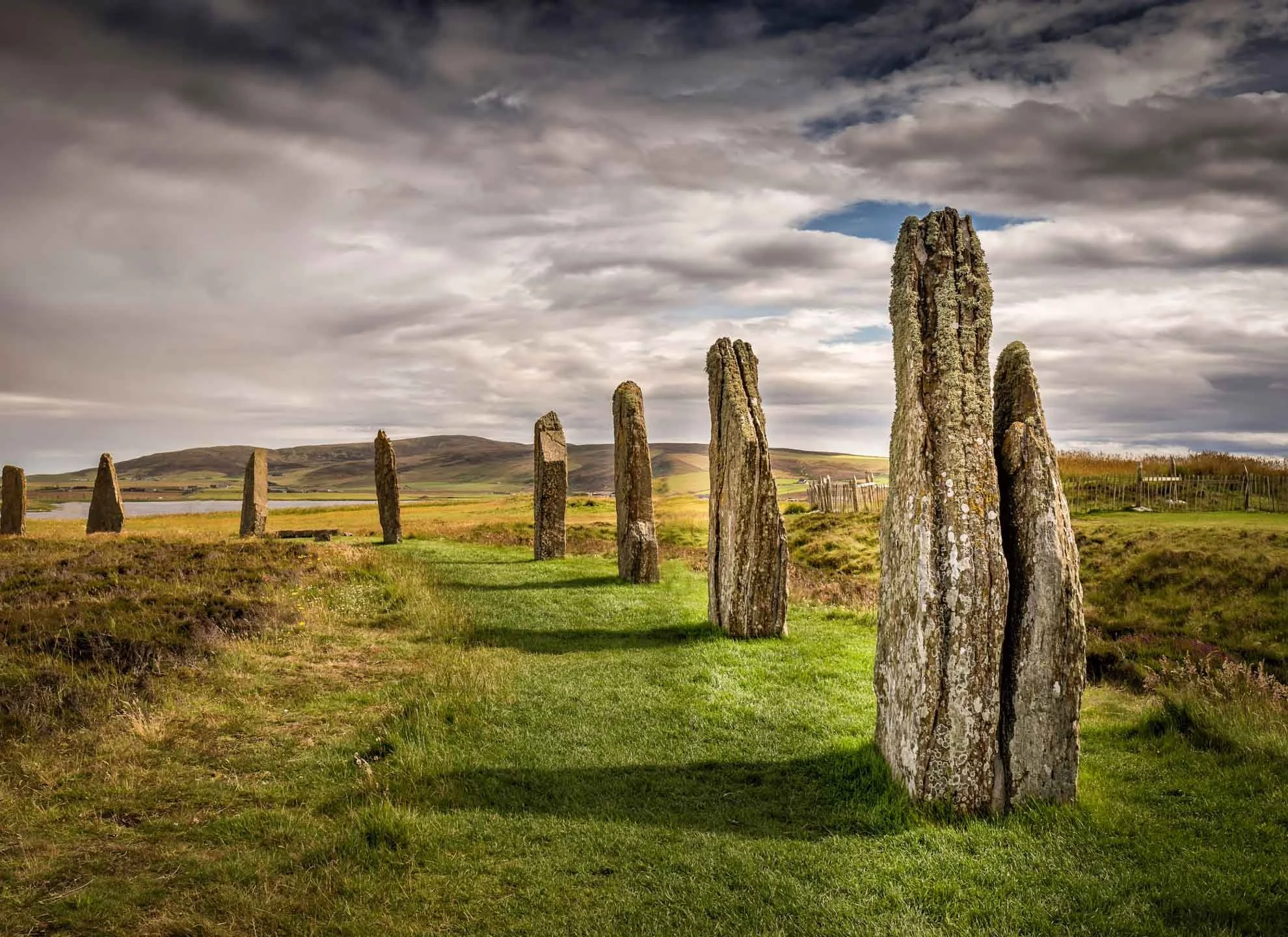
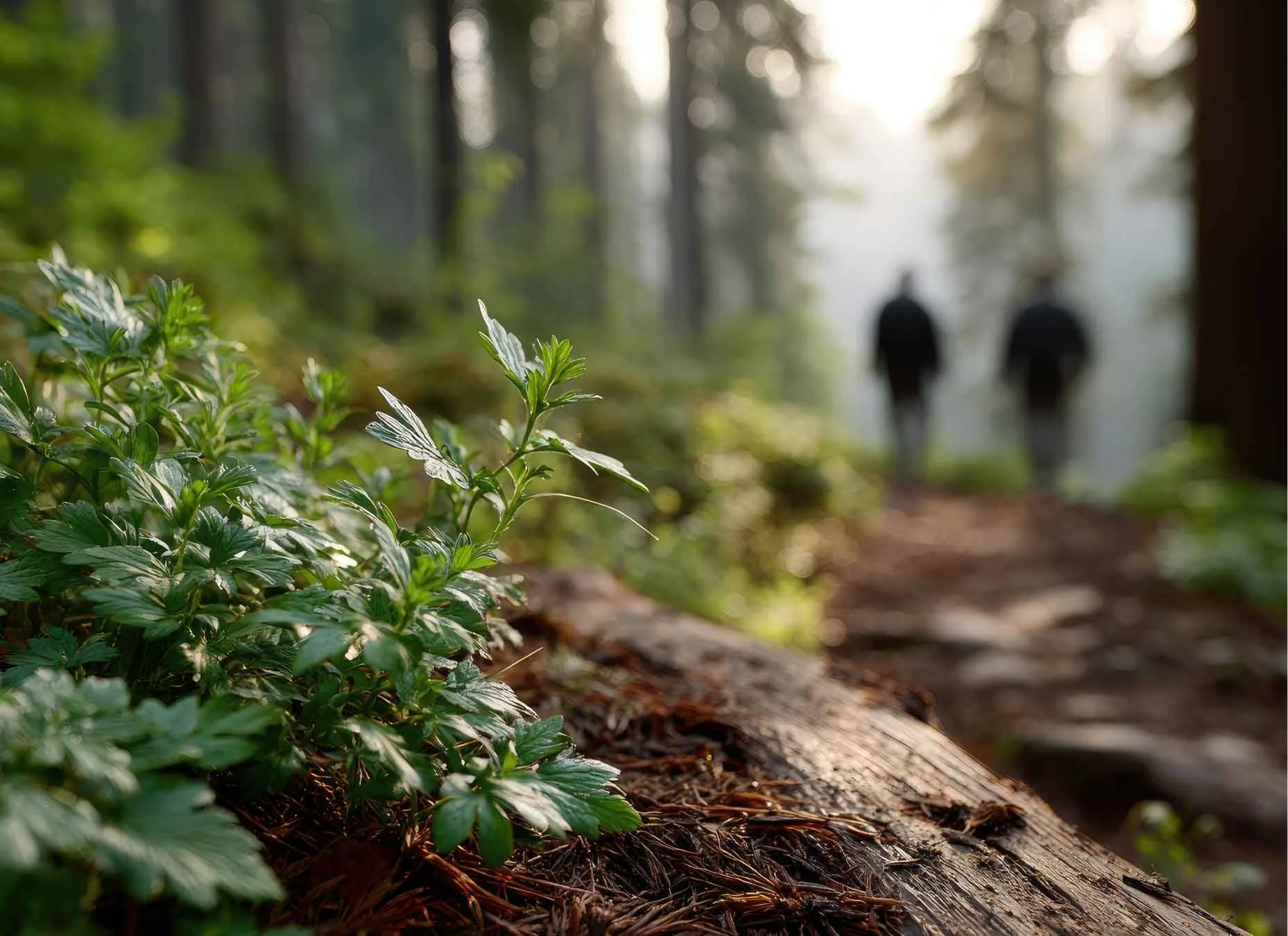
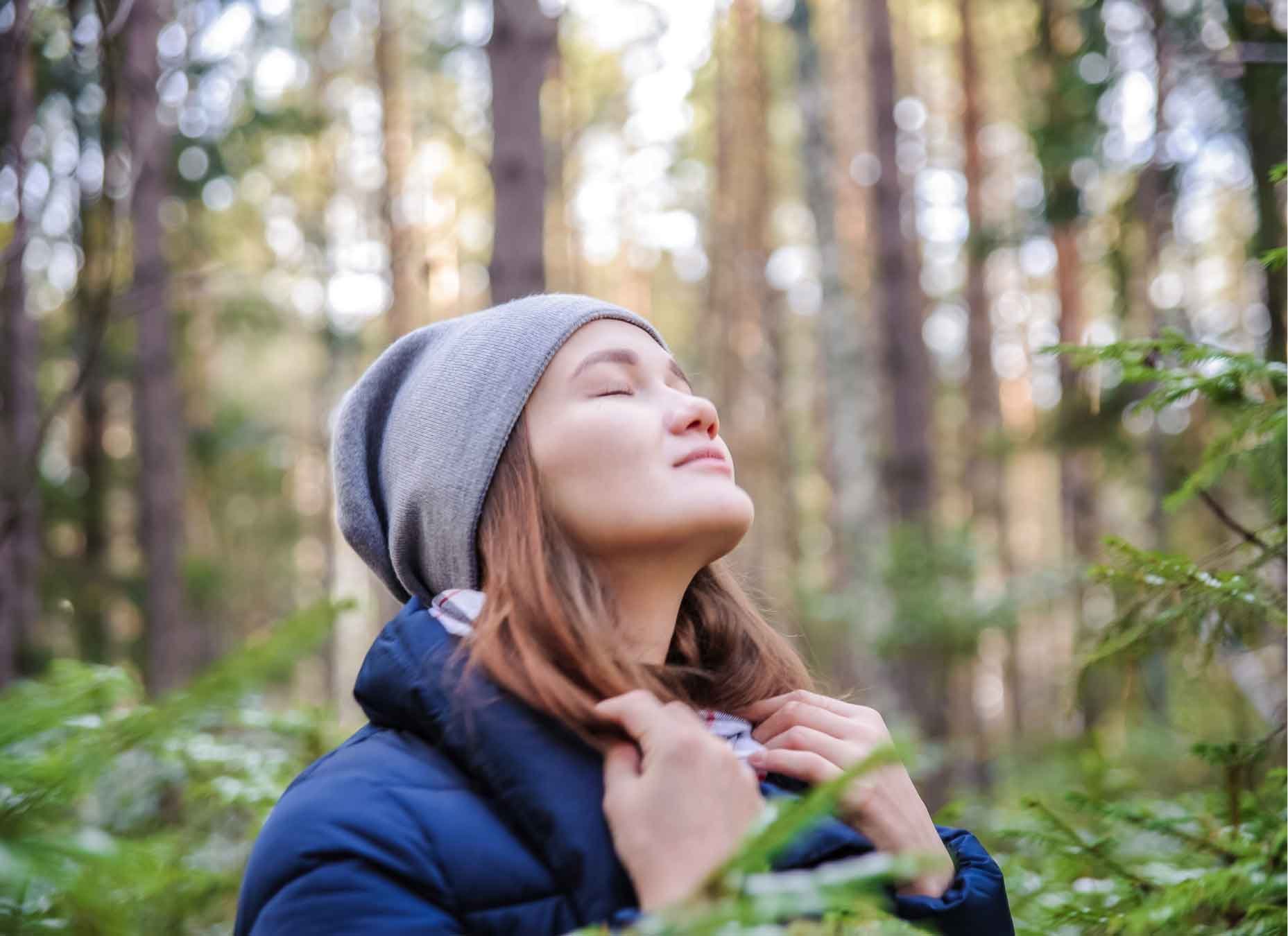
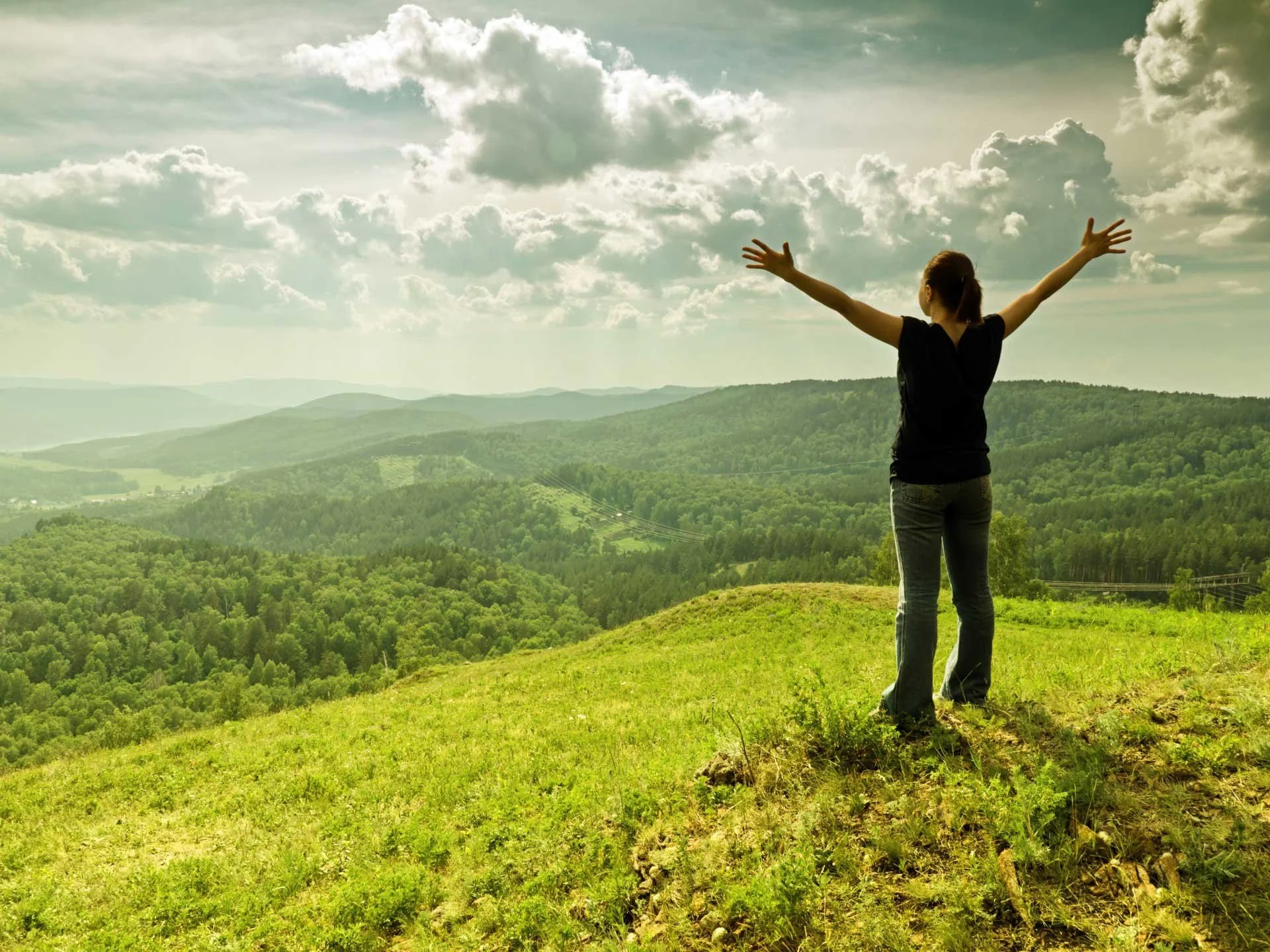
This complete set of four Forest Healing booklets brings together practical guidance, reflective ideas, and simple nature connection practices that can be used anywhere — from ancient woodland to a nearby park, garden, or even a single Sit Spot outdoors.
Written to be accessible, grounding, and easy to follow, these booklets offer a pathway into the core practices of Forest Bathing (Shinrin-yoku), Silvotherapy, and everyday nature connection. Rather than asking you to achieve anything, they simply invite you to slow down, notice more deeply, and allow nature to become an active presence in your wellbeing.
Across the four booklets you will explore:
• What Forest Bathing, Silvotherapy, and Nature Connection actually are
• The key benefits of spending mindful time in natural environments
• The practice of the “Sit Spot” and how to develop your own relationship with a chosen place
• Simple, practical Forest Bathing invitations you can try alone or with others
• Ways to bring nature connection into everyday life, even in small moments
Together, they form a gentle introduction to practices that have been shown to support reduced stress, improved mood, greater clarity of thought, and a deeper sense of belonging within the natural world.
These are not academic texts or rigid instruction manuals. They are invitations — encouraging you to step outside, slow your pace, and rediscover the quiet intelligence of trees, weather, and landscape.
Whether you are completely new to nature connection or looking to deepen an existing practice, this collection offers a simple, supportive starting point for building a more intentional and restorative relationship with the living world around you.
A small set of booklets that can change the way you experience even the most familiar patch of nature.
Buy all Four Forest Bathing and Nature-Connection Booklets for £11.00 including FREE P&P within the UK.
Postage to the Rest of the World is £4.