

Reducing Depression Through Forest Bathing and Nature Connection
Saturday 23rd May 2026
In recent years, growing numbers of people have begun turning toward the natural world not simply for recreation, but for restoration. Forest Bathing, Forest Therapy, Shinrin-yoku, and other nature connection practices are increasingly being recognised as powerful ways to support mental wellbeing — especially for those struggling with stress, emotional exhaustion, anxiety, and depression.
At Forest Healing, our work is rooted in the understanding that humans are not separate from nature, but part of it. When we slow down and reconnect with the living world through mindful time outdoors, something subtle but profound can begin to shift. The mind quietens. The nervous system settles. Breathing deepens. And for many people, feelings of heaviness, disconnection, and hopelessness begin to soften.
Modern research is increasingly supporting what many cultures have intuitively understood for centuries: meaningful contact with nature can play an important role in reducing the symptoms of depression.
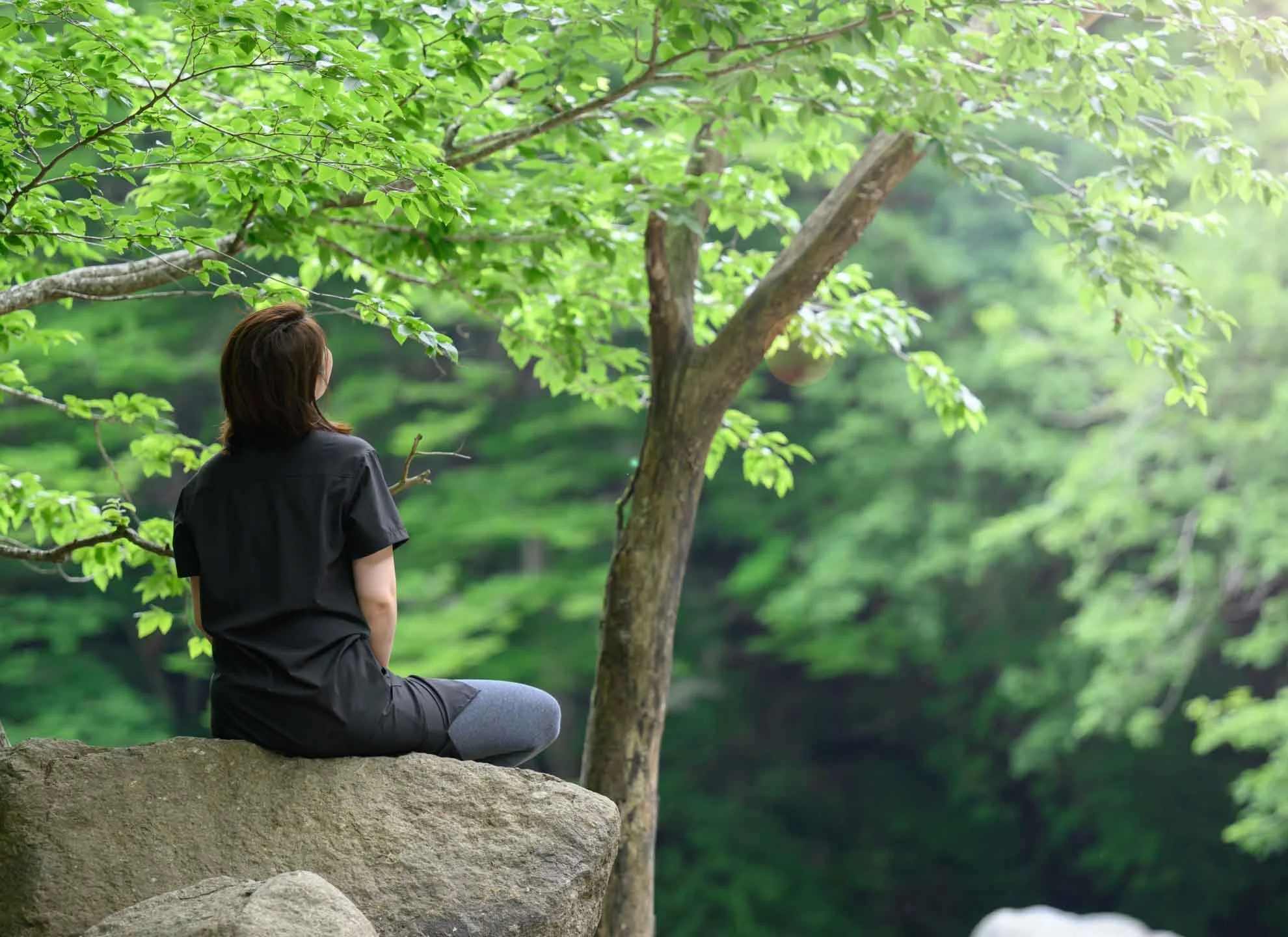
What Is Forest Bathing?
Forest Bathing — known in Japan as shinrin-yoku — does not involve exercise, hiking performance, or cold-water endurance. Instead, it is the practice of slowing down in a natural setting and consciously engaging the senses.
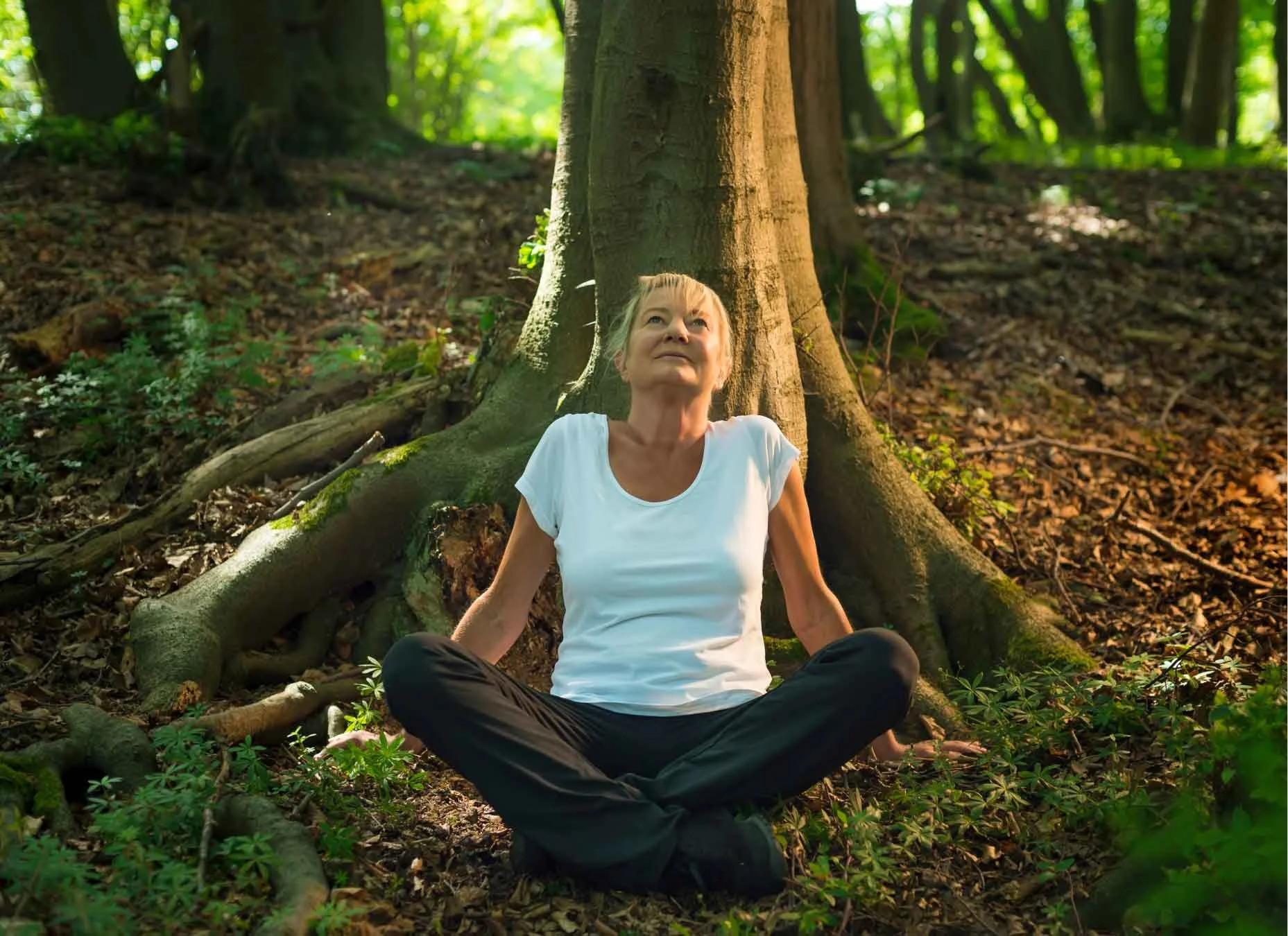
A Forest Bathing session may involve walking slowly beneath trees, listening to birdsong, noticing shifting light, feeling the textures of bark, breathing in the woodland scents, or sitting quietly in stillness. It often includes guided or self-guided ‘invitations’ designed to deepen sensory awareness and emotional connection with the natural world.
The aim is not to “achieve” anything, but to enter into a calmer and more receptive relationship with nature.

Other nature connection practices work in similar ways. These may include:
Nature mindfulness
Reflective walking
Wildlife observation
Seasonal awareness practices
Quiet contemplation in green spaces

A small collection designed to gently open the door into deeper relationship with the natural world.
This complete set of four Forest Healing booklets brings together practical guidance, reflective ideas, and simple nature connection practices that can be used anywhere — from ancient woodland to a nearby park, garden, or even a single Sit Spot outdoors.
Written to be accessible, grounding, and easy to follow, these booklets offer a pathway into the core practices of Forest Bathing (Shinrin-yoku), Silvotherapy, and everyday nature connection. Rather than asking you to achieve anything, they simply invite you to slow down, notice more deeply, and allow nature to become an active presence in your wellbeing.
Across the four booklets you will explore:
• What Forest Bathing, Silvotherapy, and Nature Connection actually are
• The key benefits of spending mindful time in natural environments
• The practice of the “Sit Spot” and how to develop your own relationship with a chosen place
• Simple, practical Forest Bathing invitations you can try alone or with others
• Ways to bring nature connection into everyday life, even in small moments
Together, they form a gentle introduction to practices that have been shown to support reduced stress, improved mood, greater clarity of thought, and a deeper sense of belonging within the natural world.
These are not academic texts or rigid instruction manuals. They are invitations — encouraging you to step outside, slow your pace, and rediscover the quiet intelligence of trees, weather, and landscape.
Whether you are completely new to nature connection or looking to deepen an existing practice, this collection offers a simple, supportive starting point for building a more intentional and restorative relationship with the living world around you.
A small set of booklets that can change the way you experience even the most familiar patch of nature.
Buy all Four Forest Bathing and Nature-Connection Booklets for £11.00 including FREE P&P within the UK.
Postage to the Rest of the World is £4.
Though the approaches differ, they share a common thread: they gently move attention away from constant mental activity and back toward embodied presence and relationship with the living world.
Depression and Disconnection
Depression is often described in terms of low mood, but many people experience it as something much broader than sadness alone. It can involve exhaustion, emotional numbness, poor sleep, loss of motivation, isolation, self-criticism, anxiety, and a painful sense of disconnection from life itself.
Many people living with depression also experience:
Persistent stress and nervous system dysregulation
Rumination and repetitive negative thinking
Feelings of worthlessness or hopelessness
Difficulty concentrating
Social withdrawal
Reduced enjoyment or meaning in life
Nature connection practices help because they work gently across many of these areas at once. Rather than forcing change through effort or willpower, they create conditions in which the body and mind can begin to regulate themselves more naturally.
What Does the Research Say?
The scientific evidence surrounding forest bathing and mental health has expanded dramatically over the past decade.
A large meta-analysis published in Urban Forestry & Urban Greening found that Forest Therapy interventions significantly reduced depressive symptoms compared with control conditions. Participants involved in Forest Therapy were substantially more likely to experience remission or major reductions in symptoms than those receiving standard care or participating in similar activities outside forest environments. The researchers concluded that forest therapy may offer a meaningful complementary approach for both the prevention and treatment of depression.
Another systematic review and meta-analysis examining Shinrin-yoku and mental health found that nature-based interventions consistently reduced symptoms of anxiety and psychological distress, while also improving emotional wellbeing and mood regulation.
More recently, a randomised controlled trial in South Korea examined the effects of an urban Forest Therapy programme on adults diagnosed with depression. Participants who took part in forest therapy showed:
Reduced depressive symptoms
Improved sleep quality
Reduced somatic symptoms
Improved overall psychological wellbeing
Importantly, this study took place in an urban forest setting rather than remote wilderness, suggesting that meaningful benefits can arise even in relatively accessible green spaces. Taken together, the evidence increasingly suggests that spending intentional, mindful time in nature can play an important supportive role in mental health care.
How Nature Helps the Depressed Mind
One of the most important ways nature appears to help depression is through nervous system regulation. Modern life keeps many people in a chronic state of low-level stress activation. Constant noise, screens, social pressures, overwork, information overload, and urban environments can leave the nervous system in a prolonged “fight or flight” state.
Depression is often closely tied to this exhaustion.
Forest environments appear to encourage activation of the parasympathetic nervous system — the body’s “rest and digest” mode. Research has shown that spending time in forests can lower cortisol levels, reduce heart rate, and support physiological relaxation.
Many people notice this intuitively during forest bathing:
Breathing slows
Muscles soften
Thoughts become quieter
Mental tension eases
Time feels less pressured
This shift matters because healing becomes more possible when the body no longer feels constantly under threat.
Forests and the Reduction of Rumination
Depression is often maintained by repetitive negative thinking: the same worries, self-criticism, regrets, and hopeless forecasts cycling over and over without resolution, but Forest Bathing appears to interrupt this loop. A 2024 systematic review on self-criticism, self-compassion and self-protection found that Forest Bathing is associated with reductions in negative repetitive thinking about the self, including rumination, and with increases in self-compassion, introspection, mindfulness, wellbeing, and reduced negative affect. That is highly relevant to depression, because self-criticism and rumination are two of its most stubborn features. A practice that makes these thoughts less sticky and this inner voice less harsh can be deeply valuable.
Nature appears to interrupt this cycle in several ways.
Firstly, forests gently draw attention outward through sensory experience. The mind becomes occupied not with abstract mental narratives but with immediate embodied awareness:
Birdsong
Wind moving through leaves
Patterns of light
The scent of soil and rain
The texture of moss or bark

This sensory grounding can reduce the mental “stickiness” of depressive thinking.
Secondly, natural environments tend to place fewer cognitive demands on attention than urban environments. Researchers sometimes refer to this as Attention Restoration Theory. In simple terms, nature allows tired mental systems to recover because attention is engaged softly rather than aggressively.
Instead of constant stimulation and vigilance, the mind is offered spaciousness.
Several recent studies have also linked forest bathing with increased self-compassion and reduced self-criticism — both highly relevant in depression, where the inner voice can become relentlessly harsh.
The Importance of Slowness and Silence
One of the overlooked aspects of forest bathing is the role of silence.
Depression is often accompanied by inner noise: racing thoughts, anxiety, emotional overwhelm, and constant mental commentary. Yet modern culture rarely provides genuine quiet.
Forests do.
Woodlands offer a different sensory atmosphere from urban environments. Sounds are softer, more layered, and less intrusive. Light shifts gradually. Attention widens.
In silence, many people begin to notice something important: beneath the constant activity of thought, there is stillness.
This stillness is not empty. It can feel grounding, spacious, and deeply regulating.
Forest Bathing Guides intentionally build pauses and periods of quiet into sessions because silence allows deeper emotional processing and nervous system settling to emerge naturally.
Nature Connection and Meaning
Depression often shrinks life. The world can begin to feel flat, mechanical, isolated, and emotionally distant. People frequently describe losing a sense of meaning or belonging.
Nature connection practices may help restore this.
When people spend mindful time outdoors, they often begin noticing cycles, relationships, beauty, interdependence, and continuity again:
Seasonal change
Growth and decay
Bird migrations
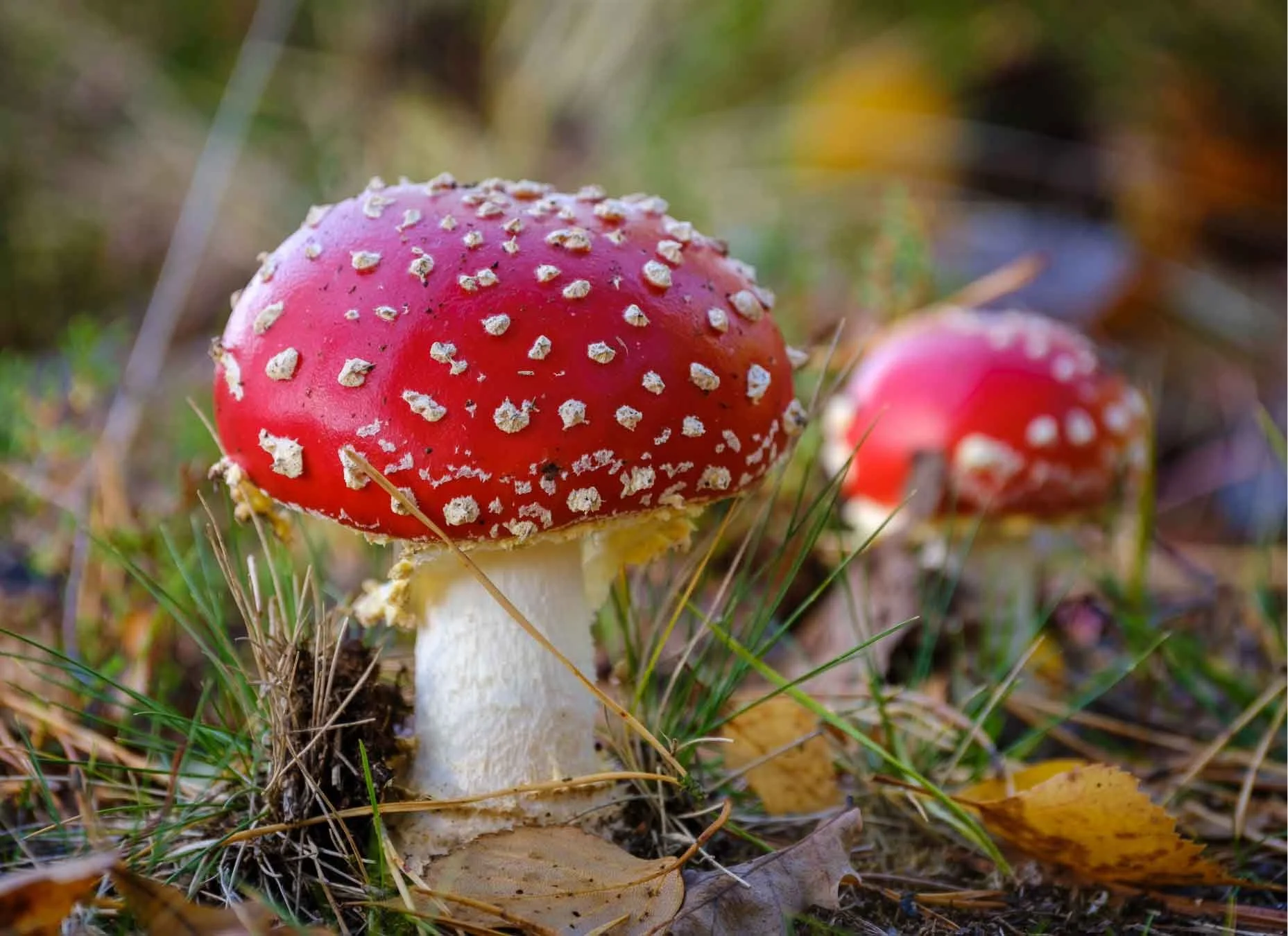
Fungal networks
Weather patterns
Ecological relationships
These experiences can gently reawaken a sense of participation in life rather than separation from it. Many people also report that forests help them feel less alone. Not because the forest “solves” depression, but because relationship itself is healing. The Japanese concept of Shinrin-yoku is sometimes translated simply as “taking in the forest atmosphere”. This atmosphere can offer a powerful counterbalance to the emotional isolation that depression creates.
Why Guided Forest Therapy Can Be Helpful
While simply spending time outdoors can be beneficial, guided Forest Therapy sessions often deepen the experience considerably. Many people are unused to slowing down or being fully present in nature. Without guidance, walks can easily become distracted, goal-oriented, or dominated by internal thought.
A trained Forest Therapy guide helps create conditions for deeper connection through carefully structured sensory invitations, pacing, silence, and reflection.
Guided sessions may help participants:
Become more embodied
Feel emotionally safer
Reduce performance pressure
Access mindful awareness more easily
Develop regular nature connection habits
Feel witnessed and supported
At Forest Healing, our approach focuses not only on relaxation but on cultivating reciprocal relationship with the living world. Forest Bathing, Sit Spot practice, nature mindfulness, and other nature connection experiences are offered as gentle, accessible pathways back toward regulation, presence, and belonging.
Nature Connection Is Not a “Quick Fix”
It is important to approach this topic honestly and carefully. Forest Bathing and nature connection practices are not magical cures for depression, nor should they replace appropriate medical or psychological care where needed.
Depression can be severe, complex, and deeply rooted. Many people benefit enormously from therapy, medication, social support, trauma-informed care, movement practices, and professional mental health services. In this way nature connection is best understood as a complementary support.
What makes it valuable is that it is:
Gentle
Accessible
Low-cost
Low-risk
Non-performative
Adaptable to different energy levels
Supportive of both body and mind
Even relatively small amounts of mindful nature contact may help soften symptoms and support emotional resilience over time. For some people, simply sitting quietly beneath a tree for ten minutes each day becomes an important anchor during difficult periods.
Bringing Nature Connection Into Everyday Life
Forest Bathing does not require living beside an ancient woodland or travelling into remote wilderness.
Even small, regular practices can be meaningful.
You might begin with:
Sitting quietly in a local park
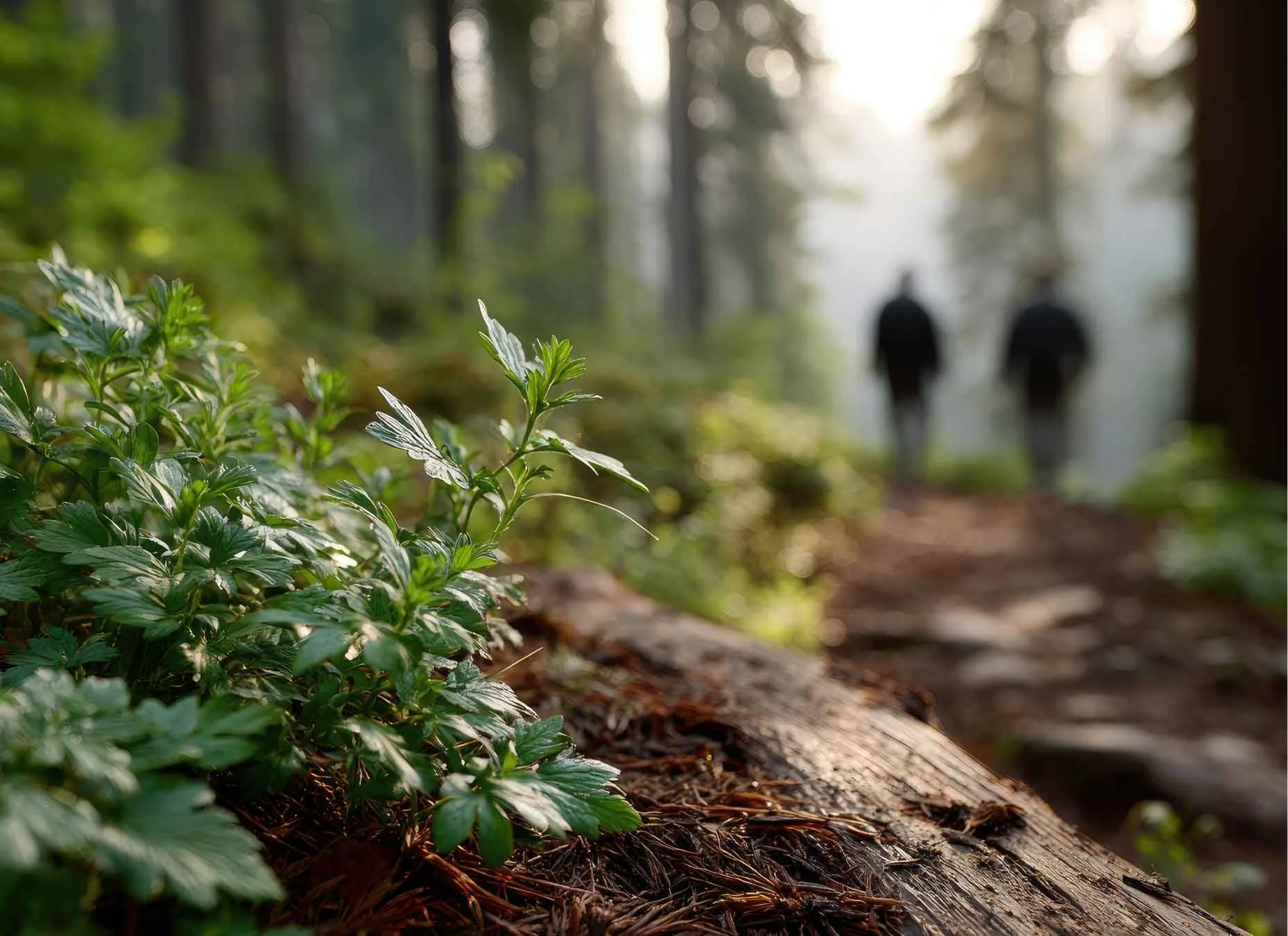
Walking slowly without headphones
Watching clouds move through trees
Listening intentionally to birdsong
Spending time near water
Visiting the same “Sit Spot” regularly
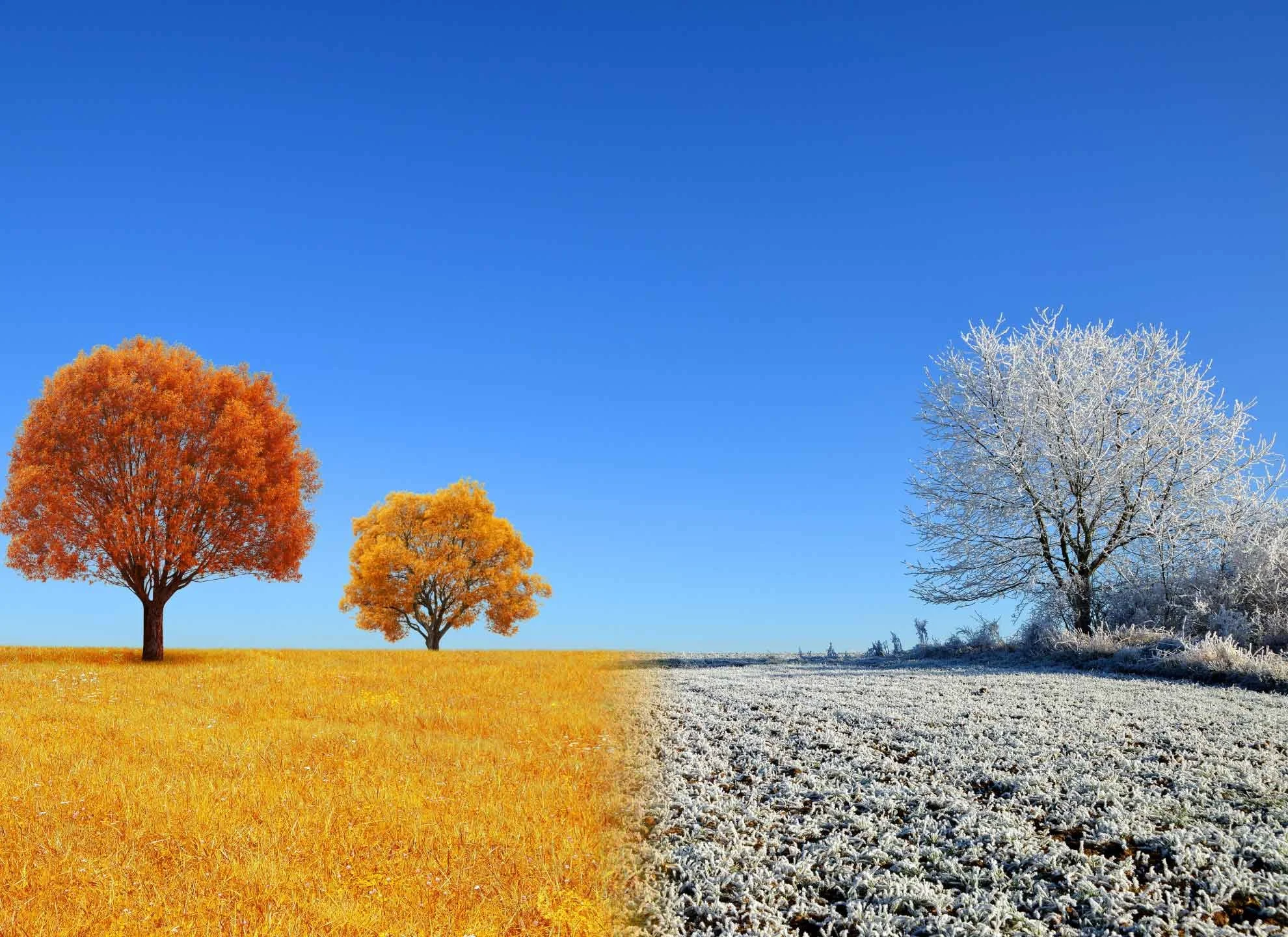
Noticing seasonal changes
Leaving your phone behind for part of a walk
Practising mindful breathing outdoors
The key is not intensity, but quality of attention. Nature connection deepens through relationship, familiarity, and presence rather than achievement. Over time, many people find that forests and natural places become sources of refuge, grounding, clarity, and emotional nourishment.
A Return to Relationship
Much of modern life pulls attention away from direct experience and into speed, productivity, and constant stimulation. Depression can deepen within this disconnection. Forest Bathing and nature connection practices offer something radically simple in response: an invitation to slow down and return to relationship.
Relationship with the body
Relationship with the senses
Relationship with place
Relationship with the more-than-human world
The growing body of scientific research suggests these practices can meaningfully reduce depressive symptoms, improve sleep, calm stress physiology, reduce rumination, and support emotional wellbeing. But beyond the research, many people discover something even more fundamental in forests: moments of quiet aliveness that remind them they are still part of the living world.
And sometimes, that reminder matters more than we realise.
Nature Connection and Resilience
Alongside reducing stress and easing depressive symptoms, nature connection practices can also help build resilience over time. This is one of the more subtle but most important benefits of Forest Bathing and Forest Therapy. While depression often leaves people feeling depleted, emotionally fragile, or overwhelmed by everyday life, regular contact with the natural world can gradually help restore a greater sense of steadiness, adaptability, and inner resourcefulness.
We have previously explored how nature connection aligns closely with the Five Ways to Wellbeing framework: Connect, Be Active, Take Notice, Keep Learning, and Give. This built on research from the New Economics Foundation suggesting that these five simple but evidence-based actions can strengthen wellbeing, improve mental health, and help people cope more effectively with life’s challenges.

Nature connection practices naturally bring many of these elements together at once.
Forest Bathing encourages people to take notice through mindful sensory awareness: the movement of leaves, changing light, birdsong, texture, scent, and shifting weather. Even gentle woodland walking supports the “be active” aspect of wellbeing without the pressure or intensity that can feel difficult during depression. Guided sessions can foster meaningful human connection, while deepening a sense of relationship with the more-than-human world as well.
Over time, these experiences can help people feel less cut off — from themselves, from others, and from life itself.
This matters because resilience is not about becoming invulnerable or endlessly positive. Rather, resilience is the capacity to recover, adapt, and remain present during periods of difficulty. Nature connection appears to strengthen this capacity partly because it helps regulate the nervous system and partly because it offers repeated experiences of grounding, safety, perspective, and continuity.
A woodland does not rush. Trees do not demand productivity.
The rhythms of the natural world unfold at a different pace from modern life, and spending time within those rhythms can help people rediscover a calmer and more sustainable way of being.
Many people who practise Forest Bathing regularly notice that they become better able to recognise stress before it becomes overwhelming. They may recover more quickly after difficult experiences, sleep more deeply, or find it easier to interrupt spirals of anxious or depressive thinking. Small practices such as visiting the same Sit Spot, walking slowly without distraction, or noticing seasonal changes can become stabilising rituals during emotionally difficult periods.
Nature connection also supports resilience through learning and reflection. The Five Ways to Wellbeing framework highlights the importance of “Keep Learning,” and forests are endlessly rich places of quiet learning. As people spend more mindful time outdoors, they often become more aware of their own internal states, patterns of stress, emotional cycles, and responses to challenge. This increased self-awareness can help people respond more compassionately and skilfully when difficulties arise.

Find guidance, resilience, and wellbeing through the wisdom of nature.
This practical 64-page workbook combines nature connection activities, mindfulness practices, and reflective exercises to help you improve your mental and emotional wellbeing. Discover how the lessons found in trees, seasons, landscapes, and natural processes can support personal growth, resilience, and positive change. Includes access to more than 30 additional nature connection activities, articles, and downloadable resources.
Nature has been guiding and supporting human wellbeing for countless generations. This workbook is an invitation to step outside, slow down, and rediscover the wisdom that has been waiting for you all along.
Nature as a Guide: A Pathway to Mental and Emotional Health and Wellbeing
In a world that often encourages us to move faster, achieve more, and spend less time outdoors, nature offers a different invitation. It invites us to slow down, notice, reflect, and reconnect with what truly matters.
Nature as a Guide is a practical and inspiring workbook designed to support your mental and emotional wellbeing through nature connection, mindfulness, and gentle self-reflection. Drawing upon the wisdom found in woodlands, landscapes, seasons, and natural processes, this workbook encourages you to discover how the natural world can become a trusted companion on your journey towards greater resilience, balance, and wellbeing.
Across its pages, you will find thought-provoking exercises, reflective questions, and nature-based activities that help you explore where you are in life, where you would like to be, and how nature's patterns and metaphors can illuminate the way forward. From learning resilience through the changing seasons to finding inspiration in the quiet strength of trees, the workbook helps translate nature's lessons into meaningful insights for everyday life.
Whether you are experiencing stress, navigating change, seeking greater self-understanding, or simply longing to deepen your relationship with the natural world, this workbook offers practical tools and gentle guidance to support your journey.
As an added resource, the book includes access to more than 30 additional nature connection activities, articles, and downloadable materials, enabling you to continue exploring and developing your own relationship with nature long after you have completed the workbook.
Importantly, resilience built through nature connection is not based on forcing ourselves to “push through.” In many ways, it involves the opposite.
Forest bathing teaches slowness
It teaches noticing
It teaches receptivity rather than constant striving
For people living with depression, this can be profoundly healing because depression is often intensified by exhaustion, self-criticism, disconnection, and chronic stress. Nature connection offers a gentler relationship with ourselves — one rooted not in performance, but in presence.
Over time, many people begin to feel more grounded, more emotionally resourced, and more capable of navigating uncertainty. The difficulties of life do not disappear, but the person’s capacity to meet them may gradually strengthen.
This is one of the great quiet gifts of Forest bathing and Nature connection: not the promise of perfection or permanent happiness, but the gradual cultivation of steadiness, connection, and resilience within the living world.
Explore Forest Healing
At Forest Healing, we offer Forest Bathing, Forest Therapy, and nature connection experiences designed to help people slow down, reconnect, and rediscover the restorative power of the natural world. Whether you are looking for self-guided forest bathing activities, nature mindfulness practices, wellbeing resources, or deeper reciprocal connection with trees and woodland landscapes, we invite you to explore what the forest may have to offer.
You do not need to perform, achieve, or fix yourself.
You only need to arrive, slow down, and begin to notice.
This simple guided practice is designed to accompany the themes explored here. It can be done in a woodland, park, garden, or any quiet natural place where you feel safe and reasonably undisturbed.
Better Mental Health Through Nature Connection
The intention of this activity is not to “achieve” relaxation or force yourself to feel better. Instead, this is an invitation to slow down, reconnect with your senses, and allow the natural world to gently support and steady you.
You may wish to leave your phone in your pocket or on silent for the duration of the practice.
Arriving (2 minutes)
Begin by simply arriving where you are.
Stand or sit comfortably and take a few slower breaths without trying to change anything dramatically. Notice the feeling of your feet against the ground or the support beneath your body.
Allow yourself to pause.
You do not need to solve anything right now.
You do not need to be productive.
For these next few minutes, simply give yourself permission to be here.
Awakening the Senses (5 minutes)
Very slowly begin to notice the world around you through your senses.
Rather than naming or analysing things, simply receive them.
What can you hear?
Perhaps birdsong, wind, distant sounds, rustling leaves, insects, rain, or silence between sounds.
What can you see?
Notice colours, movement, shapes, shadows, textures, light filtering through branches, or small details you might usually overlook.
What can you feel?
The temperature of the air, breeze on your skin, warmth from sunlight, the texture of bark, grass, stone, or soil.
Are there scents in the air?
Earth after rain, leaves, blossom, pine, damp wood, wild garlic, or simply freshness.
Move slowly and gently, allowing your attention to wander naturally between your senses.
Finding a Sit Spot (8 minutes)
Now find somewhere comfortable to sit or stand quietly.
You do not need a perfect place — simply somewhere that feels inviting enough.
Once settled, allow yourself to become still.
Rather than focusing on thoughts, gently return attention to what is present around you whenever you notice the mind becoming busy.
You might like to reflect quietly on these questions:
What in this place feels steady or enduring?
What helps me feel grounded?
What can I learn from the pace of the natural world?
What would it feel like to soften, even slightly, into this moment?
There is no need to force answers.
Sometimes simply sitting quietly with the questions is enough.
Notice whether anything changes as you remain still: perhaps birds emerge, sounds deepen, tension softens, or your breathing becomes calmer.
Allow yourself to be part of the landscape rather than separate from it.
Closing the Practice (5 minutes)
Before leaving, take a final slow look around.
Notice one thing you are grateful to have experienced, however small.
Perhaps it is a birdsong, a shaft of sunlight, the movement of leaves, or simply the feeling of having paused.
You may wish to carry something from this experience back into the rest of your day:
A slower pace
A deeper breath
A greater sense of groundedness
A small moment of beauty
A reminder that support and connection are still available
When you are ready, gently continue with your day.
And if it feels helpful, return to the same place again sometime soon. Nature connection often deepens not through dramatic experiences, but through quiet familiarity and repeated moments of attention.
If you have enjoyed this article and would like to support what we do by donating £2 or more to buy saplings to plant, please follow the link below:
























There are many different ways of thinking about change.
Sometimes change begins with a decision — I need to do something differently. Sometimes it begins with a change in circumstances. And sometimes something deeper happens. We begin to see ourselves differently. Perhaps we discover that we are capable of something we had previously believed was beyond us. Perhaps an experience changes what we value. Perhaps we develop a sense that our life has a different direction or meaning.