

Fractal Patterns, Nature and Alpha Waves
First Published 10th July 2022
Last Updated 2nd December 2023
Many people instinctively know that being outside and viewing nature is good for us. But whilst we appreciate the benefits of nature and understand that becoming better connected with nature is good for us, we don’t always have the same understanding of why nature connection is beneficial. One explanation provided is that nature is full of fractals and so humans evolved looking at fractal patterns in nature, and consequently we are hardwired to process this visual information very quickly.
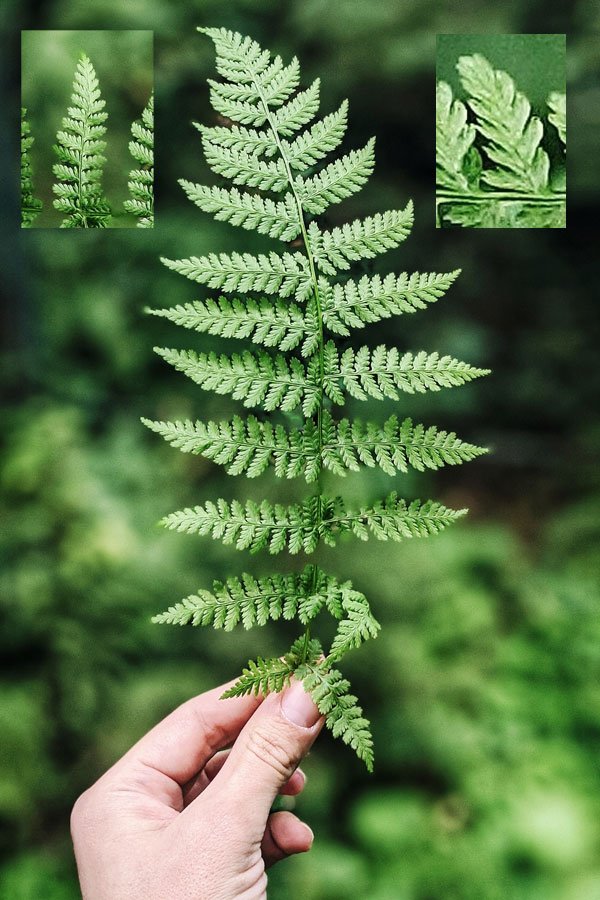
The shape of a fern frond is repeated in the side stem and then repeated in each individual leaf on the stem.
Research has shown that when people view naturally occurring fractals in nature, it increases the alpha brainwave activity in their brain. Alpha waves are produced when people are relaxed and they are linked to physiological health benefits, and these benefits can be measured even when fractal patterns are only viewed for a short period of time. Alpha waves also have a positive effect on concentration and attention span. This might account for why Kaplan and Kaplan’s Attention Restoration Theory suggests that spending time in nature, and around naturally-occurring fractals, can have such a uniquely restorative effect on us, both cognitively and mentally.
What are Fractals?
The term ‘fractal’ was first used by Benoit Mandelbrot in 1975, upon discovering that simple mathematic rules apply to a vast array of patterns in nature that looked otherwise visually complex or chaotic.
A fractal is a pattern that is repeated at different levels and you can find fractal patterns throughout nature such as in plants, trees, clouds, rivers, and snow flakes. Fractals are also present in art, technology, and architecture. You can even find fractals in your body in your vein structure, your nerve pathways, the bronchial tree in your lungs, and the structure of the neurons in your brain.
The significance of fractals lies in their efficiency and effectiveness in optimising natural systems. Nature utilises fractal patterns to maximise surface area, facilitate efficient transport of nutrients and fluids, and optimise structural strength while minimising material use. Because they are so common in nature, it has been suggested that our brains are actually pre-wired to positively respond to them, and viewing fractal patterns has been shown to alter the way that the brain functions and the patterns of brain waves that are produced.
Fractals in Art
Jackson Pollock, a pioneer of abstract expressionism, revolutionised the art scene with his unconventional technique known as drip painting. His canvases, such as “Autumn Rhythm”, "Number 1 (Lavender Mist)" and "Convergence", are not just chaotic explosions of colour; they are intricate tapestries revealing unexpected connections to the fractal beauty found in the natural world. The intricate web of lines, splashes, and drips in Pollock's paintings resonate with the complexity of fractal geometry. Just as fractals exhibit self-similarity when zoomed in or out, Pollock's canvases reveal detailed patterns regardless of the viewing distance, inviting the viewer to explore the depth within the chaos. You can read more in this article that we have written on “Jackson Pollock: Bridging the Gap Between Fractals, Natural Patterns and Paint”.
What are Brain Waves?
Brain waves are rhythmic electric impulses that are produced in different parts of the brain and alter depending on the activities that person is undertaking. There are a variety of different brain waves (Alpha, Beta, Delta, Gamma and Theta) but two are most important here:
Alpha Waves
In healthy adults Alpha Wave activity occurs most commonly while they are resting but awake, and increase when the eyes are closed. They do not occur during sleep and start to disappear when the person begins concentrating on a specific task, being replaced by a corresponding increase in Beta Wave activity.
Beta Waves
Beta Wave activity replaces alpha waves during when focussing on tasks, while concentrating, or when a person is under stress or experiencing psychological tension. Looking at Fractal patterns has been shown to reduce Beta Wave activity and increase Alpha Wave activity.
Fractals and Stress Levels
Stress and stress-related diseases are seen as a major contributor to poor health in the modern world and it is recognised that stress increases the risk of conditions like obesity, heart disease, Alzheimer's disease, diabetes, depression, gastrointestinal problems, and asthma, as well as making them worse in people experiencing them. Consequently there is a great deal of research undertaken into how to reduce stress and stress-related diseases, and especially how this can be achieved with minimal medication. Researchers have found that looking at fractals can reduce stress levels by 60% supporting the theory that fractals activate the areas of the brain that are responsible for regulating stress. Since prolonged exposure to stress is detrimental to our mood, productivity, and wellbeing, even a short session of looking at fractals can be beneficial. Plus, the effects are almost instant.
Fractal Complexity
As discussed previously, a fractal consist of a pattern that repeats on a finer and finer scale scale. Mandelbrot also defined an important parameter for measuring the complexity of fractals, the fractal dimension or D to describe how fractals appearing at different magnifications combine to build the resulting shape and form. The value of D lies between 1 and 2 with an increase in complexity resulting in an increased D. Fractals with a D value between 1.3 and 1.5 being the most prevalent in nature, and also the most visually appealing. I cannot seem to find the D value for Romanesco Broccoli unfortunately.
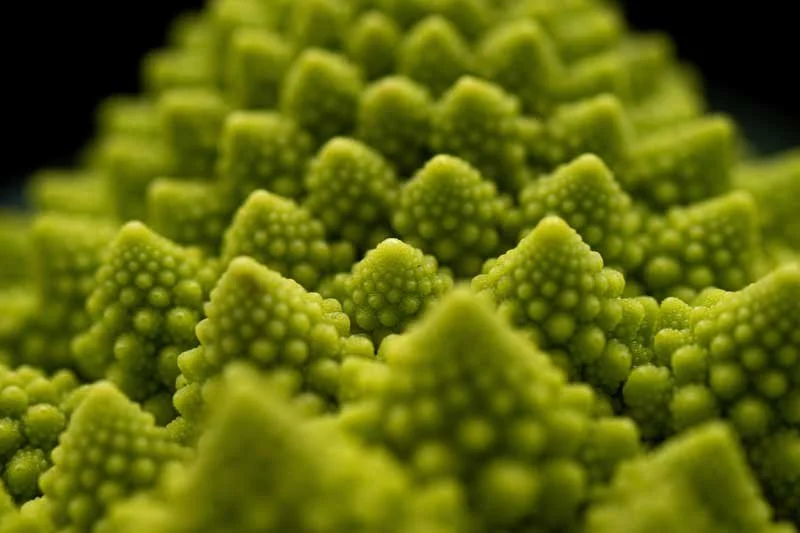
One of my favourite fractals in nature is found in Romanesco Broccoli.
If you have enjoyed this article and would like to support what we do by donating £2 or more to buy saplings, please follow the link below:





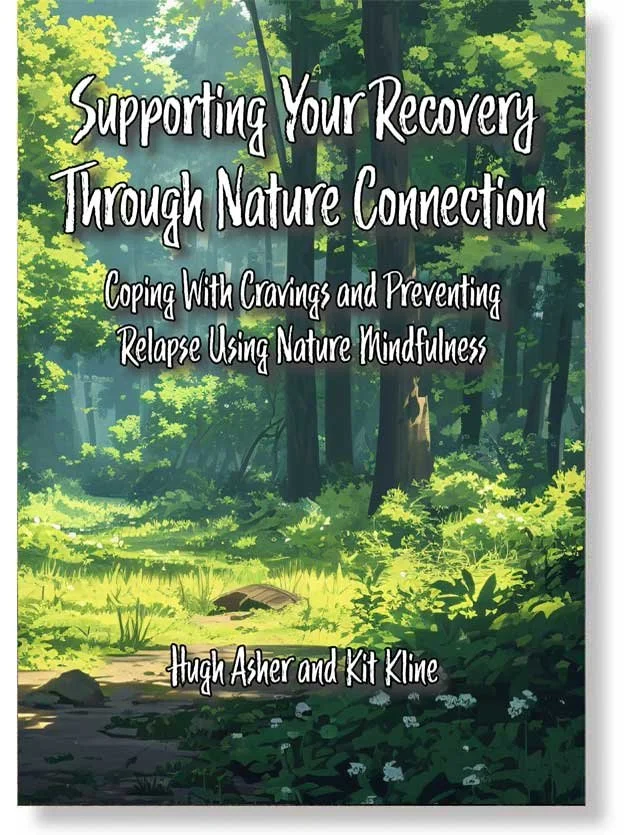



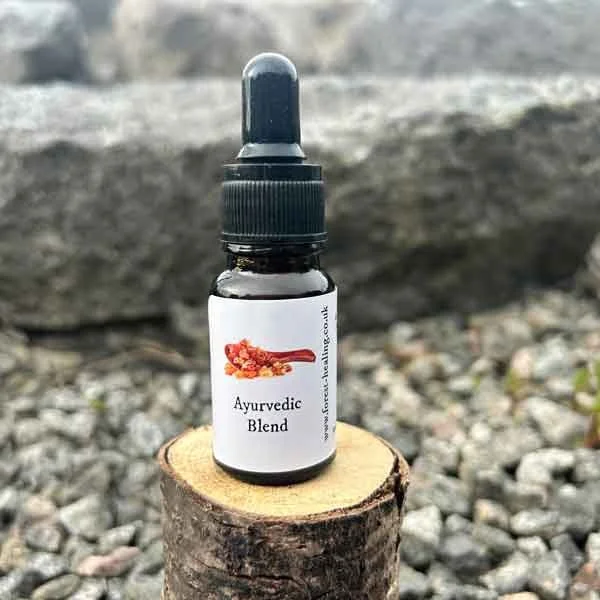

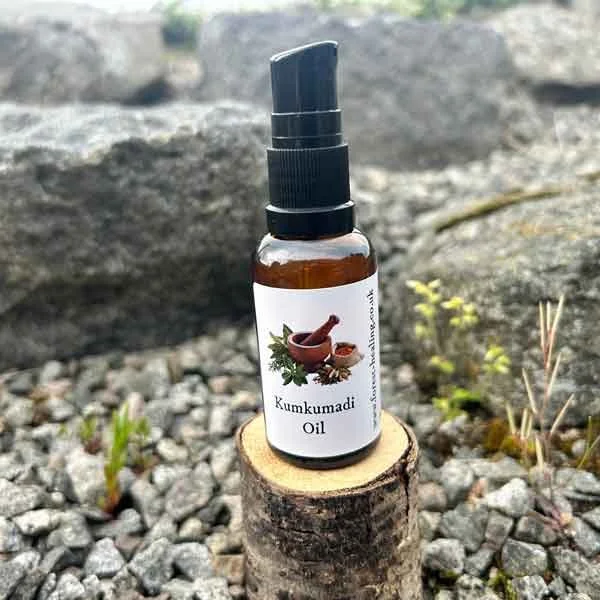











A small collection designed to gently open the door into deeper relationship with the natural world.
This complete set of four Forest Healing booklets brings together practical guidance, reflective ideas, and simple nature connection practices that can be used anywhere — from ancient woodland to a nearby park, garden, or even a single Sit Spot outdoors.
Written to be accessible, grounding, and easy to follow, these booklets offer a pathway into the core practices of Forest Bathing (Shinrin-yoku), Silvotherapy, and everyday nature connection. Rather than asking you to achieve anything, they simply invite you to slow down, notice more deeply, and allow nature to become an active presence in your wellbeing.
Across the four booklets you will explore:
• What Forest Bathing, Silvotherapy, and Nature Connection actually are
• The key benefits of spending mindful time in natural environments
• The practice of the “Sit Spot” and how to develop your own relationship with a chosen place
• Simple, practical Forest Bathing invitations you can try alone or with others
• Ways to bring nature connection into everyday life, even in small moments
Together, they form a gentle introduction to practices that have been shown to support reduced stress, improved mood, greater clarity of thought, and a deeper sense of belonging within the natural world.
These are not academic texts or rigid instruction manuals. They are invitations — encouraging you to step outside, slow your pace, and rediscover the quiet intelligence of trees, weather, and landscape.
Whether you are completely new to nature connection or looking to deepen an existing practice, this collection offers a simple, supportive starting point for building a more intentional and restorative relationship with the living world around you.
A small set of booklets that can change the way you experience even the most familiar patch of nature.
Buy all Four Forest Bathing and Nature-Connection Booklets for £11.00 including FREE P&P within the UK.
Postage to the Rest of the World is £4.