


Nature Connection Articles
Our Most Recent Articles

Nature-Based Wellbeing and the Heliotropic Principle
Nature has a remarkable ability to heal and restore our physical, mental, and emotional wellbeing. The heliotropic principle, a concept drawn from Appreciative Inquiry, provides a useful framework for understanding how nature can enhance our wellbeing. Appreciative Inquiry itself is a strengths-based and solution-focused approach that provides the foundation to the ways that we support people to develop the knowledge, skills and self-belief to improve their health and wellbeing.
Forests, Fairytales and Phobias
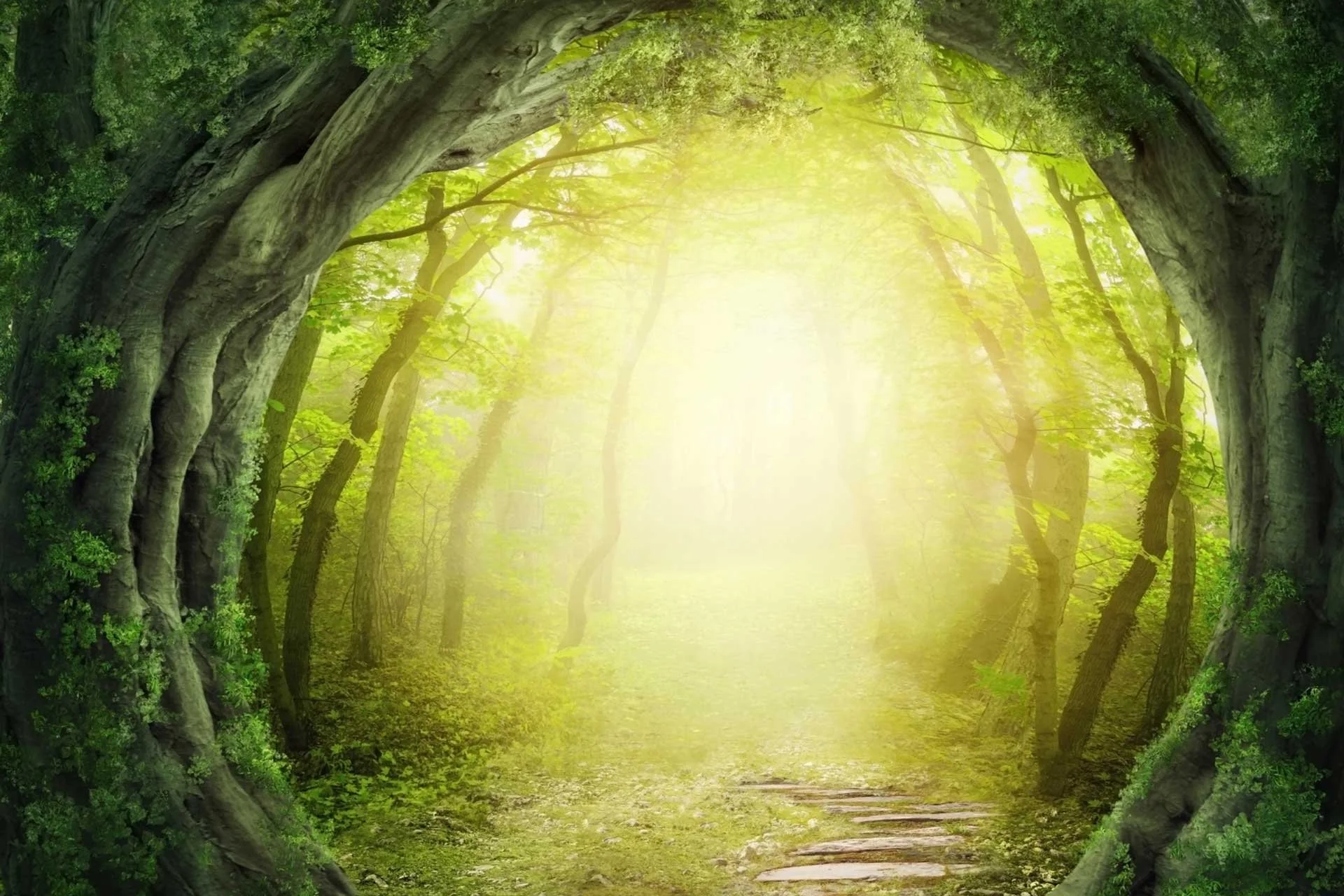
While some people may find forests to be beautiful and peaceful, others experience a fear or phobia of them. This fear can range from mild discomfort to intense anxiety, and can be triggered by a number of factors such as a fear of getting lost or being attacked by wild animals. In fairytales, the woodland often serves as a symbol for the unknown, the mysterious, and the wild. It is a place where adventure, danger, and magic can all be found. From Little Red Riding Hood to Hansel and Gretel, many of the most iconic fairytales take place in or near a woodland setting. In this blog post, we will explore the various ways that the woodland is used as a symbol in fairytales.
Green Prescriptions - An Holistic Approach to Public Health
Social prescribing is a non-medical approach to treating health issues and promoting well-being. It is a way of connecting patients with community services and activities that can help address the social, emotional, or practical needs that are contributing to their health problems. It aims to address the root causes of health problems and enhance people's health and well-being by connecting them with community-based activities and services that they find enjoyable and meaningful. Social prescribing can have a range of benefits, including reducing social isolation and loneliness, improving physical and mental health, and enhancing overall well-being. It is seen as a way to empower individuals to take control of their own health and to provide a more holistic approach to healthcare.
Kintsugi and Wabi Sabi
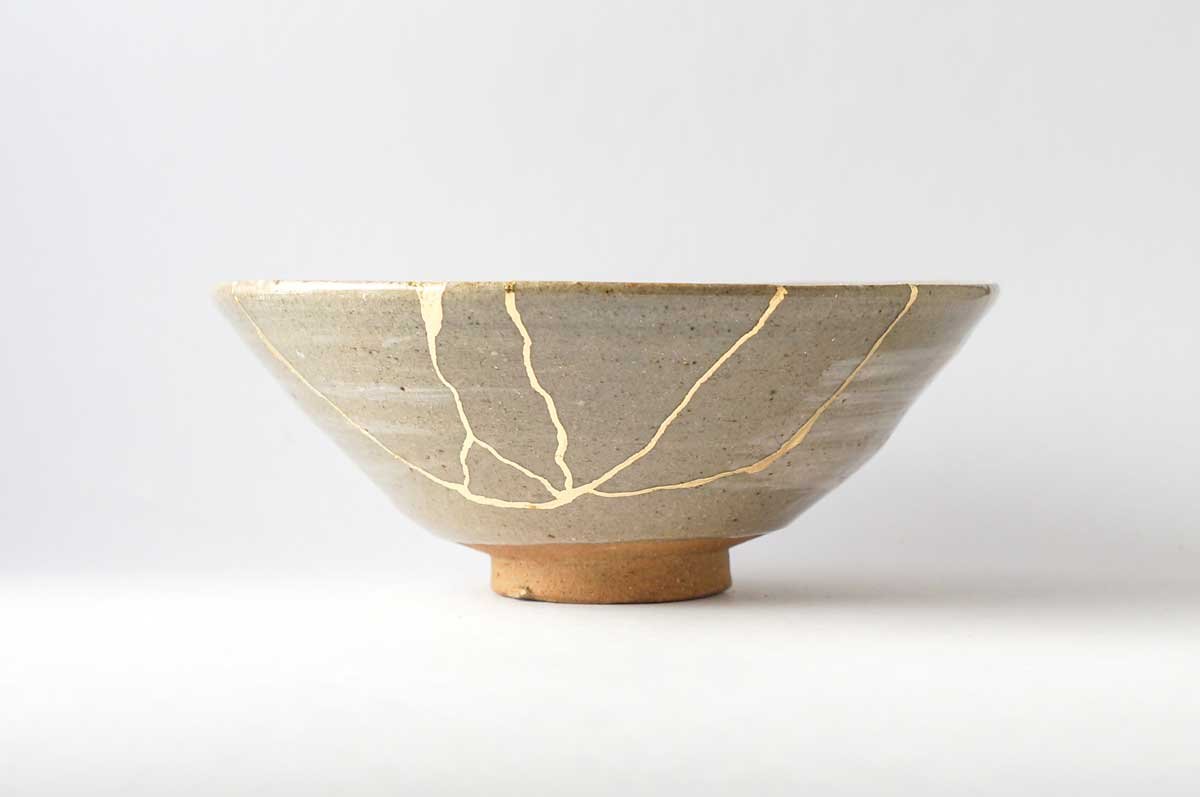
Kintsugi is a Japanese art form in which broken pottery is repaired with gold or other precious metal, rather than being discarded. It is also seen as a metaphor for the concept of wabi-sabi. Wabi-sabi is a Japanese aesthetic concept that values the imperfect, impermanent, and incomplete. It is often associated with the beauty of natural objects, such as flowers that are wilting or trees that are gnarled and twisted.

What can we Learn about Nature Connection from Indigenous Australian Cultures?
Indigenous Australians have had a long-standing relationship with the land and everything that exists on the land, that stretches far back into history and is based on respect, knowledge, and harmony. Aboriginal and Indigenous cultures have always understood that the land provides all of their necessary resources, and so these resources must be stewarded carefully in order to ensure that these supplies will not diminish.

The Health Benefits of Walking in Nature
Walking in nature has been shown to have a number of health benefits, including reducing stress and anxiety, improving mood, and lowering the risk of chronic diseases such as heart disease and diabetes. Studies have also found that spending time in nature can boost the immune system and improve overall well-being. Additionally, walking in nature can improve focus and concentration, and may even be beneficial for people with conditions such as ADHD.

The Connection Between ‘Deep Ecology’ and Forest Bathing
Deep Ecology and Forest Bathing both share a similar understanding of the importance of nature and the interconnectedness of all living beings, and they both promote the idea that humans should live in harmony with nature.
Deep Ecology puts emphasis on the moral obligation to respect the rights of other species and the natural environment, while Forest Bathing focus on individual human health and well-being.
Mindful Photography
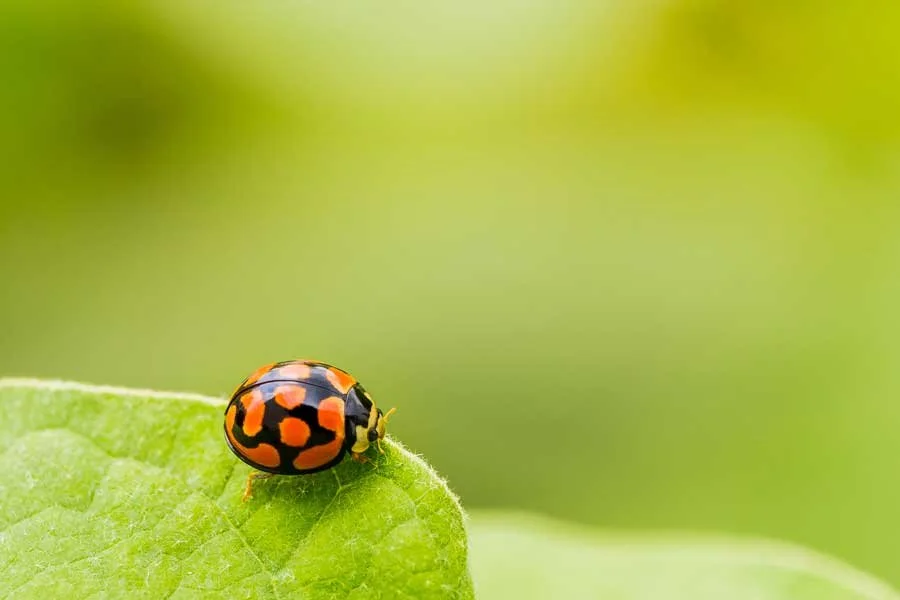
Mindful photography is a form of mindfulness practice that involves being fully present and aware while taking photographs. It involves paying attention to the present moment, rather than being lost in thought or distracted by external distractions.
Explore this unique technique with five easy steps in this guide.

Post-Avatar Depression Syndrome
Post-Avatar Depression Syndrome (PADS) is not a medically recognised condition, but the symptoms include feeling disconnected from nature; worries about climate change, environmental destruction and the future of the planet; and dissatisfaction with modern life.

The Environmental Message in ‘Avatar: The Way of Water’
The first Avatar film is a modern twist on the story of indigenous cultures being in tune with and closer to nature, and also more environmentally conscious, than their Colonial conquerors. The environmental message in Avatar is one which promotes seeking harmony and balance between humans and nature. This theme is continued in the sequel – Avatar: The Way of Water, and also in James Cameron’s latest National Geographic nature series, Super/Natural.

What can we learn about Nature-Connection from the Māori?
Traditionally, Māori believe there is a deep connection between humans, the land and the natural world. This connection is expressed through ‘kaitiakitanga’, a way of managing the environment based on the Māori world view that humans are an integral and equal part of nature. This belief system, this intimate relationship with the land, and this understanding of their place in nature means that they usually have a very deep respect for nature and practice systems that support conservation and sustainable use of resources.
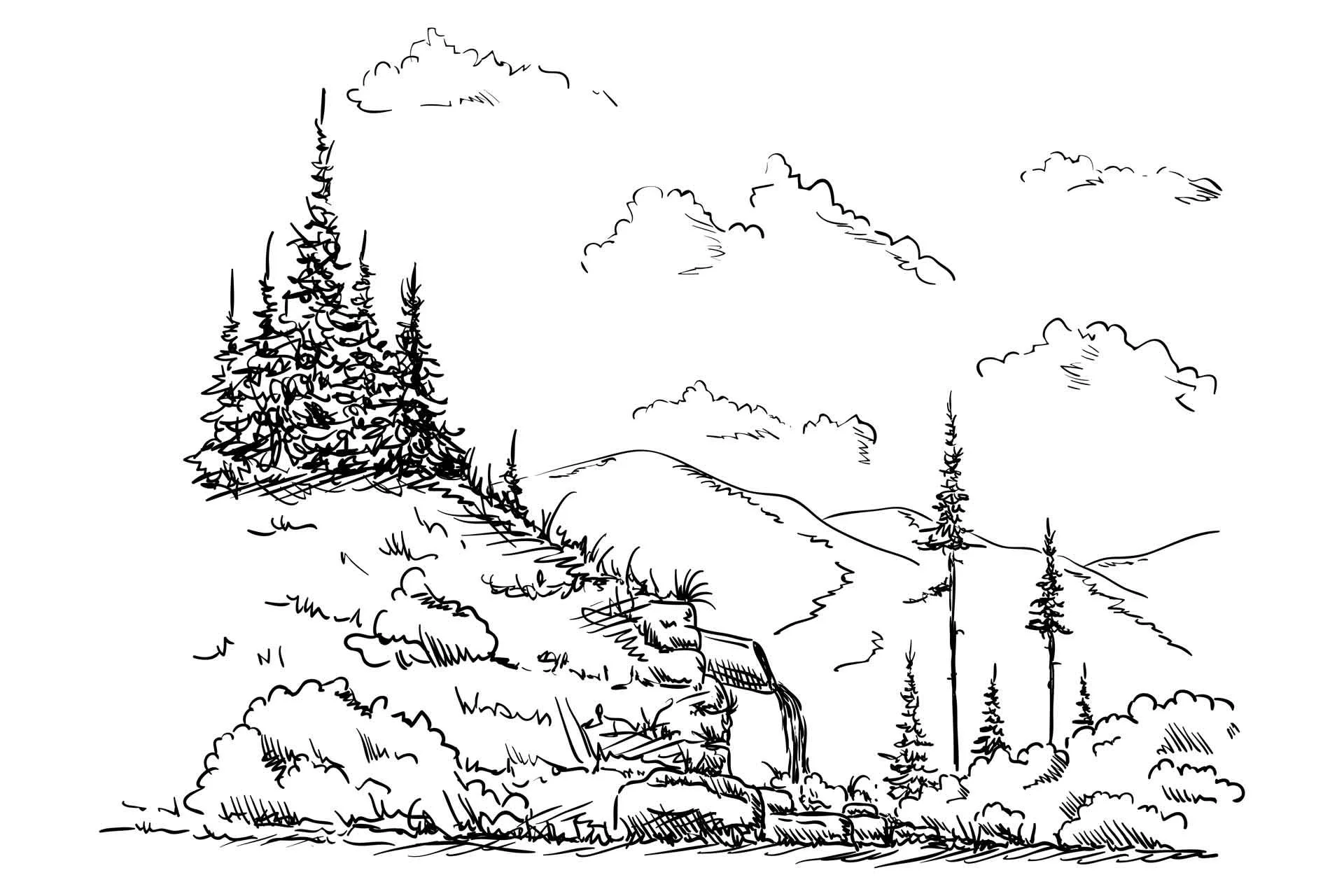
Nature Journaling: Why You Should Start Today!
Keeping a nature journal (or ‘nature notebook’) can help to enhance your connection with nature, record that things that you see and hear, tune into the rhythms of nature and give you a better appreciation of the changing seasons as your nature journaling progresses. It can also help you to improve your health and wellbeing and to notice things that you are grateful for in nature.

Nature Connection and Native Americans or First Nation People
This is the first in a series of articles looking at what we can learn about connection with nature and nature-connection practices from Indigenous peoples. There is a component of Forest Bathing practice, especially in North America, Australia and New Zealand, that promotes recognition of ancestral lands, acknowledges historical wrongdoings, and recognises that the indigenous people had a different relationship with nature that may have made them better custodians of the land, and can set examples that we would be wise to learn from.

The Difference Between Lichens and Mosses
Whilst the ethos of Forest Bathing and Nature-Connection is usually about learning how nature makes you feel, rather than to learn about what something in the forest is, they are both also about encouraging curiosity about nature. So whilst we don’t often go on a Forest Bathing Walk to learn the names of trees (and mosses and lichens) it might still be something that we get a desire to learn more about once we are home.

Attention Deficit Trait and Nature-Connection
Attention Deficit Trait is a problem experienced by an increasing number of people. It can cause anxiety, irritability and problems with concentration. It is different from Attention Deficit Disorder (ADD) which is a neurodevelopment disorder, but is a product of modern life. It is caused by high-pressure, regular distractions,
It causes anxiety, irritability and problems with concentration.
Here we look at how Attention Restoration Theory and nature-connection activities can combat this.

White, Pink, and Brown Noise, Nature and Wellbeing
In the same way that there are different colours of light, there are also said to be different ‘colours’ of sound. There has been a lot of discussion in the media recently about different kinds of noise, such as ‘Brown Noise’ and ‘Pink Noise’ and the beneficial effects of each of these different kinds of noise. For example Brown Noise has shown promising results when used with people with Attention Deficit Hyperactivity Disorder (ADHD) in enhancing their ability to focus and concentrate and others claim that Pink Noise improves memory and enhances sleep whilst others say they reduce their stress and can help them to relax.
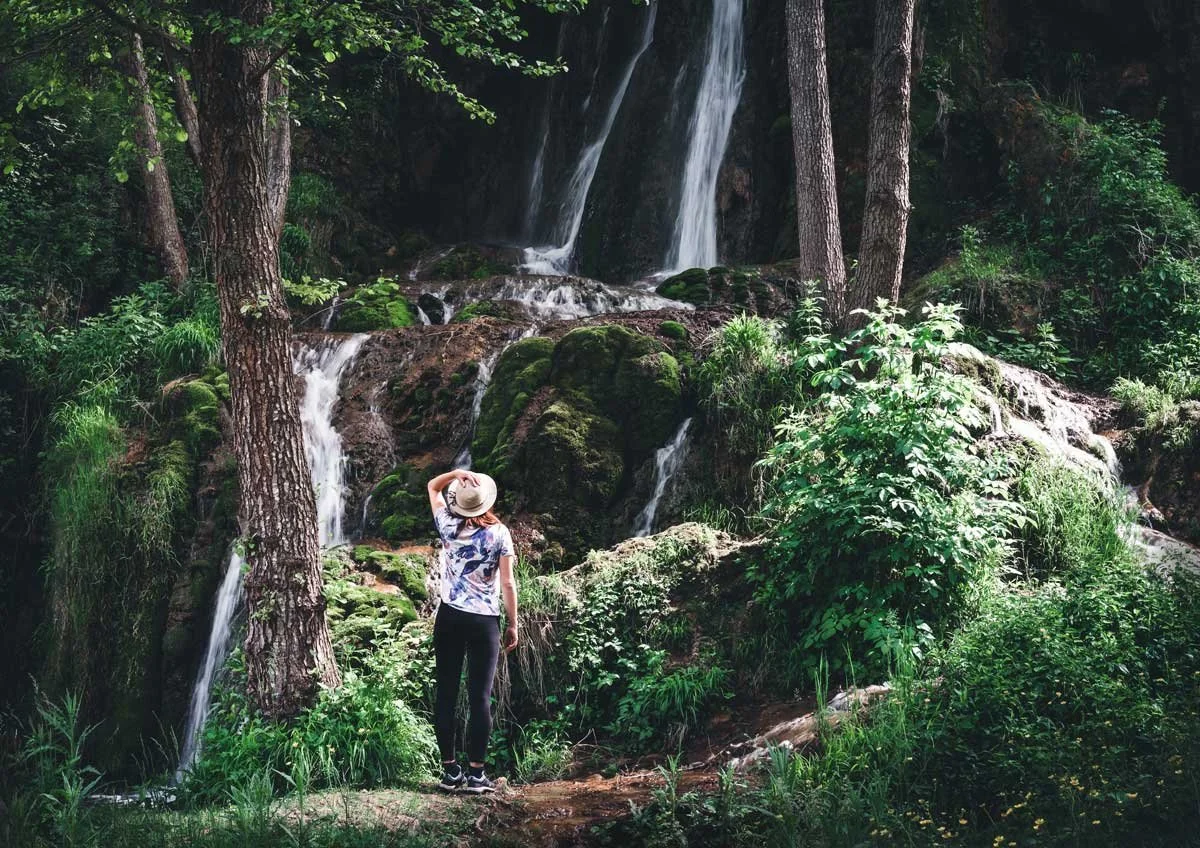
What is a Soundscape?
A soundscape is defined as a sound or combination of sounds that forms or arises from an immersive environment. Immersive is used here to mean “providing, involving, or characterised by deep absorption or immersion in something (such as an activity or a real or artificial environment)”.
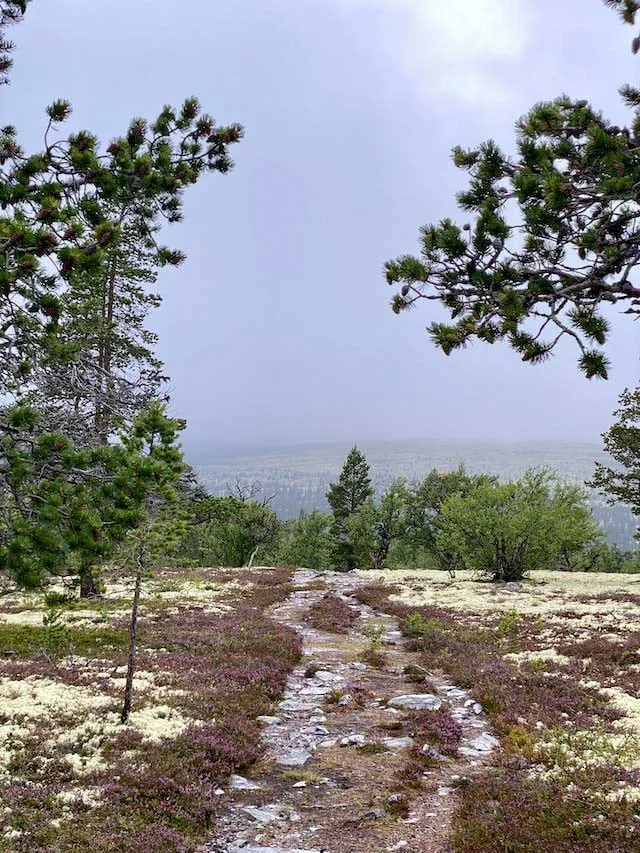
Friluftsliv - ‘Open-Air Living'
In Scandinavia there is a concept called ‘Friluftsliv’ (pronounced free-lufts-leav) that translates into English as ‘free air life’ or ‘open-air living’.
The term was first coined by the poet Henrik Ibsen in 1859, who used the term to describe the physical, psychological and spiritual benefits that you get from spending time in the outdoors. Today it is increasingly recognised as a way to improve mental and physical health and wellbeing, and is now used to describe being outdoors and (re)connecting with the natural landscape.
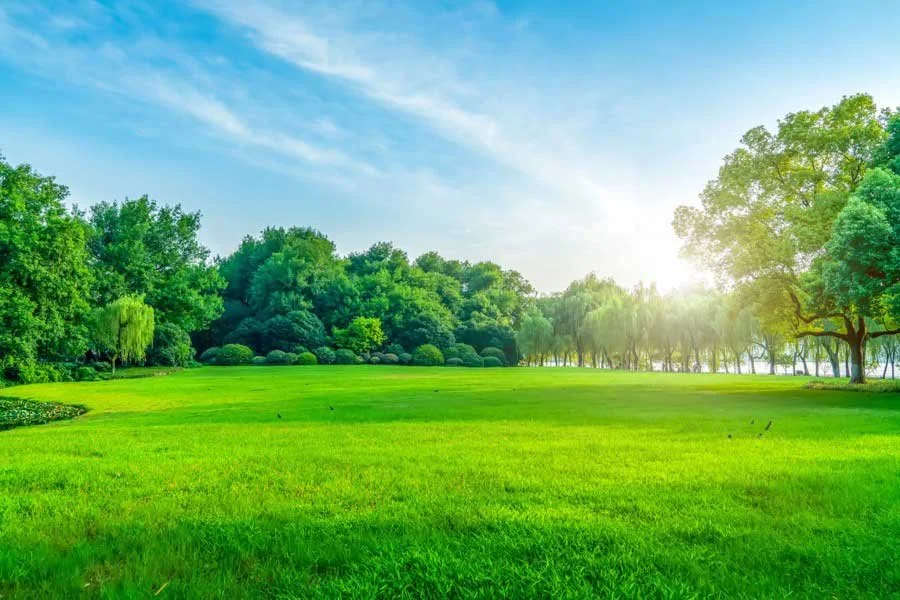
Nature-Mindfulness Techniques Using the Changing Colours of The Seasons
Nature provides a kaleidoscope of different colours, and you can anchor yourself in the present by mindfully focusing on these colours. Here are two mindful nature-connection activities that use colour.

What’s Great About Hinoki Oil?
The Hinoki Cypress (Chamaecyparis obtuse) is a species of cypress native to central Japan. Hinoki is a slow growing tree with dark red-brown peeling bark and deep green needlesl, producing a beautiful golden coloured wood with a slightly smoky citrusy smell.
Phytoncides are the natural oils within trees and plants and are part of their defence system. The main components of phytoncides are terpenes, and these are what you can smell in the essential oils made from trees high in Phytoncides. The phytoncides in Hinoki oil have a wide range of benefits for human health, from promoting relaxation and calming the autonomic nervous system, to helping build immune system functioning.