

Nature Connection and Native Americans or First Nation People
25th November 2022
This is the first in a series of articles looking at what we can learn about connection with nature and nature-connection practices from Indigenous peoples.
There is a component of Forest Bathing practice, especially in North America, Australia and New Zealand, that promotes recognition of ancestral lands, acknowledges historical wrongdoings, and recognises that the indigenous people had a different relationship with nature that may have made them better custodians of the land, and can set examples that we would be wise to learn from. Many Forest Bathing Guides and Forest Therapists in once Colonial countries start and introduce their guiding with a statement such as, “I acknowledge that we are standing upon the traditional lands of the Cherokee (USA) / the Sioux (USA) / the Cree (mainly Canada) / the Blackfoot (mainly Canada) / the Te Arawa (New Zealand) / The Wiradjuri Nation (Australia). I would like to thank them for their stewardship of the land.”
Many Forest Bathing and Nature-Connection Guides also feel that this connection to nature that many indigenous people had is increasingly been lost in modern Western society. Forest Bathing is seen as a salutogenic approach (an approach to health promotion that focuses on factors that support good health and wellbeing) that can be beneficial for mental and emotional health as well as physical wellbeing. Studies have shown that people with a high level of nature-connectedness are more likely to act in environmentally-friendly ways as well as enjoying better mental health. Many people also believe that there has been a decrease in perceptions of connection with nature, particularly over the last 30 to 40 years and that this has contributed to the increase in the global prevalence of mental ill-health.
Disclaimer – Each Native American Tribe and each Nation of the Indigenous Peoples discussed here will have their own customs, practices, beliefs, traditions and values. They are a geographically and culturally diverse group of people and this will affect the way that they live and lived in different landscapes.
I recognise that they are far from one homogenous group and I accept that some generalisations may be made that apply to the majority or tribes and Nations, but accept that they may not apply to all of them, and I will exercise caution and attribute particular beliefs to particular tribes and peoples where possible.
This article will also try, where possible, to restrict itself to beliefs and customs that there is evidence that they still apply today, rather than risk confusing them with those that were only evident in Colonial times when both the native people and the settlers may have had different beliefs and values to those that are held now.
I also do not speak with the cultural experience of an indigenous person so lack the cultural context within which those with lived experience may talk and may lack this innate understanding for which I apologise in advance.
What we can learn about Nature-Connection from Native Americans and First Nation People
Native American and First Nation People commonly view mankind and nature not as different or distinct entities, rather that mankind is an integral part of nature. Consequently, it is much more common for them to believe that there needs to be a two-way, reciprocal relationship where mankind looks after nature, is respectful towards it and cares for it, especially if there is an expectation that nature will look after mankind. This has long been seen as the opposite of how Indigenous people viewed Colonists and settlers, and is perhaps still the dominant view in Western society. This belief in symbiosis and reciprocity with nature continues to the present day. Native, Indigenous and First Nation cultures often see themselves as inseparably intwined with the land and with nature, and this interconnectedness can be seen in responses to requests or demands to mine resources on tribal land.
“As yet I know of no species that was exterminated until the coming of the white man … The white man considered animal life just as he did the natural man life upon this continent as “pests.” There is no word in the Lakota vocabulary with the English meaning of this word … Forests were mown down, the buffalo exterminated, the beaver driven to extinction and his wonderfully constructed dams dynamited … and the very birds of the air silenced … The white man has come to be the symbol of extinction for all things natural in this continent. Between him and the animal there is no rapport and they have learned to flee from his approach, for they cannot live on the same ground.”
Perhaps the animals flee too, because we always appear to be in such a hurry. One of the suggestions that we make is that people practice their Sit Spot for at least 20 minutes, as this is the length of time it often takes for wildlife to fully return to their natural behaviours after being disturbed by you moving around or walking to your Sit Spot.
Nature as a Commodity to be Exploited
Western cultures often take an ‘ego’ rather than ‘eco’ approach to nature and her resources, driven by globalisation, urbanisation, Capitalism, and perhaps greed. Unlike indigenous philosophies where an approach promoting restraint and balance is commonly advocated, Western philosophies more often view nature as a commodity to be harvested, mined, stockpiled and consumed. In this ego-based anthropocentric approach, mankind often considers itself the most important aspect of nature, dominant over animals and other natural resources to be exploited and used for personal gain. Indigenous cultures more commonly take an eco-based approach in which mankind and society are equal partners in a reciprocally beneficial symbiotic relationship.
“When the last tree is cut, the last fish is caught, and the last river is polluted; when to breathe the air is sickening, you will realize, too late, that wealth is not in bank accounts and that you can’t eat money.”
The famous quote above, often described as a Cree prophecy, is now most commonly attributed to the award-winning Canadian documentary film maker Alanis Obomsawin of the Abenaki tribe, the producer and director of a number of documentaries on First Nations culture and history. In a chapter called “Conversations with North American Indians” in a 1972 collection of essays Ted Poole, the chapter author records her as saying “Canada, the most affluent of countries, operates on a depletion economy which leaves destruction in its wake. Your people are driven by a terrible sense of deficiency. When the last tree is cut, the last fish is caught, and the last river is polluted; when to breathe the air is sickening, you will realize, too late, that wealth is not in bank accounts and that you can’t eat money.” However, the earliest identified version of a similar sentiment was expressed in an 1894 report by the State Fish and Game Commissioner of North Dakota, when they said “Present needs and present gains was the rule of action — which seems to be a sort of transmitted quality which we in our now enlightened time have not wholly outgrown, for even now a few men can be found who seem willing to destroy the last tree, the last fish and the last game bird and animal, and leave nothing for posterity, if thereby some money can be made”.
This is not to say that Native American did not take from nature - they hunted vast numbers of buffalo and some tribes were reported to have hunted them to extinction in places - but through the more widespread relationship and belief system and the sentiment of ‘ecological consciousness’ steps were taken to avoid over-hunting, or over-fishing species to extinction, and they gave thanks and respect to the animal for their contribution to their lives. The feeling that they have a responsibility to maintain balance within the environment and the ecosystem appears the dominant approach. They had, and still are seen as having, a greater grasp of the importance of sustainability.
Respect for Nature
Traditionally, it is reported that elders in Native American and First Nations teach the younger members about closeness to nature, that humans are just an equal part of nature, rather than separate from it, or more important than it, but that everything forms a symbiotic cycle in which we are an integral part of the whole system.
“Before I was six years old, my grandparents and my mother had taught me that if all the green things that grow were taken from the earth, there could be no life. If all the four-legged creatures were taken from the earth, there could be no life. If all the winged creatures were taken from the earth, there could be no life. If all our relatives who crawl and swim and live within the earth were taken away, there could be no life. But if all the human beings were taken away, life on earth would flourish. That is how insignificant we are.”
Equality with Nature
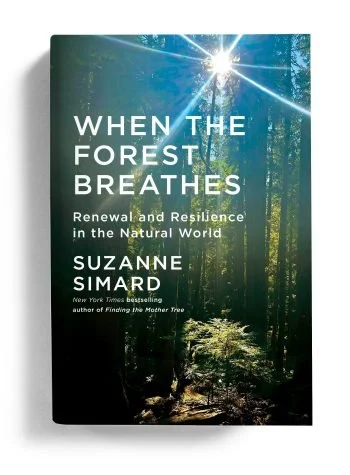
Native American culture has always been life-affirming, respecting and focussed on taking pleasure in nature. As Suzanne Simard, author of ‘Finding the Mother Tree’ described:
“Our aboriginal people view themselves as one with nature. They don’t even have a word for “the environment,” because they view trees and plants and animals, the natural world, as people equal to themselves. So there are the Tree People, the Plant People; and they had Mother Trees and Grandfather Trees, and the Strawberry Sister and the Cedar Sister. And they treated them with respect, with reverence. They worked with the environment to increase their own livability and wealth: they cultivated the salmon so that the populations were strong, the clam beds so that clams were abundant; they used fire to make sure that there were lots of berries and game, and so on. That’s how they thrived, and they did thrive. They were wealthy societies.”
One-ness With the Landscape
Annie Booth notes in ‘We are the land: Native American views of nature’ that the European settlers viewed huge areas of North America as barren, desolate wilderness, rather than the bountiful community of living beings, of which humans were just part and where the workings of the ‘Great Spirit’ could always be felt, as reported by the indigenous people. According to the Lakota Chief Luther Standing Bear, in his book Land of the Spotted Eagle (1933) the indigenous people of North America were baffled by the tendency of white Europeans to view and refer to nature as being crude, primitive, wild, rude (as in basic), untamed and savage - “For the Lakota, mountains, lakes rivers, springs, valleys and woods were all finished beauty”. Standing Bear described nature as so full of life that he never felt alone:
“There was no such thing as emptiness in the world. Even in the sky there was no vacant places. Everywhere was life, visible and invisible … Even without human companionship one was never alone”
Both historical and contemporary Native American and First Nation songs and legends commonly include themes around nature and its beauty, and the awe and wonder that it can inspire, affirming their respect and taking pleasure in what surrounds them. There is a recognition that this is increasingly absent from contemporary Western songs and stories.
‘Ownership’ of Land
To many Indigenous North American cultures, the concept of land ownership did not exist. The land belonged to everyone, although there might be disagreement and fights between tribes for prized hunting grounds and the value that certain areas and places offered. This put them at odds with the settlers who saw land as something to be conquered, taken, bought and sold.
Sustainability
A common feature of the different Nature American and First Nation Tribal Cultures is the understanding that all parts of nature and the eco-system are interconnected, and dependent upon each other for survival. The fundamental belief that humankind is not superior to wildlife or the natural world created a deeper respect for nature and a greater focus on sustainable practices.
Whilst this didn't prevent them from hunting for food, it usually affected the times of year that they hunted, the amount that they hunted (although some tribes did over-hunt) and the thanks and respect that they gave to the hunted animal for feeding them.
Further Resources of Interest:
Haudenosaunee Thanksgiving Address Greetings to the Natural World
If you have enjoyed this article and would like to support what we do by donating £2 or more to buy saplings, please follow the link below:

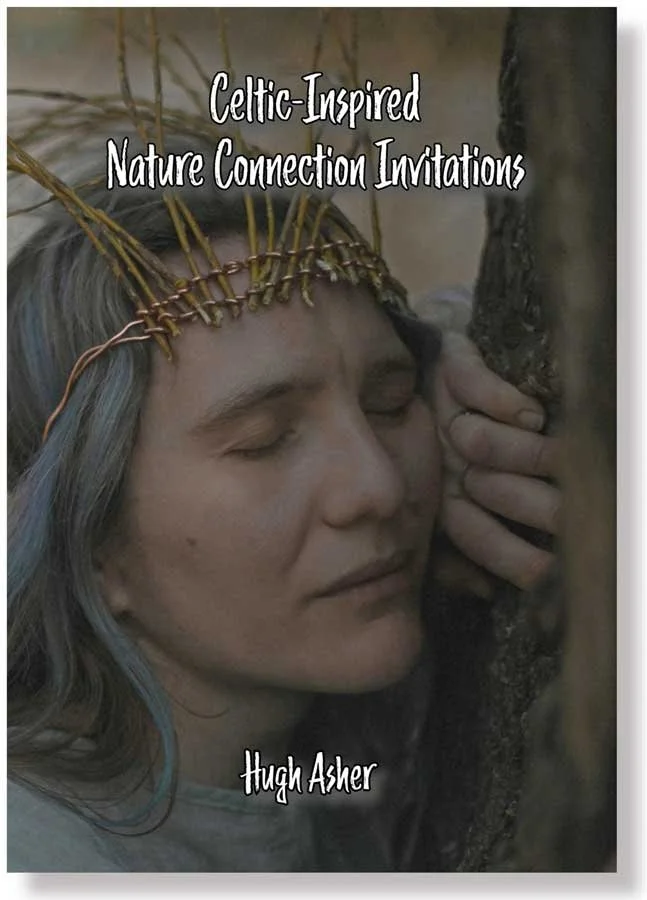

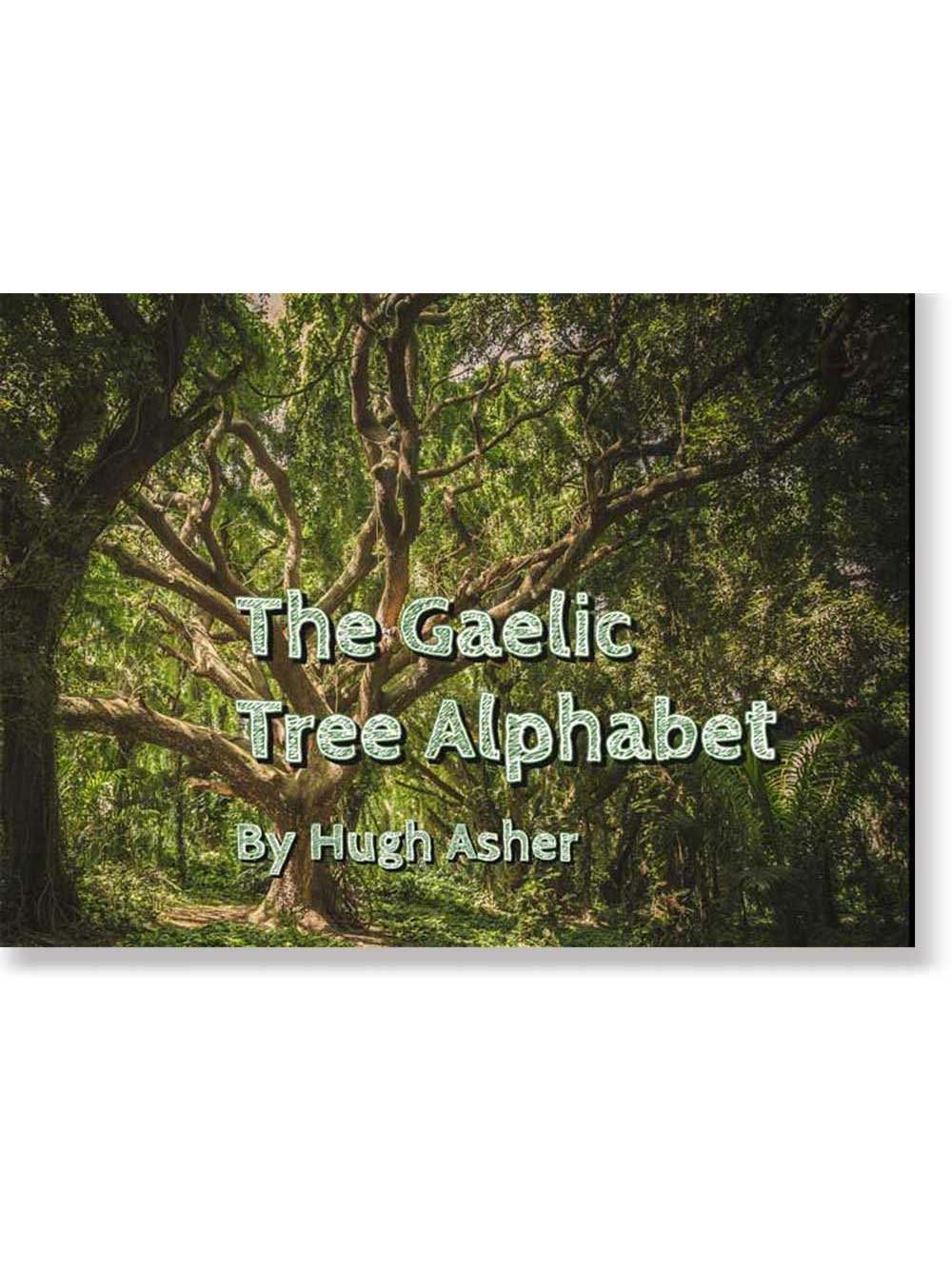
















A small collection designed to gently open the door into deeper relationship with the natural world.
This complete set of four Forest Healing booklets brings together practical guidance, reflective ideas, and simple nature connection practices that can be used anywhere — from ancient woodland to a nearby park, garden, or even a single Sit Spot outdoors.
Written to be accessible, grounding, and easy to follow, these booklets offer a pathway into the core practices of Forest Bathing (Shinrin-yoku), Silvotherapy, and everyday nature connection. Rather than asking you to achieve anything, they simply invite you to slow down, notice more deeply, and allow nature to become an active presence in your wellbeing.
Across the four booklets you will explore:
• What Forest Bathing, Silvotherapy, and Nature Connection actually are
• The key benefits of spending mindful time in natural environments
• The practice of the “Sit Spot” and how to develop your own relationship with a chosen place
• Simple, practical Forest Bathing invitations you can try alone or with others
• Ways to bring nature connection into everyday life, even in small moments
Together, they form a gentle introduction to practices that have been shown to support reduced stress, improved mood, greater clarity of thought, and a deeper sense of belonging within the natural world.
These are not academic texts or rigid instruction manuals. They are invitations — encouraging you to step outside, slow your pace, and rediscover the quiet intelligence of trees, weather, and landscape.
Whether you are completely new to nature connection or looking to deepen an existing practice, this collection offers a simple, supportive starting point for building a more intentional and restorative relationship with the living world around you.
A small set of booklets that can change the way you experience even the most familiar patch of nature.
Buy all Four Forest Bathing and Nature-Connection Booklets for £11.00 including FREE P&P within the UK.
Postage to the Rest of the World is £4.