

The Health Benefits of Walking in Nature
“Imagine taking a walk in the forest right now. You feel the earth and leaves under your feet, the snap of twigs. You listen to the birdsong and look up through the breaks in the canopy to the sky above, noticing how the light filters through to a point just further along the path. You breathe in, deeply. You smell the distinct forest aromas: Moss, Sap, Earth and Wood. You take it all in.”
Nature has long been known to have a calming and rejuvenating effect on the mind and body. However, with the busy lives we lead, it can sometimes be hard to find the time to get out and explore the great outdoors. Luckily, something as simple as taking a walk in nature can have many benefits for our overall wellbeing and it has been shown to be more beneficial than walking in more built up urban areas, so where we choose to walk can make a big difference. It is also worth noting here that researchers usually distinguish between the passive steps that we take going about our lives doing things like food shopping and errands (referred to as “secondary purpose walking”) and the act of actually going for a walk.
Walking in nature is a simple yet powerful way to improve your physical, emotional and mental health, having been shown to have wide-ranging health benefits, including reducing stress and anxiety, improving mood, and increasing overall wellbeing. It can also help to lower blood pressure and improve cardiovascular fitness. Additionally, exposure to nature has been linked to improved cognitive functioning and creativity. Spending time in nature can also help you to get more physical activity, which is important for maintaining a healthy weight and reducing the risk of chronic diseases. Modern approaches to health promotion are now focusing more strongly on preventative approaches to healthcare.
Historically there has been a focus on diet, sleep and exercise, but it is increasingly recognised that nature should be considered to be the fourth pillar of health alongside these other three pillars.
Five Important Benefits to Walking in Nature
Walking in nature has been shown to have a number of health benefits, including:
Reducing stress and anxiety
Studies have found that spending time in nature can lower levels of the stress hormone cortisol and improve mood.Improving cardiovascular health
Regular walking in nature can help lower blood pressure and improve heart health.Boosting the immune system
Exposure to nature has been found to increase the number of natural killer cells in the body, which can help fight off infection and disease.Enhancing creativity and focus
Being in nature can help improve attention and cognitive function, making it easier to focus and be more creative.Improving overall wellbeing
Spending time in nature has been associated with improved self-esteem and overall well-being.
Mental and Emotional Wellbeing
According to a 2022 report released by the World Health Organization (WHO), global rates of depression and anxiety rose by more than 25% in the first year of the pandemic and one of the most significant benefits of walking in nature is its ability to reduce depression, stress and anxiety. Studies have shown that spending time in green spaces can lower levels of the stress hormone cortisol, as well as decrease feelings of anxiety and depression. A study in Poland found a decrease in stress among young adults who spent 15 minutes taking a walk in an urban park during the winter. In fact, a study by the University of Essex found that just five minutes of nature exposure can begin to significantly reduce stress levels and The NHS advises that just 10 minutes of brisk walking daily makes a difference (although research undertaken by Exeter University, Uppsala University and University of Michigan Medical School that was published in the journal Nature, suggests that optimal benefits are achieved if your total time in nature week is about 120 minutes).

Walking in nature can have a positive effects on the body’s autonomic nervous system, reducing sympathetic nervous system activity and increasing parasympathetic nervous system activity. The sympathetic nervous system directs the body's rapid involuntary response to dangerous or stressful situations. A flood of hormones boosts the body's alertness and heart rate, sending extra blood to the muscles and pumping adrenaline around the body. The sympathetic nervous system prepares the body for intense physical activity and is often referred to as the ‘Fight or Flight’ response. The parasympathetic nervous system has almost the exact opposite effect and relaxes the body and inhibits or slows many high energy functions, and sometimes referred to as the ‘Rest and Digest’ response. A study published in the journal Molecular Psychiatry suggests that walks in nature can lower activity in stress-related brain regions as they found that amygdala activation decreases after the walk in nature, whereas it remains stable after the walk in an urban environment. The researchers suggest that going for a walk in nature can have a salutogenic effect on the stress-related brain regions, and consequently, nature walks may act as a preventive measure against mental strain and potentially against various diseases. Salutogenic approaches to health promotion focus on factors that support good health and wellbeing, and sit in opposition to the dominant ‘pathogenesis approach’ in healthcare that focuses on the causes of disease. Salutogenic approaches are therefore seen as primarily preventative.
In addition to reducing stress, walking in nature can also improve mood and emoitional wellbeing. The natural environment is full of sights, sounds, and smells that can stimulate the senses and promote feelings of happiness and contentment. Research has also found that people who spend more time in nature are more likely to report higher levels of life satisfaction.
Neuroscientists exploring the effects of nature on our mental wellbeing believe that being exposed to natural environments allows us to ‘reset’ our minds and give our nervous system a much-needed break from the overstimulation of modern life. Our brains seek out information and look for patterns, but in nature, we experience something vastly different – there are no computers or phones, or even other people quite often – just us, open sky and trees. This provides our minds with a sense of calm and spaciousness allowing us to take a mental breath.
Concentration and Attention Span
Research has shown that walking in nature can improve focus and concentration, and increase attention capacity. Walking in nature causes our heart rate and breathing to slow down, as well as releasing calming hormones like endorphins, and in this way, being out in nature reduces anxiety and reduces stress, allowing us to be more focused and creative with our thoughts. Additionally, taking walks outside can provide a change of scenery and a break from the distractions of everyday life giving you a cognitive break and refreshing the mind, improving your ability to take decisive action and make better life decisions. Studies have found that time in nature and may be very beneficial for people with conditions such as ADHD.
Benefits to Physical Health
Another benefit of walking in nature is that it can have a positive impact on our physical health. Regular physical activity is important for maintaining a healthy weight and reducing the risk of chronic diseases such as heart disease and diabetes. Walking in nature is a great way to get your daily dose of exercise while also enjoying the beauty of the outdoors, and studies have found that people who live near green spaces are more likely to be physically active. Physical activity and spending time in nature is one of the best ways to reduce the risk of chronic diseases and to lower blood pressure and improve circulation which can improve cardiovascular health.
Enhanced Immune Functioning
Walking in nature can also boost the immune system. A study conducted by the University of Illinois College of Agricultural, Consumer and Environmental Sciences found that people who walked in a forest for 30 minutes had an increase in white blood cells, which are important for fighting off infections. Research in Japan into the health benefits of Forest Bathing, where the practice is known as Shinrin Yoku, has also demonstrated increases in the ‘Natural Killer Cells’ (NK Cells) in the bloodstream, an indicator of immune functioning, that lasted for more than 30 days after the Forest Bathing outing.
Some of this increase in immune functioning has been attributed to ‘phytoncides’. Phytoncides are the natural oils within trees and plants that form part of their defence system. Trees can release the phytoncides to protect themselves from bacteria, insects and fungi. The main components of phytoncides are terpenes, and these are what you can smell in the essential oils made from trees high in phytoncides. Trees known to produce especially high levels of phytoncides include the evergreens Cedar, Spruce, Conifer and Pine, but also Oak trees. These bioactive molecules are not only beneficial for the trees, they have also been shown to have benefits for humans. As well as improving the immune response by increasing the numbers of NK cells in the body’s circulatory system, breathing in phytoncides has been shown to:
· Have an anti-inflammatory effect
· Help people to relax and lower autonomic nervous system activity
· Reduce stress as exposure to forest air reduces cortisol levels
· Sleep: phytoncides like α-pinene enhance sleep
· Lower blood glucose levels
In addition to the physical and mental health benefits, walking in nature can also be a great way to connect with friends and family. Whether you're going for a solo walk or taking a hike with loved ones, nature provides the perfect backdrop for meaningful conversations and quality time together.
Nature-Mindfulness, Breathing Meditations and Gratitude Exercises
“The key to unlocking the power of the forest is in the five senses. Let nature enter through your ears, eyes, nose, mouth, hands and feet. Listen to the birds singing and the breeze rustling in the leaves of the trees. Look at the different greens of the trees and the sunlight filtering through the branches. Smell the fragrance of the forest and breathe in the natural aromatherapy of phytoncides. Taste the freshness of the air as you take deep breaths. Place your hands on the trunk of a tree. Dip your fingers or toes in a stream. Lie on the ground. Drink in the flavor of the forest and release your sense of joy and calm. This is your sixth sense, a state of mind. Now you have connected with nature. You have crossed the bridge to happiness.”

While taking a nature walk, it can be also helpful to enact other positive habits to further improve your wellbeing. The key is to take in and appreciate your natural surroundings in the present moment without being too distracted or stressed by what society has dictated as ‘normal’. Try practicing ‘nature-mindfulness’ — focus on your senses in turn, noticing what you can hear, what you can feel and what you can smell, as well as what you can see. If you find your attention drifting, just gently bring your focus back to the things that you notice with your different senses. Another good way to is through mindful breathing exercises. This means breathing in deeply and slowly, holding your breath for several seconds and then slowly releasing until all the air has been exhaled from your lungs. If you struggle to slow down, try walking at the pace that you are breathing.
Another popular technique is gratitude reflection. This involves focusing on everything that you are grateful for on that particular day or moment, such as the beauty of your surroundings. Finally, words of affirmation or positive affirmations can also be used before and after your walk — these statements can help you stay focused and motivated during your journey into nature and remind yourself of the things that inspire joy and positivity.
Benefits of Walking Barefoot in Nature
Many people find that being barefoot in nature has its own set of benefits. Research suggests that direct contact with the Earth's surface, which contains an abundance of electrons, creates a stabilised physiology that can reduce inflammation, pain, and stress while increasing blood flow, energy levels and sleep quality. Other research has suggested that the Earth's surface possesses a continuous stream of free or mobile electrons which are replenished by global atmospheric electric circuits, and that this negative potential can create stability for normal functioning of body systems. Additionally, it has been found that fluctuations in intensity of Earth's potential may be important for regulating daily biological rhythms that aid in hormone secretion such as cortisol. Cortisol impacts different parts of the body and can help with responding to stress or danger, metabolizing glucose better, controlling blood pressure and reducing inflammation.

As the Biophysicist James Oschman explains in Energy Medicine: The Scientific Basis:
“The moment your foot touches the Earth, or you connect to the Earth through a wire, your physiology changes. An immediate normalisation begins. And an anti-inflammatory switch is turned on. People stay inflamed because they never connect with the Earth, the source of free electrons which can neutralise the free radicals in the body that cause disease and cellular destruction. Earthing is the easiest and most profound lifestyle change anyone can make.”
The Influence of ‘Green Exercise’ and Where You Walk
In a 2005 study, researchers found that there were additional benefits to wider health and self-esteem in participating in physical activities whilst being directly exposed to nature (what they termed 'green exercise') than in exercise alone, such as indoors on a treadmill. A 2018 study of walkers in Iceland also explored the benefits of walking outdoors compared to simply viewing a video of nature while walking on a treadmill or being sedentary while watching nature. The research concluded that when facing periods of stress, walking outdoors had the most impact on wellbeing, while under circumstances of profound and ongoing stress, simply resting and looking at nature was beneficial by itself.
Further Benefits of Increased Nature Connection
Research has also shown that time spent in nature and increased nature connection can lead to an increase in “pro-environmental behaviours” or PEBs. Listening to birdsong, watching the sunrise, exploring the texture of a tree, all things you might do if going for a walk in nature, can make you more likely to advocate for local wildlife conservation, more likely to recycle, and more likely to engage in activities that are ecologically sound, and reduce participation in those activities that are ecologically damaging.
In conclusion, walking in nature is a simple yet powerful way to improve your physical and mental health. From reducing stress and anxiety to boosting the immune system, the benefits of spending time in nature are numerous and well-documented. It can also have benefits for the planet too. So, next time you have the opportunity, go for a hike, a walk in the park or just a mindful stroll in a nearby forest, and experience the many benefits of nature for yourself. See for yourself how it can improve your mood and well-being.
If you have enjoyed this article and would like to support what we do by donating £2 or more to buy saplings, please follow the link below:






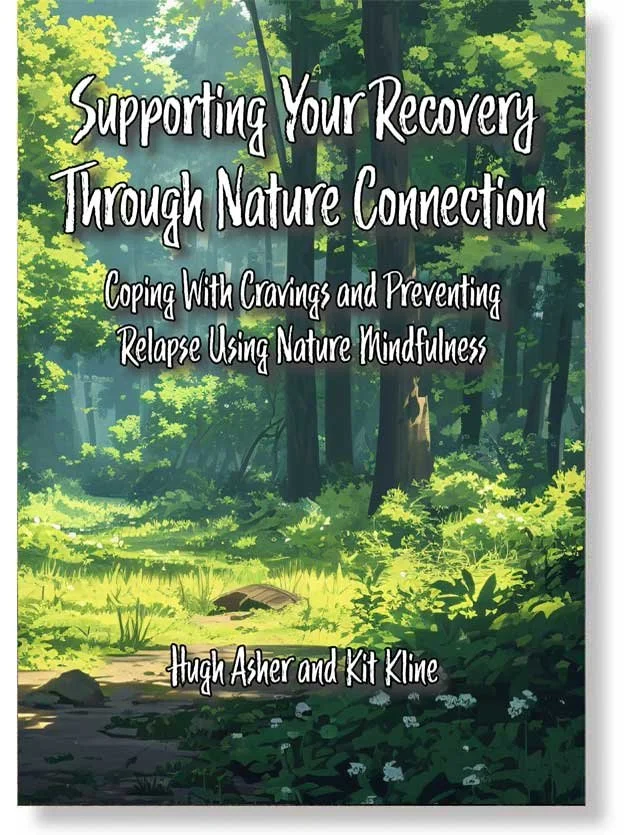
















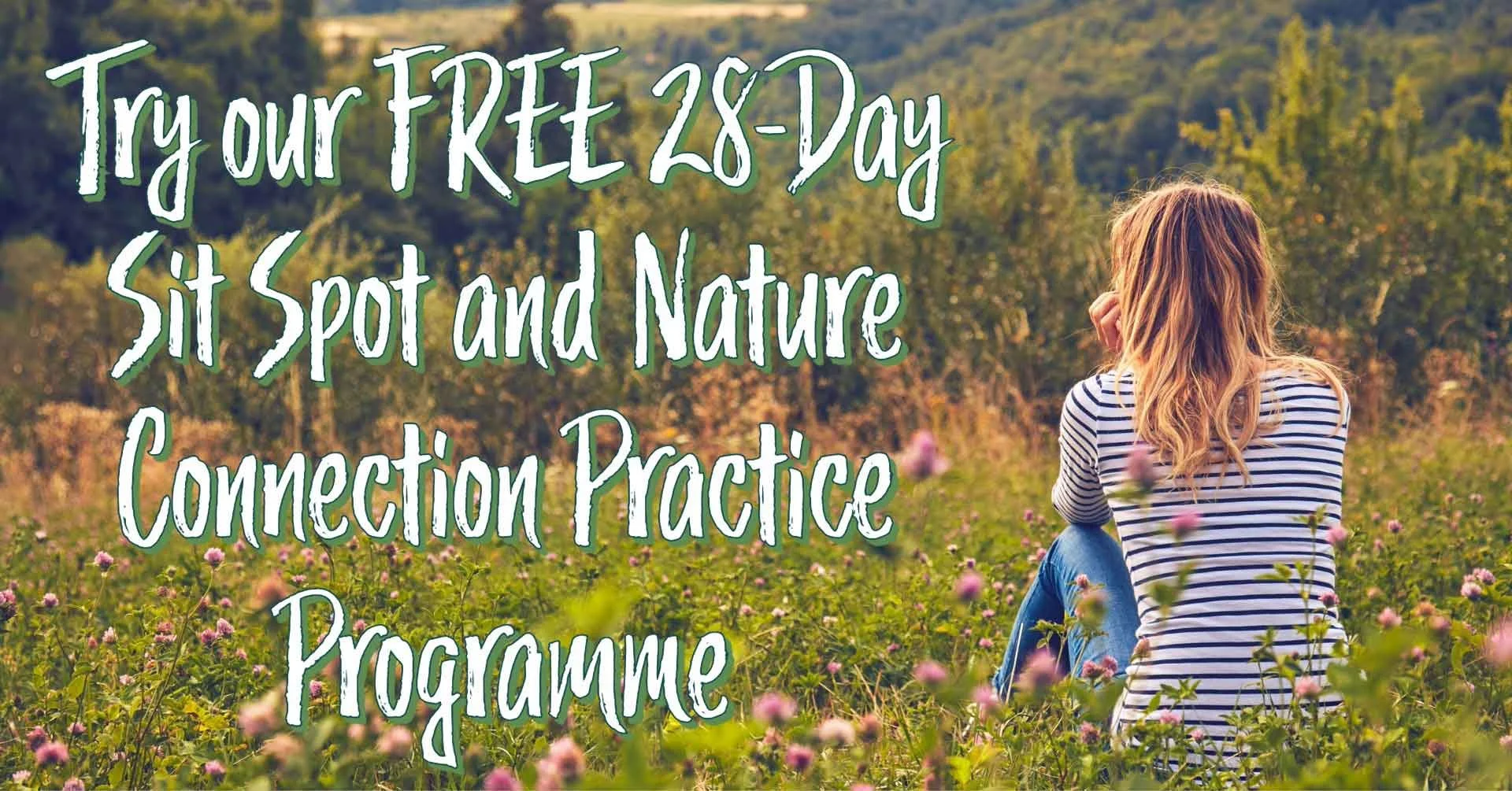




















A small collection designed to gently open the door into deeper relationship with the natural world.
This complete set of four Forest Healing booklets brings together practical guidance, reflective ideas, and simple nature connection practices that can be used anywhere — from ancient woodland to a nearby park, garden, or even a single Sit Spot outdoors.
Written to be accessible, grounding, and easy to follow, these booklets offer a pathway into the core practices of Forest Bathing (Shinrin-yoku), Silvotherapy, and everyday nature connection. Rather than asking you to achieve anything, they simply invite you to slow down, notice more deeply, and allow nature to become an active presence in your wellbeing.
Across the four booklets you will explore:
• What Forest Bathing, Silvotherapy, and Nature Connection actually are
• The key benefits of spending mindful time in natural environments
• The practice of the “Sit Spot” and how to develop your own relationship with a chosen place
• Simple, practical Forest Bathing invitations you can try alone or with others
• Ways to bring nature connection into everyday life, even in small moments
Together, they form a gentle introduction to practices that have been shown to support reduced stress, improved mood, greater clarity of thought, and a deeper sense of belonging within the natural world.
These are not academic texts or rigid instruction manuals. They are invitations — encouraging you to step outside, slow your pace, and rediscover the quiet intelligence of trees, weather, and landscape.
Whether you are completely new to nature connection or looking to deepen an existing practice, this collection offers a simple, supportive starting point for building a more intentional and restorative relationship with the living world around you.
A small set of booklets that can change the way you experience even the most familiar patch of nature.
Buy all Four Forest Bathing and Nature-Connection Booklets for £11.00 including FREE P&P within the UK.
Postage to the Rest of the World is £4.