

Nature Journaling: Why You Should Start Today!
3rd December 2022
Updated 28th May 2026
Nature journaling is about getting out into nature, slowing down and observing what is happening around you - exploring and recording the things that arouse your curiosity and bring you pleasure. It acts as a lens to focus our attention when we consciously go out into nature to explore new sights, sounds and sensations. It increases our understanding of patterns and cycles in nature, and it helps us to record our observations in an orderly way allowing us to read them again later on and reflect on what we see, hear and learn over a longer period of time. The more you journal, the better you will get at it, and referring back to earlier entries will not only help you to identify patterns in nature and the things in nature that you enjoy, but will also show you how your nature-connection journaling skills improve over time as your awareness and your observation skills increase and grow.
You can record in your journal what you notice when you engage with nature through your senses – what you see, hear, feel and smell; you can record the changes in the seasons; imagine seeing the world through an animal’s eyes; take pleasure in the colours and textures in nature; and importantly, relax, de-stress and unwind as you increase your nature-connection. Best of all, nature journaling is something that almost anyone can do, it doesn’t cost a lot, and it is a good excuse to get out in the fresh air!
What is a Nature Journal?
Nature journaling (or having a ‘nature notebook’) is a way to record what you notice in nature. It can help you to fine-tune your observation skills and can also be a way to practice mindfulness as well as helping you to recognise things in nature that you are grateful for. It can include notes, descriptions, thoughts, drawings, poems or anything else that you want to record, but you don’t have to be an author, an artist, a philosopher or a poet to start one, or to experience the benefits.
Appreciation
Nature journaling can help you to recognise the things in nature that you appreciate and that bring you pleasure. You can describe the effect that seeing a beautiful sunset or sunrise has on you, or sketch animal tracks or leaves.
Recording Nature-Connection Activities
If you are engaging in a nature-connection practice such as Sit Spot you can use your nature journal to record what you see and to record significant timepoint in the changing seasons, such as the first cuckoo, the first buds of Spring, or the changing colours of Autumn.
Curiosity
If something that you notice in nature arouses your curiosity and you want to explore it further when you get the chance, you can record this in your nature journal. If this happens then this is great, because you learn the most when you are exploring things that interest you. It is good to get into the habit of taking time each day to go an explore things that you haven’t looked at in detail before. We often look at what is straight ahead of us, so make sure that you look up, down and under things, and not just at what’s in front of you.
Plant, Tree and Wildlife Identification
Whilst the primary focus of nature-connection activities such as Forest Bathing is usually about learning how nature makes you feel, rather than learning about what something in nature is, it is also about encouraging curiosity about nature, as described above. So whilst we don’t often go on a Forest Bathing Walk to learn the names of trees, plants or wildlife, it might still be something that we still want to learn more about. This is where nature journaling can come in, as it supports you to identify things that interest you, to describe them so that you can find out more about them when you get home, and to record what you find out.
By sketching plants, trees and wildlife that catch your attention, you are more likely to identify the key features as you draw them, and this will help you identify them in the future. By just sketching the key characteristics, it also makes drawing much easier. Some people find it easiest to look at their subject matter in nature, then close their eyes and first paint a mental picture of what they wish to draw, noticing which features stand out most, before they start to draw.
Visual Maps and Sound Maps
Perhaps draw an X in the middle of you page, to represent your location, and then map out what you can see, adding as much details as you can about the landscape such as hills or rivers; the trees and plants that you can see; and the animals and wildlife that you notice.
Alternatively make a sound map of your environment by closing your eyes or lowering =ing your gaze to concentrate and focus on the sounds around you and recording each sound you hear. Listen to the noises around you and note these sounds on the page in relation to where you are sitting. Mark distant sounds near the outer edges of your map. You can use whatever shapes or words you choose to stand in for the sounds and the focus for this activity should be on listening rather than drawing so don’t worry about artistic skill.
Planning
By identifying the things that you enjoy in nature, nature journaling can help you to plan what you would like to do more of and what you would like to get out nature-journaling, nature-connection and being in nature. It can also serve as a reminder of what you enjoy in nature and encourage you to spend more time outside.
Combining Journaling with Other Activities
Nature journaling can be combined with many other outdoor activities such as gardening or going for a walk. If you are gardening it can help you to understand and appreciate your garden more.
Should you Journal ‘At the Time’ or Afterwards?
Some people most enjoy taking their journal with them and sitting with it open and the primary focus of the activity is to journal. Other people prefer to spend their time outside mindfully connecting with nature and then reflect on this afterwards and write their journal then. I quite often do a bit of both, because sometimes my nature-connection practice increases my curiosity and I have such good ideas or realise the solution to problems I have, and feel that I must write them down before I forget them.
The Benefits of Nature Journaling
Journaling has been shown to reduce stress, anxiety and depression and to improve observational skills and memory. It can also help us to notice the things in nature that we often miss because we are too busy focusing on other things, as well as noticing the patterns and cycles of nature. For many budding naturalists and nature-connection enthusiasts, journaling can help them to make sense of these patterns and better understand how different parts of nature interact with each other. Journaling can also let you record experiences of awe and wonder at the amazing discoveries that you make, as well as helping you to identify things in nature that you are grateful for.
If you are just going out for a walk, taking a nature journal with you can remind you to sit and take a break, connect with nature and see what you notice, rather than focusing just on getting to the top of the trail, all the way round the lake, or to the end of the walk. Often when you go for a walk, you are moving quickly and wildlife will often see or hear you, and move away or hide, before you get the chance to see them. Sitting quietly and nature-journaling can be a great way to experience wildlife doing the things that they would be doing if you were not there. It is usually said that you need to sit fairly still and quiet for about 20 minutes to get the most from observing wildlife like this.
Nature journaling also continues a tradition started by naturalists in the time before cameras, when they would record what they saw by sketching it into a book. There is no reason though, why you cannot keep an electronic nature journal complete with pictures, although many of the benefits of nature-connection come from disconnecting from technology.
How to Begin Nature Journaling

We sell a beautiful purpose-made nature-connection journal, but an exercise book or unlined pad of paper will do just fine. You can also make your own with Kraft paper covers and the paper of your choice inside. Many people have dedicated journal just for recording their nature-connection activities.
You will also need a couple of pencils or pens (always good to have a spare) and depending on where you choose to go, you might want to take something to sit on. Wearing a few layers of clothing and taking a few extra layers or a waterproof coat can improve your experience if it is cold or wet.
When you have arrived at your chosen nature journaling spot, it is better to turn off your mobile phone and any other electronic device that you have so that you can immerse yourself in the experience without distraction – although if you want to photograph the things that you notice, then that is up to you, but maybe put in airplane mode to stop notifications – but there shouldn’t be any strict rules for nature journaling! The more quietly you approach your chosen spot, the less that you will distract wildlife and the more quickly they will get used to your presence. It is also a good practice to record the date, the location, weather conditions and any other useful information like this, as it will help you when you are looking back on your earlier journal entries. Our bespoke nature journals include space for the sunrise, sunset and moon phase too.
You may want to combine nature journaling with another nature-connection practice such as Sit Spot. Sit Spot is a simple but powerful Forest Bathing practice that encourages you to become more mindful; to connect with nature; to cultivate a deeper understanding of yourself and others; and most importantly to cultivate a deeper understanding of the symbiotic relationship that you have with the natural world. Very simply, find yourself a place in nature where you can sit comfortably, and just ‘be’, allowing you to immerse yourself in the world around you.
A good place to start to start nature journaling or Sit Spot is to do a ‘Sensory Inventory’ - focus on each of your senses in turn, noticing what you can see, what you can hear, what you smell and what you can feel. When other thoughts arise, gently bring yourself back to your senses; to the sounds, sights, smells, and feel of your surroundings.
Pick a subject that you notice that arouses your curiosity and that you would like to observe further. Use as many senses as you can to look at, listen to, smell and feel the object of your curiosity – if you know they are safe to eat, foraged items such as wild bramble-berries can be included. Record what you notice about the flora and fauna in your journal. Perhaps reflect on emotions that it brings within you. Draw or sketch it if you feel like doing so – it doesn’t have to be perfect and the more that you practice drawing and sketching nature, the better that you will become. Remember that the main thing to get pleasure from your nature journaling! The next time that you go, you might like to have an idea in advance about what you will do, such as draw plants, listen to the birds or explore textures. If you enjoy exploring the texture of things with your hands, such as bark, maybe try taking some charcoal or crayons with you, some extra paper or use a page from your journal, and try bark rubbing or recording the texture of rocks. If you are recording your observations, include as much detail as you can: a description of what the insect, the bird or the plant looks like; it’s size, colour and shape; where it was; and what it was doing.
You can use your imagination as well as your senses. What do you imagine might be happening just under the ground? Are the trees talking to each other through the Wood Wide Web? What would it be like to be a fox, a bird, or a tree?
Nature Journaling and Mindfulness
Using all your senses whilst journaling can help to focus your mind and will help to enhance your nature-connection. It can also help you to practice ‘mindfulness’. Mindfulness is where you focus on what is happing ‘in the here and now’ rather than thinking about what has happened in the past or what will happen, or what you will do in the future. Mindfully connecting with nature and being in the present can help you to relax and can promote better health and wellbeing. Nature journaling can also encourage you to get outside more, which in itself has been shown to be very beneficial for mind and body.
Nature Journaling and Gratitude
Practicing gratitude for nature is a simple process, involving being thankful for the things we see, hear, feel and experience all around us. Noticing beauty in nature and identifying the positive things that happen each day, however small, and being grateful for them, can help us to focus less on the negative things that happen and the negative emotions that we feel. It can come from firstly noticing what is around us in nature, and then from expressing gratitude for the things that bring us pleasure or reduce our pain. This could include:
· the smell after a rainstorm (this is called ‘petrichor’ btw.)
· the shade of tree
· the sound of the birds
· the whispering of the wind in the trees
· the sight of a baby animal.
Start by trying to identify one or two things in nature to be grateful for when you are journaling, but try to increase this to being a daily activity that you do and try to identify two or three things each day that you are grateful for. You can write them down in your journal if you wish, but you don’t have to.
You can read more about the benefits of gratitude for nature in this in-depth article that we have written.
When you are nature journaling, do …
Have fun!
Share your experiences with others, either inviting them to join you, or on social media. You can join our nature-connection community on Facebook in our Sit Spot and Nature-Connection Practice group.
Include as much detail as you can remember, or record everything that you see as if you were telling a story about your experience to someone else who wasn’t there.
Reread your nature journal and reflect at a later time about what you noticed and record further questions that you are curious about, to identify further and different activities that you can engage in the next time that you go out in nature.
and don’t …
Look for the perfect Nature-Connection journal to record your experiences in, we sell it here. Only joking, anything will do!
Worry about writing or drawing in your journal, just get stuck in and enjoy it.
Wait until Spring, or the beginning of the month, again just get stuck in and enjoy it.

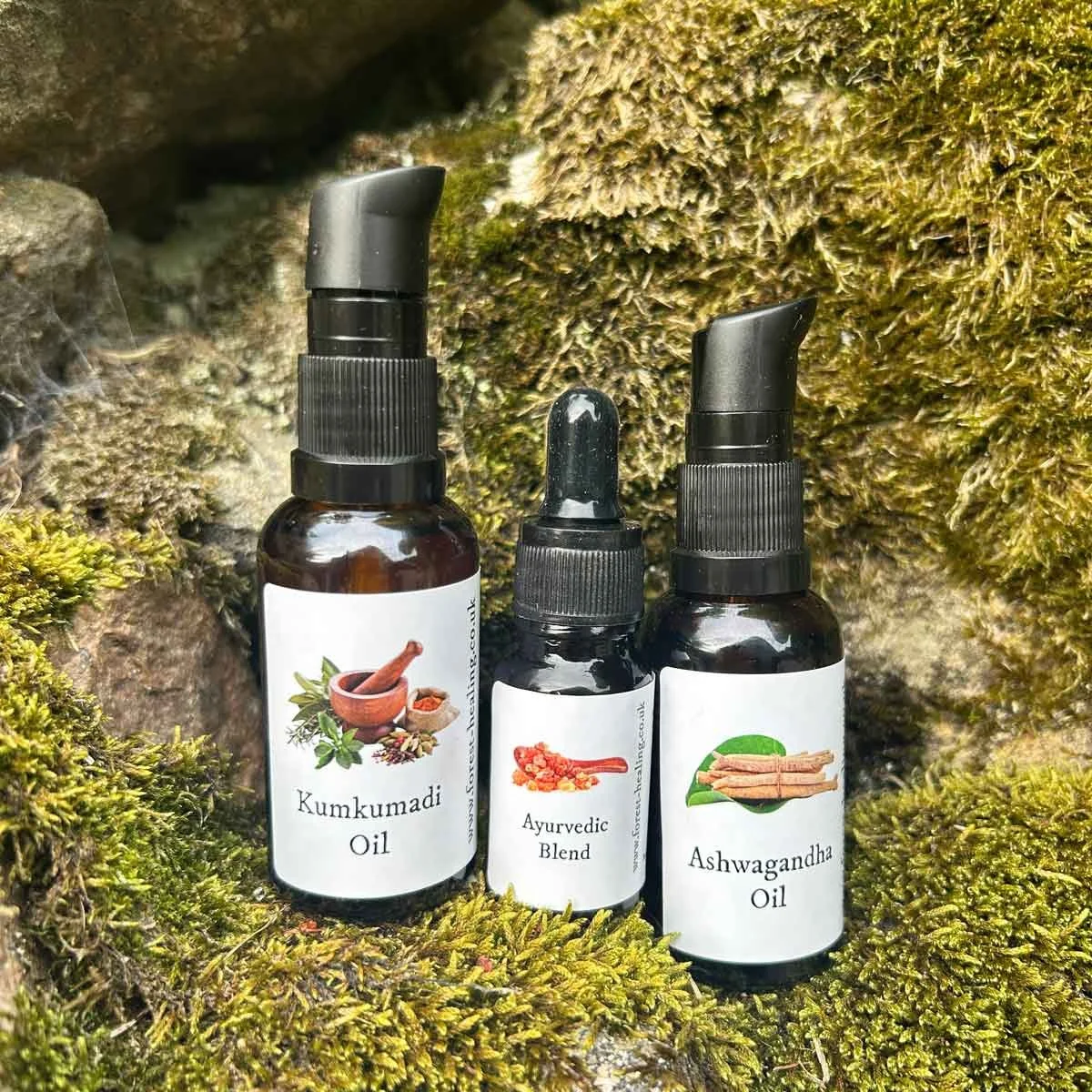
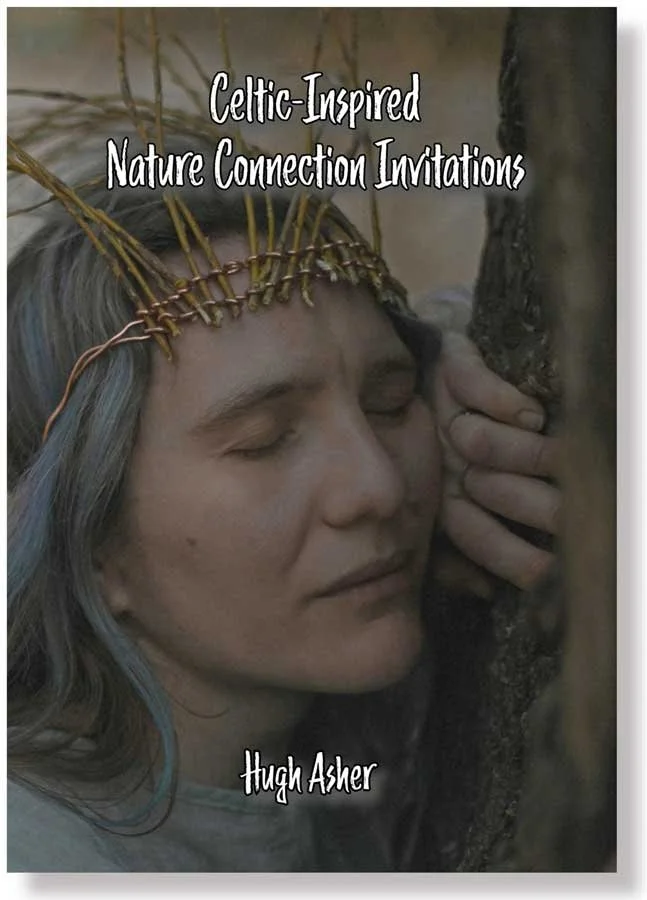

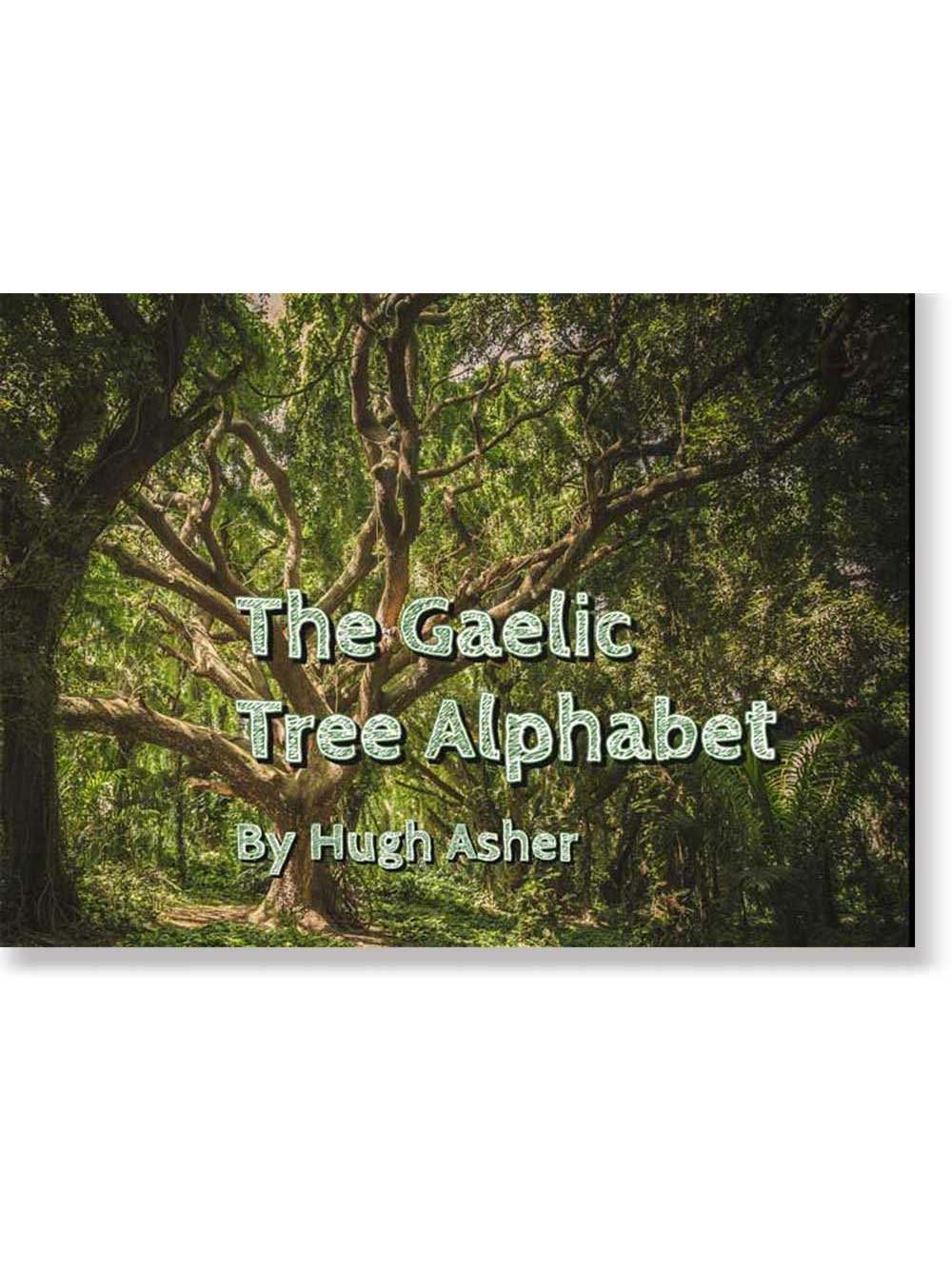
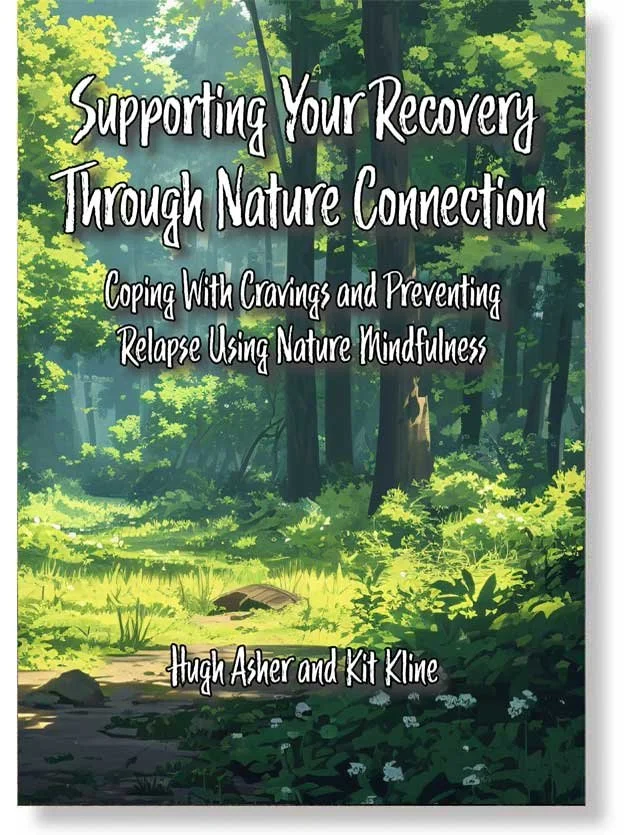












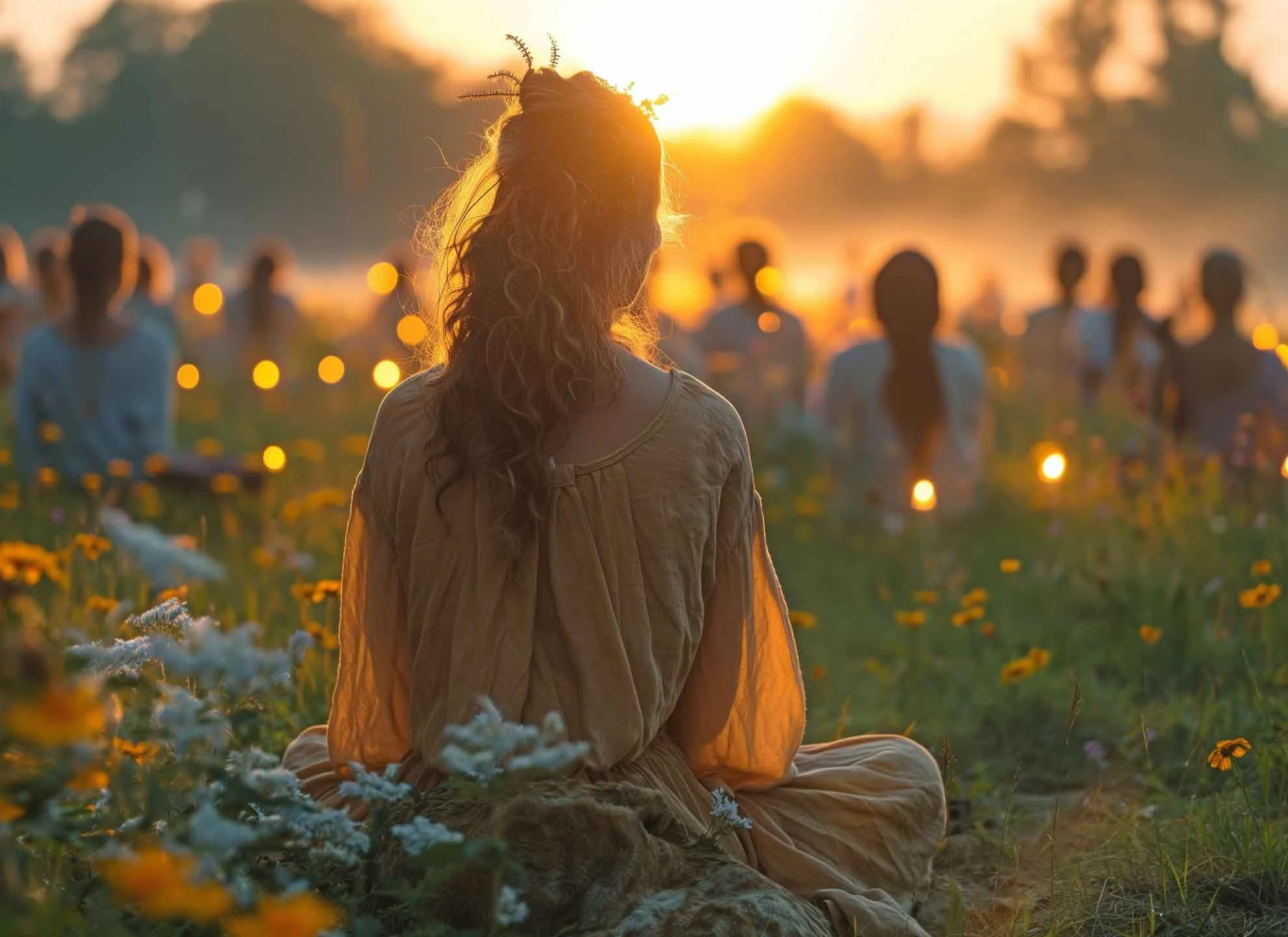







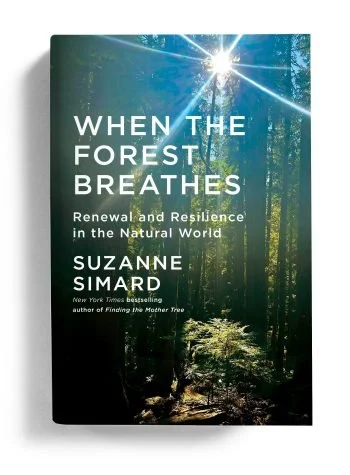

A small collection designed to gently open the door into deeper relationship with the natural world.
This complete set of four Forest Healing booklets brings together practical guidance, reflective ideas, and simple nature connection practices that can be used anywhere — from ancient woodland to a nearby park, garden, or even a single Sit Spot outdoors.
Written to be accessible, grounding, and easy to follow, these booklets offer a pathway into the core practices of Forest Bathing (Shinrin-yoku), Silvotherapy, and everyday nature connection. Rather than asking you to achieve anything, they simply invite you to slow down, notice more deeply, and allow nature to become an active presence in your wellbeing.
Across the four booklets you will explore:
• What Forest Bathing, Silvotherapy, and Nature Connection actually are
• The key benefits of spending mindful time in natural environments
• The practice of the “Sit Spot” and how to develop your own relationship with a chosen place
• Simple, practical Forest Bathing invitations you can try alone or with others
• Ways to bring nature connection into everyday life, even in small moments
Together, they form a gentle introduction to practices that have been shown to support reduced stress, improved mood, greater clarity of thought, and a deeper sense of belonging within the natural world.
These are not academic texts or rigid instruction manuals. They are invitations — encouraging you to step outside, slow your pace, and rediscover the quiet intelligence of trees, weather, and landscape.
Whether you are completely new to nature connection or looking to deepen an existing practice, this collection offers a simple, supportive starting point for building a more intentional and restorative relationship with the living world around you.
A small set of booklets that can change the way you experience even the most familiar patch of nature.
Buy all Four Forest Bathing and Nature-Connection Booklets for £11.00 including FREE P&P within the UK.
Postage to the Rest of the World is £4.