

The Significance of the Spring Equinox in Celtic and Pictish Cultures
20th March 2026
In the ancient Celtic and Pictish cultures, the turning points of the seasons held profound significance, woven deeply into their beliefs, rituals, and way of life. Among the celestial events marking the passage of time, perhaps few were as revered and celebrated as the Spring, or Vernal Equinox. This pivotal moment, when day and night find perfect balance, heralded the rebirth of life and the awakening of the Earth from its Winter slumber and so represented a time of renewal, fertility and growth. It marked a time of transition and transformation, both in the natural world and within the individual. As the Earth awakened in Spring, so too did the human spirit, stirring with the promise of new possibilities and opportunities for growth.
-
The Celts were an ancient group of Indo-European peoples who inhabited much of Europe from the Iron Age through the period of Roman occupation and beyond. They are known for their distinct cultural and linguistic characteristics. In Scotland, Celtic tribes inhabited the region from around the 6th century BCE until the Roman conquests in the 1st century CE and beyond. The Celts spoke various Celtic languages, with the most prominent being a branch known as Goidelic or Q-Celtic, which included languages like Old Irish and its descendants, such as Scots Gaelic.
The Picts were were one of the Celtic tribes who inhabited Scotland during the Late Iron Age and Early Medieval periods. Initially separate from the Gaels, they are often mentioned in Roman sources, who referred to them as ‘Picti’, meaning ‘painted ones’, likely because they were known for painting or tattooing their bodies. The exact origins of the Picts are unclear, but they are believed to have been indigenous to Scotland. We do not know what they would have called themselves either!
The Picts are recorded to have lived in Scotland from at least the late Roman period, around the 3rd century AD, until the Early Medieval period, when they were gradually assimilated into the Gaelic-speaking culture of the Kingdom of Alba (later known as Scotland). It is said that sometime around 843 AD, Cinaed mac Alpin (Kenneth MacAlpin) became the King of the Picts. He was already King of Dál Riada and he united the Picts and the Scots, as Pictland, or Pictavia, gradually merged with the Gaelic kingdom of Dal Riata to form the Kingdom of Alba, which eventually came to be called Scotland.
As for their language, it is known as Pictish, but unfortunately, very little of it survives in written records. The Picts did not leave behind many written records of their own, and as a result, much of what is known about them comes from outside sources such as Roman and later Gaelic texts. The Pictish language is considered a Celtic language, though it is distinct from the Gaelic languages spoken by the Scots and Irish. Unfortunately, due to the lack of surviving written texts in the Pictish language, its exact nature and linguistic affiliations remain uncertain, and it is considered an extinct language.
For the Celts and Picts, who inhabited the lands of modern-day Scotland, Ireland, and parts of Britain, the natural world was not merely a backdrop but a sacred realm intertwined with the spiritual and mundane aspects of existence. The Spring Equinox, occurring around March 20th each year, was a time of profound significance, symbolising renewal, fertility, and the triumph of light over darkness. The equinoxes, representing moments of celestial equilibrium, held a special place in their cosmology. As Winter gave way to Spring, the ancient Celts and Picts celebrated the return of longer days, warmer temperatures, and the promise of abundance.
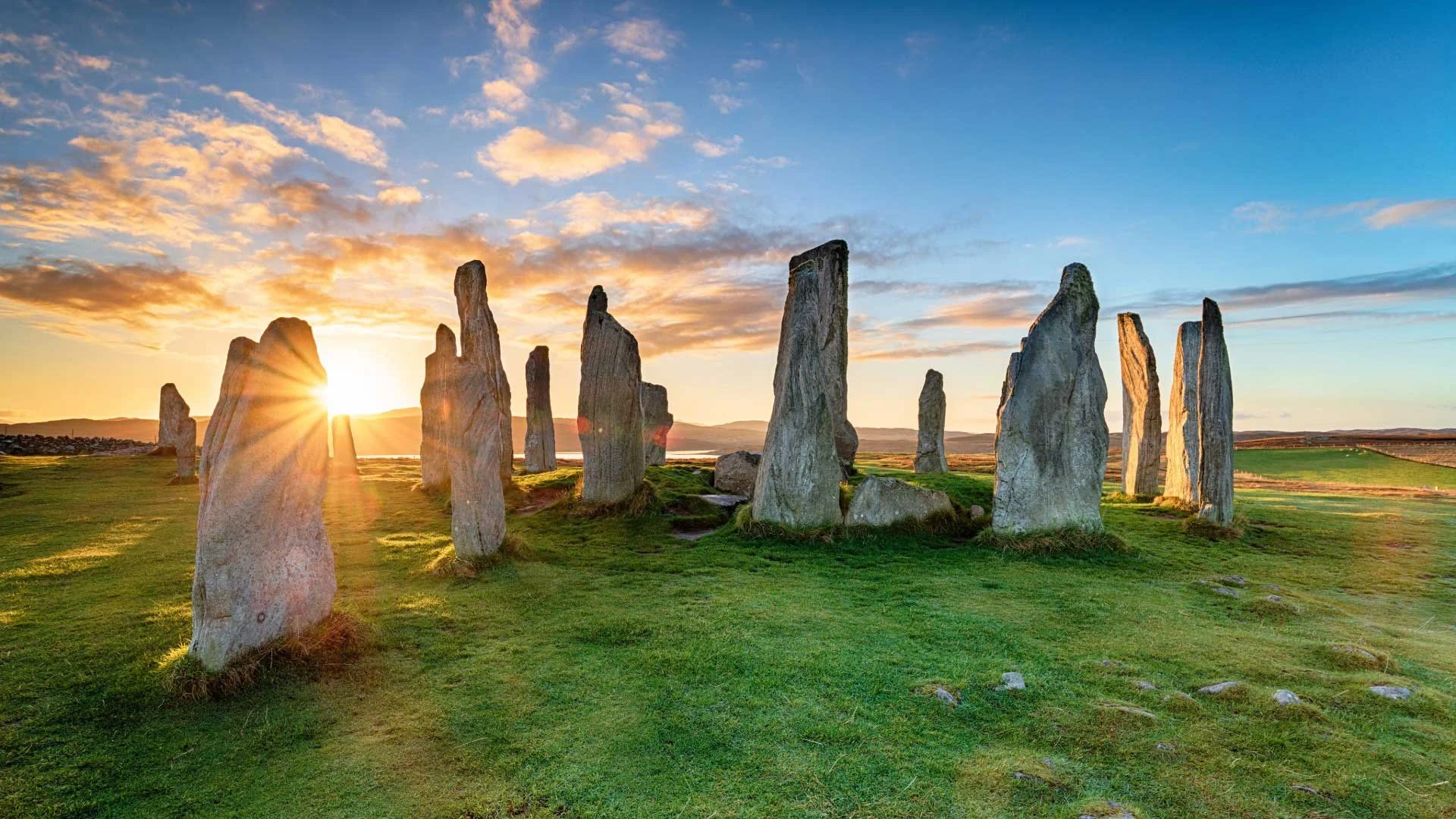
The Callanish Stones
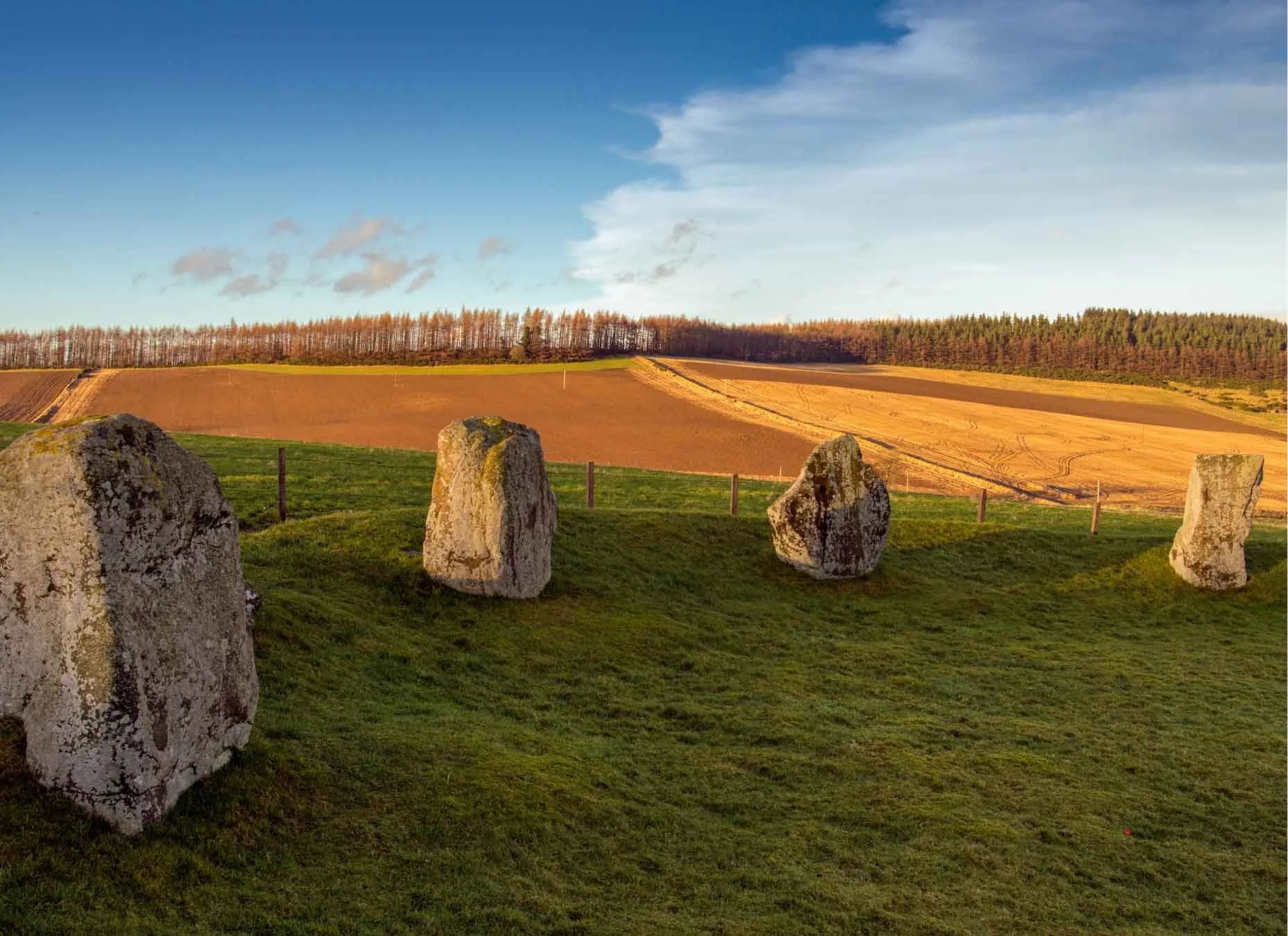
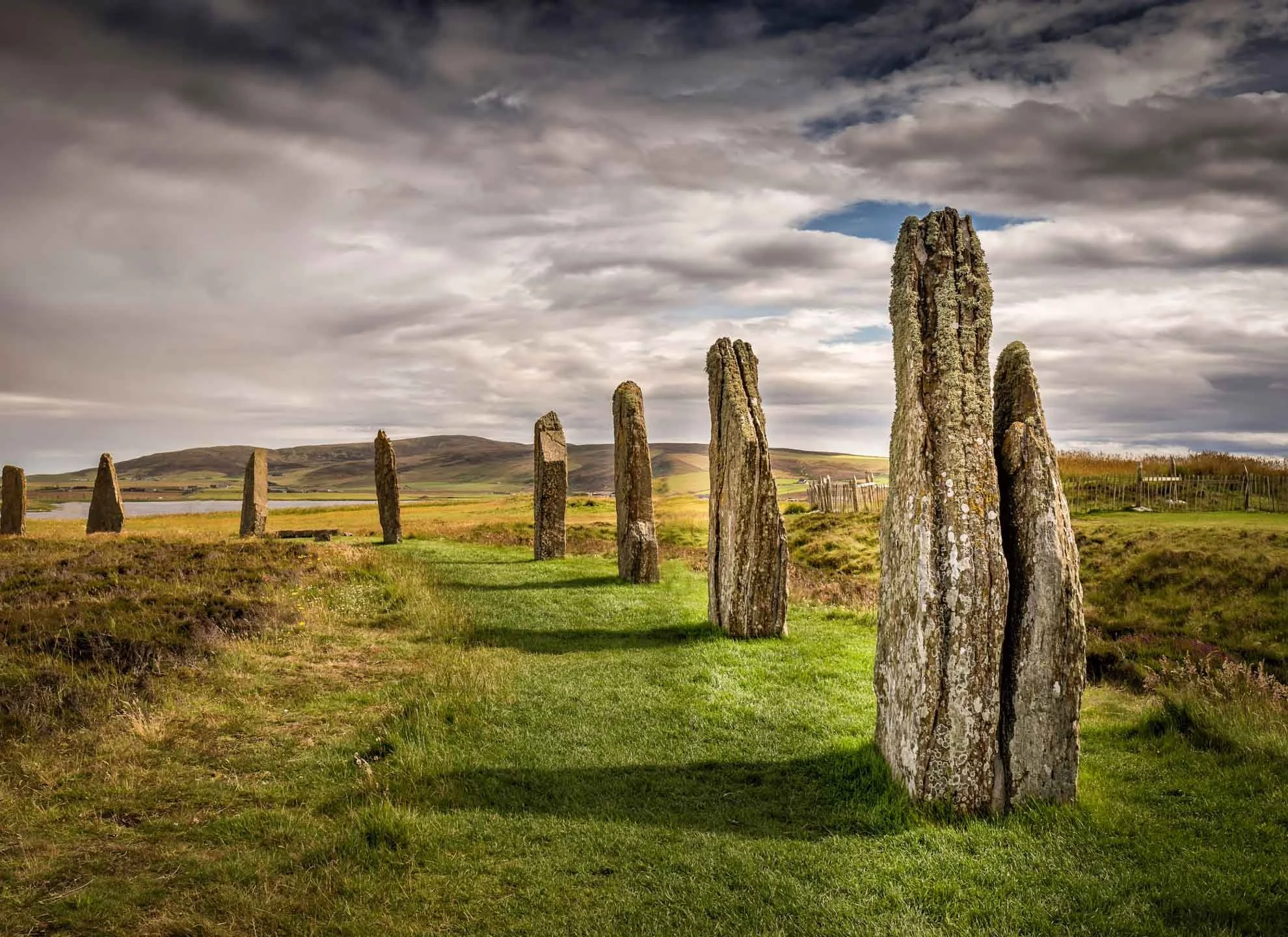
At the heart of Celtic and Pictish culture lay a deep reverence for the cycles of nature, mirrored in their mythology, folklore, and rituals. Central to Celtic and Pictish spirituality was the concept of the sacred landscape, where natural features such as rivers, mountains, and forests were believed to be inhabited by deities and spirits. The Spring Equinox served as a pivotal moment in their calendar, signalling the return of vitality to the land and the reawakening of these divine forces. It was a time of great celebration, marked by feasting, bonfires, and communal gatherings held at sacred sites such as the Callanish Stones in Scotland, Stonehenge in England, and the Hill of Tara in Ireland. The alignment of these now ancient monuments with the movements of the Sun and stars underscores the importance of the Spring Equinox in Celtic and Pictish cultures. These stone circles served as ceremonial sites where rituals and ceremonies would have been performed to mark the changing of the seasons. The Western row of the Callanish Stones, for instance, is aligned towards the sunset at the Spring Equinox.
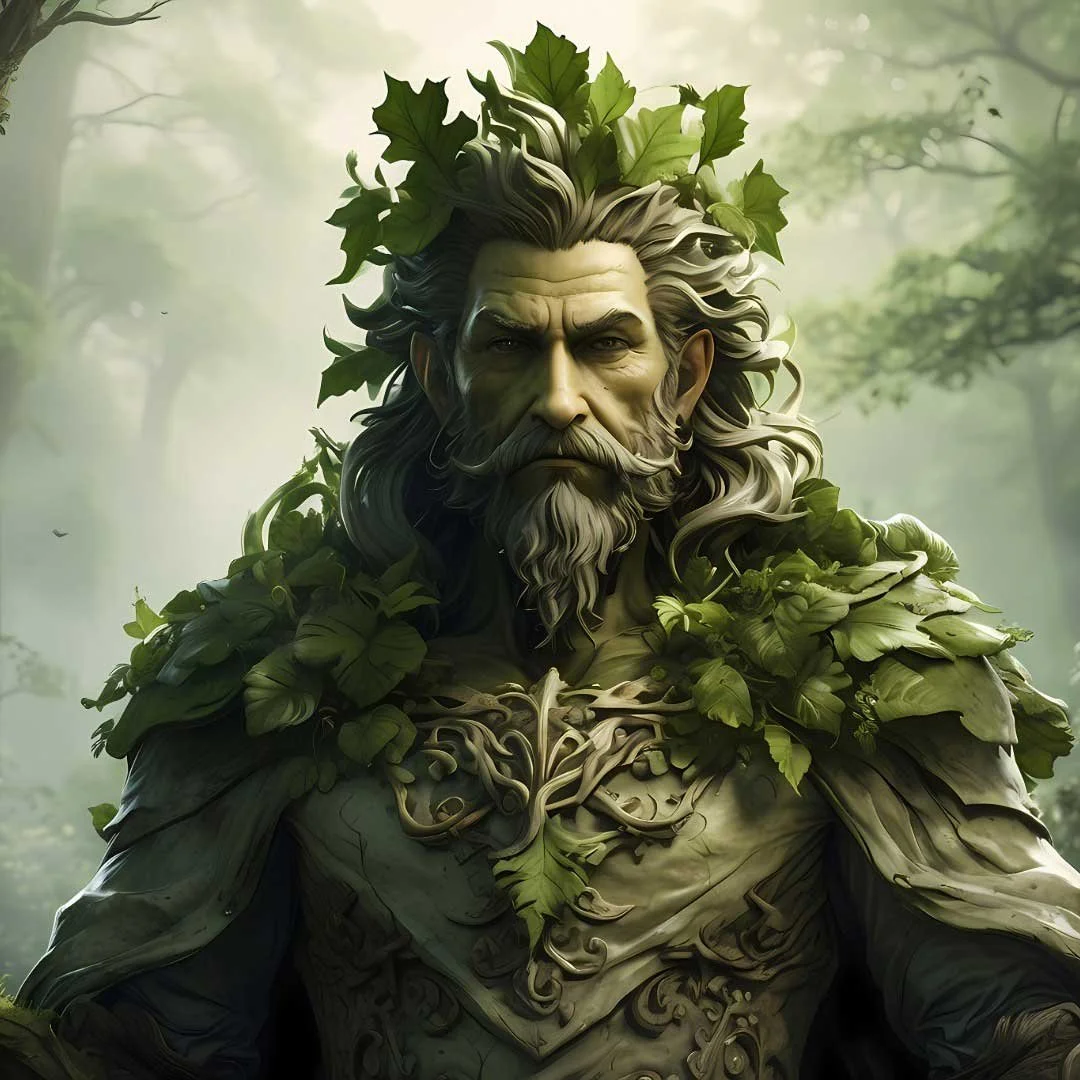
An enduring symbol associated with the Spring Equinox in Celtic culture is that of the Green Man. The Green Man was said to be born of Mother Earth in the depths of Winter and to live through the rest of the year until he died at Samhain. Often depicted as a mysterious figure adorned with leaves and foliage, the Green Man personifies the spirit of nature and the cycle of life, death, and rebirth. His presence during Springtime festivities served as a reminder of the interconnectedness of all living things and the eternal renewal of the Earth's vitality.
The veneration of water was another prominent feature of Celtic and Pictish celebrations during the Spring Equinox. Rivers, springs, and wells were considered sacred sources of life-giving energy, embodying the divine feminine aspect of the Earth Goddess. Rituals involving purification, healing, and fertility were performed at these water sites, reinforcing the symbiotic relationship between humanity and the natural world.
Fire also played a prominent role in the celebrations and in these purification and cleansing rituals. In Celtic tradition, as well as to honour the sun and to invoke its warmth and vitality, bonfires were lit to drive away evil spirits and to purify the land for the coming growing season. The Celts would gather around these sacred flames, dancing, singing, and offering prayers for prosperity and growth. The smoke and embers were believed to possess purifying and protective properties, warding off malevolent forces and ushering in a season of renewal. Some would leap over the flames or pass objects through the fire as a means of cleansing and renewal. Similarly, the Picts may have engaged in similar rituals, although much of their culture remains shrouded in mystery due to the lack of written records.
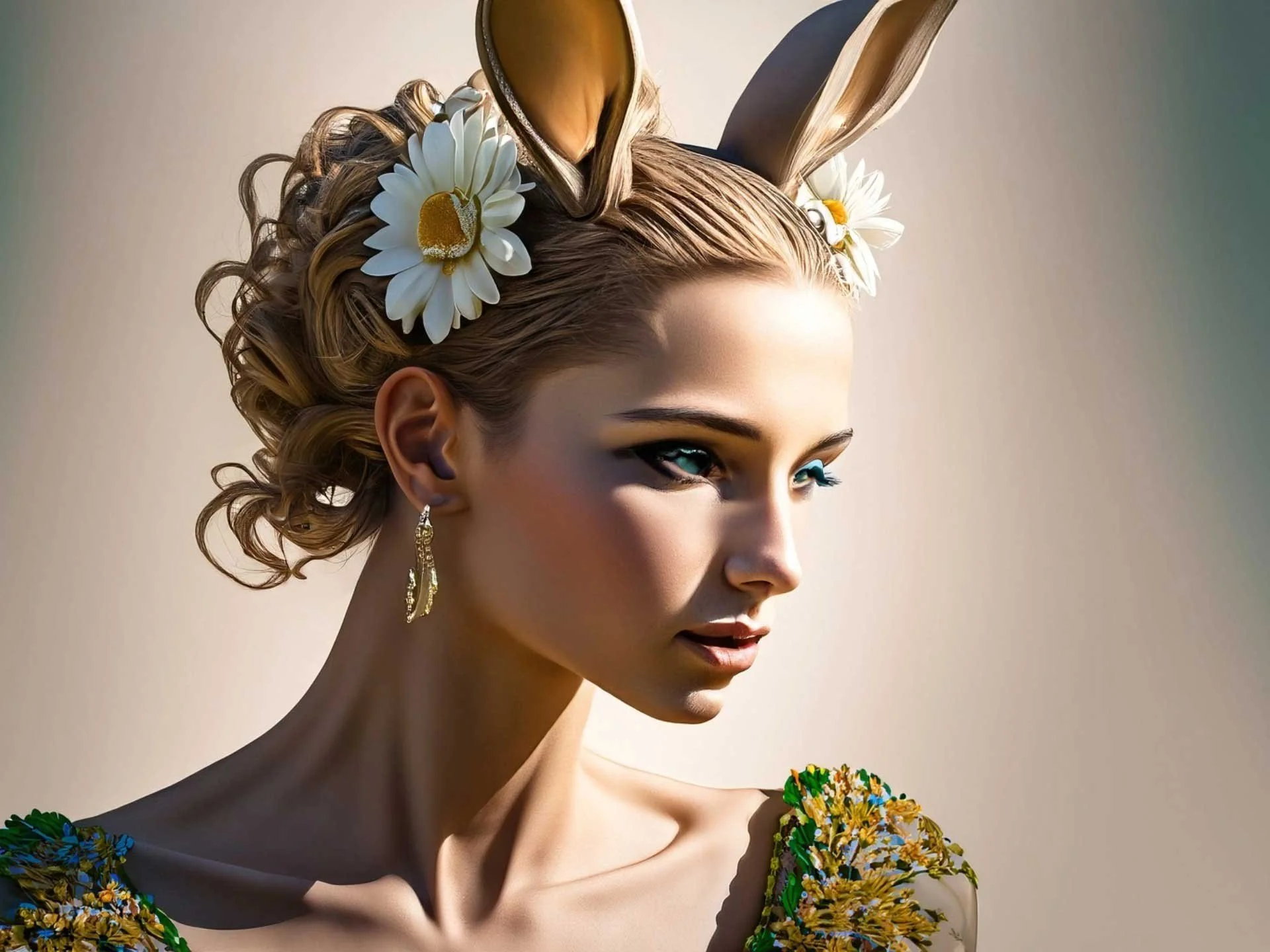
One of the most enduring symbols associated with the Spring Equinox in Celtic traditions is that of the egg. Eggs, representing fertility, new life, and potential, were often central to rituals and customs surrounding the Equinox. Decorated eggs adorned with intricate patterns and symbols were exchanged as tokens of good fortune and blessings for the coming season. The cracking of eggs in ceremonial rites symbolised the breaking of barriers and the emergence of new beginnings. We see this tradition continued in modern times in the form of Easter Eggs. And on the subject of Easter, whilst the name for the Celtic Spring festival is unknown it was likely to be related the Goddess Eostre or Ostara, the Pagan fertility goddess of humans and crops, who was symbolised by the Hare and represented Spring and new dawns. Her name has given us both ‘Easter’ and the term ‘Estrogen’.
In addition to its spiritual significance, the Spring Equinox also held practical importance for agrarian societies like the Celts and Picts. It marked the beginning of the agricultural year, signaling the time for planting crops and tending to livestock. Ancient agricultural practices such as plowing, sowing, and blessing the fields would have been carried out amidst prayers and invocations to ensure a bountiful harvest in the months to come.
Final Thoughts
The Spring Equinox held a deep and enduring significance in Celtic and Pictish cultures, serving as a sacred bridge between the natural and the supernatural. It represented a time of profound spiritual awakening, when the Earth would burst forth with new life and energy. Despite the passage of centuries, the legacy of the Spring Equinox endures in modern Celtic and Pictish traditions, and by understanding and embracing the traditions of our ancestors, we can cultivate a deeper appreciation for the rhythms of nature and our place within the cosmos. As we welcome the return of Spring this year, let us honour the wisdom of the past and carry its legacy forward into the future. Whether through celebrations, ceremonies, dance, music, or storytelling, the spirit of the Spring Equinox lives on, connecting past, present, and future generations in a celebration of the Earth's renewal. Let us continue to gather on the Equinox to honour the turning of the seasons, to connect with the Earth, and to celebrate the timeless mysteries of life and renewal.
If you have enjoyed this article and would like to support what we do by donating £2 or more to buy saplings to plant, please follow the link below:


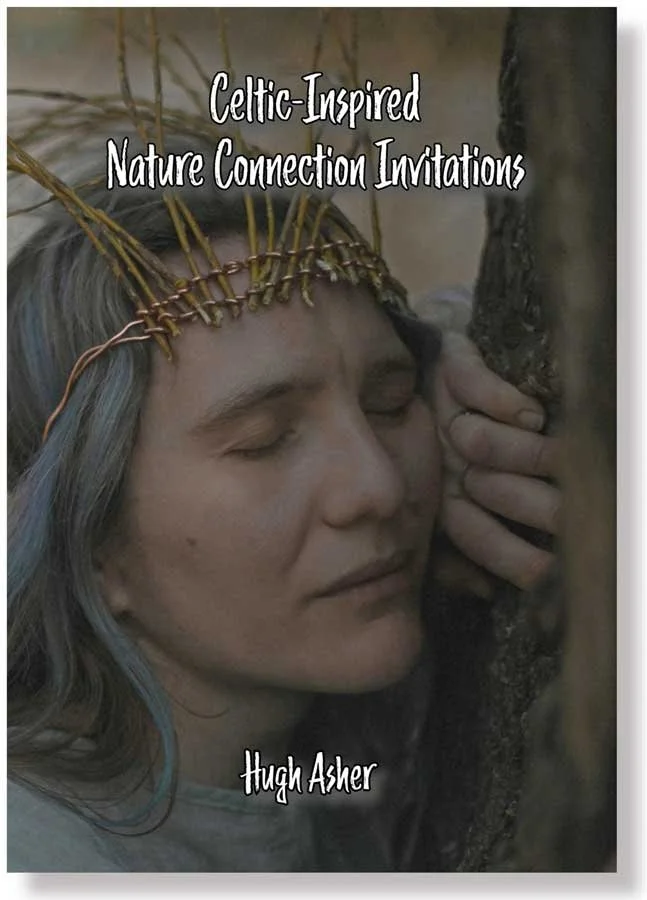
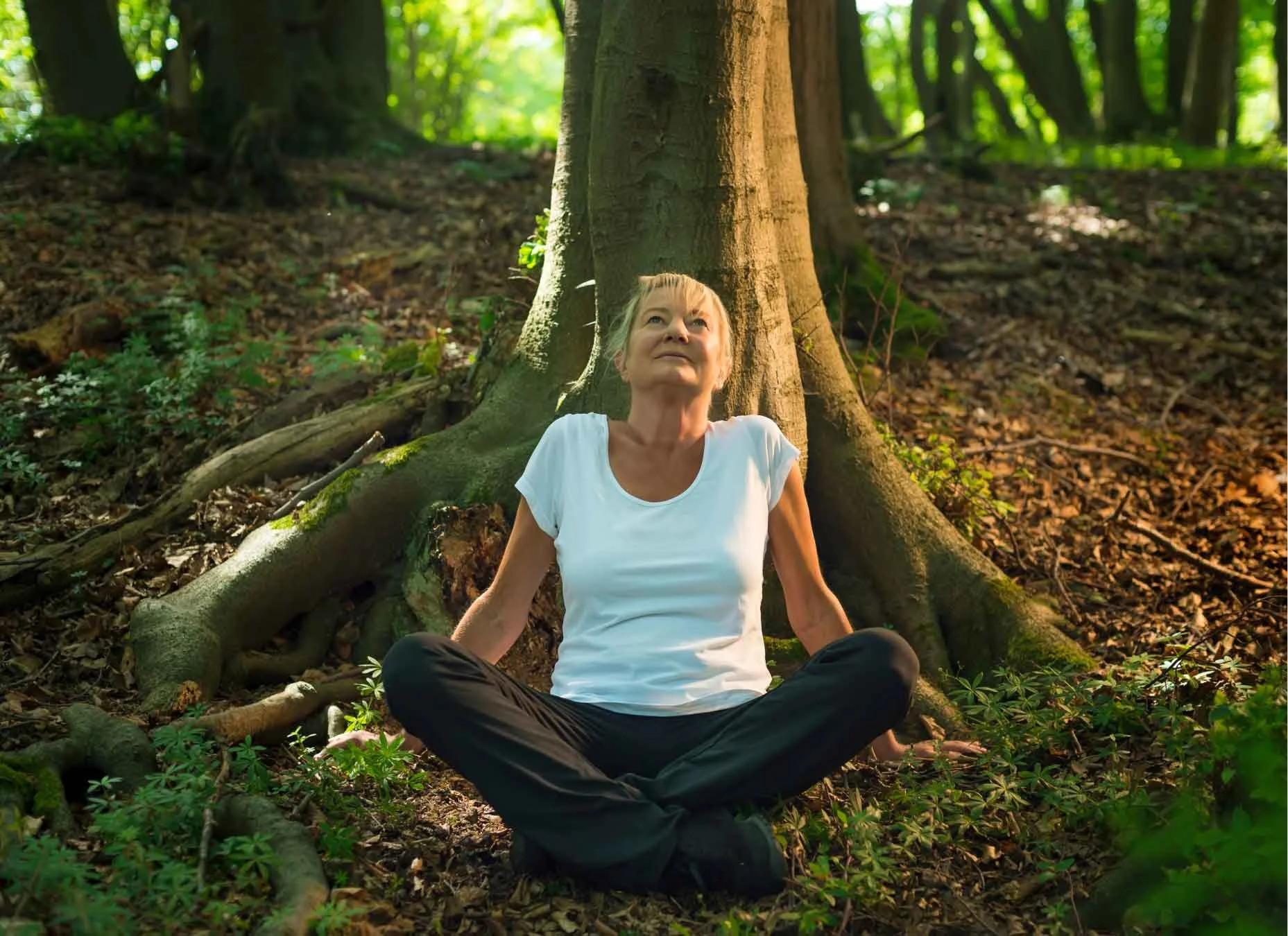













A small collection designed to gently open the door into deeper relationship with the natural world.
This complete set of four Forest Healing booklets brings together practical guidance, reflective ideas, and simple nature connection practices that can be used anywhere — from ancient woodland to a nearby park, garden, or even a single Sit Spot outdoors.
Written to be accessible, grounding, and easy to follow, these booklets offer a pathway into the core practices of Forest Bathing (Shinrin-yoku), Silvotherapy, and everyday nature connection. Rather than asking you to achieve anything, they simply invite you to slow down, notice more deeply, and allow nature to become an active presence in your wellbeing.
Across the four booklets you will explore:
• What Forest Bathing, Silvotherapy, and Nature Connection actually are
• The key benefits of spending mindful time in natural environments
• The practice of the “Sit Spot” and how to develop your own relationship with a chosen place
• Simple, practical Forest Bathing invitations you can try alone or with others
• Ways to bring nature connection into everyday life, even in small moments
Together, they form a gentle introduction to practices that have been shown to support reduced stress, improved mood, greater clarity of thought, and a deeper sense of belonging within the natural world.
These are not academic texts or rigid instruction manuals. They are invitations — encouraging you to step outside, slow your pace, and rediscover the quiet intelligence of trees, weather, and landscape.
Whether you are completely new to nature connection or looking to deepen an existing practice, this collection offers a simple, supportive starting point for building a more intentional and restorative relationship with the living world around you.
A small set of booklets that can change the way you experience even the most familiar patch of nature.
Buy all Four Forest Bathing and Nature-Connection Booklets for £11.00 including FREE P&P within the UK.
Postage to the Rest of the World is £4.