

Spirituality, Spiritual Experiences and Ecotherapy
Saturday 4th April 2026
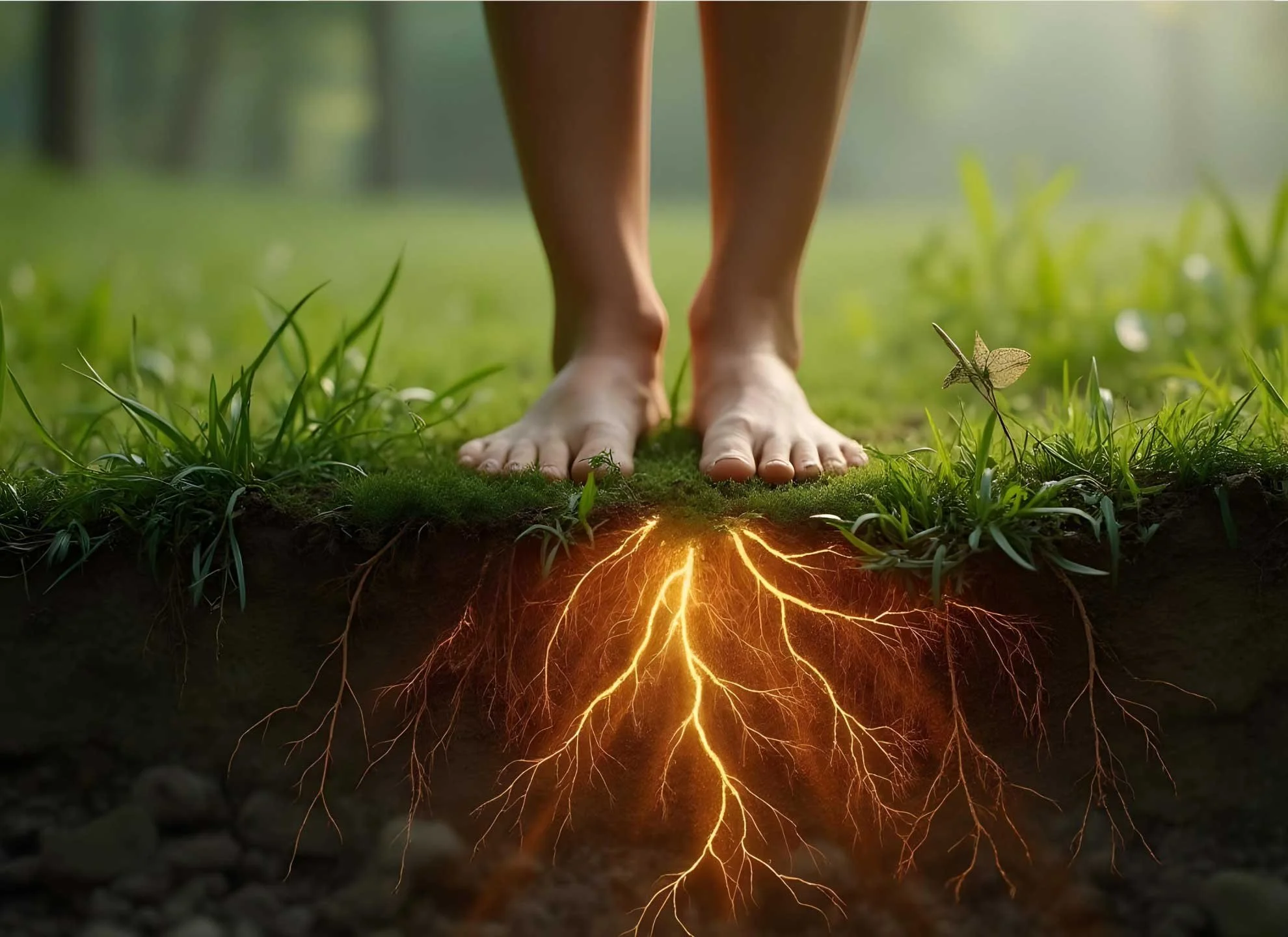
Ecotherapy is often described as a therapeutic approach that brings people into contact with nature in ways that support mental health and wellbeing. Activities such as Forest Bathing, nature-based counselling, conservation work, or mindfully walking in natural landscapes are increasingly recognised as effective tools for reducing stress, anxiety, and depression as well as improving emotional regulation. Yet there is increasing evidence that suggests that something deeper may also be occurring in these settings — people frequently report having meaningful spiritual experiences, and this is supported by research that suggests that ecotherapy’s effects are not only psychological and physiological, but can also be spiritually valuable. These experiences do not necessarily involve religion or formal spirituality. Rather, they often take the form of profound feelings of connection, awe, presence, or belonging within the living world. In recent research that we will discuss here, participants in nature-based therapy often described moments in which they felt deeply connected to life, more accepting of themselves, and newly hopeful about their future.
Understanding Spiritual Experience in Nature
The word “spiritual” can mean different things to different people. Within ecotherapy research, it usually refers to experiences characterised by:
A sense of deep connection with the natural world
Feelings of awe, wonder, or reverence
A heightened sense of presence or awareness
Experiences of belonging within the wider living world
Moments of insight, meaning, or life perspective
Importantly, these experiences are not necessarily religious. Many people who report spiritual experiences in nature do not identify as religious. Instead, they describe a sense that nature itself evokes something meaningful and deeply human. Psychologists often describe these experiences as transcendent, meaning they temporarily shift attention beyond the narrow boundaries of everyday thinking. When this happens, people may feel less trapped in their usual worries and more connected to something larger than themselves.
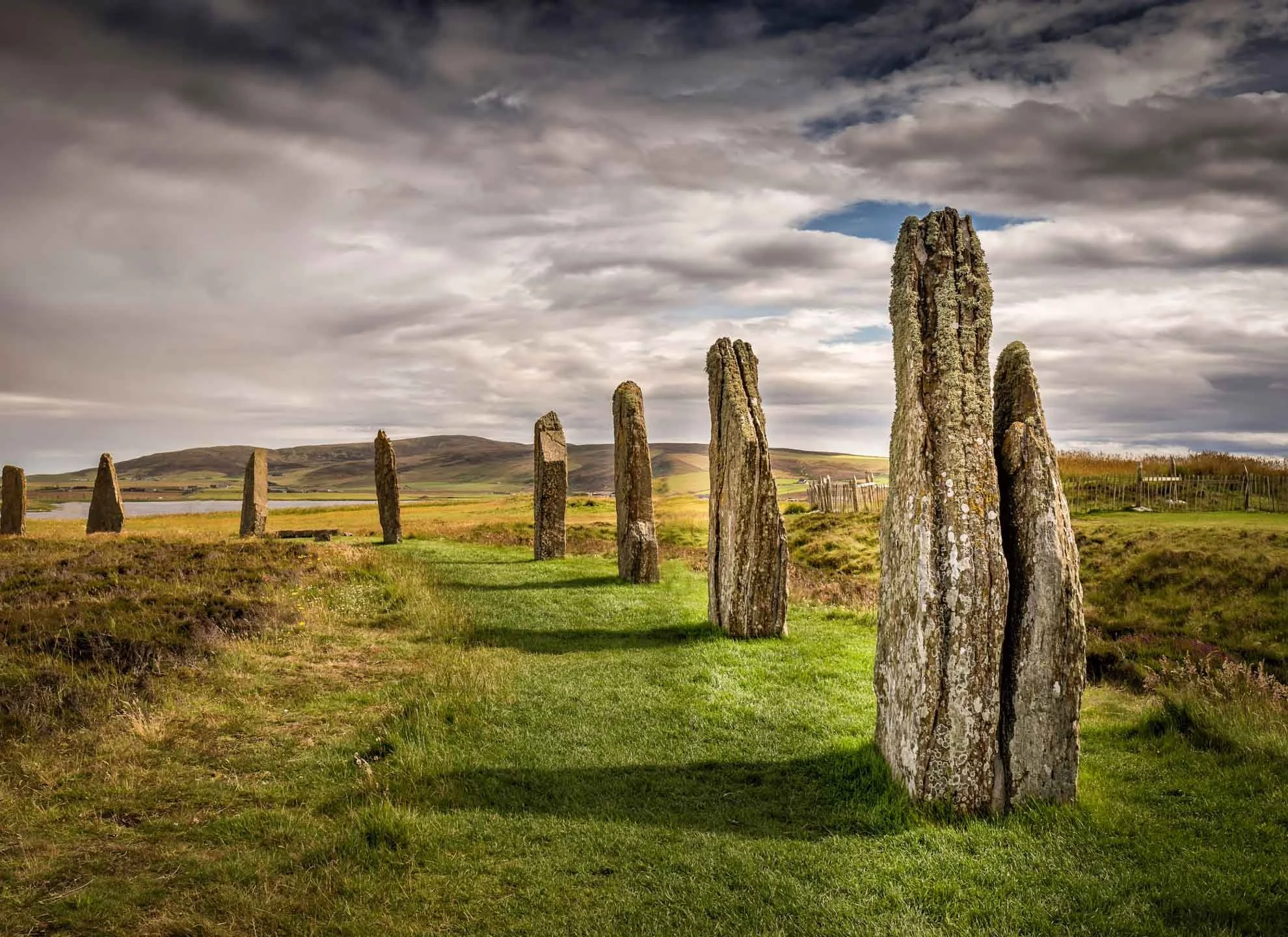
The idea that nature can evoke spiritual awareness is not new, however. Many traditional cultures recognised the living world as a source of wisdom and connection. For example, Celtic traditions emphasised reciprocal relationships with landscapes and trees, a perspective explored further in our article on nature connection in Celtic traditions.
In therapeutic settings, such shifts can be powerful though. They can create space for new perspectives, emotional healing, and deeper self-understanding. In this recent systematic review by Kang and Hanley (2026), spiritual experiences in ecotherapy were shown to cluster around three recurring qualities: witnessing the essence of life through nature, immersion in the immediacy of nature, and a sense of oneness with the natural world.
Therapeutic Effects of Spiritual Nature Experiences
The Kang and Hanley systematic review examined research exploring spiritual experiences within ecotherapy. They analysed studies of people participating in nature-based therapeutic interventions and found three common types of spiritual experience.
Witnessing the Essence of Life
Many participants reported feeling as if they were encountering something fundamental about life itself while in nature. This might occur while watching water flowing in a stream, observing wildlife, or simply sitting quietly beneath trees. These experiences were often described using language such as:
“feeling the vitality of life”
“sensing something ancient or enduring”
“realising that life continues beyond my own struggles”
Such moments can help people to step outside their personal difficulties and reconnect with the broader continuity of life.
Immersion in the Present Moment
Another common experience involved becoming fully absorbed in the sensory immediacy of nature. Participants described losing track of time and feeling deeply present while listening to birds, feeling the wind, or walking slowly through woodland.
This state resembles mindfulness or meditation. In nature-based therapy, however, the environment itself supports the process. Natural soundscapes, textures, and rhythms can draw attention away from rumination and gently anchor awareness in the present moment.
A Sense of Oneness or Belonging
The third theme involved experiences of connection or unity with the natural world. Participants described feeling as though the boundary between themselves and nature had softened. Rather than seeing themselves as separate observers of the environment, they experienced themselves as participants within a living ecosystem.
These moments often carried strong emotional significance and were described as deeply comforting or meaningful.
The review also identified three therapeutic effects that participants associated with these experiences: self-acceptance through processing pain, liberation from the constraints of the past, and renewed hope and purpose.
Self-Acceptance and Emotional Processing
Many participants reported that spiritual experiences in nature helped them face difficult emotions more openly. Being in a natural setting often created a sense of safety or acceptance that allowed painful feelings to surface, and many people find that nature provides a gentle setting for working with difficult emotions such as grief and loss. Spending time outdoors can help people process feelings that are difficult to express elsewhere — a theme explored in more depth in our article on nature connection and grief.
For example, people described:
coping with loss while sitting beside water
reflecting on life while walking through woodland
feeling held or supported by the landscape
This sense of being accompanied by the natural world can make it easier to process grief, trauma, or loss.
Liberation from the Past
Participants also described experiences in nature that helped them feel less defined by past events. Moments of connection or awe sometimes brought new perspective, helping them to recognise that their life story could still change.
In this way, spiritual experiences in ecotherapy may support psychological flexibility and personal growth.
Renewed Hope and Life Purpose
Perhaps most importantly, many participants reported a renewed sense of hope. Feeling connected to nature often helped them to rediscover meaning and purpose in life.
Some individuals described a desire to live more authentically, while others reported feeling motivated to care for the environment or contribute positively to their communities.
The Significance of These Findings
These findings are very important because it places spirituality not at the margins of ecotherapy, but closer to its centre. Ecotherapy, or nature-based therapy, is increasingly understood as more than a pleasant outdoor setting for conventional counselling approached and practices. It is a relational practice in which the natural environment can actively shape the therapeutic process — indeed in Forest Therapy we often say “Nature is the therapist, the Forest Bathing Guide just opens the door”. Earlier practitioner research already pointed to four broad factors: the natural environment as a growth-oriented setting, challenge as a means of expanding limiting self-perceptions, nature’s active role in the therapeutic process, and expansiveness and interconnectedness as recurring outcomes. In that sense, the spiritual dimension is not an add-on; it is one of the ways ecotherapy becomes transformative.
The language used here can be a bit ‘slippery’, so it helps to be clear about what is meant. “Spiritual” here does not need to mean explicitly religious, doctrinal, or supernatural. In the literature on nature experience, spirituality often refers to experiences of connection, sacredness, meaning, transcendence, or belonging. A classic qualitative study of nature and environmental responsibility found that people described spiritually significant encounters with nature in terms of presence, interconnectedness, and self-expansion, and that these encounters could reshape worldviews and deepen responsibility toward the more-than-human world.
One of the most striking aspects of the new review is how closely it aligns with embodied, phenomenological descriptions of being in nature. A 2024 cross-cultural phenomenological study of memorable moments in nature found three recurring themes: serenity and sensory awakening, admiration for beauty, and an emerging sense of togetherness and deep emotional bonding. The authors argued that wellbeing in nature is not simply a matter of “being exposed” to green space; it is rooted in responsiveness, ecological time, and the ecological body, a finding echoed in the wider nature connection literature. That framing is especially helpful for understanding spiritual experience in ecotherapy, because it highlights how people do not just observe nature from a distance. They are affected by it, moved by it, and sometimes reoriented through it.
This also helps to explain why ecotherapy can feel often qualitatively different from indoor-based therapies. In a qualitative study of clients attending psychotherapy while walking in nature, participants reported that nature brought them closer to their inner worlds and supported therapeutic work in ways that approaches based indoors did not. Nature was experienced as a supportive environment that made inner exploration easier and more meaningful. That is not the same as saying the forest “heals” on its own (although I like to think that it does!). Rather, the setting helps to create conditions in which reflection, emotional contact, and new perspective become more available.

The recent review by Kang and Hanley suggests that the spiritual qualities of ecotherapy are often experienced through three related modes. First is witnessing life essence through nature, where participants describe a felt encounter with vitality, aliveness, or something essential in the living world. Second is immersion in the immediacy of nature, where attention becomes rooted in the present moment and ordinary mental noise loosens. Third is oneness, where boundaries between self and world feel softened and a deeper sense of belonging emerges. These themes resemble earlier conceptualisations of spiritual nature experience and overlap with the broader language of presence, self-expansion, and interconnectedness.
What makes these experiences therapeutically important is not only how they feel, but what they make possible. Kang and Hanley found that participants often linked spiritual moments in nature with self-acceptance, release from the past, and hope. That sequence is psychologically very meaningful. A person who feels less trapped by old narratives may become more able to tolerate grief, shame, uncertainty, or regret. A person who senses continuity with life may find renewed motivation to live differently. In this way, the spiritual dimension of ecotherapy can support not only insight, but also integration.
Awe and the Psychology of Transcendence
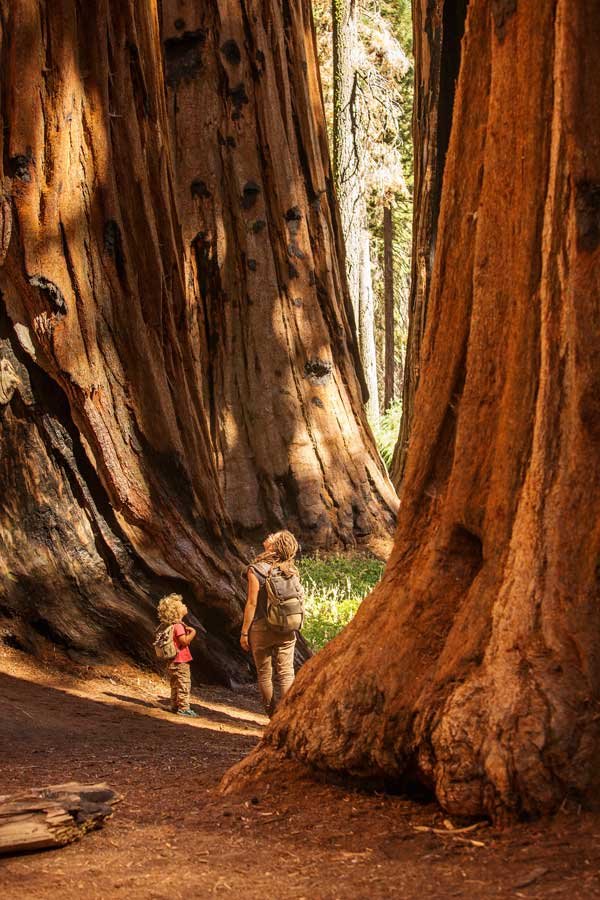
One concept that helps explain these experiences is awe. Naturalists have long described powerful emotional and spiritual responses to wild landscapes. The conservationist John Muir, for example, wrote vividly about experiences of awe and belonging in the mountains and forests of North America, which helped shape modern environmental thinking.
Psychologists describe awe as an emotional response that arises when we encounter something vast, beautiful, or powerful that challenges our usual ways of understanding the world. Nature is one of the most common sources of awe.
Experiences of awe have been linked to several psychological benefits, including:
reduced self-focus and rumination
increased feelings of connection to others
enhanced sense of meaning in life
greater wellbeing and life satisfaction
When people feel awe, their attention often shifts away from everyday worries and toward a broader perspective. This shift may partly explain why spiritual experiences in nature can be so therapeutic.
A major review on awe as a pathway to health describes awe as an experience often arising in nature, spirituality, music, collective movement, and the use of psychedelics. The review argues that awe can reduce self-focus, increase prosocial relatedness, heighten meaning, and support both mind and body. That model maps well onto ecotherapy, where a client may move from rumination toward wonder, from self-preoccupation toward openness, and from isolation toward connection. Awe is not identical to spirituality, but in nature-based work the two can overlap very naturally.
Nature Connectedness and Wellbeing
Another important concept in ecotherapy research is nature connectedness — the sense of emotional relationship people feel with the natural world. The broader evidence on nature connectedness reports that spiritual experiences in ecotherapy may have effects beyond the therapy session itself.
Studies consistently show that people who feel more connected to nature report:
greater happiness
higher life satisfaction
stronger feelings of vitality
better psychological wellbeing
Nature connectedness also appears to mediate some of the health benefits of spending time outdoors. In other words, simply being in nature may not be enough on its own; the quality of the relationship with nature also matters. Practices that encourage mindful attention, sensory awareness, and emotional engagement with nature can deepen this connection. Another meta-analysis found a positive association between connection to nature and pro-environmental behaviour.
The Role of the Natural Environment in Therapy
Ecotherapy differs from traditional therapy partly because nature itself becomes an active participant in the therapeutic process.
Natural environments can offer:
sensory richness
unpredictability and challenge
symbolic metaphors for life processes
opportunities for physical movement
spaces for quiet reflection
Trees, rivers, weather, and seasonal change can all become part of the therapeutic dialogue. For example, a therapist or practitioner might invite a client to reflect on the resilience of a tree growing through difficult conditions or to notice how a flowing stream symbolises the possibility of change. These metaphors can help people to access insights that might be harder to reach in a conventional therapy room.
A more recent systematic review indicates that nature connectedness can also play a mediating role in the relationship between nature exposure and outcomes such as mental health, blood pressure, cortisol, and brain activity. In other words, the experience of connection may be one of the pathways through which nature becomes therapeutic. This is really important because ecotherapy is not only about individual healing — it also has an ecological dimension. Annick De Witt’s qualitative work on the spiritual dimension of nature experience found that when participants experienced nature as meaningful, intrinsically valuable, or sacred, they often reported a stronger sense of environmental responsibility. Her study identified three pathways: profound encounters with nature, contemporary spirituality, and the convergence of the two in spiritual nature experience. Many participants said such experiences influenced their worldviews and even their career choices. Kang and Hanley’s review reaches a similar conclusion when it suggests that spiritual experiences in ecotherapy may also foster pro-environmental attitudes and hope in the face of environmental crisis.
Ecotherapy and Environmental Responsibility
Spiritual experiences in nature may also influence how people relate to the environment. Research exploring the spiritual dimension of nature experiences has found that many people who report profound encounters with nature also display stronger environmental values.
These experiences can foster:
a sense of reverence for life
recognition of nature’s intrinsic value
motivation to protect our ecosystems
In this way, ecotherapy may support not only individual wellbeing but also ecological awareness and stewardship, and as environmental challenges intensify globally, reconnecting people with the living world may play an important role in fostering sustainable attitudes and behaviours. That ecological implication is also important for a deeper reason. In ecotherapy, spiritual experience can help a person see that personal wellbeing is not separate from the health of the living world. It can shift the therapeutic question from “How do I fix myself?” to “How do I belong in a wider pattern of life?”. The literature on Shinrin-Yoku, or Forest Bathing, supports this link with spiritual wellbeing. A scoping review found that Forest Bathing is not only associated with physical and psychological health, but may also enhance or reveal spirituality. That suggests that spiritual experience in nature is not confined to overtly reflective or contemplative practices; it can also emerge in simple, sensorial, mindful contact with living environments.
For practitioners, the practical lesson is not to force spiritual language into therapy, but to make room for experience. That might mean slowing the pace, allowing silence, attending carefully to sensory detail, inviting clients to notice what the body is registering, or using walking, stillness, creative exercises, and symbolic reflection in a way that fits the client’s worldview. The practitioner literature on nature-based therapies emphasises that nature itself can be perceived as actively influencing the process, and that expansiveness and interconnectedness are recurrent therapeutic factors. In this way ecotherapy creates conditions in which a spiritual experience may arise naturally, rather than being imposed. The same literature also suggests that nature can be both supportive and challenging. That is one reason ecotherapy should be trauma-informed and client-led. Experiencing challenges can expand limiting self-perceptions, but it can also be overwhelming if it is not carefully titrated. This is especially relevant in work with people who have histories of trauma, dissociation, or strong anxiety, where a sudden encounter with openness or “oneness” may not feel comforting at first.
Trauma-Informed Approaches to Ecotherapy
While spiritual experiences in nature can be profoundly healing, it is important for practitioners to approach them with care. Not every person will immediately feel safe or comfortable in natural environments. For people with trauma histories, unfamiliar landscapes or open spaces may initially feel unsettling.
For this reason, ecotherapy practitioners typically emphasise:
gradual exposure to natural settings
client-led exploration
attention to safety and grounding
respect for individual beliefs and worldviews
Spiritual experiences should never be forced or expected. Instead, they often emerge naturally when people feel safe, relaxed, and open to the environment around them. The most responsible use of ecotherapy therefore treats spirituality as an invitation, not an expectation. The goal is not mystical intensity for its own sake, but the conditions that support safety, meaning, and integration.
Ecotherapy and Existential Wellbeing
Spiritual experiences in nature also appear to support existential wellbeing — the sense that life has meaning and direction. Many people today experience forms of disconnection related to modern lifestyles, urban living, and environmental degradation. Feelings of loneliness, uncertainty, and loss of purpose are increasingly common. Encounters with nature can counteract this disconnection by reminding people that they are part of a larger living system, and this perspective can help individuals see their lives within a broader context, reducing feelings of isolation and supporting a deeper sense of belonging.
A phenomenological study of memorable nature moments found that serenity, beauty, and togetherness were linked to a larger sense of purpose and meaning. Kang and Hanley’s review similarly links spiritual ecotherapy experiences to renewed life purpose and hope. This suggests that ecotherapy may be particularly useful where a person is struggling with loss, demoralisation, or existential emptiness. In such contexts, a natural setting can do something subtle but powerful — it can make life feel larger than the immediate problem, without denying the problem’s reality. That is another reason spiritual experiences in ecotherapy are worth taking seriously in contemporary mental health practices. They may support grief work, identity reconstruction, recovery from depression, and the reweaving of a person’s relationship with themselves, others, and the world. They may also help address a more collective wound — the alienation many people feel in an age of ecological loss, urban disconnection, and chronic stress. By restoring felt connection to living systems, ecotherapy can become a place not just of symptom relief, but of moral and existential renewal.
It is tempting, then, to describe spiritual experiences in ecotherapy as rare peak events, however the literature points to something subtler. These experiences may be vivid, even transformative, but they are also often grounded in ordinary moments — the feel of air, the sound of water, the shape of a tree, the rhythm of walking, the pause after speaking, the experience of being quietly accompanied by the more-than-human world. Ecotherapy does not require grand revelations. Sometimes the spiritual work is simply the gradual restoration of relation, attention, and trust. That is what makes it clinically promising and ecologically relevant at the same time.
Everyday Spirituality in Nature

It is easy to imagine spiritual experiences as rare or dramatic events, but in nature they are often subtle and ordinary. They may arise in simple moments such as:
noticing sunlight filtering through leaves
listening to birdsong at dawn
watching clouds move across the sky
feeling the rhythm of walking along a forest path
These small experiences can accumulate over time, gradually reshaping how people relate to themselves and to the world around them. In ecotherapy, the goal is not to create extraordinary mystical experiences. Instead, it is to cultivate attentiveness and openness to the living world, because when this happens, many people discover that meaning, connection, and healing can emerge naturally.
Final Thoughts
Research into spiritual experiences in ecotherapy is still developing, but the existing evidence suggests that encounters with nature can touch something deeply human. Through moments of presence, awe, and connection, people may rediscover a sense of belonging within the living world. These experiences can support emotional healing, personal growth, and renewed hope. Ecotherapy therefore offers more than a change of scenery for traditional therapy. It invites a different way of understanding wellbeing — one that recognises humans as part of a wider ecological community.
In a time when many people feel disconnected from both nature and themselves, this perspective may be more important than ever, as by restoring relationships with the natural world, ecotherapy can help people rediscover not only psychological balance but also meaning, purpose, and a sense of home within the Earth’s living systems. This helps to clarify why ecotherapy resonates so deeply for many people. Spiritual experiences in nature can create a felt sense of life’s depth, soften the grip of old pain, and open a path toward hope. The research and the wider literature adds that these experiences are closely tied to awe, nature connectedness, meaning, and environmental responsibility. Taken together, the evidence suggests that ecotherapy is most powerful when it honours nature not merely as a backdrop to therapy, but as a living participant in healing.
If you have enjoyed this article and would like to support what we do by donating £2 or more to buy saplings to plant, please follow the link below:




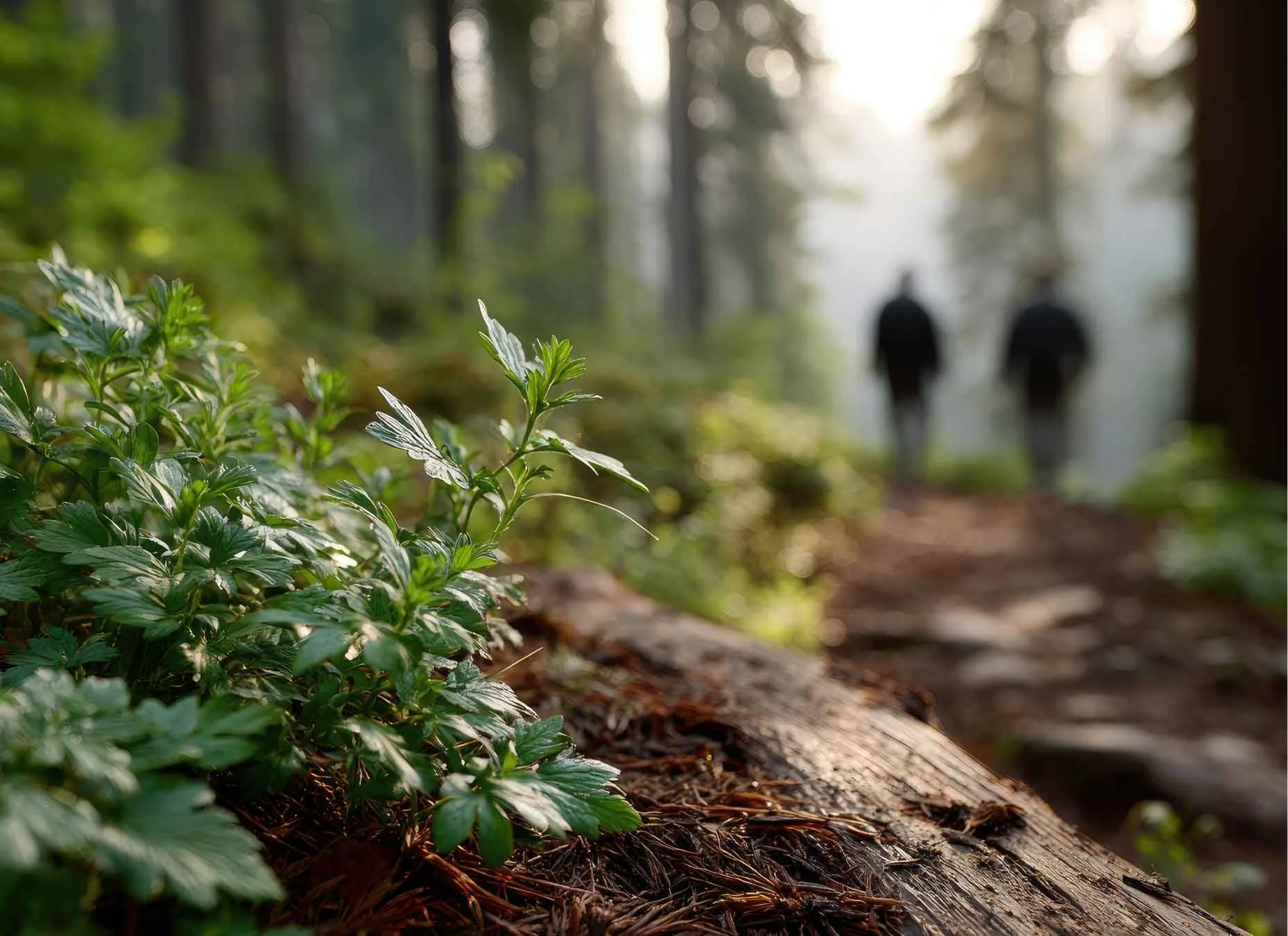
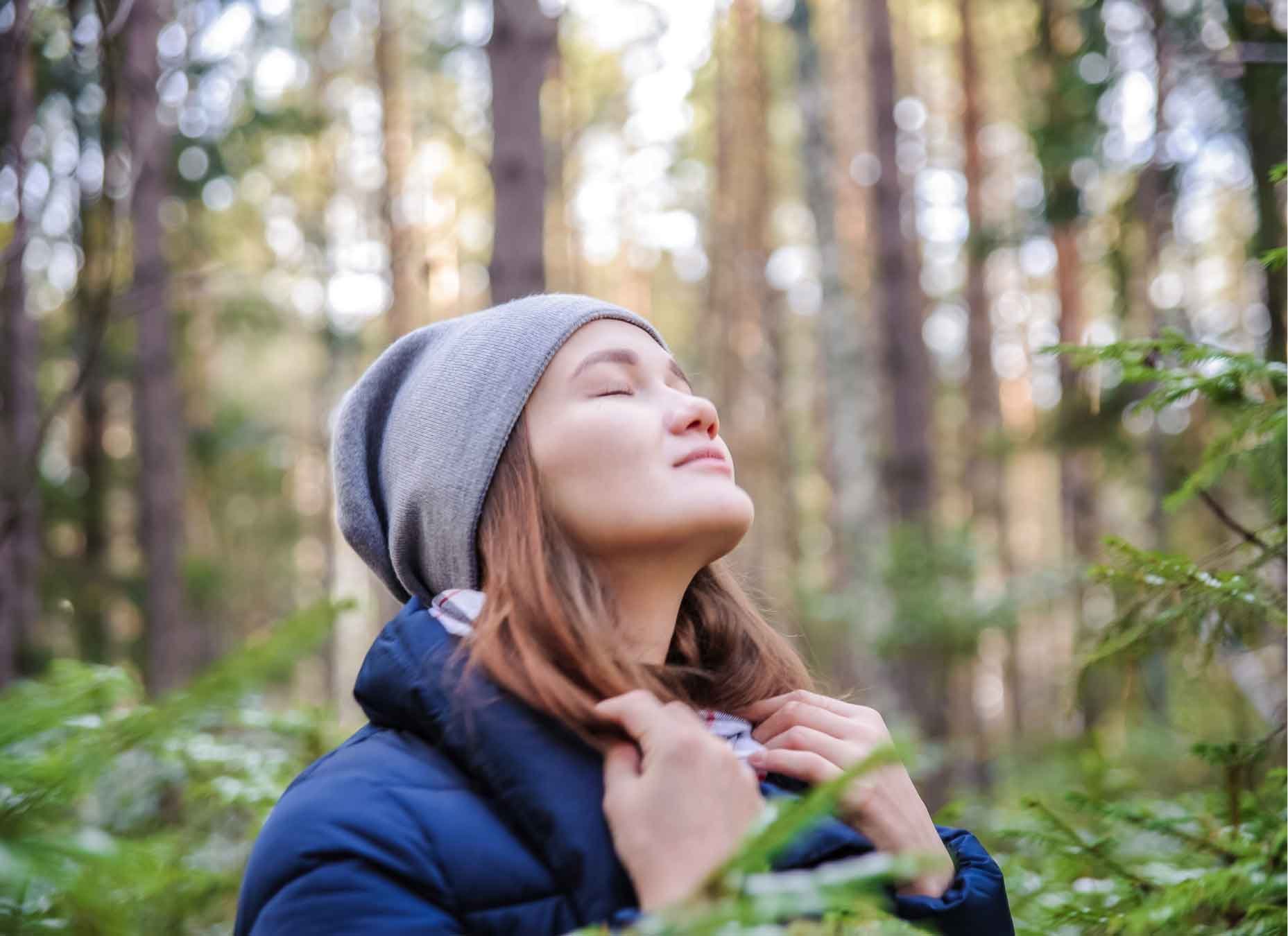

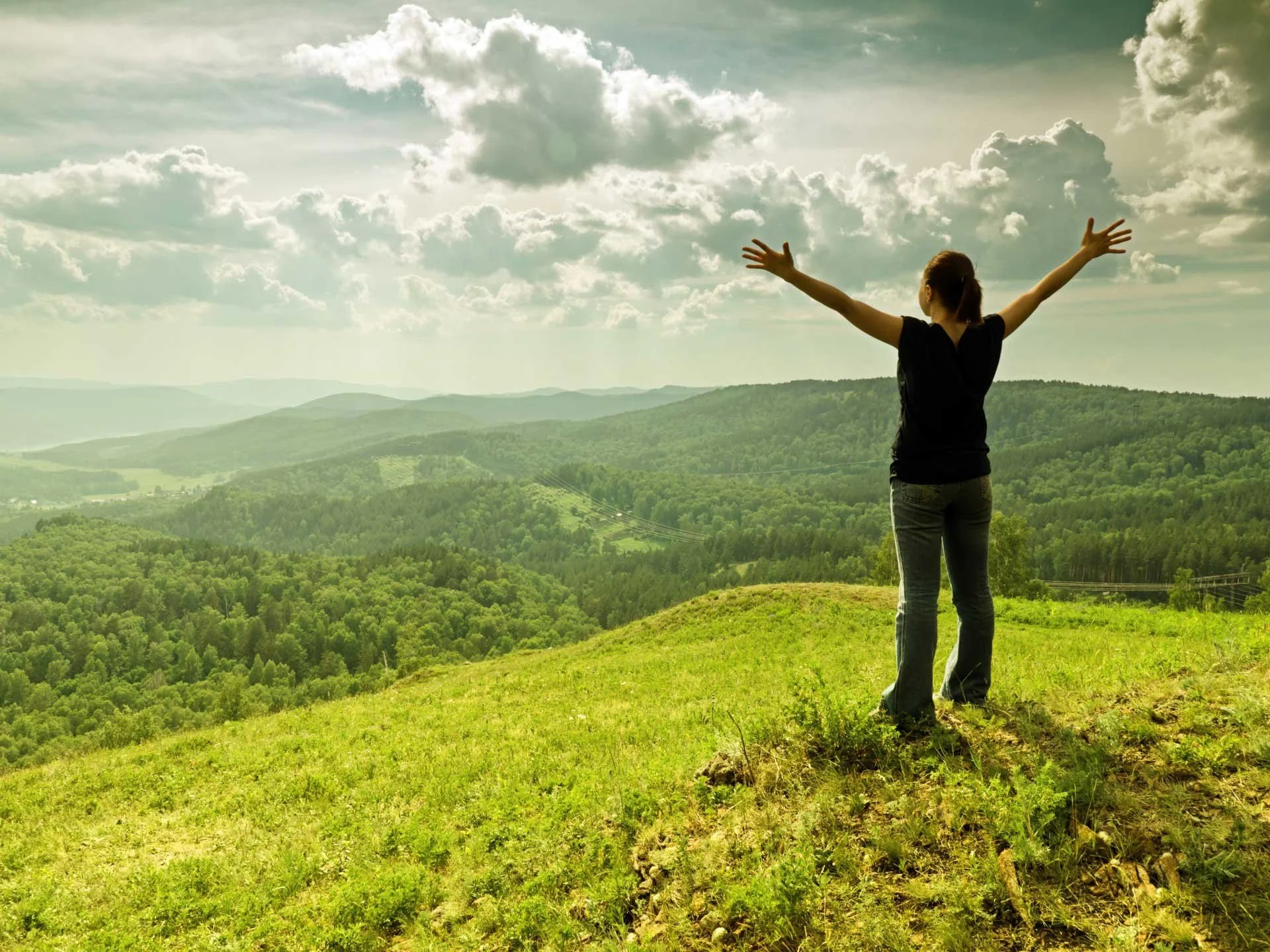










A small collection designed to gently open the door into deeper relationship with the natural world.
This complete set of four Forest Healing booklets brings together practical guidance, reflective ideas, and simple nature connection practices that can be used anywhere — from ancient woodland to a nearby park, garden, or even a single Sit Spot outdoors.
Written to be accessible, grounding, and easy to follow, these booklets offer a pathway into the core practices of Forest Bathing (Shinrin-yoku), Silvotherapy, and everyday nature connection. Rather than asking you to achieve anything, they simply invite you to slow down, notice more deeply, and allow nature to become an active presence in your wellbeing.
Across the four booklets you will explore:
• What Forest Bathing, Silvotherapy, and Nature Connection actually are
• The key benefits of spending mindful time in natural environments
• The practice of the “Sit Spot” and how to develop your own relationship with a chosen place
• Simple, practical Forest Bathing invitations you can try alone or with others
• Ways to bring nature connection into everyday life, even in small moments
Together, they form a gentle introduction to practices that have been shown to support reduced stress, improved mood, greater clarity of thought, and a deeper sense of belonging within the natural world.
These are not academic texts or rigid instruction manuals. They are invitations — encouraging you to step outside, slow your pace, and rediscover the quiet intelligence of trees, weather, and landscape.
Whether you are completely new to nature connection or looking to deepen an existing practice, this collection offers a simple, supportive starting point for building a more intentional and restorative relationship with the living world around you.
A small set of booklets that can change the way you experience even the most familiar patch of nature.
Buy all Four Forest Bathing and Nature-Connection Booklets for £11.00 including FREE P&P within the UK.
Postage to the Rest of the World is £4.