

Thin Places and Liminal Spaces in Celtic Culture
Saturday 26th October 2024
“Heaven and Earth are only three feet apart, but in thin places that distance is even shorter.”
Liminality, a concept associated with transitions, thresholds, and in-between spaces, holds significant importance in many cultures worldwide. It represents the state of being in a transitional phase, neither fully in one place nor another. In Celtic culture, liminality takes on an even more mystical form through the idea of ‘thin places’ — locations where the boundary between the Earthly realm and the divine or spiritual (or Otherworld) is believed to be exceptionally thin, allowing for profound spiritual experiences. These two powerful and interwoven concepts have both resonated deeply within Celtic culture, myth, and spirituality for centuries. They offer insights into the way ancient Celtic people perceived reality, time, and the sacred. Both terms encapsulate the idea of thresholds — points where the boundaries between worlds or states of being become thin, permeable, and open to transformation. In Celtic rituals, these physical locations were often combined with temporal liminality (such as at dawn, dusk, or during seasonal transitions) to heighten the experience of the sacred and open participants to transformation.
This article will examine the roots of these concepts, explore their significance within the context of Celtic lore, and discuss how they may have shaped the Celtic worldview, spirituality, and mythology.
Defining Liminality and Thin Places
Liminality refers to the transitional or ‘in-between’ stage of a process, whether physical, psychological, or spiritual. The term was first used in an anthropological context by Arnold van Gennep in his 1909 work ‘Les Rites de Passage’. Van Gennep used it to describe the middle stage of rites of passage, where a person undergoing the rite is no longer in their old state but has not yet fully transitioned into the new one. The idea was later expanded by anthropologist Victor Turner, who saw liminality as a period of ambiguity, openness, and potential for transformation. In this way liminality is the state of being on the threshold between one mode of existence and another. In a liminal state, individuals or groups find themselves ‘in between’ — detached from previous social roles, identities, or ways of being, yet not fully integrated into their new state. This suspended condition is often associated with discomfort but also immense potential for change and renewal. It can be a space where the usual rules and structures of society, time, or space may be suspended, allowing for new possibilities and transformations to occur.
Thin places are locations where the boundary between the material world and the spiritual or divine is perceived to be particularly thin. In such places, it is said, the veil between the ordinary and the sacred becomes so fragile that one might almost step through into a realm beyond. These places are imbued with a deep spiritual presence, where the divine or supernatural feels close at hand, often evoking feelings of awe, reverence, or even disquiet. While thin places are not exclusively Celtic, they are especially prominent in Celtic spirituality.
Liminality in Celtic Culture and Lore
The Celts, particularly in pre-Christian times, had a highly fluid concept of time, space, and reality. They believed that the boundaries between different realms — such as the living and the dead, the human and the supernatural, and the past and present — were not fixed but fluid and subject to overlap, especially during certain times of the year or in specific places. They had a cyclical understanding of time, where key moments, such as the transitions between seasons, were seen as liminal periods. These times were marked by special festivals, most notably Samhain and Beltane.
Samhain and Beltane: Time of Temporal Liminality
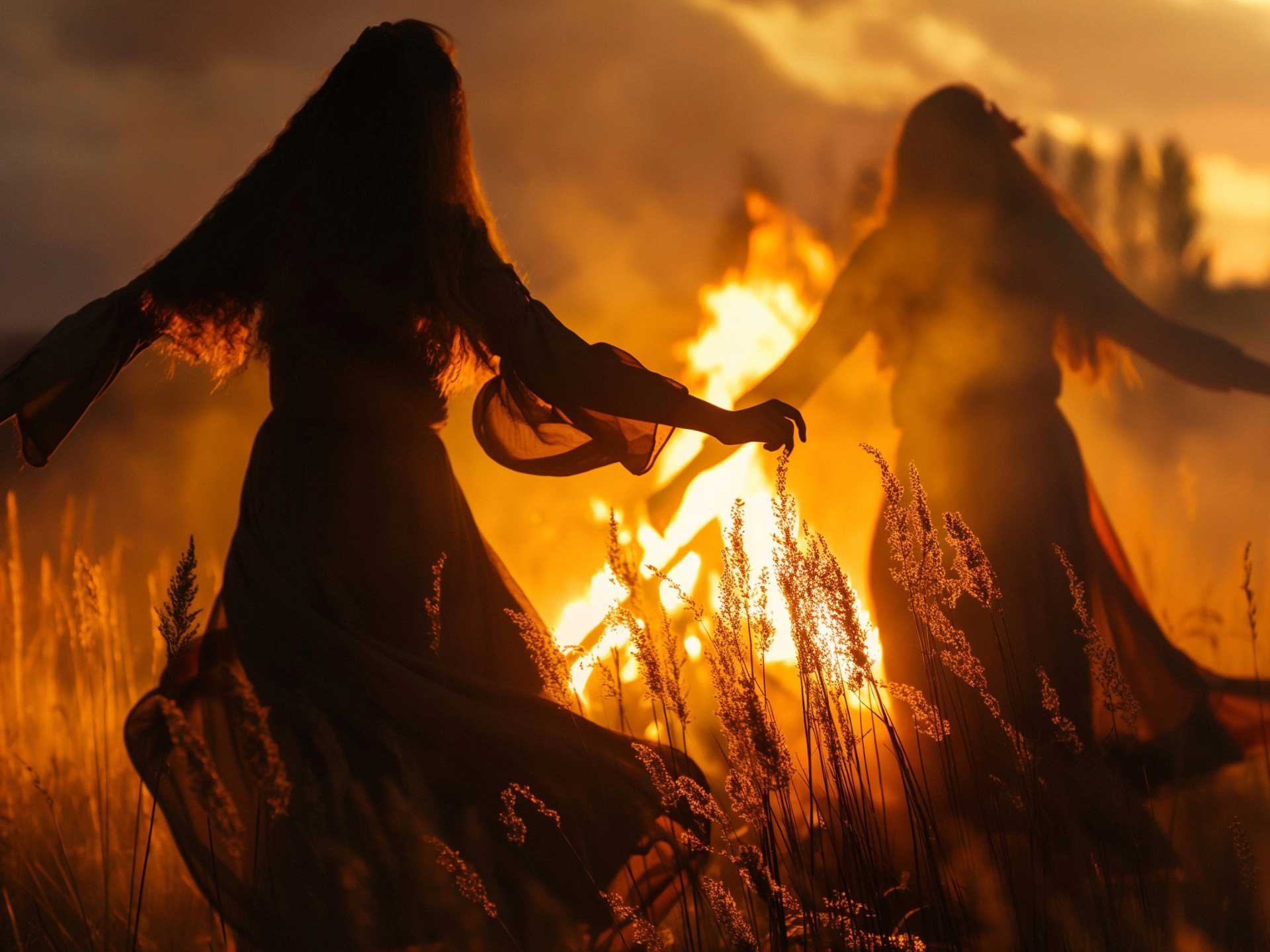
The most famous examples of liminality in Celtic culture may be found in the festivals of Samhain (Sunset on October 31st to Sunset on November 1st) and Beltane (April 30th to May 1st). These are not just seasonal festivals but represented liminal times in the Celtic calendar when the veil between this world and the Otherworld (the Celtic realm of the gods, spirits, and the dead) became thinner. Samhain, in particular, represented a time when the veil between the worlds of the living and the dead was at its thinnest, and communication with the Otherworld was possible. During these liminal festivals, people would engage in rituals to protect themselves from wandering spirits or to communicate with the Otherworld. These rituals often included the lighting of bonfires, the wearing of disguises, and the offering of food to appease spirits — practices that underscore the belief in the thinness of the boundaries between worlds at these times.
This period of transition, when Summer gave way to Winter, was fraught with both danger and opportunity. Samhain marked the end of the harvest and the start of Winter, a time often associated with death, decay, and darkness. Samhain also marked a threshold between the light and dark halves of the year, when spirits and the dead were believed to walk the Earth. Beltane, by contrast, celebrates the return of life and light in Spring. It, too, is a liminal time, a moment of rebirth and renewal where fertility and growth return to the land.
Spatial Liminality: The Sídhe and the Otherworld
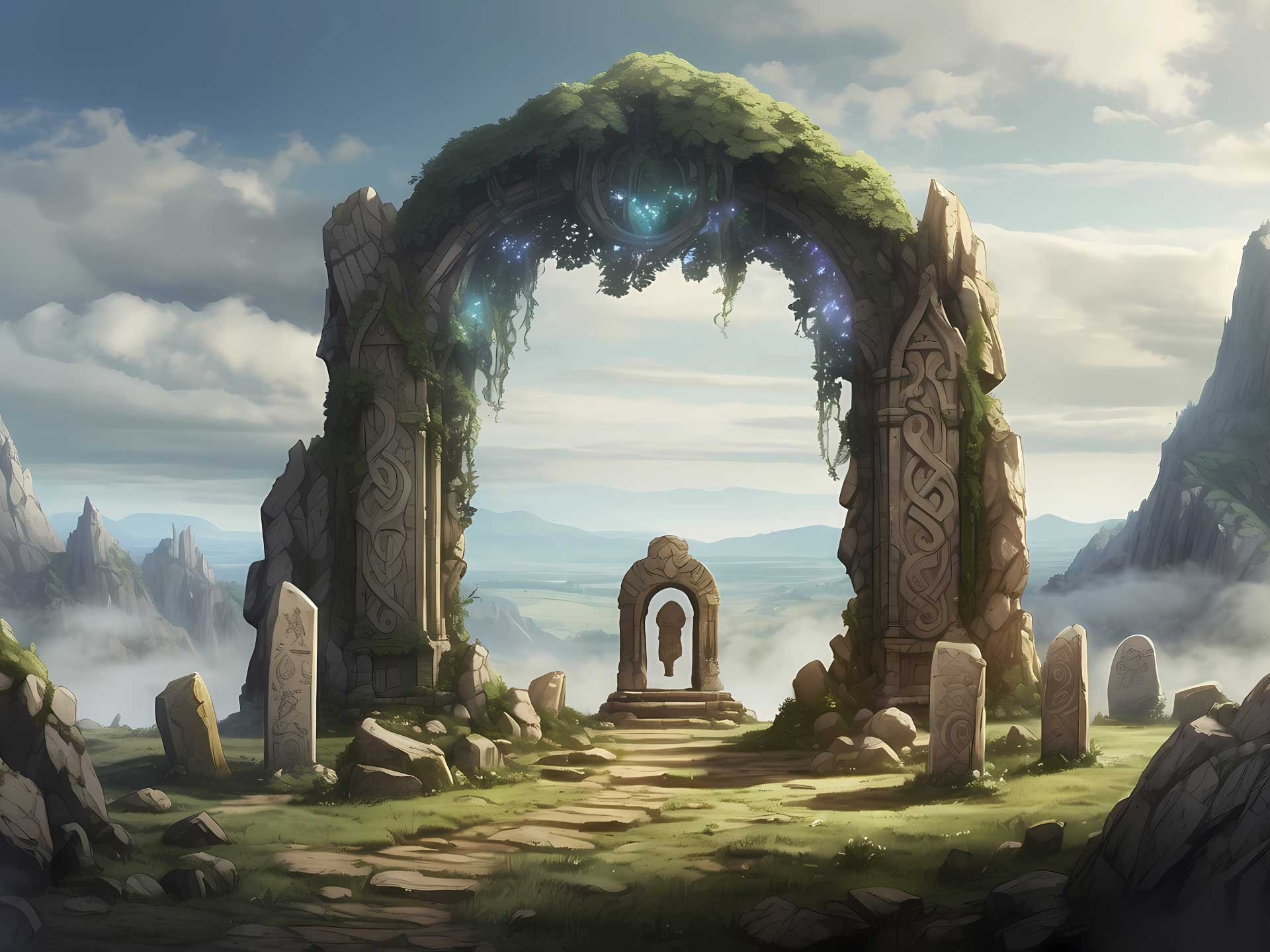
In Celtic mythology, liminal spaces are often symbolic. The threshold of a door, the shore where the land meets the sea, or the dawn and twilight hours are imbued with special significance, as they represent times or places where one realm touches another. This sense of ‘in-between’ space is also seen in the frequent appearances of ‘otherworldly’ locations in Celtic myths. These Otherworlds — such as Tír na nÓg, the land of eternal youth — are often accessed through caves, rivers, or mists, all of which serve as metaphors for liminality.
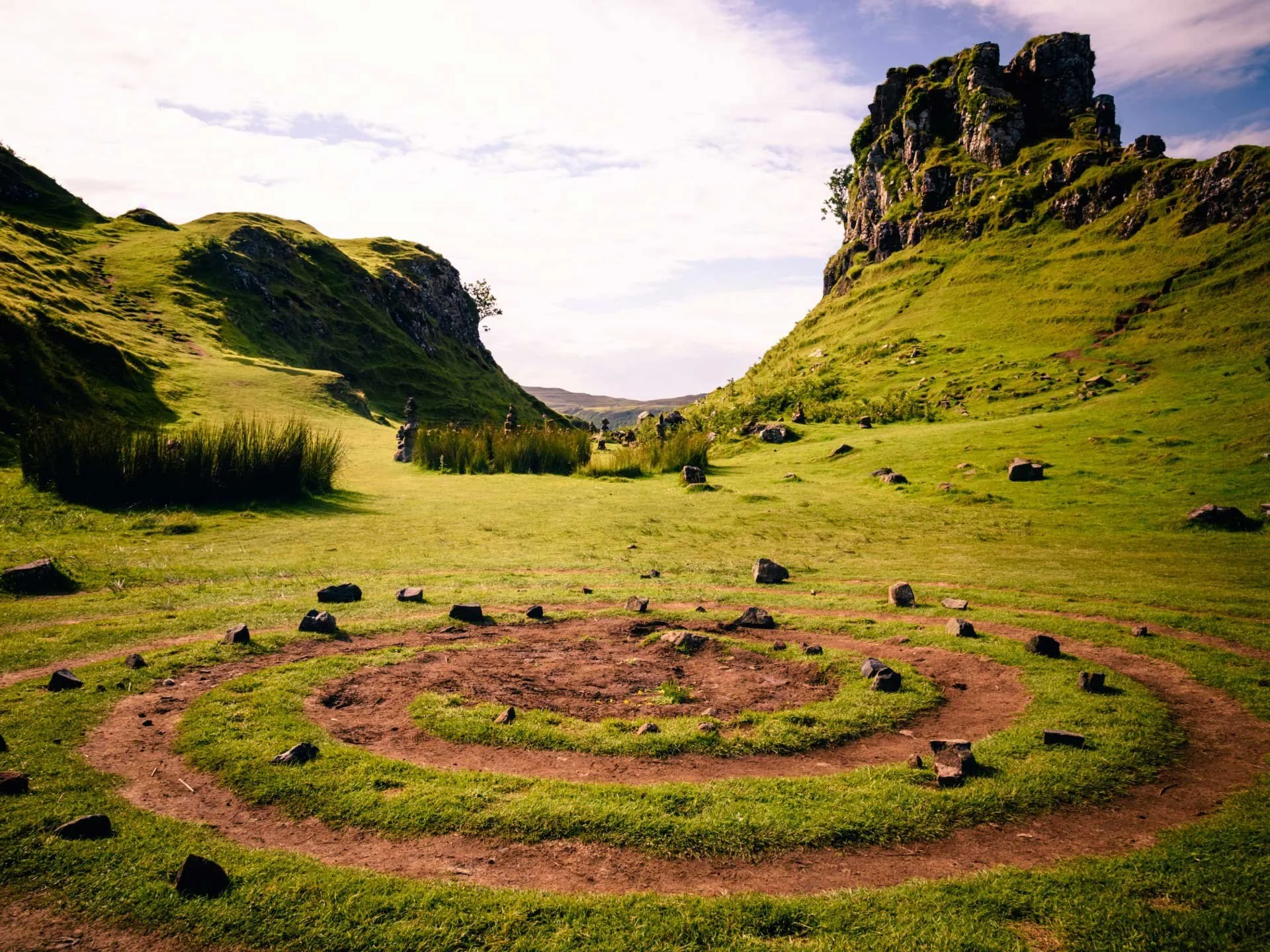
The Otherworld in Celtic myth is often portrayed not as a faraway place, but as existing alongside the human world, separated only by a thin veil. It is a realm of eternal youth, beauty, and sometimes danger, accessible through these liminal spaces. Heroes in Celtic tales, such as Cú Chulainn or Fionn mac Cumhaill, would often find themselves drawn into the Otherworld through encounters at these thresholds, where time moves differently, and the laws of nature are suspended.
In Celtic mythology, the sidhe (pronounced "shee") — faeries or supernatural beings — were closely connected to liminal spaces, particularly burial mounds, ancient cairns, or natural landmarks such as hills and groves. These places were seen as gateways to the Otherworld. The sidhe were often said to dwell in these liminal spaces, and interactions with them typically occurred in moments of transition, such as twilight or during festivals like Samhain.
Thin Places in Celtic Spirituality
Thin places, a term popularised in recent times but rooted in ancient belief, refers to physical locations where the boundary between the mundane world and the divine or spiritual realm is especially permeable. The concept is often used to describe sacred sites, places of awe-inspiring natural beauty, or areas associated with ancient religious rituals. In a thin place, you often feel an acute sense of connection to something beyond the ordinary, a feeling that the distance between human existence and the divine has narrowed.
While the term itself is more recent, the idea of thin places is deeply ingrained in Celtic tradition and spirituality, and the concept of thin places is intimately tied to the Celtic perception of sacred geography. For the Celts, certain natural landscapes — mountains, lakes, islands, and caves — held profound spiritual significance because they were seen as points of connection between the material and spiritual realms, places where the human and the supernatural could interact. Thin places transcended geographical and temporal boundaries, offering glimpses of the eternal in the transient.
The Spiritual Significance of Thin Places
Experiencing a thin place is often described as a profound spiritual event. In such spaces, the lines between time and space blur, and those present often feel a heightened sense of connection with something larger than themselves. This connection might be with nature, a deity, or a deeper aspect of their own consciousness. Thin places are often charged with an otherworldly energy, and visitors might leave feeling transformed, having briefly touched the sacred or eternal.
In Celtic thought, thin places are not just geographically specific but can be found through ritual, meditation, or other spiritual practices. During liminal times, such as at Samhain or Beltane, thin places are believed to emerge more readily, allowing greater access to the divine. Druids, the spiritual leaders of the Celtic world, were known to seek out such places for their rituals and communions with the divine.
Sacred Sites and Monastic Traditions
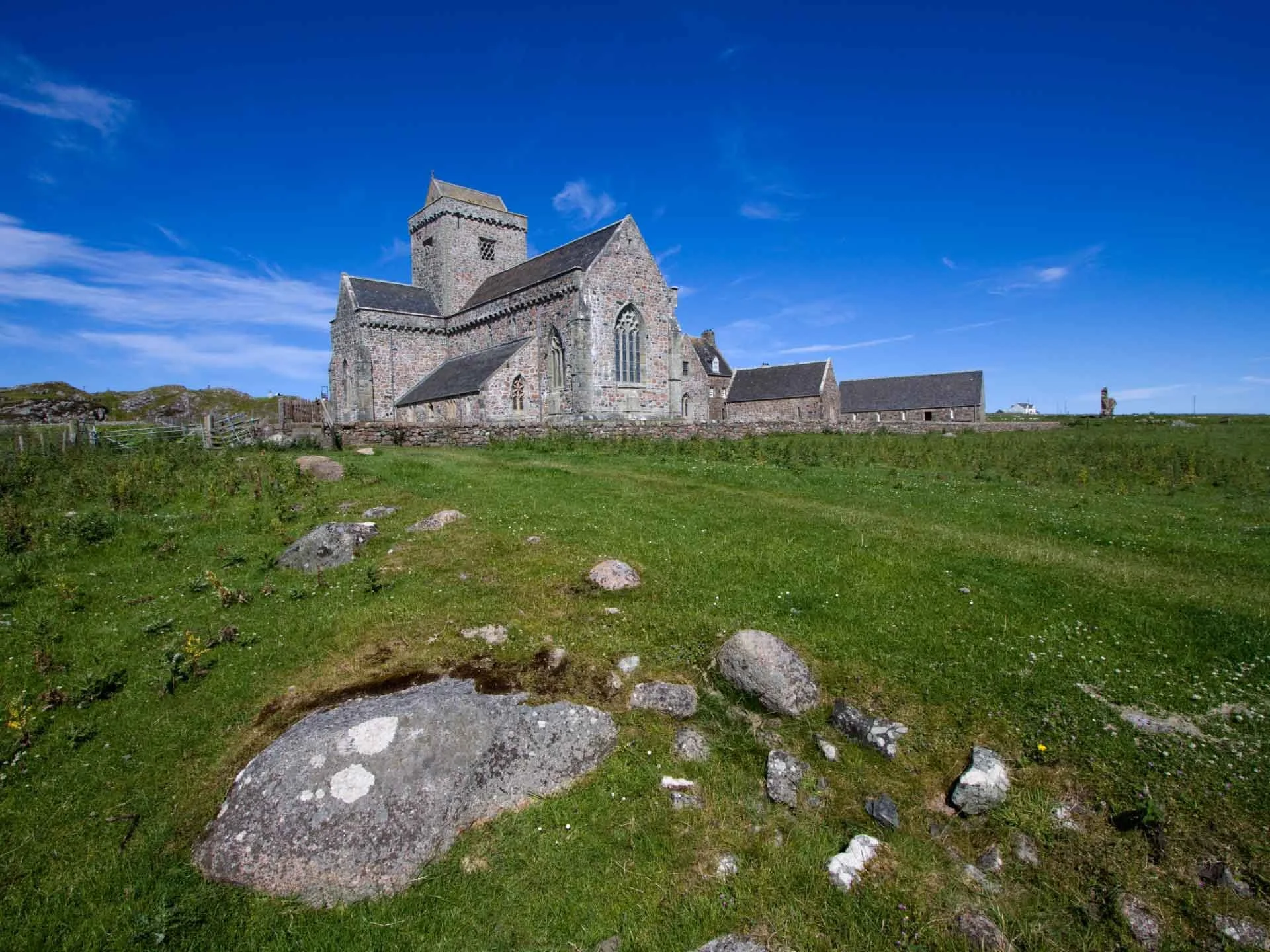
The Current Abbey on Iona
The landscape of thin places in Celtic lore extends to the mystical islands, often said to lie off the coast of Ireland or Scotland. These islands, such as Hy-Brasil or Tír na nÓg, could appear and disappear with the mists (which is itself a liminal phenomenon). They were places of eternal youth, peace, and divine knowledge. However, only those who were chosen or who stumbled upon these places at the right moment could enter, further emphasising their liminal nature.
In Ireland and Scotland, many ancient Celtic holy sites were later co-opted by Christian monastic traditions, preserving their status as sacred places. For example, the island of Iona, just off the island of Mull in Scotland, is a famous early Christian monastic centre founded by St. Columba, and was likely a sacred place long before the arrival of Christianity. Iona is often considered a thin place, a location where pilgrims have historically felt a heightened sense of closeness to the divine.
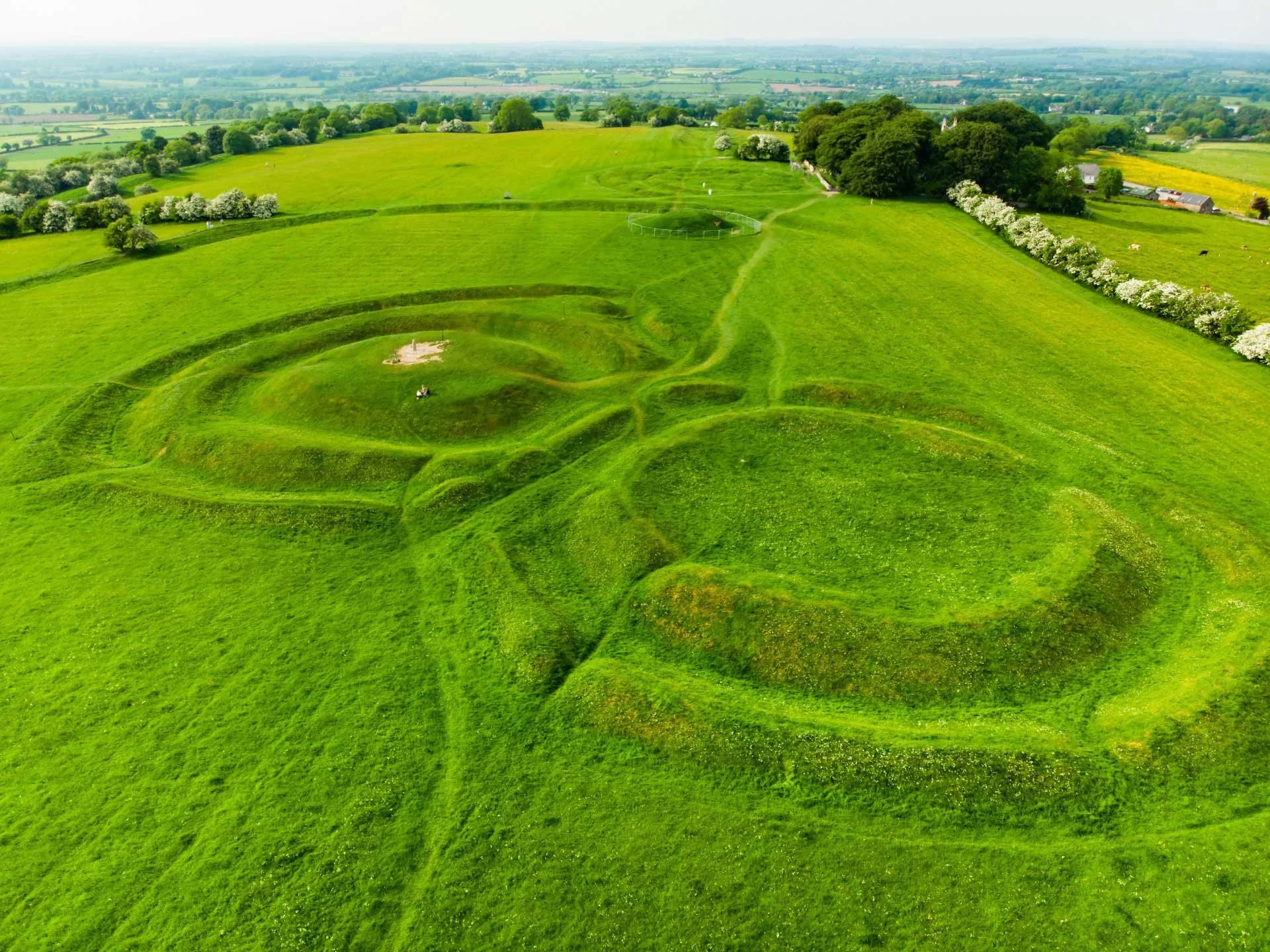
The Hill of Tara
Similarly, the Skellig Islands, off the coast of County Kerry in Ireland, are another example of a thin place in Celtic-Christian spirituality. The islands are remote, rugged, and otherworldly, seemingly standing outside of ordinary time and space. The extreme isolation of these places allowed for deep spiritual reflection, as monks and pilgrims believed the physical hardship of reaching these places brought them closer to God.
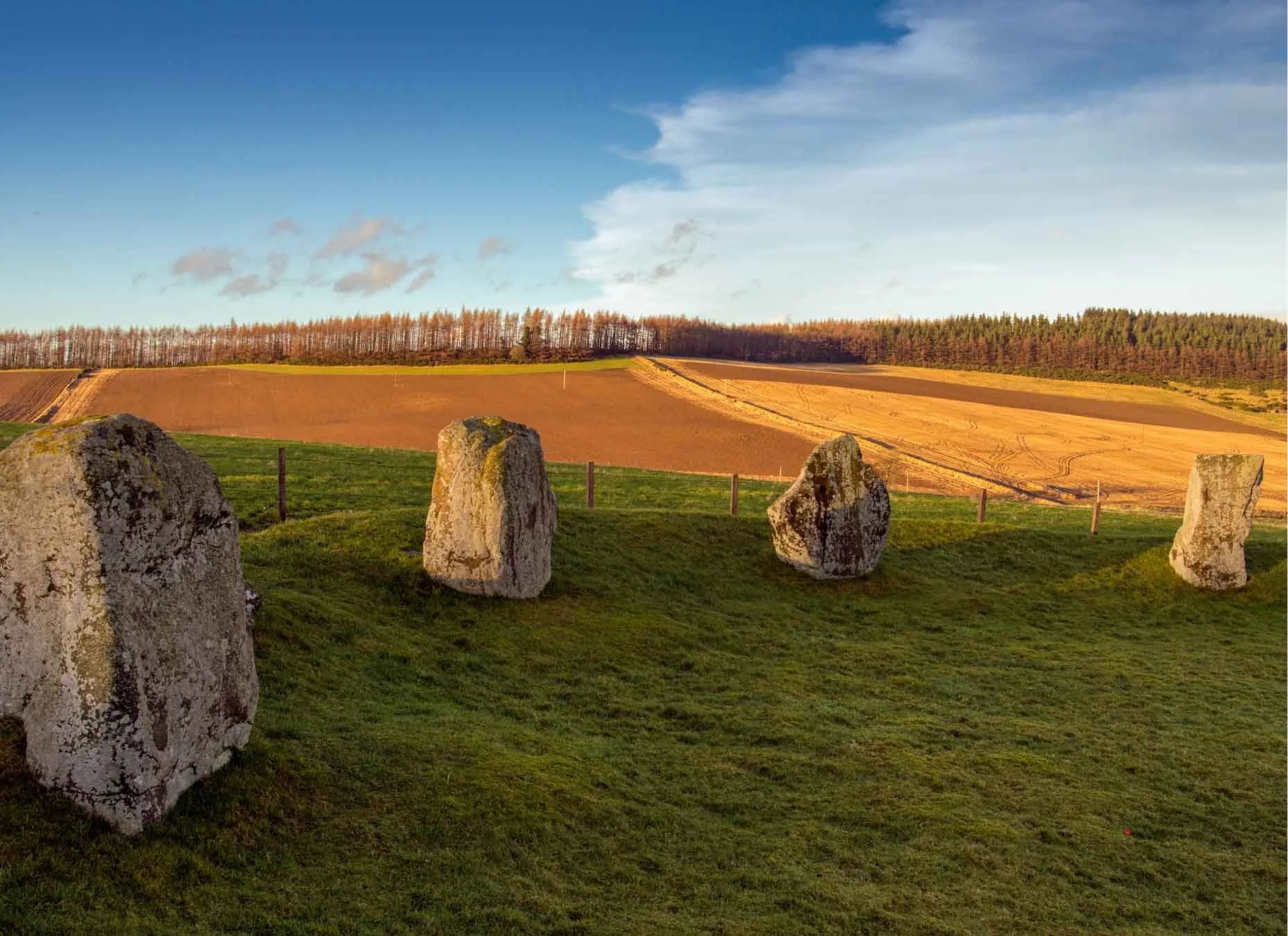
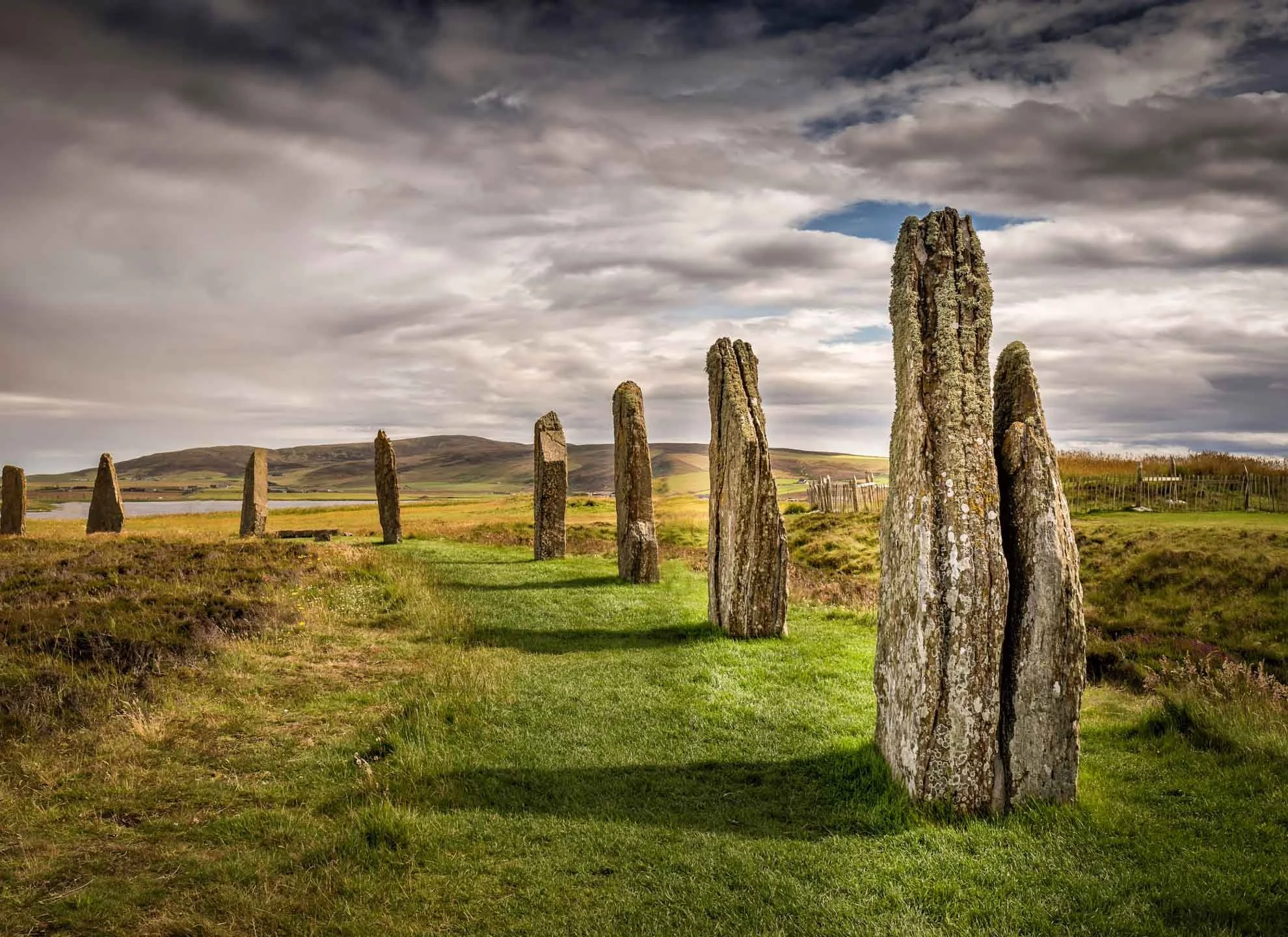
One of the most well-known examples of a Celtic thin place is the Hill of Tara in Ireland, a site believed to be the spiritual and political heart of the ancient Celtic world. Tara was not only the seat of Kings but also a gateway to the Otherworld. Legend tells of how mortals, through special rituals or under particular circumstances, could access this realm and commune with gods, ancestors, or spirits. The ancient ceremonial mounds and stone formations at Tara are believed to act as focal points where this thinness is most palpable.
Mountains, Caves, and Sacred Wells
In pre-Christian Celtic spirituality, mountains and caves were seen as gateways to the gods or the Otherworld. Caves, in particular, were often considered places of birth, death, and transformation, natural metaphors for the journey from one state of being to another. One such cave is the Uaimh na gCat (Oweynegat or Cave of the Cats) in County Roscommon, Ireland, which was believed to be a portal to the Otherworld and associated with the goddess Morrígan.
Sacred wells, which are abundant in Celtic lands, also reflect the concept of thin places. These wells, often dedicated to local gods or saints, were thought to be imbued with healing and spiritual power. Their waters, bubbling up from the earth, were seen as flowing from the Otherworld itself. Pilgrims would leave offerings or drink from these wells, hoping to receive blessings from the spirits or gods associated with them. In Celtic culture, St. Brigid was often considered an example of a liminal Goddess, being born in a liminal place and at a liminal time — she is said to have been born on the threshold of a door (neither within nor outwith the house) and at the breaking of dawn (neither day or night).
The Role of the Druids and Poets in Liminal Spaces
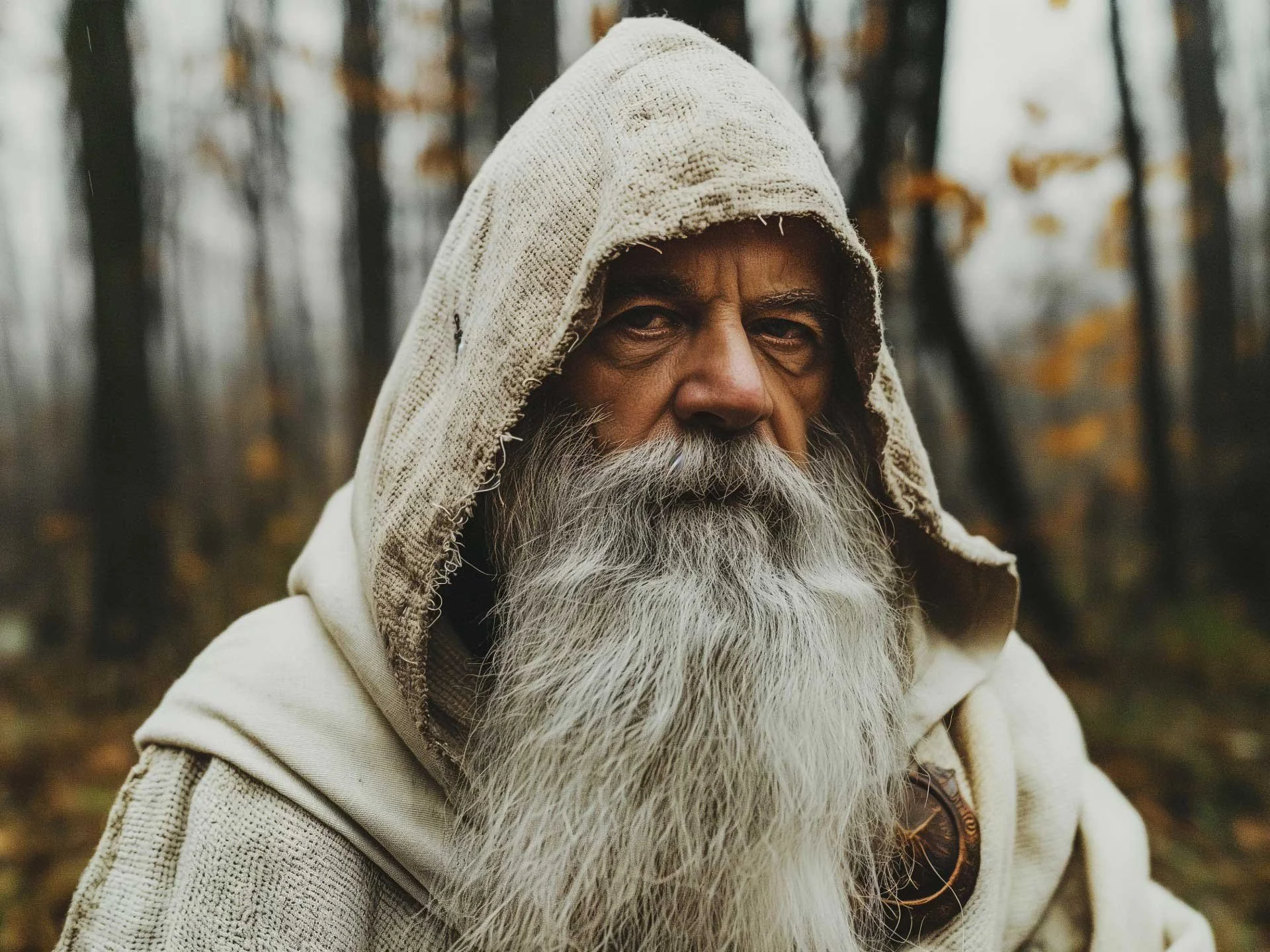
In Celtic society, the Druids and poets (bards) were believed to have a special connection to liminal spaces and times. The Druids, as spiritual leaders, were thought to possess deep knowledge of the Otherworld and would often perform rituals that navigated the thin boundaries between worlds. They played a key role in interpreting omens, guiding the dead, and officiating during important festivals like Samhain, where their wisdom could bridge the gap between the human and spirit realms.
Poets, too, were considered liminal figures, straddling the line between the mundane world and the sacred. They had the ability to traverse the thin places of the imagination, drawing inspiration from the Otherworld to craft their verses. In the Celtic tradition, poetry itself was often viewed as a liminal art form, a vehicle for crossing boundaries and accessing hidden truths.
Liminality, Thin Places, and Modern Celtic Spirituality
In contemporary Celtic spirituality, both liminality and thin places continue to hold deep significance. Pilgrimages to ancient holy sites remain popular, as modern spiritual seekers look to reconnect with the sacredness of these locations. The sense of walking in the footsteps of their ancestors — on land where the divide between worlds feels thin — resonates with those who seek a deeper connection to nature and the divine.
Many modern interpretations of Celtic spirituality also emphasise the importance of embracing liminal moments in life — those periods of transition, uncertainty, and transformation. Whether it is a personal rite of passage, a time of crisis, or the simple transition from one season to another, these liminal phases are seen as opportunities for spiritual growth and renewal.
Final Thoughts
The concepts of liminality and thin places are integral to understanding the Celtic worldview, which sees reality as fluid, interconnected, and filled with moments and spaces of profound spiritual power. In Celtic culture and lore, the boundaries between worlds — whether the human and divine, the living and the dead, or the present and the past — are not fixed but permeable. This view invites a sense of wonder, reverence, and awe for the world around us, encouraging a deep connection to both the seen and unseen forces that shape our lives. Whether through ancient festivals, sacred landscapes, or the poetic imagination, the Celts remind us that we are always standing at a threshold, on the cusp of transformation and deeper understanding.
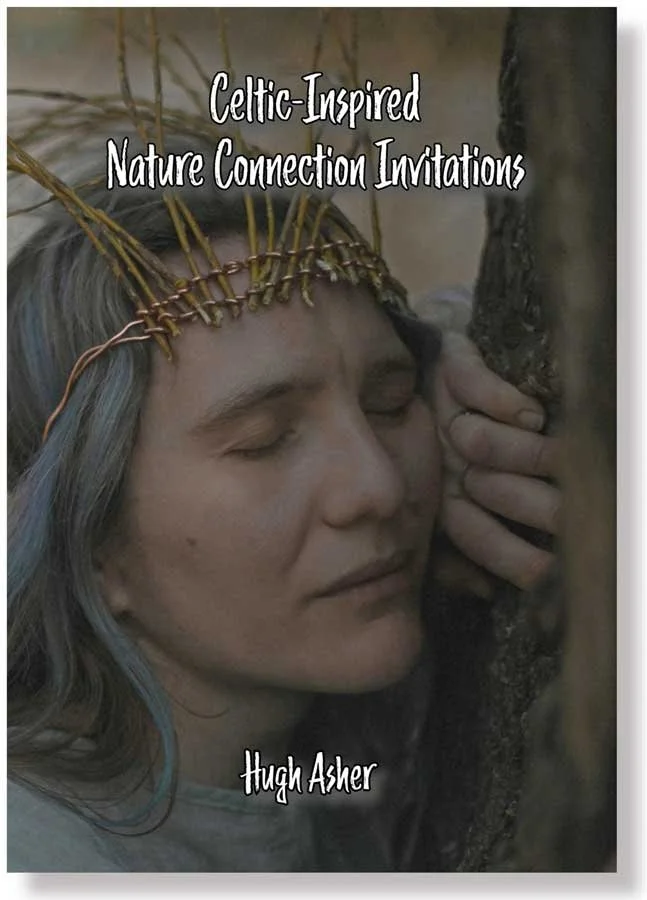
As the seasons change may we pause to meet the turning of the year with wonder.
Celtic-Inspired Nature Connection Ideas offers gentle, creative ways to deepen your relationship with the living world around you — through seasonal reflection, simple rituals, and nature-based practices inspired by Celtic tradition.
Whether you are looking for a meaningful gift, a companion for your own practice, or a way to mark the longest day with more intention, this book invites you to slow down, step outside, and listen.
Celebrate the light. Honour the land. Reconnect with the natural world.
This 40 page perfect-bound book is A5 in size and contains 16 Celtic-Inspired nature connection invitations including: Spiritually Engaging with a Tree; Becoming One with the Earth; The Cailleach’s Stone; Thin Places; Appeasing the Sídhe; and one for each of the four ‘Cross-Quarter’ days - Samhain, Imbolc, Beltane, and Lughnasadh.
There is also an overview of ‘The Celtic Calendar’ and how and why nature played such an important role in Celtic culture.
As the seasons change may we pause to meet the turning of the year with wonder.
Celtic-Inspired Nature Connection Ideas offers gentle, creative ways to deepen your relationship with the living world around you — through seasonal reflection, simple rituals, and nature-based practices inspired by Celtic tradition.
Whether you are looking for a meaningful gift, a companion for your own practice, or a way to mark the longest day with more intention, this book invites you to slow down, step outside, and listen.
Celebrate the light. Honour the land. Reconnect with the natural world.
This 40 page perfect-bound book is A5 in size and contains 16 Celtic-Inspired nature connection invitations including: Spiritually Engaging with a Tree; Becoming One with the Earth; The Cailleach’s Stone; Thin Places; Appeasing the Sídhe; and one for each of the four ‘Cross-Quarter’ days - Samhain, Imbolc, Beltane, and Lughnasadh.
There is also an overview of ‘The Celtic Calendar’ and how and why nature played such an important role in Celtic culture.



If you have enjoyed this article and would like to support what we do by donating £2 or more to buy saplings to plant, please follow the link below:






















As the long days of midsummer begin to soften and the countryside fills with ripening grain, heavy hedgerows and the first fruits of the harvest, an ancient Celtic festival quietly arrives. Lughnasadh (pronounced LOO-na-sa) marks the beginning of the harvest season and reminds us that abundance is something to notice, honour and share.