

Imbolc and St. Brigid
Sunday February 1st 2026
Today is the Gaelic Festival of Imbolc, or St. Brigid's Day.
It marks the midway point between the Winter Solstice and the Vernal Equinox. Rooted in ancient Gaelic traditions, this festival symbolises the awakening of the Earth from its Winter slumber and the anticipation of Spring's arrival.
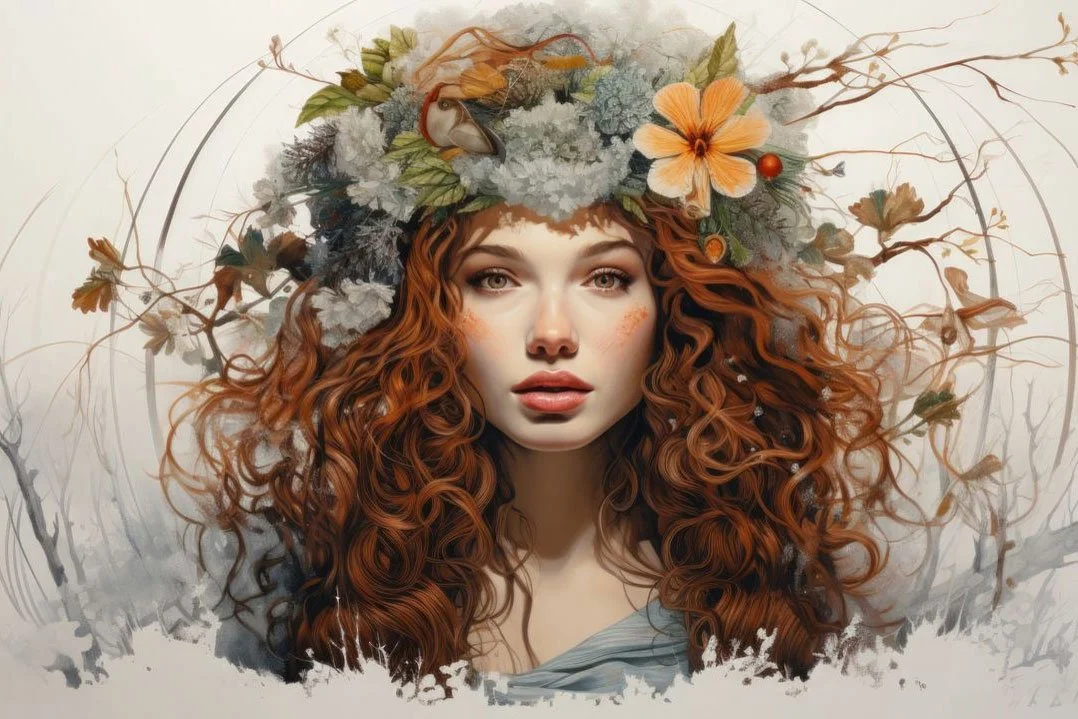
St.Brigid
Imbolc has its origins in Celtic paganism and is deeply connected to the goddess Brigid, who is associated with Spring, fertility, healing, and poetry. The festival is believed to have been observed for thousands of years, celebrating the changing seasons and the promise of new life. As Christianity spread through Ireland and beyond, the pagan celebration appears to have been seamlessly merged with the feast day of St. Brigid, a prominent Irish saint known for her compassion and generosity.
Imbolc is typically celebrated on February 1st or 2nd, aligning with the midpoint between the Winter Solstice and the Vernal Equinox. This timing reflects the ancient agricultural importance of preparing for the upcoming planting season, as well as the growing strength of the Sun, symbolising the return of longer days and warmer temperatures.
One of the most iconic symbols associated with Imbolc is Brigid's Cross, woven from reeds or straw. This cross is traditionally placed above doorways to invoke the protection of the goddess. Imbolc is also often celebrated with the lighting of candles, symbolising the returning light and warmth of the sun. Some households keep a flame burning throughout the night as a representation of Brigid's eternal fire.

Embracing the Wisdom of the Seasons
Imbolc and the veneration of St. Brigid remind us of the importance of patience, renewal, and tending to both the outer and inner landscapes. Just as the Earth slowly awakens from Winter’s slumber, we too can take this time to set intentions, cultivate warmth, and prepare for the blossoming of new possibilities. In reconnecting with nature, we not only honour the past but also create a more harmonious and mindful future. Imbolc is a time for purification and renewal. Homes are thoroughly cleaned, and clutter is removed to make way for the energy of the approaching Spring. Foods such as dairy products and grains are often incorporated into Imbolc feasts, symbolising the sustenance and fertility of the land.
Imbolc also invites us to reconnect with nature, embrace the changing seasons, and honour the enduring spirit of renewal. Whether through ancient rituals or modern celebrations, this Gaelic festival continues to weave a rich tapestry of tradition, connecting us to our roots and fostering a sense of community as we eagerly await the coming of Spring.
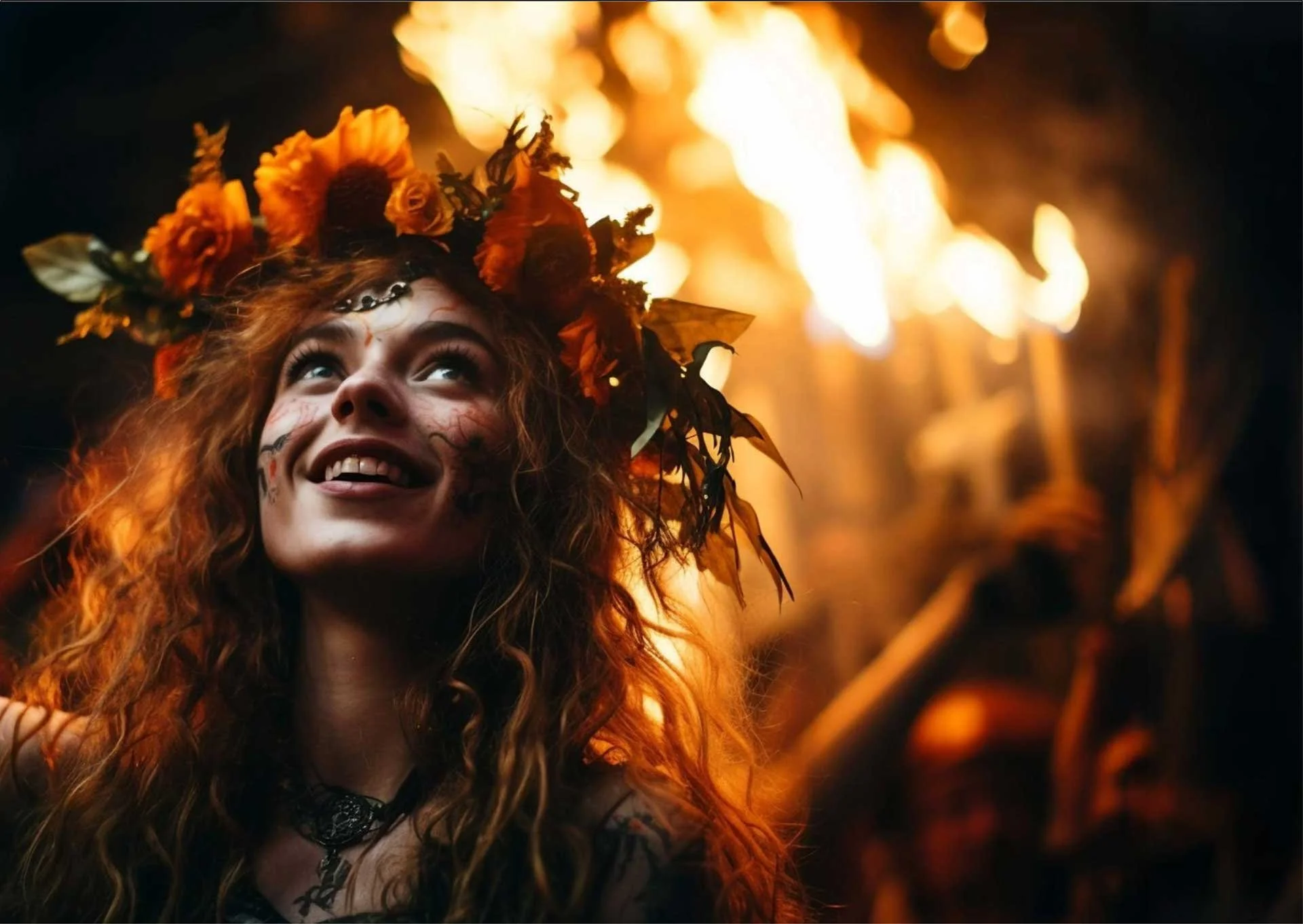
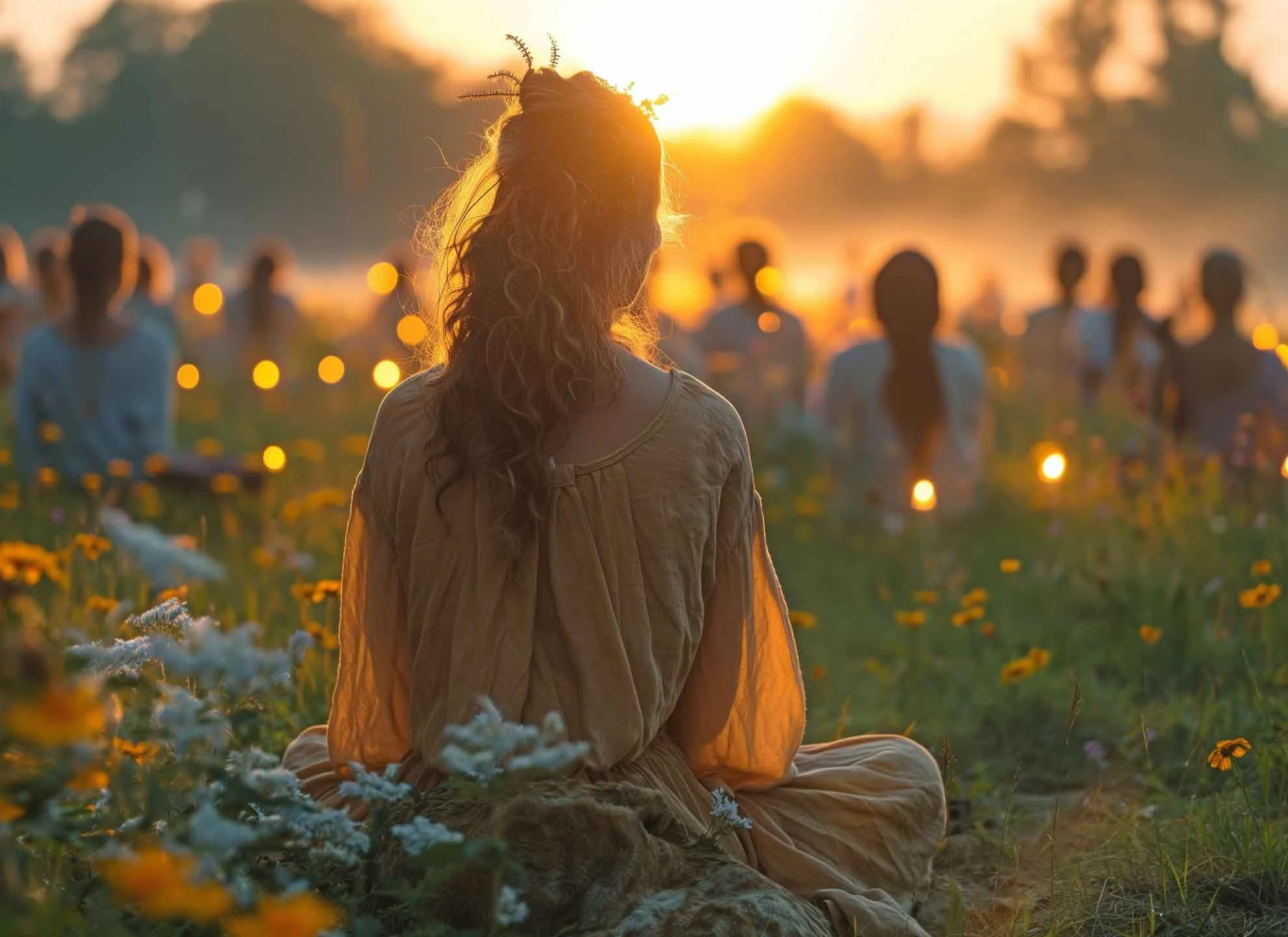
To connect with nature during this sacred time, gather outside at dawn or just before sunset. Bring a small candle, a piece of biodegradable cloth or ribbon, and an offering such as flowers or seeds. Find a peaceful spot and light the candle, to symbolise Brigid’s sacred fire and the return of the Sun. As you focus on the flame, reflect on what you wish to let go of from the dark months of Winter and what you hope to welcome in the coming Spring. Speak these intentions aloud, offering them to Brigid. If you're near a natural water source, such as a stream or pond, dip your fingers and the ribbon or cloth into the water, acknowledging Brigid's connection to healing waters. Next, tie the ribbon or cloth to a nearby tree or bush. Traditionally, this is known as a 'cloot' and is a symbol of a prayer or wish for healing. Whisper your hopes for renewal, growth, healing or inspiration as you tie the fabric, leaving it to flutter in the wind and disintegrate. Close your ceremony by extinguishing the candle and giving thanks to Brigid and to the Earth for the gifts of the coming season. Take a moment to notice any subtle signs of life emerging — tiny buds, birdsong, or fresh green shoots pushing through the ground. Leave your offering as a gesture of gratitude and walk back with a sense of connection to the cycles of nature, carrying Brigid’s blessing with you into the days ahead.
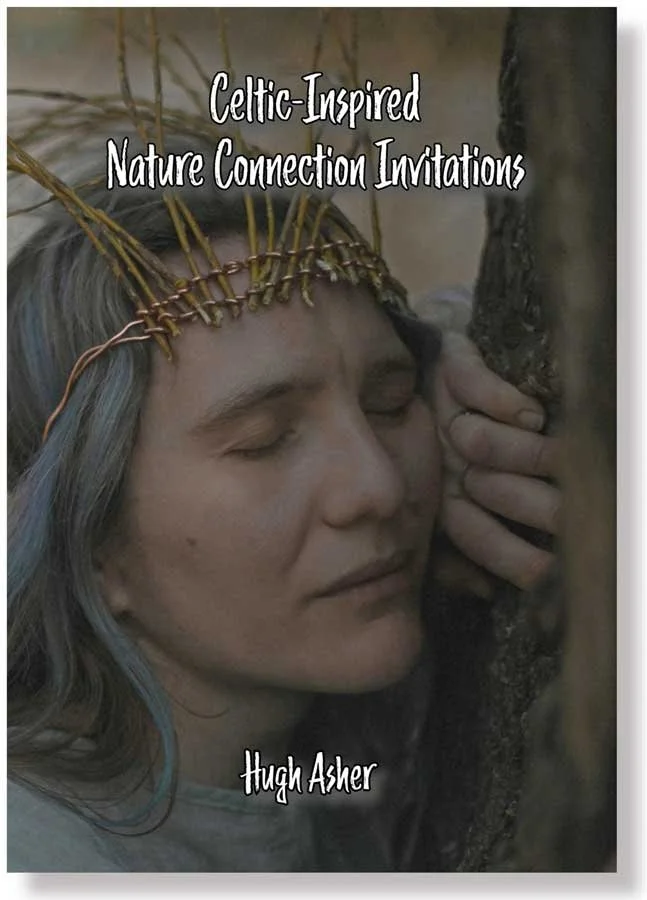
This nature-connection invitation is taken from my book of ‘Celtic-Inspired Nature Connection Invitations’ below.
As the seasons change may we pause to meet the turning of the year with wonder.
Celtic-Inspired Nature Connection Ideas offers gentle, creative ways to deepen your relationship with the living world around you — through seasonal reflection, simple rituals, and nature-based practices inspired by Celtic tradition.
Whether you are looking for a meaningful gift, a companion for your own practice, or a way to mark the longest day with more intention, this book invites you to slow down, step outside, and listen.
Celebrate the light. Honour the land. Reconnect with the natural world.
This 40 page perfect-bound book is A5 in size and contains 16 Celtic-Inspired nature connection invitations including: Spiritually Engaging with a Tree; Becoming One with the Earth; The Cailleach’s Stone; Thin Places; Appeasing the Sídhe; and one for each of the four ‘Cross-Quarter’ days - Samhain, Imbolc, Beltane, and Lughnasadh.
There is also an overview of ‘The Celtic Calendar’ and how and why nature played such an important role in Celtic culture.
If you have enjoyed this article and would like to support what we do by donating £2 or more to buy saplings to plant, please follow the link below:





















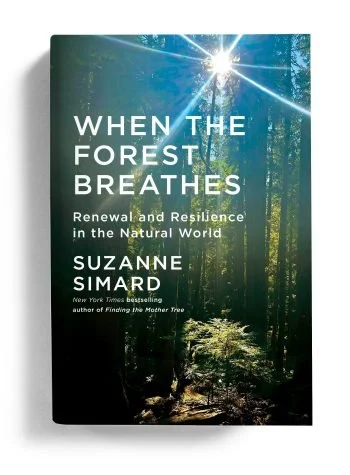
A small collection designed to gently open the door into deeper relationship with the natural world.
This complete set of four Forest Healing booklets brings together practical guidance, reflective ideas, and simple nature connection practices that can be used anywhere — from ancient woodland to a nearby park, garden, or even a single Sit Spot outdoors.
Written to be accessible, grounding, and easy to follow, these booklets offer a pathway into the core practices of Forest Bathing (Shinrin-yoku), Silvotherapy, and everyday nature connection. Rather than asking you to achieve anything, they simply invite you to slow down, notice more deeply, and allow nature to become an active presence in your wellbeing.
Across the four booklets you will explore:
• What Forest Bathing, Silvotherapy, and Nature Connection actually are
• The key benefits of spending mindful time in natural environments
• The practice of the “Sit Spot” and how to develop your own relationship with a chosen place
• Simple, practical Forest Bathing invitations you can try alone or with others
• Ways to bring nature connection into everyday life, even in small moments
Together, they form a gentle introduction to practices that have been shown to support reduced stress, improved mood, greater clarity of thought, and a deeper sense of belonging within the natural world.
These are not academic texts or rigid instruction manuals. They are invitations — encouraging you to step outside, slow your pace, and rediscover the quiet intelligence of trees, weather, and landscape.
Whether you are completely new to nature connection or looking to deepen an existing practice, this collection offers a simple, supportive starting point for building a more intentional and restorative relationship with the living world around you.
A small set of booklets that can change the way you experience even the most familiar patch of nature.
Buy all Four Forest Bathing and Nature-Connection Booklets for £11.00 including FREE P&P within the UK.
Postage to the Rest of the World is £4.