


Nature Connection Articles
Our Most Recent Articles

Attention Deficit Trait and Nature-Connection
Attention Deficit Trait is a problem experienced by an increasing number of people. It can cause anxiety, irritability and problems with concentration. It is different from Attention Deficit Disorder (ADD) which is a neurodevelopment disorder, but is a product of modern life. It is caused by high-pressure, regular distractions,
It causes anxiety, irritability and problems with concentration.
Here we look at how Attention Restoration Theory and nature-connection activities can combat this.

White, Pink, and Brown Noise, Nature and Wellbeing
In the same way that there are different colours of light, there are also said to be different ‘colours’ of sound. There has been a lot of discussion in the media recently about different kinds of noise, such as ‘Brown Noise’ and ‘Pink Noise’ and the beneficial effects of each of these different kinds of noise. For example Brown Noise has shown promising results when used with people with Attention Deficit Hyperactivity Disorder (ADHD) in enhancing their ability to focus and concentrate and others claim that Pink Noise improves memory and enhances sleep whilst others say they reduce their stress and can help them to relax.
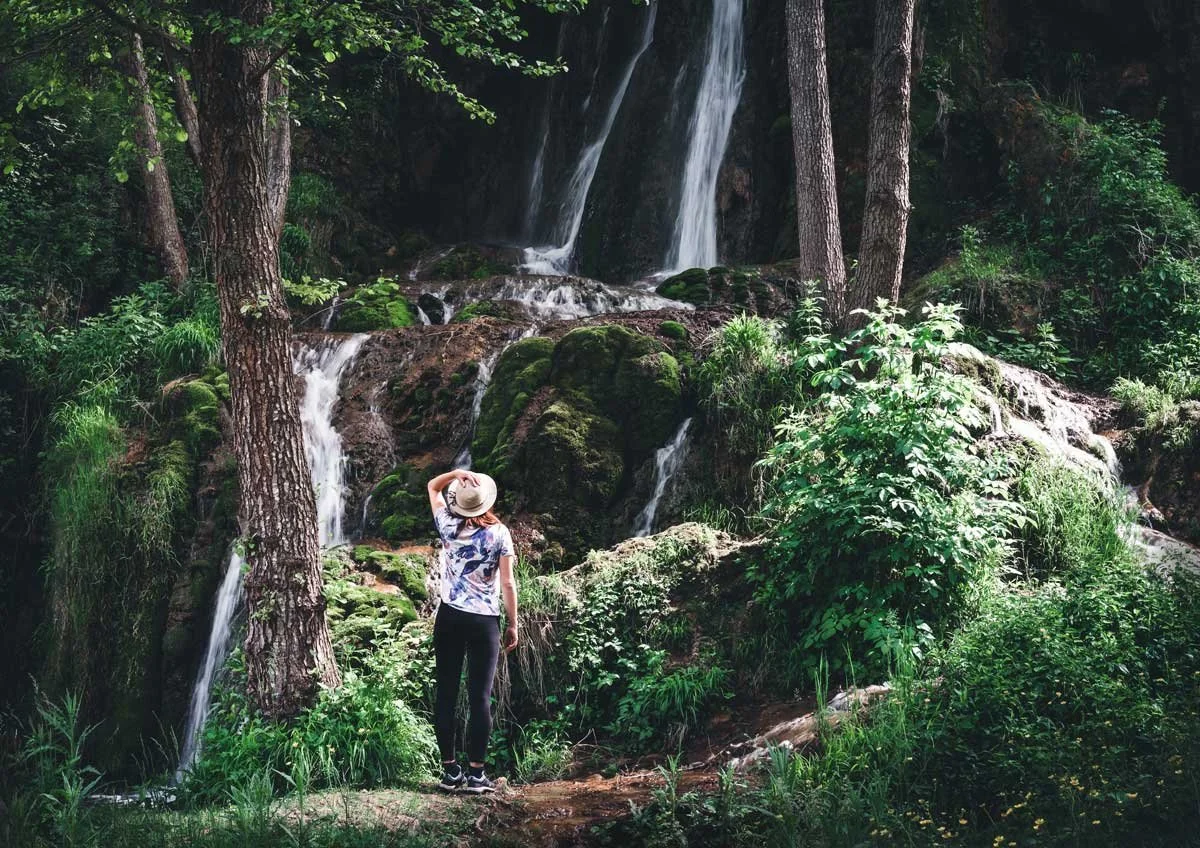
What is a Soundscape?
A soundscape is defined as a sound or combination of sounds that forms or arises from an immersive environment. Immersive is used here to mean “providing, involving, or characterised by deep absorption or immersion in something (such as an activity or a real or artificial environment)”.
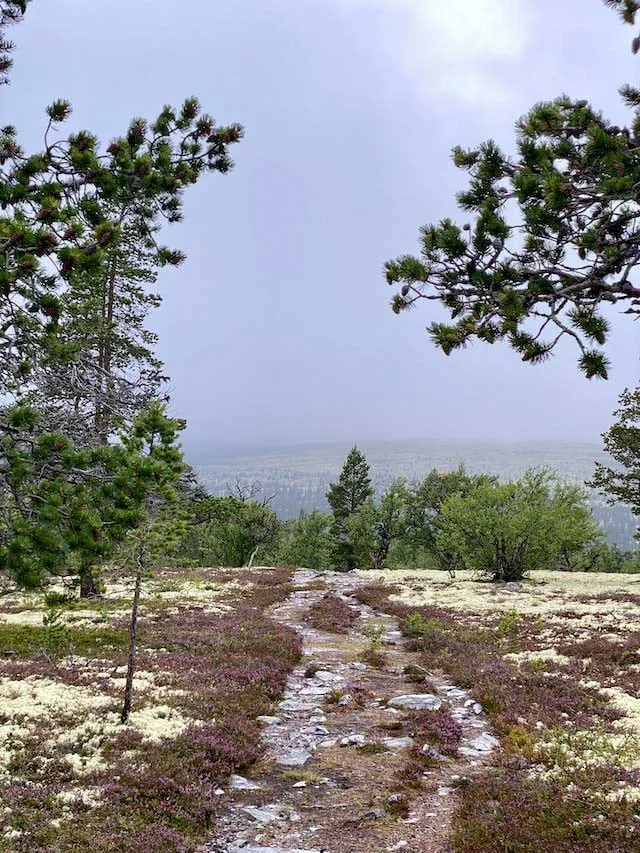
Friluftsliv - ‘Open-Air Living'
In Scandinavia there is a concept called ‘Friluftsliv’ (pronounced free-lufts-leav) that translates into English as ‘free air life’ or ‘open-air living’.
The term was first coined by the poet Henrik Ibsen in 1859, who used the term to describe the physical, psychological and spiritual benefits that you get from spending time in the outdoors. Today it is increasingly recognised as a way to improve mental and physical health and wellbeing, and is now used to describe being outdoors and (re)connecting with the natural landscape.
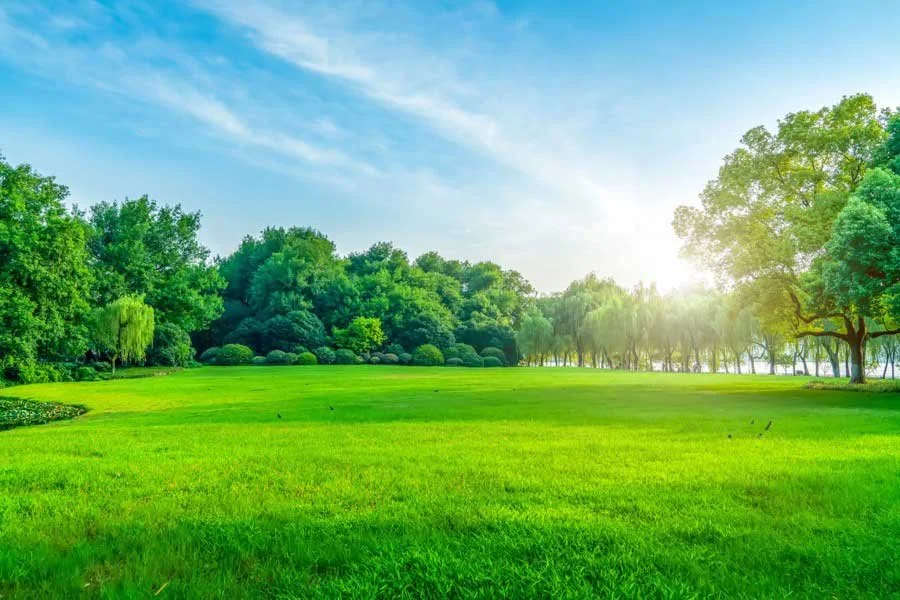
Nature-Mindfulness Techniques Using the Changing Colours of The Seasons
Nature provides a kaleidoscope of different colours, and you can anchor yourself in the present by mindfully focusing on these colours. Here are two mindful nature-connection activities that use colour.

What’s Great About Hinoki Oil?
The Hinoki Cypress (Chamaecyparis obtuse) is a species of cypress native to central Japan. Hinoki is a slow growing tree with dark red-brown peeling bark and deep green needlesl, producing a beautiful golden coloured wood with a slightly smoky citrusy smell.
Phytoncides are the natural oils within trees and plants and are part of their defence system. The main components of phytoncides are terpenes, and these are what you can smell in the essential oils made from trees high in Phytoncides. The phytoncides in Hinoki oil have a wide range of benefits for human health, from promoting relaxation and calming the autonomic nervous system, to helping build immune system functioning.
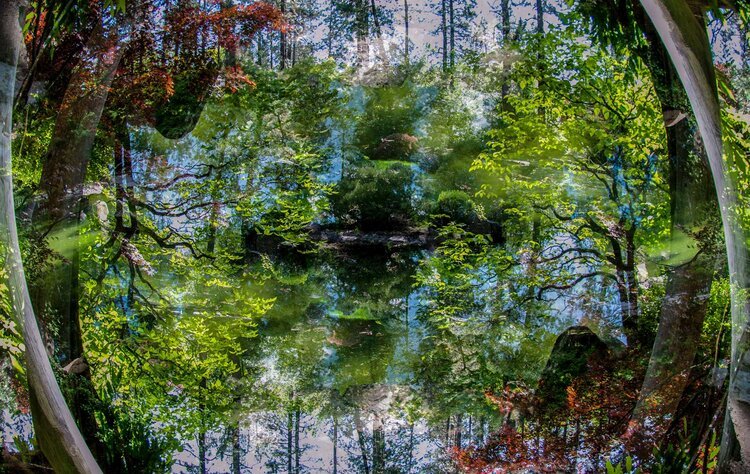
The Three-Circle Model in Forest Bathing
Nature-Mindfulness activities such as Forest Bathing can increase awareness of our own thought processes, enabling us to explore and appreciate our external world through nature-connectedness. Forest Bathing practices such as Sit Spot that encourage us to set aside some time each day, or a few times a week, are a great way to build emotional regulation skills, in addition to the other inherent benefits of spending time in nature.
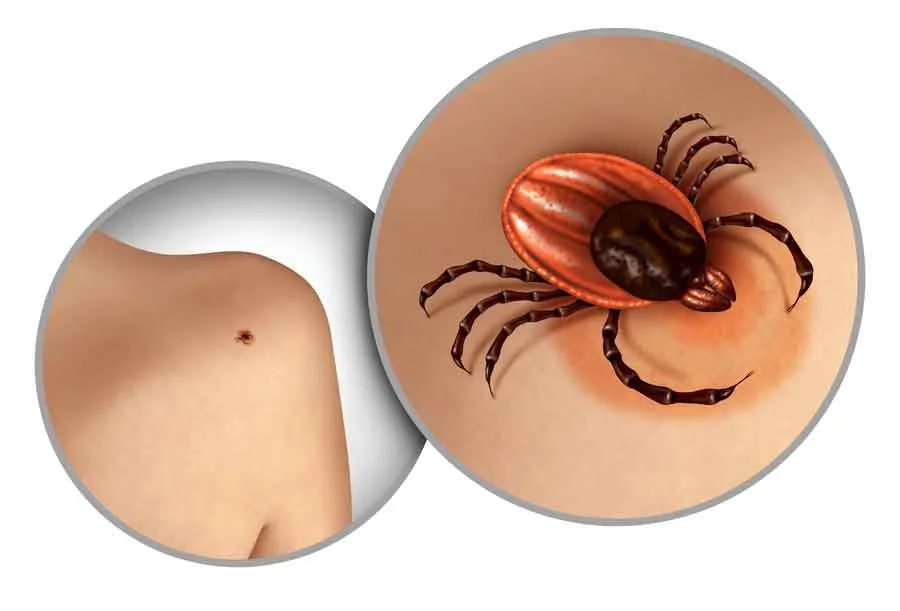
Acorns, Ticks, and Lyme Disease
This post looks at ticks, tick bites, Lyme Disease and why the incidence of tick bites can increase when Oaks and other nut-bearing trees have ‘mast years’.
Large acorn crops lead to increases the deer population as they eat the acorns which are high in calories. Ticks are major ectoparasites of deer and as their populations grow, so to do the numbers of ticks that there are. As some ticks are carriers of Lyme Disease, then as the tick population increases, the incidence of Lyme Disease in humans increases.
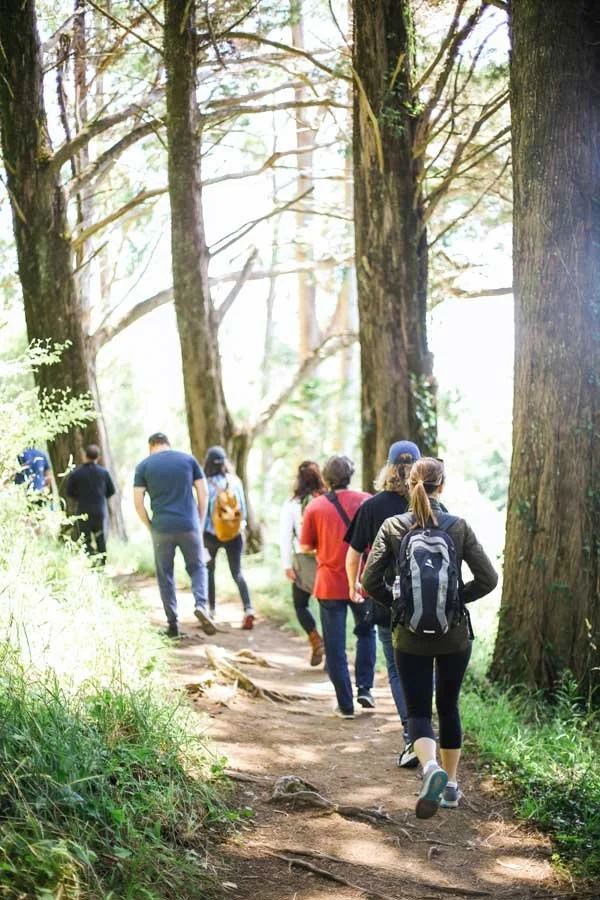
How is Forest Bathing Different to a Walk in the Woods?
The biggest differences between Forest Bathing and a more conventional walk in the woods are probably down to what you seek to achieve and what you do when you are there. Forest bathing is not about reaching a certain destination, such as the top of the hill, or completing a lap of the lake, it is more about reaching a relaxed state of being in which you mindfully notice what is happening around you using your different senses.
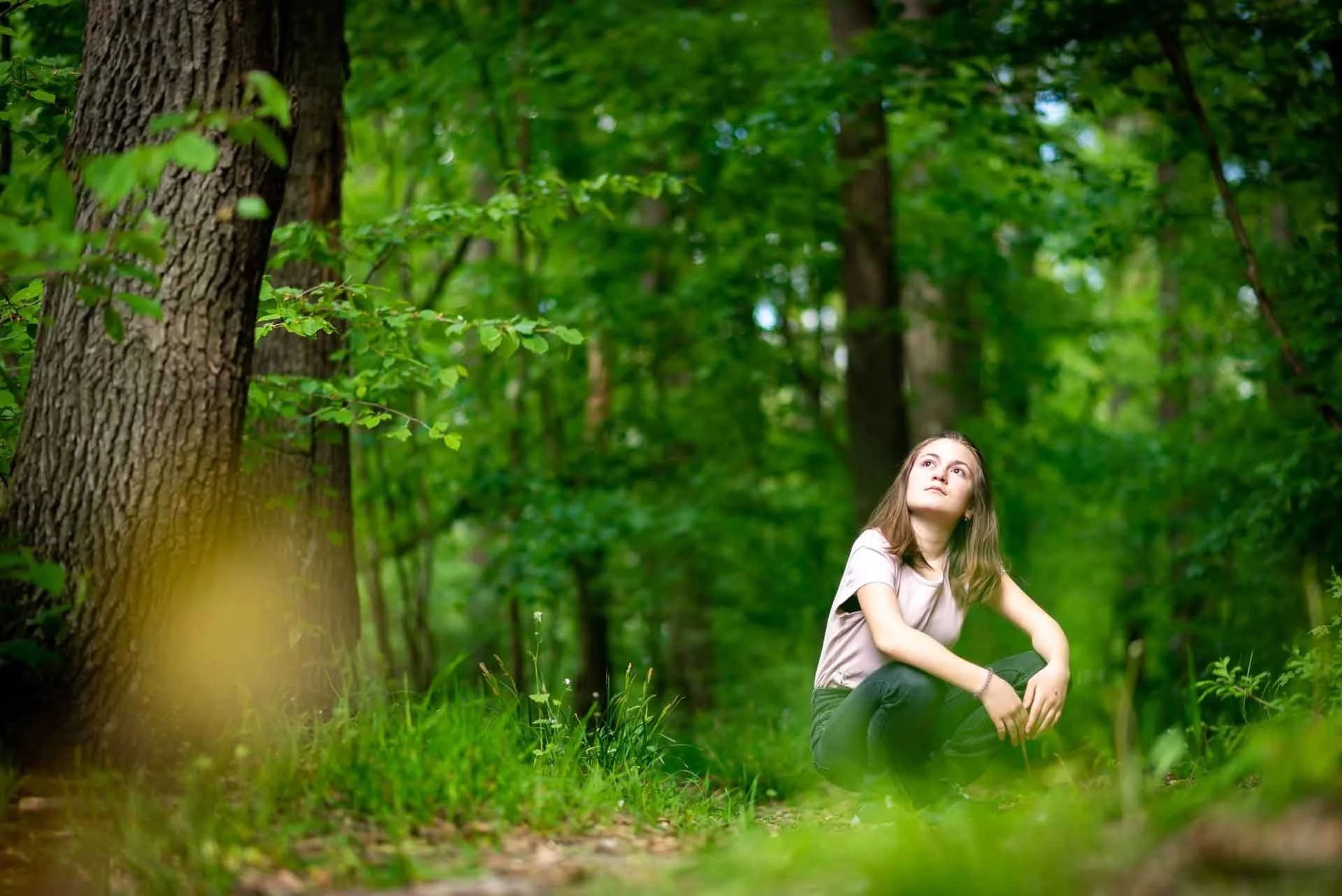
An A to Z of Forest Bathing
‘Forest Bathing’ is a nature-connection practice that almost everyone can take part in, that will benefit your physical, emotional and cognitive functioning. It is increasingly recognised as a preventative approach to healthcare - a kind of ‘forest medicine’ that utilises the restorative power of trees and nature to improve health and wellbeing.

Nature Connection and Technology
A recent study has reported that Smartphone use has increased greatly at a time when concerns about society’s disconnection from nature have also markedly increased. A different study has reported that it was not Smartphone use itself that was the issue in terms of reduced connection with nature, so much as what you did with your Smartphone and more importantly, what you pointed the camera at.
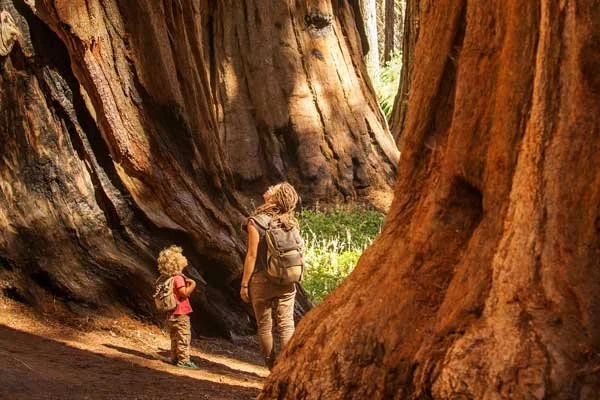
Awe and Wonder in Nature
Experiencing awe involves two components, vastness and transcendence. Vastness happens when we see something like a spectacular view or sunset or are exposed to a concept such as the the infinite size of the universe that is too incredible to fit into our current worldview, forcing us to expand our understanding of what is possible. Transcendence happens when we take in this new, awe-inspiring experience and try to make sense of it.
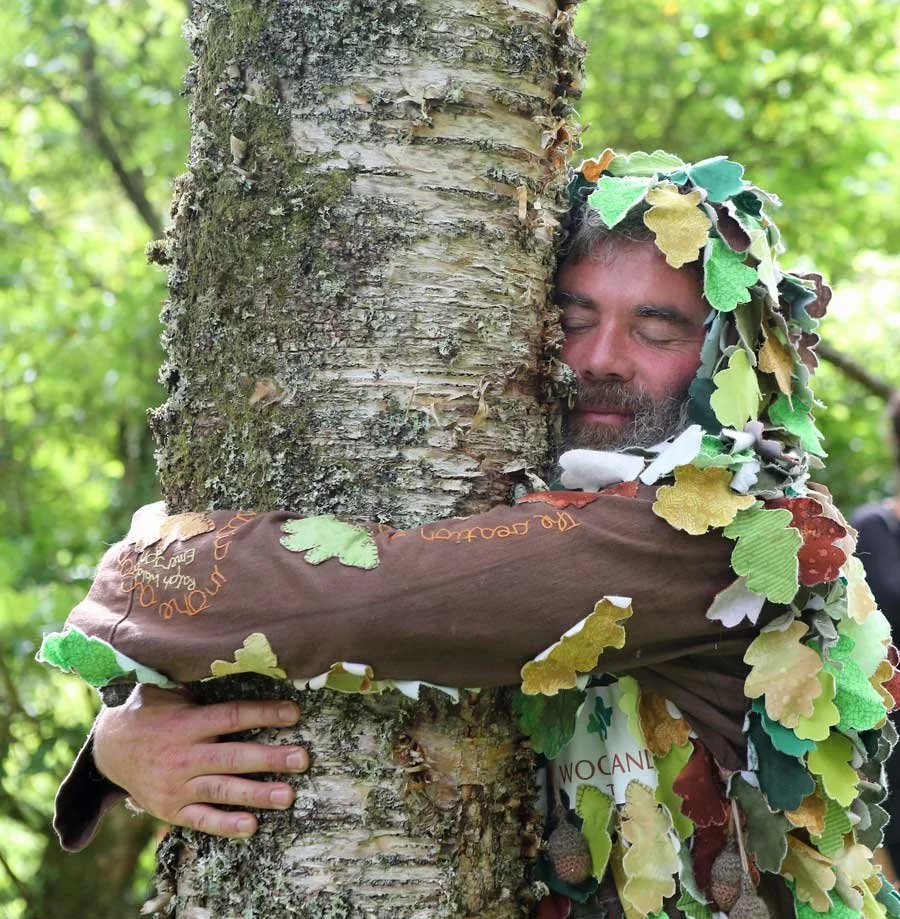
Scottish Tree Hugging Championships 2022
We hosted the Inaugural Scottish Tree Hugging Championships, on Friday 22nd July at Ardtornish as part of the Morvern Games Week. The winner was Alasdair Firth (pictured), who lives locally on a woodland croft.
This event was run in association with the World Tree Hugging Championships held annually in the HaliPuu Forest in Levi, Lapland, Finland.
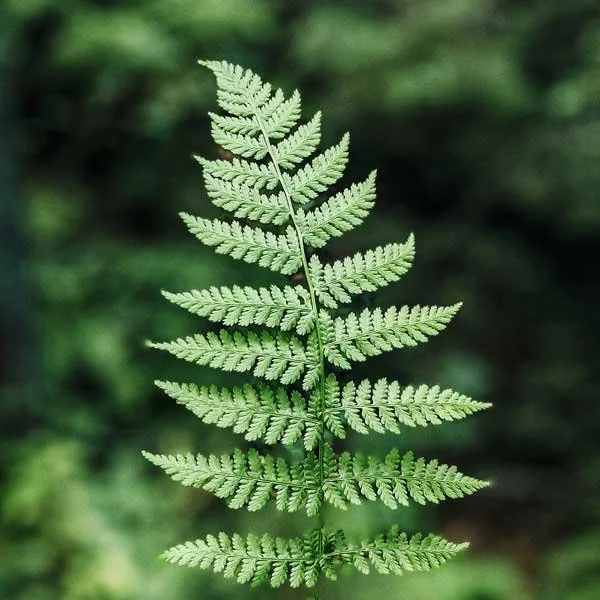
Fractal Patterns, Nature and Alpha Waves
Research has shown that when people view naturally occurring fractals in nature, it increases the alpha brainwave activity in their brain. Alpha waves are produced when people are relaxed and they are linked to physiological health benefits, and these benefits can be measured even when fractal patterns are only viewed for a short period of time.

Ways to Bring Nature-Connection Indoors
In this article we are going to look at a range of ways that you can increase your nature-connection when you cannot go outside. This might be because of the weather, or for physical or psychological reasons.

Children and Connection with Nature
An increasing number of children now grow up in urban areas with limited access to nature. This is especially so amongst children where less than one in 10 children now regularly play out in ‘wild spaces’ such as parks, forests or beaches, compared to half of their parents when they were children.
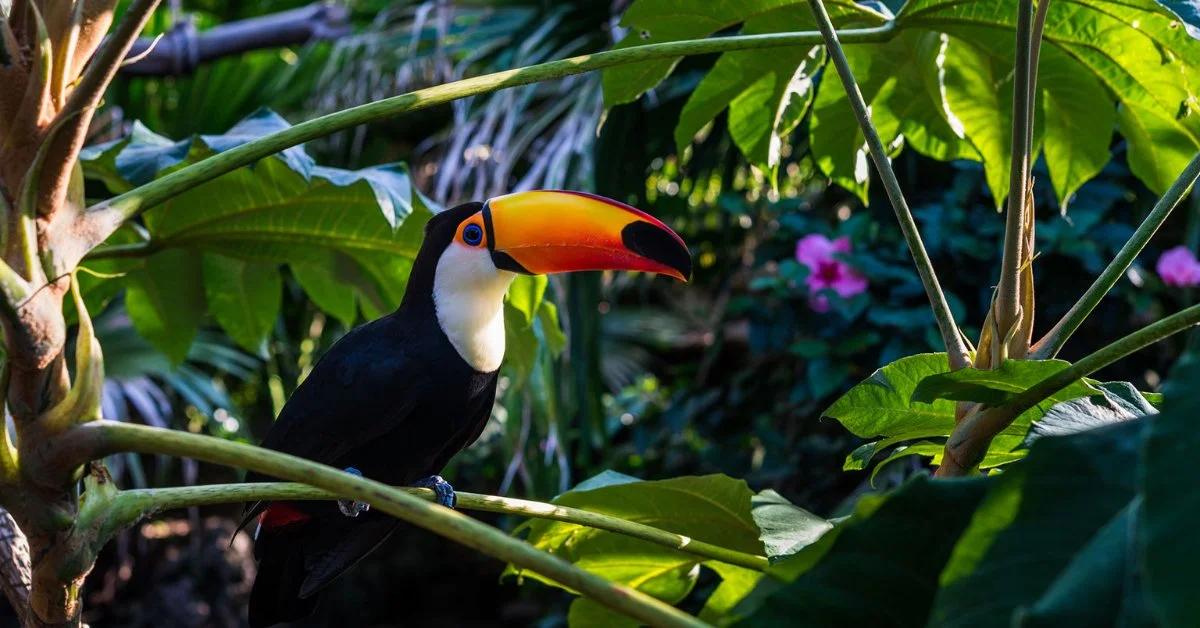
World Rainforest Day 2022
World Rainforest Day was launched in 2017 by the Rainforest Partnership and recognises standing, healthy forests as one of the most powerful and cost-effective climate change mitigation tools we have. The partnership aims to create a global movement to protect and restore them. World Rainforest Day has been created to take decisive action to combat deforestation, reduce the effects of climate change, and protect our rainforests for future generations.
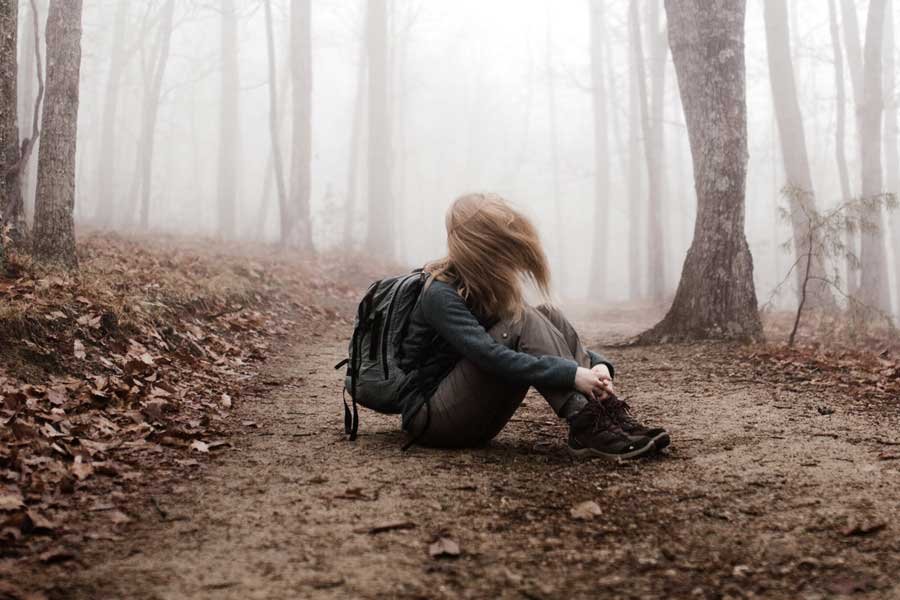
Rumination and Connection with Nature
Rumination is defined as “obsessive thinking about an idea, situation, or choice especially when it interferes with normal mental functioning”. When people ruminate they often play the same thoughts over and over in their heads often analysing their current distress, the reasons for it and its consequences. Studies have found that nature-connectionn activities can lead to a reduction in rumination.
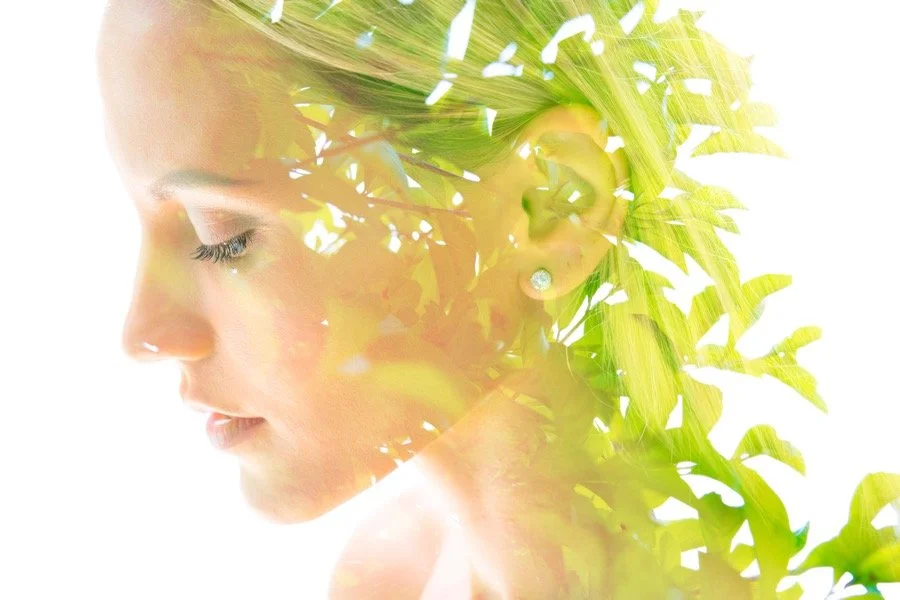
Pathways to Connection with Nature
Nature-connection activities should help you to feel more in tune with nature and a part of nature rather than apart from nature. It is all about appreciating the wonder and beauty in nature and the natural environment, rather than about ‘knowledge’. Nature-connection is not about wildlife or tree-identification, it involves shifting your attention and focus from learning about what something in nature is to how things in nature make you feel.

Nature-Connection and The Environment
Increased connection to nature is important on a personal level as it can improve and maintain health and wellbeing, leading to a lower incidence of ‘affective’ mental health problems including lowering depression and anxiety levels and relieving stress. However, increased connection with nature can also be beneficial to the wider natural environment, as it can lead to more pro-environmental attitudes and subsequent positive behaviours.