

Nature Connection and Technology
31st July 2022

It is reported that 92% of people over 16 in the UK own a Smartphone and that this figure is replicated across Europe where nine of every 10 adults aged under 35 now own a Smartphone that provides internet access in addition to making audio calls.
Smartphones and Nature Connection
A recent study has reported that Smartphone use has increased greatly at a time when concerns about society’s disconnection from nature have also markedly increased. Other recent research has also indicated that Smartphone use can be particularly problematic for a small minority of people in whom it can lead to depression, anxiety, difficulties in cognitive-emotion regulation, impulsivity, impaired cognitive function, problematic social network use involving compulsive patterns of interaction that negatively impact their well-being, shyness and low self-esteem. Medical problems have been reported including sleep problems, reduced physical fitness, unhealthy eating habits, pain and migraines, and reduced cognitive control. Interestingly many of these psychological and physical ailments are conditions that increased nature-connection is seen to have a beneficial effect on.
Selfies, Anxiety and Pictures of Nature
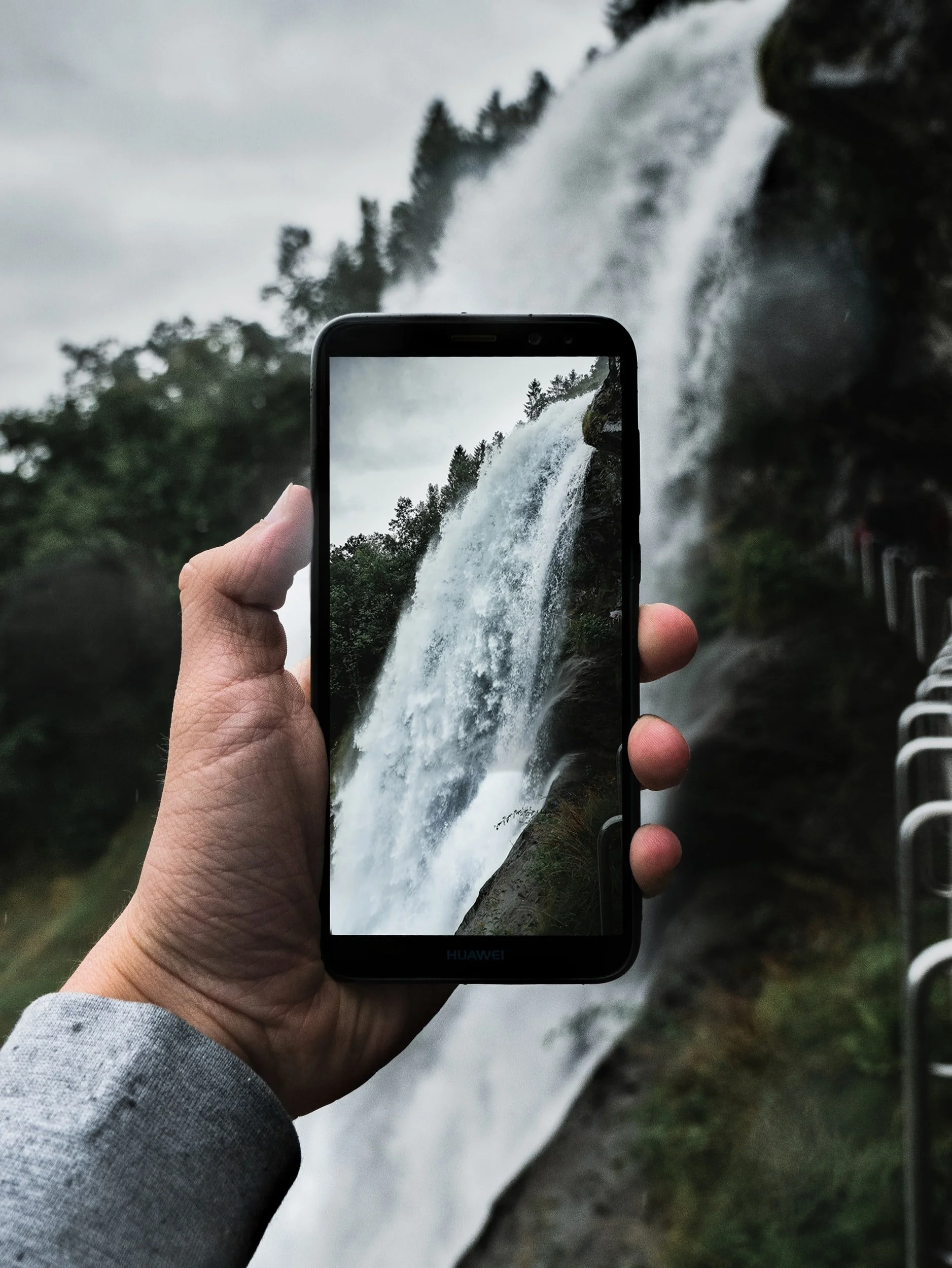
A 2018 study reported that it was not Smartphone use itself that was the issue in terms of increased anxiety and reduced connection with nature, so much as what you did with your Smartphone and more importantly, what you pointed the camera at. Analysis showed that the people who took the most selfies showed the lowest connection with nature and the highest levels of anxiety, whereas those who took the most photos of nature showed the highest levels of nature connectedness.
A more recent 2021 research study found that sharing experiences through Smartphone apps can also provide uplifting sources of inspiration in ways that trigger positive emotions and other beneficial ways. It has also been suggested that people may actively seek out awe-inspiring natural scenes to share on Instagram, Facebook and other Social Media platforms. Just looking at such photographs can enhance the feelings of awe and wonder. However … concerns have also been raised that we should be focusing on ‘spectacular’ moments less and encouraging people to see beauty in the more mundane environments that they might otherwise ignore.
Smartphone Apps are available that can help with plant and tree identification, and whilst it is usually said that Forest Bathing and Nature Connection are not about learning the names of trees but about learning how trees and nature make you feel, it turns out that learning the names of trees is good for you AS WELL!
In this article, Christian Diehm argues that distinguishing species may offer a different way of seeing 'nature' that could transform our view of the world around us. When we get to know trees, Diehm suggests, we may begin to look at them differently: “Each tree, we will want to assert, is a wonder, a real-life marvel making a way through the world, fully deserving of admiration and respect on its own terms.”

As this research notes, in terms of wider influence and the potential for Smartphone apps to encourage outdoor activities and positive human engagements with nature we need look no further than PokemonGO. PokemonGO is an ‘augmented reality’ game in which animated characters (the ‘pokemon’) are nominally scattered across physical space such that players who hope to collect them must go to the physical sites that trigger their appearance on their smartphones. If nothing more, the authors argue this game takes those who may otherwise have been inclined to remain indoors into sites that often include parks, gardens and other green spaces. But, beyond that, the parallel between the animated characters dreamt up by game designers and the living species to which societies might otherwise be increasingly oblivious was obvious: If people can be so easily tempted to search for computer-generated creatures outside, surely there is scope for using a similar strategy to get them to notice the real-world equivalents and thereby engage with nature in positive new ways.
Leif Bersweden, a 28-year-old botanist who has been obsessed with orchids since the age of 12, described in this article in The Guardian how, when growing up, he loved Pokémon, and saw discovering nature as a real-life version of the video game, as both hunting Pokemon and orchids involve finding and making lists of ‘cool creatures adapted to different environments’.
Here are some FREE apps that you might like to take a look at:
Go Jauntly
With this app you can find find walks based on your location. Simple photo guides help you navigate while nifty tips point out things that might be of interest. You can also take pictures and add details and share them with other people who may find them useful, and by using Nature Notes (iOS only) to record the good things you see in nature, this can bring benefits to your mental wellbeing.
Google Play Store / Apple App Store
Seek by iNaturalist
This app uses image recognition technology to help you to identify both plants and animals, as well as offering you information about them, and can be a fun way to improve your nature identification skills. You can earn badges for spotting different kinds of species and if you let it use your location and it will also show you other plants and animals that are found where you are.
Google Play Store / Apple App Store
Tree ID by Woodland Trust
Tree ID from The Woodland Trust can help you to identify both common native and some common non-native trees in the UK using bark, twigs, buds, leaves, flowers, and fruits. It also provides information about each species together with facts about folklore, history, and uses. The best things is that the app requires no internet connection when you’re out and about so you can get instant identification! You can also use a map to record the different species of trees around you.
Google Play Store / Apple App Store
BirdNET – Bird sound identification
BirdNET is a joint project from Cornell Lab of Ornithology and Chemnitz University of Technology that uses AI (artificial intelligence) to identify the most common bird species.
The app works by allowing you to record audio which is then sent to the BirdNET servers that identify bird species by sound! At this point it is only available on the Google Play Store.

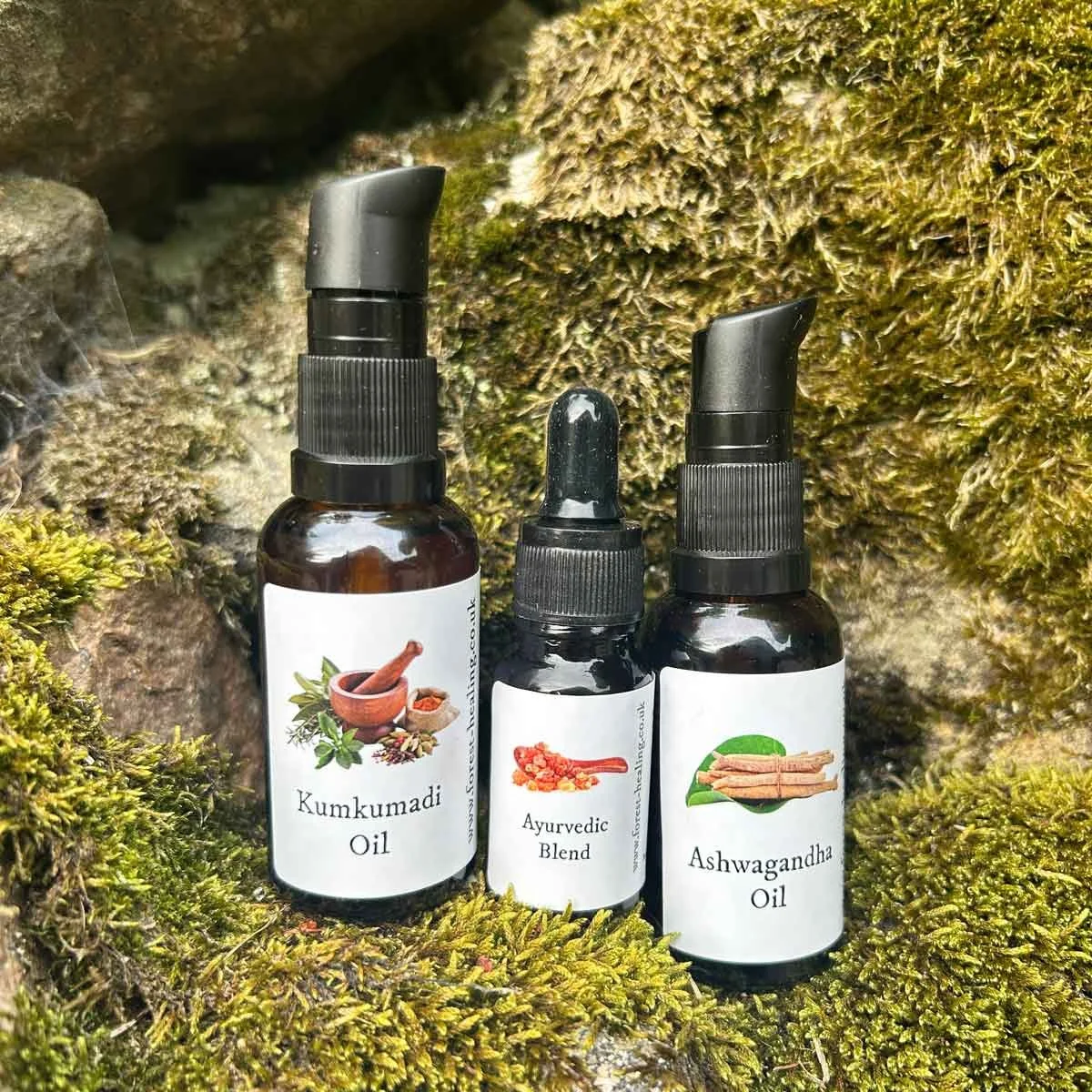







A small collection designed to gently open the door into deeper relationship with the natural world.
This complete set of four Forest Healing booklets brings together practical guidance, reflective ideas, and simple nature connection practices that can be used anywhere — from ancient woodland to a nearby park, garden, or even a single Sit Spot outdoors.
Written to be accessible, grounding, and easy to follow, these booklets offer a pathway into the core practices of Forest Bathing (Shinrin-yoku), Silvotherapy, and everyday nature connection. Rather than asking you to achieve anything, they simply invite you to slow down, notice more deeply, and allow nature to become an active presence in your wellbeing.
Across the four booklets you will explore:
• What Forest Bathing, Silvotherapy, and Nature Connection actually are
• The key benefits of spending mindful time in natural environments
• The practice of the “Sit Spot” and how to develop your own relationship with a chosen place
• Simple, practical Forest Bathing invitations you can try alone or with others
• Ways to bring nature connection into everyday life, even in small moments
Together, they form a gentle introduction to practices that have been shown to support reduced stress, improved mood, greater clarity of thought, and a deeper sense of belonging within the natural world.
These are not academic texts or rigid instruction manuals. They are invitations — encouraging you to step outside, slow your pace, and rediscover the quiet intelligence of trees, weather, and landscape.
Whether you are completely new to nature connection or looking to deepen an existing practice, this collection offers a simple, supportive starting point for building a more intentional and restorative relationship with the living world around you.
A small set of booklets that can change the way you experience even the most familiar patch of nature.
Buy all Four Forest Bathing and Nature-Connection Booklets for £11.00 including FREE P&P within the UK.
Postage to the Rest of the World is £4.