


Nature Connection Articles
Our Most Recent Articles

Reducing Eco-Anxiety Through Nature Connection: The Healing Power of the Natural World
In an era of escalating environmental challenges, it is not uncommon to experience eco-anxiety - a form of anxiety or distress related to the state of the planet. As the effects of climate change become increasingly evident, many individuals find themselves overwhelmed, hopeless, and filled with a sense of impending doom. However, amidst this turmoil, there is a powerful antidote that offers solace and healing: nature connection.

Loneliness, Social Isolation and Nature Connection
In today's fast-paced and interconnected world, it may seem paradoxical that loneliness and social isolation have become prevalent issues affecting millions of people. Despite being more digitally connected than ever before, many individuals experience a profound sense of disconnection and loneliness. However, an antidote to these modern-day afflictions lies just outside our doors: nature connection. Research suggests that fostering a deeper relationship with nature can combat loneliness, alleviate social isolation, and promote overall well-being.
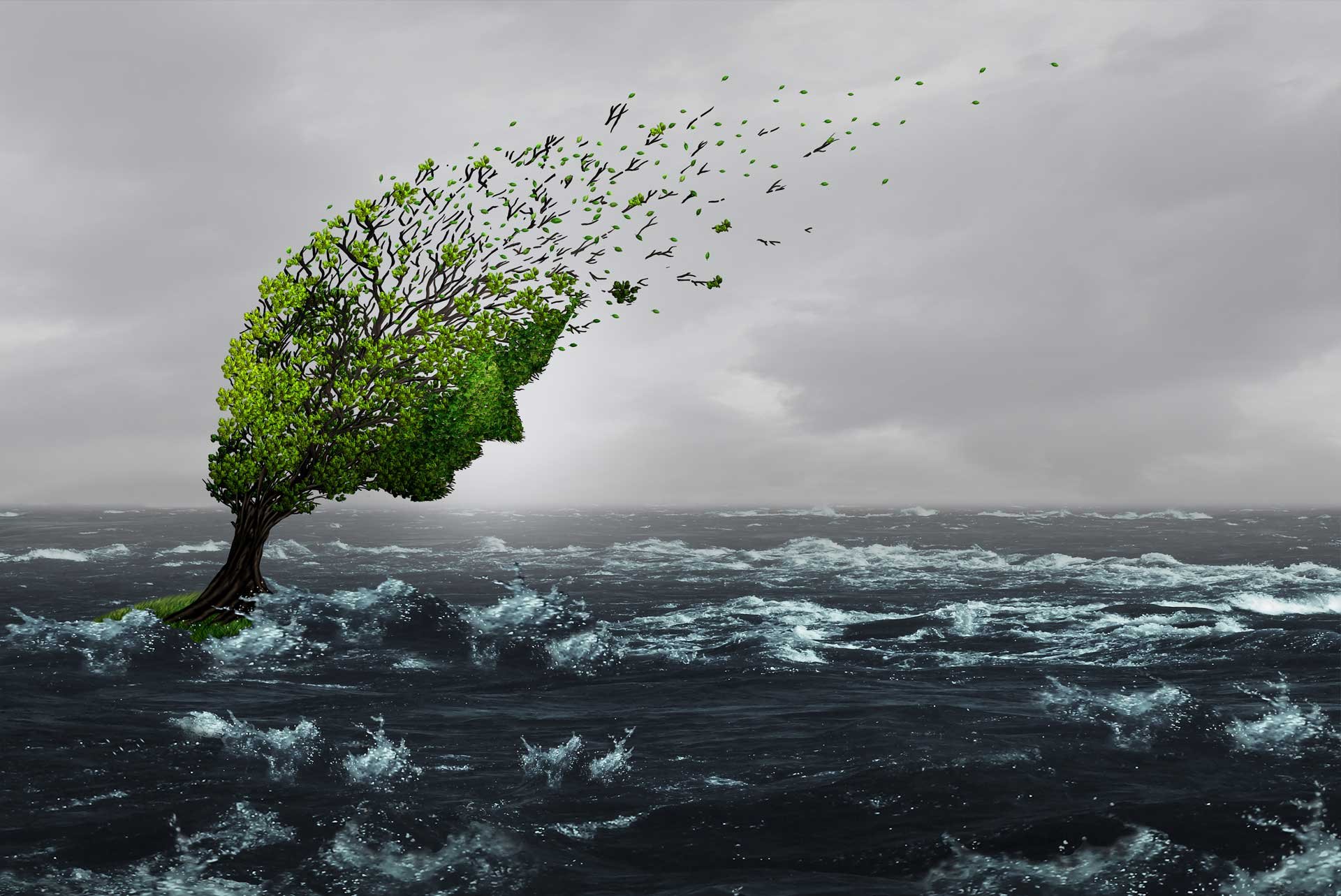
Nature Connection and Anxiety
Mental health and anxiety have become increasingly prevalent in today's society. Anxiety disorders affect millions of people worldwide, and the COVID-19 pandemic has only worsened the situation. One way to combat anxiety and improve mental health is through increased nature connection. Studies have shown that nature connection can significantly reduce the symptoms of anxiety. Exposure to nature can help reduce stress and anxiety, increase feelings of calm and relaxation, and improve overall well-being.

The Eudaimonia Project
Eudaimonic wellbeing is usually defined as having a feeling of meaning and purpose in life and a sense of continued personal growth and social contribution that all contribute to optimal psychosocial functioning - it is primarily about functioning well and how meaningful and worthwhile life is. This article looks at how I spent a month actively trying to improve my mental and emotional health through intensive daily nature connection practices.
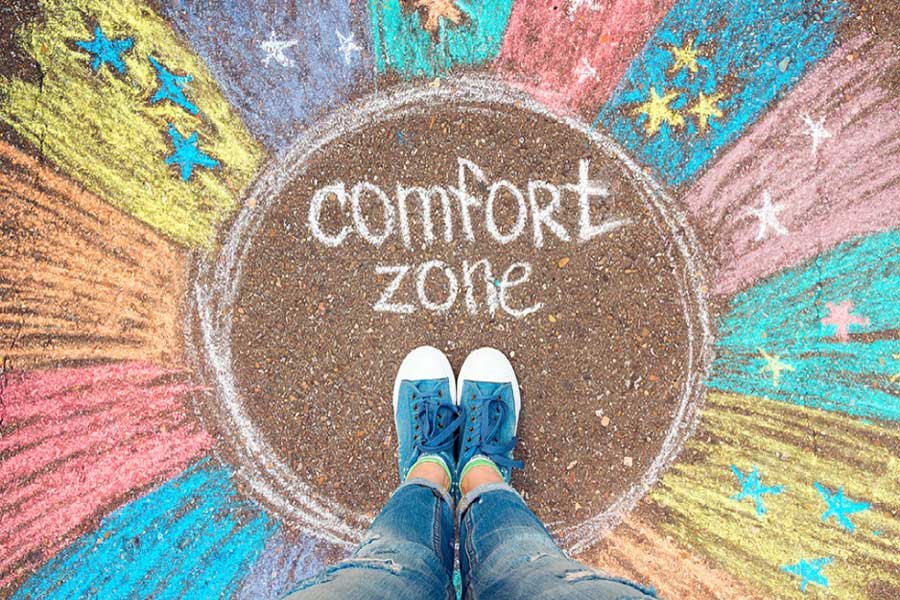
The Comfort Zone, Stretch Zone, and Panic Zone
We all have our ‘Comfort Zone’ – those familiar and predictable spaces where we feel at ease, secure, and in control - comfortable! Whether it's a job that you have been doing for a long time, a daily routine, or a close social circle, Comfort Zones offer a sense of stability and familiarity that can be comforting and reassuring.
But while comfort zones may feel safe and secure, they can also be limiting. They keep us from exploring new opportunities, learning new skills, and growing as individuals. In order to truly thrive, we need to push ourselves beyond our comfort zones and explore what lies beyond.

The Importance of Curiosity and Nature Connection
Nature is an incredible source of wonder and inspiration, and cultivating a connection with it can bring many benefits to our lives. One of the key elements in developing this connection is curiosity, a sense of wonder and exploration that drives us to explore the world around us and discover its hidden wonders. Curiosity is a fundamental part of human nature, and it is what has driven us to explore the world and make great discoveries throughout history. When we connect with nature, we tap into this innate sense of curiosity and open ourselves up to new experiences and insights.
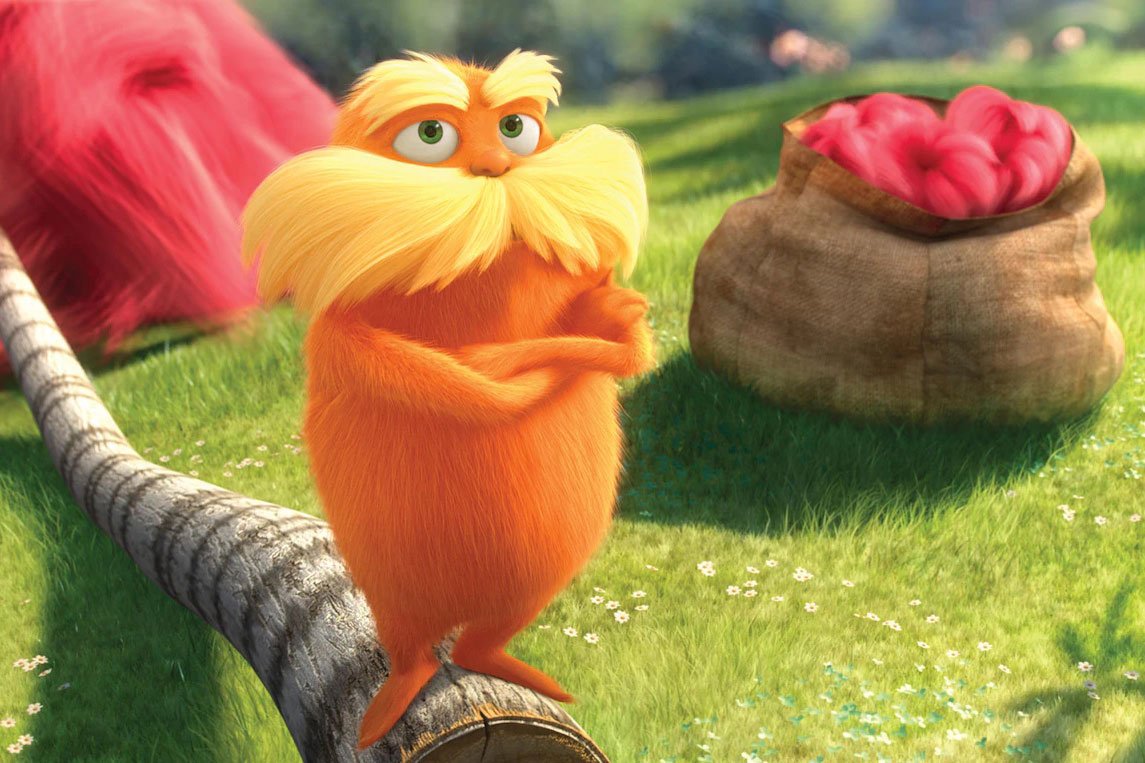
Earth Day and The Lorax
The Lorax has inspired generations of activists and young social entrepreneurs to focus on ecology and green initiatives and it is still widely used as a tool for teaching children about environmentalism.
The book depicts a world in which all the trees have been cut down to make way for the factories, driven by consumerism, and which in turn causes the pollution and destruction of the natural world. The Lorax struggles to get the people to understand the importance of preserving the environment before it is too late, but his message is that everyone has the power to make a difference and preserve the planet for future generations.
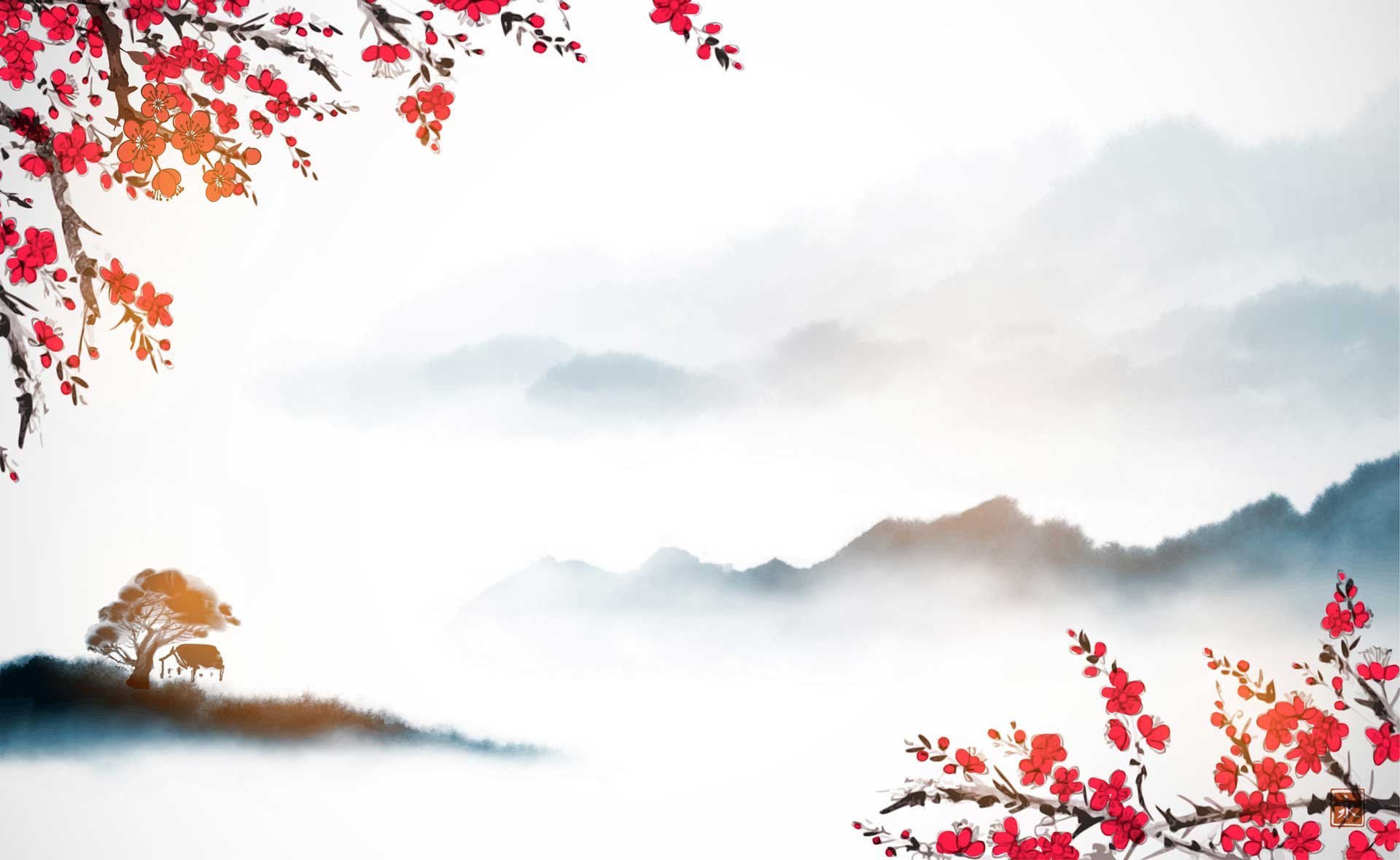
Are The Japanese More Culturally Aligned With The Concept of Forest Bathing?
Japan’s connection to nature is a deep and integral part of their cultural heritage. From the reverence for the kami that resides in all natural objects, to the celebration of the changing seasons, the Japanese people have a profound respect for the natural world that is reflected in every aspect of their society. As the world becomes more urbanised and disconnected from nature, it is important to remember the lessons we can learn from Japan and strive to reconnect with the natural world around us.

The Moon as a Calendar
The moon has been used as a calendar for thousands of years by various cultures and civilisations around the world. Its phases and cycles have been observed and studied, allowing people to track time and plan their activities accordingly. An analogue watch usually has two hands that tell the hours and minutes, but marking the hours and minutes may not have been as important to our ancestors as marking the days, the weeks and the seasons. For them, the Sun would have help mark the days and the Moon would have helped to mark the weeks, the months, and the seasons.

The Standard Sequence in Guided Forest Bathing
Although each Forest Bathing experience, whether guided or not, will always be different depending on the location, the time of year, the prevailing weather conditions, your mood, and many other factors, most ‘schools’ of Forest Bathing share a similar structure including a number of key nature-connection activities or ‘invitations’, sometimes referred to as ‘The Standard Sequence’. This carefully designed sequence creates an experience that enhances nature connection and boosts the therapeutic and restorative effects of nature for health and well-being. It also means that there is a degree of consistency in what you can expect wherever you experience a guided Forest Bathing walk, and by whoever you are guided.

Reducing Technostress Through Nature Connection Activities
In our modern world, technology plays an integral part of our daily lives. We use it to communicate, work, entertain ourselves, and even keep track of our health. However, with the increased use of technology comes the potential for technostress – the negative psychological impact of technology on our well-being. Technostress can lead to anxiety, burnout, and even physical health problems. In this article we discuss technostress and explore how nature connection activities can help to combat it.

The Imaginary Sense in Forest Bathing
In the practice of Forest Bathing, the imaginary sense can be described as a heightened perception or awareness of your surroundings that goes beyond the five traditional senses. It is an intuitive and imaginative way of experiencing nature and connecting with the forest environment on a deeper level.

Animism: Rediscovering the Wisdom of the Natural World
Animism provides a powerful lens through which we can view the world as a sacred and interconnected web of life. The concept of Gaia further deepens our understanding of the Earth as a living entity deserving of respect and care. Practices like forest bathing enable us to tap into the wisdom of nature, offering a path to healing, restoration, and a renewed sense of belonging in the world. By rediscovering and embracing these ancient perspectives, we can foster a more harmonious and sustainable relationship with the natural world, benefiting both ourselves and the planet we call home.

Nature-Based Wellbeing and the Heliotropic Principle
Nature has a remarkable ability to heal and restore our physical, mental, and emotional wellbeing. The heliotropic principle, a concept drawn from Appreciative Inquiry, provides a useful framework for understanding how nature can enhance our wellbeing. Appreciative Inquiry itself is a strengths-based and solution-focused approach that provides the foundation to the ways that we support people to develop the knowledge, skills and self-belief to improve their health and wellbeing.
Forests, Fairytales and Phobias
While some people may find forests to be beautiful and peaceful, others experience a fear or phobia of them. This fear can range from mild discomfort to intense anxiety, and can be triggered by a number of factors such as a fear of getting lost or being attacked by wild animals. In fairytales, the woodland often serves as a symbol for the unknown, the mysterious, and the wild. It is a place where adventure, danger, and magic can all be found. From Little Red Riding Hood to Hansel and Gretel, many of the most iconic fairytales take place in or near a woodland setting. In this blog post, we will explore the various ways that the woodland is used as a symbol in fairytales.
Green Prescriptions - An Holistic Approach to Public Health
Social prescribing is a non-medical approach to treating health issues and promoting well-being. It is a way of connecting patients with community services and activities that can help address the social, emotional, or practical needs that are contributing to their health problems. It aims to address the root causes of health problems and enhance people's health and well-being by connecting them with community-based activities and services that they find enjoyable and meaningful. Social prescribing can have a range of benefits, including reducing social isolation and loneliness, improving physical and mental health, and enhancing overall well-being. It is seen as a way to empower individuals to take control of their own health and to provide a more holistic approach to healthcare.

Kintsugi and Wabi Sabi
Kintsugi is a Japanese art form in which broken pottery is repaired with gold or other precious metal, rather than being discarded. It is also seen as a metaphor for the concept of wabi-sabi. Wabi-sabi is a Japanese aesthetic concept that values the imperfect, impermanent, and incomplete. It is often associated with the beauty of natural objects, such as flowers that are wilting or trees that are gnarled and twisted.

What can we Learn about Nature Connection from Indigenous Australian Cultures?
Indigenous Australians have had a long-standing relationship with the land and everything that exists on the land, that stretches far back into history and is based on respect, knowledge, and harmony. Aboriginal and Indigenous cultures have always understood that the land provides all of their necessary resources, and so these resources must be stewarded carefully in order to ensure that these supplies will not diminish.

The Health Benefits of Walking in Nature
Walking in nature has been shown to have a number of health benefits, including reducing stress and anxiety, improving mood, and lowering the risk of chronic diseases such as heart disease and diabetes. Studies have also found that spending time in nature can boost the immune system and improve overall well-being. Additionally, walking in nature can improve focus and concentration, and may even be beneficial for people with conditions such as ADHD.

The Connection Between ‘Deep Ecology’ and Forest Bathing
Deep Ecology and Forest Bathing both share a similar understanding of the importance of nature and the interconnectedness of all living beings, and they both promote the idea that humans should live in harmony with nature.
Deep Ecology puts emphasis on the moral obligation to respect the rights of other species and the natural environment, while Forest Bathing focus on individual human health and well-being.