

The Importance of Curiosity and Nature Connection
First Published on the 29th April 2023, Updated on the 28th August 2026

Nature is full of wonders, from the intricate patterns of a spider's web to the stunning colours of a sunset. When we approach nature with curiosity, we begin to notice these details and appreciate them on a deeper level. We may find ourselves asking questions like, "How does that flower bloom in the winter?" or "What kind of animal made that track in the mud?" As we seek answers to these questions, we learn more about the natural world and gain a greater appreciation for its complexity and beauty. Nature connection and curiosity are two interrelated concepts that are often overlooked in today's busy and technology-driven world, but that can have a profound impact on our well-being and overall quality of life. Nature is an incredible source of wonder and inspiration, and cultivating a connection with it can bring many benefits to our lives. When we feel a sense of connection to nature, we are also more likely to be curious about the natural world around us, and this curiosity can lead us to explore, learn, and appreciate the complexity and beauty of the natural world. When we combine nature connection and curiosity, we create a powerful synergy that can enhance our lives in countless ways, inspiring us to explore, learn, and appreciate the complexity and beauty of nature, leading to a deeper sense of awe and wonder. This sense of awe can, in turn, fuel our curiosity, leading to a lifelong passion for learning and exploration.
In this article, we will explore the benefits of nature connection and curiosity, and how both can enhance our lives.
Nature Connection

Nature connection refers to the sense of closeness and belongingness that we feel towards the natural world when we develop a deep and intimate relationships with it, especially when accompanied by feelings of gratitude and appreciation. This connection can take many forms, from spending time in nature, observing and appreciating the beauty and diversity of flora and fauna, to feeling a sense of awe and wonder when experiencing natural phenomena like sunsets, thunderstorms, or the changing of seasons. Nature connection has been shown to have a wide range of benefits for our mental, physical, and emotional health.
Research has shown that spending time in nature can reduce stress, anxiety, and depression. Nature has a calming effect on the mind and body, helping us to feel more relaxed and at ease. Nature also provides us with opportunities for physical activity, which can improve our overall physical health and well-being. Walking, hiking, and other outdoor activities can help us to stay active, boost our immune system, and reduce the risk of chronic diseases like diabetes and heart disease.
In addition to its physical and mental health benefits, nature connection can also help us to develop a deeper sense of purpose and meaning in life. Studies have shown that people who feel connected to nature are more likely to engage in pro-environmental behaviors, such as recycling, reducing waste, and conserving energy. This sense of connection can also inspire us to work towards the protection and preservation of natural spaces and wildlife, leading to a greater sense of responsibility and stewardship towards the planet.
Curiosity
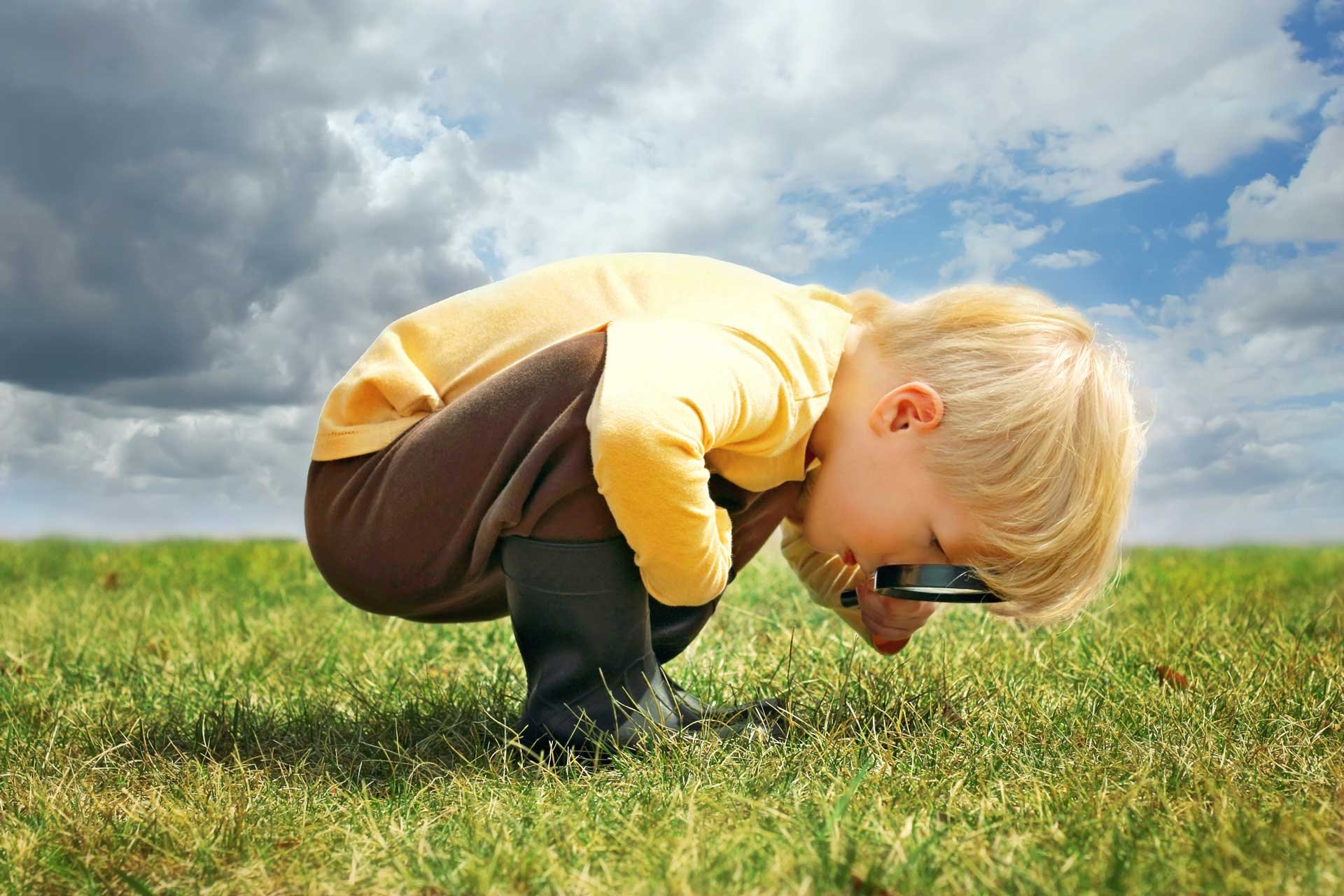
Curiosity is the desire to seek out new information, experiences, and challenges. It is a fundamental human trait that has driven our exploration and discovery throughout history and is the driving force behind discovery, innovation, and growth. Curiosity is what leads us to ask questions, explore new ideas, and seek out new experiences. Without curiosity, we would not learn or evolve as individuals. When we are curious, we are motivated to learn and grow, and we are more likely to take risks, try new things, and push ourselves beyond our comfort zones. Curiosity has been linked to many positive outcomes, including increased creativity, improved problem-solving skills, and higher levels of academic achievement.
Curiosity can also play an important role in our relationship with nature and when we connect with nature, we tap into this innate sense of curiosity and open ourselves up to new experiences and insights. When we are curious about the natural world, we are more likely to seek out opportunities to learn and explore. In addition to expanding our knowledge and appreciation of nature, curiosity can also lead us to engage with it more deeply. When we approach nature with an open mind and a willingness to learn, we may find ourselves drawn to activities like hiking, camping, or birdwatching. It can also involve reading books and articles about nature, attending nature classes or workshops, or simply spending time observing and experiencing the natural world around us. Curiosity can help us to appreciate the complexity and beauty of nature, and to develop a deeper understanding and respect for the interconnectedness of all living things and these activities allow us to immerse ourselves in the natural world and experience its wonders firsthand.
Nature Connection and Curiosity: A Powerful Combination

When we combine nature connection and curiosity, we create a powerful synergy that can enhance our lives in countless ways. When we feel a sense of connection to nature, we are more likely to be curious about the natural world around us. This curiosity can inspire us to explore, learn, and appreciate the complexity and beauty of nature, leading to a deeper sense of awe and wonder. This sense of awe can, in turn, fuel our curiosity, leading to a lifelong passion for learning and exploration.
When we combine nature connection and curiosity, we create a powerful combination that can have numerous benefits for our well-being. Here are a few ways in which practicing nature connection and curiosity can improve our lives:
Boosts creativity: Spending time in nature can help to stimulate our creativity and imagination. It can inspire new ideas and solutions to problems that we may be facing. By being curious about the natural world around us, we can learn about new plants, animals, and ecosystems that can spark our creativity.
Reduces stress: Nature connection has been shown to reduce stress levels and promote feelings of calm and relaxation. By taking the time to connect with nature and be curious about our surroundings, we can lower our stress levels and improve our overall well-being.
Increases physical activity: Exploring nature can be a great way to stay active and get exercise. Whether it's hiking, biking, or simply taking a walk through the woods, being in nature can help us stay physically fit and healthy.
Improves mental health: Nature connection and curiosity have both been linked to improved mental health. By spending time in nature and exploring our surroundings, we can reduce feelings of anxiety and depression and improve our overall mood, and when you’re feeling curious, the brain’s positive reward chemical, dopamine, is released, making you feel good.
Enhances learning: By being curious about the natural world, we can learn new things about the environment and the creatures that inhabit it. This can help to enhance our knowledge and understanding of the world around us.
Of course, cultivating a connection with nature and a sense of curiosity is not always easy, especially in our fast-paced and technology-driven world. Many of us spend the majority of our time indoors, glued to screens and disconnected from the natural world. However, even small steps can make a difference. Taking a walk outside during your lunch break, visiting a local park, or simply taking a moment to appreciate the natural beauty around you can all help to cultivate a sense of curiosity and connection with nature. By nurturing our sense of connection and curiosity, we can also create a more meaningful and fulfilling life. We can develop a deeper appreciation for the natural world, and we can become more engaged and responsible members of our community and the planet as a whole. So, the next time you have a chance to get outside and connect with nature, take the opportunity to be curious and see what you can discover!
Curiosity in Nature-Based Practices
In a later article I explore in more depth the effect that nature-based practices can have on the relationship between a practitioner and their client, but curiosity also changes the emotional quality of the relationship. Authority can sometimes make people feel that they are being judged against a standard they are expected to meet, whereas curiosity invites exploration without demanding a predetermined answer. "I wonder what that was like for you?" is very different from "Why did you do that?" The first opens a door; the second can feel like an interrogation. When a practitioner approaches someone with genuine curiosity, there is room for surprise —for the client to say something unexpected, to change their mind, or to discover something about themselves that neither person had anticipated. Perhaps this is one of nature's quiet gifts to therapeutic work — a woodland, a river or a changing sky continually reminds us that we don't have to know exactly what will happen next. We can simply pay attention, remain curious and discover what emerges.
There is something deeply relational about saying, "I don't know. What do you think?" It creates space for the other person to become an expert in their own experience. Rather than filling every silence with explanations, interpretations or advice, the practitioner communicates a genuine willingness to discover something alongside the client. Curiosity says, "Your experience matters to me. I don't already know what this means for you, so I'm interested in finding out." That can be a powerful antidote to the experience of being observed, assessed or categorised by professionals. The person is no longer simply the recipient of someone else's knowledge; they become an active participant in making sense of their own experience.

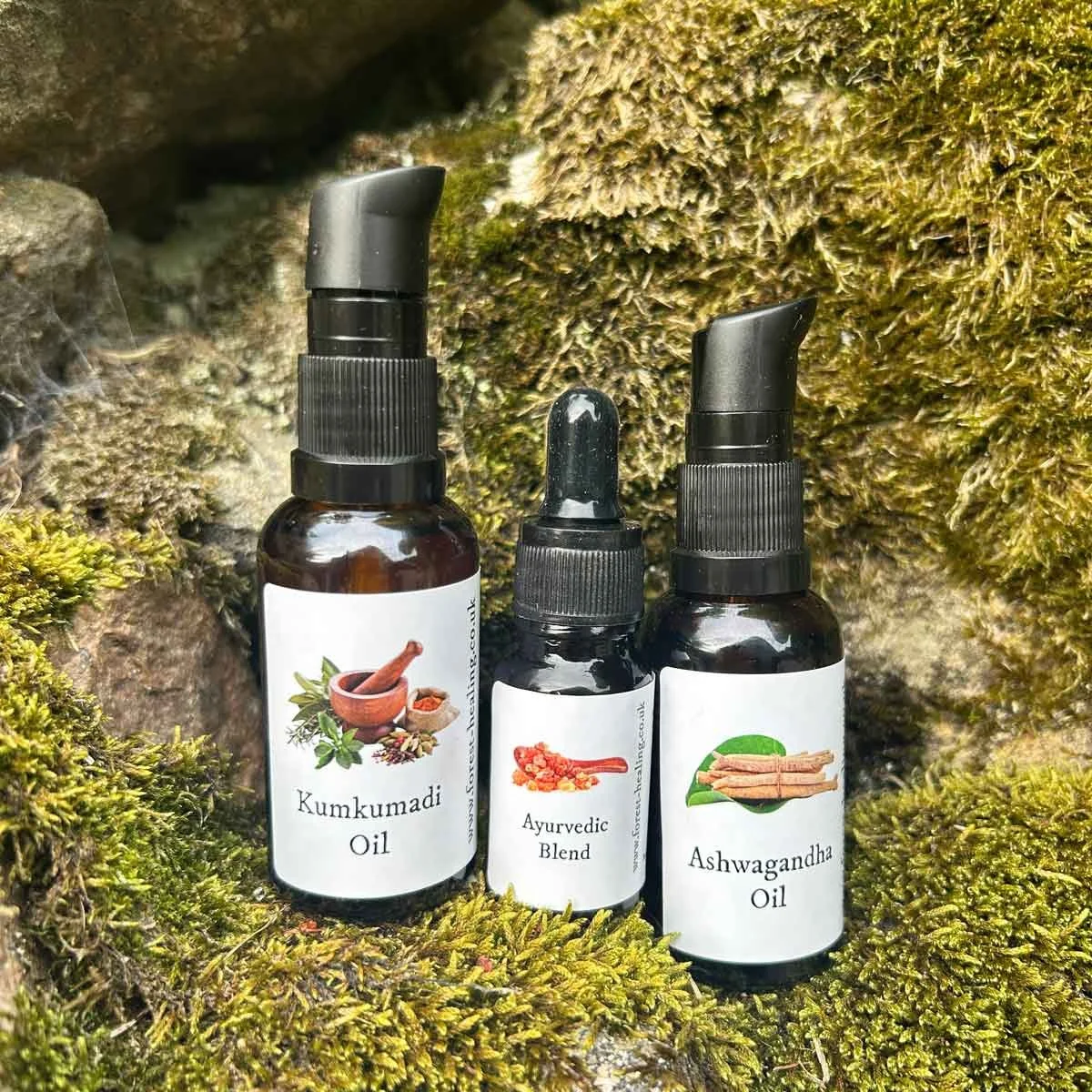


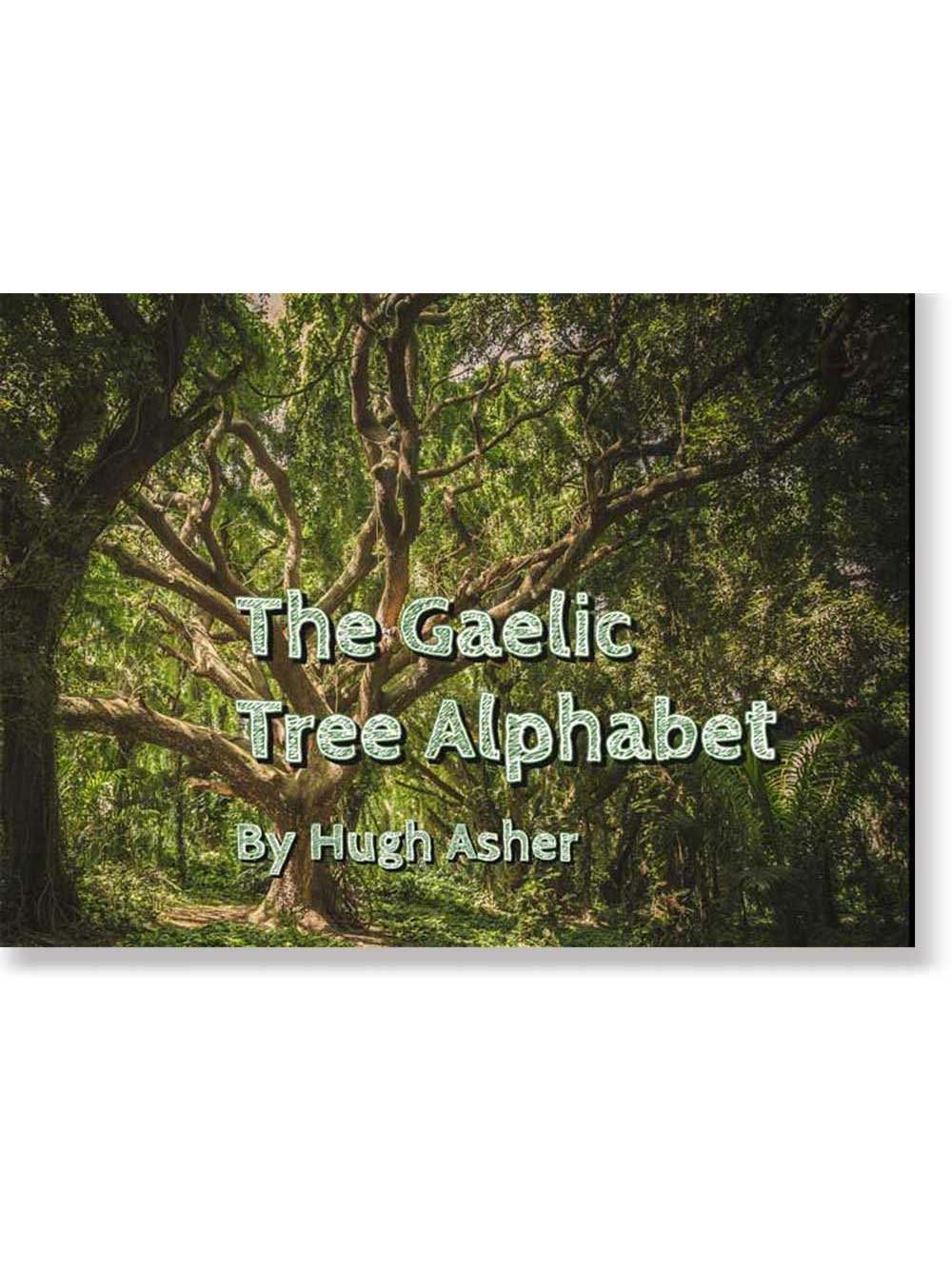
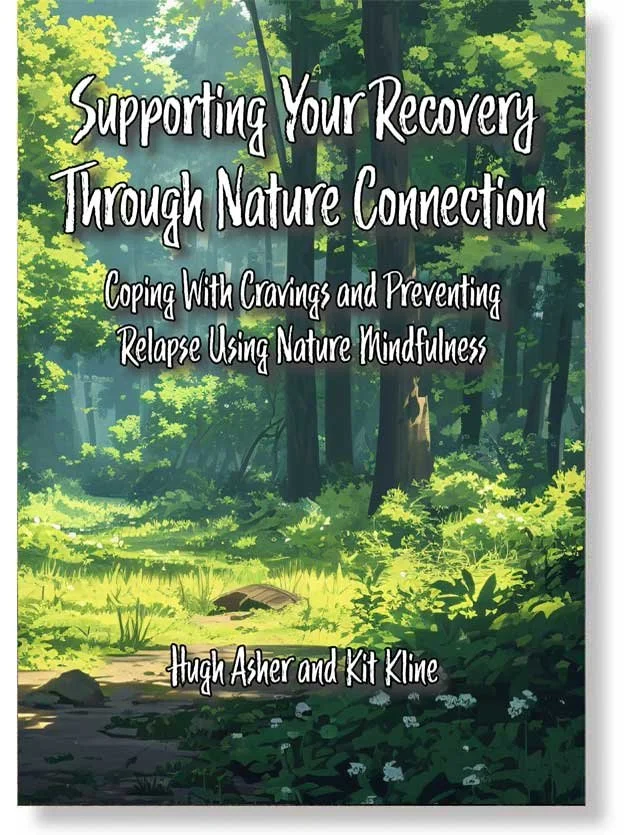










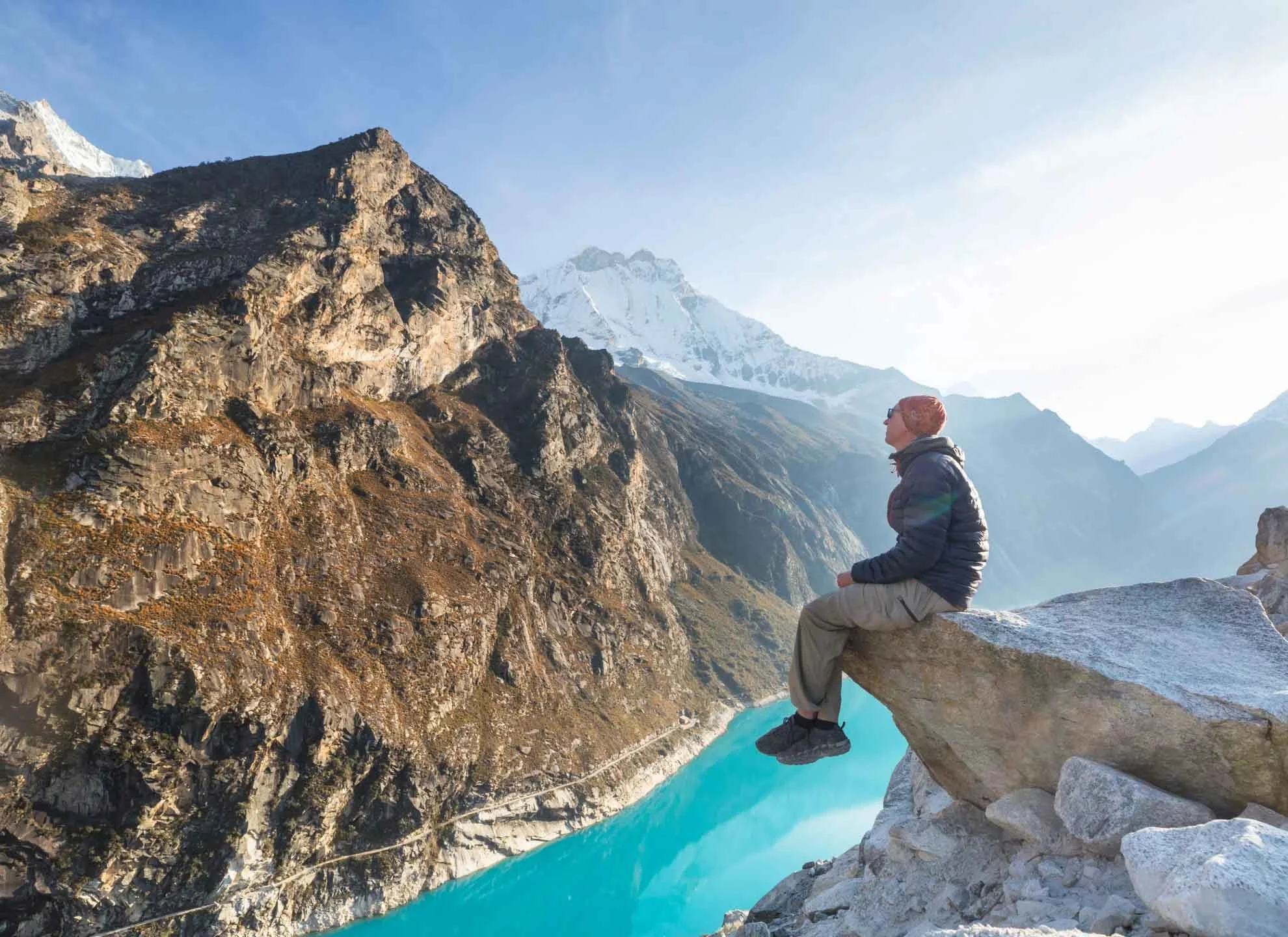

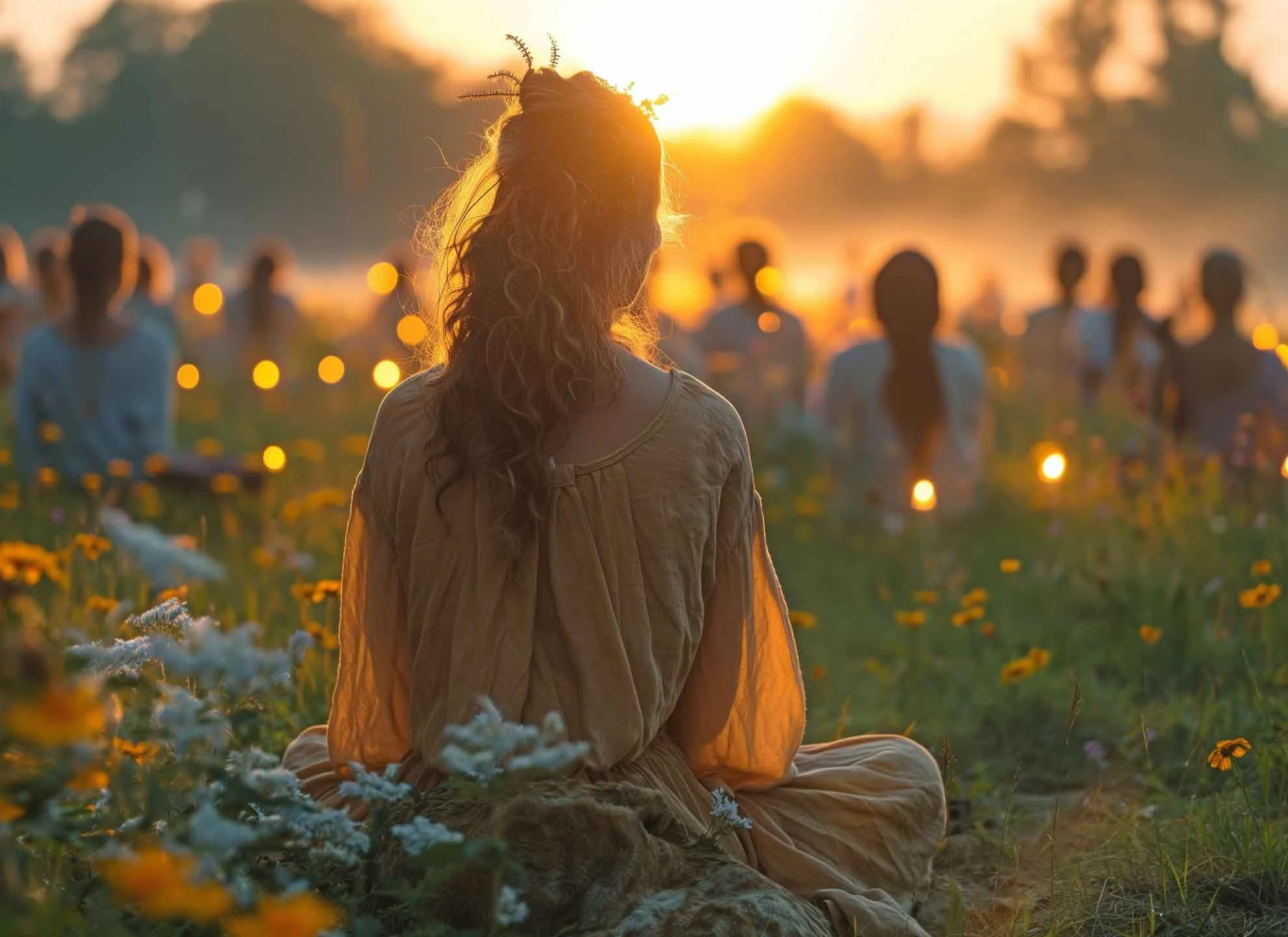
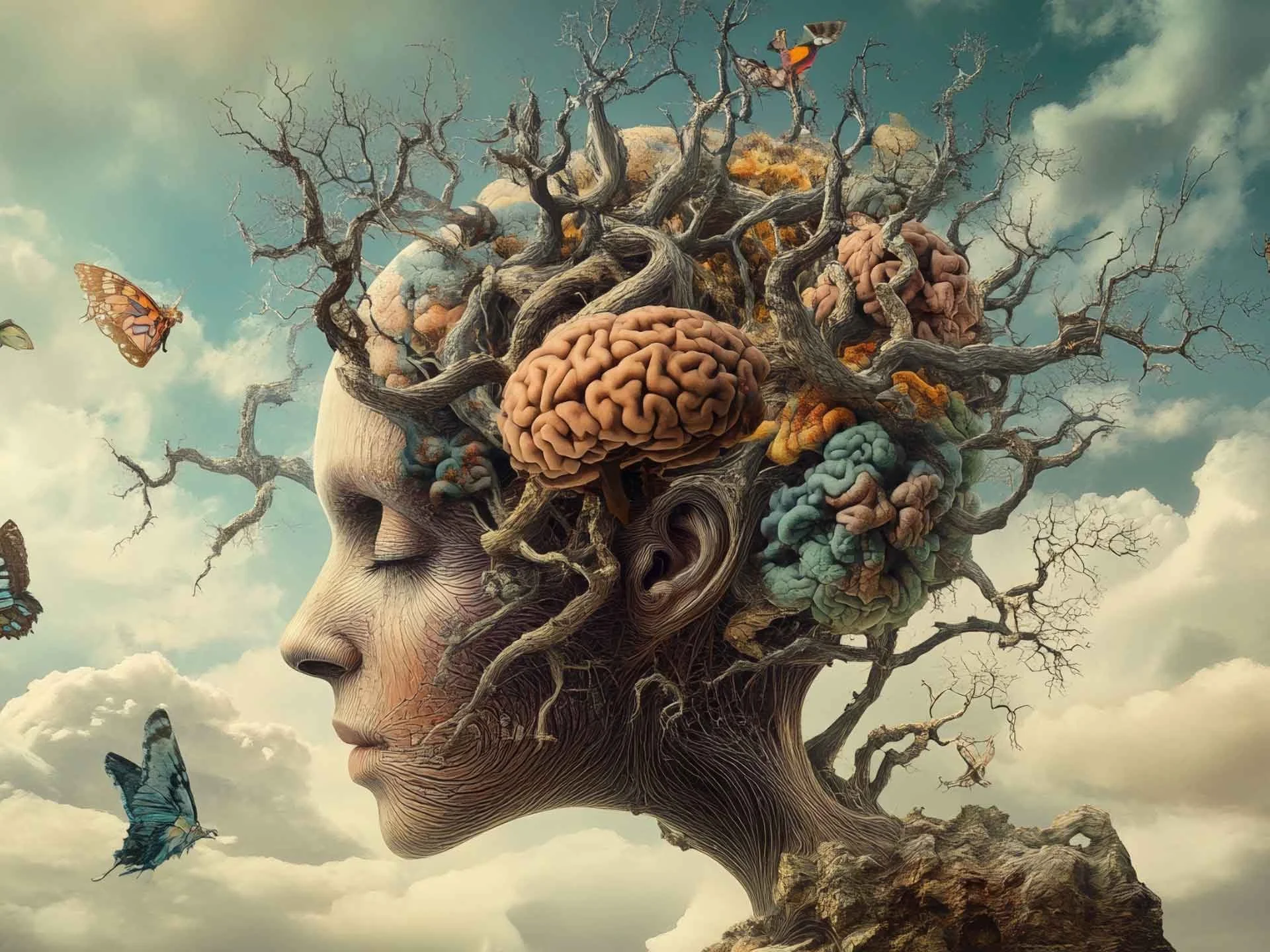





A small collection designed to gently open the door into deeper relationship with the natural world.
This complete set of four Forest Healing booklets brings together practical guidance, reflective ideas, and simple nature connection practices that can be used anywhere — from ancient woodland to a nearby park, garden, or even a single Sit Spot outdoors.
Written to be accessible, grounding, and easy to follow, these booklets offer a pathway into the core practices of Forest Bathing (Shinrin-yoku), Silvotherapy, and everyday nature connection. Rather than asking you to achieve anything, they simply invite you to slow down, notice more deeply, and allow nature to become an active presence in your wellbeing.
Across the four booklets you will explore:
• What Forest Bathing, Silvotherapy, and Nature Connection actually are
• The key benefits of spending mindful time in natural environments
• The practice of the “Sit Spot” and how to develop your own relationship with a chosen place
• Simple, practical Forest Bathing invitations you can try alone or with others
• Ways to bring nature connection into everyday life, even in small moments
Together, they form a gentle introduction to practices that have been shown to support reduced stress, improved mood, greater clarity of thought, and a deeper sense of belonging within the natural world.
These are not academic texts or rigid instruction manuals. They are invitations — encouraging you to step outside, slow your pace, and rediscover the quiet intelligence of trees, weather, and landscape.
Whether you are completely new to nature connection or looking to deepen an existing practice, this collection offers a simple, supportive starting point for building a more intentional and restorative relationship with the living world around you.
A small set of booklets that can change the way you experience even the most familiar patch of nature.
Buy all Four Forest Bathing and Nature-Connection Booklets for £11.00 including FREE P&P within the UK.
Postage to the Rest of the World is £4.