Reducing Eco-Anxiety Through Nature Connection: The Healing Power of the Natural World
Friday 19th May 2023
This week is Mental Health Awareness Week in the UK (Monday 15th May to Sunday 21st May 2023) and the theme for this year is ‘Anxiety’. A recent study by Woodland Trust has identified a dramatic increase in climate-driven-anxiety among 16-24 year olds, with the Chief Executive of the Woodland Trust, Dr Darren Moorcroft saying that
“Young people are experiencing an epidemic of climate anxiety and are increasingly worried about the health of the planet. This new data shows that climate change is jeopardising more than just the environment, with people’s mental wellbeing and future life plans also affected.”

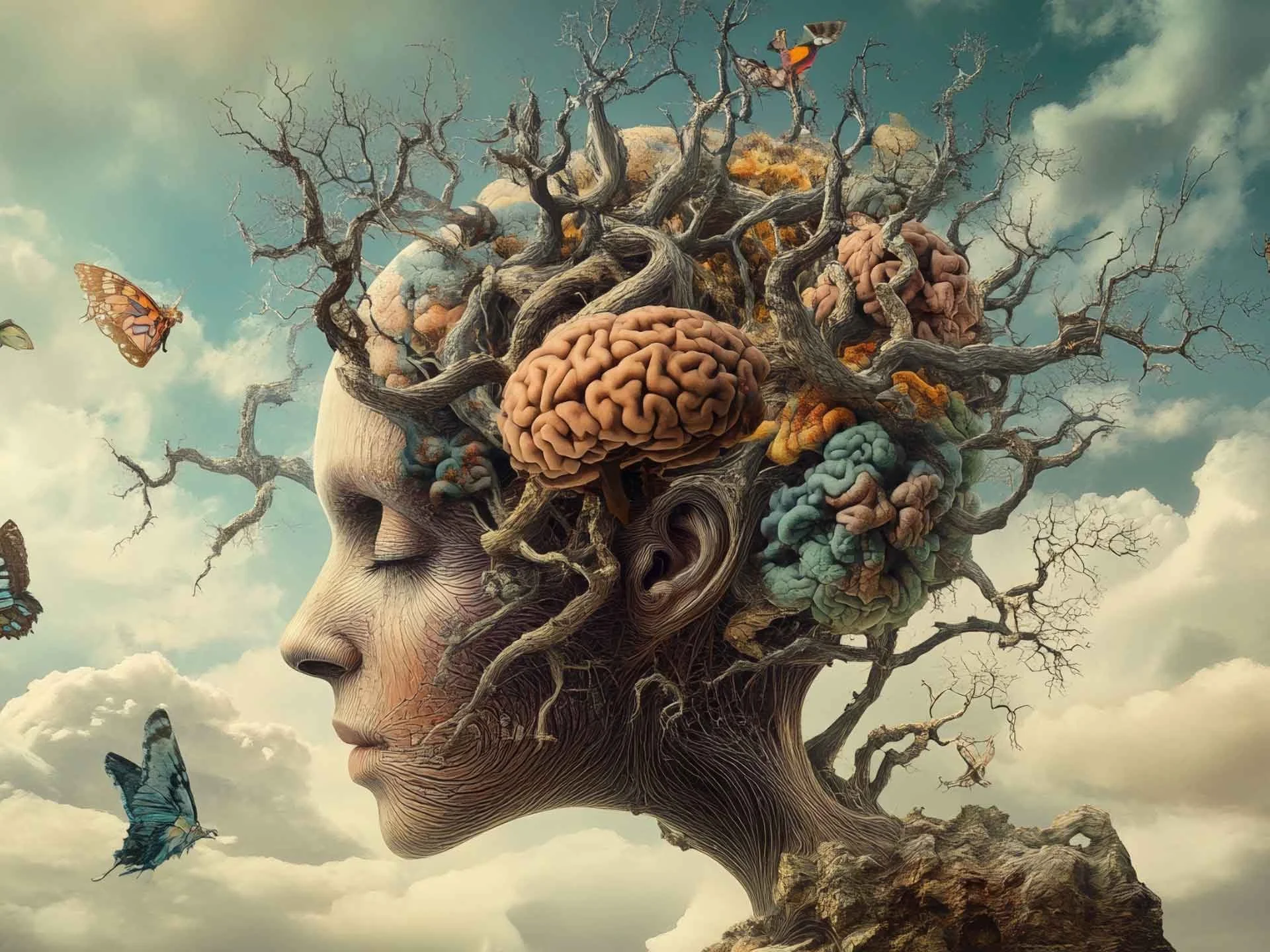
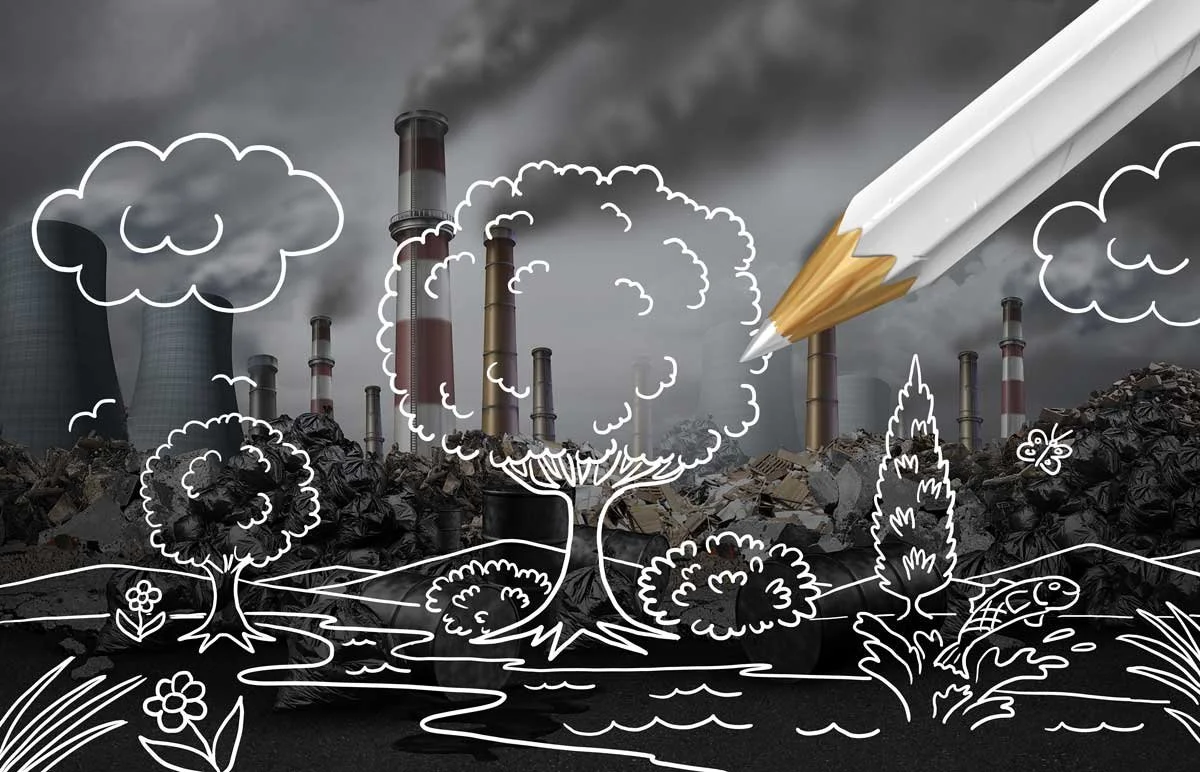
Eco-anxiety, ecological grief, eco-grief or climate change anxiety are terms used to describe a heightened emotional and mental state caused by acute or chronic anxiety experienced in response to the dangers of climate change. Eco-anxiety is persistent anxiety about ecological disasters and threats to the natural environment such as pollution, deforestation, species extinction and climate change. Fears for our future and feelings of powerlessness are commonly linked to anxiety, stress, depression, anger, helplessness, sadness and feelings of hopelessness, and as the effects of climate change become increasingly evident, many people find themselves overwhelmed, hopeless, and filled with a sense of impending doom. However, amidst this turmoil, there is a powerful antidote that offers solace and healing in the form of nature connection.
Nature has long been recognised as a source of inspiration, rejuvenation, and tranquility. The mere act of immersing yourself in natural surroundings can have profound psychological, emotional and physiological benefits, with many studies demonstrating the positive effects of nature on mental wellbeing, stress reduction, and overall happiness. By tapping into this inherent connection to the natural world, a lot of people discover that they can find solace, empowerment, and a renewed sense of purpose against the backdrop of climate-driven anxiety.

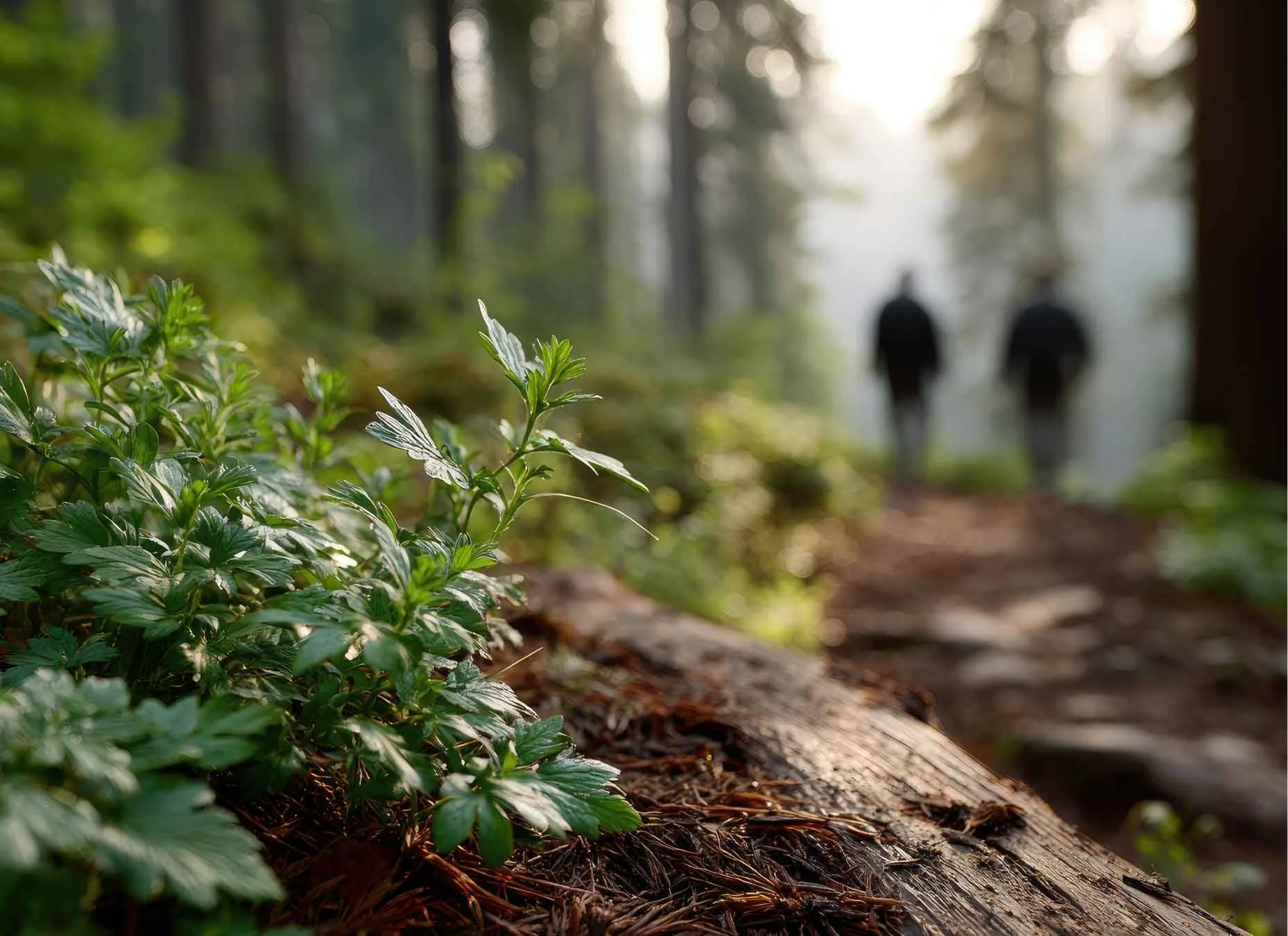
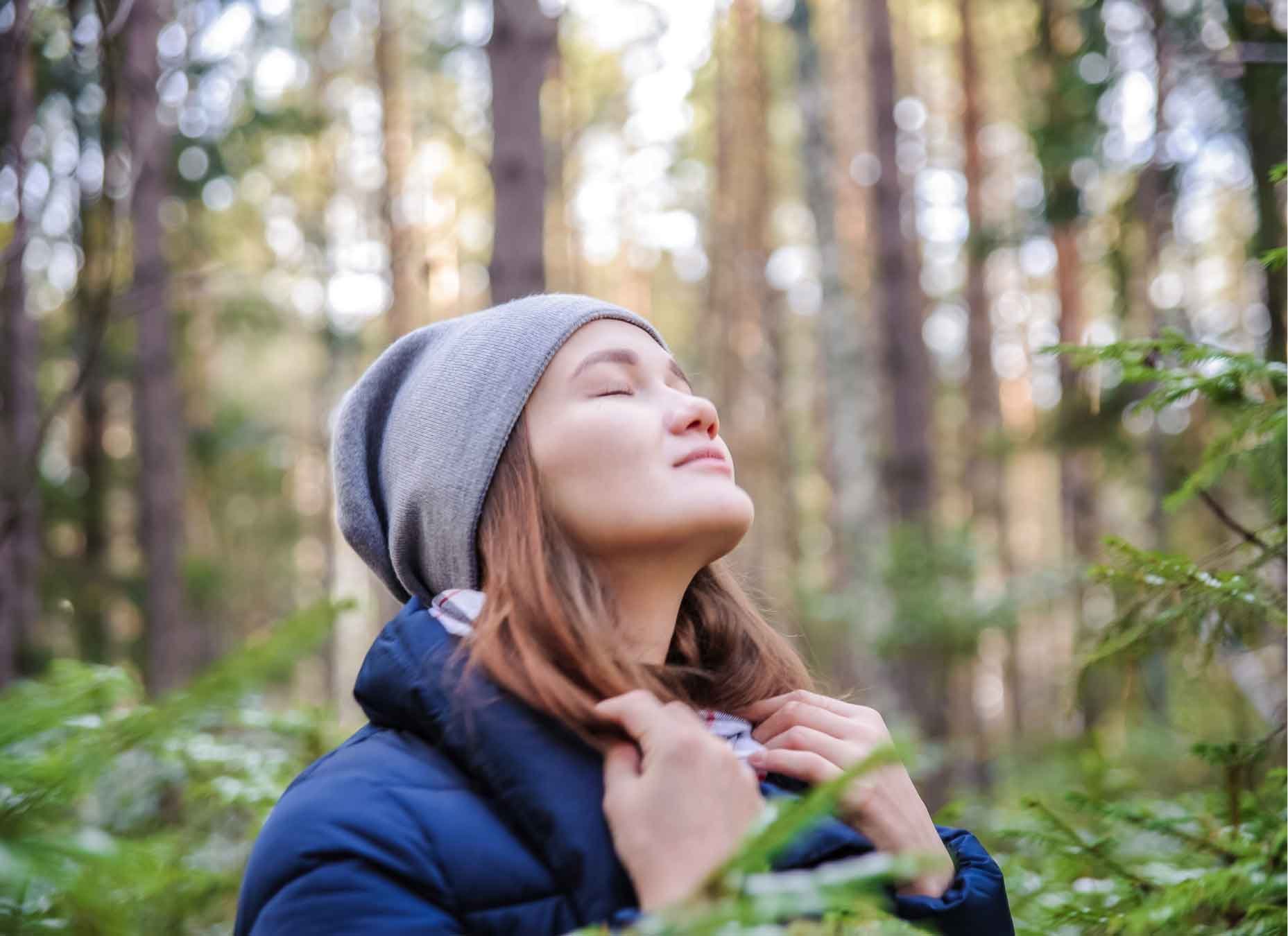
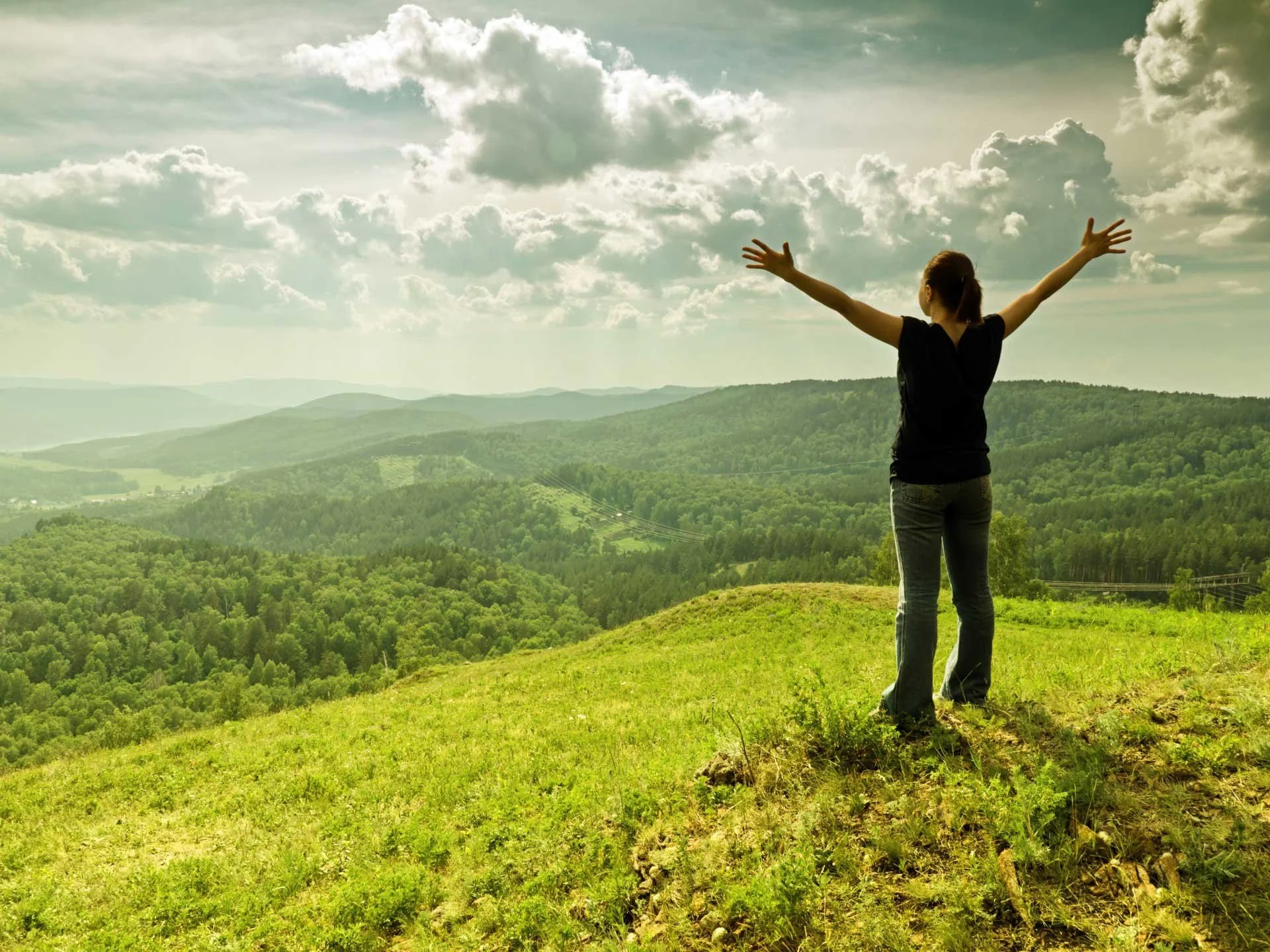
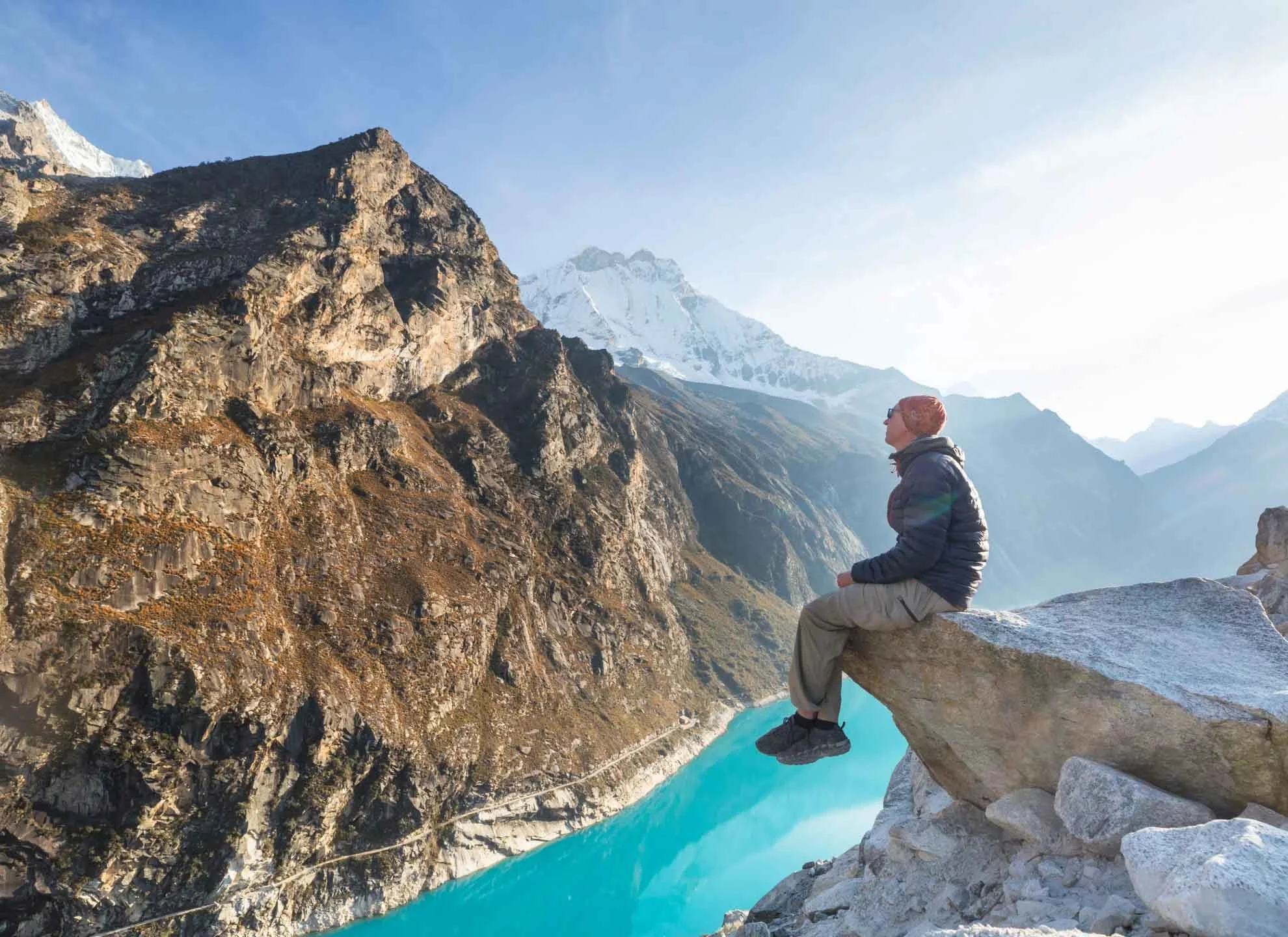
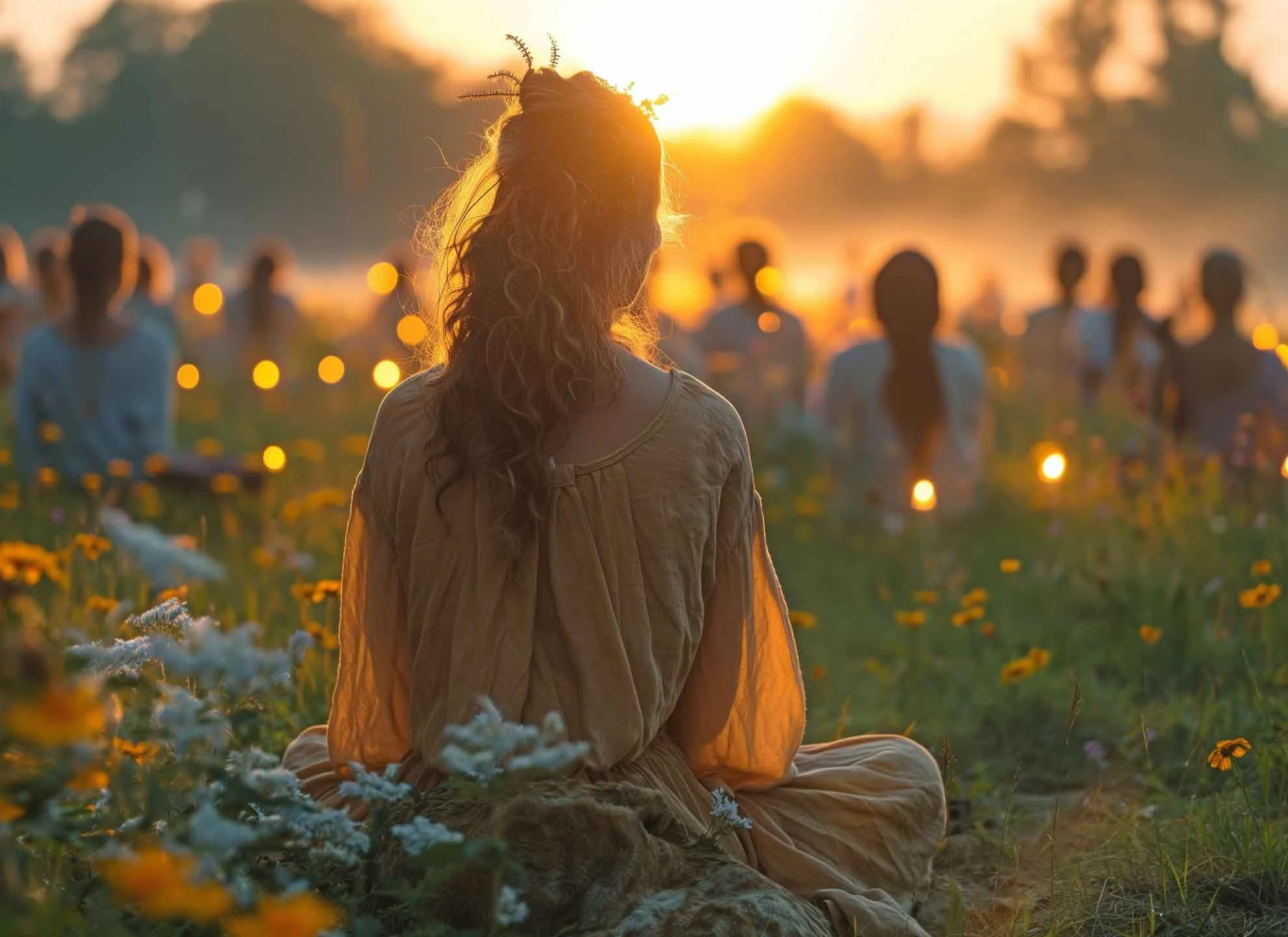
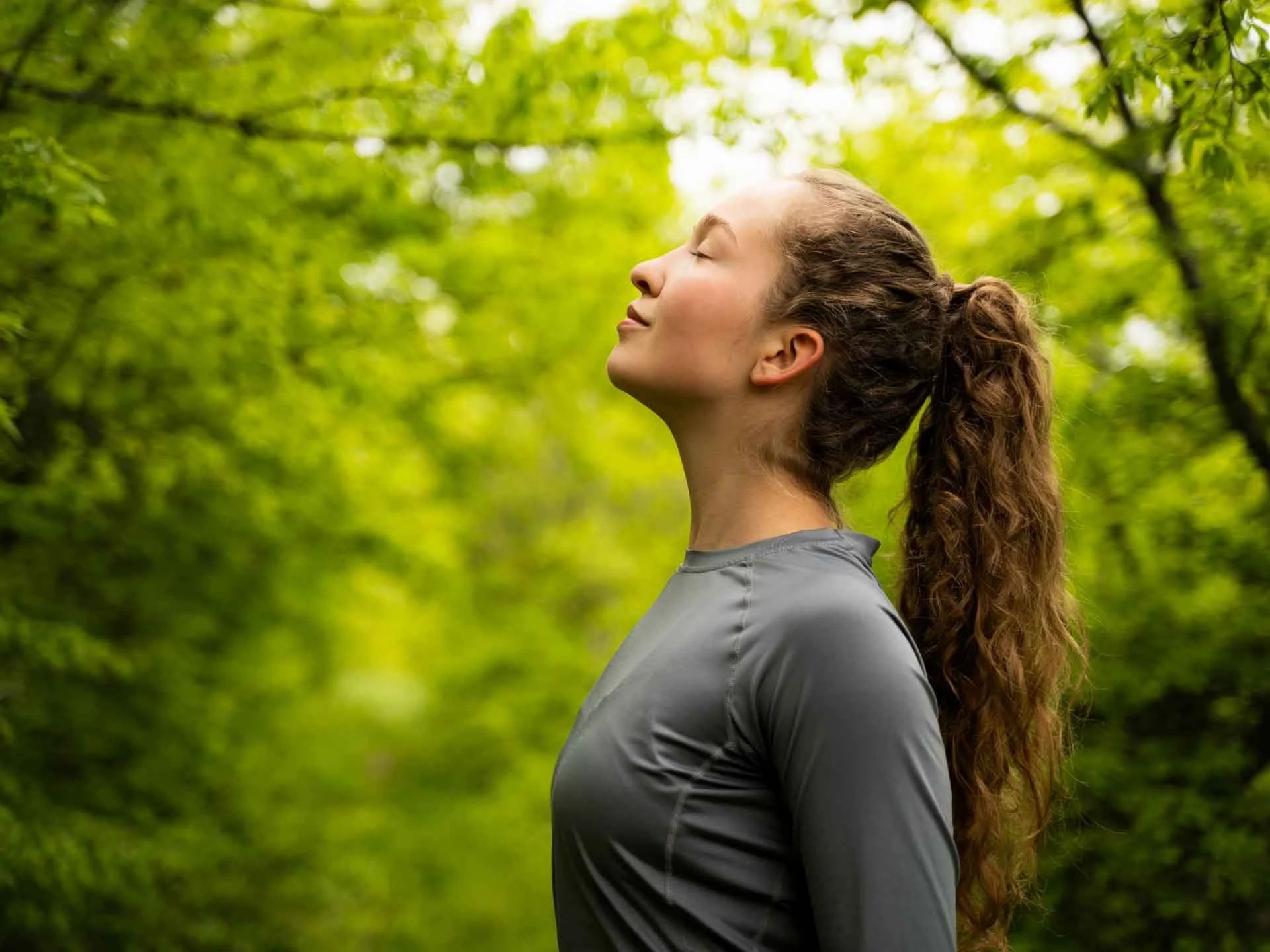
One of the most effective ways to reduce eco-anxiety is through direct contact with nature. Spending time in natural environments, such as forests, parks, or beaches, allows us to disconnect from the constant barrage of distressing news and connect with something greater than ourselves. Whether it's taking a walk through a verdant forest, meditating or doing yoga by a tranquil lake, or simply sitting under a tree, these experiences ground us in the present moment and remind us of the beauty and resilience of the Earth.
Moreover, engaging in activities that foster a deeper connection with nature can help to alleviate eco-anxiety. Gardening, for instance, offers a tangible way to interact with the natural world. Planting and nurturing seeds, watching them grow into vibrant flowers or nourishing vegetables, instills a sense of purpose and hope. Additionally, gardening provides an opportunity to learn about ecosystems, sustainable practices, and the interconnectedness of all living things. By actively participating in the process of growth and regeneration, people can regain a sense of agency and feel like they are making a positive impact.
Another powerful avenue for reducing eco-anxiety is through education and understanding. Learning about the intricate workings of ecosystems, the impact of human activities on the environment, and the collective efforts being made to address these challenges can empower people to take action. Awareness and knowledge serve as catalysts for change, and by staying informed, we can find hope in the growing global movement towards sustainability and environmental stewardship.

In addition to personal actions, community engagement plays a crucial role in reducing eco-anxiety. Joining local conservation groups, participating in environmental initiatives, or volunteering for nature restoration projects not only contribute to positive change but also provide a sense of belonging and camaraderie. Being part of a community of like-minded individuals who share a passion for the environment can be immensely empowering and uplifting. Together, we can amplify our efforts, support one another, and create a collective impact that goes beyond what any individual could achieve alone.
Lastly, incorporating mindfulness and introspection into our nature connection practices can further alleviate eco-anxiety. Nature mindfulness encourages us to be fully present, to observe and appreciate the natural world with all our senses. Whether it's the sound of birdsong, the rustle of leaves, or the scent of blooming flowers, all these moments of mindful awareness anchor us in the present and cultivate a sense of gratitude for the Earth's abundant gifts. Through introspection, we can also reflect on our values, align our lifestyles with our environmental beliefs, and identify opportunities for personal growth and positive change.
Reducing eco-anxiety through nature connection is not a one-size-fits-all solution, but rather a personal journey of self-discovery and healing. Each individual will find their own unique path towards reconnecting with nature and finding solace in its embrace. Whether it's through outdoor activities, gardening, education, community engagement, mindfulness, or a combination of these, the key lies in fostering a deeper relationship with the natural world. By doing so, we can rekindle our love and appreciation for the Earth, find hope in collective action, and ultimately transform eco-anxiety into a catalyst for positive change.
The Summer Solstice has been celebrated for thousands of years, and people such as the Celts would have been able to observe the rising and setting of the sun and use those cycles to track the year using monument built with this purpose in mind.
Nature connectedness may be a key trait shared by both Forest Bathing and psychedelic therapy. Awe, flow, spirituality, and perceptual change are all fascinating parallels, but nature connectedness is where the research most clearly suggests that both approaches may be influencing the same underlying human capacity: the ability to experience ourselves as part of, rather than separate from, the living world.
Woodlands may be particularly well suited for autistic people because they often combine predictability with freedom. A forest path can be explored at your own pace. A tree, a texture, a pattern of light, a bird call, or the feel of moss can become a focus of interest without overwhelming the senses. Many autistic people thrive when they can choose how to engage, when to pause, and how much sensory input to allow in. Nature can offer that kind of autonomy.
In our modern world, silence is increasingly rare. Many of us live inside a constant stream of notifications, engines, background radio, traffic, and conversation. That matters, because the nervous system does not experience noise as neutral. It has to process it, filter it, and often defend against it. Quiet, by contrast, gives the body a chance to shift away from continual alertness.
I sometimes offer Forest Bathing activities around interacting with rain inviting people to notice the rain, the sounds of drops falling, the silence between drops, the feeling of the rain on their skin, and noticing the smells that often follow rain or storms. There is actually a name for the earthy scent that we can smell when it first rains after a long period of dry weather, and that’s ‘Petrichor’.
Depression is one of the most common and disabling mental health conditions, and it affects mood, sleep, energy, motivation, concentration, self-worth, and day-to-day functioning. Alongside talking therapies, medication, movement, and social support, there is growing interest in approaches that help people regulate stress and reconnect with themselves and the world around them. Nature-based practices such as Forest Bathing, Forest Therapy, Shinrin-yoku, Silvotherapy, Sit Spot practice, and other forms of mindful nature connection are increasingly being studied as low-cost, low-risk ways to support mental wellbeing. Recent research suggests that these approaches can reduce depressive symptoms, improve sleep, and soften related difficulties such as rumination, stress, and emotional fatigue.
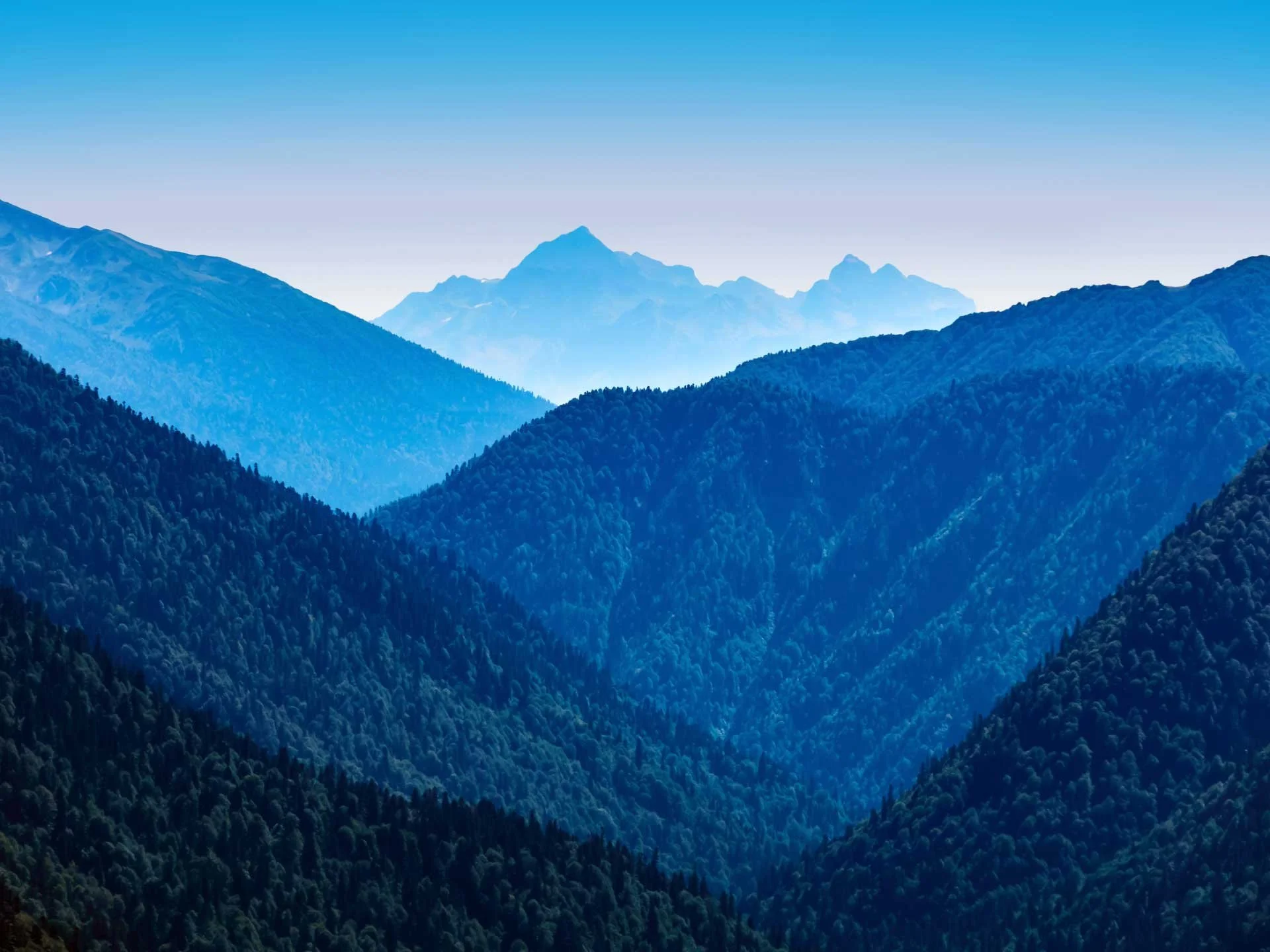
A landskein is not merely scenery, it is a dynamic visual relationship between the earth and air. The nearest hills appear dark, textured, and more substantial, while those further away soften into progressively paler tones. The farthest mountains may appear blue-grey, silver, or almost translucent against the horizon. This phenomenon is not simply aesthetic. It arises largely through the optical effects of Rayleigh scattering, the atmospheric process that scatters shorter wavelengths of light and alters the appearance of distant objects.
Anger is often treated as something to suppress, manage, or “fix.” It is framed as a problem of temperament, personality, or self-control. Yet if we pause long enough to listen more carefully, anger reveals itself as something far more meaningful — and perhaps far more ecologically based.
Anger is a signal.
It arises when something feels threatened, overwhelmed, unjust, or out of balance. It is the nervous system’s way of saying: something is not right here.
In a noisy, hurried world, it can be surprisingly hard to rest in the present moment. Our attention is tugged in several directions at once: screens, deadlines, messages, noise, and the quiet pressure to keep up. Nature mindfulness offers a gentler way back. At its heart, it is the practice of paying careful, non-judgemental attention while in contact with the natural world.
There is a quiet shift happening in how we understand health.
For years, the conversation has rested on three familiar pillars: eat well, move often, sleep deeply. These are still essential. They form the ground beneath our wellbeing — the daily practices that keep the body functioning and resilient.
But something has been missing.
Or perhaps, more accurately, something has been quietly waiting just beyond the edges of our awareness.
Nature.
Every year, Earth Day asks us to pause and remember a simple truth: we are not separate from the Earth, but part of it. This year’s theme, “Our Power, Our Planet,” carries that message with particular clarity. It reminds us that meaningful environmental change does not begin in distant institutions alone, but in the choices, relationships, and communities that shape daily life.
For early humans, fire was not simply a tool. It was a presence. It was warmth in the cold, light in the darkness, protection against the unknown, and a place to gather. The discovery of fire was one of the most transformative moments in human history, but its importance goes far beyond cooking or survival. Fire shaped how people related to one another. It created spaces for conversation, storytelling, learning, and belonging.
What if forests are not just places we visit, but communities we belong to?
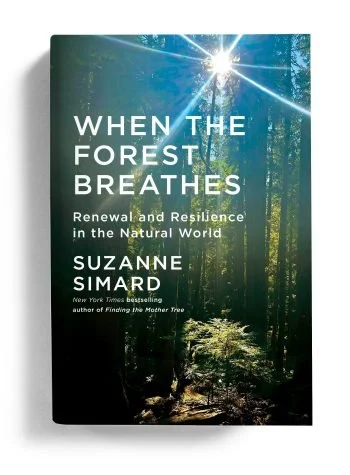
In her new book, Suzanne Simard explores the hidden networks that connect trees, revealing forests as living systems built on cooperation, care, and continuity. When the Forest Breathes is both a scientific exploration and a deeply human reflection on resilience, renewal, and our place within the natural world.
In this latest article we explore Simard’s powerful message—and what it means for how we relate to forests today.
Studies show that nature-based therapies can sometimes evoke powerful feelings of presence, belonging, and awe. Participants often describe moments when the natural world helps them see their lives from a new perspective, process difficult emotions, and rediscover hope. These experiences don’t necessarily involve religion. Instead, they often arise through simple encounters with the living world — walking through woodland, listening to water, or quietly observing the rhythm of nature.
Integrating nature into work routines can significantly boost cognitive performance and deep-focus capacity. Decades of research – from Kaplan’s Attention Restoration Theory to modern EEG studies – show that natural environments replenish attention and improve memory and executive control
The legend of St. Lesmo of Glen Tanar is an example of a hermit‑saint tied to the wilderness; like many early Celtic hermits he served travellers on rough mountain roads. But it is really the broader Celtic tradition (with or without Christianity) that kept alive a deep love and respect for nature. From holy wells to storybook saints feeding animals, the Celtic ethos saw the natural world as charged with the divine.
For the Celts and Picts, who inhabited the lands of modern-day Scotland, Ireland, and parts of Britain, the natural world was not merely a backdrop but a sacred realm intertwined with the spiritual and mundane aspects of existence. The Spring Equinox, occurring around March 20th each year, was a time of profound significance, symbolising renewal, fertility, and the triumph of light over darkness. The equinoxes, representing moments of celestial equilibrium, held a special place in their cosmology.
The importance of nature connection in Celtic culture, rooted in animism and Celtic beliefs, is a source of inspiration and wisdom for the modern world. The Celts' deep reverence for the natural world, their sustainable practices, and their belief in the interconnectedness of all life offer valuable lessons and a profound sense of responsibility in today's environmental challenges. By exploring and adopting these ancient beliefs, we can enhance our own connection to nature and work towards a more harmonious and sustainable coexistence with the natural world.
John Muir (1838–1914) is celebrated as a pioneer of American conservation. A Scottish-born naturalist, he founded the Sierra Club in 1892 and was instrumental in creating national parks like Yosemite and Sequoia. Muir’s lyrical writing and walking expeditions greatly inspired the modern environmental movement. However, many of his beliefs – especially about race and wilderness – are now seen as deeply problematic.
It is widely recognised that a lot of the problems in the world today stem from the insatiable appetite that people in the more affluent countries have to indiscriminately consume the world’s finite resources. Not only does this affect the natural world and our potential future, but these actions and behaviours disproportionately affect the most disadvantaged people in the world. Becoming more in-tune with our environment can also change our perspectives on the value of making necessary changes, which is why we believe that activities such as Forest Bathing and nature-mindfulness are increasingly important in today’s world.
Strengthening nature connection can significantly boost environmental stewardship. Studies show that people who spend time in nature and feel an emotional bond with it tend to recycle more, conserve resources, and support green initiatives. Simple steps – like regular park visits, gardening, eco-volunteering, and teaching children about nature – can cultivate this bond and multiply pro-environmental actions. In doing so, we simultaneously improve our health and well-being. As individuals and communities around the globe embrace nature, the collective benefit will be a more sustainable, resilient world.
February 1st is the Gaelic Festival of Imbolc, or St, Brigid's Day. It marks the midway point between the Winter Solstice and the Vernal Equinox. Rooted in ancient Gaelic traditions, this festival symbolises the awakening of the Earth from its Winter slumber and the anticipation of Spring's arrival. Imbolc has its origins in Celtic paganism and is deeply connected to the goddess Brigid, who is associated with Spring, fertility, healing, and poetry.
The research conducted by pioneers of forest medicine, like Qing Li and Yoshifumi Miyazaki has highlighted the profound impact on human health and wellbeing it can have. As our modern lifestyles become increasingly disconnected from nature, understanding and embracing the therapeutic potential of forests offer a promising pathway towards improved health, vitality, and a deeper connection with the natural world.
Since medieval times, European fairy tales have cast forests as both wondrous realms and dark labyrinths. “Forests are sublime and dangerous, full of mystery, magic, terror, and monstrosity; an enchanted place where anything can happen”. Grimms’ Fairy Tales deliberately take readers “from the structure of society into the chaotic world within the forest where magic and turmoil preside”.
As we navigate the festive season, let's pause to reflect the timeless bond between Christmas and nature. By acknowledging the wisdom of ancient cultures, embracing nature's inherent gifts, and infusing our celebrations with nature-centric practices, we can rediscover the heart and essence of Christmas. Let this be a season where we learn to embrace the tranquility of nature, find solace in its beauty, and forge deeper connections with each other and the world around us.
As the crisp air turns even colder and the daylight length continues to shorten, the Winter Solstice emerges as a pivotal moment in the natural world. This celestial event marks the shortest day and the longest night of the year, inviting us to reflect on its profound significance and deeper meaning in our nature connection practices.
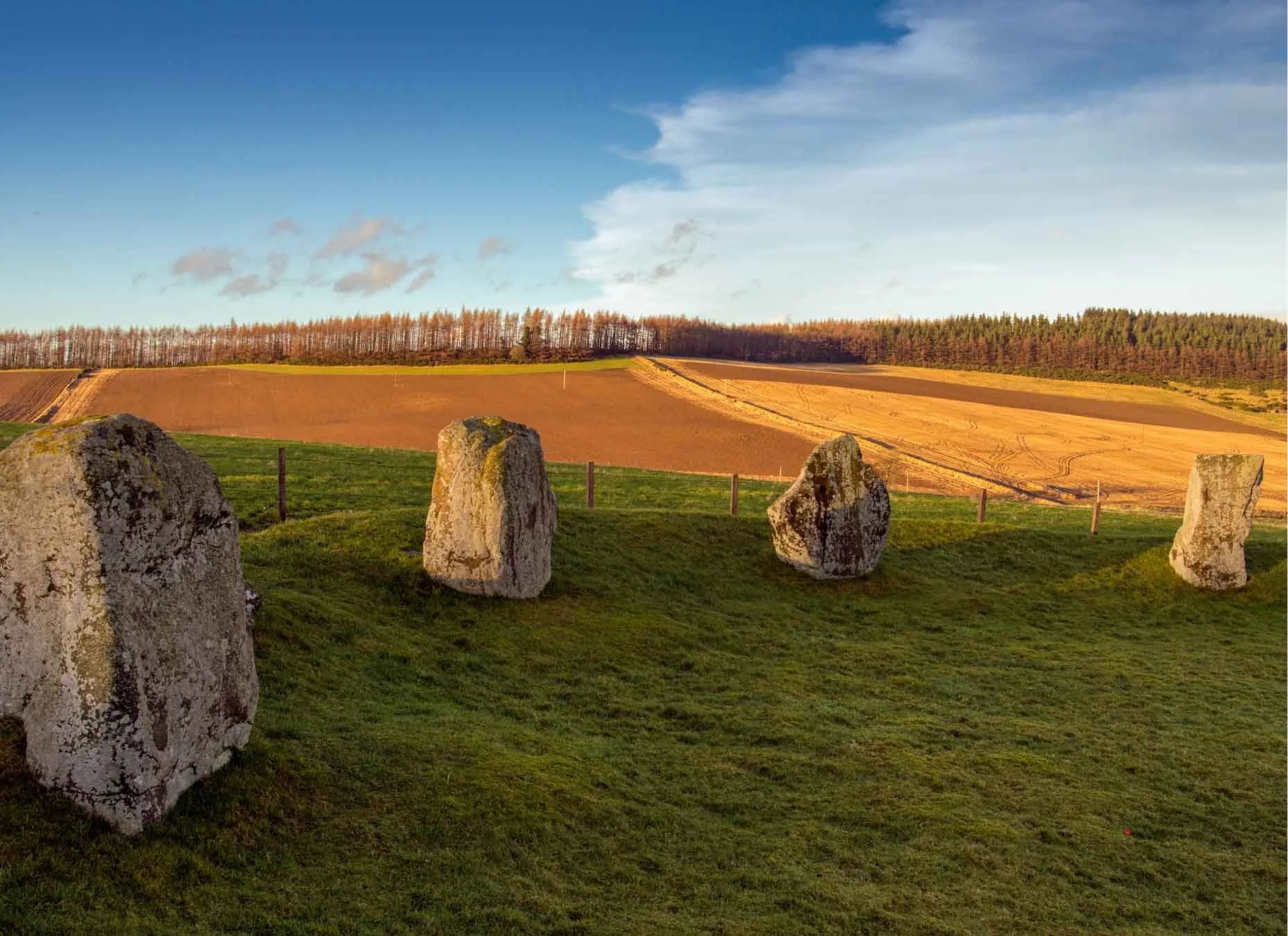
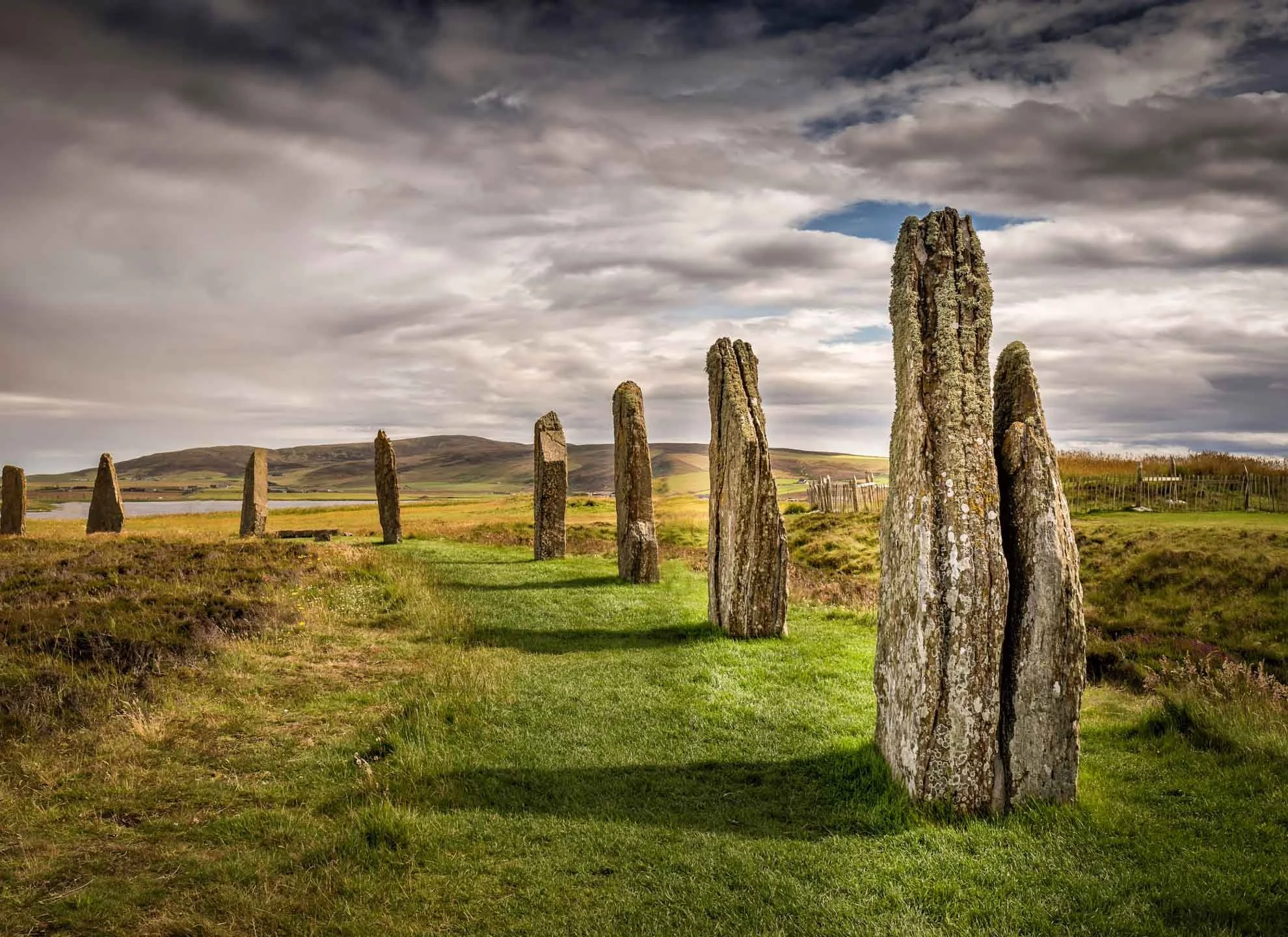
The Winter Solstice is believed to have held particularly profound significance in Neolithic and Celtic Culture. It marked the Sun’s gradual return to strength, symbolising renewal, hope, and the triumph of light over darkness. In Celtic spirituality, the Solstice was not only a turning point in the year but also a time when the veil between the physical and spiritual worlds was believed to be thin, allowing for communication with ancestors and spirits. This reverence is physically expressed in many ancient sites across Scotland, where standing stones and burial mounds are aligned with the Sunrise or Sunset on the Solstice, serving as both time markers and sacred spaces of transformation.
The tradition of having and decorating a Christmas tree goes beyond aesthetics; it's a celebration of nature's beauty and the timeless customs that bring families together. From choosing the perfect tree to adorning it with ornaments, the act of embracing this tradition fosters a deeper connection to nature and its many wonders. The relaxing aroma of pine, intertwined with the spirit of Christmas, creates a serene and calming environment. Amidst the hustle and bustle of the festive season, the presence of a Christmas tree fills the home with a touch of nature's tranquility, offering a moment of respite and relaxation, and brings other benefits too.
Seasonal Affective Disorder (SAD) is a type of depression that occurs seasonally, typically during the winter months when daylight hours are shorter. It's characterised by symptoms such as fatigue, irritability, changes in appetite, and a persistent feeling of sadness. While there are various treatments available for SAD, one natural and increasingly popular method is Forest Bathing, the practice of immersing oneself in a forest environment to promote physical and mental wellbeing.
The goal of Forest Bathing in Winter is not just about physical exercise but also about connecting with nature, reducing stress, and finding inner peace amid the serene Winter landscape. Here are 10 tips that you can adjust to suit your needs and comfort level, and enjoy the therapeutic benefits that nature offers all year-round.
I’m Hugh and I’m a Certified Forest Bathing Guide and Forest Therapy Practitioner, having trained with the Forest Therapy Institute and the Forest Therapy Hub. My purpose in life is to inspire people to improve their wellbeing, and to help people to help and inspire others to improve their wellbeing. I do this through promoting greater nature connection as I am a passionate believer in the benefits to health and wellbeing that nature and increased connection to nature can bring.
Professionally, I have worked for over twenty years supporting people experiencing: mental health problems; autism; learning disabilities; school exclusion; experience of the care system; and a history of offending behaviour. Currently I am the ‘Recovery Through Nature Lead’ in a residential rehab for people experiencing drug and alcohol problems.
I have a PhD in Therapeutic Relationships, but Dr. Hugh makes me sound too much like a Time Lord.


A Small Book of Coping With Eco-Anxiety
In a time of environmental uncertainty, it is natural to feel sadness, worry, grief, or overwhelm. Many people who care deeply about the natural world are finding themselves affected by eco-anxiety, climate anxiety, or eco-grief.
A Small Book of Coping With Eco-Anxiety offers a gentle and practical starting point for anyone who is feeling the emotional weight of environmental change. This small booklet explores what eco-anxiety is, why it can arise, and why those who feel especially connected to nature may be particularly sensitive to its loss or alteration.
Rather than turning away from these feelings, the booklet invites you to meet them with awareness, compassion, and care. It offers simple reflections and coping suggestions to help you steady yourself when feelings become heavy, reconnect with what supports you, and find small but meaningful ways to respond.
Created in the spirit of Forest Healing, this booklet recognises that our relationship with the natural world is deeply emotional as well as practical. When the world around us feels fragile, it can help to return to nature not only as something we seek to protect, but as a source of grounding, comfort, perspective, and belonging.
This is a small book, but it opens onto something important: the possibility of holding ecological grief without becoming overwhelmed by it, and of finding resilience through presence, connection, and care.
A gentle, practical booklet for anyone affected by eco-anxiety.
This 24-page booklet explores eco-anxiety, climate change anxiety, and eco-grief, with simple suggestions to help you cope. Written in the Forest Healing style, it offers a compassionate space to reflect on difficult feelings about the natural world and to find steadiness, perspective, and hope.
Postage and Packing is FREE within the UK and £4 for the Rest of the World.