


Nature Connection Articles
Our Most Recent Articles
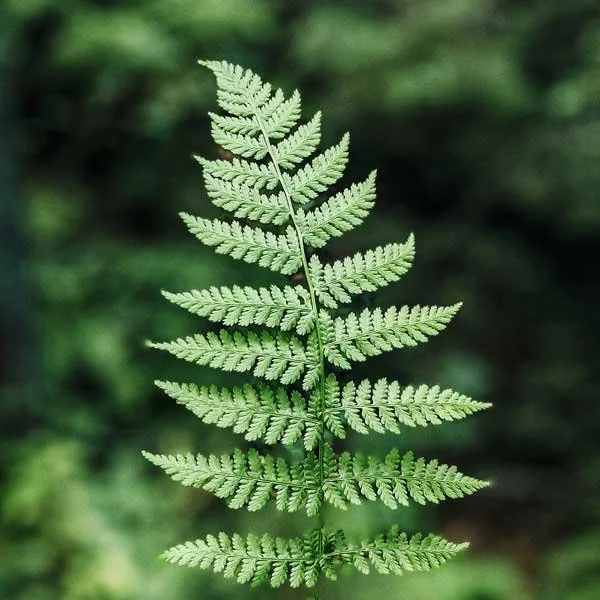
Fractal Patterns, Nature and Alpha Waves
Research has shown that when people view naturally occurring fractals in nature, it increases the alpha brainwave activity in their brain. Alpha waves are produced when people are relaxed and they are linked to physiological health benefits, and these benefits can be measured even when fractal patterns are only viewed for a short period of time.

Ways to Bring Nature-Connection Indoors
In this article we are going to look at a range of ways that you can increase your nature-connection when you cannot go outside. This might be because of the weather, or for physical or psychological reasons.
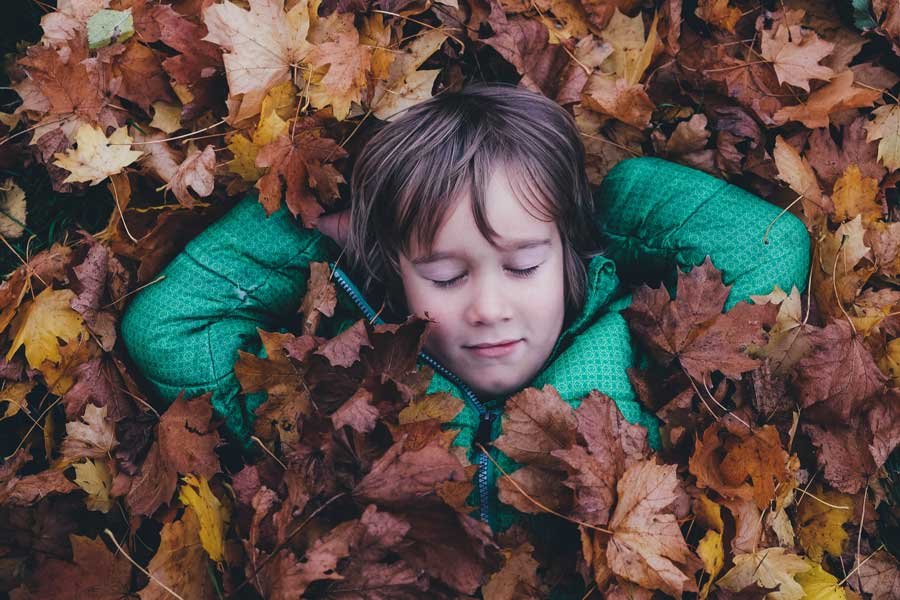
Children and Connection with Nature
An increasing number of children now grow up in urban areas with limited access to nature. This is especially so amongst children where less than one in 10 children now regularly play out in ‘wild spaces’ such as parks, forests or beaches, compared to half of their parents when they were children.
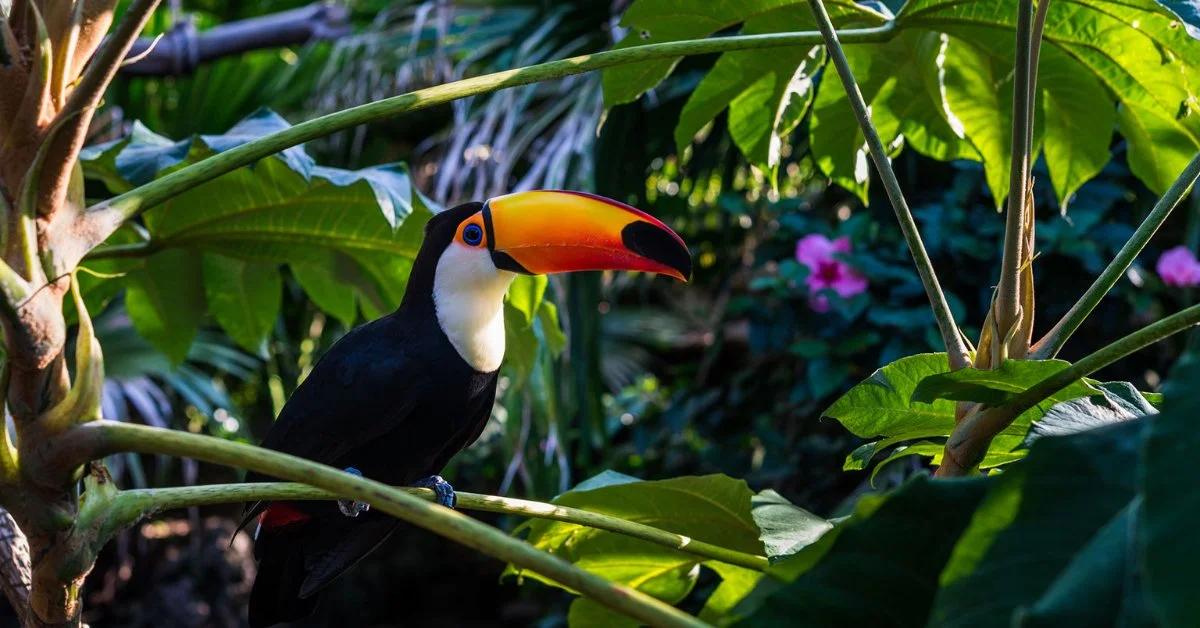
World Rainforest Day 2022
World Rainforest Day was launched in 2017 by the Rainforest Partnership and recognises standing, healthy forests as one of the most powerful and cost-effective climate change mitigation tools we have. The partnership aims to create a global movement to protect and restore them. World Rainforest Day has been created to take decisive action to combat deforestation, reduce the effects of climate change, and protect our rainforests for future generations.
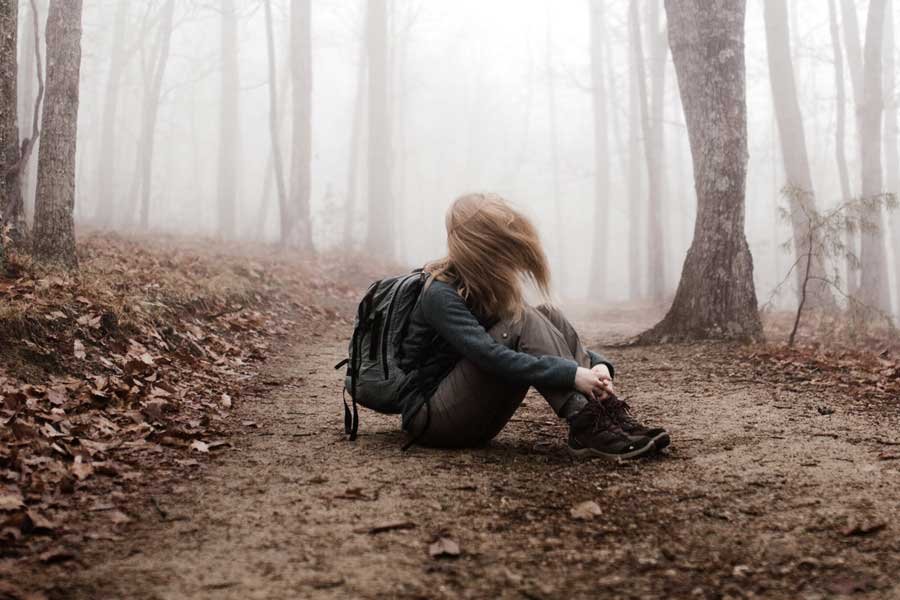
Rumination and Connection with Nature
Rumination is defined as “obsessive thinking about an idea, situation, or choice especially when it interferes with normal mental functioning”. When people ruminate they often play the same thoughts over and over in their heads often analysing their current distress, the reasons for it and its consequences. Studies have found that nature-connectionn activities can lead to a reduction in rumination.
Pathways to Connection with Nature
Nature-connection activities should help you to feel more in tune with nature and a part of nature rather than apart from nature. It is all about appreciating the wonder and beauty in nature and the natural environment, rather than about ‘knowledge’. Nature-connection is not about wildlife or tree-identification, it involves shifting your attention and focus from learning about what something in nature is to how things in nature make you feel.

Nature-Connection and The Environment
Increased connection to nature is important on a personal level as it can improve and maintain health and wellbeing, leading to a lower incidence of ‘affective’ mental health problems including lowering depression and anxiety levels and relieving stress. However, increased connection with nature can also be beneficial to the wider natural environment, as it can lead to more pro-environmental attitudes and subsequent positive behaviours.
Salutogenic Approaches to Wellbeing
Salutogenisis is an approach to health promotion that focuses on factors that support good health and wellbeing, and sits in opposition to the dominant ‘pathogenesis approach’ in healthcare that focuses on the causes of disease. Salutogenic approaches are therefore seen as primarily preventative.

The Benefits of Hugging Trees
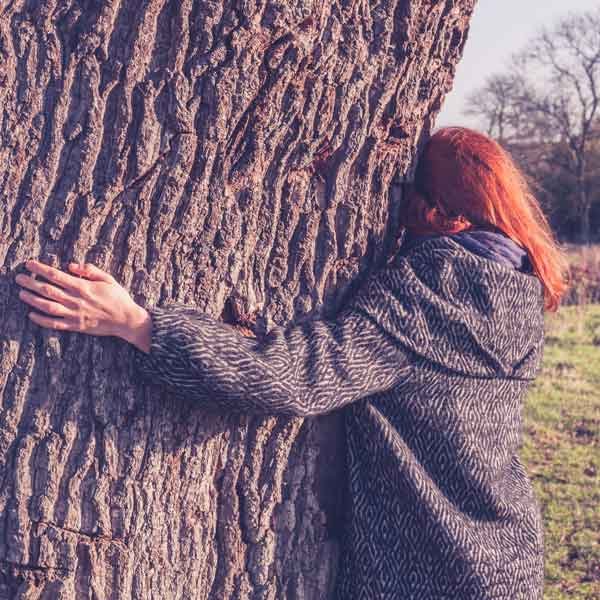
Hugging trees is an ancient practice that dates back thousands of years. It’s also one of the most effective ways to reduce stress and improve mood. A study has shown that people who hug trees have lower blood pressure and heart rates.

Nature Connection and Wellbeing
Research published in the journal Nature, shows that people who spend at least 120 minutes in nature each week are significantly more likely to report higher psychological well-being than those who don't visit nature at all during an average week. This post explores this, and suggests ways to easily and enjoyably connect with nature for two hours a week.

Forest Bathing and Mental Health
Forest bathing and related nature-connection activities can be beneficial for mental health, reducing stress and anxiety, alleviating depression, raising mood and increasing resilience.

Sharing Circles in Forest Bathing
During guided group Forest Bathing sessions, participants identify something in nature that attracts them. They then spend a few minutes contemplating how this part of nature relates to them and what they can learn from it, and the activity or invitation often ends with everyone sharing what they have learned in a ‘Sharing Circle’.

The Ariundle Oakwoods
We are located on the edge of the Ariundle Oakwoods and it is one of my favourite places to offer guided Forest Bathing. The Ariundle Oakwoods is classed as a temperate rainforest, and Forest Bathing first developed in the temperate forests of Japan so this seems quite appropriate.

The Ancient Atlantic Oakwoods
The Atlantic Oakwoods of Scotland range from Sutherland in the North to Loch Lomond in the South, but fragments remain all the way down the Atlantic Coast of the Western Highlands, South-West Scotland, Cumbria and the Lake District, the West coast of Ireland, and through Brittany in France, Galicia in Spain and the West coast of Portugal.
Is Forest Bathing about Hugging Trees?
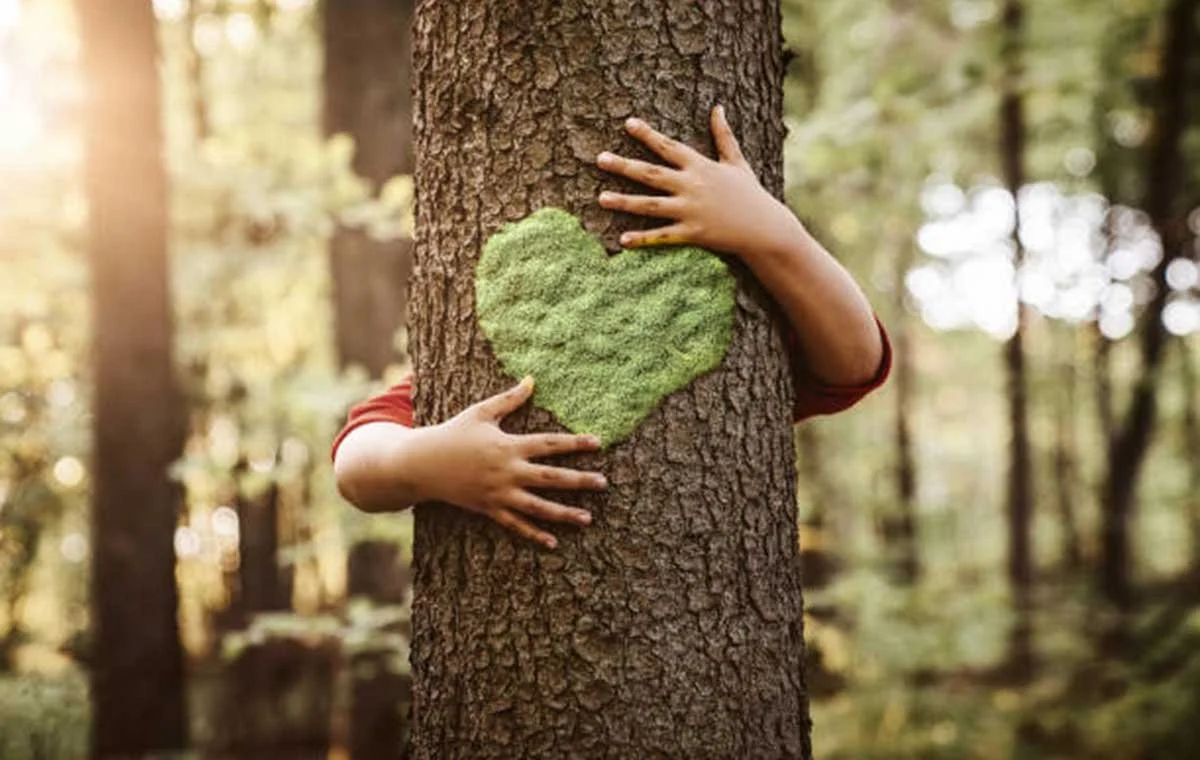
Forest Bathing can involve actually wrapping your arms around a tree. But it can also involve simply feeling the texture of the bark, smelling the leaves or needles, and noticing the beauty of a tree from further away, as well as just mindfully taking in the environment, landscape and soundscape around the tree.

Autism and Nature-Connection
Autism is a 'neurodifference' that affects the way that people process information and how they perceive and interact with the world around them. People with autism may appear socially awkward, distant or aloof. They often experience difficulties with making and maintaining relationships and may have difficulties understanding and relating to other people and social situations and this can lead to frustration, anxiety or social isolation.
This article looks at how increased nature-connection could be beneficial for people with autism and the potential role that the hormone oxytocin could play.

Autism and Barefooting
Tyler lives in Des Moines, Iowa and has autism. He started the Barefoot Autism Challenge to encourage people, whether autistic or not, to take their shoes off and experience the pleasures of walking barefooted.
The Wood Wide Web
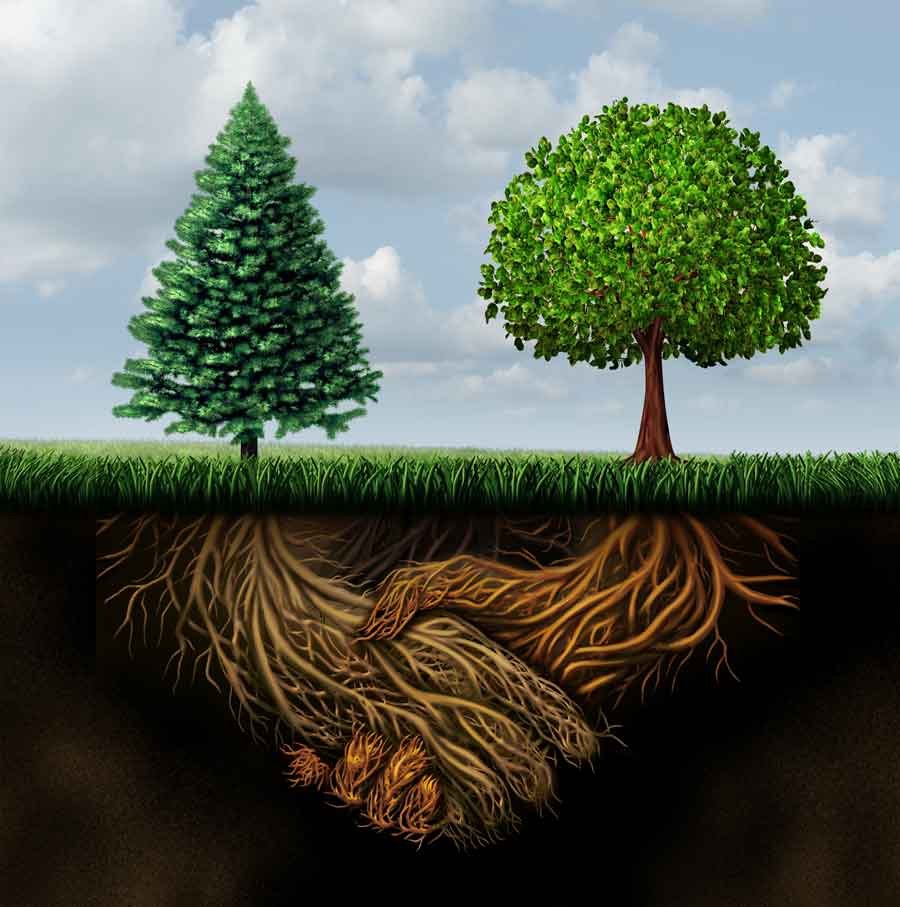
The Wood Wide Web is a term used to describe the underground network of fungi that connect the roots of trees and other plants in a forest ecosystem. This network of fungi, known as mycorrhiza, is important for the exchange of nutrients and other substances between plants.

Me and Nature. An autist’s connection to Nature
Autism and Nature - a connection that some have said is stronger in autistic people than in neurotypical people. Others say that it’s the sensory input imbalance that neurodivergent people often experience that makes a connection with Nature stronger and more profound once you find it. Others yet point to the many studies showing that everyone, no matter how your brain is wired, benefit from being in and close to Nature.
Silvotherapy and Forest Bathing
Whilst many people view Forest Bathing and Silvotherapy as one and the same, Silvotherapy sessions are usually shorter than Forest Bathing sessions - 30 to 40 minutes in duration - and have a greater focus on the sensations associated with touch and actual physical contact with the trees than Forest Bathing.