

Project Eudaimonia - Part Two
27th May 2023
I have previously written about the first part of my ‘Eudaimonia Project’ (Phase One) that I started in April 2023, and this article describes my hopes and intentions for Project Eudaimonia Part Two that I am going to start at the beginning of next week.
Eudaimonic Wellbeing

Eudaimonic wellbeing refers to a state of psychological wellbeing that goes beyond mere happiness or subjective feelings of pleasure. It is a concept developed by psychologist Carol Ryff, building upon the ideas of eudaemonia in ancient Greek philosophy. Eudaimonic wellbeing focuses on the fulfillment of your potential, on personal growth, and the pursuit of meaning and purpose in life. It embodies positive psychological functioning and encompasses qualities such as personal development and growth; self-acceptance; autonomy; purpose in life; positive relationships; and a sense of mastery or competence.
According to Ryff's model of psychological wellbeing, there are six key dimensions that contribute to eudaimonic wellbeing:
Self-acceptance
Having a positive attitude towards oneself, including self-acceptance, self-esteem, and a sense of self-worth.Personal Growth
Continuously striving for personal development, learning, and self-improvement.Purpose in Life
Feeling a sense of meaning, direction, and having goals that give life a sense of purpose.Autonomy
Feeling a sense of self-determination and independence, making choices that align with one's values and interests.Environmental Mastery
Feeling competent and effective in managing one's environment, including being able to adapt to and shape one's circumstances.Positive Relationships
Having satisfying and supportive relationships with others, including a sense of belonging, social integration, and emotional intimacy.
Eudaimonic wellbeing emphasises the cultivation of these dimensions and living in alignment with your core values, strengths, and feeling that you have reached your potential. It recognises the importance of personal growth, meaning, and authenticity in leading a fulfilling life. Following a period of less-than-ideal mental health I am conducting an experiment using myself as the subject, to see if I can improve and maintain positive mental health using the skills and techniques I have spent supporting other peoples’ wellbeing and incorporating intensive (daily) nature connection activities.
Daily Sit Spot, Nature Connection and Nature Journalling
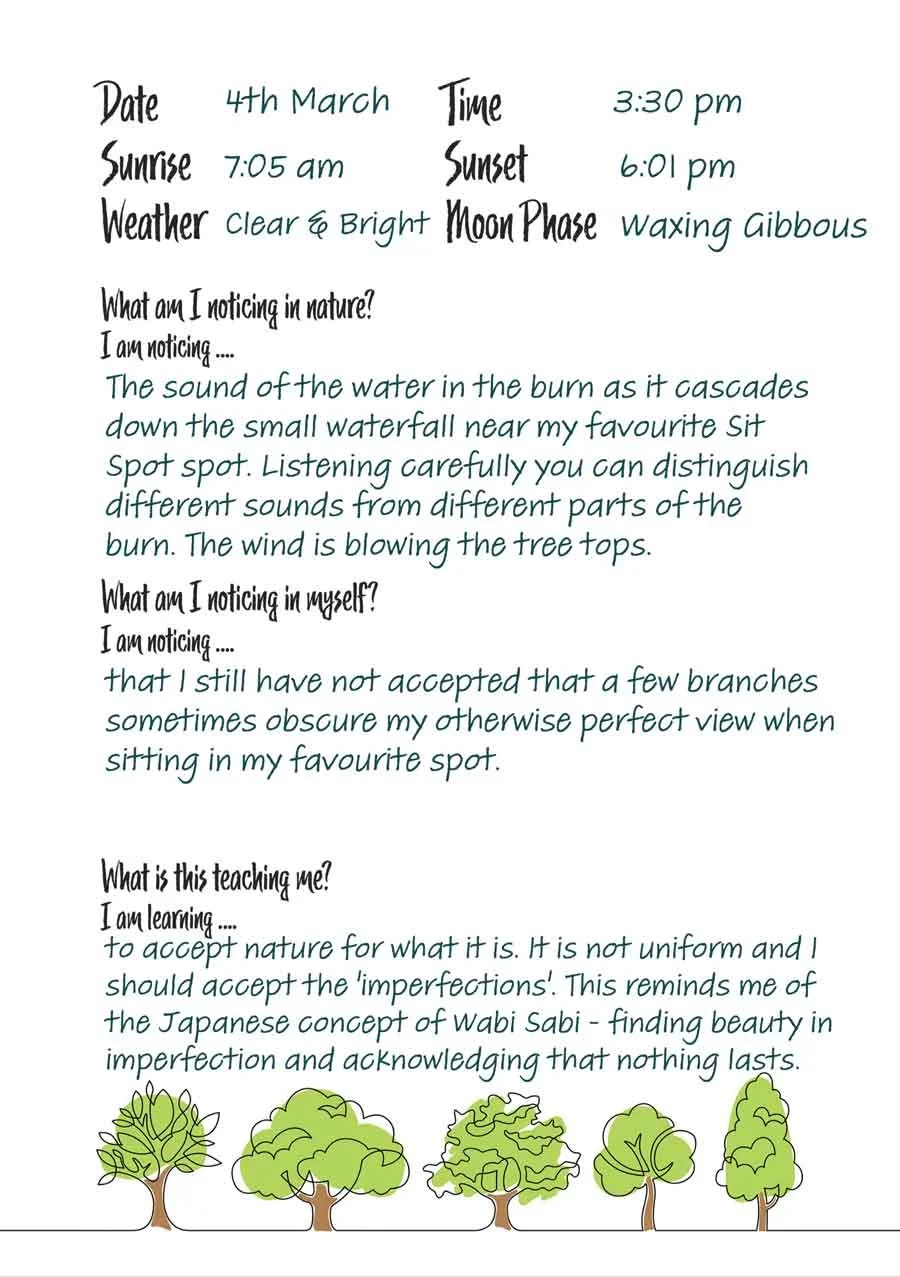
During Phase One, I followed our 28-Day Sit Spot and Nature Connection Practice Programme, engaging in 20 to 30 minutes of Sit Spot Practice each day (Sit Spot is a mindfulness practice in which you select a specific location in nature and spend time sitting, observing and connecting with the natural surroundings in a mindful and intentional way) and completing a nature journal daily during April 2023.
What I have noticed during the intervening month (this May) is that whilst I have not managed to maintain the intensity of daily Sit Spot practice that I managed in April my ‘spontaneous’ nature connection practice has increased noticeably. By this mean that I see a lot more interesting, beautiful and fascinating things in nature now that in did before.
Building Resilience
Resilience is about being able to bounce back, adapt, and recover from setbacks, challenges, or adversity. It is the mental and emotional capacity to withstand and navigate difficult or stressful situations, maintain a positive mindset, and effectively cope with stress and change. Resilient people are able to recover from setbacks, learn from experiences, and grow stronger in the process, but resilience is not fixed and you can develop skills and strategies to cope better with the ups and downs of life, to more effectively manage emotions, and to problem-solve.
It is sometimes said that resilience is like a rubber band, and, like a rubber band if you are stretched too much for too long, you don’t go back to ‘normal’ in the way that you should. This was definitely an area of my wellbeing that I recognised the need to work on as part of my Eudaimonia Project, and it appears that I am not alone in experiencing this reduction in resilience.
In today's fast-paced and increasingly digital world, many people find themselves disconnected from the natural world (see more further on about my planned ‘Digital Detox’) and reductions in resilience are sometimes attributed to this. However, recent studies suggest that developing a deeper and more meaningful connection with nature can significantly enhance peoples’ resilience. Nature connection is not just about being outdoors - it encompasses a broader understanding of our interdependence with the natural world and the profound impact it can have on our well-being. By embracing nature and integrating it into their lives, many people find that they can tap into a powerful source of resilience that benefits them on multiple levels.
My Nature-Based Wellbeing Plan
As part of the Project, I am also going to complete one of our 4-week Nature-Based Wellbeing Plans with a focus on. This will involve identifying the kinds of nature-connection activities that I most enjoy (but I think that I already have a pretty good idea!); setting myself a few SMART goals, identifying the barriers that could get in the way of achieving them and writing a couple of ‘If-Then’ statements to help me to overcome them. For four weeks, on a weekly basis, I will plan out two nature-connection activities per day and at the end of each week, reflect on which nature-connection activities brought me the most joy and positive benefits. The activities will be inspired by
The Five Primary Senses
The Five Ways to Wellbeing
The Five Nature Connection Pathways
The Five Dimensions of Holistic Health
The Five Features of the Natural Environment
At the end of the four weeks (about the 25th June) I’ll evaluate my progress.
Don’t Break the (Daisy) Chain

As with many attempts to replace less good habits with better ones, I can often start off with very good intentions and then slowly grind to a halt. My intention for Phase Two of Project Eudaimonia is again to undertake intensive (daily) nature-connection activities and nature journalling, combined with creating a four-week Nature-Based Wellbeing Plan. As discussed in Phase One, as part of the Eudaimonia Project I am setting out to use the same kind of techniques that I would usually use in other areas of my work to support other people experiencing the same problems, but use these strategies on myself. There is a technique often used to motivate yourself and give yourself the psychological nudge that you need to maintain momentum, called ‘Don’t Break the Chain’ that I am going to employ.
Don’t Break the Chain, also referred to as The Seinfeld Method, is a productivity technique usually attributed to Jerry Seinfeld. According to the comic Brad Isaac, when he was an aspiring comedian, he was in the same comedy club as Jerry Seinfeld and asked him if he had any tips for a young comic. According to an interview in Lifehacker, Brad Isaac said that Jerry Seinfeld said
“The way to be a better comic is to create better jokes and the way to create better jokes is to write every day. He told me to get a big wall calendar that has a whole year on one page and hang it on a prominent wall. The next step was to get a big red magic marker. He said for each day that I do my task of writing, I get to put a big red X over that day. "After a few days you'll have a chain. Just keep at it and the chain will grow longer every day. You'll like seeing that chain, especially when you get a few weeks under your belt. Your only job next is to not break the chain. Don't break the chain”.
So the concept behind the technique is simple: you mark each day on a calendar or use a visual tracker when you successfully complete a particular task or habit and the goal is to create an unbroken chain of marked days and avoid breaking the chain.
Here's how the technique works in more detail that can be applied more widely:
Choose a specific task or habit
Start by identifying a task or habit that you want to establish or maintain. It can be anything from writing, exercising, reading, practicing a musical instrument, or working on a personal project.Get a calendar or tracker
Use a calendar or create some sort of visual tracker to represent each day of the month or week. You can also use apps or digital tools that provide chain-tracking features.Perform the task daily
Commit to completing the chosen task or habit every single day. The key is to make it achievable and realistic, so you're more likely to succeed.Mark the completed days
Once you've completed the task or habit for the day, mark the corresponding day on your calendar or tracker. You can use a distinctive color or symbol to represent a successful day.Avoid breaking the chain
The primary motivation of this technique is to maintain an unbroken chain of completed tasks or habits. As the chain grows longer, it becomes a visual representation of your consistency and progress. The longer the chain, the more motivated you'll be to keep it going.Focus on the process
Instead of solely fixating on the end goal or results, the technique emphasises the importance of daily consistency. By focusing on the process and completing the task every day, you build momentum and make the habit more ingrained in your routine.Don't be too hard on yourself
It's essential to approach the technique with a sense of flexibility and self-compassion. If you miss a day or break the chain, rather than giving up entirely, aim to get back on track and continue the habit. Remember, the goal is progress, not perfection.
In this way the ‘Don't Break the Chain’ technique leverages the power of visual cues and momentum to foster discipline, consistency, and habit formation, and by making the habit a daily practice, you increase the likelihood of it becoming an integral part of your routine over time.
My specific task is to do my Sit Spot and complete my nature-based journal entry on a daily basis. Rather than have a wall calendar though, I am going to continue to share my nature-based journal entries on social media, and award myself one extra ‘daisy’ each day that I don’t break the ‘daisy chain’.

A Digital Detox
For the 4 weeks of Phase 2 of the project I am going to do a bit of a ‘Digital Detox’ as well. This will involve consciously reducing my use of technology and digital devices and reflecting on how social media, email and smart phone use negatively impact my mental wellbeing and regain more control of what I spend my time on and what I focus my attention on. By disconnecting a little from the digital world, I hope to gain a fresh perspective and develop a healthier relationship with technology.
My Digital Detox includes:
Only Checking Emails Twice a Day
Only Engaging in Focused Work-Related Social Media
Turning Off Notifications
Using a ‘Dumb Phone’ of sorts
Practicing ‘Sitting With Myself’ more
Only Checking Emails Twice a Day
I don’t work in customer service and when people email me they don’t generally expect a rapid response, so why do I check my emails as often as I do? According to the Harvard Business Review, on average professionals check their email 15 times per day, or every 37 minutes. I am probably not far off that, and given that I can read my emails on my phone (see later section on having a less-than-smart phone) I might even exceed that between work and personal emails. Again, so why do I check my emails as often as I do?? There is probably an element of trying to fill every second of the day with some kind of information feed (see later section on ‘Sitting With Myself’) and the hope that something exciting will drop into my inbox that keeps me looking at it repeatedly. And also the notifications that pop-up repeatedly in the top right-hand corner of my computer screen (see later section on ‘Turning Off Notifications’!). So for at least 28 days I am going to check them once in the morning and once in the afternoon and respond to those that need responding to appropriately.
Only Engaging in Focused Work-Related Social Media
Similarly to my email strategy, I am going to restrict my social media use to work-related social media for 28 days, and I am only going to check my news feed, and post or schedule social media posts twice a day.
Turning Off Notifications
Quite often when I’m working there is a ‘ping’ and notification appears in the top right hand corner of my computer screen and tantalises me with the first line of an email that has just come in. At best this distracts me temporarily and quite often it leads to me checking my emails, and I have a personal email account and program and a work email programme with several accounts so this can occur quite often. I am going to try turning this feature off on my computer and see if this helps.
Using a ‘Dumb Phone’ of sorts

A month or so ago I had to send my iPhone off to have a new battery installed and used my old iPhone 6 which is now 8 or 9 years old whilst it was being fixed. This phone has had most of the apps taken off it so I can take calls and receive text messages, but it doesn't have an email app, it doesn’t have social media apps, it doesn't have WhatsApp. I actually found it quite nice cutting back on frequency with which I took my phone out of my pocket for one reason or another, so I am going to return to using this phone during my digital detox. What I noticed was that my phone would ring, ping or vibrate and I would respond to that, but then I would
Check my emails
Check my social media newsfeed
Check the news headlines
Check the weather forecast
Etc., etc.
Sitting with Myself
In psychology, the phrase ‘sitting with yourself’ is often used to refer to the practice of self-reflection or self-examination. It involves taking the time to consciously and non-judgmentally explore one's thoughts, emotions, and experiences. When you sit with yourself, you create a space for introspection and self-awareness. It's a process of deliberately tuning in to your internal world and gaining a deeper understanding of your own thoughts, feelings, and motivations. This practice can be helpful for personal growth, emotional well-being, and developing a stronger sense of self, which of course is also a key aspect of eudaimonic wellbeing.
The practice of Sit Spot is a kind of ‘Sitting with yourself’, a nature-mindfulness techniques where you focus your attention on the present moment without judgment. As well a deepening your nature connection it allows you to observe your thoughts and emotions as they arise, without getting caught up in them or reacting impulsively, which can help you to gain insights into your patterns of thinking and behavior, identify areas for personal development, and make more intentional choices in your life.
Another aspect of ‘Sitting with Yourself’ is about being able to spend time without using external stimuli to combat negative feelings, or to alleviate boredom. Previously, If I was waiting for someone or had a spare few minutes, I would quite often
Check my emails
Check my social media newsfeed
Check the news headlines
Check the weather forecast
It was as if I couldn’t manage 5 to 10 minutes ‘sitting with myself and nothing else’, so another key goal of this part of the project is to increase the amount of time that I ‘sit with myself’ without technology. This is said to be beneficial for several reasons:
Enhanced self-awareness
Technology, especially digital devices, often keeps us constantly engaged and distracted. Taking time away from technology allows us to be fully present with ourselves and our internal experiences. This can lead to a deeper understanding of our thoughts, emotions, and patterns of behavior.Reduced stimulation
Technology bombards us with a constant stream of information, notifications, and entertainment. This overstimulation can lead to mental fatigue and difficulty focusing. By disconnecting from technology, we give our minds a chance to rest and recharge, promoting mental clarity and improved concentration.Mindfulness and presence
Technology tends to pull our attention outward, constantly diverting our focus to external stimuli. Sitting with yourself without technology provides an opportunity to cultivate mindfulness and be fully present in the moment. It allows you to tune in to your immediate surroundings, your body, and your internal experiences, fostering a greater sense of presence and mindfulness.Emotional wellbeing
Excessive technology use has been linked to increased stress, anxiety, and feelings of isolation. Disconnecting from technology can help reduce these negative effects and promote emotional wellbeing. It gives us the space to process our emotions, engage in self-reflection, and practice self-care.Authentic connection
Technology often creates a sense of superficial connection with others through social media, messaging apps, and online interactions. By disconnecting from technology, we can focus on building deeper and more meaningful connections with ourselves and with others in our immediate environment.Creativity and self-expression
Technology can be a valuable tool for creativity, but it can also limit our creativity by providing constant external stimuli and preoccupying our attention. By sitting with ourselves without technology, we create an environment conducive to introspection, self-expression, and the cultivation of our own creative ideas.
It's important to note here that I am not suggesting that technology itself is not inherently negative, as there are certainly beneficial aspects to its use. However, finding a balance and taking regular breaks from technology can provide us with the space and opportunity to reconnect with ourselves, foster personal growth, and promote overall wellbeing.
Doing a Digital Detox Yourself
The specific activities involved (or refrained from) in a digital detox can vary depending on personal preferences and goals, but some common elements:
Set boundaries
Establish clear rules and limits on device usage, such as designating specific times or locations where digital devices are off-limits. If you find that you spend time on your smart phone sitting in bed at the end of the day, you could leave it outside your bedroom for the duration of the detox.Turn off notifications
Disabling notifications or minimising their frequency can avoid or at least reduce constant interruptions and distractions. Many smart phones have a feature that will automatically do this at certain times of the day or the week, but you also do this manually.Unplug from social media
Take a break from social media platforms, either temporarily deactivating accounts or refraining from logging in between certain times.Limit screen time
Set specific time limits for device usage each day and actively monitor and reduce time spent looking at screens.Engage in offline activities
Actively seeking out activities that do not involve digital devices, such as reading physical books, engaging in hobbies, exercising, spending time in nature, or socializing face-to-face.Prioritise rest and relaxation
Allow yourself to unwind without the constant stimulation of digital devices, such as practicing mindfulness, meditating, or reading a physical book.Reflect on and evaluate you digital habits
Take time to reflect on the impact of digital devices on your life, identifying unhealthy patterns, and considering adjustments to improve your digital wellbeing.
It's important to note that the duration and intensity of a digital detox can vary. You may choose to engage in a complete and extended break from digital devices, such as a weekend or week-long detox, or you may opt for shorter, regular breaks throughout your daily routines.
Doing Something Daily that Scares Me
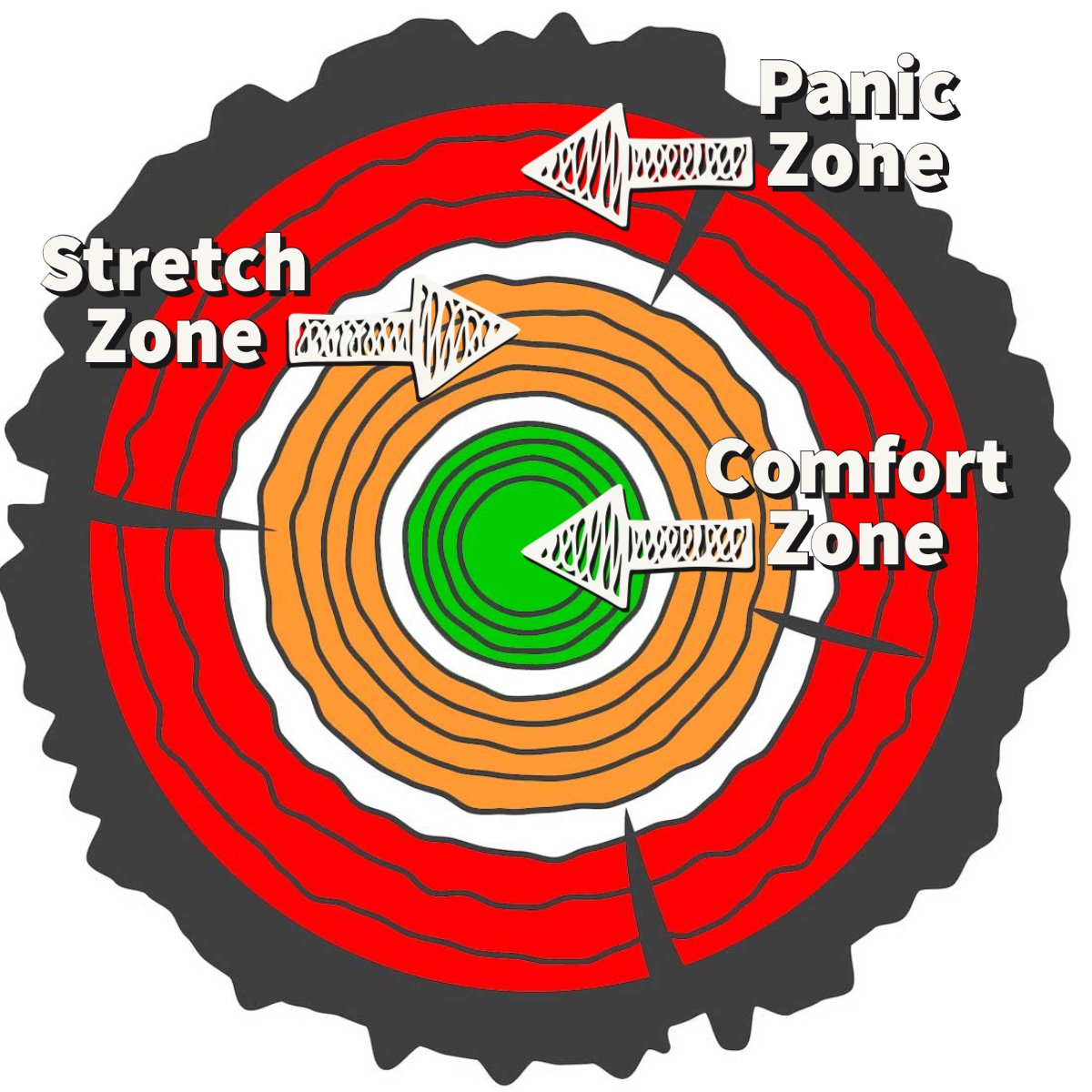
I wrote and article a few weeks ago on ‘Understanding the Importance of Stepping Outside Your Comfort Zone’ in which I described how the comfort zone, stretch zone, and panic zone are terms used to describe the different levels of emotional and physical states we experience when we face challenges and take risks in our lives, and how understanding these zones can help us identify where we are and where we need to be to achieve our goals.
Our comfort zone is a state of mind where we feel comfortable and safe. It's where we have a sense of familiarity, routine, and control. We feel at ease because we know what to expect and how to handle the situation. However, this also means we're not challenging ourselves, learning new things, or taking risks.
The stretch zone is where we can push ourselves out of our comfort zone and into new territory. It's where we can challenge ourselves, learn new skills, and grow as individuals. It's not always comfortable, but it's where we can experience personal growth and development.
When we step into the stretch zone, we may feel a little uncomfortable or nervous, but we're not overwhelmed or anxious. We're willing to take risks, try new things, and learn from our mistakes. The stretch zone is where we can expand our knowledge and skills, and it's an essential part of personal growth.
The panic zone is the area outside of our stretch zone and can be where we experience extreme stress and anxiety, and we feel completely overwhelmed. It's a place where we're not able to function effectively, and we may freeze, flee, or fight. The panic zone is triggered when we push ourselves too far out of our comfort zone without proper preparation, support, or guidance. It is not a healthy or productive place to be in, and we should try to avoid it
However … the more time that you spend in your Stretch Zone, the bigger your ‘Comfort Zone’ becomes and you often find that your ‘Panic Zone’ shrinks in size to accommodate this as your confidence and self-esteem increase. So … I am going to try to identify and do one thing each day that scares me, just a little, and pushes me outside of my comfort zone.
Look out for updates here on our website or follow the Project on social media.





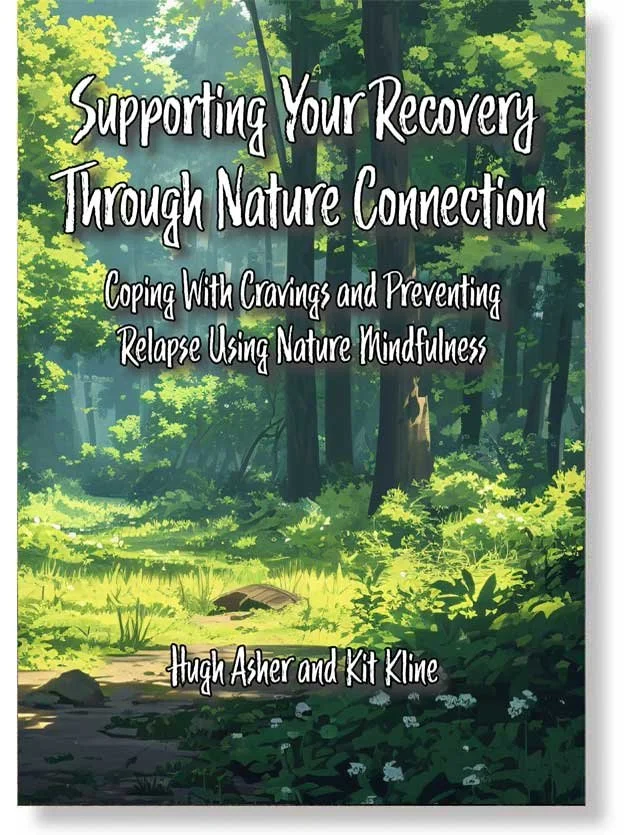









































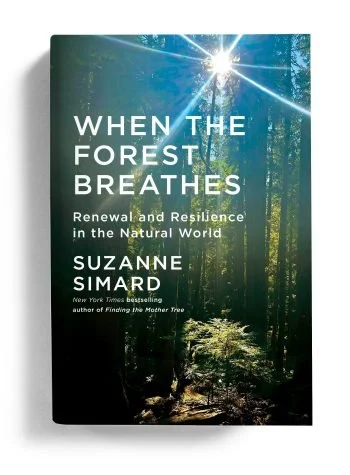




A small collection designed to gently open the door into deeper relationship with the natural world.
This complete set of four Forest Healing booklets brings together practical guidance, reflective ideas, and simple nature connection practices that can be used anywhere — from ancient woodland to a nearby park, garden, or even a single Sit Spot outdoors.
Written to be accessible, grounding, and easy to follow, these booklets offer a pathway into the core practices of Forest Bathing (Shinrin-yoku), Silvotherapy, and everyday nature connection. Rather than asking you to achieve anything, they simply invite you to slow down, notice more deeply, and allow nature to become an active presence in your wellbeing.
Across the four booklets you will explore:
• What Forest Bathing, Silvotherapy, and Nature Connection actually are
• The key benefits of spending mindful time in natural environments
• The practice of the “Sit Spot” and how to develop your own relationship with a chosen place
• Simple, practical Forest Bathing invitations you can try alone or with others
• Ways to bring nature connection into everyday life, even in small moments
Together, they form a gentle introduction to practices that have been shown to support reduced stress, improved mood, greater clarity of thought, and a deeper sense of belonging within the natural world.
These are not academic texts or rigid instruction manuals. They are invitations — encouraging you to step outside, slow your pace, and rediscover the quiet intelligence of trees, weather, and landscape.
Whether you are completely new to nature connection or looking to deepen an existing practice, this collection offers a simple, supportive starting point for building a more intentional and restorative relationship with the living world around you.
A small set of booklets that can change the way you experience even the most familiar patch of nature.
Buy all Four Forest Bathing and Nature-Connection Booklets for £11.00 including FREE P&P within the UK.
Postage to the Rest of the World is £4.