


Nature Connection Articles
Our Most Recent Articles
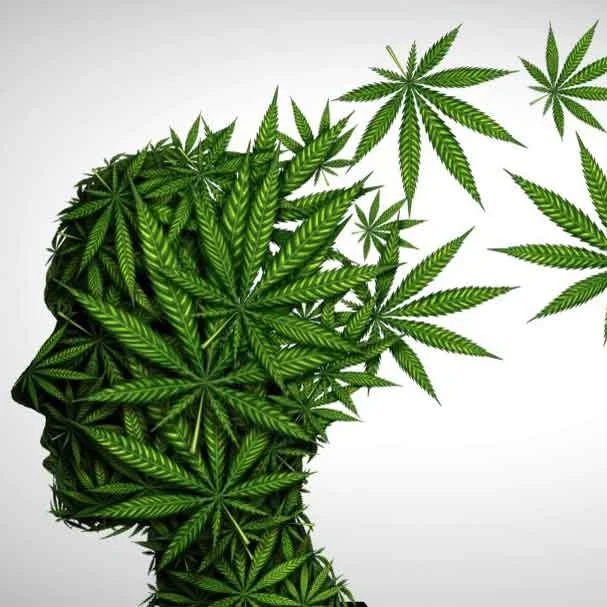
Reconnecting with Nature: How Forest Bathing and Nature Connection Can Help in Responding to Problematic Substance Use
The relationship between Forest Bathing and nature connection activities, and recovery from problematic substance use underscores the intrinsic value of nature in promoting holistic wellbeing. By integrating Forest Bathing and nature connection into recovery and rehabilitation programs, people experiencing substance use issues can embark on a transformative journey of self-discovery and recovery.
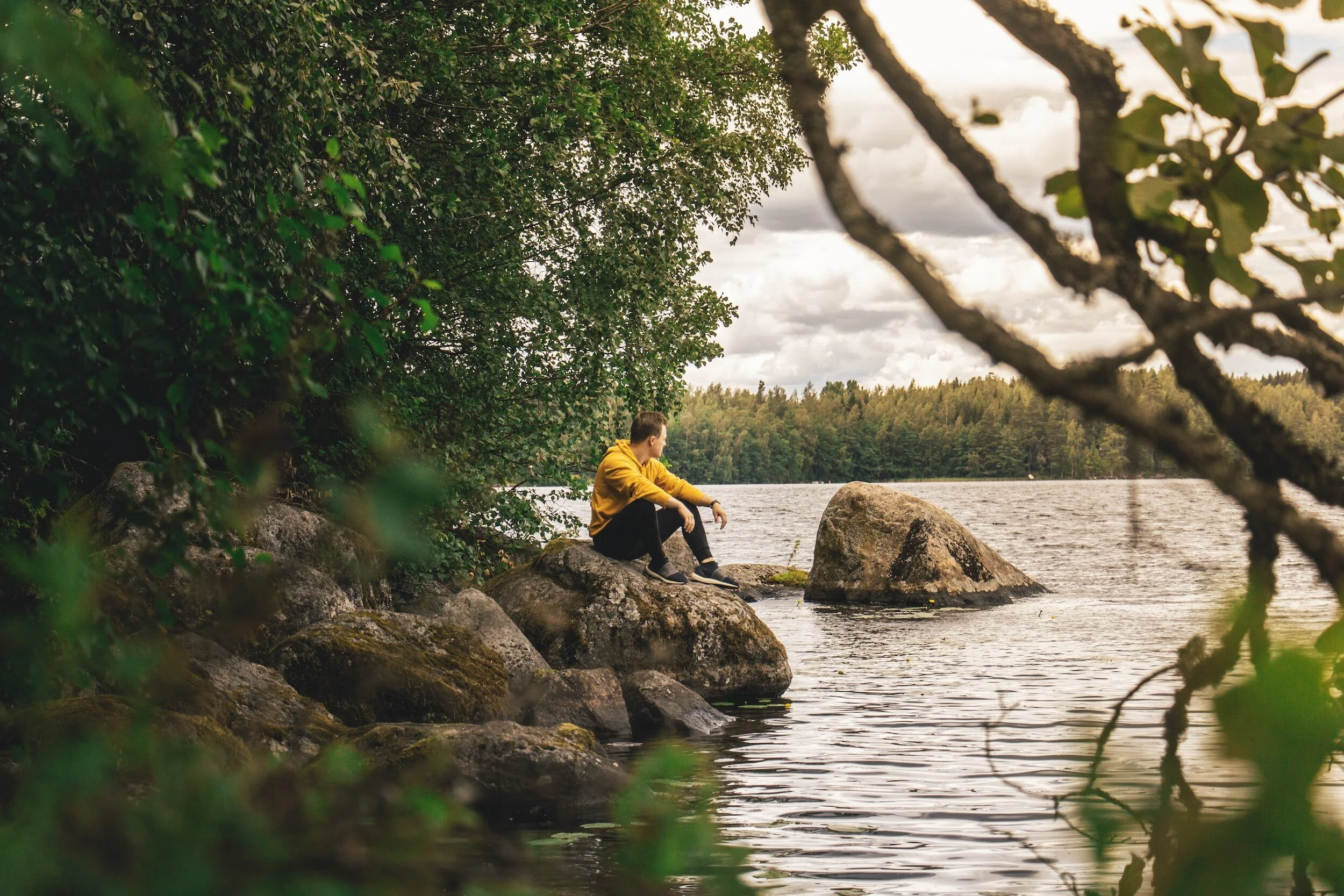
Attention Restoration Theory
The ‘Attention Restoration Theory’ was first described by Rachel and Stephen Kaplan and proposes that spending time in nature has a uniquely restorative effect on us, both cognitively and mentally. It suggests that the mere action of spending time in the countryside, walking in a forest, sitting in a park, watching the sunset or even just looking out the window at a green space provides us with the opportunity to rest, reflect and restore the resources that we require to cope with everyday life.

Why is Guided Nature Connection So Cathartic?
Guided nature connection activities hold the potential to be deeply cathartic for individuals seeking emotional release, self-discovery, and personal growth. Nature's innate ability to soothe, combined with structured and intentional experiences, allows participants to tap into the healing power of the natural world. These activities foster emotional cleansing, promote self-awareness, and enable participants to reconnect with themselves and the environment around them.

The Marvels of Mosses: Their Ecological and Health Benefits
When you think of a lush and vibrant ecosystem, the image of towering trees, colourful flowers, and an abundance of wildlife may come to mind. However, there's another, often overlooked, group of organisms that play a crucial role in maintaining the balance of nature – mosses. These unassuming, small, and ancient plants offer a plethora of benefits to both the environment and human wellbeing.

The Incredible Benefits of Trees
Trees are not just beautiful to behold; they are the lifeline of our planet, providing numerous benefits that are essential for the health and wellbeing of all living organisms. From providing us with clean air to reducing noise pollution, trees offer a wide range of incredible benefits. In this article, we will explore the many ways in which trees enhance our lives and the environment around us.
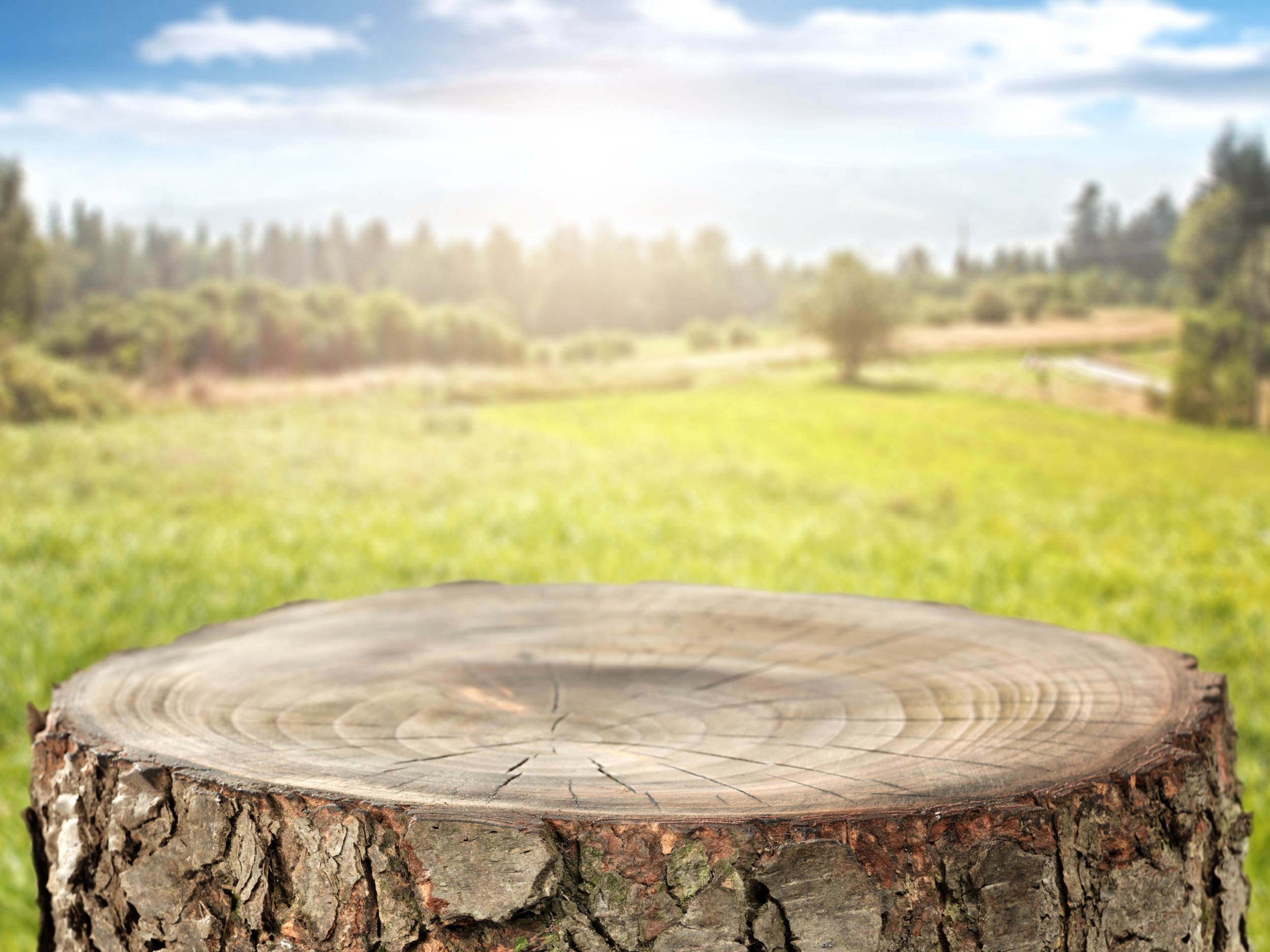
Decoding Nature's Secrets: What Tree Rings Can Teach Us
Studying the rings of trees provides valuable insights into the natural world. Each ring represents a year of the tree's life, capturing its experiences and leaving a visible record of its growth. By carefully examining these rings, we can unravel a rich tapestry of knowledge. The width and colour of the rings reveals valuable information about climate patterns, as narrow rings may indicate drought or harsh winters, while wider rings indicate more favourable conditions.

The Flow State and Outdoor Activities
The Flow State is often referred to as ‘being in the zone’, and is probably most commonly associated with extreme sports such as surfing, snowboarding and BASE jumping. However, the Flow State can be also experienced through gentler outdoor physical activities such as walking, running and paddling, as well as playing music and creating art and through comparatively sedate and relaxing nature mindfulness activities such as Forest Bathing. In this way nature provides a nurturing environment that can help you to disconnect from the distractions of modern life and reconnect with the present moment through a range of sports activities and pastimes.
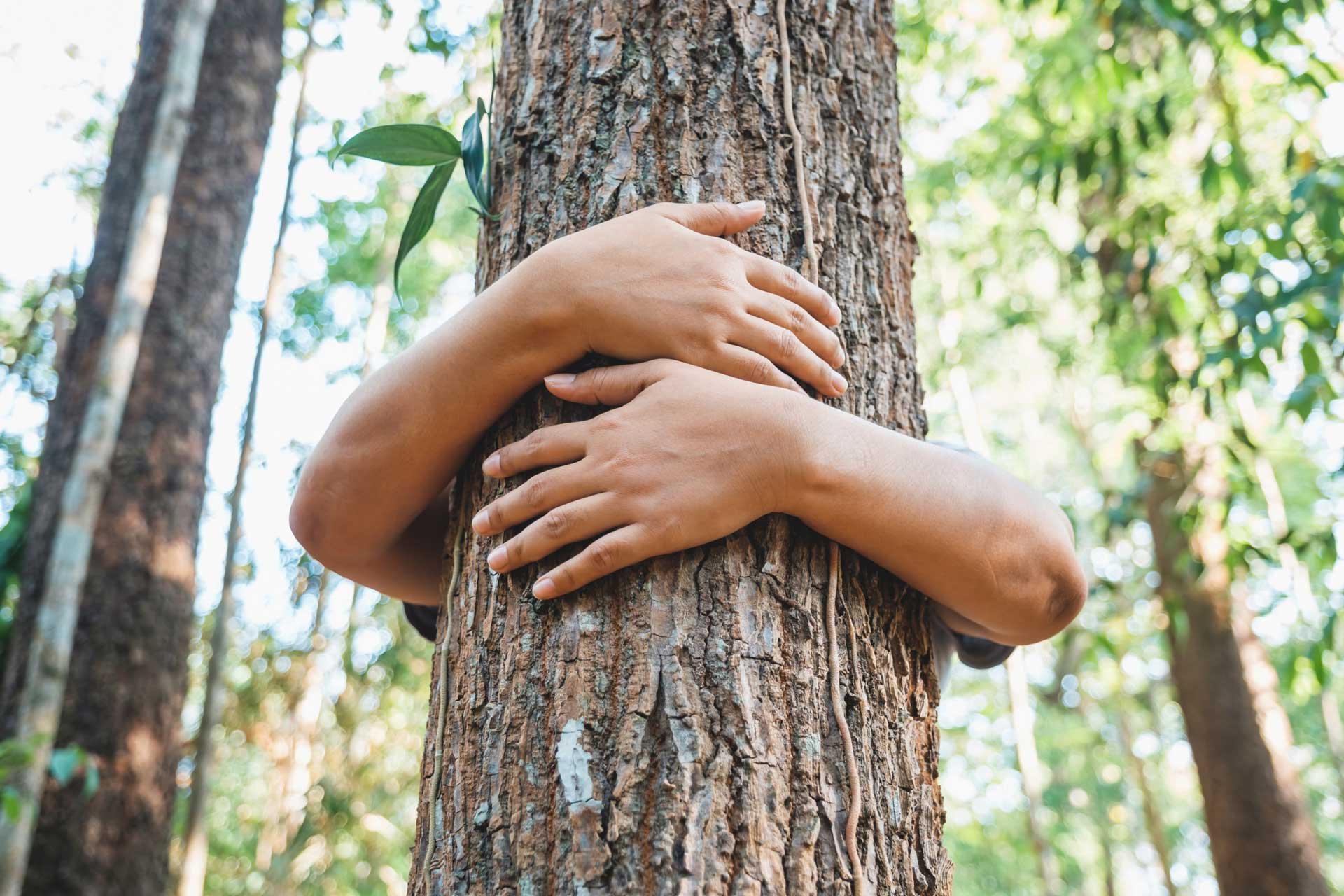
The Origins of Tree Hugging
The act of embracing a tree, commonly known as "tree hugging," has become a symbolic gesture of environmental activism and a connection with nature. The origins of this practice can be traced back to the Chipko Movement, a remarkable environmental movement that took place in Chamoli district, Uttarakhand, India, in the 1970s. The Chipko Movement not only highlighted the significance of trees but also demonstrated the power of grassroots activism in protecting the environment. This article delves into the origins of tree hugging with reference to the inspiring Chipko Movement.

The Origins of Forest Bathing
The practice of Forest Bathing, also known as Shinrin-yoku, originated in Japan in the 1980s. The term "Shinrin-yoku" was coined by the Japanese Ministry of Agriculture, Forestry, and Fisheries in 1982 and can be translated as "taking in the forest atmosphere" or "forest bathing." The development of Forest Bathing as a therapeutic practice was a response to the rapid urbanisation and technological advancements being experienced in Japan.
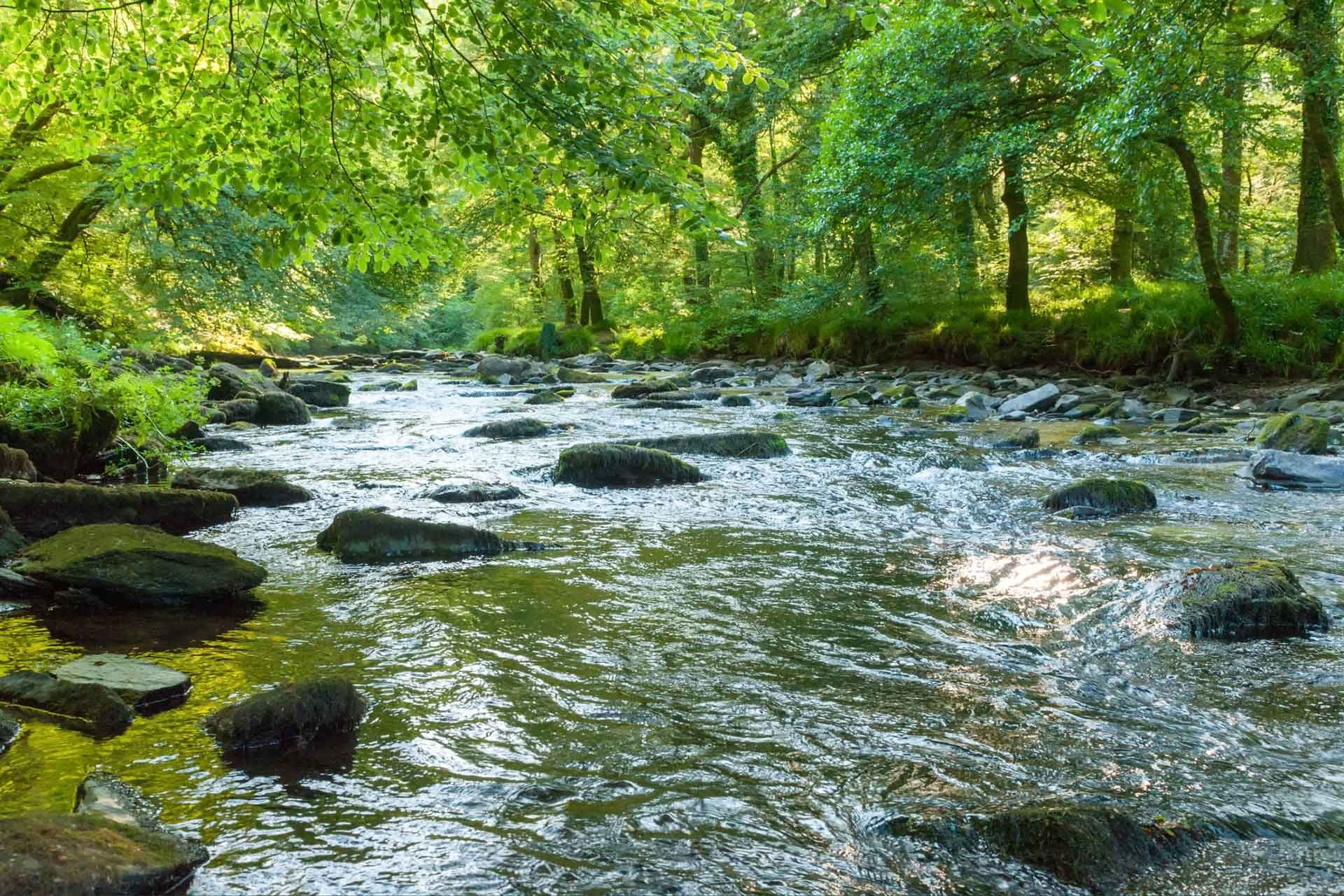
The Way of Water: Resiliently Flowing Beyond Obstacles
Water, in its ever-flowing nature, teaches us profound lessons about resilience. As it navigates its path, water encounters countless obstacles, yet it persists, finding alternate routes, shaping the land, and flowing onward with unyielding determination. Metaphorically, the way water flows around obstacles serves as a powerful illustration of human resilience, reminding us of our capacity to adapt, overcome challenges, and find new paths forward.
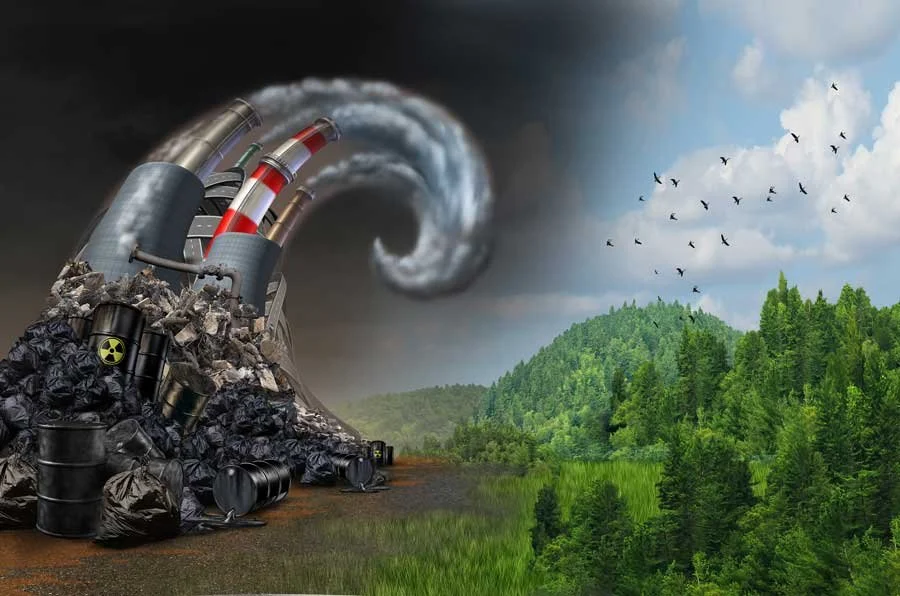
Exploring the More-Than-Human World in the Anthropocene Era
The concept of the ‘more-than-human world’ invites us to acknowledge the intricate web of life that extends beyond human existence. This perspective is especially crucial as we navigate the challenges posed by the Anthropocene, a geological epoch marked by the profound impact of human activities on Earth's ecosystems. Understanding the interplay between the more-than-human world and the Anthropocene offers us insights into the importance of recognising the agency, interconnectedness, and resilience of non-human entities in our collective efforts to shape a sustainable future.
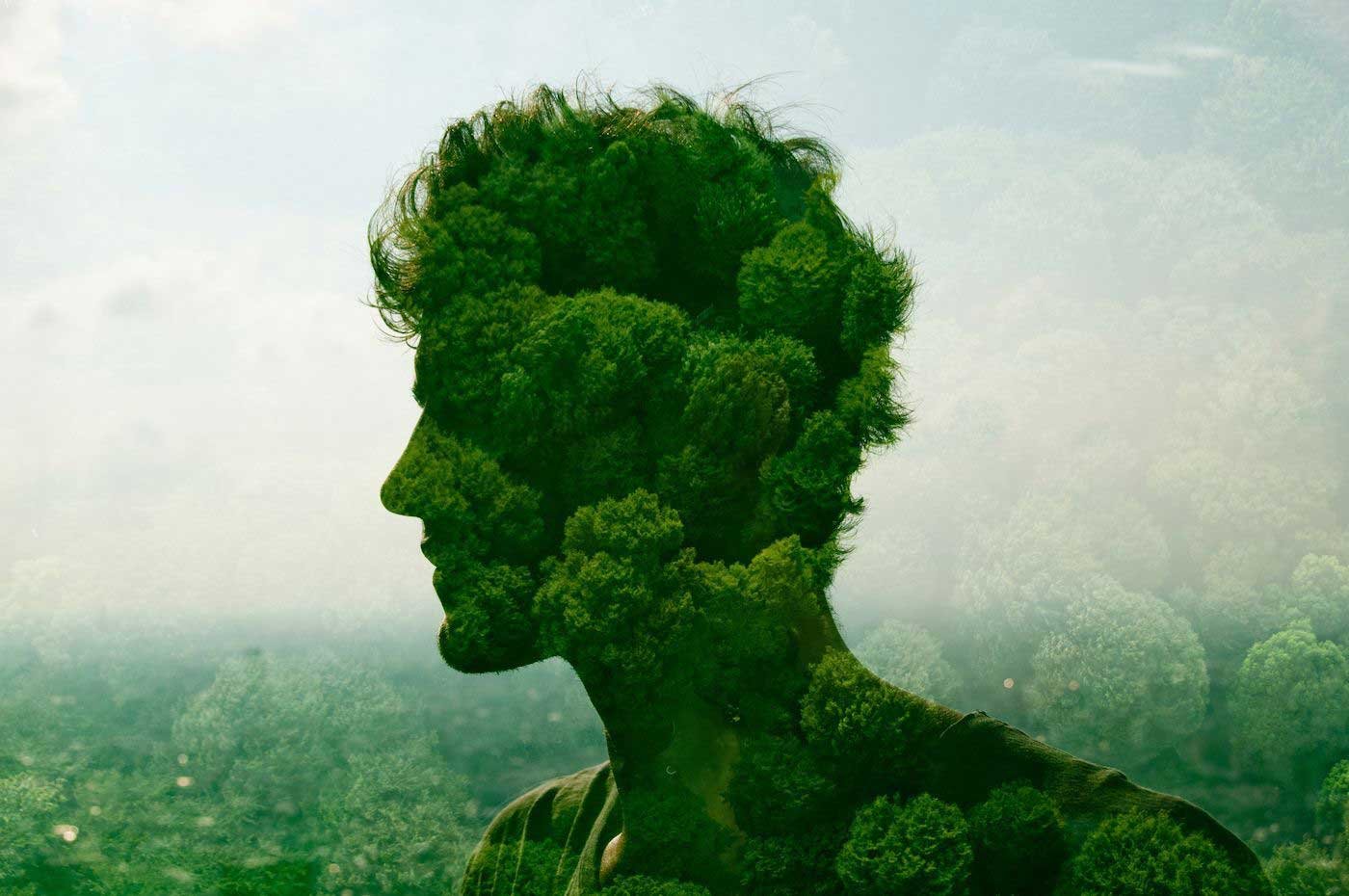
Exploring the More-Than-Human World: Forest Bathing, Animism, and David Abram's Ecological Philosophy
In a fast-paced world dominated by technology and human-centred thinking, there is an ever-growing yearning for a deeper connection with nature and the more-than-human world that surrounds us. This longing has given rise to practices like forest bathing and revived interest in ancient philosophies such as animism. Drawing inspiration from the work of ecophilosopher David Abram, we embark on a journey to understand the significance of these practices and their potential to reawaken our senses and foster a profound connection with the natural world.

Project Eudaimonia - Part Two
Eudaimonic wellbeing refers to a state of psychological wellbeing that goes beyond mere happiness or subjective feelings of pleasure. It focuses on the fulfilment of your potential, on personal growth, and the pursuit of meaning and purpose in life. It embodies positive psychological functioning and encompasses qualities such as personal development and growth; self-acceptance; autonomy; purpose in life; positive relationships; and a sense of mastery or competence. Read about how I am putting this into practice though increased nature connection.

Building Resilience Through Increased Nature Connection
Nature is a powerful tool for building resilience. Resilience is the ability to adapt and cope in the face of adversity, and it is a crucial life skill. We face challenges every day, from little setbacks like traffic jams to major life events such as job loss, illness, or natural disasters. Enhancing our connection to nature offers an effective way to improve our resilience and cope with these challenges.

Reducing Eco-Anxiety Through Nature Connection: The Healing Power of the Natural World
In an era of escalating environmental challenges, it is not uncommon to experience eco-anxiety - a form of anxiety or distress related to the state of the planet. As the effects of climate change become increasingly evident, many individuals find themselves overwhelmed, hopeless, and filled with a sense of impending doom. However, amidst this turmoil, there is a powerful antidote that offers solace and healing: nature connection.

Loneliness, Social Isolation and Nature Connection
In today's fast-paced and interconnected world, it may seem paradoxical that loneliness and social isolation have become prevalent issues affecting millions of people. Despite being more digitally connected than ever before, many individuals experience a profound sense of disconnection and loneliness. However, an antidote to these modern-day afflictions lies just outside our doors: nature connection. Research suggests that fostering a deeper relationship with nature can combat loneliness, alleviate social isolation, and promote overall well-being.
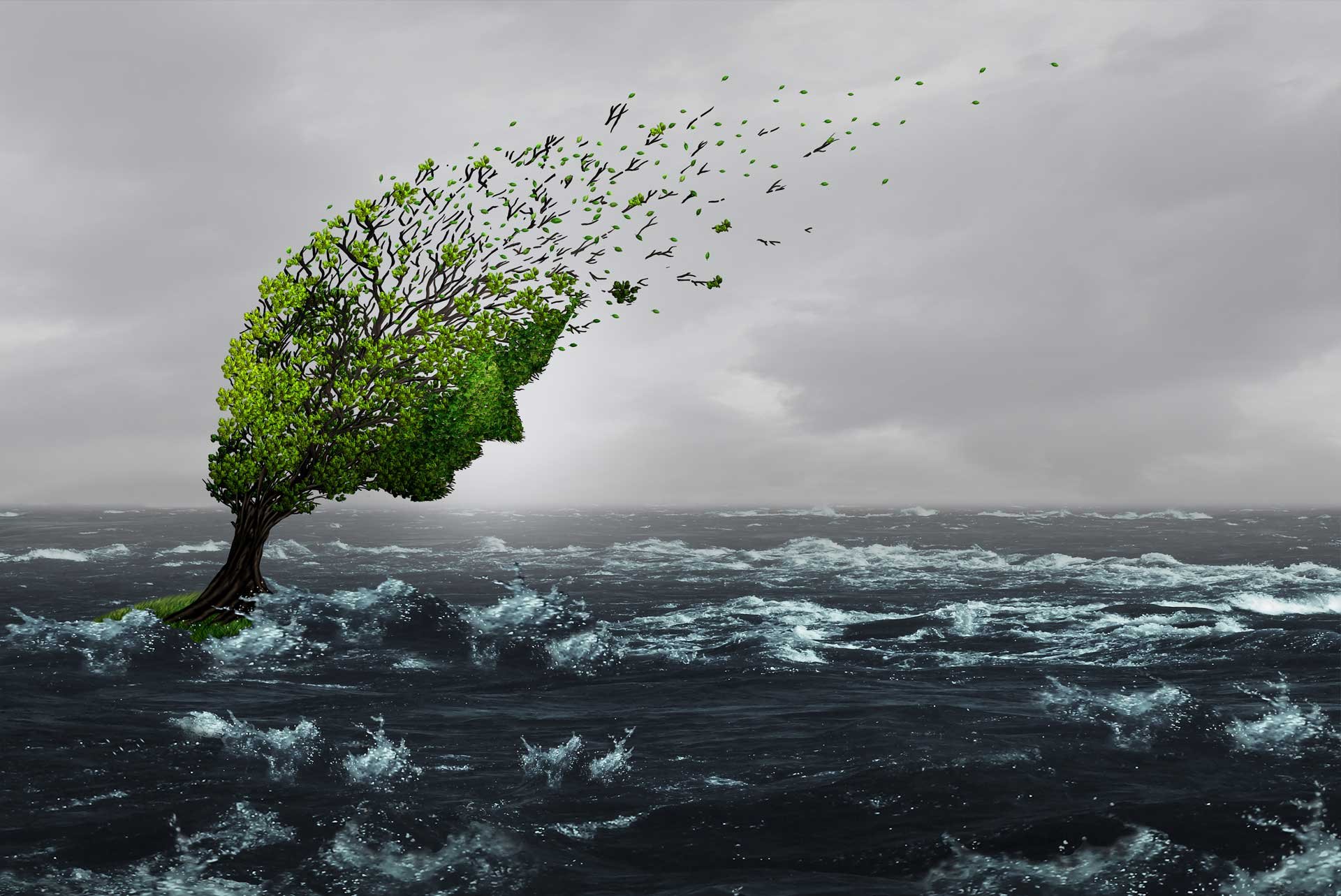
Nature Connection and Anxiety
Mental health and anxiety have become increasingly prevalent in today's society. Anxiety disorders affect millions of people worldwide, and the COVID-19 pandemic has only worsened the situation. One way to combat anxiety and improve mental health is through increased nature connection. Studies have shown that nature connection can significantly reduce the symptoms of anxiety. Exposure to nature can help reduce stress and anxiety, increase feelings of calm and relaxation, and improve overall well-being.

The Eudaimonia Project
Eudaimonic wellbeing is usually defined as having a feeling of meaning and purpose in life and a sense of continued personal growth and social contribution that all contribute to optimal psychosocial functioning - it is primarily about functioning well and how meaningful and worthwhile life is. This article looks at how I spent a month actively trying to improve my mental and emotional health through intensive daily nature connection practices.

The Comfort Zone, Stretch Zone, and Panic Zone
We all have our ‘Comfort Zone’ – those familiar and predictable spaces where we feel at ease, secure, and in control - comfortable! Whether it's a job that you have been doing for a long time, a daily routine, or a close social circle, Comfort Zones offer a sense of stability and familiarity that can be comforting and reassuring.
But while comfort zones may feel safe and secure, they can also be limiting. They keep us from exploring new opportunities, learning new skills, and growing as individuals. In order to truly thrive, we need to push ourselves beyond our comfort zones and explore what lies beyond.

The Importance of Curiosity and Nature Connection
Nature is an incredible source of wonder and inspiration, and cultivating a connection with it can bring many benefits to our lives. One of the key elements in developing this connection is curiosity, a sense of wonder and exploration that drives us to explore the world around us and discover its hidden wonders. Curiosity is a fundamental part of human nature, and it is what has driven us to explore the world and make great discoveries throughout history. When we connect with nature, we tap into this innate sense of curiosity and open ourselves up to new experiences and insights.