

The Origins of Tree Hugging
First Published on the 24th June 2023
Updated on Saturday 16th August 2024
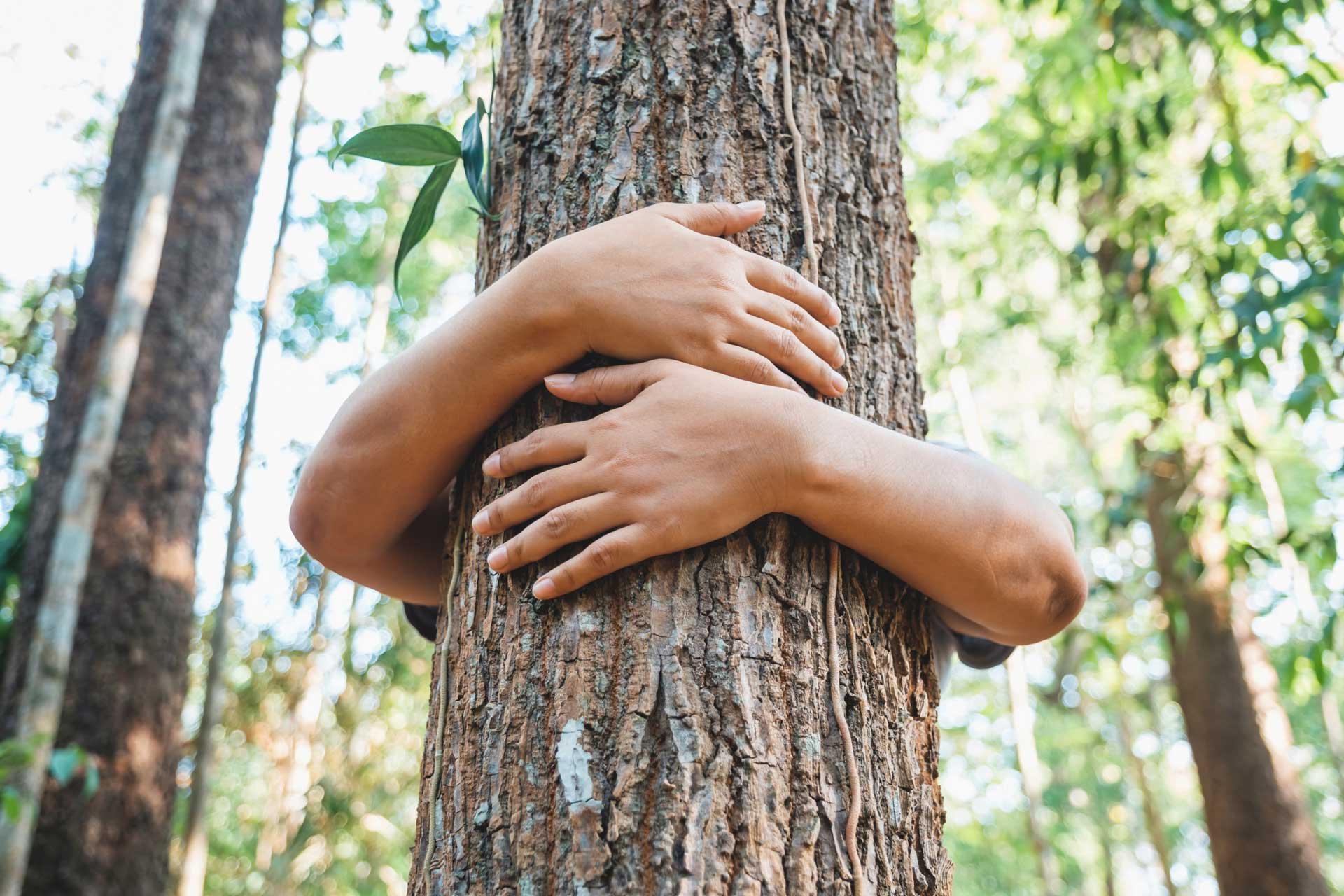
The origins of tree hugging can be traced back to various cultural, spiritual, and environmental practices throughout history, but it has now become a symbol of environmental activism and a practice associated with increased connection with nature. In a world progressively more concerned by deforestation and environmental degradation, the act of "tree hugging" has emerged as a powerful symbol of environmental activism and reverence for nature. The origins of this practice can be traced back to the iconic Chipko Movement, which originated in the hilly region of Chamoli in Uttarakhand, India. The villagers, predominantly women, sought to employ non-violent methods to protect their forests from commercial logging activities. The Chipko Movement not only advocated for the protection of trees but brought attention to the intertwined relationship between communities and their local ecosystems and also demonstrated the power of grassroots activism in protecting the environment. However, while the specific term "tree hugging" may be relatively recent, the reverence for trees and the belief in their sacredness can be found in ancient traditions around the world.
Indigenous Traditions
Many indigenous cultures have long recognised the intrinsic value of trees and their vital role in sustaining life. Native American and First Nations tribes, such as the Iroquois and the Hopi, have deep-rooted beliefs that emphasise the interconnectedness of all living beings, including trees. They consider trees as living entities with wisdom and spirits, deserving of respect and protection.
Eastern Philosophy and Spirituality
In various Eastern philosophies and spiritual traditions, trees hold a significant place. In Hinduism, for instance, the Banyan tree is considered sacred and is believed to be the abode of deities. Buddhists often find solace and enlightenment under the Bodhi tree, where Siddhartha Gautama is said to have attained enlightenment.

Ecopsychology and Nature Connection
In more recent times, the concept of tree hugging has been embraced as a means to foster a deeper connection with nature for the wellbeing of individuals. Ecopsychology, a field that explores the relationship between humans and the natural world, recognises the therapeutic benefits of spending time in nature, including hugging trees. It is seen as a way to cultivate a sense of grounding, connectedness and harmony with the environment.
Environmental Movements
The modern practice of tree hugging gained prominence during the environmental movements of the late 20th century. The Chipko Movement in India's Uttarakhand region is possibly the most famous early example. The movement popularised the act of physically embracing trees as a form of protest against deforestation, bringing global attention to the cause and inspiring similar movements worldwide.
The Chipko Movement

The Chipko Movement found its roots in the 1970s when the residents of the village of Chamoli, predominantly composed of the Bhotiya tribe and local women, stood up against widespread deforestation by embracing the trees. The term "chipko" translates to "hug" or "cling" in Hindi, a phrase which became synonymous with the movement itself. The movement gained widespread attention when a group of women, led by activist Gaura Devi, took to hugging trees to protect them from being felled by commercial loggers.
The idea of tree hugging within the Chipko Movement was deeply rooted in the spiritual and cultural beliefs of the local communities. In the Himalayan region where the district of Chamoli is located, trees are considered sacred and revered as sources of life, energy, and sustenance. The act of physically embracing the trees served as a symbolic gesture of love, protection, and resistance against the destruction of their natural environment. By intertwining their bodies with the trees, the participants not only shielded the trees from harm but also communicated a powerful message that the forests were an integral part of their lives. The movement drew global attention to the local communities, how they were directly dependent on the forests for their livelihoods, and in an early example of social injustice, highlighting how they were the most affected by this ecological crisis.
In this way, the act of hugging trees served as a powerful symbol of peaceful resistance and a connection with nature. The villagers believed that by physically embracing the trees, they were protecting the source of their sustenance, their homes, and their cultural heritage. Their nonviolent protests captured the attention of the nation and ultimately succeeded in halting the logging operations. This unique form of environmental activism became known as "tree hugging" and went on to inspire similar movements worldwide. However, the movement in Chamoli went far beyond simple tree hugging. It acted as a catalyst for broader social change, emphasising the importance of community-led environmental activism and sustainable development. The movement highlighted the detrimental effects of deforestation, such as soil erosion, landslides, and the loss of vital water sources. It also shed light on the exploitation of local communities and their limited access to forest resources.
In many ways, the concept of tree hugging, rooted in the Chipko Movement, has transcended its origins and has become a symbol of environmental consciousness and sustainability. It reminds us of the need to preserve our forests, safeguard biodiversity, and embrace a harmonious coexistence with nature.
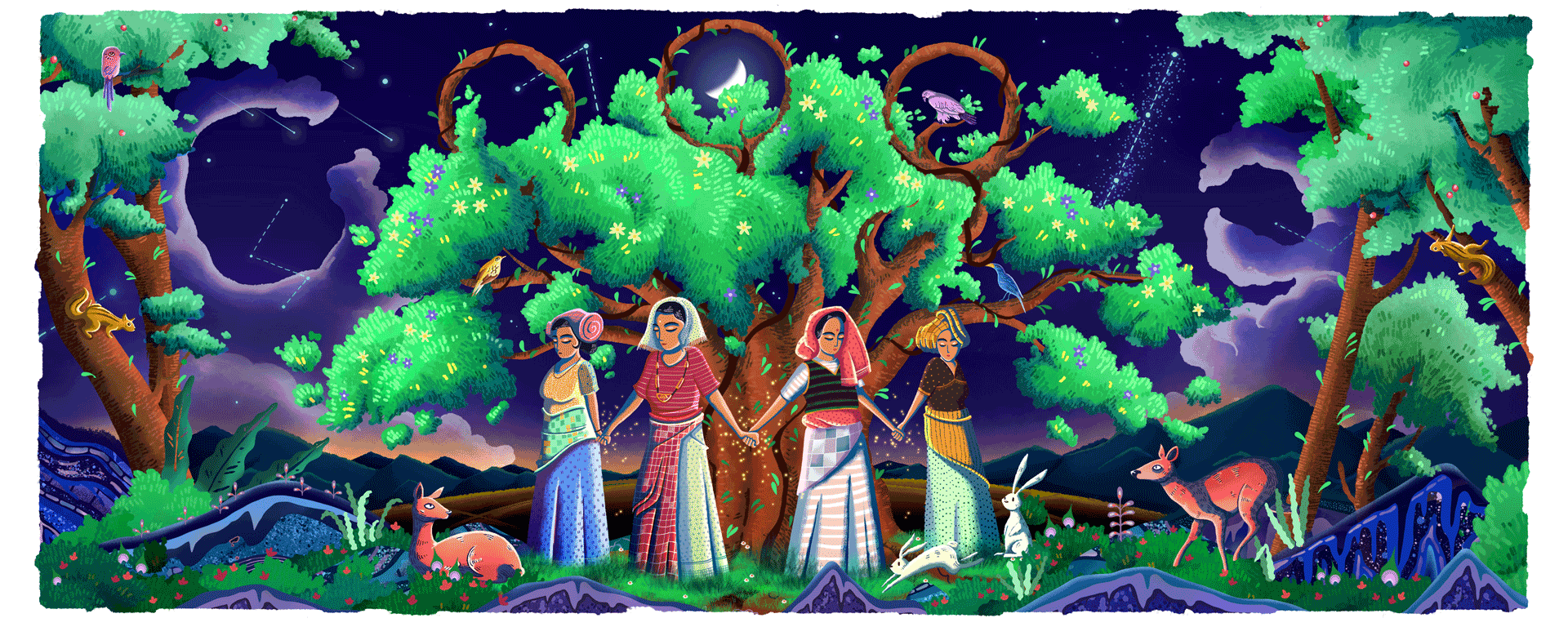
A ‘Google Doodle’ celebrating the women of the Chipko Movement
Final Thoughts
The origins of tree hugging can be found in the deep-rooted cultural and spiritual beliefs of various cultures, as well as in modern environmental movements and the recognition of nature's healing powers. The act of embracing trees symbolises reverence, protection, and also a desire to reconnect with the natural world, highlighting the importance of our relationship with trees and the need to preserve them for future generations. Today, as we face escalating environmental challenges, the Chipko Movement remains an enduring symbol of people's power and the urgent need to protect and cherish the natural world through acts as simple yet profound as hugging a tree. The movement continues to inspire generations of environmentalists worldwide, reminding us that through unity, determination, and the act of embracing nature, we can strive for a more sustainable and harmonious future.
If you have enjoyed this article and would like to support what we do by donating £2 or more to buy saplings to plant, please follow the link below:

10 ml of Therapeutic Grade Hinoki Cypress Essential Oil in a dropper bottle.
Bring the calming scent of the Japanese forest into your home with Hinoki Oil. Distilled from the sacred Hinoki Cypress, this beautifully woody and citrus-fresh essential oil is inspired by the restorative practice of forest bathing and helps create moments of calm, mindfulness, and nature connection.
Hinoki Oil – Bringing the Essence of the Japanese Forest into Your Home
Imagine stepping into a quiet forest of ancient Japanese cypress trees. The air is cool and still. Sunlight filters through the canopy, and the scent of warm wood, fresh needles, and distant citrus fills your senses. This is the experience that Hinoki Oil can evoke.
Distilled from the revered Hinoki Cypress (Chamaecyparis obtusa), a tree that has been treasured in Japan for centuries, Hinoki Oil carries a distinctive aroma that is soft, woody, slightly smoky, and subtly citrusy. Its fragrance is often associated with traditional Japanese temples, forest shrines, and the restorative practice of forest bathing, or Shinrin-yoku.
Many people find Hinoki's scent deeply calming and grounding. Rich in natural plant compounds known as phytoncides, it offers a simple way to bring a little of the forest indoors when spending time among trees is not possible.
Use a few drops in a diffuser during meditation, yoga, journalling, or quiet reflection. Add it to a warm bath to create a spa-like atmosphere, or simply inhale its aroma whenever you need a moment of stillness and reconnection.
At Forest Healing, we love Hinoki because it captures something of the quiet wisdom of old forests. Its scent invites us to slow down, breathe deeply, and remember that we are part of the natural world, not separate from it.
Ways to enjoy Hinoki Oil:
• Diffuse to create a peaceful, woodland-inspired atmosphere
• Add to a nature connection or mindfulness practice
• Blend with cedarwood, bergamot, frankincense, or lavender
• Use as part of an evening wind-down ritual
• Bring the scent of the forest into your home, workspace, or therapy room
A small bottle of Hinoki Oil offers more than a fragrance. It offers an invitation to pause, reconnect, and experience a little of the restorative spirit of the forest wherever you are.
Postage and Packing is £2 for up to six 10ml bottles in the UK.
Due to insurance and liability reasons, we no longer ship our essential oils to the USA or Canada - Sorry!
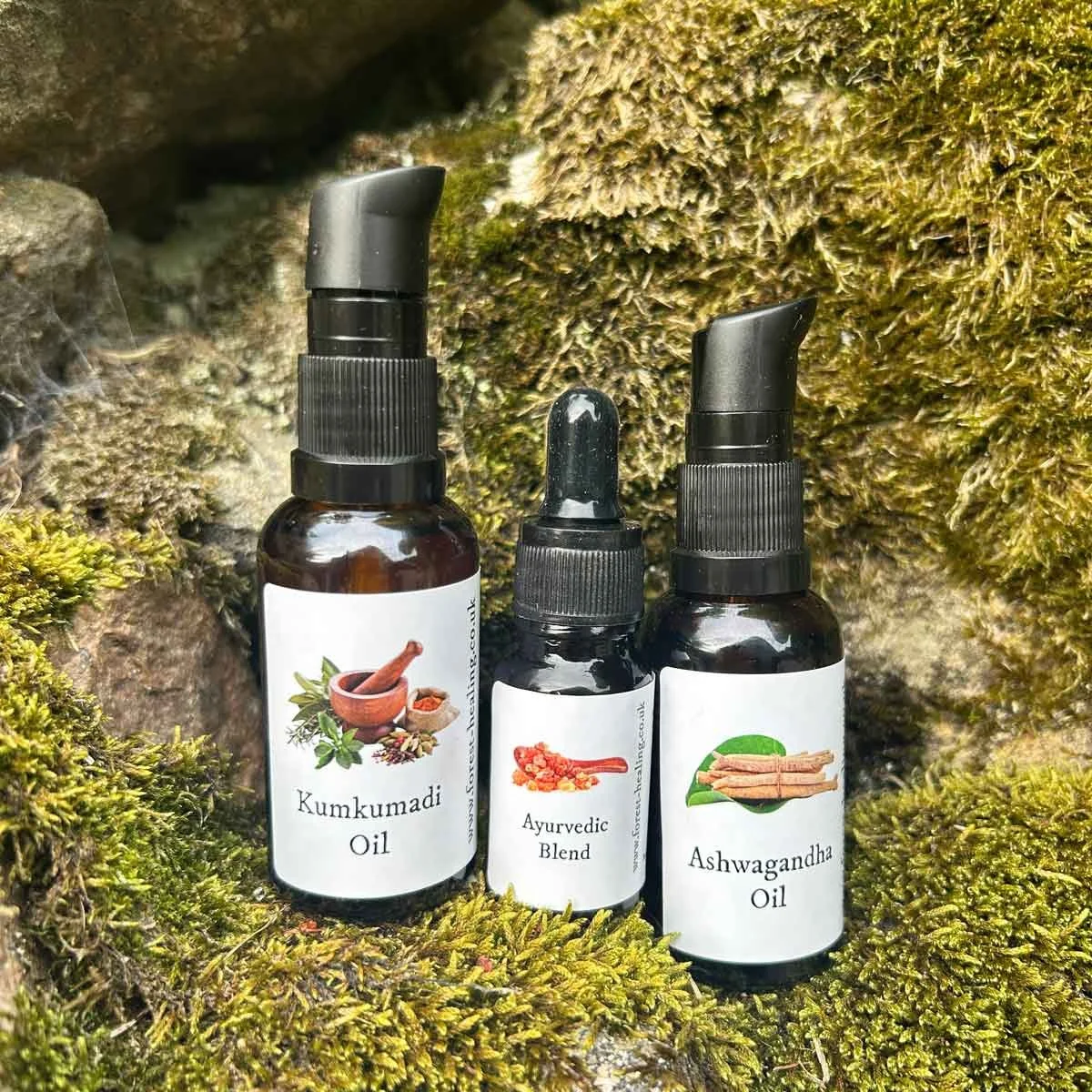
Ayurvedic Wellbeing Collection – A Complete Ritual of Scent, Self-Care and Botanical Wisdom
A thoughtfully curated collection inspired by the ancient traditions of Ayurveda and the restorative power of mindful self-care.
This special bundle brings together three complementary botanical oils that invite you to slow down, create space for yourself, and cultivate moments of calm and presence in your daily life.
Combining our Ayurvedic Blend Essential Oil, Ashwagandha Oil, and Kumkumadi Oil, this collection offers a simple yet meaningful self-care ritual inspired by centuries of plant-based wisdom.
What's Included?
Ayurvedic Blend Essential Oil
A rich and grounding aromatic blend of Frankincense, Cedarwood, Sandalwood, and Agarwood (Oud). Warm, woody, and deeply contemplative, it helps create an atmosphere of stillness and reflection through diffusion or aromatherapy use.
Ashwagandha Oil
A traditional Ayurvedic infusion of Ashwagandha root in nourishing sesame oil. Ideal for massage and body care, this deeply grounding oil supports relaxation and provides an opportunity to reconnect with your body through mindful touch.
Kumkumadi Oil
A luxurious Ayurvedic facial oil centred around saffron and a rich blend of botanical extracts. Traditionally used as part of evening skincare rituals, it helps transform everyday self-care into a moment of presence and restoration.
A Ritual of Slowing Down
Modern life often encourages us to move quickly from one task to the next. This collection offers an invitation to do the opposite.
Begin by diffusing the Ayurvedic Blend to create a calm and peaceful atmosphere. Take time to massage Ashwagandha Oil into the skin, bringing awareness back to the body and breath. Complete the ritual with a few drops of Kumkumadi Oil applied gently to the face, creating a quiet moment of care before rest.
Together, these practices encourage a slower rhythm and a deeper sense of connection with yourself.
Perfect For:
• Creating a regular self-care or wellbeing ritual
• Meditation, mindfulness, and relaxation practices
• Evening wind-down routines
• Gifts for those interested in Ayurveda and natural wellbeing
• Anyone seeking a more intentional approach to rest and restoration
At Forest Healing, we believe wellbeing grows through small acts of attention and care. This collection brings together three beautiful botanical oils that support those moments, helping you create a daily ritual inspired by nature, presence, and ancient wisdom.
A complete Ayurvedic-inspired self-care collection for body, mind, and spirit.
Postage and Packing is £2 for up to three 30ml bottles in the UK.
Due to insurance and liability reasons, we no longer ship our essential oils to the USA or Canada - Sorry!

As the seasons change may we pause to meet the turning of the year with wonder.
Celtic-Inspired Nature Connection Ideas offers gentle, creative ways to deepen your relationship with the living world around you — through seasonal reflection, simple rituals, and nature-based practices inspired by Celtic tradition.
Whether you are looking for a meaningful gift, a companion for your own practice, or a way to mark the longest day with more intention, this book invites you to slow down, step outside, and listen.
Celebrate the light. Honour the land. Reconnect with the natural world.
This 40 page perfect-bound book is A5 in size and contains 16 Celtic-Inspired nature connection invitations including: Spiritually Engaging with a Tree; Becoming One with the Earth; The Cailleach’s Stone; Thin Places; Appeasing the Sídhe; and one for each of the four ‘Cross-Quarter’ days - Samhain, Imbolc, Beltane, and Lughnasadh.
There is also an overview of ‘The Celtic Calendar’ and how and why nature played such an important role in Celtic culture.

Find guidance, resilience, and wellbeing through the wisdom of nature.
This practical 64-page workbook combines nature connection activities, mindfulness practices, and reflective exercises to help you improve your mental and emotional wellbeing. Discover how the lessons found in trees, seasons, landscapes, and natural processes can support personal growth, resilience, and positive change. Includes access to more than 30 additional nature connection activities, articles, and downloadable resources.
Nature has been guiding and supporting human wellbeing for countless generations. This workbook is an invitation to step outside, slow down, and rediscover the wisdom that has been waiting for you all along.
Nature as a Guide: A Pathway to Mental and Emotional Health and Wellbeing
In a world that often encourages us to move faster, achieve more, and spend less time outdoors, nature offers a different invitation. It invites us to slow down, notice, reflect, and reconnect with what truly matters.
Nature as a Guide is a practical and inspiring workbook designed to support your mental and emotional wellbeing through nature connection, mindfulness, and gentle self-reflection. Drawing upon the wisdom found in woodlands, landscapes, seasons, and natural processes, this workbook encourages you to discover how the natural world can become a trusted companion on your journey towards greater resilience, balance, and wellbeing.
Across its pages, you will find thought-provoking exercises, reflective questions, and nature-based activities that help you explore where you are in life, where you would like to be, and how nature's patterns and metaphors can illuminate the way forward. From learning resilience through the changing seasons to finding inspiration in the quiet strength of trees, the workbook helps translate nature's lessons into meaningful insights for everyday life.
Whether you are experiencing stress, navigating change, seeking greater self-understanding, or simply longing to deepen your relationship with the natural world, this workbook offers practical tools and gentle guidance to support your journey.
As an added resource, the book includes access to more than 30 additional nature connection activities, articles, and downloadable materials, enabling you to continue exploring and developing your own relationship with nature long after you have completed the workbook.
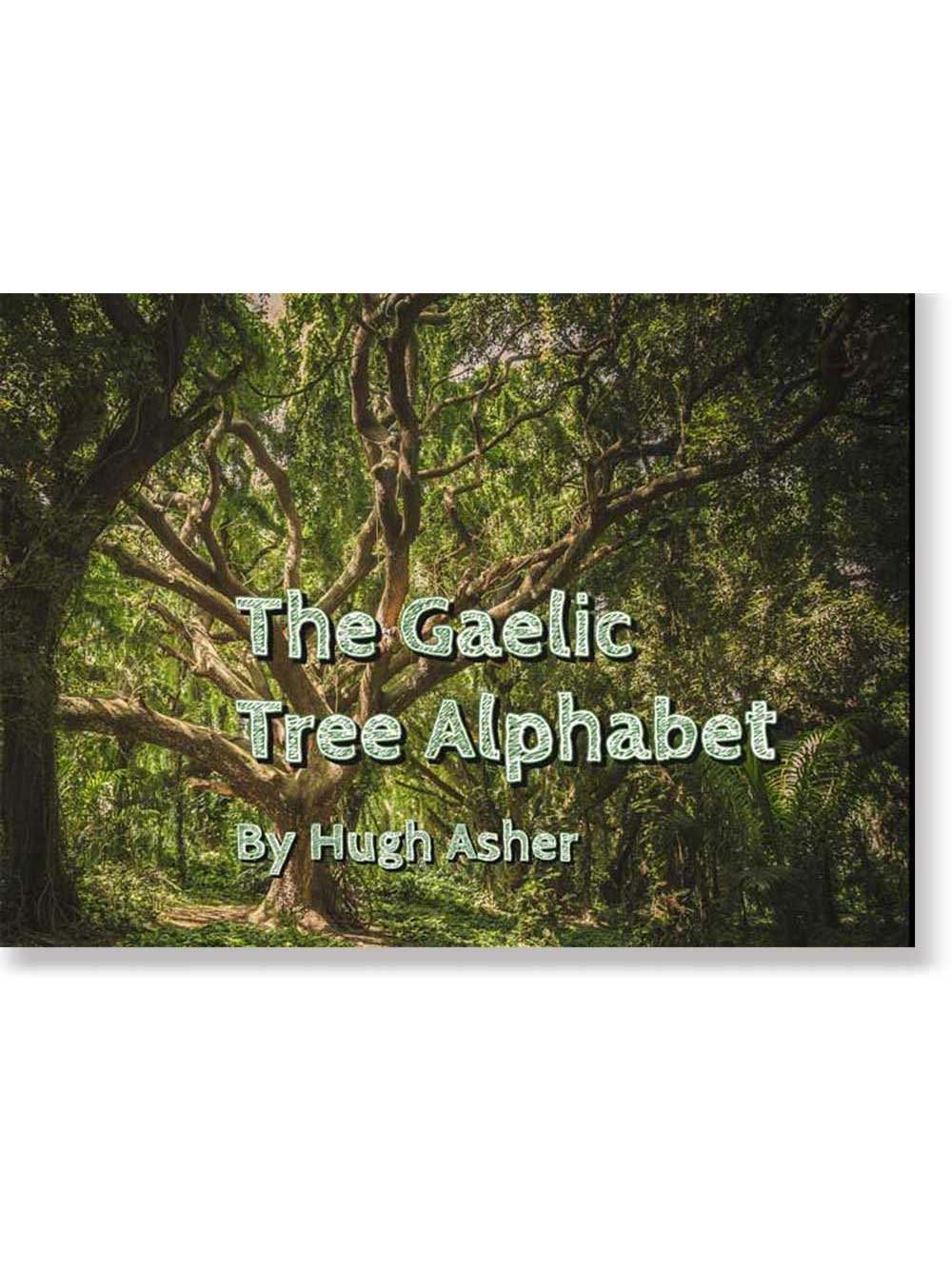
The Gaelic Tree Alphabet – A Journey Through the Ogham Trees and Celtic Nature Wisdom
Step into the living language of trees.
The Gaelic Tree Alphabet is inspired by the ancient Ogham tradition, sometimes known as the Celtic Tree Alphabet, where each letter is associated with a tree or plant deeply rooted in Celtic landscape, myth, and cultural memory. This beautifully illustrated booklet explores 18 trees that form the Gaelic Tree Alphabet, offering a gentle introduction to one of the oldest symbolic nature-based systems in Europe.
Rather than treating trees as abstract symbols, Ogham reflects a worldview in which the natural world was a teacher, guide, and living presence. Each tree carries its own qualities, stories, and ecological character — from the protective strength of Oak and the renewing energy of Birch, to the wisdom of Hazel and the resilience of Rowan.
Inside this 28-page A5 booklet, you will discover:
• The 18 trees that form the Gaelic Tree Alphabet
• The meanings, folklore, and ecological characteristics of each tree
• Insights into the Ogham tradition and its connection to early Gaelic culture
• Reflections on how trees were understood as carriers of wisdom, language, and symbolism
• A gentle introduction to Celtic tree lore and nature-based ways of seeing the world
This booklet is not simply about learning an ancient alphabet — it is an invitation to slow down and reconnect with the intelligence of the natural world. Each tree becomes a doorway into a deeper relationship with landscape, season, and place.
Whether you are drawn to Celtic heritage, fascinated by tree symbolism, or simply looking for a more meaningful way to connect with nature, The Gaelic Tree Alphabet offers a quiet companion for reflection and discovery.
Let each tree be a reminder that language does not only belong to humans — it also lives in roots, branches, wind, and soil.
A small book, carrying an old forest language into the present moment.
It costs £5 and P&P is FREE within the UK and £4 to the Rest of the World.
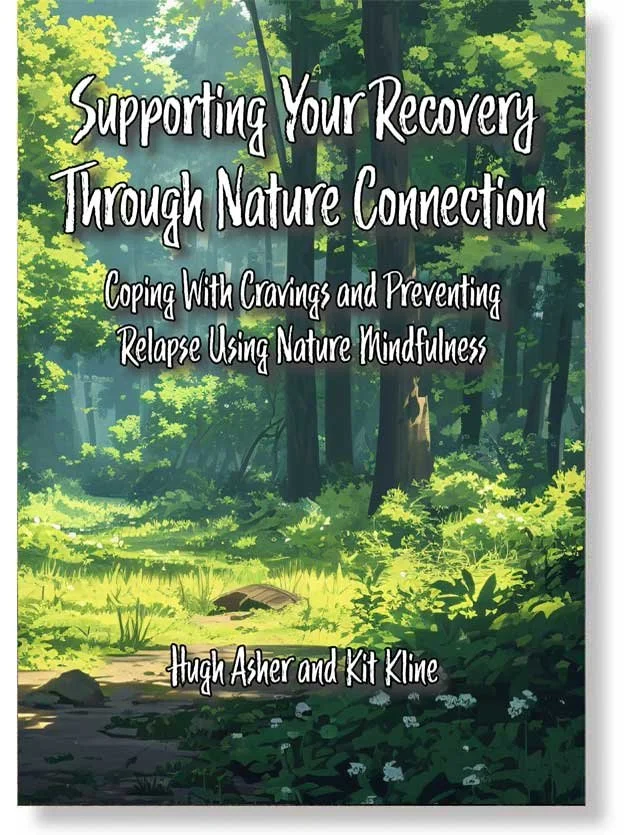
A practical nature-based workbook for people in recovery.
Develop skills to cope with cravings, manage stress, build resilience, and reduce the risk of relapse through nature connection and nature mindfulness practices. Created from real-world experience supporting people in recovery, this 64-page workbook combines practical exercises, reflective activities, and mindfulness techniques inspired by the natural world. The workbook also contains a link to register for access to over 30 further nature connection activities, as well as articles and additional downloads.
Supporting Your Recovery Through Nature Connection
Coping with Cravings and Preventing Relapse Using Nature Mindfulness
Recovery is not simply about leaving something behind. It is about rediscovering yourself, rebuilding resilience, and finding healthier ways to navigate life's challenges. Nature can be a powerful companion on that journey.
Supporting Your Recovery Through Nature Connection is a practical and compassionate workbook designed to help people recovering from alcohol and other drug use develop new skills for managing cravings, reducing stress, and preventing relapse through nature connection and nature mindfulness practices.
Drawing on the restorative qualities of the natural world, this workbook offers a range of accessible exercises, reflective activities, and mindfulness practices that can help you reconnect with yourself, your surroundings, and your sense of purpose. Through engaging with trees, landscapes, seasons, wildlife, and natural processes, you will discover how nature can provide inspiration, perspective, calm, and strength during the recovery journey.
The workbook explores practical ways to use nature as a source of grounding during difficult moments, helping you to recognise triggers, develop healthier coping strategies, and build greater emotional resilience. Rather than focusing solely on what you are recovering from, it encourages you to explore what you are recovering towards: a life with greater wellbeing, meaning, connection, and hope.
Written by Hugh Asher and developed through years of experience supporting people affected by problematic substance use, this workbook is also informed by the successful delivery of a Nature Mindfulness programme within the Scottish prison system. The activities have been designed to be simple, practical, and accessible, whether you live in a rural area, a town, or a city.
Nature teaches us that growth is rarely linear. Forests recover after storms. Trees adapt to changing conditions. New life emerges from what once seemed barren. This workbook invites you to discover how these same lessons can support your own journey of recovery, resilience, and renewal.

A beautiful journal for deepening your relationship with nature.
Designed by Forest Healing, this A5 journal provides 28 opportunities to reflect on your nature connection experiences through writing, drawing, and guided reflection. Record what you notice in nature, what you notice in yourself, and the insights that emerge along the way. With inspiring quotations, high-quality uncoated pages, and a luxurious velvet-laminated cover, it is the perfect companion for Forest Bathing, Sit Spots, mindful walks, and everyday moments of connection with the natural world.
P&P is FREE within the UK.
Postage to the Rest of the World is £4.
The more time we spend paying attention to the natural world, the more we begin to notice. A familiar tree that changes through the seasons. The return of birdsong after Winter. The scent of rain on the earth. The subtle shifts in our own thoughts, feelings, and wellbeing when we slow down and take time to connect.
This Nature Connection Journal has been created as a companion for your nature connection journey, helping you to capture experiences, deepen your reflections, and develop a richer relationship with the natural world around you.
Each spread combines a page for writing, sketching, or creative expression with a structured reflection page that invites you to consider what you noticed in nature, what you noticed in yourself, and what you learned from the experience. The journal also includes inspiring quotations that encourage curiosity, mindfulness, and deeper engagement with the living world.
Whether you use it after a Forest Bathing session, a mindful walk, time spent at your sit spot, or simply a few minutes in a local park or garden, the journal helps transform fleeting moments of connection into lasting memories and meaningful insights.
Over time, your journal becomes more than a record of places visited and things observed. It becomes a record of your own journey; a reflection of how your relationship with nature evolves and how nature, in turn, influences your wellbeing, perspective, and sense of belonging.
With high-quality uncoated pages suitable for writing and drawing, and a beautifully soft velvet-laminated cover that feels as inviting as the experiences it contains, this is a journal designed to accompany you into woods, parks, gardens, and wild places for years to come.
Begin where you are. Notice what is around you. Record what matters. Allow nature to tell its story alongside your own.

30ml (a bigger bottle) of Therapeutic Grade Hinoki Cypress and and Yuzu Essential Oils.
Shinrin Yoku Blend #1 – The Essence of Forest Bathing
Bring the atmosphere of a Japanese forest into your home with our signature Shinrin Yoku Blend #1.
Inspired by the Japanese practice of Shinrin-yoku – often translated as ‘Forest Bathing’ – this carefully crafted blend combines therapeutic-grade Hinoki Cypress and Yuzu essential oils to create an aroma that is both deeply grounding and gently uplifting. The practice of Shinrin-yoku was developed in Japan as a way of reconnecting with the natural world through mindful immersion in the sights, sounds, scents, and atmosphere of the forest. Research has shown that time spent in woodland environments can help reduce stress, support wellbeing, and foster a greater sense of calm and connection.
The rich, woody fragrance of sacred Hinoki Cypress evokes ancient temple forests and mountain woodlands. Revered in Japan for centuries, Hinoki is associated with peace, harmony, and quiet reflection. Its warm forest aroma is beautifully balanced by the bright, fresh notes of Yuzu, a traditional Japanese citrus fruit valued for its refreshing and revitalising scent. Together they create a fragrance that captures the feeling of walking slowly through a sunlit woodland after rain.
Many people use this blend during meditation, journalling, yoga, relaxation, or simply as part of a daily ritual to bring a sense of nature indoors. A few drops in a diffuser can transform a room, helping to create a peaceful atmosphere that encourages you to slow down, breathe deeply, and reconnect with yourself and the natural world.
Our Shinrin Yoku Blend #1 is supplied in a generous 30ml dropper bottle and contains therapeutic-grade Hinoki Cypress and Yuzu essential oils. The Hinoki oil is distilled from sustainably sourced by-products of the timber industry, making use of wood remnants and shavings that would otherwise go to waste.
Ways to enjoy Shinrin Yoku Blend #1
• Diffuse during meditation, mindfulness, or yoga practice
• Add a few drops to a terracotta leaf diffuser
• Create a calming atmosphere in your home or workspace
• Use as part of an evening wind-down ritual
• Enhance your indoor nature connection practice when visiting a woodland is not possible
More than an essential oil blend, Shinrin Yoku Blend #1 is an invitation to experience something of the restorative spirit of the forest wherever you are. Each drop carries the scent of woodland air, helping you cultivate moments of stillness, presence, and connection throughout your day.
Postage and Packing is £2 for up to three 30ml bottles in the UK.
Due to insurance and liability reasons, we no longer ship our essential oils to the USA or Canada - Sorry!

10 ml of Therapeutic Essential Oils in a dropper bottle - perfect for bringing the outdoors indoors and experiencing the uplifting effects of inhaling the Phytoncides from the trees.
Our Himalayan Blend is inspired by this mountainous region and contains Himalayan Cedar Wood Oil (Cedrus deodara), Betel Leaf Oil (Piper betle) and Amber Oil (Pinus succinefera) Essential Oils.
The organically crafted Himalayan Cedarwood Essential Oil is steam distilled from the striking, rich wood of Cedrus deodara trees harvested wild in the forests of India. Himalayan Cedarwood Oil has an exceptional therapeutic capacity and a beautifully rounded appealing aroma, especially in its middle notes. Himalayan Cedarwood Essential Oil has been used in medicines and cosmetics throughout the ages. This essential oil helps to manage minor pain and inflammation, especially relating to chronic pain and inflammation of arthritic joints. Cedarwood Oil is also a good choice when looking to support healthy lungs and promote clear breathing. Owing to its anti-bacterial properties, this essential oil is also supportive when looking to reduce unwanted bacteria and viruses. Emotionally and energetically, this gorgeously aromatic essential oil is grounding and calming, and it also helps support an overtaxed nervous system and is incredibly stabilising during stressful transitions.
The organically crafted Betel Leaf Essential Oil is steam distilled from the glossy green heart shaped leaves of the Piper betle vine, popularly known as Paan in India. This essential oil is light yellow to dark yellow in colour with a pungent spicy fragrance. Piper betle has been used in a variety of traditional medicine such as Traditional Chinese Medicine and Ayurvedic System of Medicine. In Ayurveda, Betel Leaf Essential Oil has been described as an aromatic stimulo-carminative, astringent and aphrodisiac.
The rare Amber Oil is extracted from the fossilised sap of the giant prehistoric conifer pines Pinus succinefera from the majestic Himalayan region of India. Amber Oil is known for its soothing, anti-stress and anti-anxiety properties, and the aroma is reputed to have an energising and refreshing influence on the mood while helping to keep the emotions grounded.
Postage and Packing is £2 for up to six 10ml bottles in the UK.
Due to insurance and liability reasons, we no longer ship our essential oils to the USA or Canada - Sorry!

Ayurvedic Blend Essential Oil – A Deeply Grounding Aroma of Sacred Woods and Resins
A rich and contemplative blend inspired by ancient traditions of meditation, reflection, and connection.
Ayurvedic Blend combines four of the world's most treasured aromatic ingredients: Frankincense, Cedarwood, Sandalwood, and Agarwood (Oud). Together, they create a warm, woody, and deeply grounding fragrance that encourages stillness, presence, and quiet reflection.
The scent unfolds in layers. Frankincense brings a resinous depth long associated with mindfulness and contemplation. Cedarwood offers a steady, grounding foundation reminiscent of ancient forests. Sandalwood contributes its distinctive creamy warmth, treasured for centuries throughout India for its calming and meditative qualities. Agarwood, also known as Oud, adds a rich and complex character, lending a sense of mystery, depth, and timelessness.
The result is a sophisticated blend that feels both earthy and uplifting, creating an atmosphere of calm focus and spacious awareness. Its aroma invites you to slow down, breathe deeply, and step away from the noise and distractions of modern life.
Many people enjoy this blend during meditation, yoga, journalling, breathwork, or moments of quiet reflection. Diffused into a room, it creates an environment that feels peaceful, grounded, and restorative — helping to support a sense of balance and inner stillness.
At Forest Healing, we believe that scent can become a bridge between ourselves and the wider natural world. Just as a forest path invites us to slow our pace, the aroma of sacred woods and resins can help us return our attention to the present moment. This blend is an invitation to cultivate that sense of presence wherever you are.
Ways to use Ayurvedic Blend:
• Diffuse during meditation, mindfulness, or yoga practice
• Create a calm atmosphere for journalling or creative work
• Use as part of an evening relaxation ritual
• Support moments of reflection and quiet contemplation
• Bring the aroma of sacred woods and resins into your home or therapy space
A deeply grounding blend inspired by ancient aromatic traditions — warm, contemplative, and rich with the scent of precious woods.
Postage and Packing is £2 for up to six 10ml bottles in the UK.
Due to insurance and liability reasons, we no longer ship our essential oils to the USA or Canada - Sorry!

Ashwagandha Oil – An Ancient Ayurvedic Oil for Restorative Self-Care
A deeply nourishing botanical oil inspired by one of Ayurveda's most respected herbs.
Ashwagandha Oil is crafted by infusing the roots of Ashwagandha (Withania somnifera), often known as Indian Ginseng or Winter Cherry, into organic sesame oil using traditional Ayurvedic methods. For centuries, Ashwagandha has been valued within Ayurveda as a herb associated with resilience, vitality, and restoration, making it one of the most widely respected plants in the Ayurvedic tradition.
Rich and warming, this luxurious oil is traditionally used as a massage and body oil, helping to create a sense of grounding and ease while supporting the skin's natural softness and suppleness. Its gentle, earthy aroma carries subtle notes of root, wood, and warm sesame, making it particularly suited to quiet moments of self-care and reflection.
In Ayurvedic practice, Ashwagandha is often associated with helping to restore balance during periods of stress, fatigue, and overwhelm. When used as a massage oil, it has traditionally been valued for soothing tired muscles and encouraging relaxation after physical or mental exertion.
At Forest Healing, we believe that wellbeing often begins with slowing down. Applying Ashwagandha Oil can become a simple daily ritual — an opportunity to pause, reconnect with your body, and cultivate a deeper sense of presence. Whether used as part of an evening wind-down routine or a mindful self-care practice, it offers a gentle reminder to nurture yourself with the same care that nature offers the living world.
Ways to use Ashwagandha Oil:
• Massage into the body as part of a relaxing self-care ritual
• Apply after bathing to nourish and soften the skin
• Use before meditation, mindfulness, or yoga practice
• Support tired muscles after physical activity
• Incorporate into an evening routine to encourage rest and relaxation
A traditional Ayurvedic oil that invites stillness, restoration, and a deeper connection with the wisdom of plants.
Postage and Packing is £2 for up to three 30ml bottles in the UK.
Due to insurance and liability reasons, we no longer ship our essential oils to the USA or Canada - Sorry!
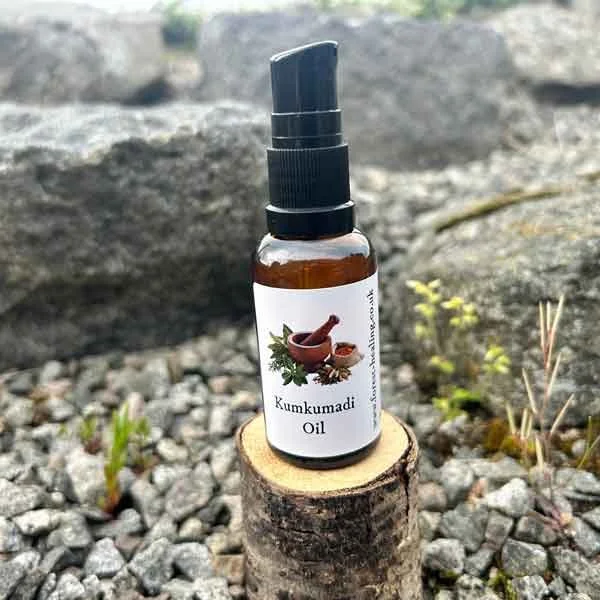
Kumkumadi Oil – An Ancient Ayurvedic Beauty Ritual for Radiant Skin
A luxurious botanical oil inspired by one of Ayurveda's most celebrated skincare traditions.
Kumkumadi Oil, also known as Kumkumadi Tailam, is a traditional Ayurvedic blend centred around saffron – one of the world's most treasured botanicals. For centuries, this richly infused oil has been used in India as part of daily self-care rituals designed to support healthy, radiant-looking skin.
Our Kumkumadi Oil is crafted from saffron and a complex blend of over twenty Ayurvedic herbs and botanicals infused into nourishing sesame oil. Among its ingredients are saffron, red sandalwood, vetiver, licorice, blue water lily, lotus, Indian madder, and other traditional plant extracts that have been valued in Ayurvedic practice for generations.
The aroma is warm, earthy, and subtly exotic, carrying the scent of herbs, flowers, and precious botanicals. Applied as part of an evening skincare ritual, it encourages a slower, more mindful approach to self-care — transforming a simple skincare routine into a moment of reflection and restoration.
Traditionally, Kumkumadi Oil has been used to help improve the appearance of skin tone and texture, support a brighter complexion, and promote skin that appears healthy, smooth, and nourished. Saffron, the signature ingredient from which the oil takes its name, has long been prized for its association with luminosity and radiance.
At Forest Healing, we see products like Kumkumadi Oil as more than cosmetic treatments. They offer an opportunity to slow down, pay attention, and cultivate a deeper relationship with yourself through simple daily rituals. Just as Forest Bathing invites us to reconnect with nature, mindful self-care invites us to reconnect with ourselves.
Ways to use Kumkumadi Oil:
• Apply a few drops to clean skin as part of an evening skincare ritual
• Massage gently into the face and neck before bed
• Use during mindfulness or self-care practices
• Incorporate into a slow, restorative evening routine
• Combine with quiet reflection, journalling, or meditation
A beautiful Ayurvedic botanical oil that brings together ancient wisdom, plant-based care, and the art of slowing down.
Postage and Packing is £2 for up to three 30ml bottles in the UK.
Due to insurance and liability reasons, we no longer ship our essential oils to the USA or Canada - Sorry!

These terracotta leaves measure approximately 50mm by 35mm and will hold one or two drop of essential oils. They can be put on top of a radiator to emit the scents faster, or put in your sock draw once the oil has been absorbed to make your socks smell nature-fresh.
Postage is £2 on their own but can be combined with essential oil orders at no extra cost.

‘Each Sunrise is a Reminder That With Every New Day’ and ‘The Language of the Leaves & the Wisdom of the Winds’ – Forest Inspiration Greetings Card
A gentle message from the natural world, carried on paper.
These beautifully illustrated Forest Healing greetings card, Each Sunrise is a Reminder That With Every New Day and The Language of the Leaves & the Wisdom of the Winds, are inspired by the quiet intelligence of trees and the unseen conversations of the natural world. It reflects the idea that nature is always speaking — through rustling leaves, shifting winds, changing light, and the subtle presence of the living landscape around us.
Designed for moments of reflection, connection, and care, this card is more than a greeting. It is a small reminder of the deeper relationship we can have with the natural world, and with one another. Whether sent as a message of encouragement, gratitude, sympathy, or simple kindness, it carries a sense of stillness and grounded presence.
The imagery evokes woodland atmospheres and the poetic language of nature — inviting the recipient to pause, breathe, and reconnect with something slower and more enduring than everyday life.
Printed on high-quality card, it is left blank inside for your own words, allowing you to shape its meaning for any occasion.
Ideal for:
• Messages of comfort, support, or encouragement
• Nature-inspired birthdays and seasonal greetings
• Mindful, meaningful correspondence
• Pairing with Forest Healing books, oils, or gift sets
• Anyone who feels a connection to trees, wind, and wild places
At Forest Healing, we believe that even the simplest objects can carry a sense of relationship with the natural world. This card is a small expression of that — a reminder that nature is not separate from our lives, but quietly woven into them.
A message from the forest, waiting to be shared.
Each 148mm Square greetings cards is printed on premium grade card and sold with a self-adhesive white envelope. The inside of each card is left blank for your own message.

A Small Book of Coping With Eco-Anxiety
In a time of environmental uncertainty, it is natural to feel sadness, worry, grief, or overwhelm. Many people who care deeply about the natural world are finding themselves affected by eco-anxiety, climate anxiety, or eco-grief.
A Small Book of Coping With Eco-Anxiety offers a gentle and practical starting point for anyone who is feeling the emotional weight of environmental change. This small booklet explores what eco-anxiety is, why it can arise, and why those who feel especially connected to nature may be particularly sensitive to its loss or alteration.
Rather than turning away from these feelings, the booklet invites you to meet them with awareness, compassion, and care. It offers simple reflections and coping suggestions to help you steady yourself when feelings become heavy, reconnect with what supports you, and find small but meaningful ways to respond.
Created in the spirit of Forest Healing, this booklet recognises that our relationship with the natural world is deeply emotional as well as practical. When the world around us feels fragile, it can help to return to nature not only as something we seek to protect, but as a source of grounding, comfort, perspective, and belonging.
This is a small book, but it opens onto something important: the possibility of holding ecological grief without becoming overwhelmed by it, and of finding resilience through presence, connection, and care.
A gentle, practical booklet for anyone affected by eco-anxiety.
This 24-page booklet explores eco-anxiety, climate change anxiety, and eco-grief, with simple suggestions to help you cope. Written in the Forest Healing style, it offers a compassionate space to reflect on difficult feelings about the natural world and to find steadiness, perspective, and hope.
Postage and Packing is FREE within the UK and £4 for the Rest of the World.

A Small Book of Forest Bathing Invitations – Simple Practices to Deepen Your Connection with Nature
A gentle companion for anyone wishing to slow down and reconnect with the natural world.
This small 24-page booklet contains 10 Forest Bathing Invitations designed to guide you into a more direct, sensory relationship with nature. Each invitation is a simple, accessible practice that encourages you to step outside, pause, and experience the living world through sight, sound, touch, smell, and presence.
Forest Bathing, or Shinrin-yoku, is the practice of immersing yourself in nature with mindful awareness rather than destination or purpose. It is not about doing more, but about noticing more — allowing the natural world to become something you are in relationship with, rather than something you simply move through.
Inside this booklet, you will discover:
• 10 guided Forest Bathing Invitations to try outdoors
• An introduction to what Forest Bathing is and how it works
• An exploration of the benefits of nature connection for wellbeing
• Simple ways to begin or deepen your own forest bathing practice
• Support for creating your own moments of stillness in everyday landscapes
Each invitation is designed to be flexible and open-ended, so it can be experienced in woodland, parks, gardens, or any natural space that feels accessible to you. There is no right way to do it — only an invitation to slow down, tune in, and allow nature to meet you where you are.
Whether you are new to Forest Bathing or already familiar with nature-connection practices, this booklet offers a small but meaningful doorway into deeper presence, calm, and sensory awareness.
A pocket-sized guide to help you return, again and again, to the quiet intelligence of the living world.
P&P is FREE within the UK.
Postage to the Rest of the World is £4.

A Small Book of Silvotherapy – Simple Practices for Deepening Your Connection with Trees and Nature
A gentle introduction to the practice of connecting with trees.
Silvotherapy is a nature-based wellbeing practice that involves spending mindful time among trees to support physical, emotional, and psychological wellbeing. Closely related to Forest Bathing (Shinrin-yoku), it places particular emphasis on sensory awareness, presence, and the restorative relationship between humans and trees.
This small booklet contains 10 Silvotherapy activities designed to help you slow down, step outside, and experience nature in a more direct and embodied way. These practices are intentionally simple and accessible, encouraging you to engage your senses and notice the subtle ways trees and woodland environments can influence your state of mind.
Rather than focusing on theory, this booklet offers practical invitations to experience Silvotherapy for yourself — whether in a forest, a local park, or a single tree you return to regularly.
Inside, you will discover:
• 10 guided Silvotherapy activities to support deeper nature connection
• An introduction to what Silvotherapy is and how it relates to Forest Bathing
• Ways to engage your senses more fully when spending time with trees
• Simple practices that can help reduce stress and support calm and clarity
• Guidance for building your own ongoing relationship with the natural world
Silvotherapy is not about doing something complex or structured. It is about presence. It is about noticing how it feels to stand beneath a canopy, to touch bark, to listen to wind moving through branches, and to allow yourself to be affected by the living world around you.
These practices can be used anywhere you can find a tree — no special equipment or experience is needed. Over time, they can help deepen your sense of connection, grounding, and belonging within nature.
A small book, offering a quiet doorway back into relationship with trees.
P&P is FREE within the UK.
Postage to the Rest of the World is £4.

A Small Book of Nature Connection Ideas – Simple Outdoor Practices to Improve Wellbeing and Awareness
A gentle invitation to step outside and reconnect with the living world.
This small booklet contains 9 nature connection activities designed to help you slow down, notice more deeply, and experience the natural world in a more direct and meaningful way. These practices are suitable for children, young people, and adults, and can be carried out in gardens, parks, woodlands, or any accessible outdoor space.
Improving your connection with nature has been shown to support reduced stress, lower anxiety and depression, improved attention, and greater overall psychological wellbeing. This booklet offers simple, practical ways to begin experiencing those benefits for yourself through direct engagement with the natural environment.
Rather than requiring special equipment or prior experience, these ideas are designed to be easy to follow and adaptable to your surroundings. Each activity encourages curiosity, sensory awareness, and a slower, more attentive way of being outdoors.
Inside this booklet you will discover:
• 9 simple nature connection activities for all ages
• An introduction to what nature connection is
• An overview of the benefits of spending mindful time in nature
• Pathways for deepening your awareness of the natural world
• Practical ways to integrate nature connection into everyday life
These activities are not about achieving a goal or completing a task. They are about shifting attention — from thinking to sensing, from doing to noticing, from separation to relationship.
Whether you are completely new to nature connection or looking for small ways to deepen your existing practice, this booklet offers a simple starting point that can be returned to again and again.
A small book, designed to help you rediscover the quiet richness of the world just outside your door.
P&P is FREE within the UK.
Postage to the Rest of the World is £4.
I ordered these in the wrong weight and they are printed on 115 gsm silk paper with 170 gsm covers rather than the 150 gsm / 250 gsm I usually order, so I am selling them off at half price in bundles of 10.
A Small Book of Nature Connection Ideas – Simple Outdoor Practices to Improve Wellbeing and Awareness
A gentle invitation to step outside and reconnect with the living world.
This small booklet contains 9 nature connection activities designed to help you slow down, notice more deeply, and experience the natural world in a more direct and meaningful way. These practices are suitable for children, young people, and adults, and can be carried out in gardens, parks, woodlands, or any accessible outdoor space.
Improving your connection with nature has been shown to support reduced stress, lower anxiety and depression, improved attention, and greater overall psychological wellbeing. This booklet offers simple, practical ways to begin experiencing those benefits for yourself through direct engagement with the natural environment.
Rather than requiring special equipment or prior experience, these ideas are designed to be easy to follow and adaptable to your surroundings. Each activity encourages curiosity, sensory awareness, and a slower, more attentive way of being outdoors.
Inside this booklet you will discover:
• 9 simple nature connection activities for all ages
• An introduction to what nature connection is
• An overview of the benefits of spending mindful time in nature
• Pathways for deepening your awareness of the natural world
• Practical ways to integrate nature connection into everyday life
These activities are not about achieving a goal or completing a task. They are about shifting attention — from thinking to sensing, from doing to noticing, from separation to relationship.
Whether you are completely new to nature connection or looking for small ways to deepen your existing practice, this booklet offers a simple starting point that can be returned to again and again.
A small book, designed to help you rediscover the quiet richness of the world just outside your door.
P&P is FREE within the UK.
Postage to the Rest of the World is £4.

A Small Book of Sit Spot Invitations – A Gentle Guide to Deepening Your Connection with One Place in Nature
A quiet practice of returning — again and again — to the same place in nature.
This small 24-page booklet contains 10 Sit Spot Invitations designed to help you build a deeper, more sustained relationship with the natural world by simply sitting and observing. Rather than moving through landscapes, Sit Spot invites you to stay with one place, allowing it to slowly reveal itself over time.
A Sit Spot is a chosen place in nature where you return regularly to sit in stillness, notice your surroundings, and observe the subtle changes that unfold through time, weather, light, and season. It is a simple but powerful practice that encourages presence, patience, and deep attention.
Rooted in nature connection practices and widely used within Forest Bathing (Shinrin-yoku) and nature-based wellbeing approaches, Sit Spot helps shift your experience from visiting nature to forming a relationship with it.
Inside this booklet you will find:
• 10 Sit Spot Invitations to guide your practice
• An introduction to what Sit Spot is and how it works
• Guidance on choosing and returning to your Sit Spot location
• Simple practices for deepening sensory awareness and observation
• Ways to build a regular, restorative nature connection habit
Each invitation is designed to gently focus your attention — whether on sound, movement, light, stillness, or the changing presence of wildlife. Over time, these repeated moments of quiet attention can deepen your sense of belonging within the living world around you.
Sit Spot is not about doing more. It is about noticing more. It is about allowing the natural world to become familiar, intimate, and ever-changing — even when you are sitting in the same place.
This booklet is a small companion for anyone seeking calm, grounding, and a more meaningful relationship with nature through stillness and repetition.
A simple practice. A single place. A deeper way of seeing.
P&P is FREE within the UK.
Postage to the Rest of the World is £4.
I ordered these in the wrong weight and they are printed on 115 gsm silk paper with 170 gsm covers rather than the 150 gsm / 250 gsm I usually order, so I am selling them off at half price in bundles of 10.
A Small Book of Sit Spot Invitations – A Gentle Guide to Deepening Your Connection with One Place in Nature
A quiet practice of returning — again and again — to the same place in nature.
This small 24-page booklet contains 10 Sit Spot Invitations designed to help you build a deeper, more sustained relationship with the natural world by simply sitting and observing. Rather than moving through landscapes, Sit Spot invites you to stay with one place, allowing it to slowly reveal itself over time.
A Sit Spot is a chosen place in nature where you return regularly to sit in stillness, notice your surroundings, and observe the subtle changes that unfold through time, weather, light, and season. It is a simple but powerful practice that encourages presence, patience, and deep attention.
Rooted in nature connection practices and widely used within Forest Bathing (Shinrin-yoku) and nature-based wellbeing approaches, Sit Spot helps shift your experience from visiting nature to forming a relationship with it.
Inside this booklet you will find:
• 10 Sit Spot Invitations to guide your practice
• An introduction to what Sit Spot is and how it works
• Guidance on choosing and returning to your Sit Spot location
• Simple practices for deepening sensory awareness and observation
• Ways to build a regular, restorative nature connection habit
Each invitation is designed to gently focus your attention — whether on sound, movement, light, stillness, or the changing presence of wildlife. Over time, these repeated moments of quiet attention can deepen your sense of belonging within the living world around you.
Sit Spot is not about doing more. It is about noticing more. It is about allowing the natural world to become familiar, intimate, and ever-changing — even when you are sitting in the same place.
This booklet is a small companion for anyone seeking calm, grounding, and a more meaningful relationship with nature through stillness and repetition.
A simple practice. A single place. A deeper way of seeing.
P&P is FREE within the UK.
Postage to the Rest of the World is £4.
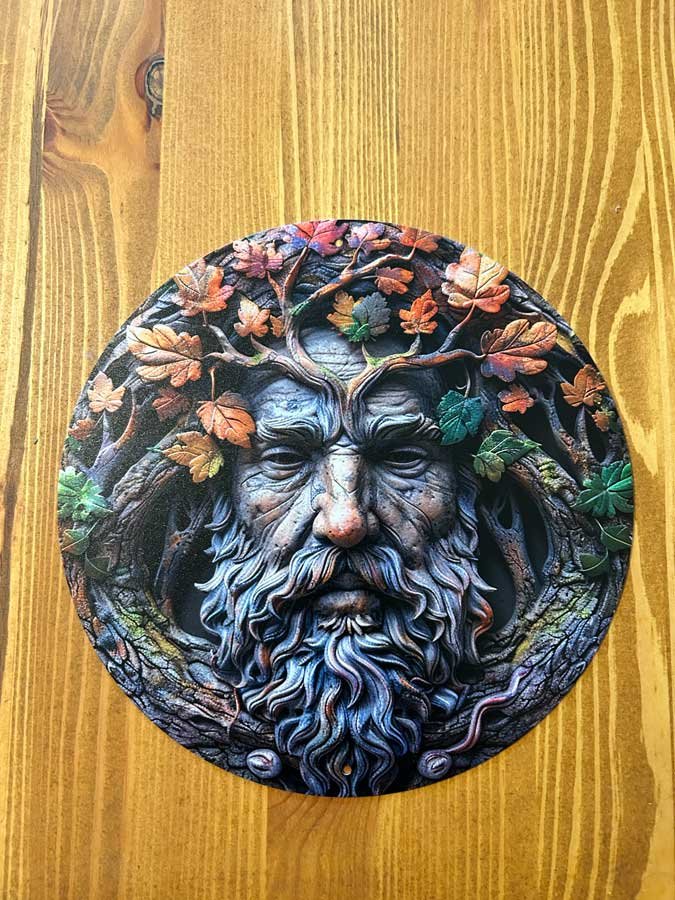
These feature a picture of a Green Man, printed on a 20cm metal disc, with a choice of an Oak or Holly background and theme.
They include a small hole at the top and bottom for fixing. Please note that these are not embossed.
They are £9 each including postage.
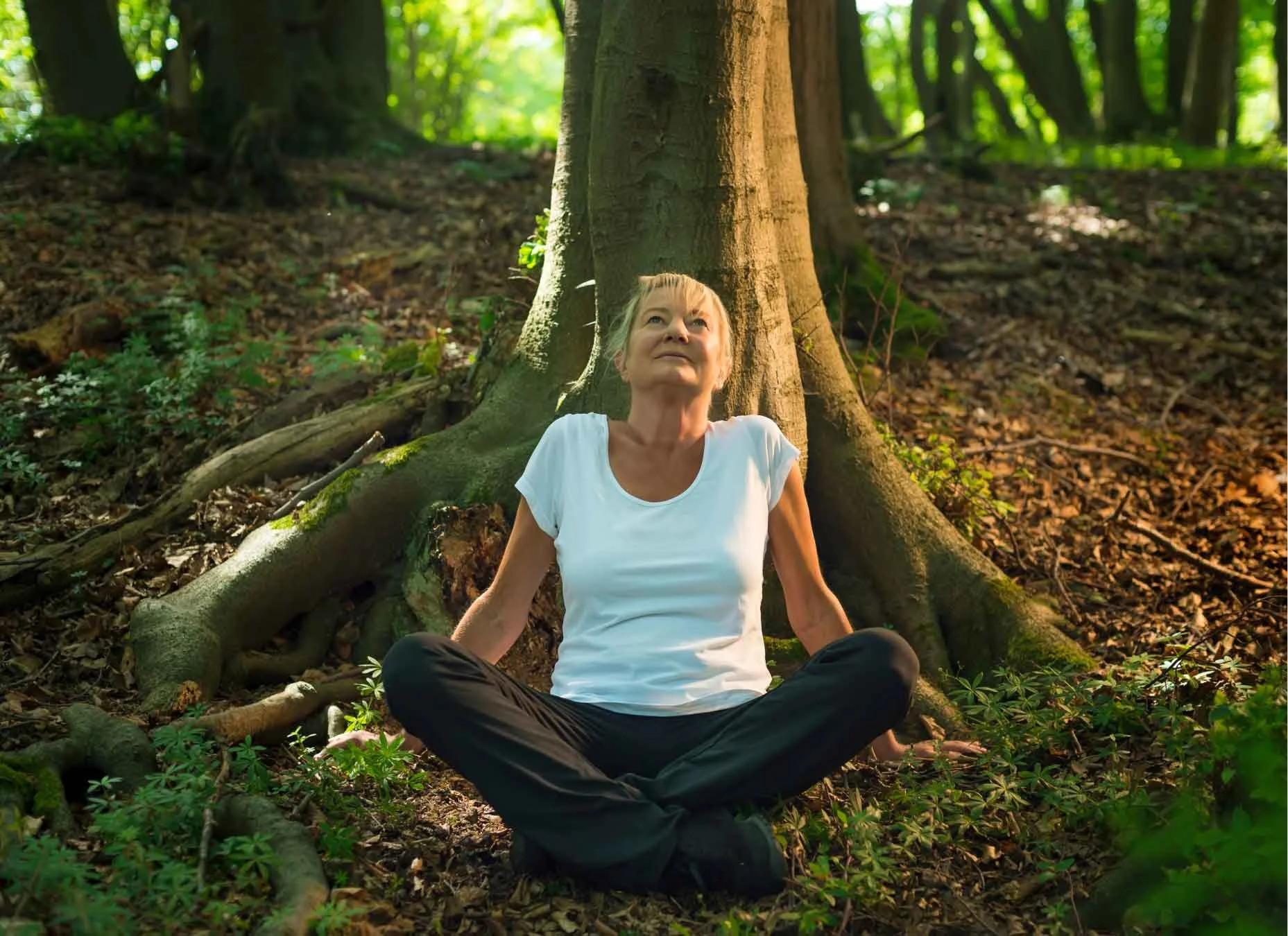
There is something rather special about the expression holding space. It suggests that sometimes we do not need somebody to tell us what to do, give us advice, solve our problems or make our pain disappear. Sometimes what we need most is simply for somebody to remain alongside us while we experience whatever it is that we are experiencing.
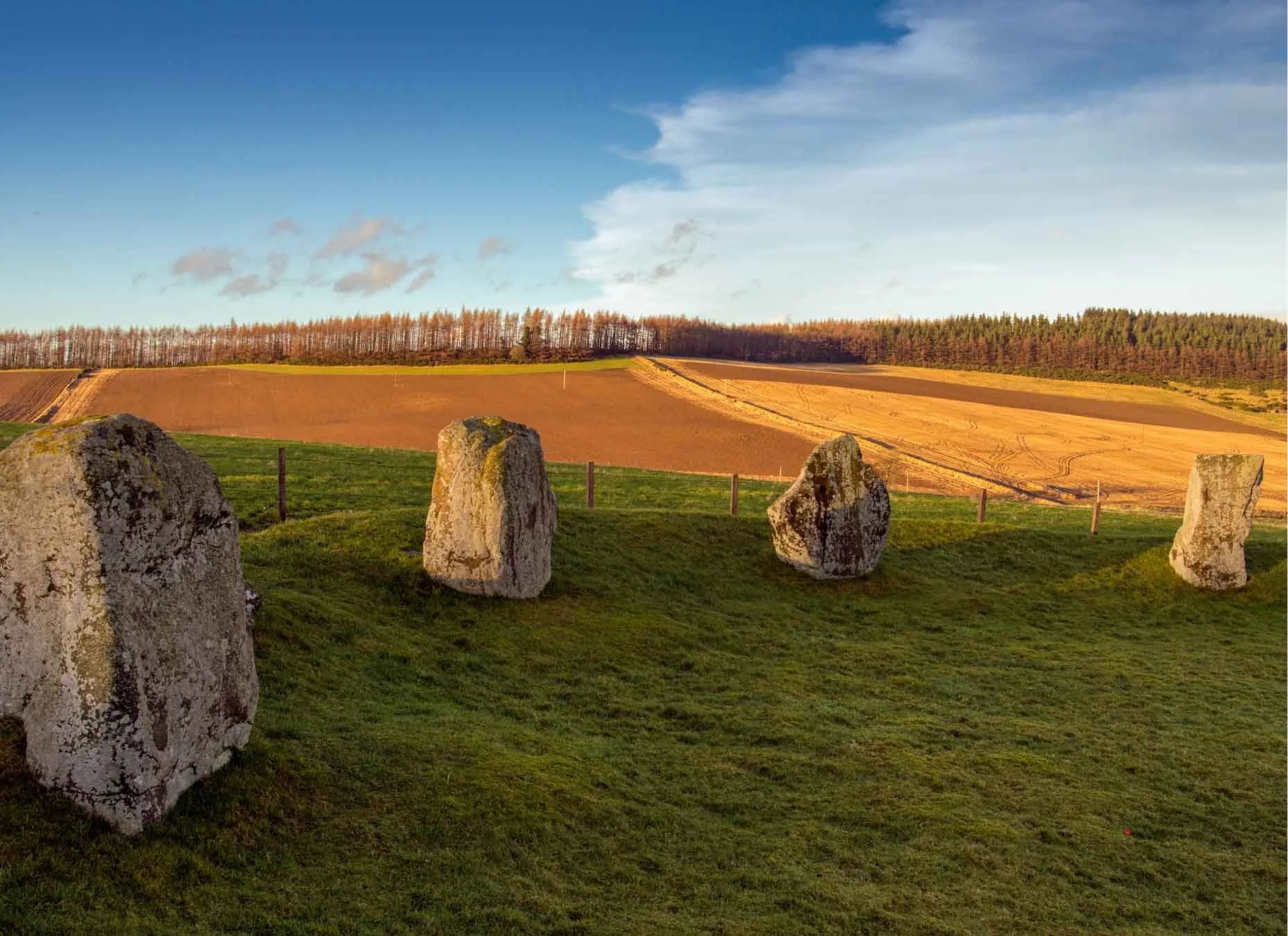
Explore the significance of the Autumnal Equinox in Celtic and Pictish Scotland, from harvest traditions and the journey towards Samhain to ancient solar alignments and our changing relationship with the natural world.
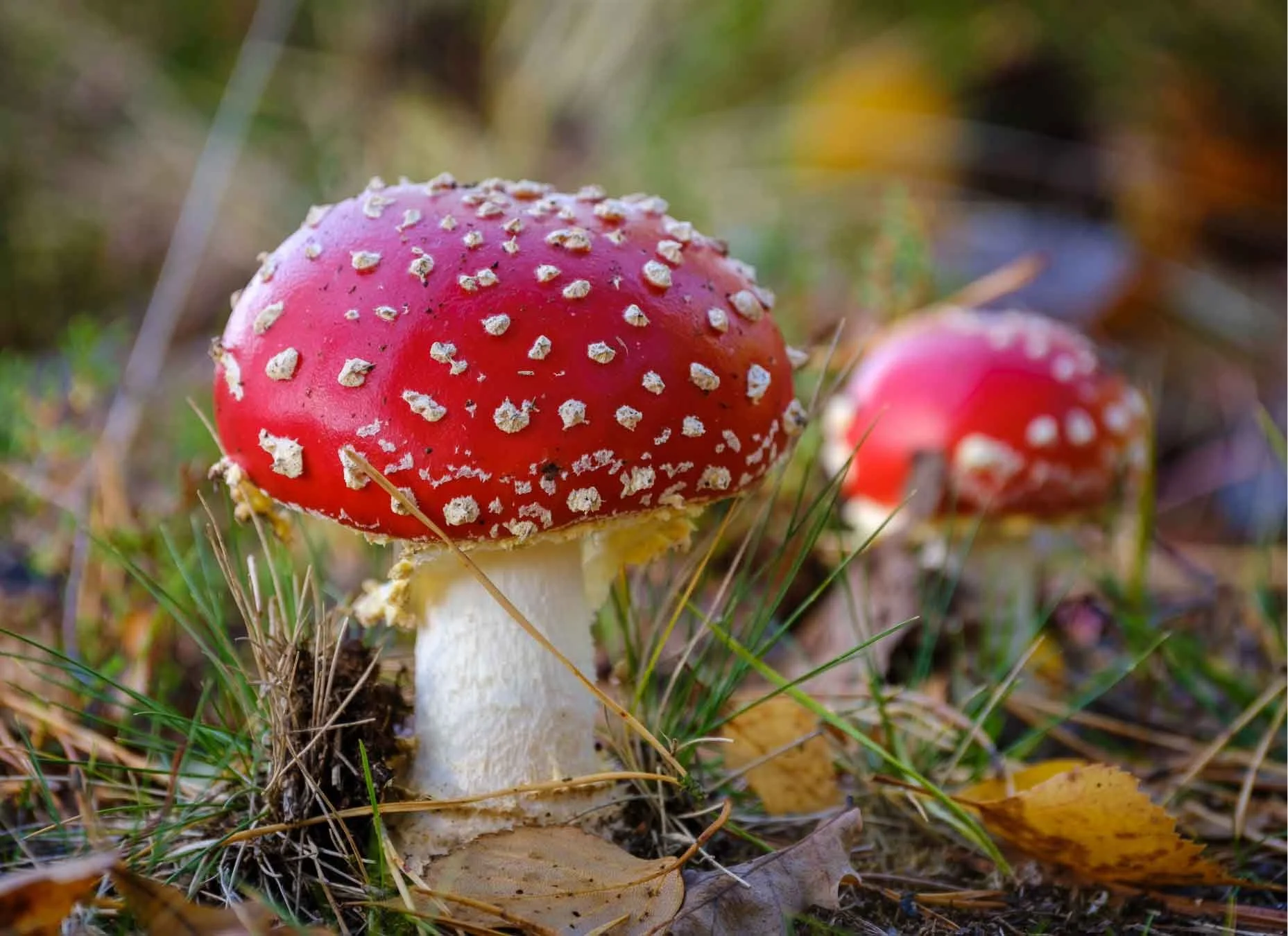
As we walk through the woods at this time of year, there are few mushrooms more recognisable than the Fly Agaric, Amanita muscaria. Its brilliant scarlet cap, scattered with white remnants of the veil that once enclosed the young mushroom, has become almost synonymous with the idea of the mushroom itself. It appears in fairy tales, children’s books, Christmas decorations and folklore, where it often seems to occupy a world somewhere between botany and enchantment. Yet the most fascinating thing about Fly Agaric may be considerably less visible.

Have you ever been sitting quietly in a forest when, quite unexpectedly, you felt tears welling up in your eyes? Perhaps nothing particularly sad had happened. Nobody had said anything upsetting and there was no obvious reason for the tears. You were simply sitting beneath the trees, listening to the wind moving through the leaves, noticing the birdsong, feeling your feet on the earth, and then suddenly … there they were.
Tears.

We are accustomed to thinking about time in terms of hours, days and years. We remember birthdays, anniversaries and seasons. We think about what happened last week, what we might do next month, perhaps what we hope to achieve over the next few years.
But standing beside a Neolithic monument can stretch the imagination in a completely different direction. Suddenly, fifty years seems very small. A hundred years is barely a moment. A thousand years feels strangely close.
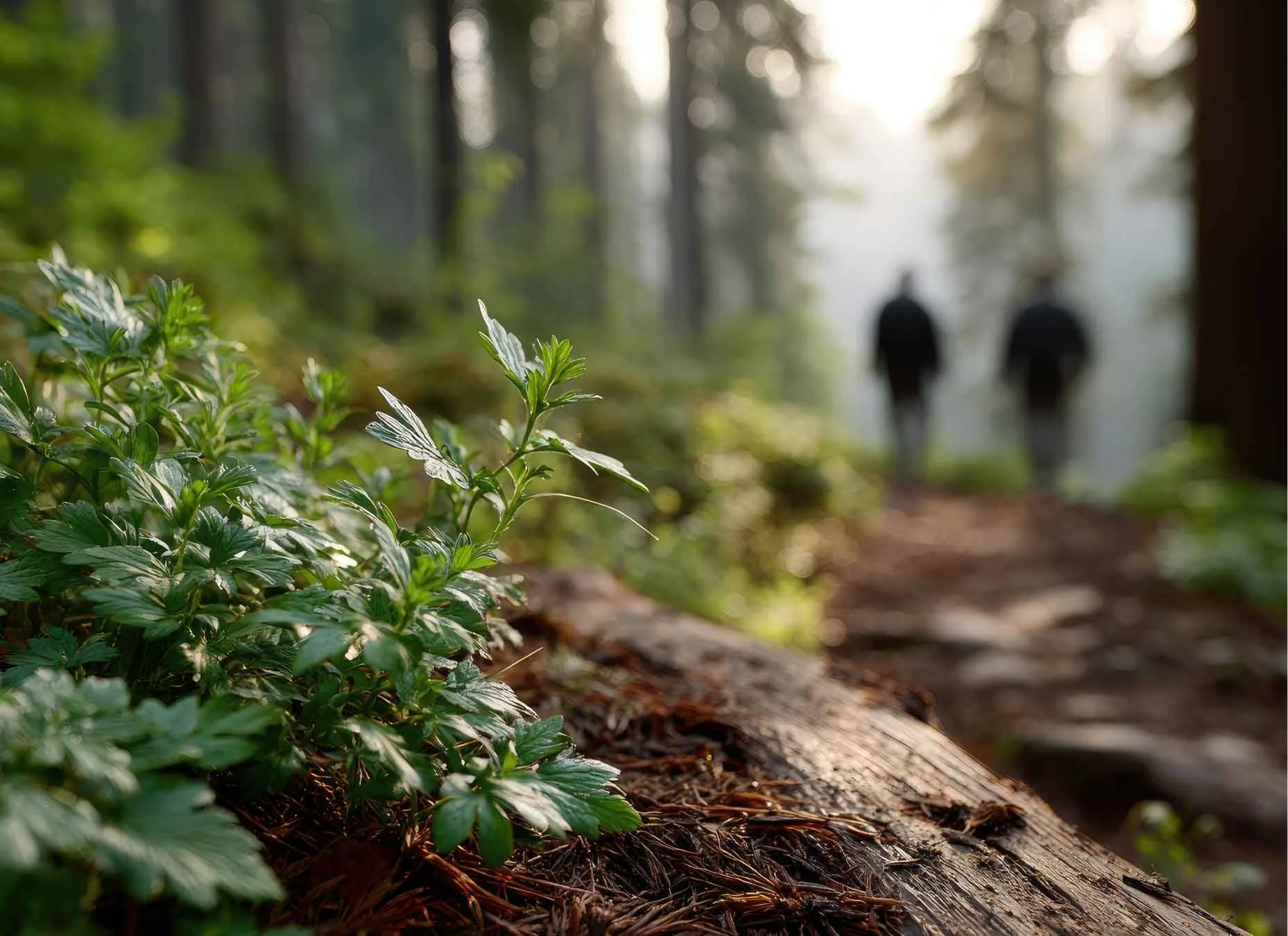
When therapeutic interactions move outside of the ‘consulting room’ and into nature, something interesting seems to happen. Nature can create a shared space where we walk alongside one another, notice the world together, and sometimes discover that healing becomes less about what one person does to another and more about how two people can explore things together.

Discover why smell is such an important part of our connection with nature. Explore how the scents of woodlands, earth, trees and seasons can influence relaxation, memory, mood and wellbeing — and discover simple ways to awaken your sense of smell during time outdoors.

For many years, researchers have explored the physical and psychological benefits of spending time in nature. Studies have shown that regular contact with the natural world can reduce stress, improve mood, lower blood pressure, support immune function, enhance creativity and increase our overall sense of wellbeing. More recently, scientists have begun asking an even more intriguing question: why does nature affect us so deeply?
One emerging answer comes from an unexpected place. It comes from attachment theory.

For a long time I have been a great fan of Laurie Davidson’s ‘Principles of Recovery’, which were initially applied to ‘Recovery’ within the field of mental health. Here I have decided to expand on them to develop my own ‘Recovery Through Nature Concepts and Principles’.
For each of the 10 original principles I will present the original ‘Recovery Principle’ and ‘What it Can Mean in Practice’ and then provide my own reflection on how this is applied in ‘Recovery Through Nature’.

As the long days of midsummer begin to soften and the countryside fills with ripening grain, heavy hedgerows and the first fruits of the harvest, an ancient Celtic festival quietly arrives. Lughnasadh (pronounced LOO-na-sa) marks the beginning of the harvest season and reminds us that abundance is something to notice, honour and share.

A walk amongst trees can slow the breath, soften the shoulders, and quiet the mind. But something subtler is often taking place too: the body is beginning to notice itself again. The feet register the ground. The chest rises and falls. The stomach murmurs. The muscles make tiny adjustments. The body, in other words, is speaking. And nature has a way of helping us listen.
This is where proprioception and interoception meet nature connection.

Silvotherapy is a gentle, tactile practice involving connecting with trees through touch, presence, and mindful attention. Here we explore what it is, why it differs from Forest Bathing, and how it better reflects the Forest Healing ethos.

Whilst we may never discover the hidden equations that govern the cosmos as Einstein did, each time we pause beneath an old tree, breathe deeply, and allow ourselves to become fully present, we participate in the same spirit of inquiry that guided one of history's greatest minds. We begin to understand — not everything, perhaps — but enough to live more gently, more attentively, and more fully within the living world.

Have you ever stood beneath a vast canopy, watched sunlight move through the trees, or felt that quiet, expansive feeling when the world suddenly seems bigger than your worries? That is awe — and science is beginning to show that it may be far more than a fleeting emotion.

In the practice of Forest Bathing, the imaginary sense can be described as a heightened perception or awareness of your surroundings that goes beyond the five traditional senses. It is an intuitive and imaginative way of experiencing nature and connecting with the forest environment on a deeper level.

The Summer Solstice has been celebrated for thousands of years, and people such as the Celts would have been able to observe the rising and setting of the sun and use those cycles to track the year using monument built with this purpose in mind.

Nature connectedness may be a key trait shared by both Forest Bathing and psychedelic therapy. Awe, flow, spirituality, and perceptual change are all fascinating parallels, but nature connectedness is where the research most clearly suggests that both approaches may be influencing the same underlying human capacity: the ability to experience ourselves as part of, rather than separate from, the living world.

Woodlands may be particularly well suited for autistic people because they often combine predictability with freedom. A forest path can be explored at your own pace. A tree, a texture, a pattern of light, a bird call, or the feel of moss can become a focus of interest without overwhelming the senses. Many autistic people thrive when they can choose how to engage, when to pause, and how much sensory input to allow in. Nature can offer that kind of autonomy.

In our modern world, silence is increasingly rare. Many of us live inside a constant stream of notifications, engines, background radio, traffic, and conversation. That matters, because the nervous system does not experience noise as neutral. It has to process it, filter it, and often defend against it. Quiet, by contrast, gives the body a chance to shift away from continual alertness.
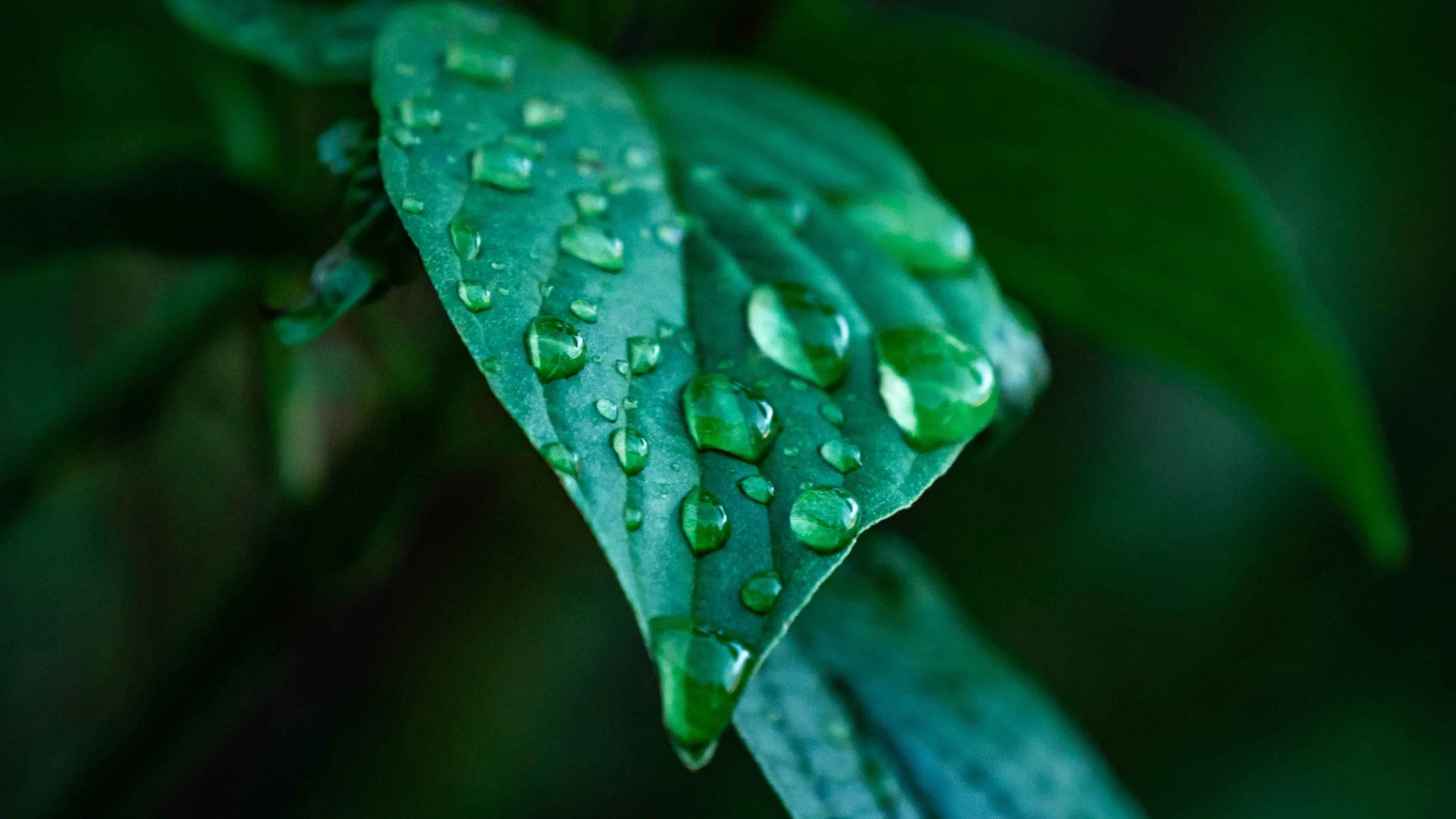
I sometimes offer Forest Bathing activities around interacting with rain inviting people to notice the rain, the sounds of drops falling, the silence between drops, the feeling of the rain on their skin, and noticing the smells that often follow rain or storms. There is actually a name for the earthy scent that we can smell when it first rains after a long period of dry weather, and that’s ‘Petrichor’.

Depression is one of the most common and disabling mental health conditions, and it affects mood, sleep, energy, motivation, concentration, self-worth, and day-to-day functioning. Alongside talking therapies, medication, movement, and social support, there is growing interest in approaches that help people regulate stress and reconnect with themselves and the world around them. Nature-based practices such as Forest Bathing, Forest Therapy, Shinrin-yoku, Silvotherapy, Sit Spot practice, and other forms of mindful nature connection are increasingly being studied as low-cost, low-risk ways to support mental wellbeing. Recent research suggests that these approaches can reduce depressive symptoms, improve sleep, and soften related difficulties such as rumination, stress, and emotional fatigue.

A landskein is not merely scenery, it is a dynamic visual relationship between the earth and air. The nearest hills appear dark, textured, and more substantial, while those further away soften into progressively paler tones. The farthest mountains may appear blue-grey, silver, or almost translucent against the horizon. This phenomenon is not simply aesthetic. It arises largely through the optical effects of Rayleigh scattering, the atmospheric process that scatters shorter wavelengths of light and alters the appearance of distant objects.

Anger is often treated as something to suppress, manage, or “fix.” It is framed as a problem of temperament, personality, or self-control. Yet if we pause long enough to listen more carefully, anger reveals itself as something far more meaningful — and perhaps far more ecologically based.
Anger is a signal.
It arises when something feels threatened, overwhelmed, unjust, or out of balance. It is the nervous system’s way of saying: something is not right here.

In a noisy, hurried world, it can be surprisingly hard to rest in the present moment. Our attention is tugged in several directions at once: screens, deadlines, messages, noise, and the quiet pressure to keep up. Nature mindfulness offers a gentler way back. At its heart, it is the practice of paying careful, non-judgemental attention while in contact with the natural world.

There is a quiet shift happening in how we understand health.
For years, the conversation has rested on three familiar pillars: eat well, move often, sleep deeply. These are still essential. They form the ground beneath our wellbeing — the daily practices that keep the body functioning and resilient.
But something has been missing.
Or perhaps, more accurately, something has been quietly waiting just beyond the edges of our awareness.
Nature.

Every year, Earth Day asks us to pause and remember a simple truth: we are not separate from the Earth, but part of it. This year’s theme, “Our Power, Our Planet,” carries that message with particular clarity. It reminds us that meaningful environmental change does not begin in distant institutions alone, but in the choices, relationships, and communities that shape daily life.

For early humans, fire was not simply a tool. It was a presence. It was warmth in the cold, light in the darkness, protection against the unknown, and a place to gather. The discovery of fire was one of the most transformative moments in human history, but its importance goes far beyond cooking or survival. Fire shaped how people related to one another. It created spaces for conversation, storytelling, learning, and belonging.
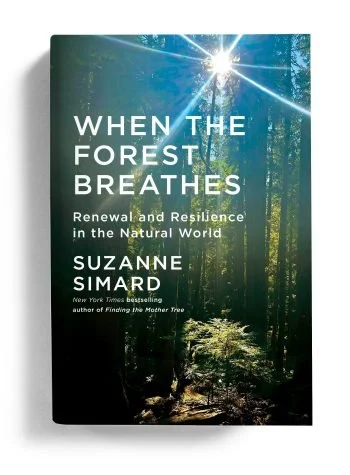
What if forests are not just places we visit, but communities we belong to?
In her new book, Suzanne Simard explores the hidden networks that connect trees, revealing forests as living systems built on cooperation, care, and continuity. When the Forest Breathes is both a scientific exploration and a deeply human reflection on resilience, renewal, and our place within the natural world.
In this latest article we explore Simard’s powerful message—and what it means for how we relate to forests today.

Studies show that nature-based therapies can sometimes evoke powerful feelings of presence, belonging, and awe. Participants often describe moments when the natural world helps them see their lives from a new perspective, process difficult emotions, and rediscover hope. These experiences don’t necessarily involve religion. Instead, they often arise through simple encounters with the living world — walking through woodland, listening to water, or quietly observing the rhythm of nature.

Integrating nature into work routines can significantly boost cognitive performance and deep-focus capacity. Decades of research – from Kaplan’s Attention Restoration Theory to modern EEG studies – show that natural environments replenish attention and improve memory and executive control
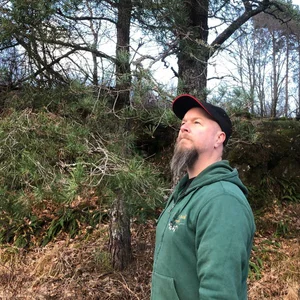 Hugh Asher
I’m Hugh and I’m a Certified Forest Bathing Guide and Forest Therapy Practitioner, having trained with the Forest Therapy Institute and the Forest Therapy Hub. My purpose in life is to inspire people to improve their wellbeing, and to help people to help and inspire others to improve their wellbeing. I do this through promoting greater nature connection as I am a passionate believer in the benefits to health and wellbeing that nature and increased connection to nature can bring.
Professionally, I have worked for over twenty years supporting people experiencing: mental health problems; autism; learning disabilities; school exclusion; experience of the care system; and a history of offending behaviour. Currently I am the ‘Recovery Through Nature Lead’ in a residential rehab for people experiencing drug and alcohol problems.
I have a PhD in Therapeutic Relationships, but Dr. Hugh makes me sound too much like a Time Lord.
A small collection designed to gently open the door into deeper relationship with the natural world.
This complete set of four Forest Healing booklets brings together practical guidance, reflective ideas, and simple nature connection practices that can be used anywhere — from ancient woodland to a nearby park, garden, or even a single Sit Spot outdoors.
Written to be accessible, grounding, and easy to follow, these booklets offer a pathway into the core practices of Forest Bathing (Shinrin-yoku), Silvotherapy, and everyday nature connection. Rather than asking you to achieve anything, they simply invite you to slow down, notice more deeply, and allow nature to become an active presence in your wellbeing.
Across the four booklets you will explore:
• What Forest Bathing, Silvotherapy, and Nature Connection actually are
• The key benefits of spending mindful time in natural environments
• The practice of the “Sit Spot” and how to develop your own relationship with a chosen place
• Simple, practical Forest Bathing invitations you can try alone or with others
• Ways to bring nature connection into everyday life, even in small moments
Together, they form a gentle introduction to practices that have been shown to support reduced stress, improved mood, greater clarity of thought, and a deeper sense of belonging within the natural world.
These are not academic texts or rigid instruction manuals. They are invitations — encouraging you to step outside, slow your pace, and rediscover the quiet intelligence of trees, weather, and landscape.
Whether you are completely new to nature connection or looking to deepen an existing practice, this collection offers a simple, supportive starting point for building a more intentional and restorative relationship with the living world around you.
A small set of booklets that can change the way you experience even the most familiar patch of nature.
Buy all Four Forest Bathing and Nature-Connection Booklets for £11.00 including FREE P&P within the UK.
Postage to the Rest of the World is £4.