

Building Resilience Through Increased Nature Connection
Sunday 21st May 2023
This last article of the week, to mark Mental Health Awareness Week, explore the concept of resilience, why it is important, what can reduce our resilience and why increasing our nature connection is an effective way to build resilience.
In an increasingly fast-paced and complex world, building resilience has become a valuable skill. Resilience enables us to bounce back from adversity, adapt to challenges, and thrive in the face of uncertainty. While there are numerous strategies to enhance resilience, one powerful and often overlooked approach is connecting with nature.
What is Resilience?
Resilience is the ability to bounce back, adapt, and recover from setbacks, challenges, or adversity. It is the capacity to withstand and navigate difficult or stressful situations, maintain a positive mindset, and effectively cope with stress, change, or trauma. Resilient individuals are able to recover from setbacks, learn from experiences, and grow stronger in the process. Resilience involves developing skills and strategies to effectively manage emotions, problem-solve, maintain social connections, and seek support when needed. It is an essential trait that helps individuals thrive in the face of adversity and maintain well-being in challenging circumstances.

-
In many ways, resilience is like a rubber band ….
Flexibility
Like a rubber band, resilience involves flexibility and the ability to adapt to different situations. Just as a rubber band can stretch and return to its original shape, resilient individuals can adjust and bounce back from adversity. They have the capacity to be flexible in their thinking, emotions, and behaviors, allowing them to find alternative solutions and navigate challenges effectively.Elasticity
Resilience is characterised by elasticity, similar to that of a rubber band. When pulled or stretched, a rubber band can absorb and withstand tension without breaking. Similarly, resilient individuals can absorb and manage stress, setbacks, and pressure without becoming overwhelmed or giving up. They have the capacity to maintain their core strengths and values while adapting to changing circumstances.Rebound
When a rubber band is released after being stretched, it snaps back into shape. Resilience operates in a similar manner. Resilient individuals have the ability to recover and bounce back after facing difficulties. They can recover from setbacks, learn from their experiences, and move forward with renewed determination and purpose.Strength and Durability
A rubber band is designed to be strong and durable. Resilience shares these characteristics. Resilient individuals possess inner strength and the ability to withstand challenges. They have developed coping mechanisms, problem-solving skills, and emotional intelligence that enable them to navigate adversity and maintain their wellbeing.Capacity to Hold Tension
A rubber band can hold tension without breaking or losing its integrity. Similarly, resilience allows individuals to hold the tension of difficult emotions, uncertainty, and adversity while remaining intact. Resilient individuals can manage and regulate their emotions, stay focused, and make effective decisions even in challenging circumstances.It's important to note that while a rubber band has limits to how much it can stretch before breaking, resilience is not about enduring limitless stress or adversity. However, in the same way that if you overstretch a rubber band, it will no longer return to how it was before being stretched, if we are stretched for too long it reduces the speed at which we are able to return to ‘normal’
For this reason, resilience also involves recognising personal boundaries and seeking support when necessary to avoid reaching a breaking point or becoming overstretched.
-
Here are some common factors that can undermine resilience:
Chronic Stress
Sustained exposure to high levels of stress (spending too long in The Panic Zone) can gradually erode resilience. When individuals experience ongoing stress without adequate opportunities for rest, recovery, and self-care, it can deplete their psychological and physical resources, making it more challenging to bounce back from setbacks.Lack of Social Support
Social connections and support systems play a significant role in resilience. When individuals lack strong relationships or a supportive network, they may feel isolated and struggle to cope with challenges effectively. Having a reliable support system can provide encouragement, advice, and a sense of belonging that helps build resilience.Negative Thinking Patterns
Pervasive negative thinking, such as pessimism, self-criticism, and a focus on limitations or failures, can diminish resilience. Negative thought patterns can lead to a narrow perspective, hinder problem-solving abilities, and drain emotional resources. Cultivating a more positive and optimistic mindset can enhance resilience.Limited Coping Strategies
Individuals with fewer coping skills may struggle to effectively manage stress and adversity. Coping mechanisms, such as problem-solving, seeking social support, practicing self-care, or engaging in relaxation techniques, are essential for resilience. Without a diverse set of coping strategies, individuals may find it difficult to adapt and recover from challenging situations.Lack of Self-Care
Neglecting self-care activities, such as proper sleep, healthy eating, exercise, and relaxation, can undermine resilience. Taking care of one's physical and mental well-being is crucial for building and maintaining resilience. Without adequate self-care, individuals may experience increased stress, reduced cognitive function, and weakened emotional resilience.Traumatic Experiences
Experiencing significant trauma, such as abuse, loss, or a major life-threatening event, can impact resilience. Trauma can overwhelm an individual's coping mechanisms and result in long-lasting emotional and psychological effects. Healing and recovery from trauma often require specialized support and interventions to rebuild resilience.It is important to note that resilience is not a fixed trait but can be cultivated and strengthened over time. By addressing these factors and actively working on building resilience through self-care, positive thinking, seeking support, and developing coping strategies, individuals can enhance their ability to navigate challenges and bounce back from adversity.
-
Resilience can be exemplified by Bob the Builder, the popular animated character known for his can-do attitude and problem-solving skills. Bob's character embodies several key aspects of resilience:
Positive Mindset
Bob approaches challenges with optimism and a positive mindset. Despite facing obstacles or setbacks, he maintains a belief in his ability to find solutions and overcome difficulties. This positive attitude allows him to persevere and maintain a sense of hope, which is a fundamental aspect of resilience.Adaptability
Bob is highly adaptable and resourceful. He demonstrates the ability to quickly assess a situation, adjust his plans if needed, and find creative solutions to unexpected problems. Whether it's changing construction plans due to unforeseen circumstances or improvising with available materials, Bob's adaptability reflects an important aspect of resilience—being flexible and open to change.Problem-Solving Skills
Bob is an excellent problem solver. He approaches challenges with a logical and analytical mindset, breaking down complex tasks into manageable steps. He uses his expertise, creativity, and collaboration with his team to find practical solutions. This problem-solving ability is crucial in resilience, as it enables individuals to identify options, make informed decisions, and take action to overcome obstacles.Perseverance and Determination
Bob's unwavering determination is evident throughout his endeavors. He does not give up easily, even when faced with significant difficulties. He persists in his efforts, motivated by his commitment to completing the task at hand. This perseverance in the face of adversity is a hallmark of resilience, as it allows individuals to stay focused, resilient, and committed to their goals.Social Support and Teamwork
Bob understands the importance of collaboration and relies on his team for support. He values the diverse skills and perspectives of his colleagues and encourages teamwork to accomplish tasks efficiently. Bob's ability to seek help, delegate responsibilities, and build strong relationships exemplifies the importance of social support in resilience. Building and maintaining a supportive network can provide emotional support, encouragement, and assistance during challenging times.As described with Bob the Builder, resilience is demonstrated as a combination of positive mindset, adaptability, problem-solving skills, perseverance, and the recognition of the importance of social support. Bob's can-do attitude and determination inspire viewers to believe in their own abilities and face challenges head-on, showcasing the qualities that contribute to resilience in action.
What is Nature Connection?
Nature connection refers to the deep and meaningful relationship that we can form with the natural world, and the mental, physical and emotional benefits that can be felt as a consequence of spending time in nature. It involves engaging with nature through our senses immersing ourselves in nature, observing its patterns and rhythms, and recognising our interconnectedness with the natural environment. This connection can take many forms, from spending time mindfully connecting with nature in woods, forests or parks, to engaging in outdoor activities like walking in nature, gardening, or simply observing wildlife.
So how does nature connection foster resilience? Some of the benefits include:
A Sense of Perspective
When we are in nature, we can see the bigger picture of life. The natural world is bigger than us, and it puts our problems in perspective. Nature reminds us that there are bigger forces at work, and that we are just a small part of the world. This can help us to let go of minor problems and focus on the things that truly matter.Stress Reduction
Nature has a calming effect on the human mind and body. Research shows that spending time in natural environments can lower stress levels, reduce anxiety, and improve overall wellbeing. Nature provides a peaceful and calming space where we can relax and unwind. By immersing ourselves in nature, we can disconnect from the pressures of daily life and find pleasure in the tranquility and beauty of the natural world. Spending time in nature can also help us to feel more grounded and centred, and less reactive to stressors in our lives. This stress reduction plays a crucial role in enhancing resilience by allowing us to manage challenges with a clearer and more focused mindset, making us more resilient in the face of challenges.Emotional Wellbeing
Nature connection has a profound impact on our emotional well-being. It can evoke feelings of awe, wonder, and joy, leading to positive emotions and a greater sense of happiness. When faced with adversity, individuals with a strong nature connection often draw upon these positive emotions and find solace in the beauty and resilience of the natural world. This emotional resilience helps them navigate difficulties more effectively and maintain a hopeful outlook even in challenging times.Perspective and Adaptability
Nature operates in cycles, displaying a constant process of growth, decay, and renewal. By observing and understanding these patterns, we gain a broader perspective on life's ups and downs. Nature's inherent resilience teaches us that change is a natural part of existence and that adaptation is key to survival. This knowledge can be applied to our own lives, helping us develop a mindset of flexibility and adaptability in the face of adversity. When we connect with nature, we tap into its wisdom and learn to embrace change as an opportunity for growth.Connection and Support
Nature connection often involves engaging with others who share a love for the outdoors. Whether it's participating in group walks, joining conservation initiatives, or simply engaging in conversations with like-minded individuals, these connections provide a support network that fosters resilience. Being part of a community that values and appreciates nature can offer a sense of belonging and social support, which are crucial factors in building resilience. Shared experiences in nature can also inspire and motivate us to overcome challenges, knowing that we are not alone in our journey.
Final Thoughts
Nature connection offers a powerful pathway to resilience - by immersing ourselves in the natural world, we can reduce stress, enhance emotional well-being, gain perspective, and develop adaptive skills. Nature reminds us of our place in the larger tapestry of life and provides inspiration, solace, and support during difficult times. So, let us embrace the beauty of nature and harness its profound benefits to cultivate resilience in our lives. If you need help getting started then give our Free 28-Day Sit Spot and Nature Connection Practice programme a try; order some of our Nature-Connection Activity Booklets or speak to us about our Nature-Based Wellbeing Plans.





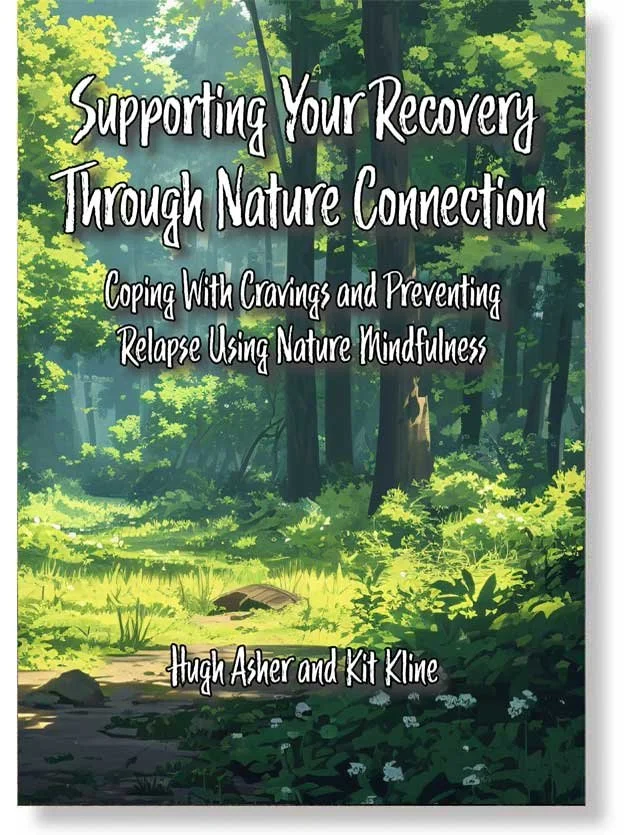















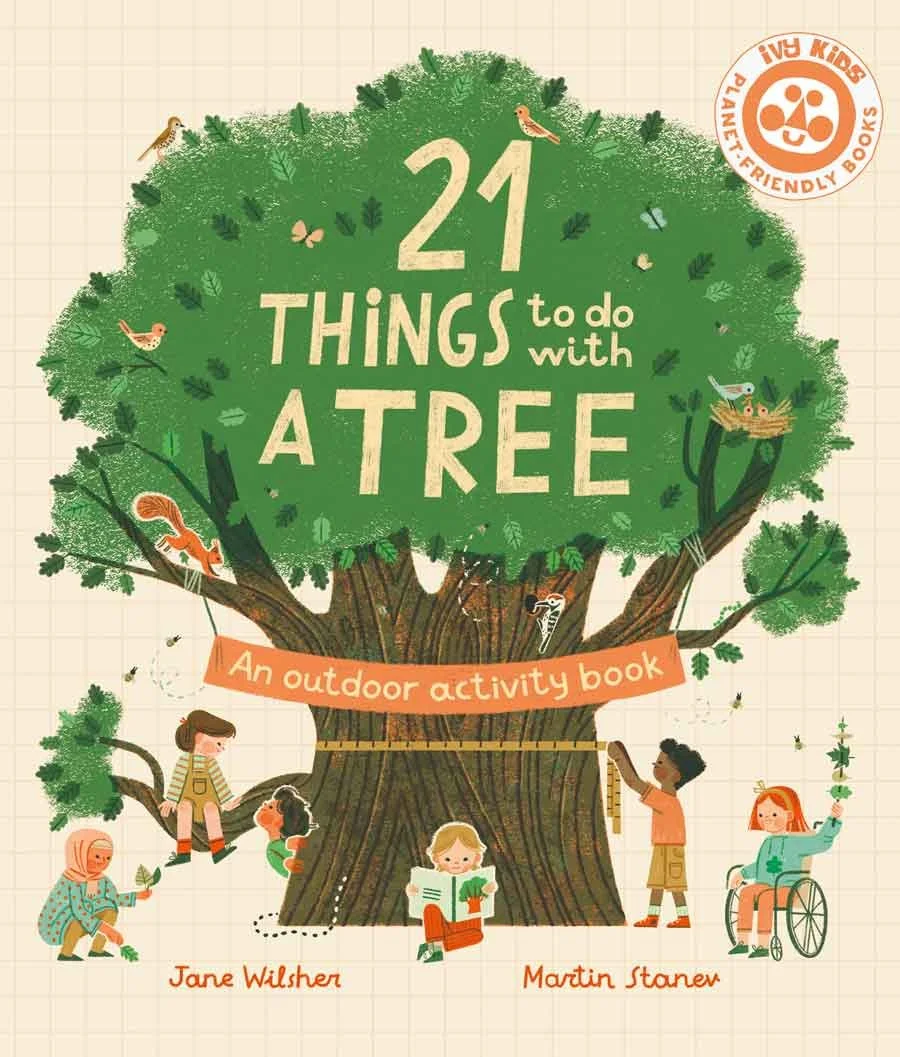


























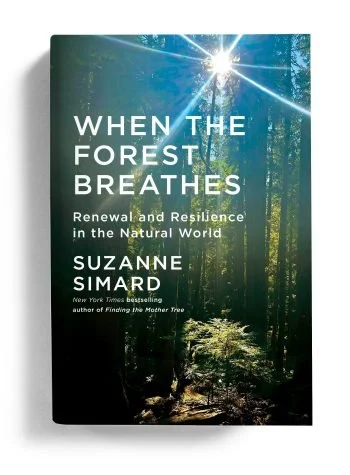




A small collection designed to gently open the door into deeper relationship with the natural world.
This complete set of four Forest Healing booklets brings together practical guidance, reflective ideas, and simple nature connection practices that can be used anywhere — from ancient woodland to a nearby park, garden, or even a single Sit Spot outdoors.
Written to be accessible, grounding, and easy to follow, these booklets offer a pathway into the core practices of Forest Bathing (Shinrin-yoku), Silvotherapy, and everyday nature connection. Rather than asking you to achieve anything, they simply invite you to slow down, notice more deeply, and allow nature to become an active presence in your wellbeing.
Across the four booklets you will explore:
• What Forest Bathing, Silvotherapy, and Nature Connection actually are
• The key benefits of spending mindful time in natural environments
• The practice of the “Sit Spot” and how to develop your own relationship with a chosen place
• Simple, practical Forest Bathing invitations you can try alone or with others
• Ways to bring nature connection into everyday life, even in small moments
Together, they form a gentle introduction to practices that have been shown to support reduced stress, improved mood, greater clarity of thought, and a deeper sense of belonging within the natural world.
These are not academic texts or rigid instruction manuals. They are invitations — encouraging you to step outside, slow your pace, and rediscover the quiet intelligence of trees, weather, and landscape.
Whether you are completely new to nature connection or looking to deepen an existing practice, this collection offers a simple, supportive starting point for building a more intentional and restorative relationship with the living world around you.
A small set of booklets that can change the way you experience even the most familiar patch of nature.
Buy all Four Forest Bathing and Nature-Connection Booklets for £11.00 including FREE P&P within the UK.
Postage to the Rest of the World is £4.