

Reconnecting with Nature: How Forest Bathing and Nature Connection Can Help in Responding to Problematic Substance Use
For over a decade I worked providing support to drug and alcohol users and training those who supported them. When I later moved towards more diverse nature-based wellbeing practices it seemed appropriate to fuse the two and explore how nature-based wellbeing plans and nature-connection activities could benefit people experiencing problematic substance use.
A Note on Terminology
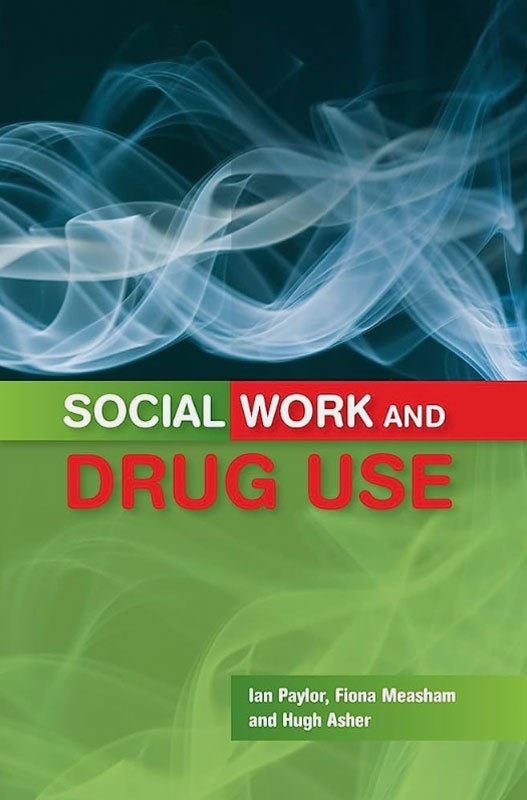
As I have previously written in the book that I co-authored, ‘Social Work and Drug Use’, I am not a fan of the words ‘addict’ and ‘addiction’ other than where people experiencing problematic drug or alcohol use choose to use this as a term to describe themselves. For me the use of the label ‘addict’ is stigmatising and can be perceived as judgmental and for this reason I tend to use ‘dependent drug and alcohol use’, ‘problematic drug and alcohol use’ or ‘problematic substance use’ (although all of these bring their own issues!).
26th August 2023
In an increasingly fast-paced and urbanised world, the benefits of reconnecting with nature have become an important component of maintaining overall wellbeing. One practice that has gained prominence for its holistic salutogenic and healing properties is Forest Bathing, a concept rooted in Japanese culture and often associated with improving mental health and reducing stress. Additionally, there is a growing body of research on nature connection that has highlighted its potential to address problematic substance use. Drawing particularly from the works of Yasuhiro Kotera and Christine Rhodes, and Leanne Martin and colleagues, this article explores how Forest Bathing and increased nature connection can provide an additional way to support people experiencing substance use issues.
Forest Bathing: An Holistic Immersion in Nature

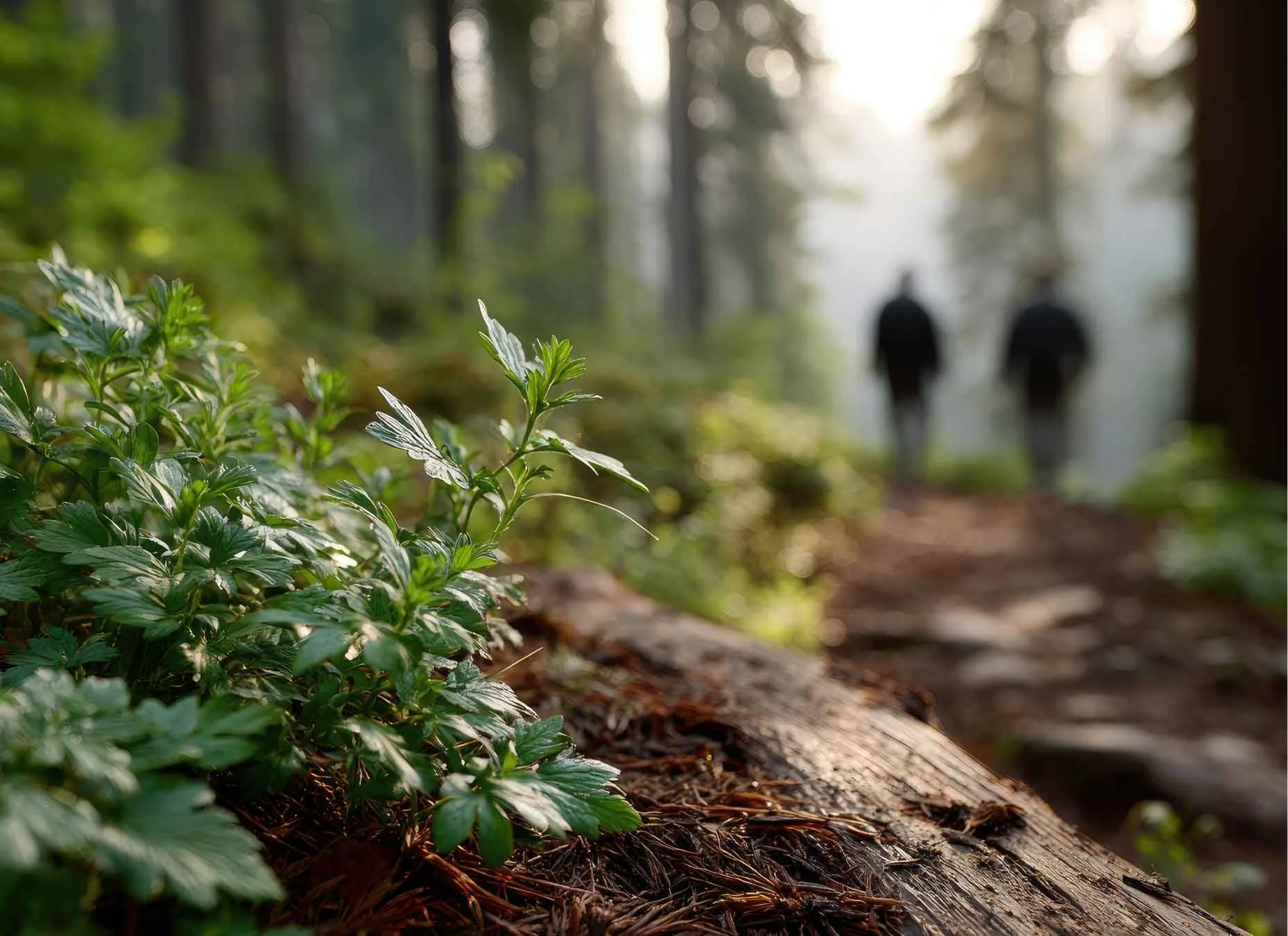
Forest Bathing, known as "Shinrin-Yoku" (森林浴) in Japanese, refers to the practice of immersing yourself in a natural environment, typically a forest, with the intention of engaging all five primary senses and fostering a deeper connection with nature. Developed in Japan during the 1980s, Forest Bathing has since gained global recognition for its ability to promote relaxation, reduce stress, and improve mental wellbeing. As the researchers Yasuhiro Kotera and Christine Rhodes note, it is generally free to access and use, reasonably accessible for the majority of people, in line with today’s global emphasis on environmental preservation, and has been demonstrated to be effective for diverse health outcomes.
About 1.1 billion people worldwide, or 15% of the world population experience mental health problems, and almost 10% of these experience problematic substance use. The cost of responding to mental health problems and problematic substance use is high, with the UK spending £12 billion annually on mental health treatment and support, with over £500 million (4% of the NHS mental health budget) of this being spent on treatment and support for substance users. This is before Criminal Justice System costs are included. A significant factor in these costs is the high relapse rates seen in people experiencing drug and alcohol dependence, said to be as high as 80% with two thirds of people relapsing in the first 6 months. Nature-connection and nature-mindfulness practices such as Forest Bathing can help individuals build resilience and develop mindfulness skills that can help them better manage cravings and avoid relapse. Forest Bathing also engages the brain's reward pathways differently from substance use, so instead of relying on external substances for pleasure, individuals can derive gratification from the beauty and tranquillity of nature, and this alternative source of pleasure can aid in breaking the cycle of dependence and provide a healthier coping mechanism.
The Benefits of Forest Bathing and Increased Nature Connection

Yasuhiro Kotera, a leading researcher in mental health recovery, has studied the physiological and psychological benefits of Forest Bathing. His work highlights the positive effects of forest environments on human health and emphasises the importance of sensory experiences during Forest Bathing. The sounds of rustling leaves, the sight of sunlight filtering through trees, the scent of pine, and the sensation of cool forest air on the skin collectively contribute to a multisensory experience that boosts health and wellbeing. By focusing on these sensations, people can effectively distance themselves from the stresses of modern life, providing respite and rejuvenation. Spending time in nature-rich surroundings in this way has been shown to lower cortisol levels, reduce sympathetic nerve activity (fight or flight), and enhance parasympathetic nervous system activity (rest and digest). These physiological changes result in reduced stress and anxiety, making Forest Bathing an effective tool for improving mental health and reducing negative emotions, and consequently also an effective self-management tool for controlling triggers and cravings and reducing the potential for relapse.
Nature’s Role in Addressing Problematic Substance Use
Problematic substance use is a complex issue with far-reaching consequences. It affects not only the individual but also their relationships with others, their social interactions and social support networks, and their overall quality of life. Conventional approaches to substance use treatment have often centred around medical interventions and psychotherapy. However, an emerging body of research, such as that conducted by Leanne Martin and colleagues, highlights the potential of nature-based interventions in recovery approaches. They describe how engagement with nature can play a pivotal role in reducing cravings for substances, managing withdrawal symptoms, and providing healthier coping mechanisms. Nature-based interventions such as Forest Bathing, wilderness therapy and ecotherapy, have been shown to enhance self-awareness, instil a sense of responsibility, and foster personal growth among individuals on the path to recovery. In this way, the restorative power of nature, combined with the principles of Forest Bathing and nature connection, can help address some of the underlying psychological factors contributing to problematic substance use.
Stress, Anxiety, Depression and Substance Use
Martin et al.'s research reports that cravings, a common precursor to substance use, are most commonly experienced in ‘negative affect states’ such as stress, anxiety and depression. A meta-analysis by Kotera, Richardson and Sheffield highlighted how effective Forest Bathing and Nature-Connection activities are in reducing depression, anxiety, stress and anger, suggesting that such activities could be useful in supporting people experiencing problematic substance, as stress, anxiety, and depression play a significant role in the development and perpetuation of problematic substance use. Conversely, substance use can worsen these mental health conditions, creating a challenging cycle to break.
Self-Medication and Coping
Many individuals with stress, anxiety, and depression turn to substance use as a form of self-medication. Drugs and alcohol can temporarily numb emotional pain, alleviate negative feelings, and provide a sense of escape from reality. This initial relief reinforces the connection between substance use and relief from emotional distress, making it more likely for these individuals to continue using substances as a coping mechanism.
Neurochemical Imbalance
Stress, anxiety, and depression can also be associated with imbalances in brain chemistry and neurotransmitters such as serotonin, dopamine, and norepinephrine. Substance use can further disrupt these delicate balances. For example, alcohol and certain drugs can initially provide a surge in dopamine, creating a temporary sense of pleasure and relief. However, over time, repeated substance use can deplete neurotransmitter levels, exacerbating feelings of depression and anxiety.
Increased Vulnerability
Stress, anxiety, and depression can weaken a person’s resilience and coping mechanisms. This reduced ability to manage difficult emotions can leave them more vulnerable to substance use as a way to regain a sense of control and relief. Additionally, the impaired decision-making and impulse control that often accompany these mental health conditions can lead to poor choices, including engaging in substance use.
Dual Diagnosis
Many individuals struggling with substance use also experience co-occurring mental health disorders, a phenomenon known as dual diagnosis or comorbidity. Addressing both the substance use and the underlying mental health issues is essential for effective treatment. Failure to treat one aspect can lead to relapse in the other, perpetuating the cycle of problematic behaviour.
Withdrawal and Rebound Effects
While substances may provide temporary relief from emotional distress, their effects can be short-lived. After the initial effects have worn off, individuals can often experience withdrawal symptoms or a rebound effect. These symptoms can include heightened anxiety, depression, and even more intense emotional pain, which can then drive the person back to drug and alcohol use again to alleviate these negative feelings.
Resilience
Resilience, the ability to adapt and bounce back from adversity, plays a pivotal role in the context of nature connection and problematic substance use. Building resilience is essential for individuals struggling with substance use disorders, as it empowers them to navigate the challenges of recovery and avoid relapse. Nature connection can serve as a powerful tool in fostering resilience by providing a grounding and calming environment that encourages self-reflection and personal growth. Engaging with nature can enhance a person's capacity to cope with stress, manage triggers, and develop healthy coping mechanisms, all of which are essential components of resilience. By immersing themselves in natural settings and experiencing the awe-inspiring beauty of the world, people can develop a sense of interconnectedness that fosters inner strength and a renewed sense of purpose. This strengthened resilience, nurtured through nature connection, can equip them to overcome setbacks and stay committed to their recovery journey, ultimately reducing the appeal of problematic substance use as a coping mechanism. In this way learning healthy coping strategies and ways to deal with emotions and life challenges as well as managing stress, anxiety, and depression in healthier ways without resorting to substances is important.
Nature Connection: A Pathway to Recovery

The studies mentioned have shown that a strong connection to nature is associated with improved mental health, increased life satisfaction, and a greater sense of purpose and that nature connection can serve as a protective factor against substance misuse. Engaging with nature promotes mindfulness, self-reflection, and a sense of purpose, all of which are crucial in the recovery process and there is increasing recognition of the role of nature-based interventions in supporting individuals with substance use disorders. These interventions encourage participants to develop a sense of awe and appreciation for nature, fostering feelings of connection and belonging that are often lacking in the lives of those struggling with drug and alcohol dependence.
The convergence of research on Forest Bathing and nature connection therefore offers promising implications for addressing problematic substance use as integrating Forest Bathing practices into recovery programs can provide individuals with unique access to self-discovery and healing. The sensory and contemplative aspects of Forest Bathing also align with the goals of recovery by promoting self-awareness, emotional regulation, and stress reduction. Moreover, nature-based interventions can be instrumental in preventing relapse. Exposure to natural settings can help individuals build resilience against triggers and cravings commonly associated with dependent drug and alcohol use. By fostering a stronger sense of identity and purpose through a deeper connection with the natural world, individuals are better equipped to navigate the challenges of recovery.
It should be noted that nature connection is not limited to spending time in pristine wilderness areas; it can be nurtured even in urban environments by cultivating an awareness of local flora and fauna, participating in community gardening, or simply spending time in parks or woodlands. This connection to nature can serve as a valuable coping mechanism, offering an alleviation of mental distress and reducing the inclination toward substance use as a way to escape negative emotions.
Integrating Nature-Based Practices into Substance Use Rehabilitation
The research conducted by Leanne Martin and colleagues bridges the gap between nature-based practices and substance use rehabilitation. Their research suggests that incorporating activities such as Forest Bathing and nature connection into rehabilitation programs can yield positive outcomes for individuals dealing with problematic substance use. Traditional approaches to addressing substance use often focus solely on the physiological aspects of substance dependence, but Martin et al.’s approach also acknowledges the importance of psychological, emotional, and spiritual healing.

The natural environment provides a non-judgmental setting where individuals can reflect on their experiences, confront their emotions, and work towards self-acceptance. Nature-based practices encourage mindfulness and self-awareness, enabling individuals to better understand their triggers for substance use and develop healthier coping strategies. Moreover, the sense of wonder and awe inspired by nature can elicit positive emotions that act as natural rewards, potentially reducing the desire for external substances.
Forest Bathing engages the brain's reward pathways differently from substance use. Instead of relying on external substances for pleasure, individuals derive gratification from the beauty and tranquillity of nature. This alternative source of pleasure can aid in breaking the cycle of dependence and provide a healthier coping mechanism. Furthermore, the practice of Forest Bathing can help individuals build resilience and develop mindfulness skills, which are crucial for managing cravings and avoiding relapse. The sense of calmness and presence cultivated during forest bathing can contribute to better emotional regulation, reducing the triggers that lead to substance use.
Nature Connection and Twelve-Step Approaches
Increased nature connection can play a complementary and supportive role in the context of twelve-step programs for substance dependence. Twelve-Step programs, such as Alcoholics Anonymous (AA) and Narcotics Anonymous (NA), are well-established peer support groups that offer a structured approach to recovery from problematic drug and alcohol use. These programs emphasise fellowship, personal accountability, and spiritual growth. Nature connection can enhance the effectiveness of Twelve-Step programs in several ways:
Stress Reduction and Relaxation
Engaging with nature has been shown to reduce stress and promote relaxation. Many individuals in recovery experience high levels of stress, which can be a trigger for relapse. Nature's calming effects can provide a healthier alternative to cope with stress, reducing the inclination to turn to substances for relief. Spending time in natural environments can help individuals manage the anxiety and tension that can arise during their recovery journey.
Mindfulness and Spiritual Connection
Nature connection fosters mindfulness and a sense of spiritual connection. Twelve-step programs often emphasize the importance of surrendering to a higher power or embracing spirituality as part of recovery. Immersing oneself in nature can create a sense of awe and wonder, prompting individuals to reflect on their place in the universe and feel a connection to something larger than themselves. This sense of spirituality can align with the spiritual aspects of twelve-step programs, enhancing the individual's journey toward healing.
Healthy Coping Mechanisms
Nature connection offers alternative coping strategies that align with the principles of twelve-step programs. Instead of turning to substances, individuals can learn to cope with challenges by spending time in nature, engaging in mindfulness practices, and seeking solace in the natural world.
Social Support and Fellowship
Twelve-step programs thrive on social support and fellowship among peers who understand the struggles of addiction. Engaging in nature-based activities as a group can strengthen the bonds among individuals in recovery, providing an opportunity to share experiences, encourage one another, and build a sense of camaraderie. Nature outings can facilitate open conversations and help participants form meaningful connections beyond the traditional meeting setting.
Holistic WellBeing
Recovery is not just about abstaining from substance use but also about achieving holistic wellbeing. Nature connection promotes physical, mental, and emotional wellbeing. Participating in outdoor activities, getting fresh air, and engaging the senses can contribute to a sense of vitality and improved self-esteem. This holistic approach aligns with the principles of Twelve-Step programs, which aim to enhance the overall quality of life.
Last Thoughts
In a world grappling with the repercussions of widespread substance use and mental health challenges, the power of nature is emerging as an important factor. The research discussed here collectively underscores the significance of Forest Bathing and nature connection, and their potential value in addressing problematic substance use. As societies strive to develop comprehensive approaches to wellbeing, it is increasingly important to consider the role of nature in promoting holistic health in this way. By integrating Forest Bathing and nature-connection activities into rehabilitation programs, people dealing with substance use issues have the opportunity to embark on a transformative journey of self-discovery and recovery. These practices not only offer respite from the pressures of modern life but also foster a deeper understanding of oneself and one’s relationship with the natural world.
If you have enjoyed this article and would like to support what we do by donating £2 or more to buy saplings to plant on our Social Croft, please follow the link below:

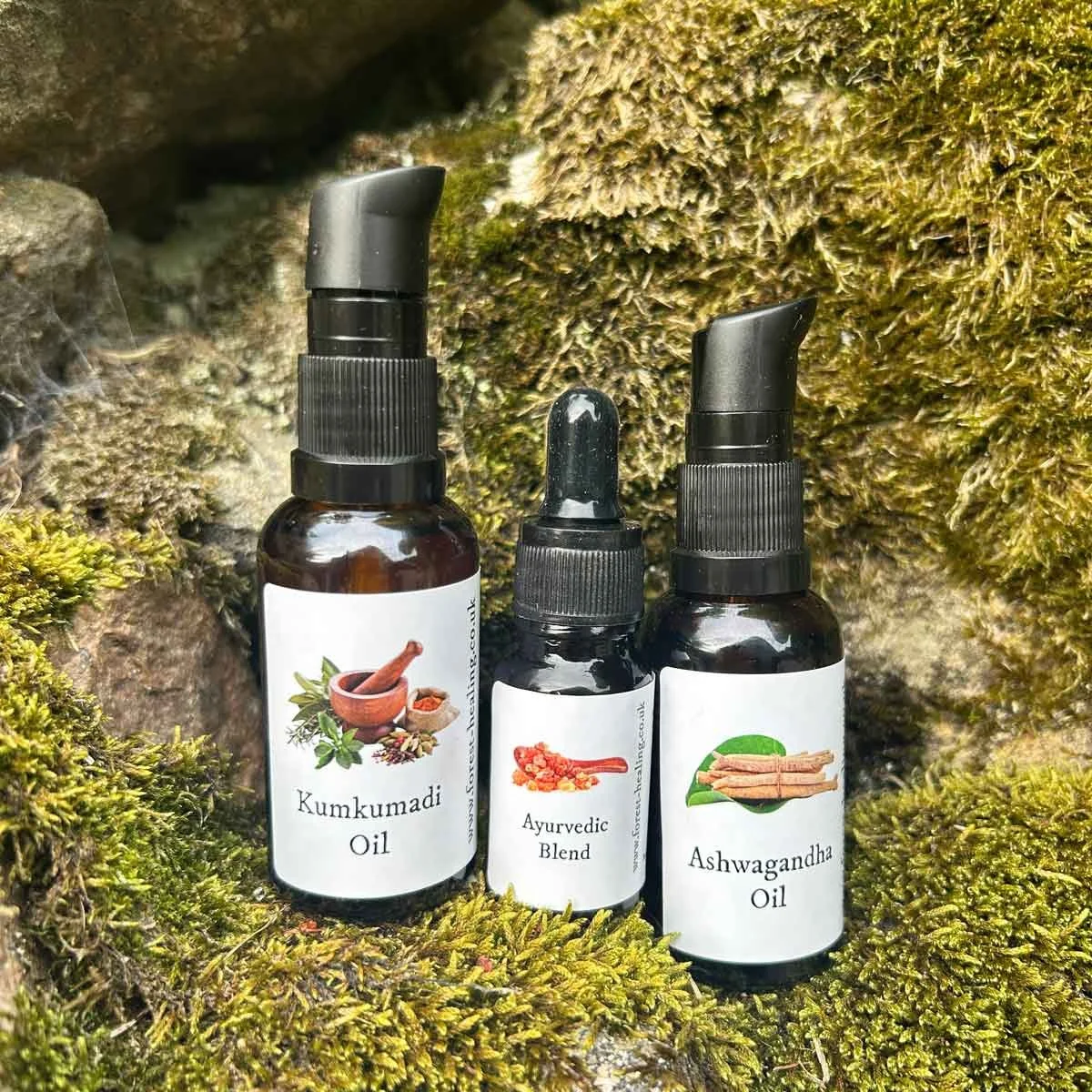



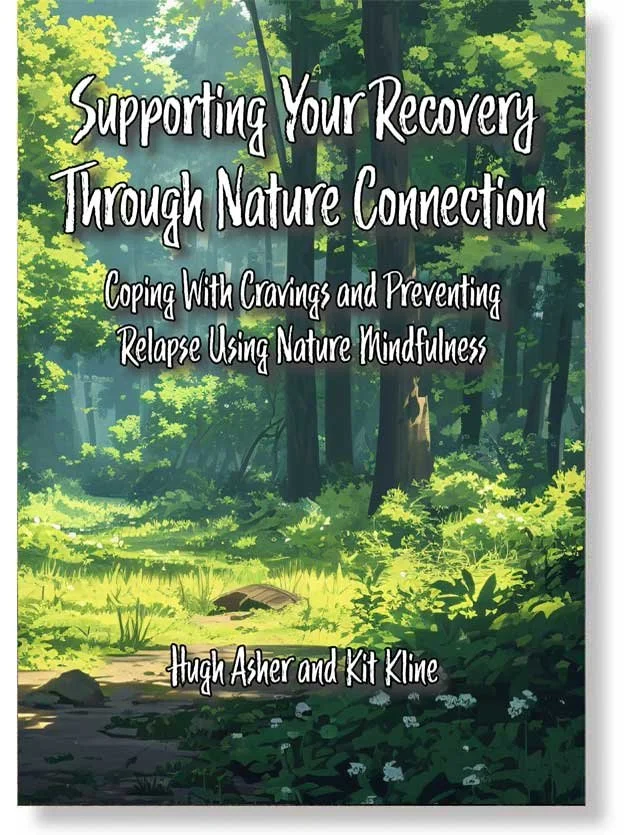
































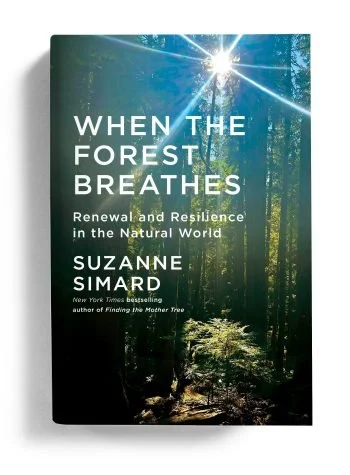



A small collection designed to gently open the door into deeper relationship with the natural world.
This complete set of four Forest Healing booklets brings together practical guidance, reflective ideas, and simple nature connection practices that can be used anywhere — from ancient woodland to a nearby park, garden, or even a single Sit Spot outdoors.
Written to be accessible, grounding, and easy to follow, these booklets offer a pathway into the core practices of Forest Bathing (Shinrin-yoku), Silvotherapy, and everyday nature connection. Rather than asking you to achieve anything, they simply invite you to slow down, notice more deeply, and allow nature to become an active presence in your wellbeing.
Across the four booklets you will explore:
• What Forest Bathing, Silvotherapy, and Nature Connection actually are
• The key benefits of spending mindful time in natural environments
• The practice of the “Sit Spot” and how to develop your own relationship with a chosen place
• Simple, practical Forest Bathing invitations you can try alone or with others
• Ways to bring nature connection into everyday life, even in small moments
Together, they form a gentle introduction to practices that have been shown to support reduced stress, improved mood, greater clarity of thought, and a deeper sense of belonging within the natural world.
These are not academic texts or rigid instruction manuals. They are invitations — encouraging you to step outside, slow your pace, and rediscover the quiet intelligence of trees, weather, and landscape.
Whether you are completely new to nature connection or looking to deepen an existing practice, this collection offers a simple, supportive starting point for building a more intentional and restorative relationship with the living world around you.
A small set of booklets that can change the way you experience even the most familiar patch of nature.
Buy all Four Forest Bathing and Nature-Connection Booklets for £11.00 including FREE P&P within the UK.
Postage to the Rest of the World is £4.