

How Nature Can Support Neurodiversity
Saturday 6th June 2026
Woodlands, Attention, Sensory Experience, and the Quiet Intelligence of the More-than-Human World
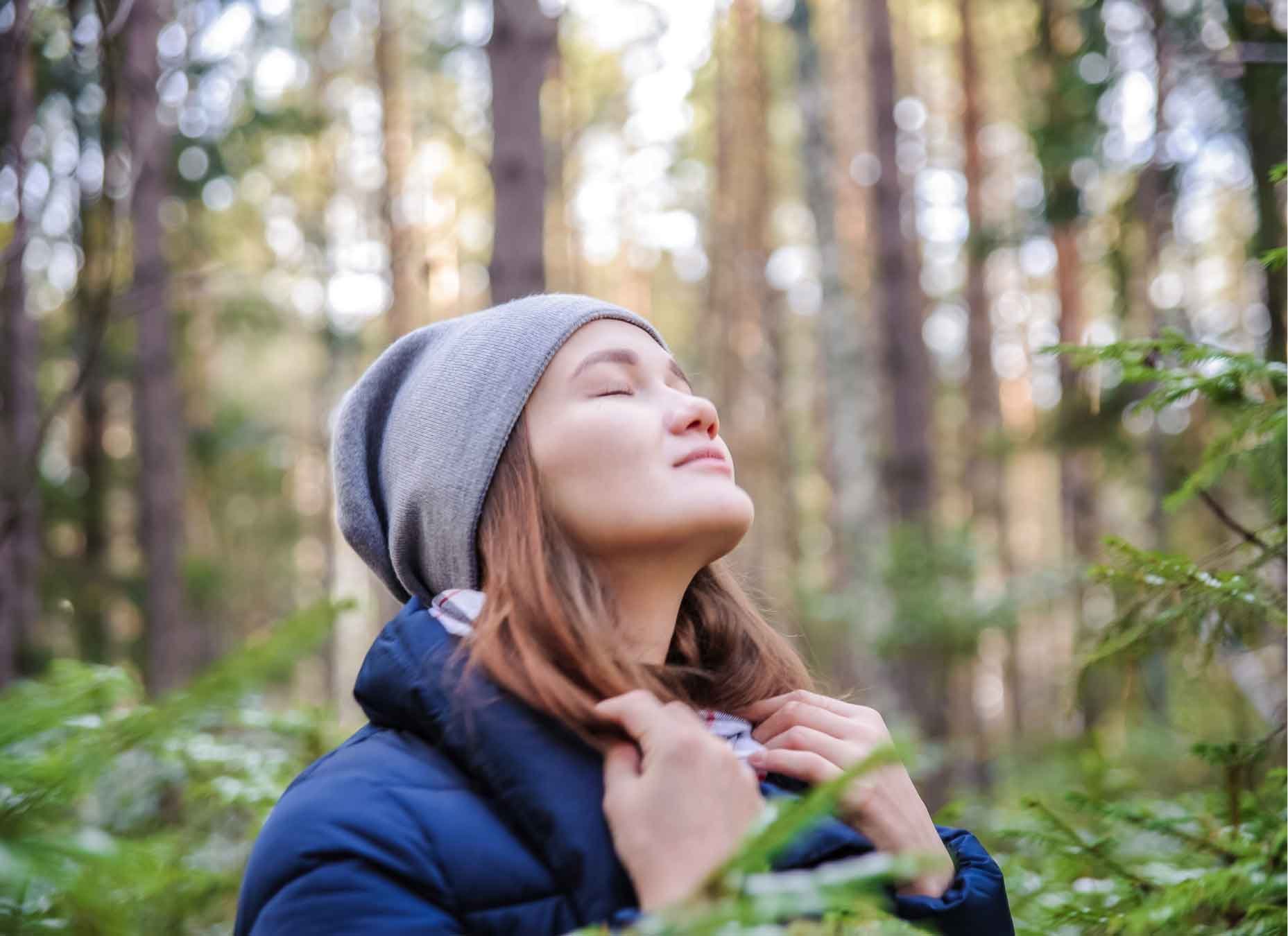
There is a particular kind of relief that many people experience when they step beneath trees. The body softens a little. Breathing slows. Sounds become less abrasive. Attention, so often stretched thin by the demands of modern life, begins to settle into something wider and less effortful. For many neurodivergent people — including those who experience Attention Deficit Disorder (ADD or ADHD), autism, dyslexia, dyspraxia, sensory processing differences, and other forms of neurodiversity — this feeling can be especially profound.
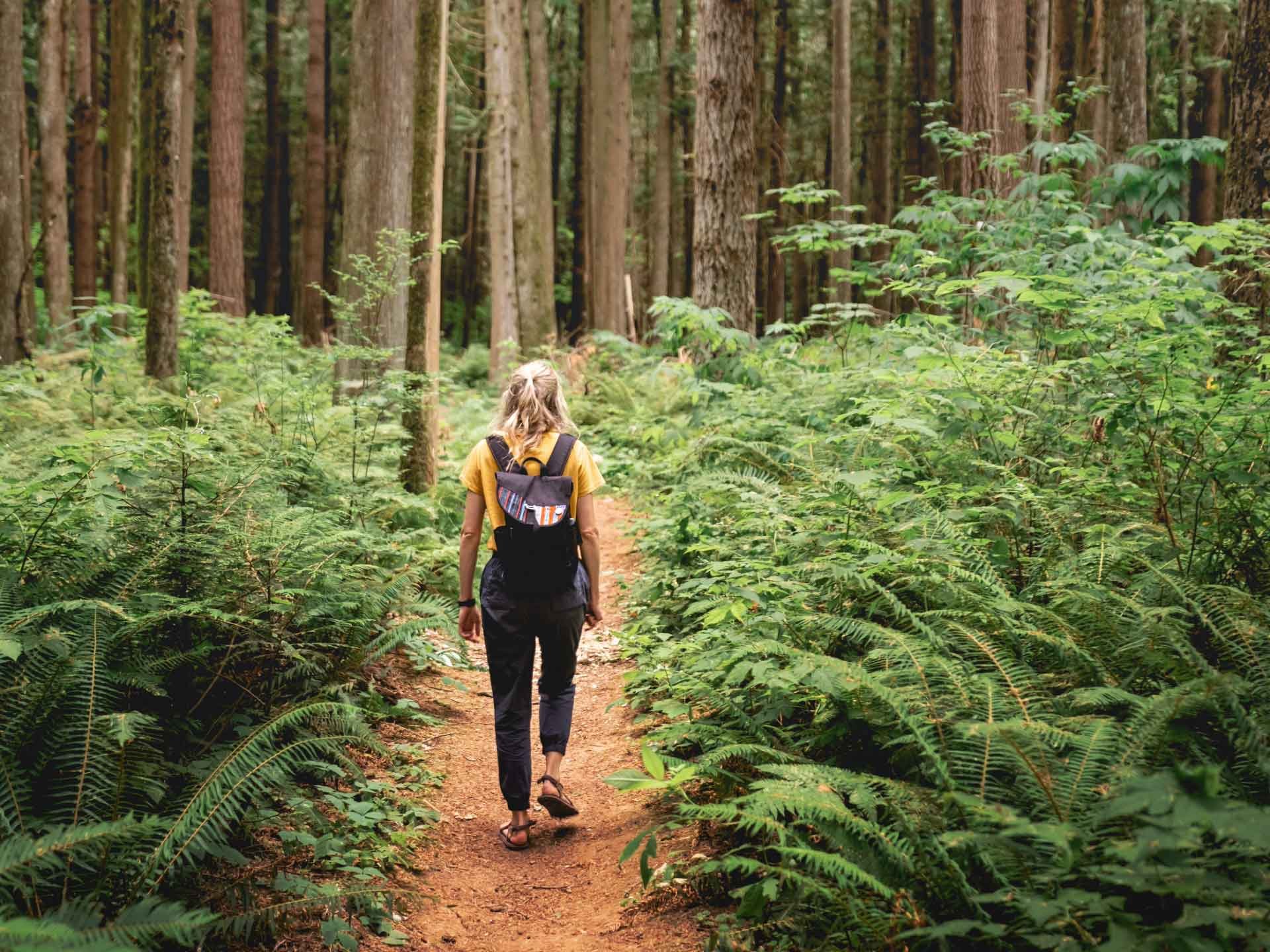
The modern world asks a great deal of the nervous system. Artificial lighting, constant digital stimulation, traffic noise, crowded environments, social expectations, and the pressure to simultaneously process vast amounts of information all place demands upon our attention and sensory systems. Many neurodivergent people move through these environments carrying a level of cognitive and sensory load that often goes unseen by others. What appears outwardly as distraction, withdrawal, fidgeting, overwhelm, exhaustion, or emotional dysregulation may in reality be a nervous system working exceptionally hard simply to remain functional.
Nature, and especially forests and woodland, offers a different kind of environment. Forests tend not to demand attention in the same way as modern urban settings. They invite rather than insist. They offer relaxing and reassuring patterns rather than chaos. They engage the senses softly and rhythmically rather than abruptly and intensely. Increasingly, contemporary research is beginning to confirm what many people have intuitively known for many generations — that time in natural environments can significantly support attention, emotional regulation, stress recovery, sensory integration, and overall wellbeing for neurodivergent individuals.
It is imperative understand that this is not because nature ‘fixes’ neurodiversity. Neurodiversity is not something broken that needs repairing. Rather, nature may provide conditions in which many people’s nervous systems can function more comfortably, more authentically, and with less strain.
The Nervous System and the Modern World
Many neurodivergent experiences involve differences in sensory processing and attention regulation. Some people may notice everything all at once — every sound in a room, the flicker of fluorescent lights, overlapping conversations, subtle changes in tone or atmosphere. Others may struggle with sustaining attention in environments that feel either under-stimulating or overwhelmingly demanding. Some experience intense mental fatigue from social interaction, transitions, or constant decision-making.
Modern environments are often poorly designed for these realities. Schools, offices, shopping centres, and transport systems frequently bombard the nervous system with noise, visual clutter, artificial stimuli, and social complexity. The result can be chronic stress and exhaustion.
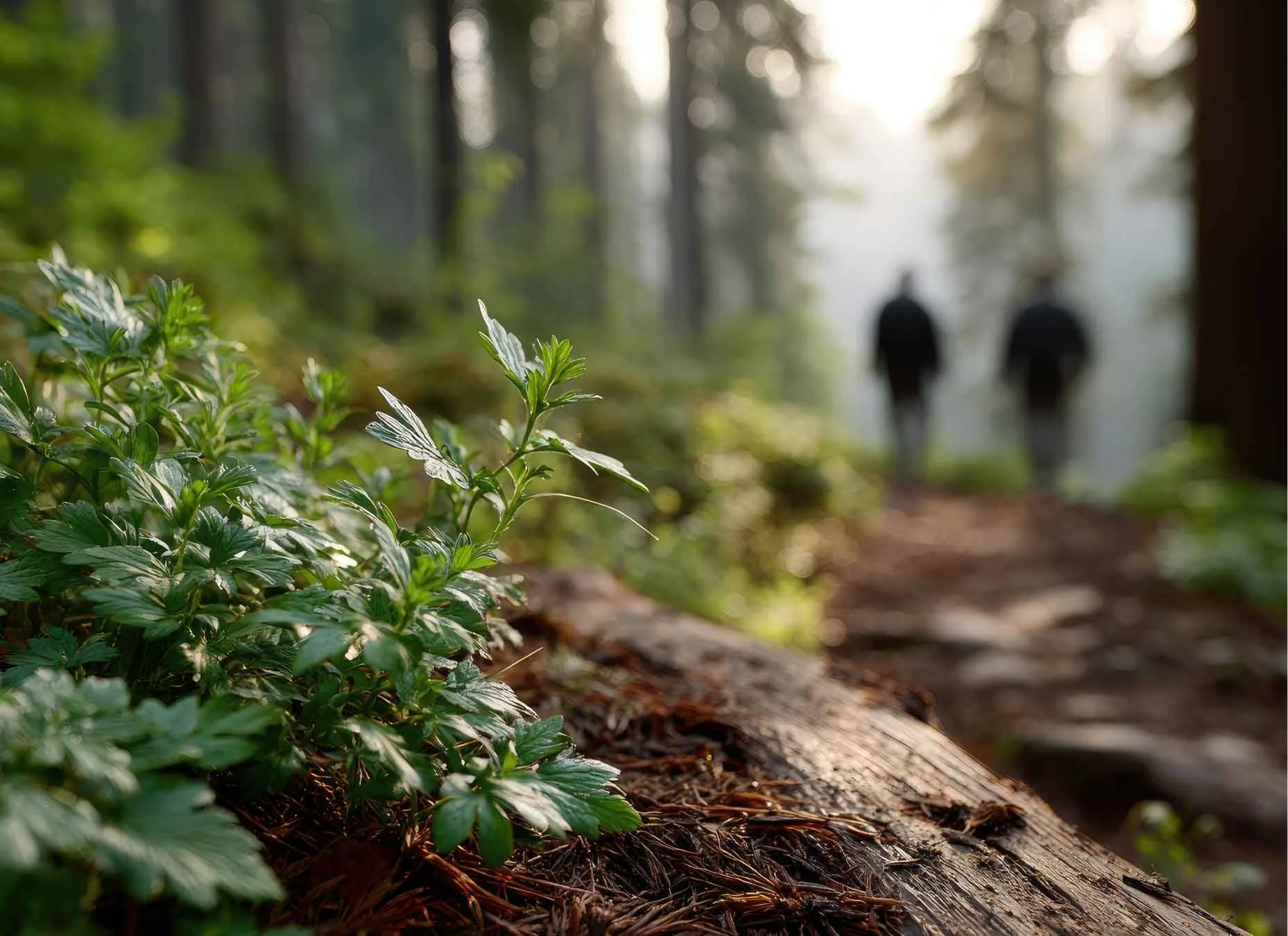
Forests and woodlands, by contrast, tend to regulate rather than overload. Natural environments contain sensory information, but it is often patterned, layered, and coherent. Leaves move in relationship to the wind. Birdsong emerges within silence rather than competing against it. Light shifts gradually through branches. Streams repeat ancient and grounding rhythms. Even complexity in a forest often possesses a form of order.
Researchers exploring Attention Restoration Theory have suggested that natural environments help to restore directed attention by allowing the mind to enter a state sometimes described as ‘soft fascination’. In this state, attention is gently held without requiring intense concentration or effort. Rather than forcing the brain to continually suppress distractions, nature allows awareness to widen and recover.
For people with ADHD in particular, this may be deeply significant.
ADHD, Attention, and Green Space
People who experience ADHD are often navigating fluctuating attention, impulsivity, mental restlessness, emotional intensity, and difficulties with executive functioning. Yet ADHD is not simply a ‘deficit’ of attention. Many people with ADHD can focus deeply when genuinely engaged or interested. The challenge is often less about attention itself and more about regulation of attention within environments that are cognitively exhausting.
Research increasingly suggests that nature may help support this regulation.
Several studies have found associations between greener environments and reduced ADHD symptoms in children. A 2024 systematic review examining nature exposure and ADHD concluded that there was strong support for beneficial effects of nature contact in school-aged children with ADHD. Earlier studies also found that even relatively short periods in green environments — including twenty-minute walks in parks — were associated with measurable improvements in attention performance compared with walks in more urban settings.
One reason may be that natural environments reduce cognitive fatigue. Urban spaces constantly compete for our attention, with advertisements, screens, traffic, notifications, movement, noise, and managing social interactions all demand processing. Conversely, woodland environments often allow attention to move more organically. Instead of constantly filtering competing stimuli, the nervous system can begin to recover.
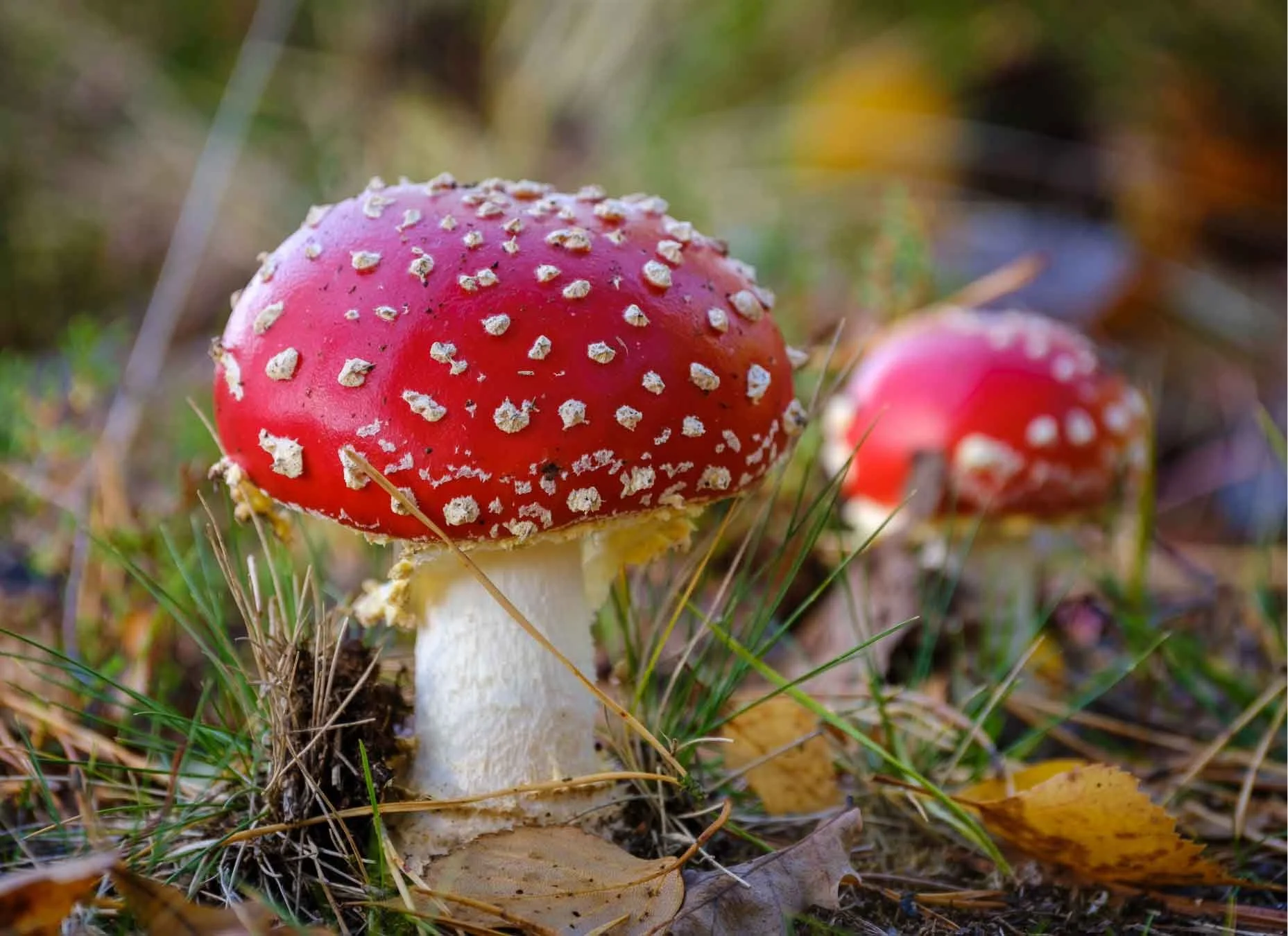
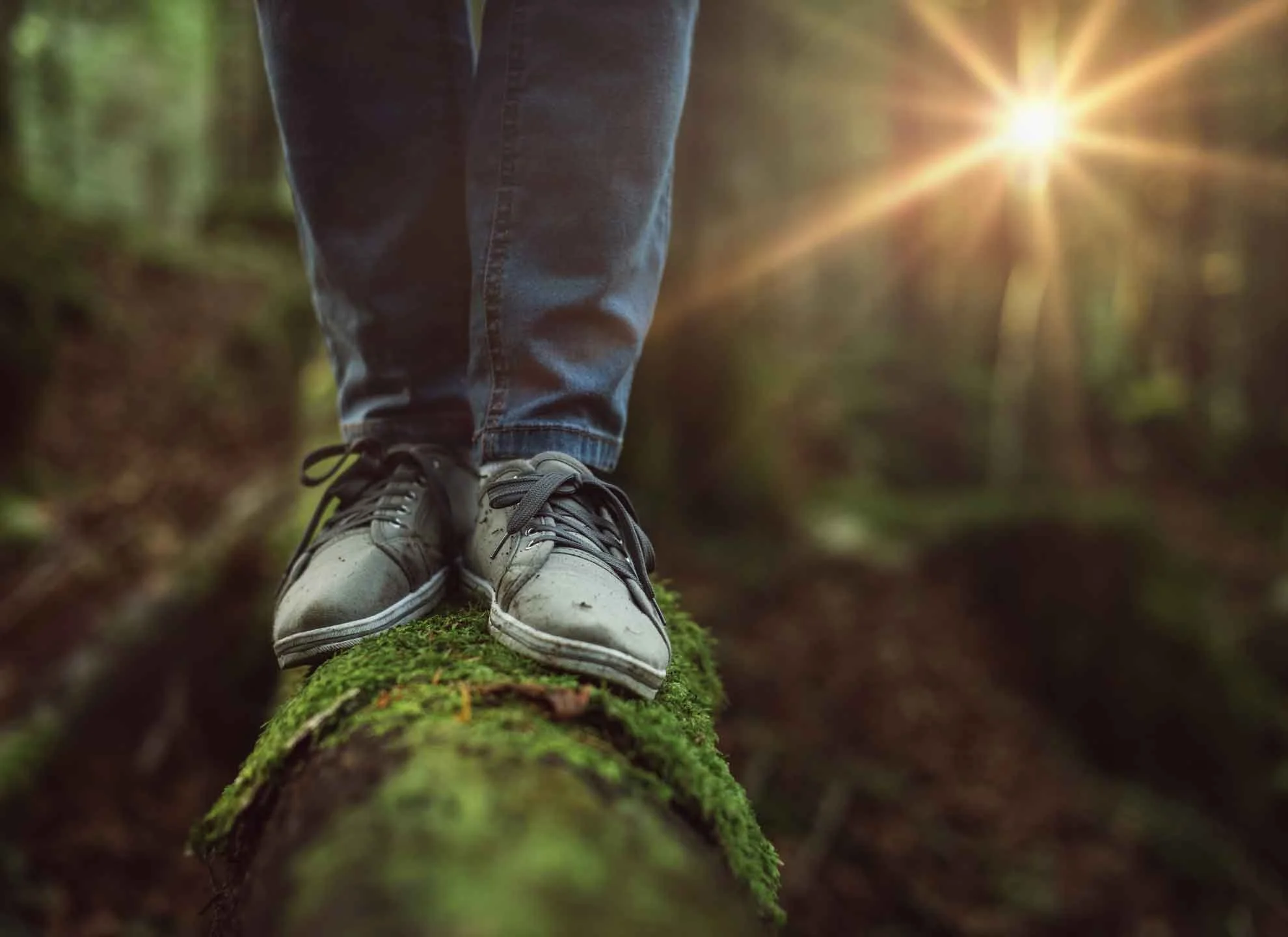
There is also the simple but important reality of movement. Many people with ADHD regulate themselves through movement, pacing, fidgeting, touching, climbing, or shifting position. Forests tend to permit this more naturally than classrooms, offices, or waiting rooms. Walking through woodland paths, stepping over roots, touching bark, balancing on logs, crouching to examine moss or fungi — these are forms of embodied engagement that can help integrate body and mind.
Rather than requiring stillness, nature often welcomes motion.
Autism and the Sensory Landscape of Woodland
For many autistic people, sensory experience lies at the heart of how the world is encountered. Sounds, textures, smells, light levels, social dynamics, unpredictability, and transitions can all profoundly shape wellbeing and capacity.
The sensory environment of woodland can feel radically different from indoor or urban spaces. Although forests are rich with sensation, they are often experienced as less intrusive and less fragmented. Natural sounds usually emerge with pauses and distance between them. The visual field is textured but rarely aggressively bright. There is room to move away from stimulation when needed.
Importantly, woodland also allows autonomy of attention. One person may become absorbed in the detail of lichen on bark. Another may focus on birdsong patterns, shifting cloud forms, leaf structures, or the movement of insects. Nature allows for deep and specialised forms of noticing without demanding social explanation.
A 2023 systematic review and meta-analysis examining nature-based interventions for autistic children found positive associations across sensory functioning, emotional wellbeing, behaviour, social interaction, and overall quality of life. Researchers reported improvements relating to sensory sensitivity, inattention, irritability, and social communication.
While the research base is still developing, these findings resonate strongly with the lived experiences of many autistic people who describe feeling calmer, more regulated, and more fully themselves in natural environments.
Part of this may stem from reduced social pressure. Human social environments can be exhausting places of constant interpretation and performance. Woodland rarely asks for eye contact, rapid responses, or adherence to hidden social rules. Trees do not mind silence. Moss does not require small talk. Streams place no demand upon social decoding.
This absence of pressure can create space for nervous systems to settle.
Forest Bathing and Forest Medicine
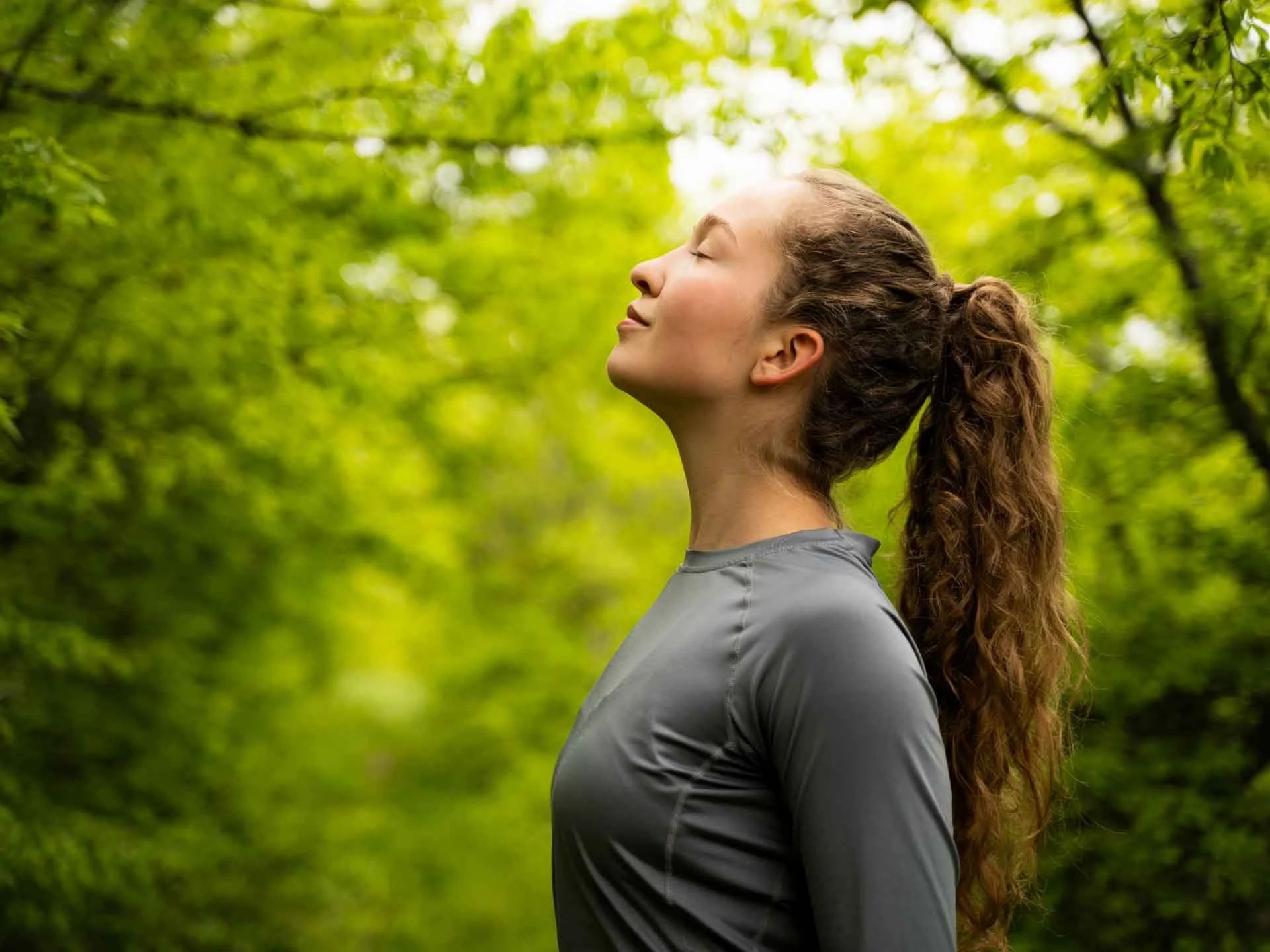
Over recent decades, research into Forest Bathing, or Shinrin-yoku, has expanded considerably, particularly in Japan and South Korea. Forest Bathing is not simply exercise outdoors. Rather, it involves immersing yourself in the sensory atmosphere of woodland through slow, mindful, embodied presence.
Forest medicine research suggests that spending time in forests can influence both psychological and physiological wellbeing. Studies have associated forest exposure with reductions in cortisol (a stress hormone), lower blood pressure, improved heart rate variability, and shifts toward parasympathetic nervous system activity — the branch of the nervous system associated with rest, recovery, and restoration.
For neurodivergent people, these physiological shifts may matter greatly. Many individuals live with chronically activated stress responses due to sensory overload, masking, social vigilance, or repeated experiences of misunderstanding and exclusion. Over time, this constant activation can become exhausting.
Woodland environments may help interrupt this cycle.
Researchers have also explored the role of phytoncides — aromatic compounds released by trees — in supporting immune function and reducing stress. While it is important not to overstate the science, studies have suggested links between forest exposure and improved natural killer cell activity, which plays a role in immune defence.
Yet perhaps the deeper significance of forest bathing lies not only in measurable physiological outcomes, but in relationship.
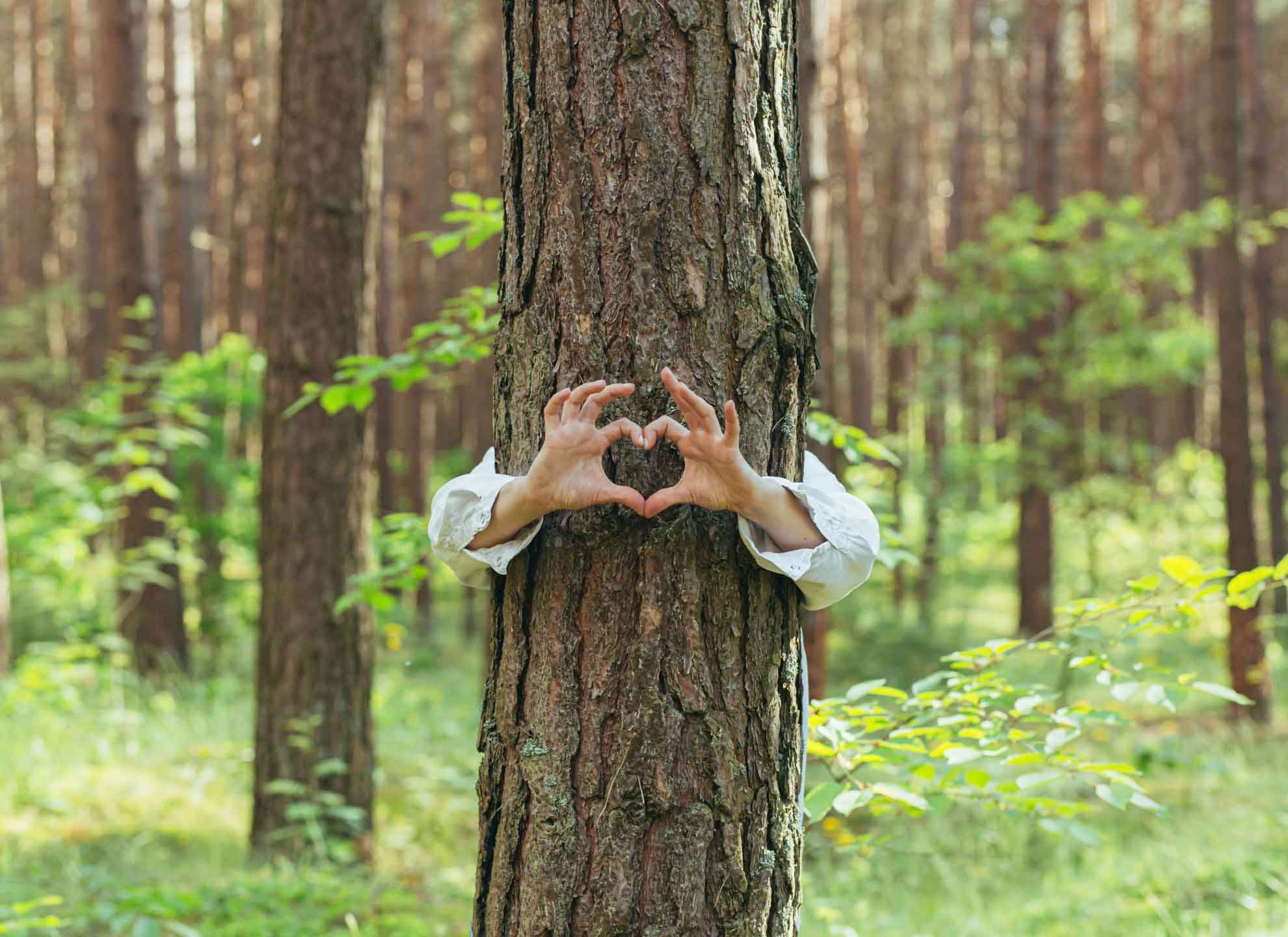
Forest Bathing invites people to move from productivity into presence. It encourages sensory reciprocity rather than consumption. The forest is not approached as entertainment or therapy to be ‘completed’, but as a living community into which one enters gently and attentively. For neurodivergent people who often spend much of their lives adapting themselves to conventional systems, this relationship can feel profoundly liberating.
Nature as a Non-Judgemental Space
Many neurodivergent people grow up receiving the message that the way they move, think, communicate, feel, or regulate themselves is somehow wrong. They may learn to mask distress, suppress natural behaviours, or force themselves into exhausting patterns of conformity.
Natural environments often soften these pressures.
In woodland, repetitive movement may simply become walking. Deep focus becomes observation. Sensory sensitivity becomes awareness. The need for solitude becomes connection with place. Emotional intensity becomes relationship with weather, seasons, wind, birdsong, and changing light.
Nature does not insist upon one ‘correct’ mode of being.
This may be one reason why many neurodivergent people describe feeling more authentic outdoors. There is often greater room for difference in natural spaces. One can engage quietly or actively, socially or alone, slowly or energetically. The forest accommodates many rhythms.
Importantly, this does not mean that all neurodivergent people automatically find nature easy or accessible. Some may experience anxiety outdoors, discomfort with unfamiliar terrain, fear of insects, difficulties with transitions, or sensory overwhelm from certain weather conditions or environments. Accessibility matters deeply. Supportive nature connection should always involve choice, flexibility, predictability where needed, and respect for individual sensory needs. The goal is not to force people into nature experiences, but to create invitations that are safe and welcoming.
The Importance of Repeated Contact
Research increasingly suggests that regular exposure to green space may be more beneficial than occasional experiences alone. Nature connection is often cumulative. Small, repeated moments of contact can gradually help shape nervous system regulation and emotional resilience over time.
This is important because modern culture often treats nature as a destination rather than a relationship.
Yet many meaningful encounters with the more-than-human world are simple and local — sitting beneath a familiar tree, walking the same woodland path each week, noticing seasonal changes, listening to rain moving through leaves, or watching birds gather at dusk.
For neurodivergent people especially, familiarity can be deeply regulating. Returning repeatedly to the same woodland allows relationships and predictability to develop. The environment becomes known. Attention can soften because the nervous system no longer needs to remain hypervigilant.
Seasonal rhythms may also provide gentle forms of orientation and continuity. The first unfurling leaves of spring, the heavy green stillness of summer, the drifting gold of autumn, the quiet skeletal beauty of winter branches — these cyclical patterns can help situate human experience within something larger and steadier than the speed of contemporary life.
Beyond ‘Therapy’
There is growing interest in nature-based interventions, forest schools, woodland therapy programmes, and outdoor wellbeing initiatives. Many of these approaches offer genuine value. Yet it is also important to remember that nature connection is not solely a clinical intervention.
Our relationship with tres, forest and woodland is older and deeper than therapy.
Humans evolved within living landscapes. For most of our species history, birdsong, trees, water, weather, and soil formed the background texture of daily life. The relative absence of these relationships within modern urban existence may itself contribute to nervous system strain. From this perspective, nature connection is not an optional luxury or alternative treatment. It may be part of what human beings, including neurodivergent human beings, fundamentally require in order to flourish.
This understanding shifts the question. Instead of asking how we can ‘use’ nature to manage neurodiversity, perhaps we might ask how modern societies have become so separated from the kinds of environments in which many nervous systems can breathe more easily.
A Different Kind of Belonging
Forests remind us that diversity is not a flaw within living systems. Healthy woodlands are built upon complexity, variation, interdependence, and difference. Old trees and young saplings coexist. Mosses, fungi, insects, birds, mammals, decay, and growth all participate in the ecology of the forest.
No single element exists in isolation.
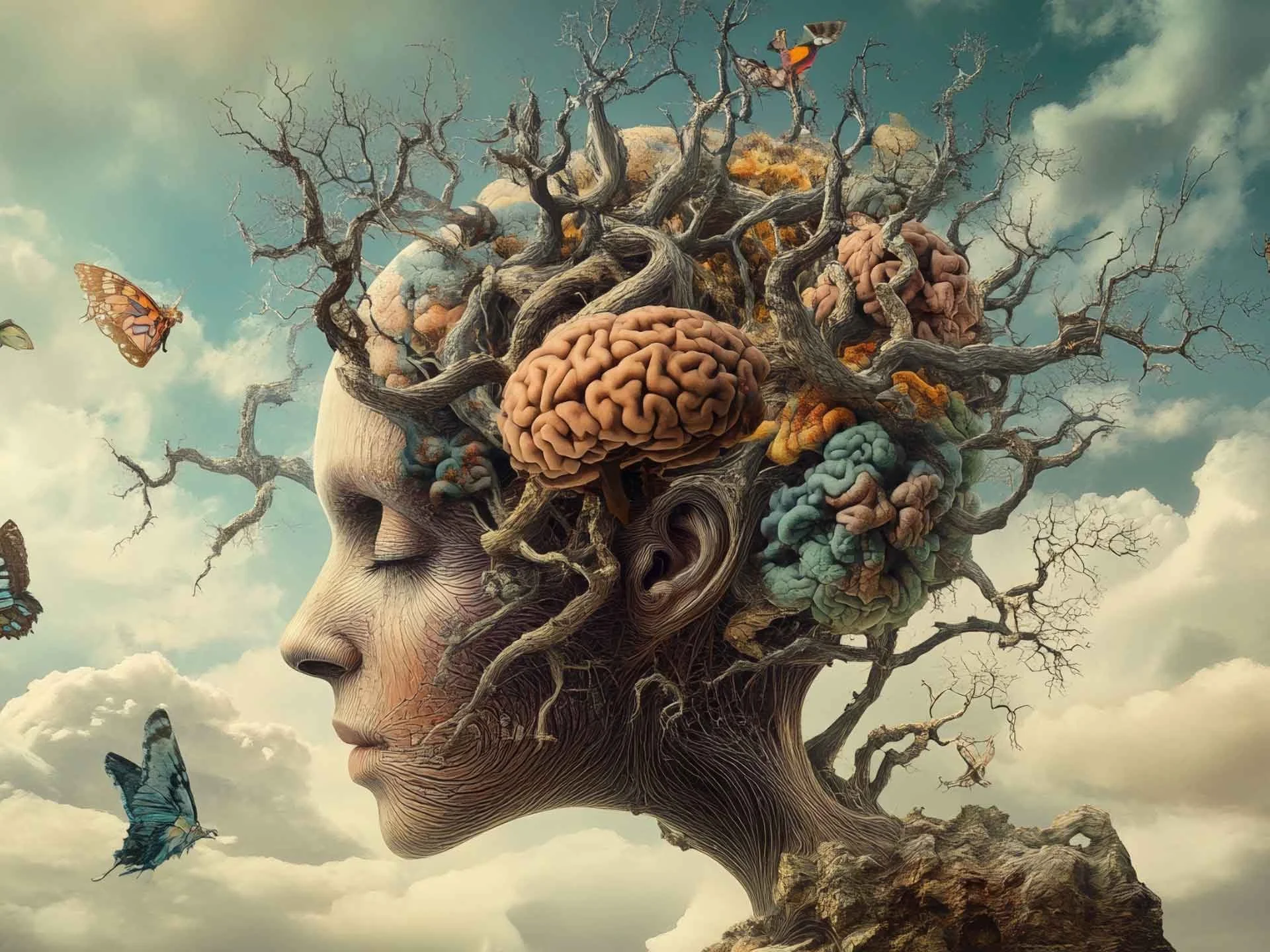
Perhaps there is something quietly healing in recognising ourselves within this wider pattern. Neurodiversity, too, is part of human ecology. Different ways of sensing, attending, processing, communicating, and perceiving have always existed within our species.
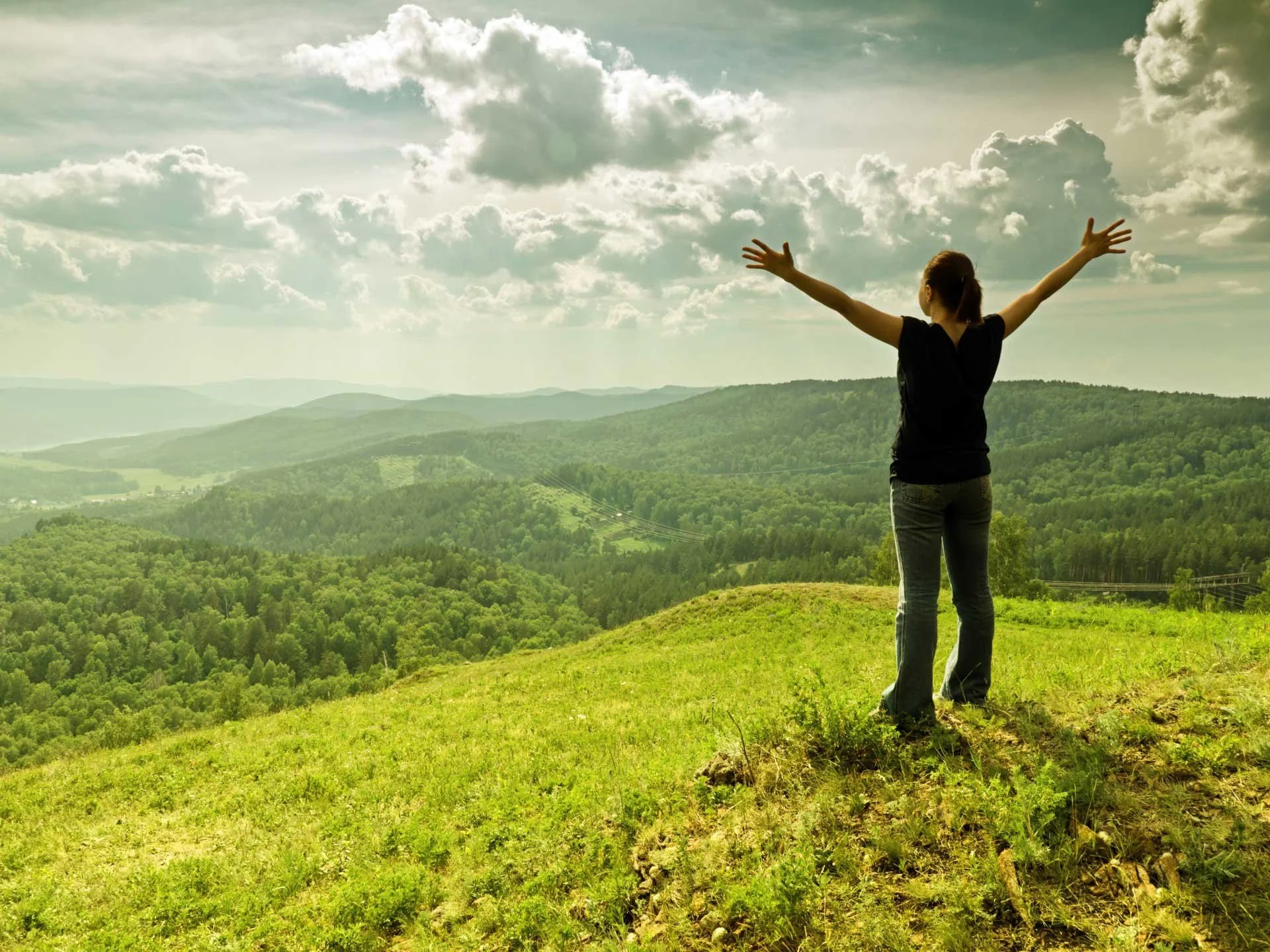
Nature may not erase difficulty, but it can offer conditions in which many people feel less fragmented and less at war with themselves. In woodland we are often reminded, gently and without words, that there are many valid ways to exist in the world. And sometimes that reminder alone can begin to ease the nervous system.
Here is a suggested nature connection article to accompany this article:
Finding Your Comfortable Distance
Many of us move through life surrounded by demands for our attention. We are expected to focus, respond, interpret, and process information almost constantly. Yet in nature there is often no ‘correct’ way to pay attention.
For this activity, find a comfortable place outdoors. A woodland is ideal, but a garden, park, or even a quiet corner with a view of trees will work just as well.
Begin by standing or sitting quietly for a moment. Notice that nothing around you is asking anything of you. The trees do not need your attention. The birds do not require a response. The clouds are not waiting for you to understand them.
Now allow your attention to wander naturally.
Rather than choosing what to focus on, simply notice what draws your awareness. Perhaps it is birdsong. Perhaps it is the movement of leaves, the texture of bark, a patch of sunlight, a scent carried on the breeze, or the feeling of the ground beneath your feet.
Spend a few minutes following whatever attracts your attention. If your awareness shifts, allow it to shift. There is no need to hold your focus in one place. Nature connection is not a concentration exercise. It is an exercise in relationship.
As you continue, notice whether there is a particular distance from the world that feels comfortable today. Perhaps you enjoy observing a landscape from afar. Perhaps you are drawn to a single leaf or flower at close range. Perhaps your attention moves back and forth between the two.
Before you leave, take a moment to reflect:
What drew your attention most strongly?
Did your attention feel different outdoors than it does indoors?
Was there a moment when you felt more settled, relaxed, or present?
What might nature be showing you about the way your mind naturally works?
Carry that observation with you for the rest of the day. Rather than judging how your attention behaves, see if you can approach it with the same curiosity and acceptance that nature offers to all living things.
There are many ways to be in the world, and perhaps many ways to pay attention as well.
You can download a PDF of this invitation here.
If you have enjoyed this article and would like to support what we do by donating £2 or more to buy saplings to plant, please follow the link below:






















A small collection designed to gently open the door into deeper relationship with the natural world.
This complete set of four Forest Healing booklets brings together practical guidance, reflective ideas, and simple nature connection practices that can be used anywhere — from ancient woodland to a nearby park, garden, or even a single Sit Spot outdoors.
Written to be accessible, grounding, and easy to follow, these booklets offer a pathway into the core practices of Forest Bathing (Shinrin-yoku), Silvotherapy, and everyday nature connection. Rather than asking you to achieve anything, they simply invite you to slow down, notice more deeply, and allow nature to become an active presence in your wellbeing.
Across the four booklets you will explore:
• What Forest Bathing, Silvotherapy, and Nature Connection actually are
• The key benefits of spending mindful time in natural environments
• The practice of the “Sit Spot” and how to develop your own relationship with a chosen place
• Simple, practical Forest Bathing invitations you can try alone or with others
• Ways to bring nature connection into everyday life, even in small moments
Together, they form a gentle introduction to practices that have been shown to support reduced stress, improved mood, greater clarity of thought, and a deeper sense of belonging within the natural world.
These are not academic texts or rigid instruction manuals. They are invitations — encouraging you to step outside, slow your pace, and rediscover the quiet intelligence of trees, weather, and landscape.
Whether you are completely new to nature connection or looking to deepen an existing practice, this collection offers a simple, supportive starting point for building a more intentional and restorative relationship with the living world around you.
A small set of booklets that can change the way you experience even the most familiar patch of nature.
Buy all Four Forest Bathing and Nature-Connection Booklets for £11.00 including FREE P&P within the UK.
Postage to the Rest of the World is £4.