

The Science of Awe: Forest Healing and Wonder
Saturday 4th July 2026
Awe is a profound emotional response that can arise when we encounter something vast, mysterious or deeply moving that exceeds our expectations. In the quiet of an ancient forest or at the edge of a great canyon, our sense of self often seems to “shrink”, and we feel part of something much larger than our individual lives. Psychologists define awe by two key ingredients: perceived vastness and a need for accommodation. In other words, awe occurs when we meet something so grand or novel that our mind must stretch to make sense of it. It is at once a mix of fear and fascination for the unknown, a feeling that calls us to expand our understanding. Though related, awe is distinct from curiosity or wonder: wonder may stir us to learn more within the bounds of familiarity, while awe pulls us beyond familiar frames of reference. In Heylighen’s words, “wonder is intermediate between curiosity and awe”, and both are epistemic emotions that motivate us to explore the world.
In forests and wild places, it is easy to feel awe. Towering trees, starry skies or thundering waterfalls confront us with scale and beauty so great they almost defy belief. In those moments our minds become quiet and we feel deeply connected. In fact, people often report that feeling awe lifts their mood and sense of purpose. Studies find that experiences of awe are among the “peak moments” that enrich our sense of meaning and well-being. Monroy and Keltner note that awe is “self-transcendent” — it shifts attention away from the ego, and makes us feel part of a larger whole. After an awe-filled walk in the woods, daily worries seem smaller, and our understanding of life slightly rewritten.
Neuroscience of Awe: A Brain in Wonder
Neuroscience confirms that awe reshapes the brain’s activity. Brain imaging shows that awe quietens the default-mode network (DMN) – the system involved in self-focused, wandering thoughts – and boosts attention to the present moment. In one study, watching natural wonders reduced activity in stress-related brain areas and heightened visual processing. In effect, nature (a prime source of awe) allows the brain to “stand down”, offering a reset from anxious rumination. This is why decades of research link nature connection to lower stress hormones and blood pressure.
Awe also engages higher-order brain regions. Neuroimaging finds that awe activates the prefrontal cortex and anterior cingulate – areas for executive function and emotion regulation. At the same time, dopamine (the “reward” chemical) floods the brain, producing feelings of joy and satisfaction. The insular cortex (which integrates bodily sensations with emotions) also lights up, blending physical and emotional awareness. In short, awe is literally a biological event — it stamps moments of wonder onto our neural networks, linking sensory inputs, memory and self-awareness.
Physiologically, awe shifts our autonomic state toward rest-and-digest. Experiencing awe often causes goosebumps or chills, reflecting a surge in parasympathetic activity. In one review, participants reported awe most strongly when feeling cold or tiny in a vast environment. At the same time, heart rate and breath may slow, and stress markers fall. For example, studies have found that on days people report unusually high awe, levels of IL-6 (an inflammatory cytokine) are significantly lower. In other words, awe down-regulates the body’s stress response. Over time, this translates to better immune function, lower blood pressure and reduced inflammation.
Awe literally rewires the brain and body. By dimming the DMN, boosting dopamine and vagal tone, and lowering stress hormones, awe puts us in a more present, connected and healthy state. As one neuroscientist puts it, moments of awe are as “important, transformative experiences” as hunger is to appetite.
Psychological and Social Effects
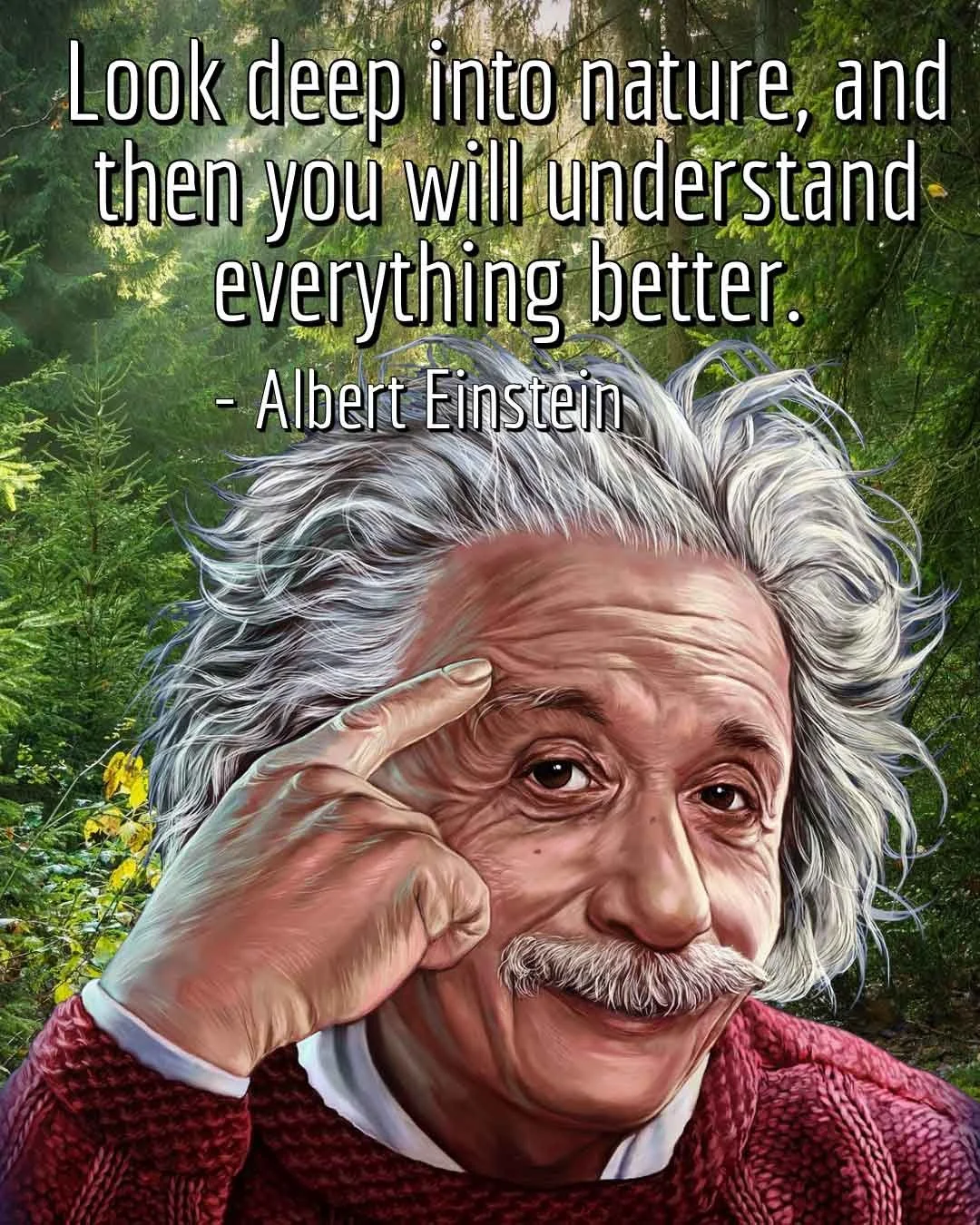
Beyond brain chemistry, awe powerfully alters our mental outlook. Most notably, awe shrinks the sense of self and expands our focus outward. People in an awe state commonly describe their “self” as smaller, with boundaries fading into the surrounding world. This small-self effect helps break cycles of rumination and self-absorption — we literally stop dwelling on our own problems and tune into something bigger. As a result, people often feel more curious, open and creative. Research shows that awe increases cognitive flexibility — people solving problems or making decisions in an awe-inspired mindset come up with more original solutions and think more ethically than those in neutral moods. It is no accident that famous “Eureka” moments (Einstein’s relativity, Newton’s gravity) began with a child-like sense of wonder at nature.
Awe also refocuses us on meaning. It heightens feelings of gratitude and humility, making us feel grateful for life’s gifts. Studies find that those who frequently experience awe tend to be more humble and report greater life satisfaction. They also value time differently: in awe, time often seems to stretch, allowing us to savour the present moment. In one experiment, people induced into awe felt more plentiful time and less impatience than those induced into other positive emotions. This altered time perception may explain why awe can leave us feeling refreshed, as if we have all the time in the world to absorb the experience.
Socially, awe brings out our kinder side. When people witness something awe-inspiring, they become more generous, empathetic and cooperative. For example, experiments show that watching awe-filled videos makes people allocate money more fairly than when watching neutral clips. Likewise, recalling a personal awe experience leads individuals to rate themselves as more altruistic afterwards. The reason appears to be that awe connects us — it “blurs the line between the self and the world around us”, making others feel like part of the same story. In this way, awe is powerfully social — it fosters group bonding and a sense of shared humanity. No wonder communal rituals (from spiritual ceremonies to concerts) often aim to induce awe. In effect, awe rewires us not only as individuals but as a community, enhancing social integration and cooperation.
Finally, experiencing awe can tune our priorities toward what truly matters. Studies consistently find that awe reduces materialism and anxiety. Participants induced to feel awe (versus those feeling joy or amusement) later expressed less desire for money and more interest in spiritual or communal goals. And importantly, awe is linked to long-term improvements in mental health — people who report experiencing awe regularly have higher resilience and lower depression and anxiety levels.
Evolutionary Roots of Awe
Why has humanity evolved this seemingly ineffable response? Experts suggest several theories. Keltner and Haidt propose that awe originally helped prehistoric humans bond and follow powerful leaders. The sense of reverence triggered loyalty and cohesion in tight-knit groups, aiding survival. Another idea (from Chirico and Yaden) is that awe guides us to elevated vantage points. Spotting a panoramic view would let hunter-gatherers scan for predators; thus our brains may be wired to feel awe at high places or wide horizons.

More broadly, awe encourages cognitive accommodation. By jolting us out of mental routines, awe motivates us to update our mental models of the world. Psychologists note that overwhelming stimuli force us to restructure our understanding, a process crucial for learning and adaptation. In practical terms, encountering the vast Grand Canyon or contemplating the night sky makes us question assumptions and take in new information. This quest for learning would have favoured ancestors who survived better by quickly integrating novel knowledge about the world.
In short, awe evolved because it makes us pay attention and bond with others — both key to flourishing societies.
Nature as a Source of Awe

Among all awe-inspiring stimuli, nature is a superstar. Across cultures and landscapes, natural scenes are reliably potent awe triggers. A panoramic mountain view, a rainstorm, or the first bloom of spring can induce awe even in people who spend most of their lives in cities. Indeed, recent reviews show that contact with natural environments improves health: it lowers stress and inflammation, raises parasympathetic (calm) activity and boosts immune function. Researchers increasingly think that awe is one of the key bridges linking nature to these benefits.
Empirical studies support this. For example, a study of inner-city teens and combat veterans found that feeling awe outdoors (on a rafting trip) significantly reduced PTSD symptoms and stress while improving wellbeing. In one of those daily-diary experiments, university students who recorded nature experiences at the end of each day reported increased wellbeing to the extent they also felt awe during those experiences. In short, seeing the sky from a hilltop or the grandeur of a forest cathedral not only feels amazing, it measurably elevates mood and health.
Forest Therapy practitioners have long observed this. As I have describe before, participants in Forest Bathing walks frequently recall moments of “scale-induced awe” — memories of standing under giant redwoods or staring at a star-filled sky. These experiences often stay seared in memory, promoting deep curiosity and connection to nature. Forest therapy practitoners harness this by inviting people to expand their awareness — noticing the immense sky above, feeling dwarfed by a waterfall, or tracing sunlight between tall trunks. In effect, well-guided forest immersion deliberately creates conditions for awe.
Health and Wellbeing Benefits
The practical upshot of all this science is clear — regularly cultivating awe can improve mental, emotional and physical health. Awe has been linked to higher life satisfaction and happiness. It is a powerful stress-reducer — multiple studies show people who seek or notice awe experience less anxiety and fewer physical complaints like headaches. At a biological level, these experiences release endorphins and other “feel-good” neurochemicals that lower blood pressure and dampen inflammation. Over weeks and months, the cumulative effect of frequent awe can resemble other healthy routines — as has been described, “awe works best as a regular practice rather than an occasional experience”, much like exercise.
Cognitively, awe boosts critical thinking and resilience. People report enhanced creativity and openness after awe experiences. They also tend to “think more expansively”, which translates into better problem-solving and more flexible coping with challenges. In practical terms, this means someone who regularly notices wonder in nature may handle stress with more ease, and find meaning even in hardship. Indeed, a pandemic-era study found that days with more awe were associated with better sleep, greater wellbeing and fewer bodily complaints, even when controlling for other positive emotions.
Finally, awe promotes social health. By increasing generosity and empathy, it strengthens relationships. Feelings of awe make us feel closer to family, friends and even strangers, effectively expanding our social support network and sense of belonging. In many ways, moments of shared awe (such as viewing a sunset together) act like a natural form of group therapy, weaving individuals into a cohesive community.
Cultivating Awe in Forest Healing
Forest Healing practices aim to integrate this science into everyday life. Here are some evidence-based ways to seek out and savour awe, especially in nature:
Mindful Nature Walks
Slow down and explore with open, curious attention. Rather than walking with a to-do list in your mind, pause to notice vast features (the sky, a view, massive trees) and minute details (the veins of a leaf, moss on bark). Research shows that open-attention walks in wild settings consistently boost wellbeing more than routine walks. In practice, a simple “awe walk” might involve silently gazing upward at the canopy, listening deeply to birdcalls or the breeze, and observing patterns of light. Even an urban park can yield wonder if you pay full attention.Mindful Observation
Take short daily breaks to wonder at something beautiful. Stop and look closely at a morning sunrise, a flower opening, or a rainbow. Engage all your senses — feel the breeze on your skin, smell pine or rain, listen to rustling leaves. These moments of focused observation quiet the mind and often trigger awe spontaneously.Music and Art
Tune into music or art that moves you. Evidence suggests that self-selected awe-inspiring music can induce chills and relaxation, improving mood and even lowering blood pressure. Try creating an “awe playlist” of pieces that reliably give you goosebumps, then listen with intention (not as background noise). Similarly, visiting an art gallery or even staring at images of nature can spark awe. The key is full attention and allowing the wonder to wash over you.Awe Narratives
Reflect on and write about past awe experiences. Studies show that mentally re-experiencing personal moments of awe produces similar benefits to real-time nature exposure. Each week, jot down 3–5 vivid awe memories from your life – perhaps a mountain vista, the birth of a child, or a profound starlit night. Describe them in detail. During stressful times, re-read these narratives. Reliving these experiences can momentarily transport you back to the awe and reinforce its positive effects.Everyday Awe Practices
Cultivate an “awe mindset” through mindfulness or meditation. People who regularly practice present-moment awareness (through meditation, prayer or simple attention exercises) report more frequent awe. You can combine this with forest time by meditating outdoors, practicing deep breathing under a tree, or simply slowing your pace. By training your mind to notice the extraordinary in the ordinary, awe becomes an accessible daily resource.Group Experiences
Share awe with others. Forest therapy often involves small groups walking or sitting together, reflecting on awe. Communal rituals like singing, chanting or story-sharing can also amplify awe’s effects. For example, one mural project found that viewers of a massive collaborative artwork left feeling a shared sense of possibility and hope – “the gift of awe”, as one artist described. In group forest walks, people who witness something together (a fawn crossing the path, a golden sunset) often report feeling a stronger bond afterward.
In all these practices, consistency is key. Research indicates that brief, frequent encounters with awe accumulate benefits over time. You don’t need grand adventures to experience wonder — even glancing at the night sky or noticing a delicate frost pattern can recalibrate your brain and body. The goal is to make awe a gentle habit – a regular part of how you relate to the world.
Final Thoughts
Modern science is now confirming what forest healers have long intuited — awe is a powerful force for health and connection. As Shiota reminds us, awe is “accessible in everyday life” and can be “a valuable tool for enhancing well-being”. By intentionally inviting moments of wonder — through walks in the woods, or simply gazing skyward — we can literally reshape our brains and bodies for the better. In the words of one practitioner, awe “blurs the line between the self and the world,” granting us humility and joy. In this sense, cultivating awe is at the heart of forest healing: it turns ordinary experiences into sacred encounters, stress into serenity, and division into oneness.
Whether under a cathedral of trees or beneath a starry sky, let us cherish those moments of quiet amazement. The science is clear: brief as they may be, they offer big shifts – in perspective, in health, and in how deeply we connect to the world around us.
If you have enjoyed this article and would like to support what we do by donating £2 or more to buy saplings to plant, please follow the link below:





























A small collection designed to gently open the door into deeper relationship with the natural world.
This complete set of four Forest Healing booklets brings together practical guidance, reflective ideas, and simple nature connection practices that can be used anywhere — from ancient woodland to a nearby park, garden, or even a single Sit Spot outdoors.
Written to be accessible, grounding, and easy to follow, these booklets offer a pathway into the core practices of Forest Bathing (Shinrin-yoku), Silvotherapy, and everyday nature connection. Rather than asking you to achieve anything, they simply invite you to slow down, notice more deeply, and allow nature to become an active presence in your wellbeing.
Across the four booklets you will explore:
• What Forest Bathing, Silvotherapy, and Nature Connection actually are
• The key benefits of spending mindful time in natural environments
• The practice of the “Sit Spot” and how to develop your own relationship with a chosen place
• Simple, practical Forest Bathing invitations you can try alone or with others
• Ways to bring nature connection into everyday life, even in small moments
Together, they form a gentle introduction to practices that have been shown to support reduced stress, improved mood, greater clarity of thought, and a deeper sense of belonging within the natural world.
These are not academic texts or rigid instruction manuals. They are invitations — encouraging you to step outside, slow your pace, and rediscover the quiet intelligence of trees, weather, and landscape.
Whether you are completely new to nature connection or looking to deepen an existing practice, this collection offers a simple, supportive starting point for building a more intentional and restorative relationship with the living world around you.
A small set of booklets that can change the way you experience even the most familiar patch of nature.
Buy all Four Forest Bathing and Nature-Connection Booklets for £11.00 including FREE P&P within the UK.
Postage to the Rest of the World is £4.