

The Summer Solstice in Ancient Scotland
The Celts, Sacred Sites and Nature Connection
Saturday 20th June 2026
As the days lengthen and the sun reaches its highest point in the sky, Scotland enters one of the most magical moments of the year. The Summer Solstice, occurring around 21st June each year, marks the longest day and shortest night. For thousands of years, people have gathered to witness this turning point in the seasonal cycle, celebrating the abundance of light and the vitality of the natural world.
In ancient Scotland, the Summer Solstice was far more than an astronomical event. It was a moment of transition, a reminder of human kind's dependence upon the land, and an opportunity to acknowledge the relationship between people, place, and the wider cosmos. Across Scotland, ancient stone circles, burial cairns, and ceremonial landscapes still bear witness to this enduring connection.
While many of Scotland's solstice-aligned monuments predate the historical Celts by thousands of years, they reveal a continuity of awareness that later Celtic cultures would inherit and express through their own seasonal traditions and celebrations. Together, they tell a story of people who lived in close relationship with the rhythms of nature and who understood the changing seasons as an essential part of life itself.
The Ancient Seasonal Calendar and the Quarter Days
To understand the significance of the summer solstice in Scotland, it helps to appreciate how earlier peoples experienced the year.
Today we often think of time as something measured by clocks and calendars. But for much of human history, however, time was experienced and measured through the changing patterns of the natural world. The length of the day, the flowering of plants, the arrival of migrating birds, and the ripening of crops all served as markers in the annual cycle.
In Scotland, the traditional ‘Quarter Days’ divided the year into four key periods. These later became known as Candlemas, Whitsunday, Lammas, and Martinmas, and were associated with agricultural activities, legal agreements, and community gatherings. Alongside these practical divisions were older seasonal festivals that reflected a more nature-centred understanding of time. The Celtic calendar recognised important thresholds within the year, including:
Samhain (around 1st November)
Imbolc (around 1st February)
Beltane (around 1st May)
Lughnasadh (around 1st August)
These celebrations marked the transitions between seasons and reflected a worldview in which humans were participants within nature rather than separate from it.
The Summer Solstice falls midway between Beltane and Lughnasadh, occupying a unique position within the cycle of growth. It represents the peak of light and abundance before the gradual journey towards harvest time and Autumn begins.
The Celts and Their Relationship with Nature
Although modern culture often associates the Celts primarily with warriors, myths, and tribal societies, their worldview was deeply rooted in the natural world.
For Celtic peoples, nature was not merely a backdrop to human activity. Rivers, mountains, forests, animals, and celestial bodies were woven into a living tapestry of meaning and significance. The landscape itself was imbued with spirit and story. Sacred groves, springs, and prominent natural features often served as places of gathering and ceremony. Seasonal festivals reflected an understanding that human wellbeing depended upon maintaining harmony with the cycles of the earth.
This perspective resonates strongly with many contemporary approaches to nature connection. Rather than viewing nature as a resource to be managed or exploited, the Celtic worldview encouraged participation in a living relationship with the land. The Summer Solstice would likely have embodied many of these themes. It represented fertility, growth, vitality, and abundance. It was a time when the power of the sun was most evident and when the landscape was bursting with life.
While direct evidence of specific Celtic solstice rituals in Scotland is limited, the broader cultural importance of seasonal observance suggests that the longest day of the year would have been recognised as a significant moment within the annual cycle.
Ancient Scotland's Solstice-Aligned Monuments
One of the most fascinating aspects of the Summer Solstice in ancient Scotland is the evidence that many prehistoric monuments were carefully positioned in relation to the movements of the sun. These monuments were constructed long before written records existed, making it impossible to know precisely what their builders believed. Nevertheless, archaeological research continues to reveal remarkable alignments that suggest close observation of the heavens.
Machrie Moor, Arran
Among Scotland's most impressive prehistoric landscapes is Machrie Moor on the Isle of Arran.
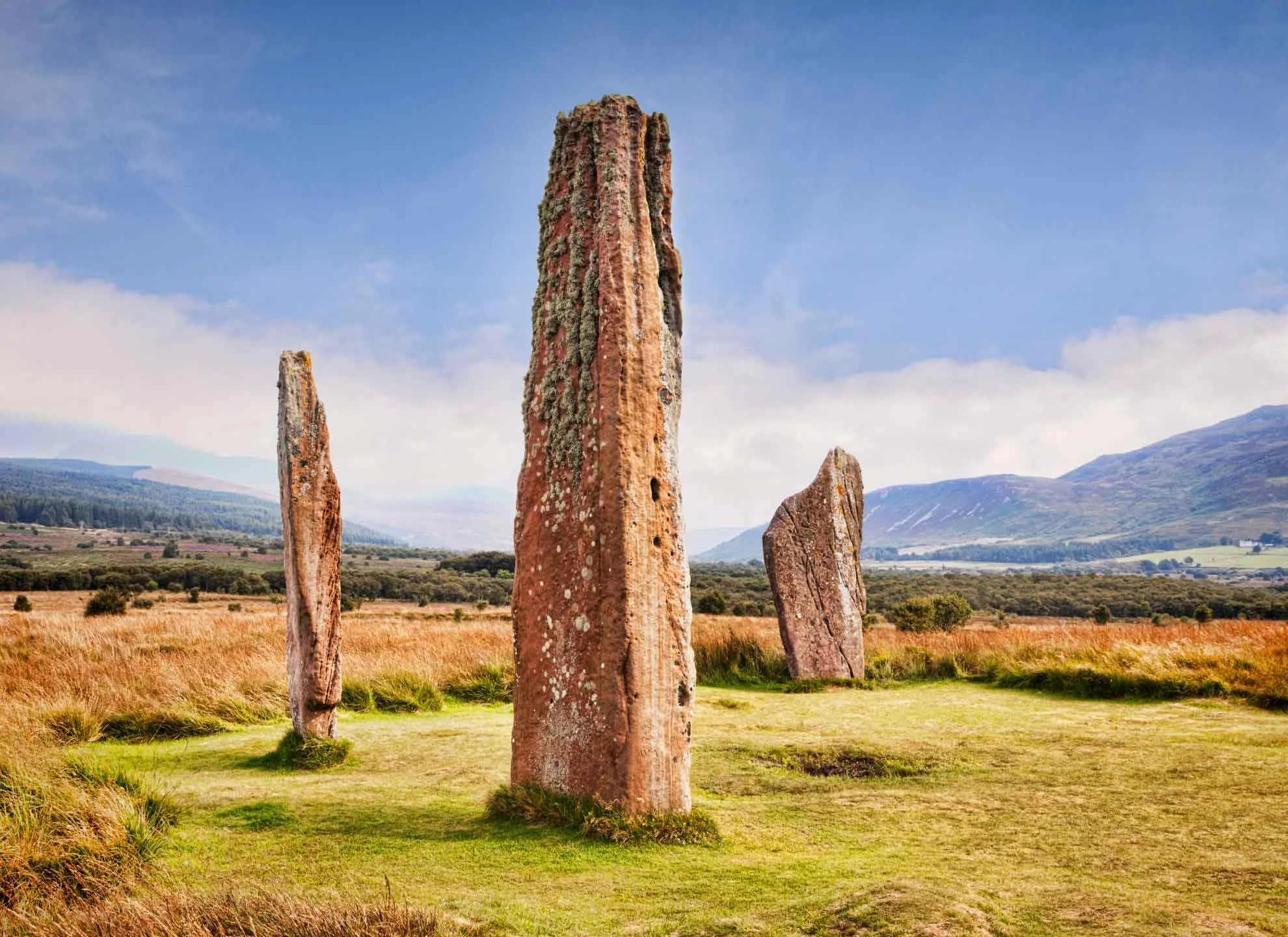
This remarkable site contains several stone circles dating from the Neolithic and Bronze Age periods (4000 BCE to 800 BCE). Archaeological studies suggest that four of the circles align with a prominent notch at the head of Machrie Glen, where the midsummer sun rises.
Standing among these ancient stones at dawn, it is easy to imagine generations of people gathering to witness the return of the sun at its greatest strength.
Machrie Moor also reminds us that ceremonial landscapes often served multiple purposes. The site contains evidence of burial activity alongside its astronomical significance, suggesting an intertwining of seasonal celebration, community memory, and ancestral connection. It is easy to imagine how such a place could have gathered both light and grief, celebration and remembrance.
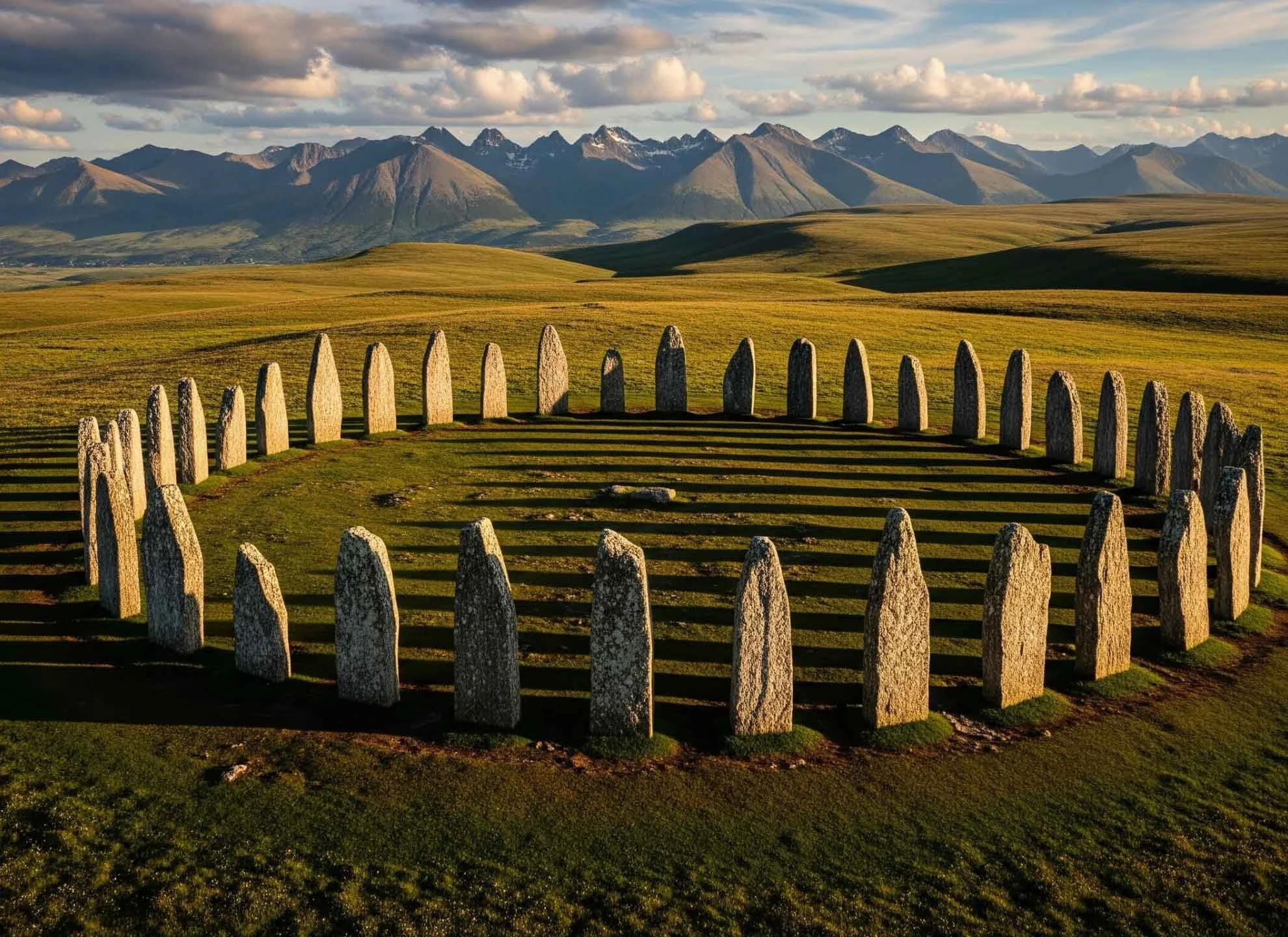
Machrie Moor as it might have looked two thousand years ago
Calanais Standing Stones
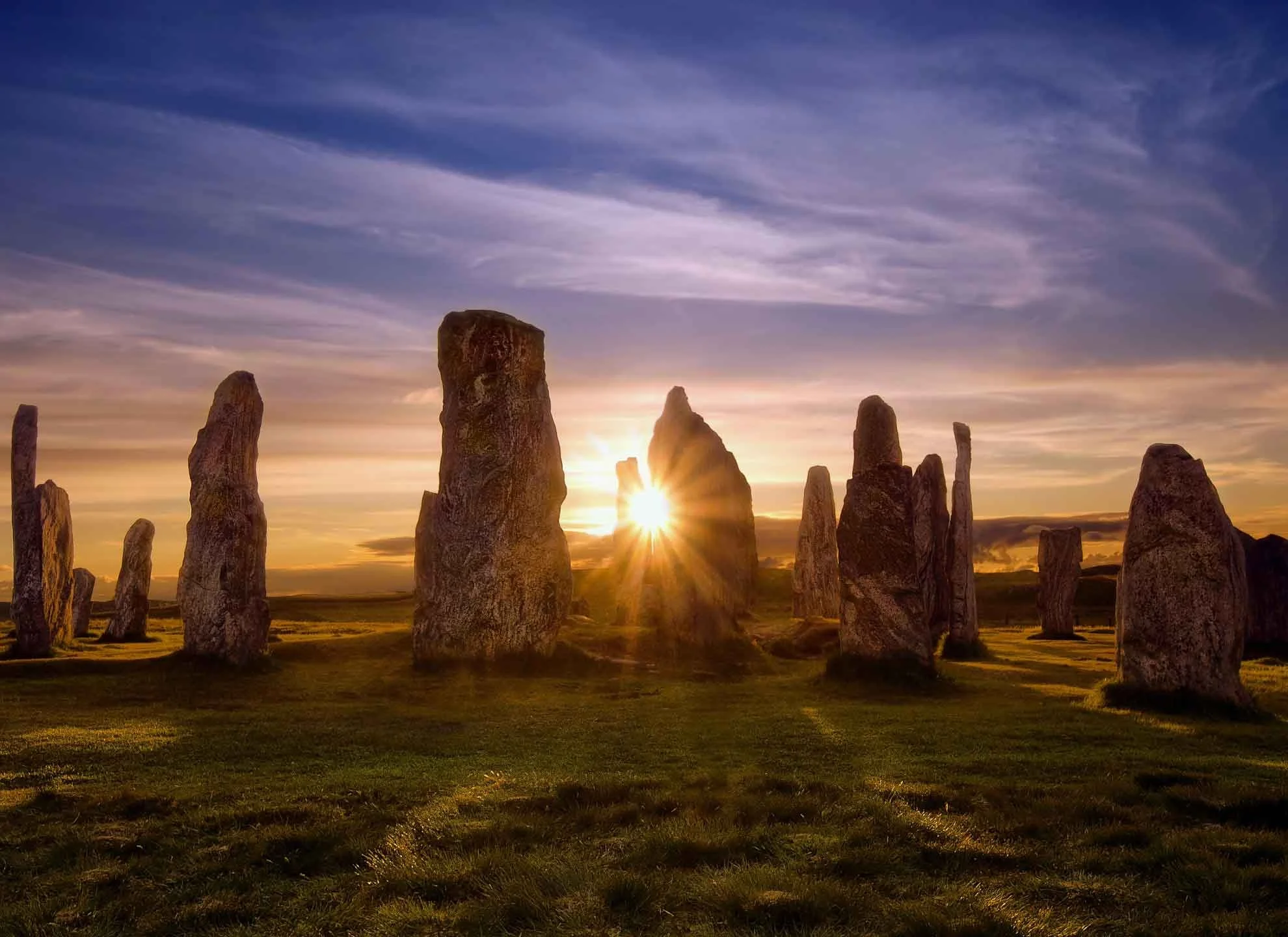
Perhaps no Scottish stone circle captures the imagination quite like Calanais Standing Stones near Callanish on the Isle of Lewis.
Constructed approximately 5,000 years ago, the monument consists of a central stone circle with avenues extending outward in a distinctive cross-shaped formation. Research suggests that the monument was designed with careful attention to solar and lunar movements. During the Summer Solstice (as well as during the Winter Solstice), researchers have shown that standing in the centre of the circle allows the sun to rise over one of the stones, with a very low chance of that alignment occurring by accident.
The experience of standing within Calanais during midsummer creates a powerful sense of connection between landscape, sky, and human presence. Whether the monument functioned as an observatory, ceremonial site, or both, it demonstrates a sophisticated understanding of the rhythms of the natural world and speaks of people who were deeply attentive to the sky’s recurring patterns.
Tomnaverie Stone Circle
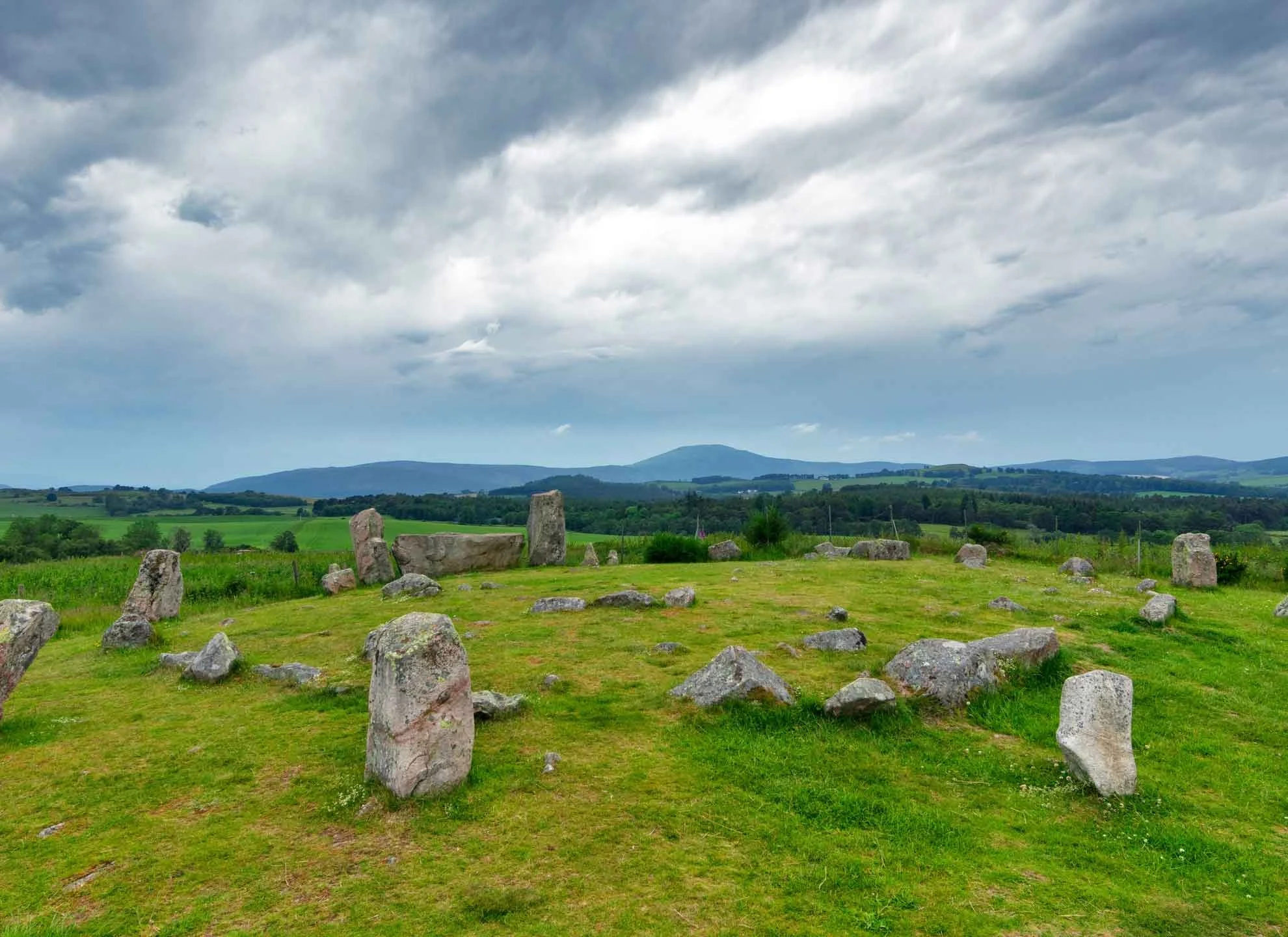
Nestled within the Aberdeenshire landscape, Tomnaverie Stone Circle offers another intriguing example of solar alignment and is very special to me as it only a few miles from Forest Healing HQ.
Tomnaverie belongs to a distinctive group known as recumbent stone circles, characterised by a large horizontal stone flanked by upright stones. Researchers have suggested that particular stones within the circle may have been positioned to mark significant solar events, including the Summer solstice. The monument's careful design reflects an attentiveness to the movements of light across the landscape.
Rather than separating spirituality from observation, sites such as Tomnaverie suggest that ancient peoples experienced both together.
The Lunar Connection
Northeast Scotland is home to roughly 100 recumbent stone circles, and it should be noted that these are more strongly linked to ancient lunar tracking rather than solar observation.
The "Roll Back of the Moon"
The large horizontal ‘recumbent’ stone sits on the southwest perimeter at Tomnaverie and is framed by two tall standing stones. These stones were meticulously leveled to create a viewing window for the moon, specifically during the major lunar standstill that occurs every 18.6 years. During this cycle, the moon — sometimes referred to as rolling across or dipping behind the artificial horizon — appears to hover intimately with the stones. The last time that this happened was in 2024, shortly after I moved here.
Symbolism
The stones themselves hint at a deep devotion to the night sky. Many are flecked with quartzite. When polished by Neolithic hands, these stones would quite literally catch and reflect moonlight, making the circle glow during specific lunar events.
The Sacred Landscape
Apart from the moon, the stone circle was designed to interact with its physical surroundings. From the circle's center, the recumbent stones and flankers perfectly frame the imposing silhouette of the distant mountain Lochnagar, blending earthly landscapes with celestial movements.
Clava Cairns and the Light of Midsummer
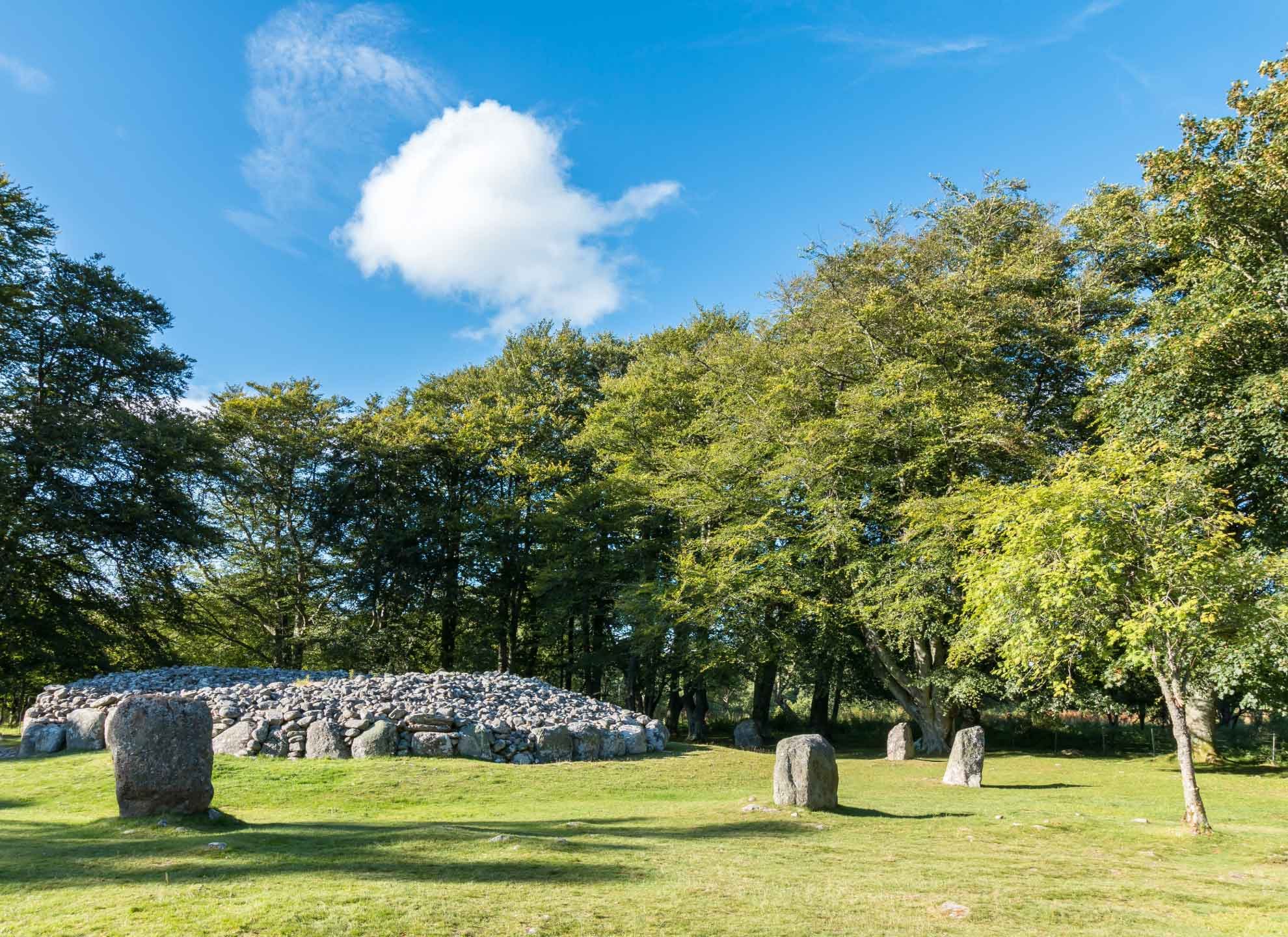
The Clava Cairns are again more often associated with aligning with the Winter Solstice, but they also reveal fascinating relationships with midsummer light. Dating to around 2000 BCE, the site contains passage graves and ring cairns surrounded by standing stones. Researchers have noted the deliberate use of contrasting stone colours and the placement of quartz-rich stones that can catch and reflect sunlight.
During the height of Summer, these features become particularly striking, suggesting that the builders were attentive not only to the position of the sun but also to the qualities of light itself. The result is a landscape where stone, sunlight, memory, and ceremony come together in a profound expression of human relationship with place.
Why Was the Summer Solstice Important?
The precise beliefs of Scotland's prehistoric peoples remain beyond our reach. Yet archaeology allows us to make some informed observations. The Summer Solstice may have served several important functions:
A Seasonal Marker
The longest day provided a reliable indicator within the annual cycle. In agricultural communities, understanding seasonal timing could be vital for planning future activities.
A Time of Gathering
Many ceremonial monuments show evidence of communal activity and feasting. The solstice may have offered an opportunity for dispersed communities to come together.
A Celebration of Abundance
Midsummer occurs when plants, animals, and landscapes are at their most vibrant. Celebrations may have expressed gratitude for nature's generosity.
A Spiritual Threshold
Ancient cultures often viewed moments of transition as spiritually significant. The solstice represents a turning point when increasing daylight begins its gradual decline.
A Connection Between Earth and Sky
The careful alignment of monuments suggests that the movements of celestial bodies held deep meaning. Observing the sun's journey may have reinforced a sense of belonging within a larger cosmic order.
What the Summer Solstice Can Teach Us Today
Modern life often distances us from seasonal awareness. Artificial lighting, climate-controlled buildings, and digital technology can make it easy to forget the subtle changes unfolding around us. Yet the ancient monuments of Scotland continue to invite us into a different relationship with time.
The builders of Machrie Moor, Calanais, Tomnaverie, and Clava lived without modern instruments, yet they observed the world with extraordinary attention. They noticed where the sun rose. They watched how shadows moved. They recognised patterns that repeated year after year. In many ways, this quality of attention lies at the heart of nature connection.
The Summer Solstice continues to offer an opportunity to pause and notice the world around us. To witness the long evening light. To observe the fullness of summer growth. To experience ourselves not as separate from nature but as participants within it.
A Forest Healing Reflection
For those of us seeking a deeper connection with nature, the Summer Solstice is not simply a historical curiosity. It is an invitation.
An invitation to step outside before dawn and watch the sun rise.
An invitation to linger beneath the canopy of trees as evening stretches long into twilight.
An invitation to recognise that we, like those who stood among Scotland's ancient stones thousands of years ago, remain part of the same living earth.
The monuments of ancient Scotland remind us that paying attention can itself become a form of reverence. The people who built these places may have left no written explanation for their actions, but their stones continue to speak. They speak of relationship, observation, wonder, and belonging. And perhaps that is the enduring gift of the Summer Solstice — a reminder that beneath all our modern complexities, we remain creatures of sunlight, seasons, and place, held within the ancient rhythms of a living world.
As the seasons change may we pause to meet the turning of the year with wonder.
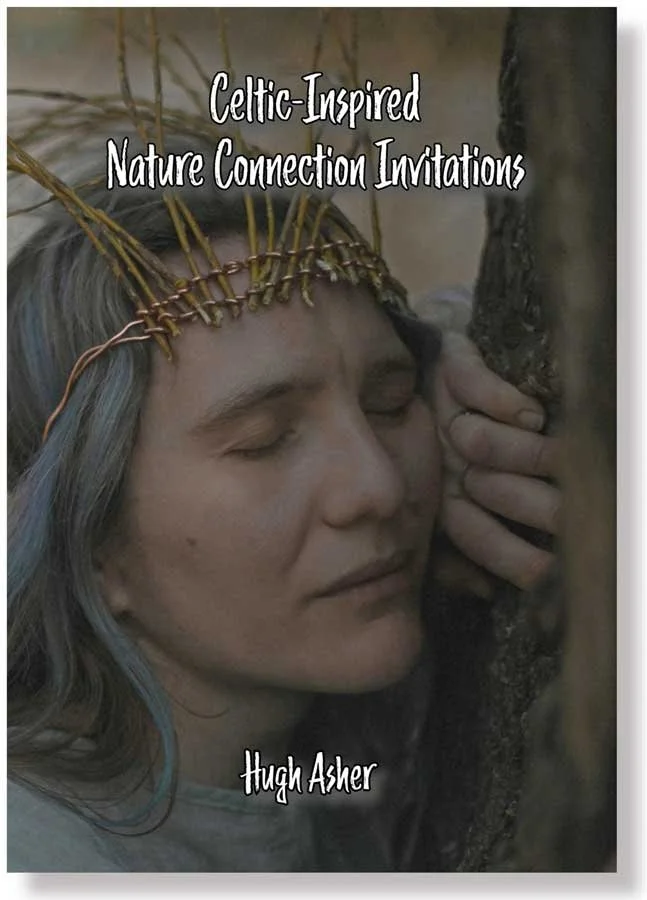
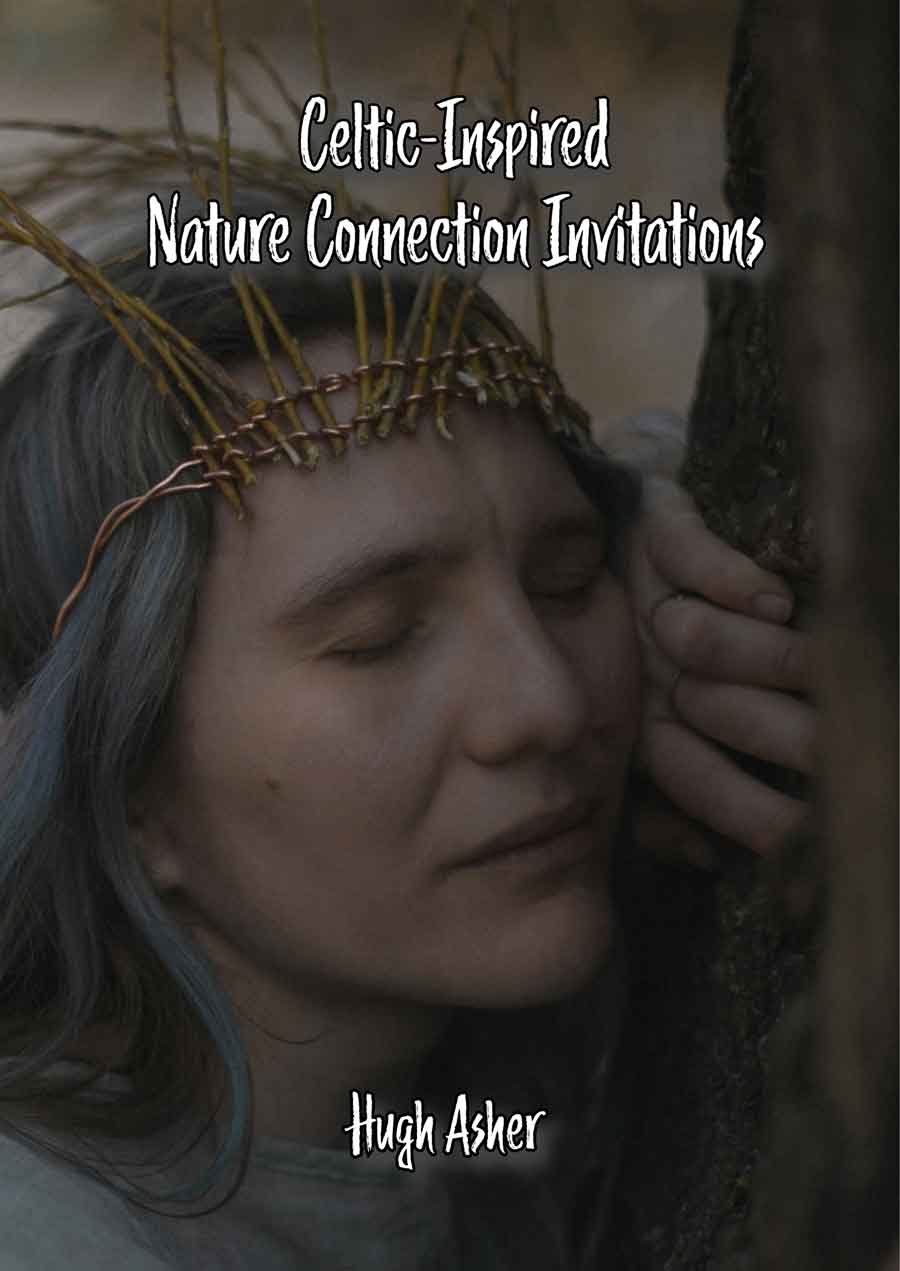
Celtic-Inspired Nature Connection Ideas offers gentle, creative ways to deepen your relationship with the living world around you — through seasonal reflection, simple rituals, and nature-based practices inspired by Celtic tradition.
Whether you are looking for a meaningful gift, a companion for your own practice, or a way to mark the longest day with more intention, this book invites you to slow down, step outside, and listen.
Celebrate the light. Honour the land. Reconnect with the natural world.
This 40 page perfect-bound book is A5 in size and contains 16 Celtic-Inspired nature connection invitations including: Spiritually Engaging with a Tree; Becoming One with the Earth; The Cailleach’s Stone; Thin Places; Appeasing the Sídhe; and one for each of the four ‘Cross-Quarter’ days - Samhain, Imbolc, Beltane, and Lughnasadh.
There is also an overview of ‘The Celtic Calendar’ and how and why nature played such an important role in Celtic culture.
If you have enjoyed this article and would like to support what we do by donating £2 or more to buy saplings to plant, please follow the link below:


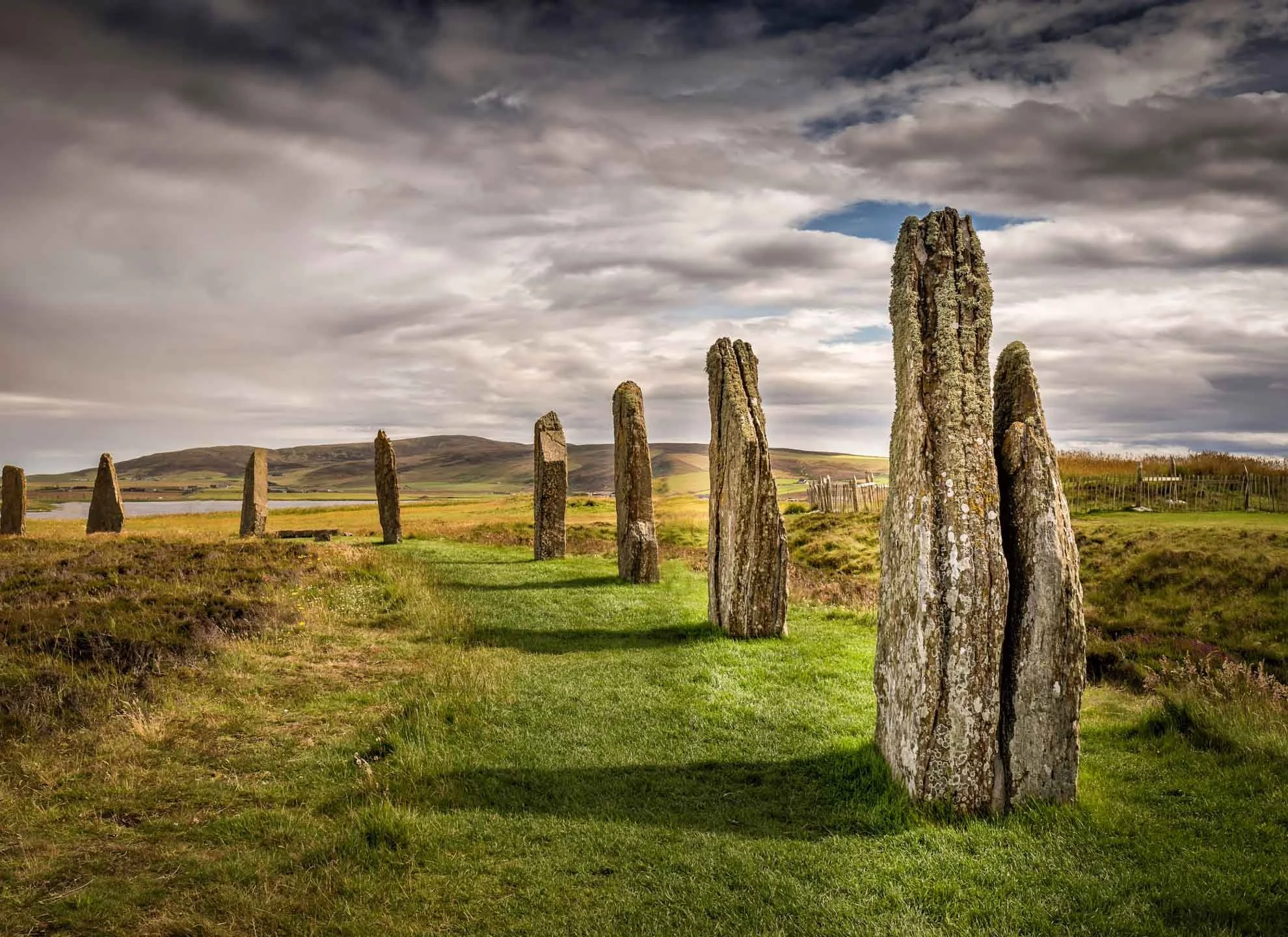
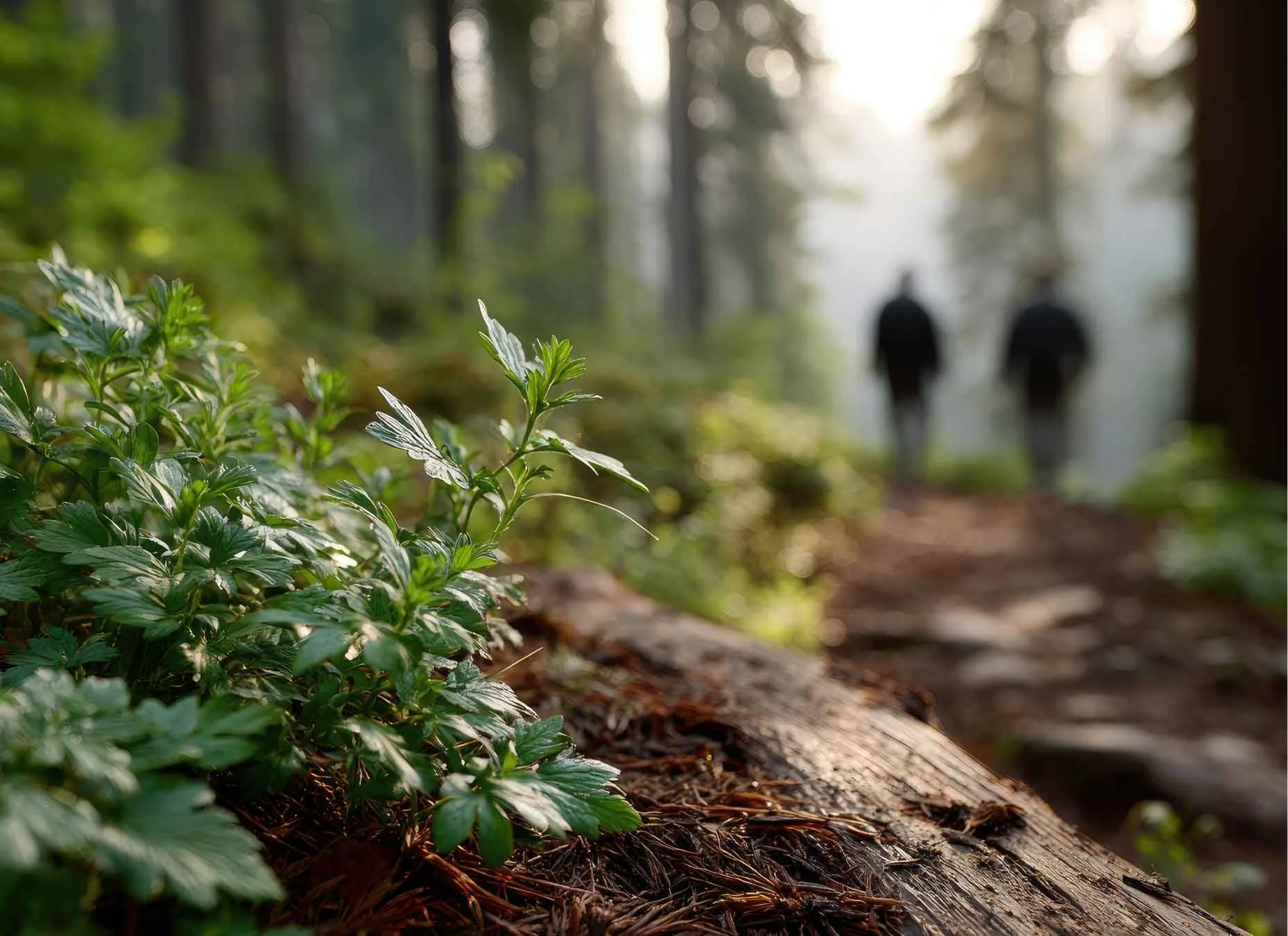



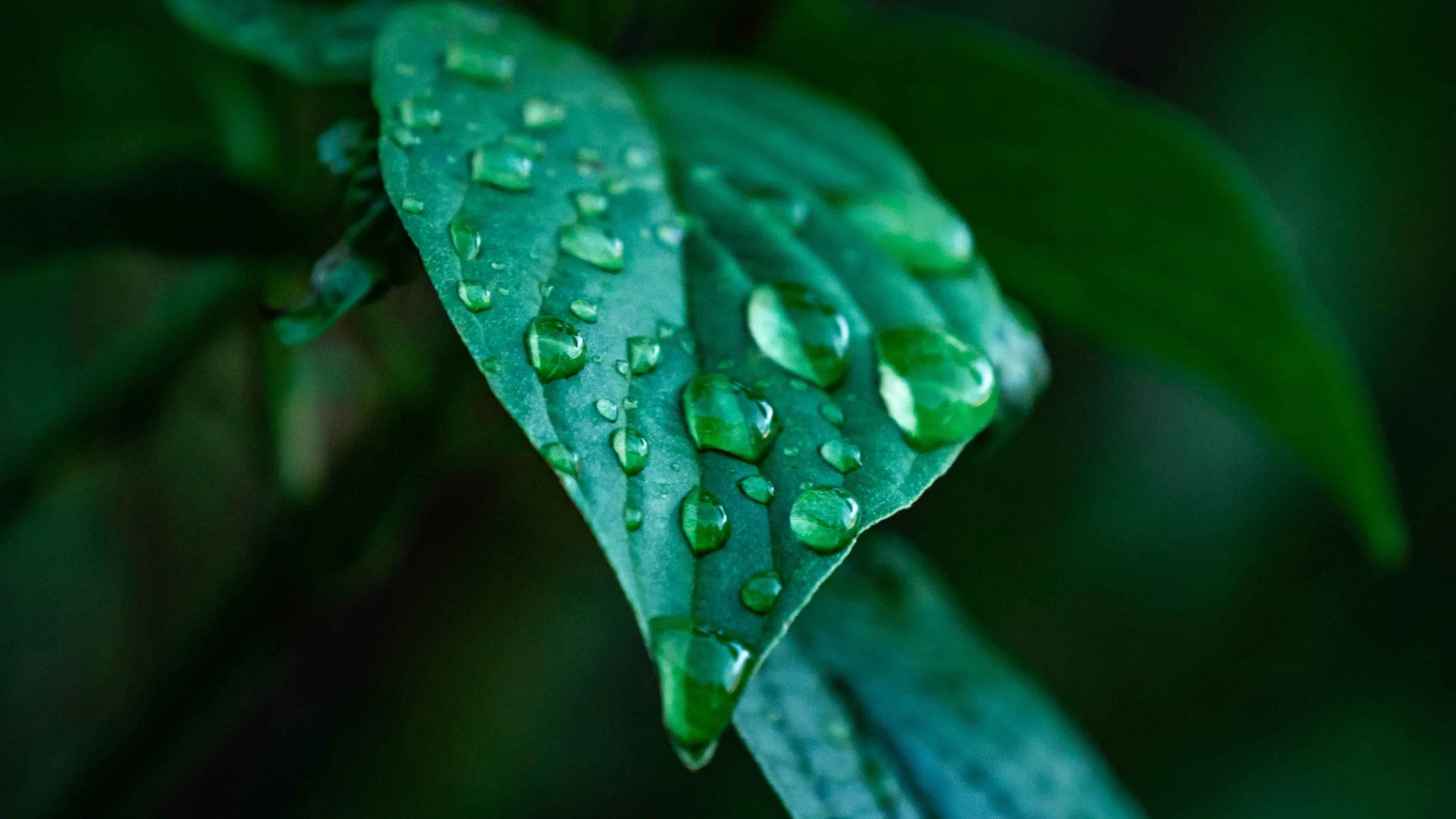

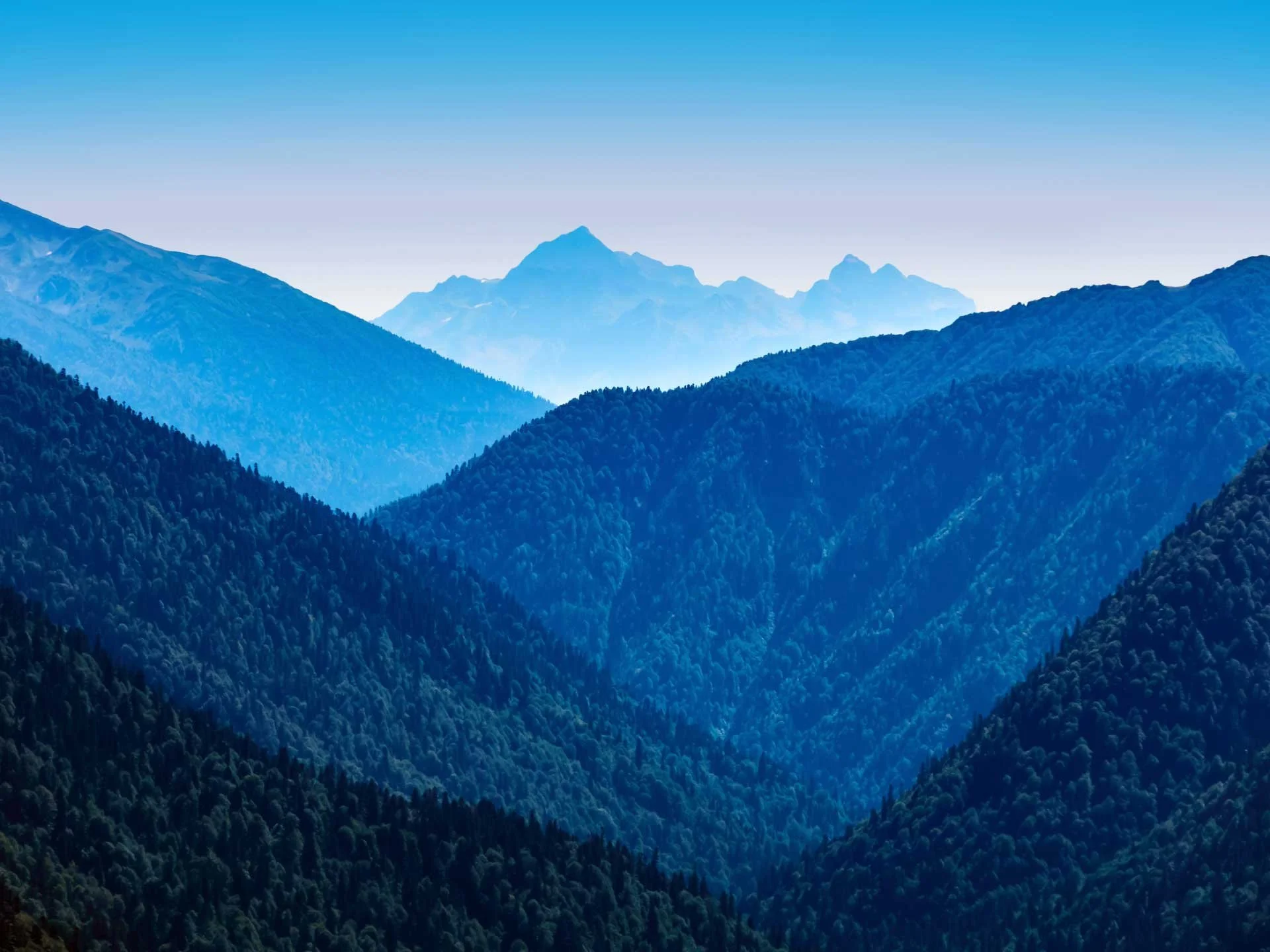

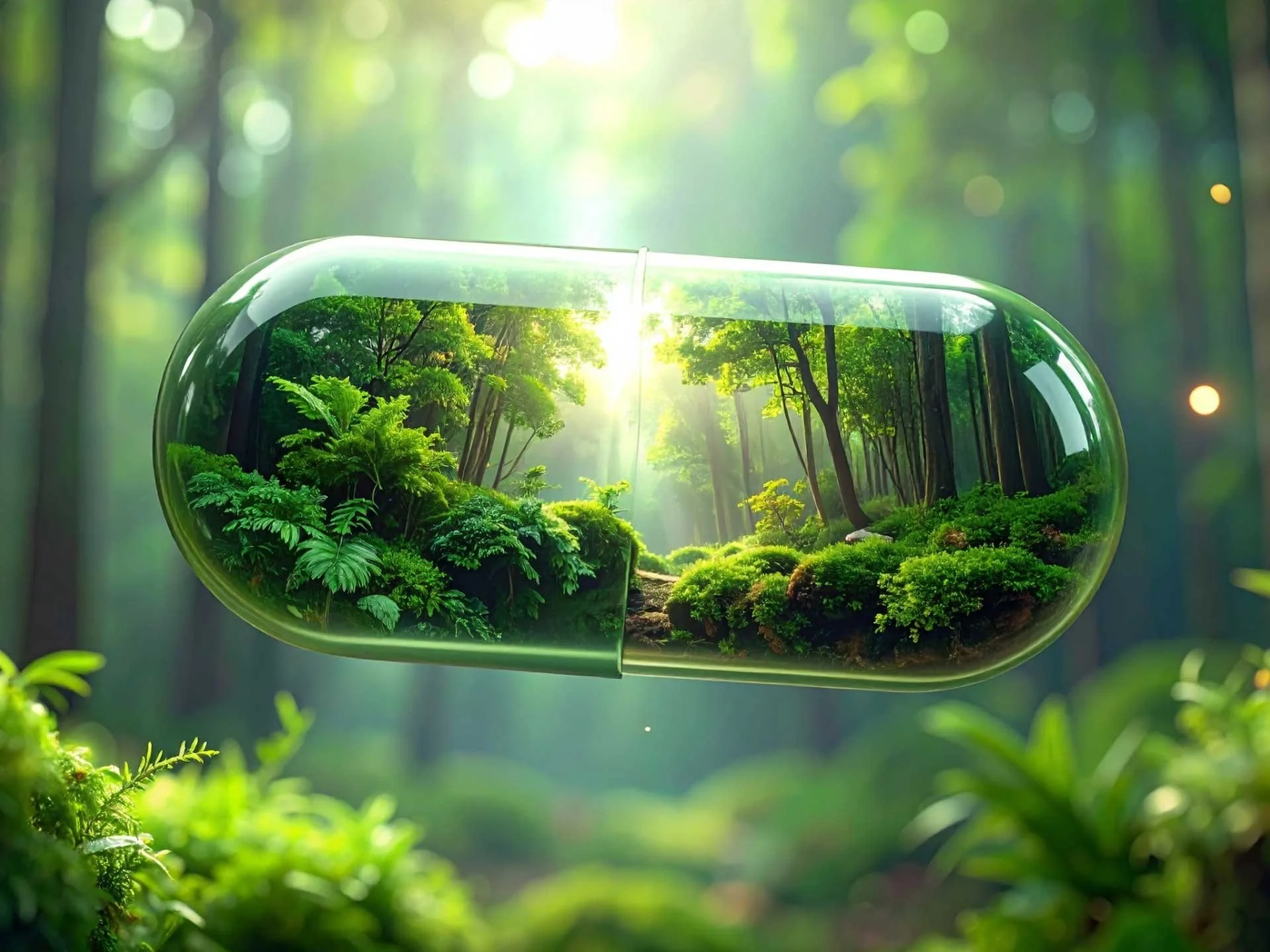


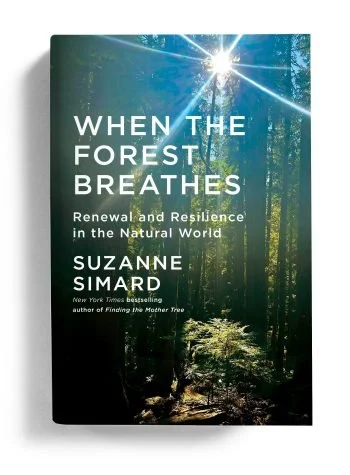

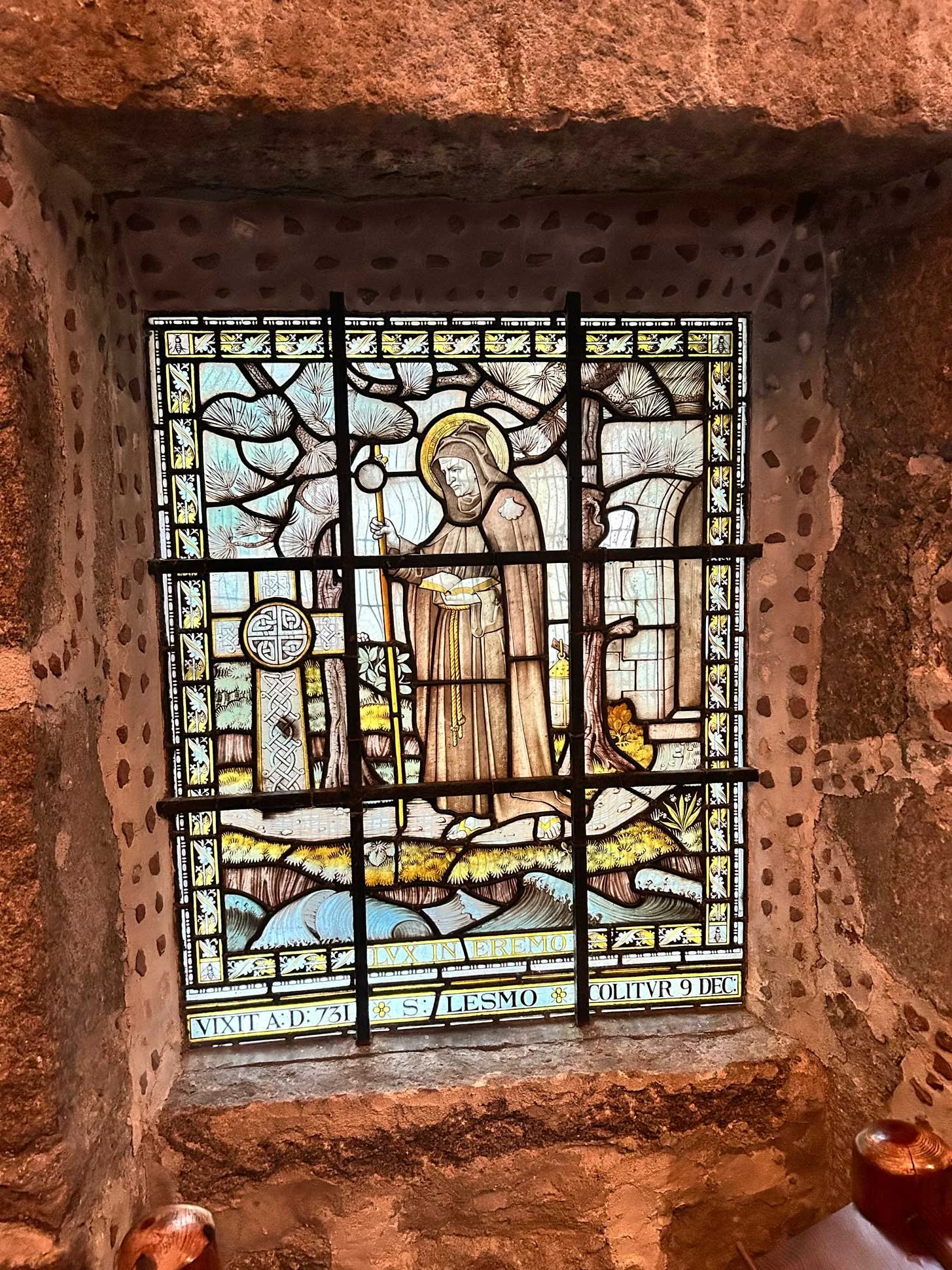
A small collection designed to gently open the door into deeper relationship with the natural world.
This complete set of four Forest Healing booklets brings together practical guidance, reflective ideas, and simple nature connection practices that can be used anywhere — from ancient woodland to a nearby park, garden, or even a single Sit Spot outdoors.
Written to be accessible, grounding, and easy to follow, these booklets offer a pathway into the core practices of Forest Bathing (Shinrin-yoku), Silvotherapy, and everyday nature connection. Rather than asking you to achieve anything, they simply invite you to slow down, notice more deeply, and allow nature to become an active presence in your wellbeing.
Across the four booklets you will explore:
• What Forest Bathing, Silvotherapy, and Nature Connection actually are
• The key benefits of spending mindful time in natural environments
• The practice of the “Sit Spot” and how to develop your own relationship with a chosen place
• Simple, practical Forest Bathing invitations you can try alone or with others
• Ways to bring nature connection into everyday life, even in small moments
Together, they form a gentle introduction to practices that have been shown to support reduced stress, improved mood, greater clarity of thought, and a deeper sense of belonging within the natural world.
These are not academic texts or rigid instruction manuals. They are invitations — encouraging you to step outside, slow your pace, and rediscover the quiet intelligence of trees, weather, and landscape.
Whether you are completely new to nature connection or looking to deepen an existing practice, this collection offers a simple, supportive starting point for building a more intentional and restorative relationship with the living world around you.
A small set of booklets that can change the way you experience even the most familiar patch of nature.
Buy all Four Forest Bathing and Nature-Connection Booklets for £11.00 including FREE P&P within the UK.
Postage to the Rest of the World is £4.