

What is ‘Silvotherapy’?
Saturday 18th July 2026
Silvotherapy is a word that can carry a quiet sense of mystery, but its meaning is beautifully simple. At its heart, Silvotherapy is the practice of connecting with trees for wellbeing, often through physical contact such as touching the bark, leaning against a trunk, or standing close enough to feel the presence of the tree in a very direct way. It is closely related to Forest Bathing and Shinrin-yoku, but it tends to be more tactile and more focused on touch and direct contact rather than on immersion through all the senses in equal measure. In my practice it is more focused on the relationship between the body and the tree, and in that sense, it is both gentle and deeply grounding. Most simply, Silvotherapy is all about time spent with trees, in the presence of trees, and often in physical contact with trees, as a way of supporting wellbeing, restoring balance, and deepening our relationship with the living world.
Here at Forest Healing, that distinction really matters because it reflects my wider ethos. We are not simply talking about “being in nature” as a pleasant backdrop to human life. We are talking about building better and stronger relationships with the natural world. Silvotherapy invites us to meet the tree as a presence rather than as scenery. It invites us to slow down, to notice, to listen, and sometimes to lean in, rest a hand against bark, or allow our body to be held by the steadiness of something older and quieter than ourselves. It invites us to slow down, notice, and meet the tree as a living being rather than a resource or a symbol. That simple shift changes everything. It brings us into contact with stillness, texture, temperature, and presence.
Silvotherapy and Sylvotherapy: What’s the Difference?
The terms ‘Silvotherapy’ and ‘Sylvotherapy’ are often used interchangeably. Both draw on the Latin root silva, meaning forest or wood, and both refer broadly to tree-based or forest-based wellbeing practices. In some contexts, Sylvotherapy is used as a more formal or continental spelling, while Silvotherapy is more commonly used in English-language writing.
For the purposes of this article, the two terms can be understood as the same practice: mindfully connecting with trees and woodland environments to support wellbeing, calm, and reconnection with nature. In Europe, and particularly in France, Silvotherapy has often been presented as a practice with a stronger emphasis on contact with trees than classical Forest Bathing. That is the sense in which I use it here.
A Quieter, More Tactile Way of Meeting the Forest
Forest Bathing, or Shinrin-yoku, is usually associated with slow, mindful immersion in the forest atmosphere — walking gently, pausing often, and allowing the eyes, ears, nose, skin, and body to settle into the forest as a whole. In an earlier article, I described Silvotherapy as being shorter, more frequent, and more focused on the sensations of touch and actual physical contact with trees than Forest Bathing. That remains a useful way of understanding it. If Forest Bathing can feel like immersing yourself fully in the forest atmosphere, Silvotherapy is like taking a little paddle, but much more often.
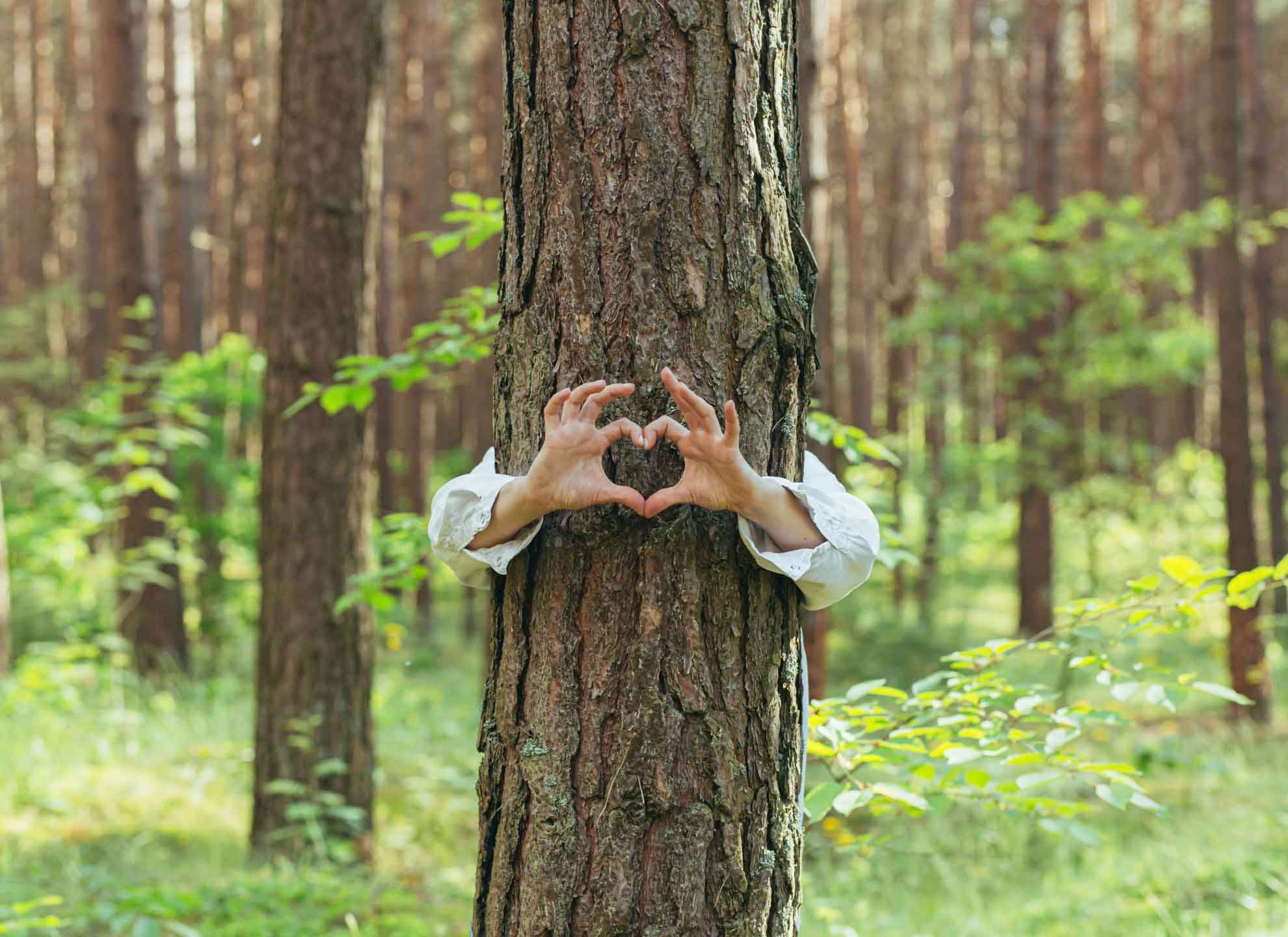
Silvotherapy tends to be more tactile and more direct. It may include touching a tree, hugging a tree, resting a hand on bark, or simply standing in close physical presence with the tree. That difference matters. Forest bathing may feel expansive, spacious, and wide-ranging. Silvotherapy can feel more intimate. It brings the body closer to the tree, and in doing so it can create a sense of contact that is both grounding and emotionally meaningful.
Why Touch Matters
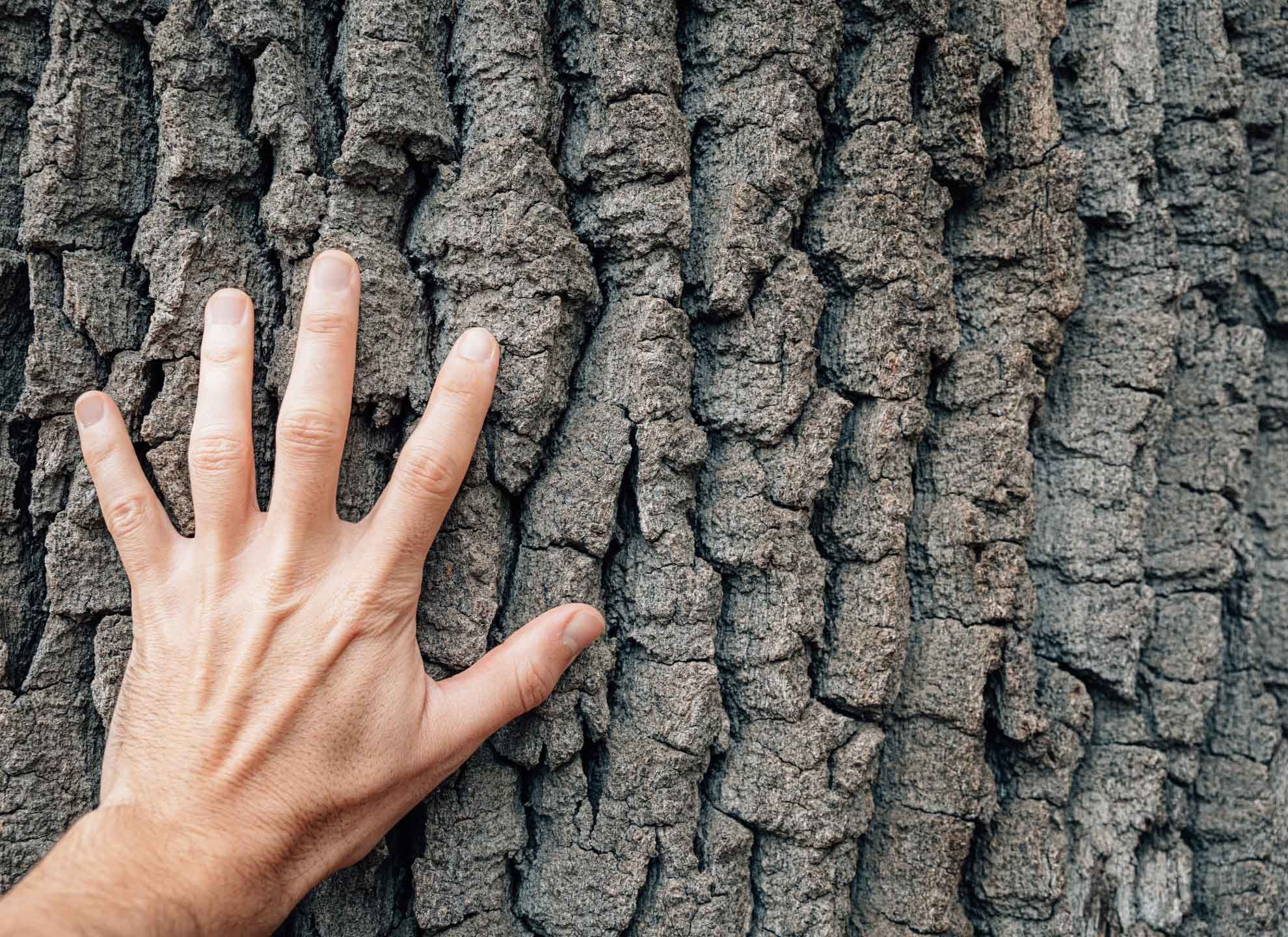
Touch is one of the most immediate ways we experience the world. When we touch a tree, we are not only seeing it from a distance. We are feeling its texture, temperature, roughness, smoothness, dryness, or dampness. The body receives information that the mind alone cannot provide. This tactile quality is important. It matters because touch is one of the most immediate ways we know the world. When we touch a tree, we are not only seeing its shape or admiring its outline. We are registering texture, temperature, stillness, weight, and presence. A 2025 study on natural five-sense experience found that tactile experiences such as touching trees and water were negatively related to negative emotions, and that nature connectedness helped explain the emotional benefits of sensory contact with nature. In other words, the body’s closeness to nature appears to matter, not just the mind’s appreciation of it.
Silvotherapy places particular emphasis on touch because touch can bypass some of our mental overthinking. We can stand at a distance and analyse a tree, but touch changes the relationship. The body enters the conversation. The nervous system gets direct information. The moment becomes less conceptual and more immediate. That does not make touch superior to sight, hearing, or smell, but it does make it a powerful part of the whole.
Perhaps this is one reason Silvotherapy can feel so restorative. Touch can help quiet overthinking and bring attention back into the body. In a culture that often keeps us in our heads, physical contact with a tree can be a gentle way of returning to ourselves. There is something deeply human about this. We often think of healing as something abstract, something that happens in the head, or perhaps in a clinic, a book, or a conversation. Yet much of our nervous system learns through the body. A hand on bark, a shoulder against trunk, fingers tracing moss, palms warming against sunlit wood — these are not trivial experiences. They can be small acts of contact with the more-than-human world. They can be moments in which we allow ourselves to be received rather than always having to be the one holding everything together.
Is it Just Tree Hugging?
For many people, the first image that comes to mind is tree hugging. And yes, sometimes that is exactly what Silvotherapy is. But the phrase can be used to mock people and this can make us shy away from what might actually be meaningful. In my own writing and practice, I have tried to hold both the humour and the sincerity of that moment — the slightly awkward courage it takes to put your arms around a tree, and the possibility that doing so may feel unexpectedly comforting, even moving.
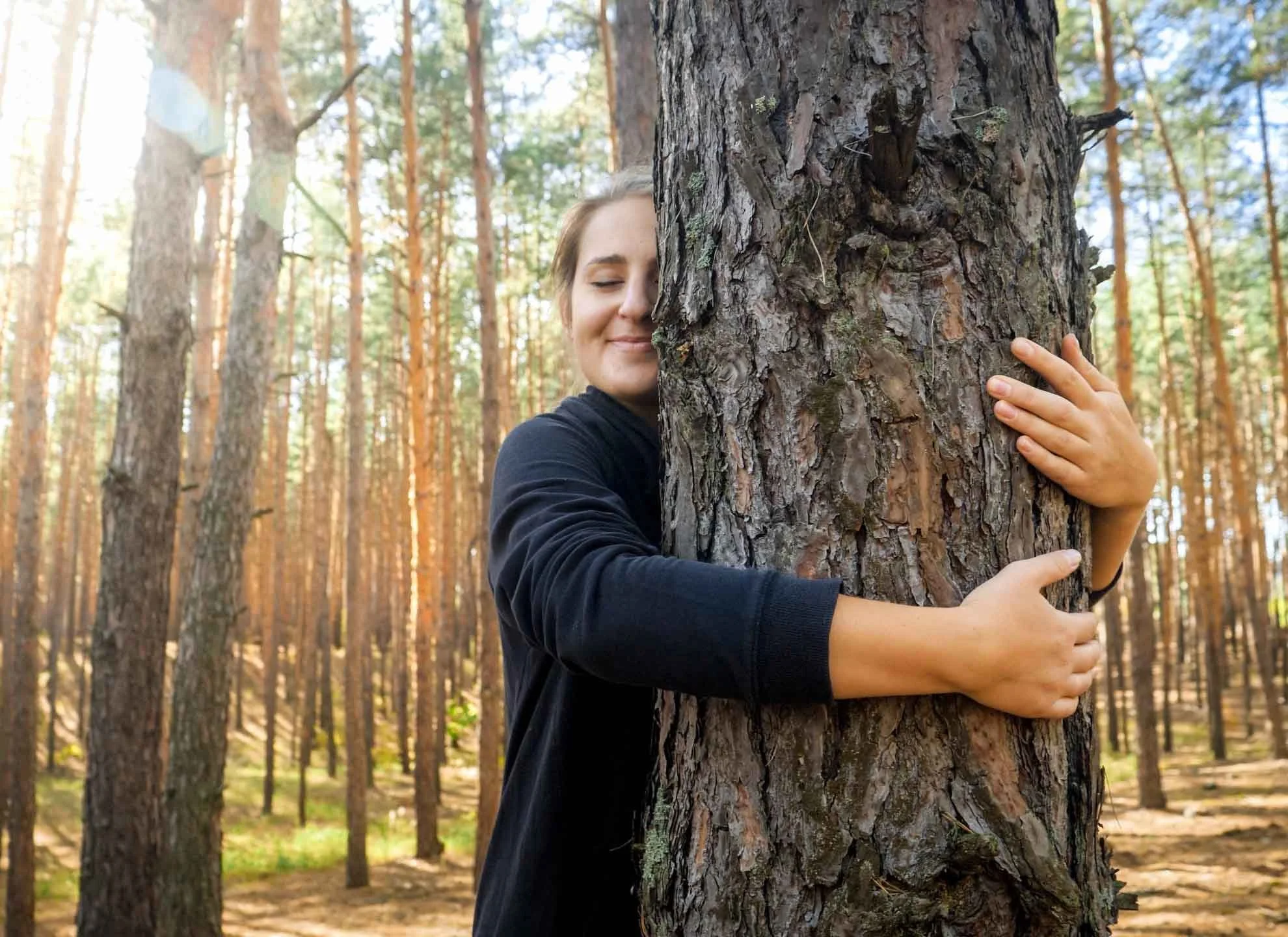
Tree hugging is not a requirement, and it is not a performance. It is simply one possible way of meeting a tree. For some people the contact is a full embrace; for others it is a hand on trunk, a cheek against bark, a forearm resting on a branch, or the quiet act of standing close enough to feel less separate. What matters is not whether the gesture looks poetic from the outside. What matters is whether it feels real from the inside.
That is one reason Silvotherapy fits so naturally with the Forest Healing ethos. Forest Healing has always been about reciprocity rather than extraction, relationship rather than performance, and gentleness rather than pressure. A tree is not a tool to be used. It is not a prop for wellness content. It is a living being with its own pace, its own weather, its own history, and its own silent way of teaching us about steadiness. Silvotherapy recognises that. It invites us to approach with respect, curiosity, and gratitude.
What Does the Research Suggest?
The science around Forest Bathing and immersive nature contact is still developing, but the broad picture is encouraging. Reviews and meta-analyses have found associations between Forest Bathing and reductions in stress markers, including cortisol, as well as improvements in mood, autonomic nervous system balance, and physiological indicators such as blood pressure and heart rate. One meta-analysis specifically found that Forest Bathing significantly lowered cortisol levels in the short term, supporting the idea that forest environments can help reduce stress. Another review found that exposure to forest settings may reduce heart rate, cortisol, and blood pressure compared with urban environments.
A more recent narrative review also concluded that Forest Bathing has been effective in lowering cortisol, reducing sympathetic nerve activity, and improving negative mood. That matters because it points toward a nervous system shift: away from fight-or-flight and toward rest, recovery, and regulation. In practical terms, that can mean feeling less keyed up, less fragmented, and more able to think clearly and breathe more fully.
Research has also suggested that Forest Bathing may support immune function. Guided Forest Bathing sessions have been described in the research as potentially useful for stress management, depression, immune function, and disease prevention, while reviews note the growing body of evidence around both psychological and physiological benefits. It is important to stay honest here: these are not magic claims, and not every study finds the same effect size. But the pattern is strong enough to make forest-based wellbeing worth taking seriously.
What is especially interesting from a Forest Healing perspective is that the benefits are not only about biology. The 2025 guided Forest Bathing study found that sessions could be mindful, restorative, and meaningful in deepening people’s relationships with nature. Participants encountered novel interactions with nature, overcame personal hesitations, and began to perceive and value the forest differently. That suggests that Forest Bathing and related practices do not merely calm us in the moment; they can subtly reshape how we belong in the world.
Silvotherapy and the Forest Healing Ethos
This is where Silvotherapy belongs so naturally within Forest Healing. The Forest Healing ethos is not simply “nature is good for you”. It is deeper than that. It says that humans are not separate from nature but part of it, shaped by it, nourished by it, and responsible for how we meet it. Silvotherapy reflects that worldview because it is based on equal relationships and reciprocity. We are not there to conquer the forest, or even to consume it as an experience. We are there to be changed by contact, and perhaps to change our habits of living because of that contact.
That matters because many people come to nature wellbeing practices carrying exhaustion, grief, anxiety, disconnection, or a deep sense of being out of step with life. Silvotherapy does not pretend to fix all of that. What it offers instead is often much smaller and perhaps much more trustworthy: a steadier breath, a moment of contact, a sense of being less alone, a little less noise in the mind. Sometimes that is enough to begin with. Sometimes that is how healing starts.
It also fits the Forest Healing ethos because it is accessible. You do not need to be especially fit. You do not need to complete a long walk. You do not need expensive equipment. You do not need to “do” it properly in any perfectionist sense. A short period beside a tree, in a park, woodland edge, garden, or familiar place can be enough to begin. In fact, the literature on guided Forest Bathing increasingly points to the value of low-cost, accessible, carefully facilitated nature contact as a practical support for wellbeing.
And, perhaps most importantly, Silvotherapy reminds us that healing is not always dramatic. Sometimes it is intimate. Sometimes it is tactile. Sometimes it is about noticing that the body softens when it is near a tree. Sometimes it is about allowing the forest to hold what we have been carrying. Sometimes it is simply about remembering that our lives are not only made of tasks and pressures, but also of breath, texture, weather, and living things.
How To Practise Silvotherapy Gently
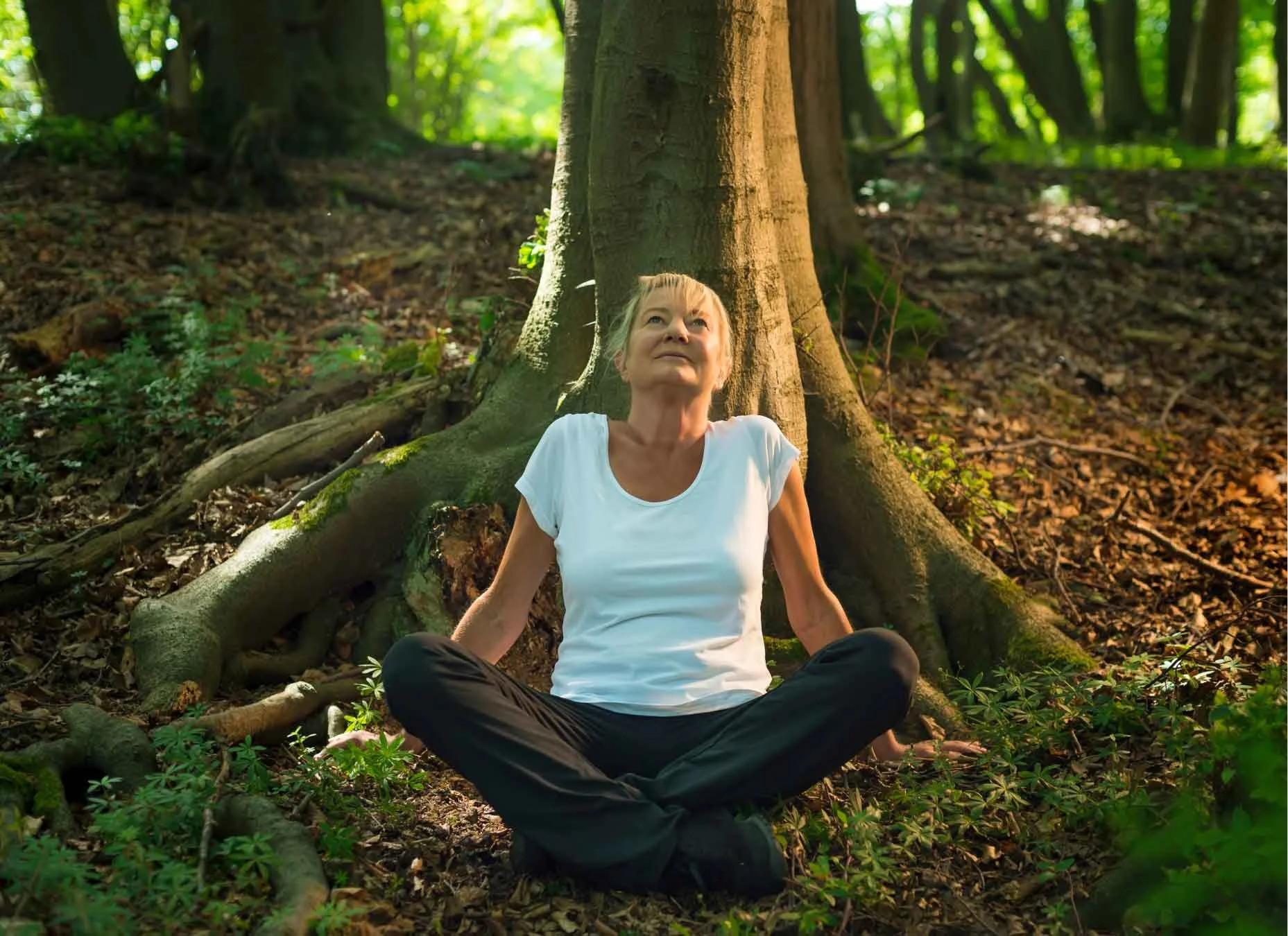
There is no single correct way to practise Silvotherapy, but there is a spirit that helps. Go slowly. Arrive without hurry if you can. Notice a tree that draws you in. Let your body tell you how close it wants to be. You might stand beside the trunk, place a hand on the bark, lean your shoulder against it, or rest both palms on the wood and notice what happens. You might close your eyes for a moment, or keep them open and simply observe the grain, the knots, the moss, the lichens, the shape of the branches above you.
You do not need to force an experience. Some trees feel immediately welcoming; others feel more distant; some may be physically comfortable to touch while others are not. The point is not to collect a “tree hugging” moment for the sake of it. The point is to pay attention to the relationship that emerges. That relationship may be peaceful, emotional, curious, playful, reflective, or simply quiet. All of those responses are valid.
Silvotherapy can also be wonderfully short. A few minutes may be enough, especially if you are returning to the same tree or place regularly. In that sense, it can be woven into everyday life more easily than longer Forest Bathing sessions. It can become a kind of repeated meeting, a familiar pause, a small ritual of remembering. For people who find long walks difficult, or who are carrying fatigue, pain, overwhelm, or time pressure, that shorter and more tactile format may be especially helpful.
If you like, you can pair Silvotherapy with a Sit Spot practice, sitting beside a tree and returning to it often enough that the relationship deepens over time. That combination makes a great deal of sense because it holds both stillness and contact. You are not only looking at the tree; you are learning its moods, its seasonal changes, its light and shade, and your own changing responses to it. Over time, that can become a quiet but profound form of belonging.


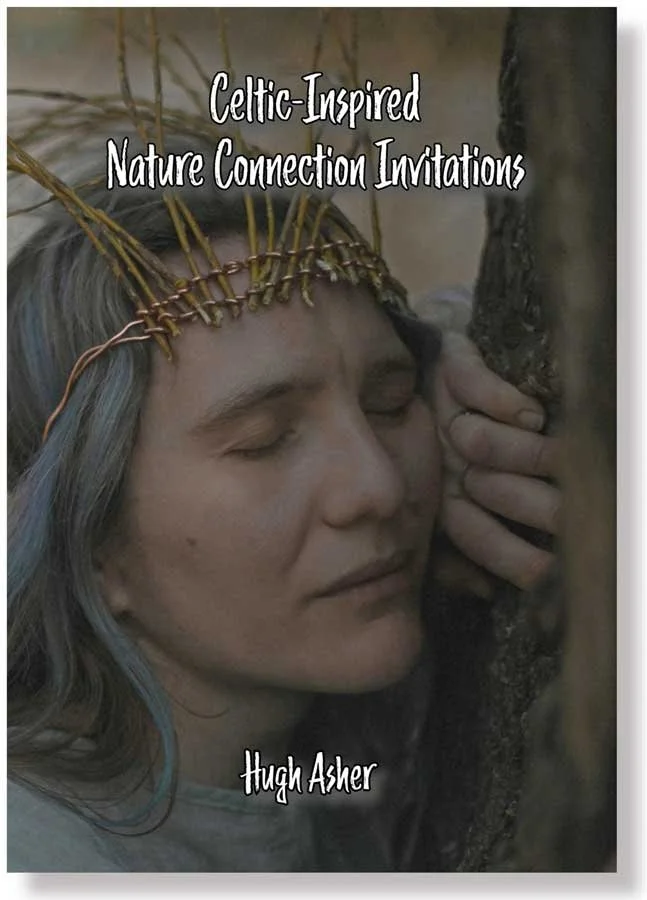
A Small Book of Silvotherapy – Simple Practices for Deepening Your Connection with Trees and Nature
A gentle introduction to the practice of connecting with trees.
Silvotherapy is a nature-based wellbeing practice that involves spending mindful time among trees to support physical, emotional, and psychological wellbeing. Closely related to Forest Bathing (Shinrin-yoku), it places particular emphasis on sensory awareness, presence, and the restorative relationship between humans and trees.
This small booklet contains 10 Silvotherapy activities designed to help you slow down, step outside, and experience nature in a more direct and embodied way. These practices are intentionally simple and accessible, encouraging you to engage your senses and notice the subtle ways trees and woodland environments can influence your state of mind.
Rather than focusing on theory, this booklet offers practical invitations to experience Silvotherapy for yourself — whether in a forest, a local park, or a single tree you return to regularly.
Inside, you will discover:
• 10 guided Silvotherapy activities to support deeper nature connection
• An introduction to what Silvotherapy is and how it relates to Forest Bathing
• Ways to engage your senses more fully when spending time with trees
• Simple practices that can help reduce stress and support calm and clarity
• Guidance for building your own ongoing relationship with the natural world
Silvotherapy is not about doing something complex or structured. It is about presence. It is about noticing how it feels to stand beneath a canopy, to touch bark, to listen to wind moving through branches, and to allow yourself to be affected by the living world around you.
These practices can be used anywhere you can find a tree — no special equipment or experience is needed. Over time, they can help deepen your sense of connection, grounding, and belonging within nature.
A small book, offering a quiet doorway back into relationship with trees.
P&P is FREE within the UK.
Postage to the Rest of the World is £4.
More Than Wellbeing: A Way of Remembering our Place
One of the most beautiful things about Silvotherapy is that it reaches beyond the individual. Yes, it may help reduce stress, lift mood, and support regulation. Yes, the evidence around forest-based practices is increasingly persuasive. But there is another layer that matters just as much: Silvotherapy can help us remember that we are participants in a living community, not spectators standing outside it.
That shift is important. The 2025 Ecology and Society study found that guided Forest Bathing could deepen people’s relationships with nature, helping them to perceive and treasure value in the natural world. That is a hopeful finding because it suggests that nature contact may not only soothe us, but also strengthen our willingness to care. A more intimate relationship with trees may quietly encourage more respectful choices in everyday life.
From the Forest Healing perspective, this is what makes Silvotherapy more than a wellness trend. It is an invitation to re-enter a relationship. It asks us to trust that the forest is not merely a place to escape to when we are overwhelmed, but a living presence that can shape how we live, how we notice, how we recover, and how we belong. In that way, silvotherapy is both simple and quietly radical. It begins with touch, but it reaches toward a deeper kind of reconnection.
So what is Silvotherapy? Perhaps it is the practice of meeting a tree slowly enough to feel your own pulse settle. Perhaps it is a hand on bark, a leaning shoulder, a quiet breath, a moment of mutual presence. Perhaps it is one of the gentlest ways we can remember that healing does not always arrive through effort alone. Sometimes it arrives through contact. Sometimes it arrives through stillness. And sometimes, if we are very fortunate, it arrives through the ancient, wordless company of a tree.
You can find a Silvotherapy-inspired Nature Connection Activity here.
If you have enjoyed this article and would like to support what we do by donating £2 or more to buy saplings to plant, please follow the link below:



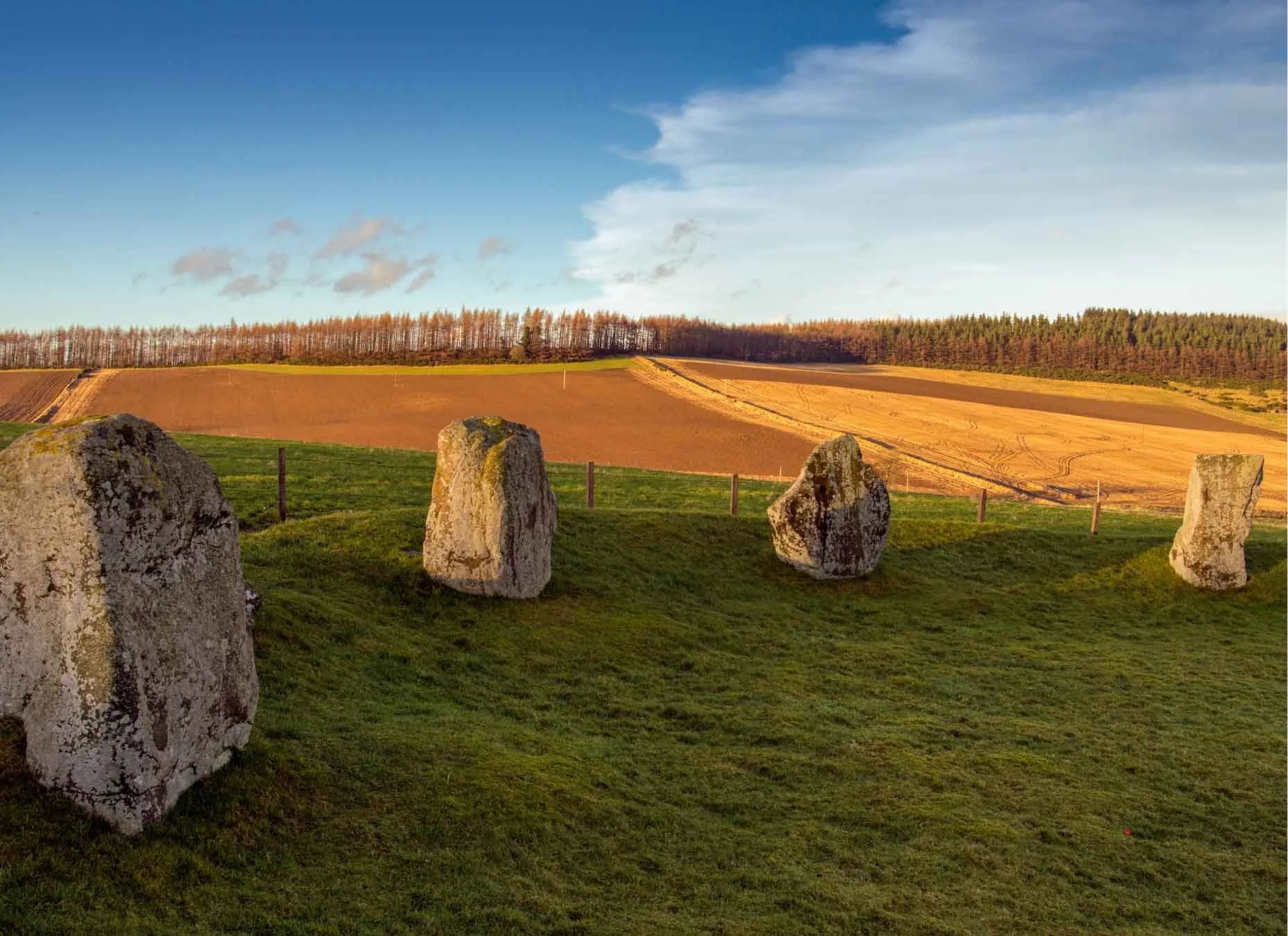
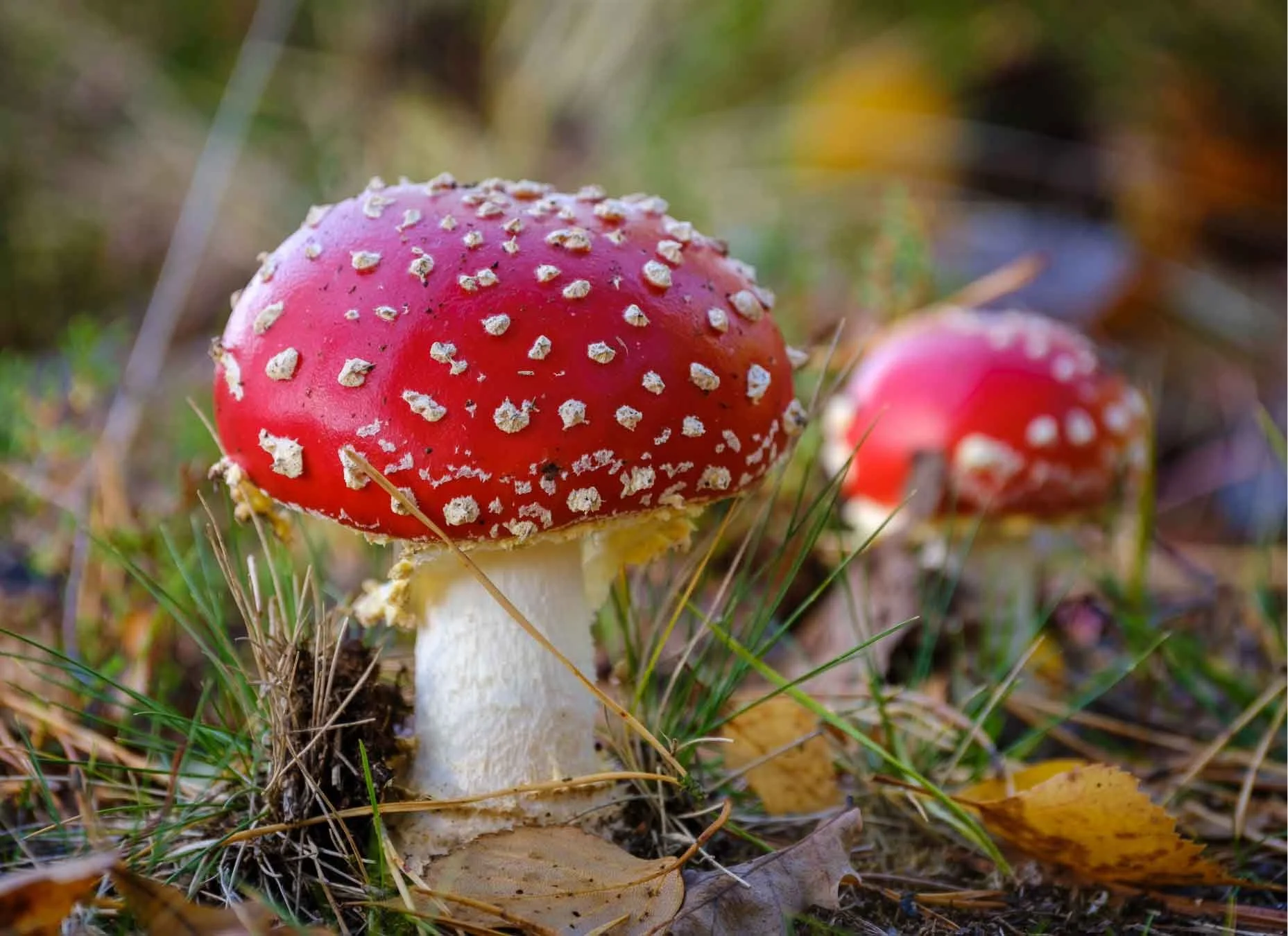

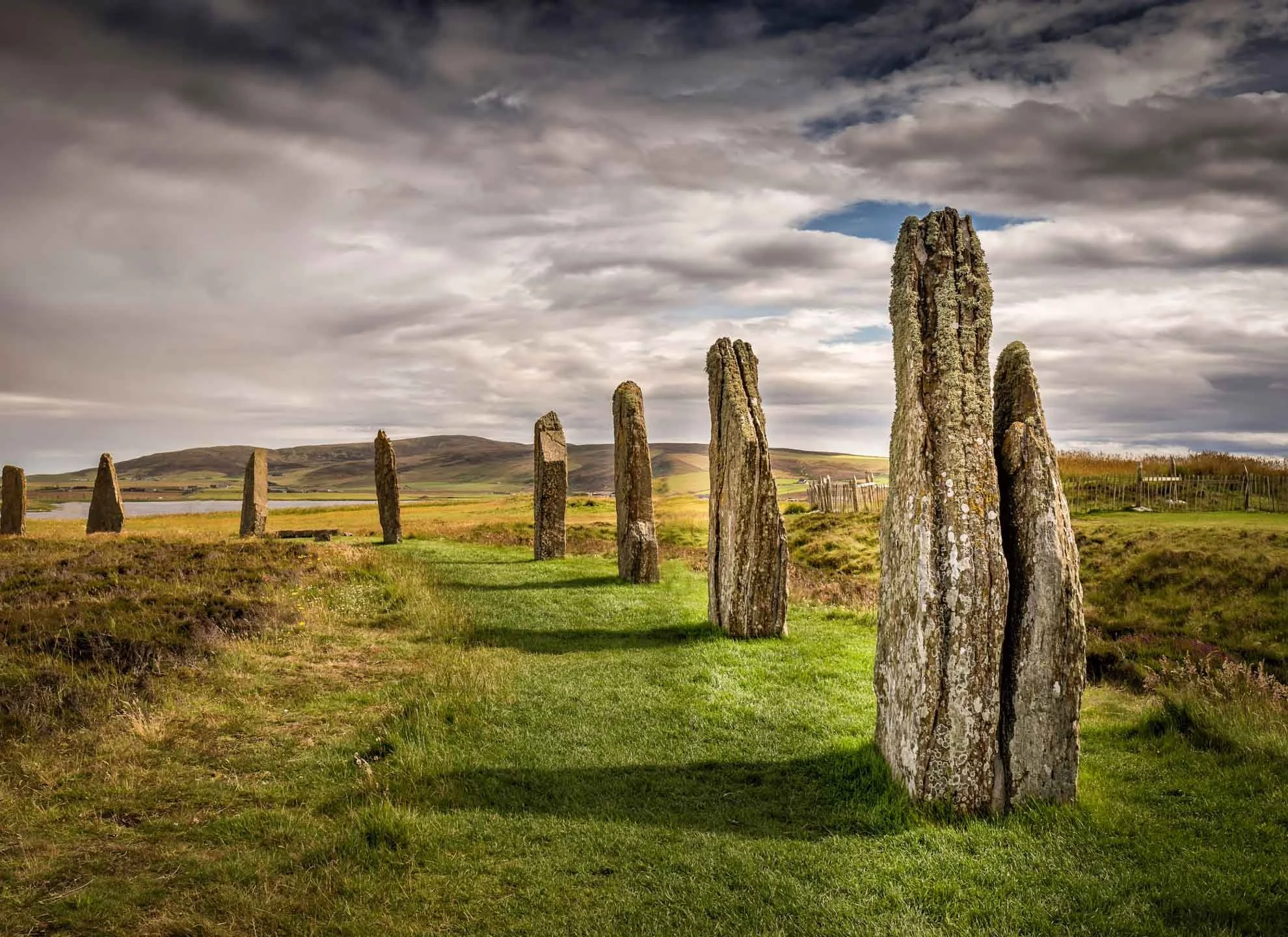
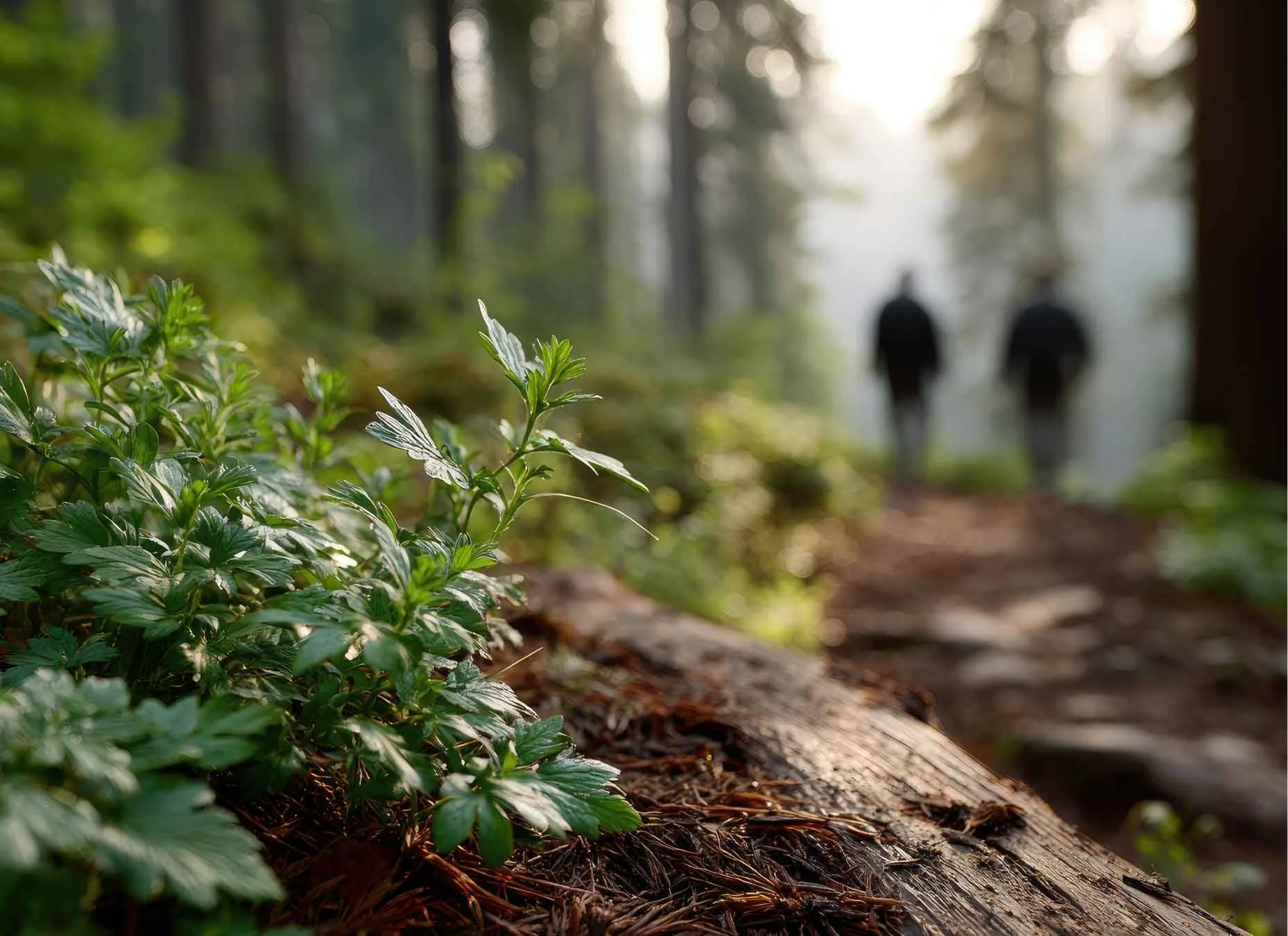


















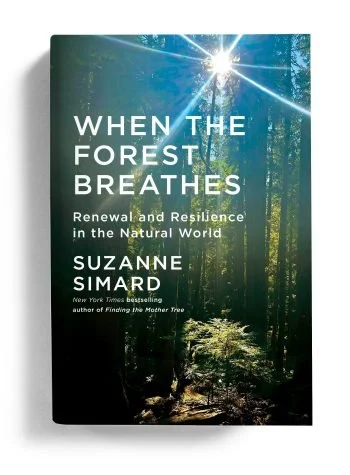
A small collection designed to gently open the door into deeper relationship with the natural world.
This complete set of four Forest Healing booklets brings together practical guidance, reflective ideas, and simple nature connection practices that can be used anywhere — from ancient woodland to a nearby park, garden, or even a single Sit Spot outdoors.
Written to be accessible, grounding, and easy to follow, these booklets offer a pathway into the core practices of Forest Bathing (Shinrin-yoku), Silvotherapy, and everyday nature connection. Rather than asking you to achieve anything, they simply invite you to slow down, notice more deeply, and allow nature to become an active presence in your wellbeing.
Across the four booklets you will explore:
• What Forest Bathing, Silvotherapy, and Nature Connection actually are
• The key benefits of spending mindful time in natural environments
• The practice of the “Sit Spot” and how to develop your own relationship with a chosen place
• Simple, practical Forest Bathing invitations you can try alone or with others
• Ways to bring nature connection into everyday life, even in small moments
Together, they form a gentle introduction to practices that have been shown to support reduced stress, improved mood, greater clarity of thought, and a deeper sense of belonging within the natural world.
These are not academic texts or rigid instruction manuals. They are invitations — encouraging you to step outside, slow your pace, and rediscover the quiet intelligence of trees, weather, and landscape.
Whether you are completely new to nature connection or looking to deepen an existing practice, this collection offers a simple, supportive starting point for building a more intentional and restorative relationship with the living world around you.
A small set of booklets that can change the way you experience even the most familiar patch of nature.
Buy all Four Forest Bathing and Nature-Connection Booklets for £11.00 including FREE P&P within the UK.
Postage to the Rest of the World is £4.