

Landskeins and Rayleigh Scattering
Saturday 16th May 2026
This post was inspired by a lovely time spent walking in the hills of Knoydart with a friend last year, who introduced me to the concept of ‘Landskeins’.
The Braiding of Mountain Horizons Through Light, Distance, and Atmosphere
There are days in the mountains when the land seems less like geology and more like weaving. Ridgeline folds behind ridgeline. Horizon follows horizon. Dark outlines rise and fall in long undulating rhythms, each line partially obscuring and partially revealing the next. The eye is drawn outward through successive bands of hill and sky until the furthest reaches of the landscape appear almost to dissolve into light itself. These layered mountain forms create what might be called a landskein — a braided interweaving of landscape lines shaped by perspective, distance, atmosphere, and light.
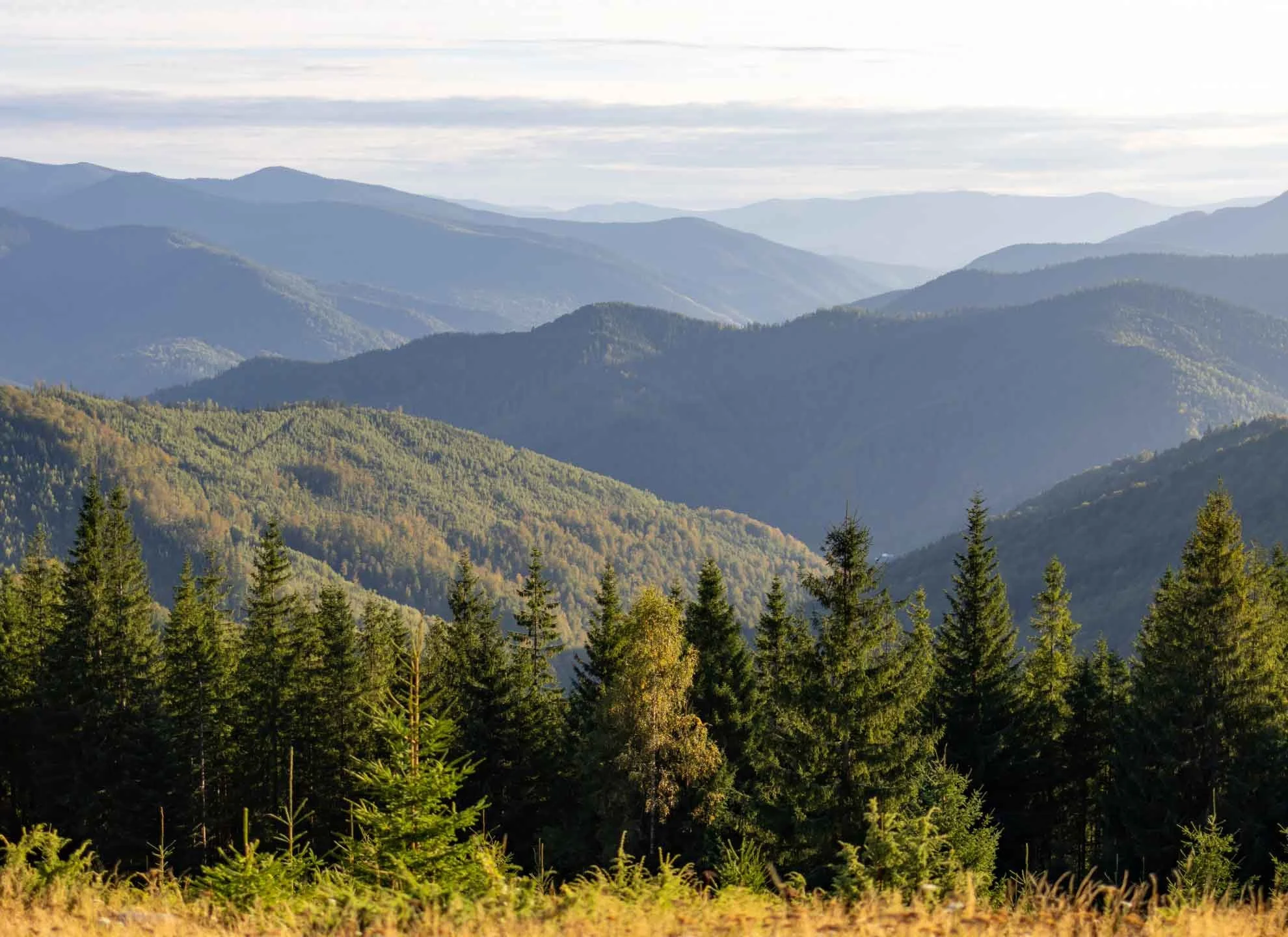
A landskein is not merely scenery, it is a dynamic visual relationship between the earth and air. The nearest hills appear dark, textured, and more substantial, while those further away soften into progressively paler tones. The farthest mountains may appear blue-grey, silver, or almost translucent against the horizon. This phenomenon is not simply aesthetic. It arises largely through the optical effects of Rayleigh scattering, the atmospheric process that scatters shorter wavelengths of light and alters the appearance of distant objects. Together, mountain form and atmospheric physics create one of the most quietly profound experiences available in the natural world — the visible weaving of depth itself.
To stand entranced looking at a landskein is to encounter distance made tangible. The landscape unfolds not as a single edge but as a sequence of overlapping contours. Each ridge becomes a threshold leading toward another. Each horizon line carries the eye farther into the visible world while simultaneously softening into ambiguity. The mountains appear woven together through light and air, creating a layered tapestry in which clarity gradually yields to mystery.
A Landskein?
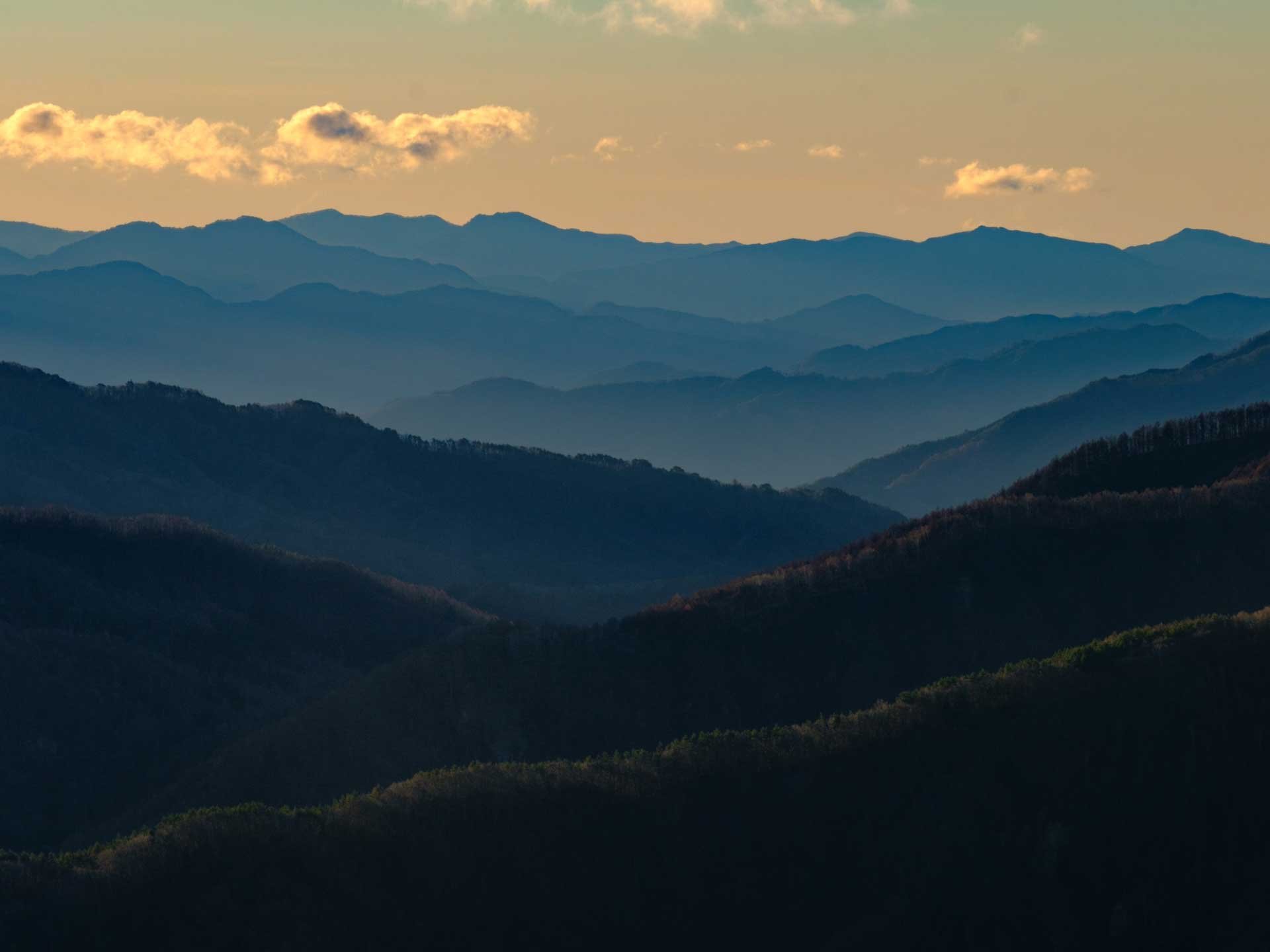
The word “skein” traditionally refers to a loosely coiled length of thread or yarn, but it can also describe formations that move together in flowing lines, such as migrating geese crossing the sky. Applied to a landscape, the term evokes the feeling that the mountain horizons are threaded together across space. A landskein is therefore not a static view but a kind of visual braid, with contours interlacing through perspective, atmosphere, shadow, and light. It is the ultimate geography of depth.
This becomes especially apparent in mountainous country where successive ridgelines overlap one another across great distances. In flat landscapes the horizon may form a singular boundary between land and sky. In upland terrain, however, the horizon multiplies. One ridge interrupts another. Valleys disappear and re-emerge. Slopes rise behind slopes in a progression of forms that gives the land both rhythm and dimensionality. The eye no longer settles on one horizon but travels through many.
Rayleigh Scattering
What makes a landskein so compelling is that its structure depends not only upon the terrain itself, but upon the atmosphere through which the terrain is viewed. The air between the observer and the horizon is not empty and this actively shapes perception. Between them and the distant mountain lie billions upon billions of molecules scattering light in subtle ways, and through this process, distance becomes visible.
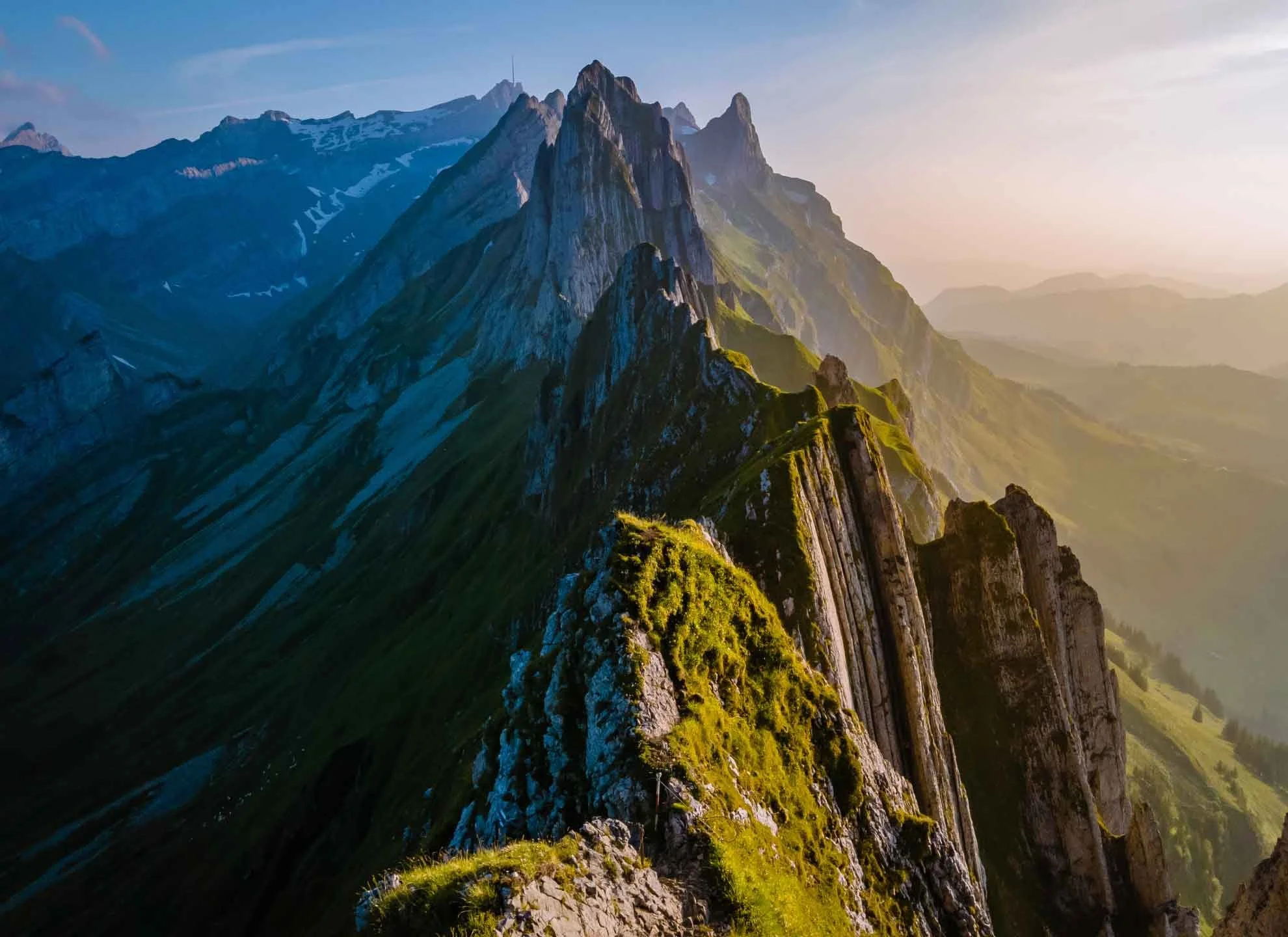
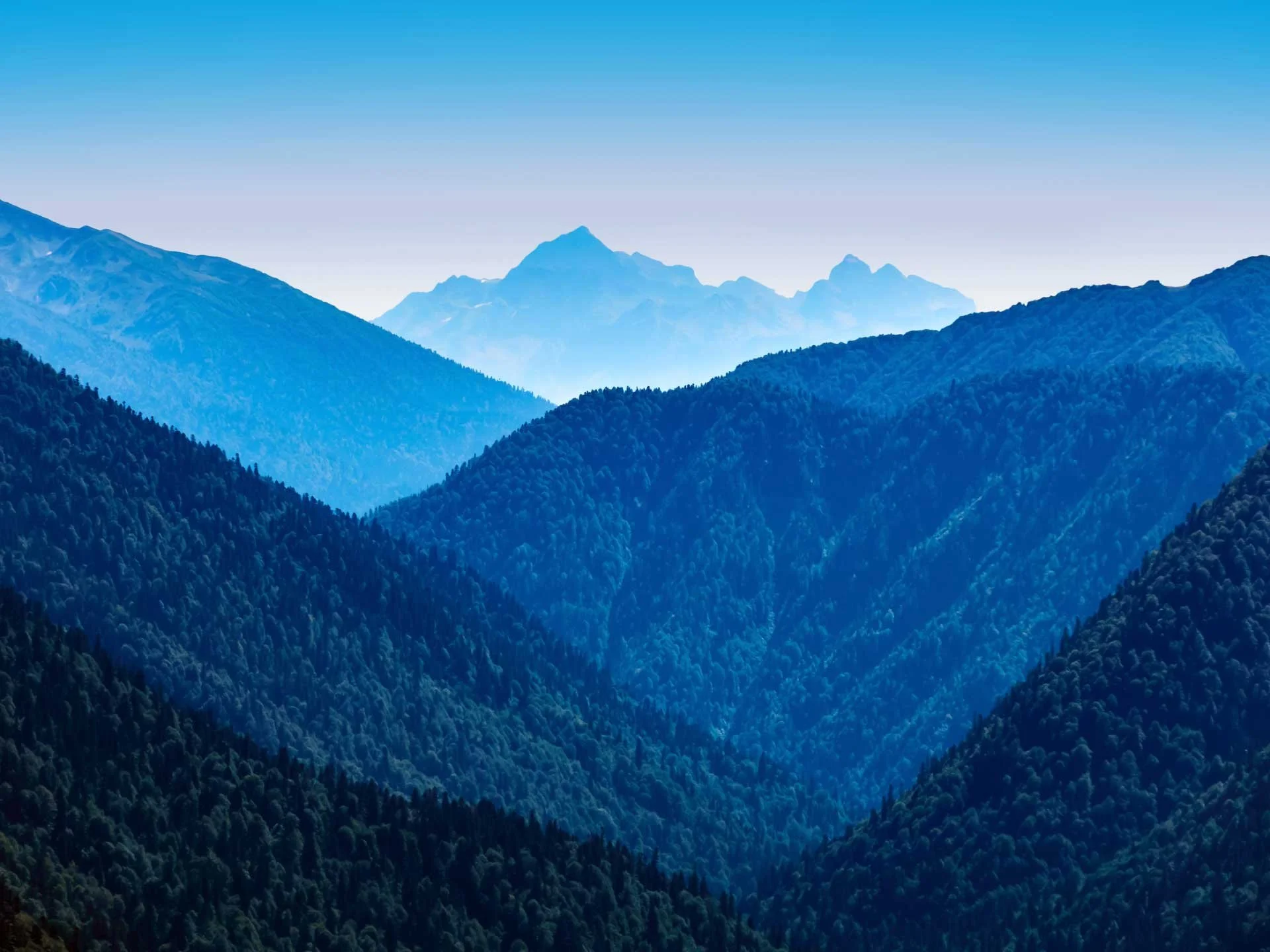
Rayleigh scattering occurs because molecules in the atmosphere scatter shorter wavelengths of light — particularly blue light — more efficiently than longer wavelengths such as red or orange. This is why the daytime sky appears blue. Yet the same phenomenon also affects how distant landscapes appear. The farther away a hill lies, the more atmosphere intervenes between observer and landform. As light travels through this increasing depth of air, scattering reduces contrast and softens detail. Colours become cooler and less saturated. Edges lose sharpness. Distant mountains begin to fade into luminous tones of blue, violet, or grey.
The result is one of the defining qualities of a landskein — the nearest hills often appear markedly darker than the furthest hills. At first glance this can seem counterintuitive. One might expect distant mountains to appear darker simply because they are more remote. Yet the opposite is usually true. Nearby hills retain strong contrast because relatively little atmosphere lies between them and the viewer. Their rock, vegetation, and shadow remain richly defined. Distant hills, by contrast, are filtered through vast quantities of scattered light. Their forms become diluted by atmosphere. They lighten, soften, and recede visually into space.
This gradual tonal transition gives the landskein its remarkable sense of depth. Dark foreground ridges anchor the scene. Mid-distance hills form softer intermediary bands. The furthest outlines hover almost weightlessly at the threshold between earth and sky. The eye moves naturally through these layers, reading depth through contrast and atmospheric tone as much as through shape itself.
Artists have understood this intuitively for centuries. Landscape painters often employ what is known as atmospheric perspective, reducing the contrast, detail, and warmth of distant forms to create a convincing sense of space. Long before the physics of Rayleigh scattering was formally described, artists recognised that distance carries its own visual language. A far mountain is not simply a smaller near mountain. It belongs to another register of visibility altogether.
This is one reason why mountain scenery often evokes such emotional resonance. A landskein is not merely seen; it is felt. The layered horizons awaken something deep within human perception. Perhaps this is because they mirror the structure of memory and imagination themselves: immediate experiences standing dark and tangible in the foreground while more distant possibilities fade softly toward the unknown.
The nearest ridge belongs to the world of touch and presence. Its slopes could be walked within hours. Its streams and rock faces seem available to the senses. The distant ridge belongs more to contemplation than contact. It exists partly in the imagination. Atmosphere transforms it into something suggestive rather than fully knowable. The landskein therefore creates a subtle dialogue between intimacy and remoteness, certainty and mystery.
This interplay becomes especially striking in clear mountain weather. After rain has washed dust and moisture from the air, visibility may extend for dozens of miles. Under such conditions the individual layers of a landskein can appear exquisitely distinct. Dark nearby hills stand sharply against luminous distant ranges that fade in delicate tonal steps toward the horizon. The landscape resembles watercolour washes laid carefully one behind another.
Yet absolute clarity rarely lasts long in upland regions. Moisture, mist, pollen, smoke, or haze soon alter the atmosphere once more. As suspended particles increase, the softening of distant forms becomes even more pronounced. On warm summer afternoons distant mountains may appear almost spectral. On humid days valleys fill with luminous haze that dissolves the lower slopes into shifting gradients of light. During temperature inversions, layers of atmosphere themselves become visible, creating uncanny bands through which the mountains seem suspended.
In such moments the landskein becomes less geological and more atmospheric. The mountains appear to breathe through the air around them. This breathing quality is one reason why mountain landscapes often feel spiritually restorative. A landskein reminds us that boundaries in nature are rarely rigid. The hills do not end abruptly where the air begins. Instead, land and atmosphere intermingle continuously through light. The farther the eye travels, the more earth dissolves into sky. Solidity yields gradually to transparency.
There is something deeply calming about this progression.
Modern life often encourages sharp distinctions: near or far, known or unknown, self or world. Yet the landskein reveals a more fluid reality. Every ridge belongs to the same continuous landscape even while remaining visually distinct. Distance does not sever relationship. It merely alters perception. The furthest mountain remains connected to the nearest through the weaving together of contours and light.
Walking within mountain country heightens awareness of this interconnectedness. As elevation changes, the landskein rearranges itself continuously. A ridge that once seemed dominant may sink below another. Hidden valleys open unexpectedly. New layers emerge beyond what previously appeared to be the final horizon. The landscape is never entirely fixed. Each step alters the geometry of the visible world.
This continual unfolding gives hillwalking much of its psychological richness. One does not simply move through terrain but through changing relationships of depth and perspective. The landskein evolves with movement. Horizons expand and contract. Light shifts across contours. The atmosphere thickens or clears. The world continually rewrites itself through the interaction of land and perception.
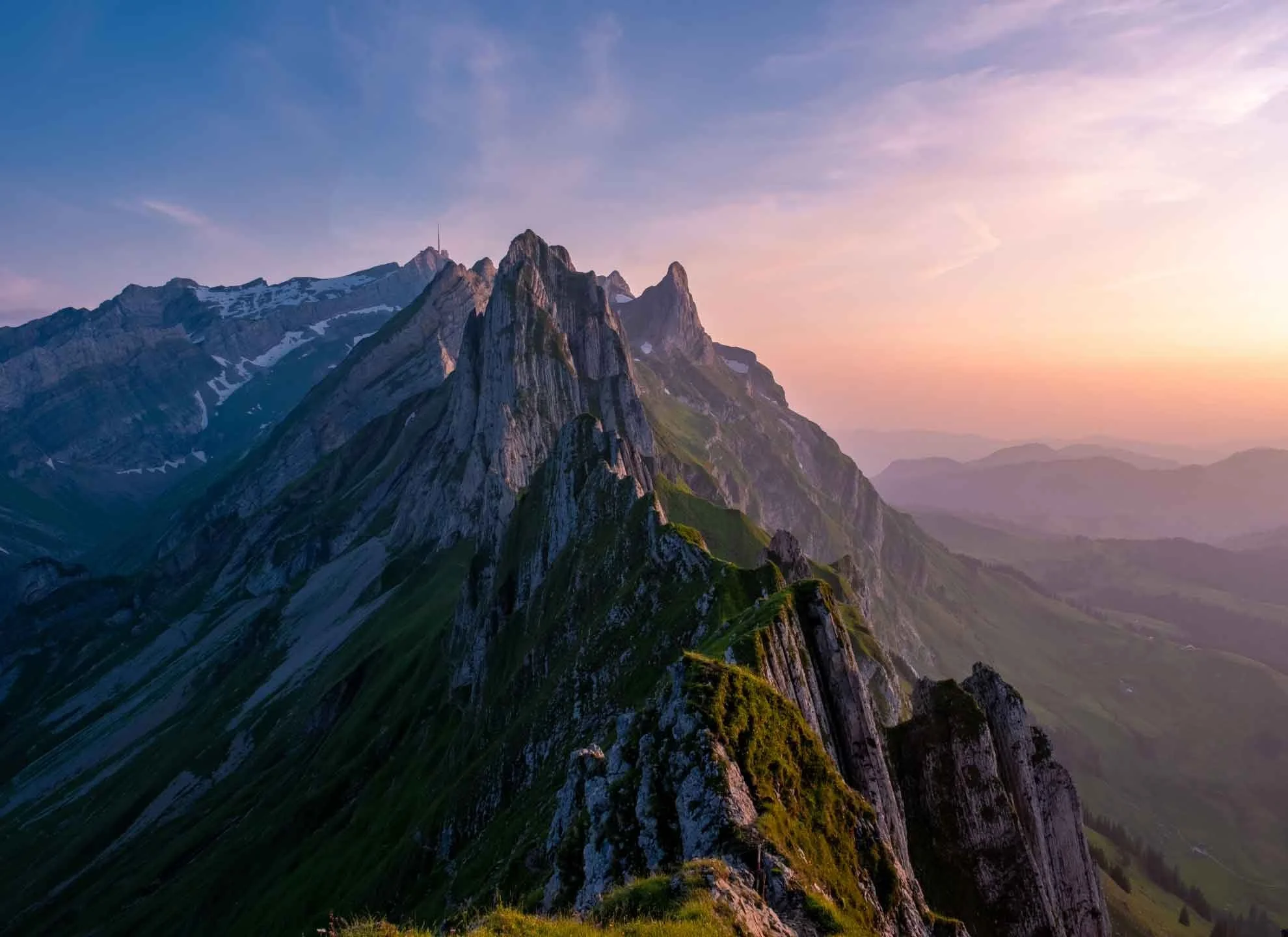
At sunrise and sunset, these transformations become even more dramatic. Low-angle light intensifies contrast on nearby slopes while illuminating distant haze in gold, amber, rose, or violet tones. Under such conditions the landskein may appear almost impossibly layered. Dark foreground ridges cut sharply across glowing atmospheric bands while far mountains hover in soft luminous silhouettes beyond them.
These moments reveal how profoundly atmosphere shapes beauty. Without scattering, distance would appear flat and uniform. Every ridge might possess equal clarity. The world would lose much of its visual depth and emotional spaciousness. Rayleigh scattering gives the landskein its gradual recession into mystery. It preserves distance as something experiential rather than merely measurable.
Winter landscapes offer another variation on the same phenomenon. Snow-covered mountains reflect immense quantities of light, often increasing the visual contrast between near and far. Sharp winter air may render nearby ridges extraordinarily crisp while distant ranges still soften delicately into blue-grey haze. In such conditions the landskein becomes almost monochromatic, composed less of colour than tonal gradation. The mountains resemble charcoal layers fading into paper.
Storm light introduces yet another mood. Passing cloud shadows darken portions of the hills while leaving others illuminated. Rain curtains drift across valleys. Sunlight breaks suddenly through gaps in the cloud, igniting isolated ridges against subdued surroundings. The landskein becomes animated, alive with shifting relationships between brightness and shadow. No single view remains stable for long.
Perhaps this instability is part of what makes mountain horizons so compelling. A landskein can never be fully possessed. It exists only in relationship between observer, atmosphere, and moment. Change the light, the weather, the season, or the viewing position and the entire visual structure transforms. The landscape is not a fixed object but an ongoing conversation between earth and sky.
This conversation carries psychological as well as visual significance. Human beings appear naturally responsive to layered landscapes. Receding horizons create a sense of openness and possibility that enclosed environments often lack. The gradual fading of distant forms encourages contemplation rather than urgency. The eye slows down. Attention broadens. Thought itself seems to acquire more space.
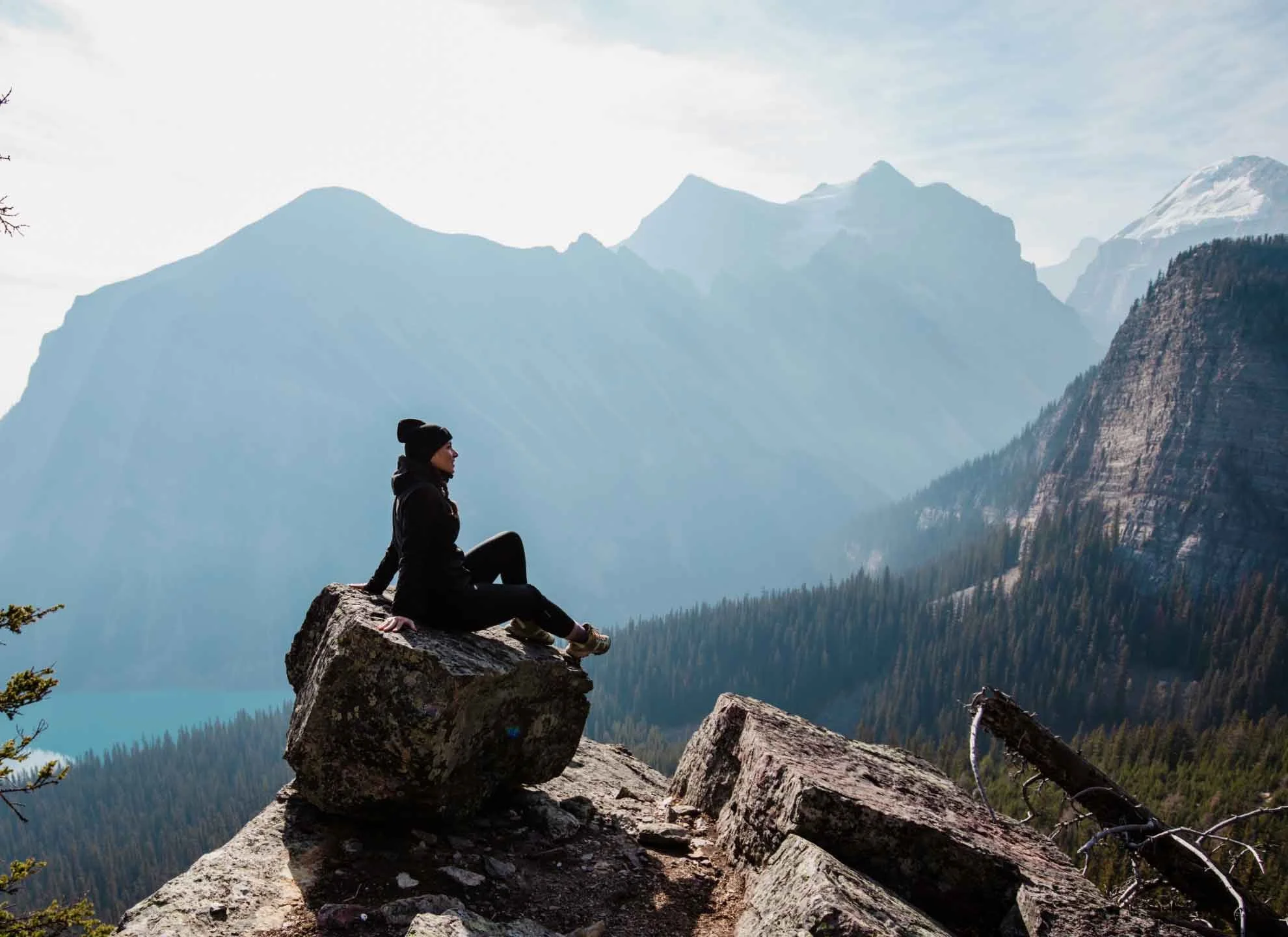
Perhaps this is because landskeins subtly remind us of scale. In daily life our concerns often occupy the immediate foreground of awareness, dark and sharply defined like nearby hills. Yet beyond them lie wider horizons we rarely notice. The layered mountain landscape gently reorients perspective. It invites humility without diminishing presence. We are reminded that life extends beyond the narrow frame of immediate preoccupation.
There is also comfort in the partial obscurity created by atmospheric distance. The furthest hills are not fully revealed. They remain softened, incomplete, suggestive. In a culture that often demands clarity and certainty, the landskein offers another possibility: that beauty may reside partly in what cannot be fully resolved.
This is true aesthetically, emotionally, and spiritually. Complete visibility can flatten experience. Mystery creates depth. The fading horizons of a landskein leave room for imagination, intuition, and wonder. The world remains larger than perception.
Many cultures have intuitively recognised this quality in mountain landscapes. Distant hills frequently appear in poetry, painting, mythology, and spiritual traditions as symbols of transcendence, longing, pilgrimage, or revelation. Mountains occupy the threshold between earth and sky, and landskeins emphasise this threshold visually. The mountains seem not simply to stand beneath the heavens but to merge gradually into them.
In this sense, Rayleigh scattering does more than explain an optical effect. It participates in the emotional architecture of landscape experience. The physics of light becomes inseparable from the felt meaning of distance. Science and beauty meet quietly in the atmosphere itself.
To understand a landskein fully therefore requires both observation and attentiveness. One must notice not only the forms of the mountains but the spaces between them, the tonal transitions, the softening gradients, the way light dissolves edges across distance. A landskein is as much about relationship as object. It is woven from intervals, layers, and subtle shifts of perception.
This attentiveness can become a form of nature connection in its own right. To sit quietly before layered hills is to witness processes far larger and older than oneself: geological uplift, weather systems, atmospheric optics, solar light travelling through air. Yet these immense processes reveal themselves gently through beauty rather than abstraction. The landskein allows science to be encountered sensorially.
You do not need technical knowledge to feel the effect of Rayleigh scattering upon the hills. The body already recognises it intuitively. We feel depth in the fading distance. We sense atmosphere in the blueing of remote ridges. The intellect may later provide explanation, but the experience itself arrives first through perception and emotion. This union of knowledge and wonder is one of the quiet gifts of landscape observation. Scientific understanding does not diminish beauty. If anything, it deepens it. To know that the pale softening of distant mountains arises through light scattering across countless molecules of air only enriches the experience. The landskein becomes simultaneously poetic and physical, emotional and measurable.
Final Reflection
In the end, the braided horizons of mountain country remind us that the world is rarely composed of isolated forms. Everything exists in relationship: ridge to ridge, hill to atmosphere, light to perception, observer to landscape. The landskein makes these relationships visible. It reveals a world held together not by rigid boundaries but by gradual transitions.
Dark nearby hills give way to softer distant ranges. Sharp outlines dissolve into luminous air. Earth becomes sky by degrees.
And somewhere within that gentle fading lies one of the deepest pleasures the natural world can offer: the experience of standing before a landscape vast enough to hold both clarity and mystery at once.
If you have enjoyed this article and would like to support what we do by donating £2 or more to buy saplings to plant, please follow the link below:



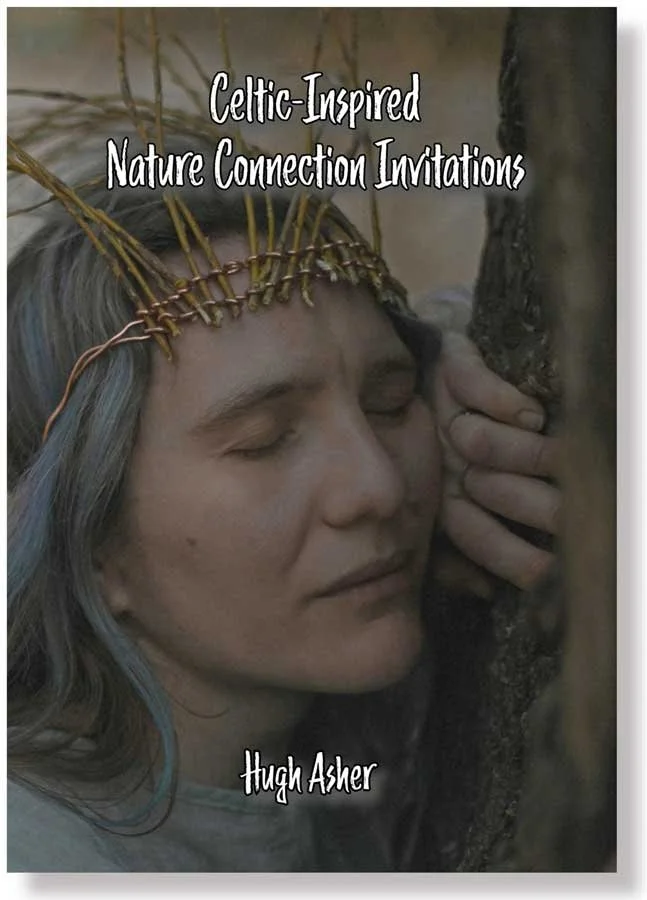

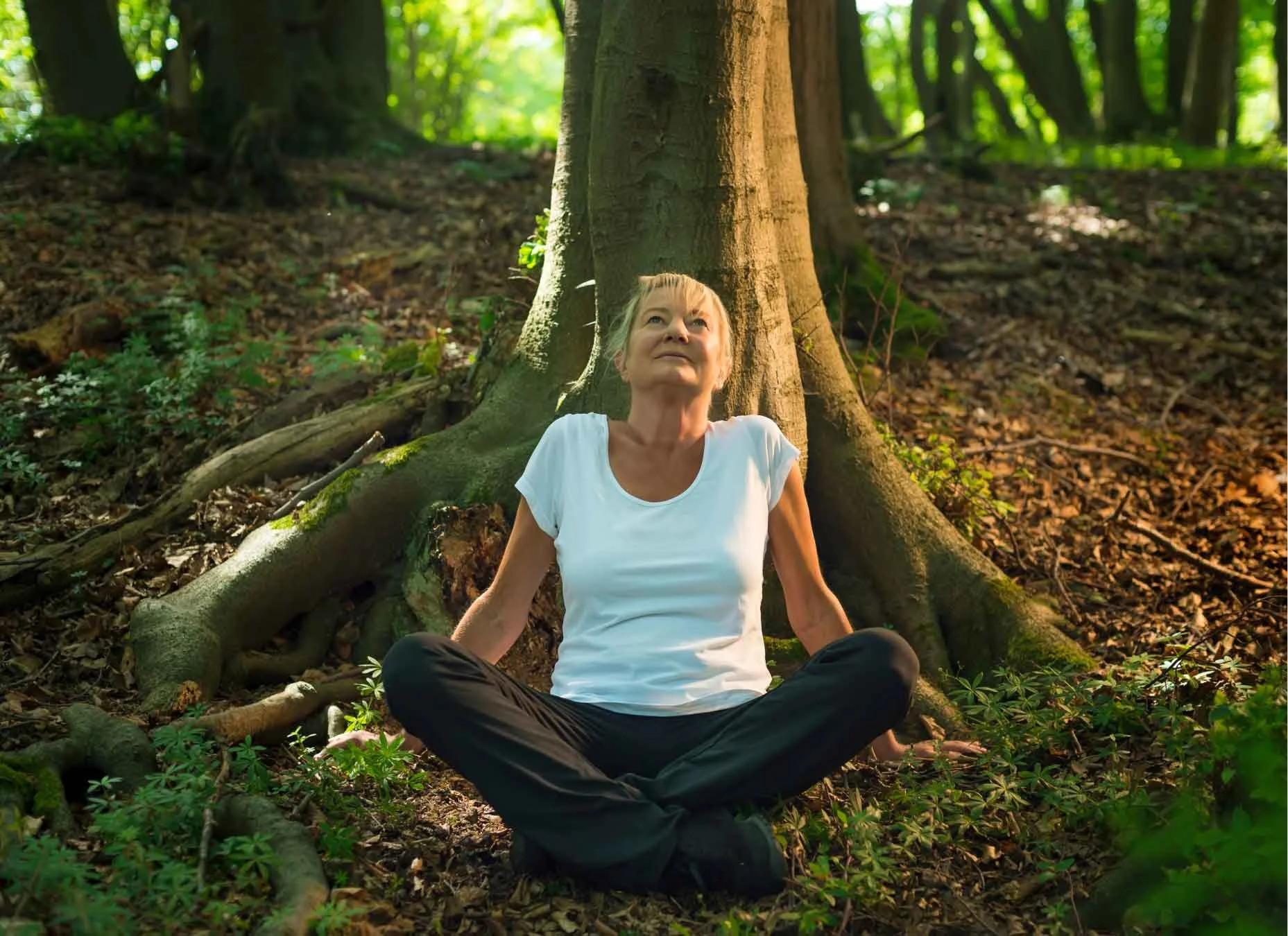
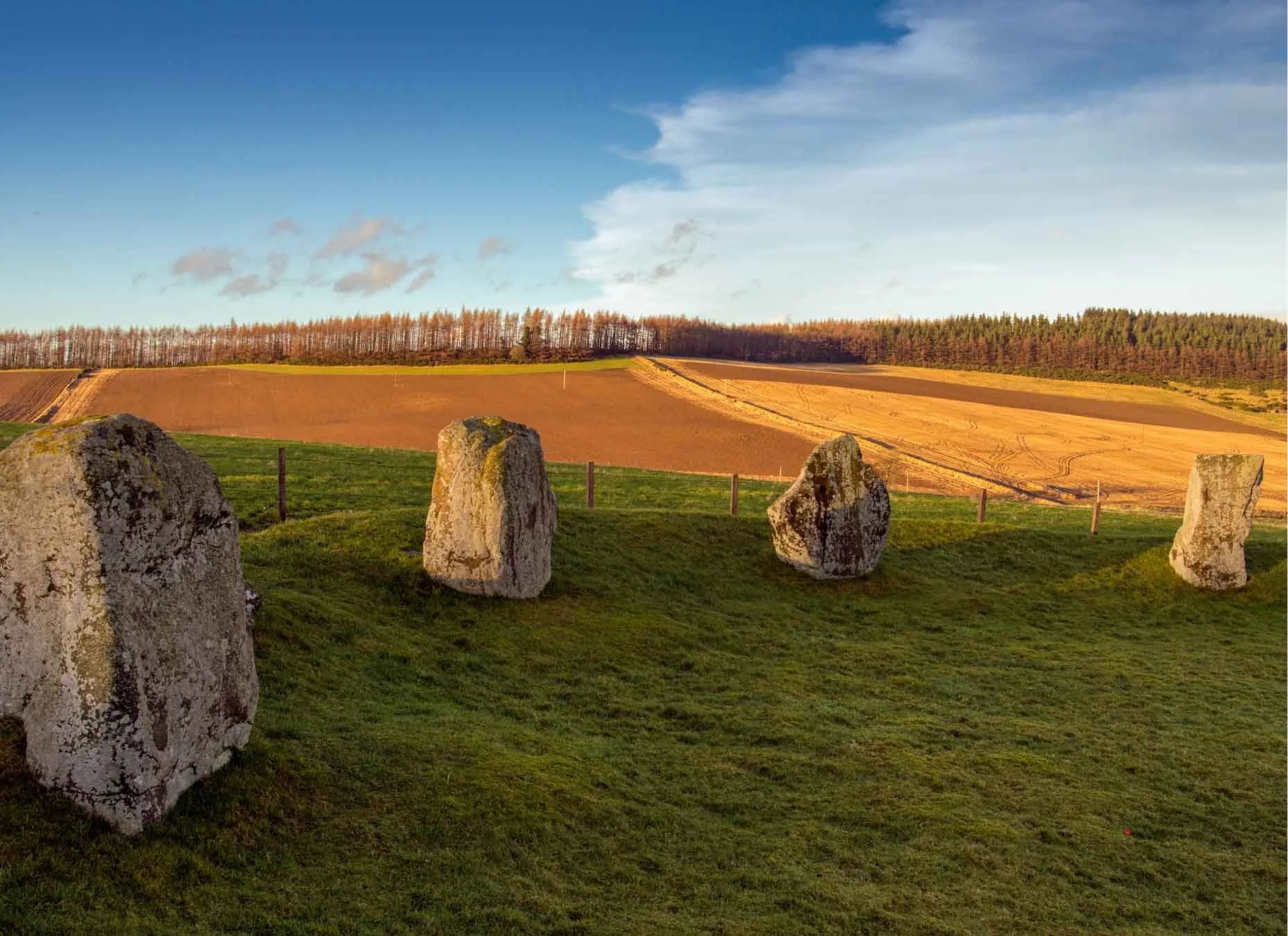


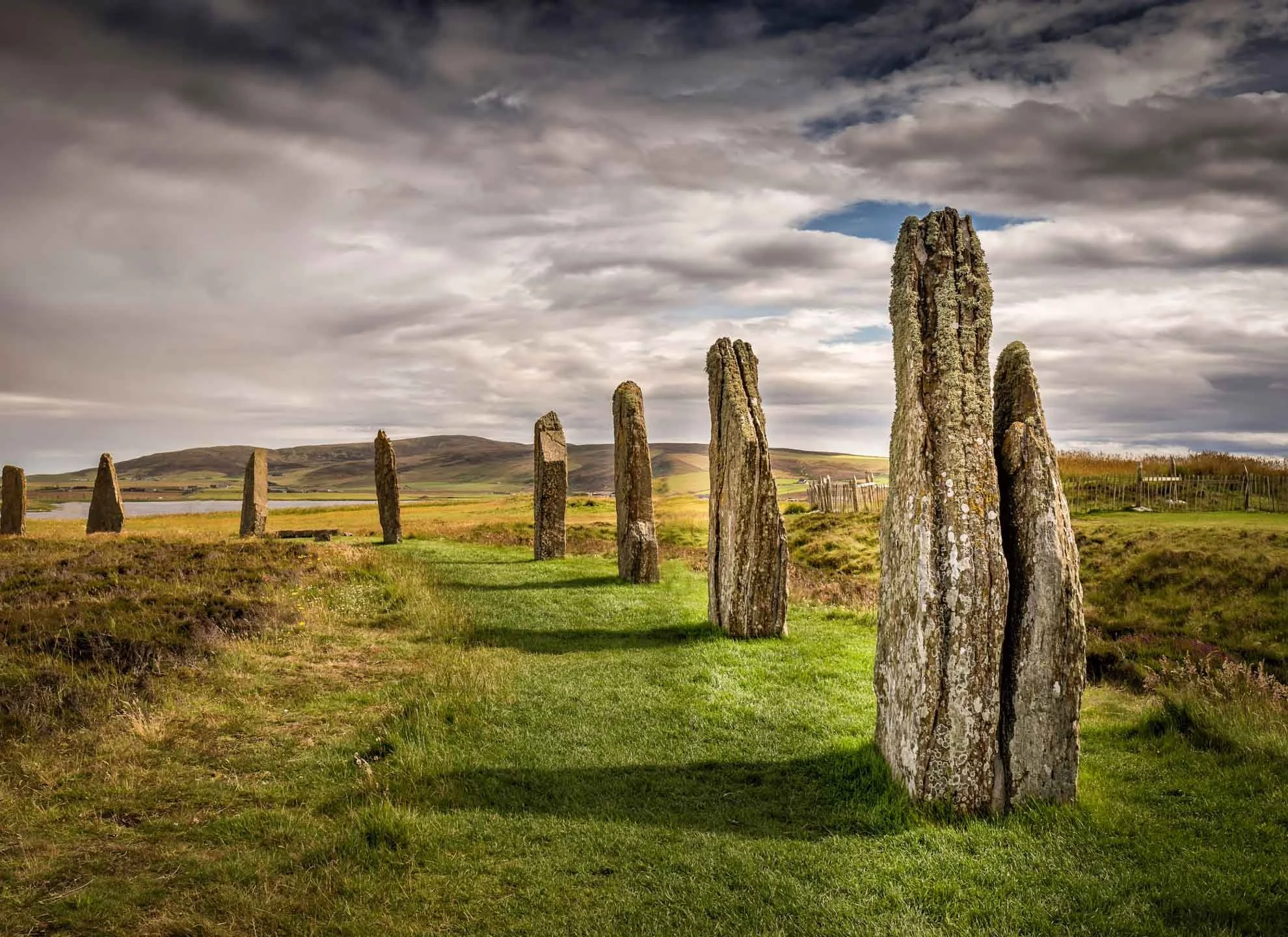
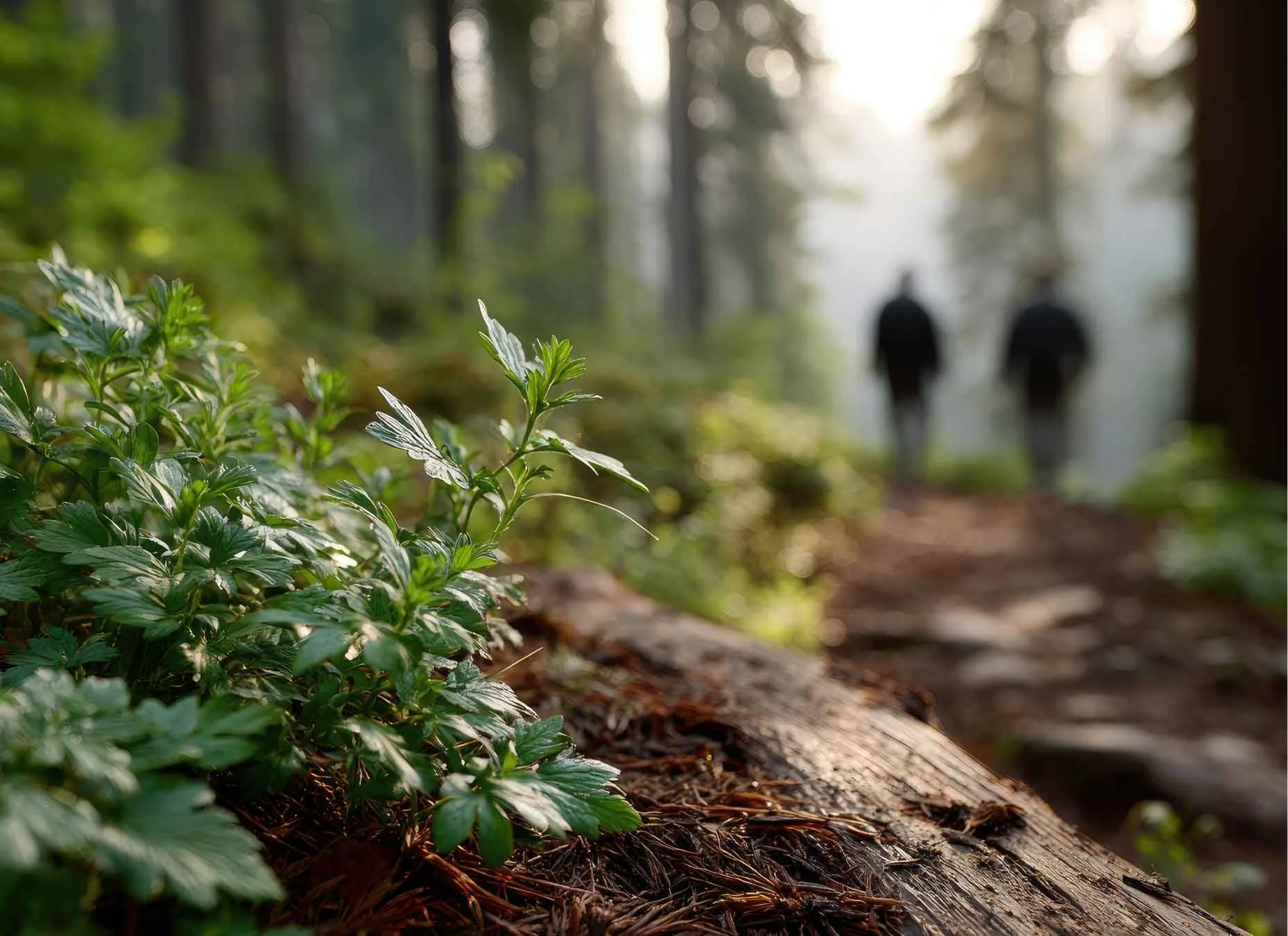


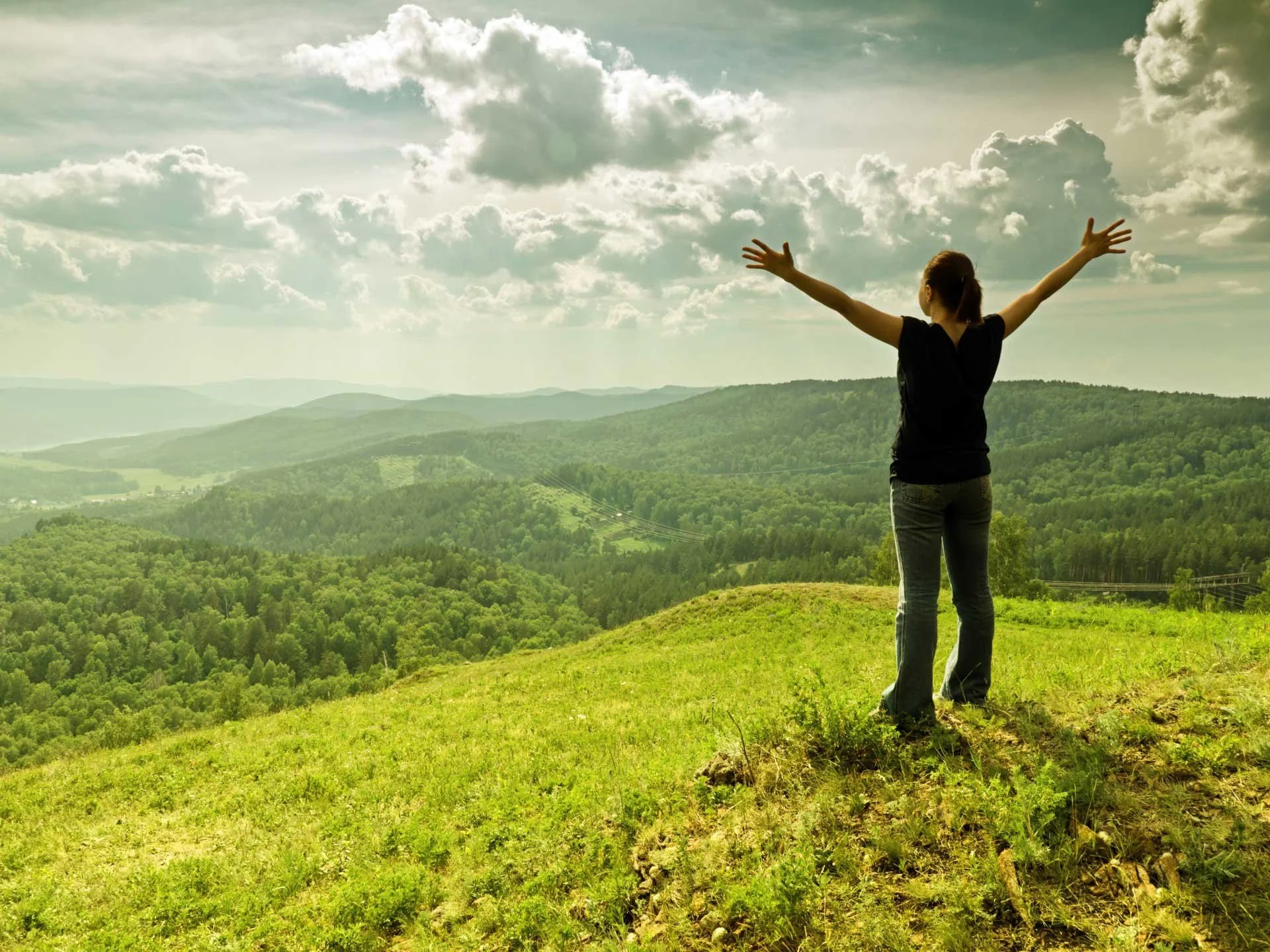









A small collection designed to gently open the door into deeper relationship with the natural world.
This complete set of four Forest Healing booklets brings together practical guidance, reflective ideas, and simple nature connection practices that can be used anywhere — from ancient woodland to a nearby park, garden, or even a single Sit Spot outdoors.
Written to be accessible, grounding, and easy to follow, these booklets offer a pathway into the core practices of Forest Bathing (Shinrin-yoku), Silvotherapy, and everyday nature connection. Rather than asking you to achieve anything, they simply invite you to slow down, notice more deeply, and allow nature to become an active presence in your wellbeing.
Across the four booklets you will explore:
• What Forest Bathing, Silvotherapy, and Nature Connection actually are
• The key benefits of spending mindful time in natural environments
• The practice of the “Sit Spot” and how to develop your own relationship with a chosen place
• Simple, practical Forest Bathing invitations you can try alone or with others
• Ways to bring nature connection into everyday life, even in small moments
Together, they form a gentle introduction to practices that have been shown to support reduced stress, improved mood, greater clarity of thought, and a deeper sense of belonging within the natural world.
These are not academic texts or rigid instruction manuals. They are invitations — encouraging you to step outside, slow your pace, and rediscover the quiet intelligence of trees, weather, and landscape.
Whether you are completely new to nature connection or looking to deepen an existing practice, this collection offers a simple, supportive starting point for building a more intentional and restorative relationship with the living world around you.
A small set of booklets that can change the way you experience even the most familiar patch of nature.
Buy all Four Forest Bathing and Nature-Connection Booklets for £11.00 including FREE P&P within the UK.
Postage to the Rest of the World is £4.