

What Does It Mean When Trees ‘Mast’?
4th October 2025
Have you noticed more acorns than usual on Oak trees this year?
Have you ever wondered why there are so many acorns some years in comparison to other years?
This year I have noticed that there seem to be a lot more acorns on the trees and on the ground beside the trees than there have been for a few years. I used to live beside an ancient Oakwood called The Ariundle Oakwood — which may be where my particular interest in Oak trees stems from — and what I noticed is that Oak trees do not produce an abundance of acorns every Autumn, but in the years when they have produced a lot of acorns, such as this year, they have all produced a lot of acorns.
So, what’s going on?
Acorns or ‘Oaknuts’
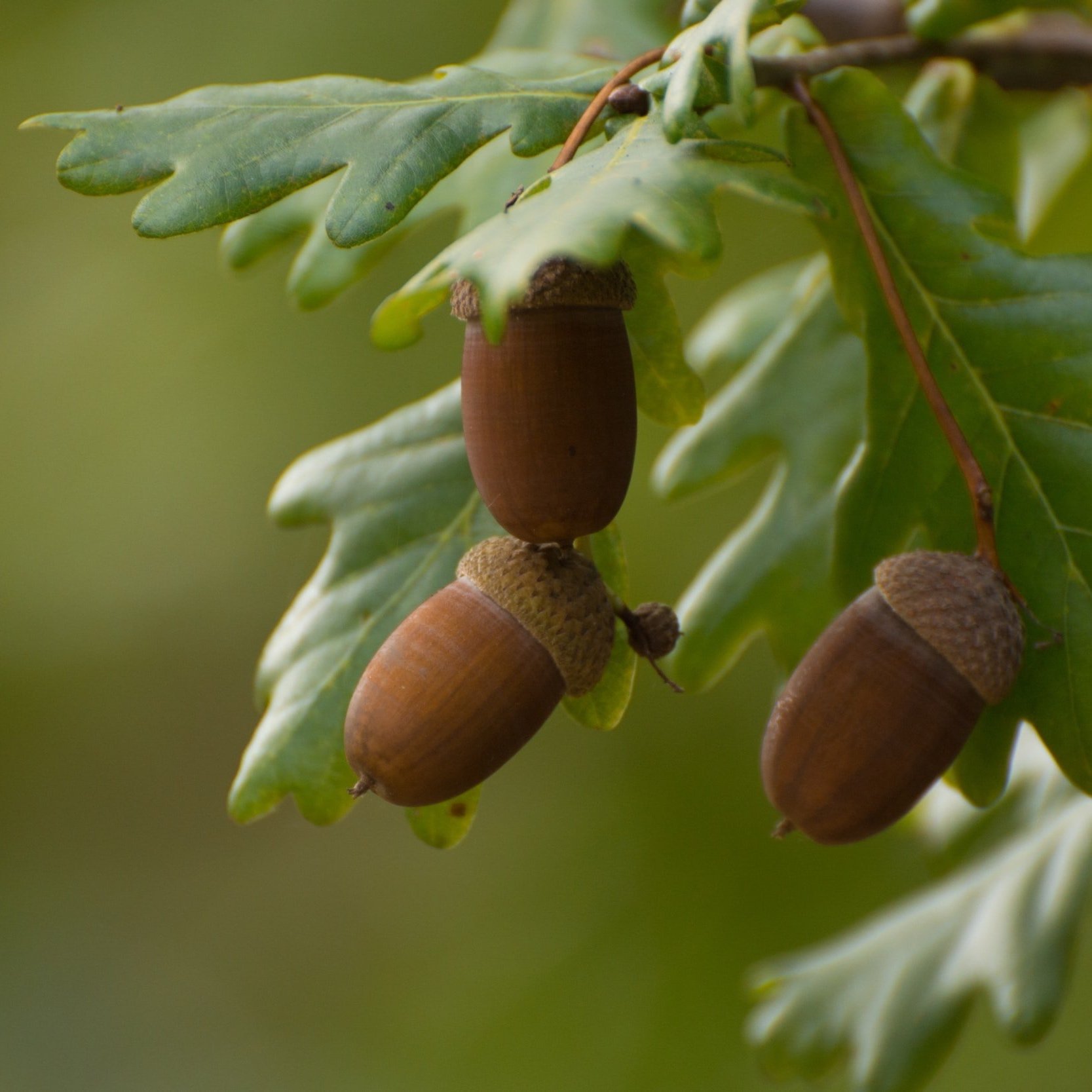
The acorn (also sometimes known as an Oaknut) is the ‘fruit’ of an Oak tree. Acorns contain the seeds from which new Oak trees grow, enclosed in a tough, leathery shell, and borne in a cup-shaped cupule, which are dropped to the ground in order for the trees to reproduce. Oak trees often do not start to produce acorns until they are about 30–40 years old, and they do not produce acorns every year, but when they do produce them, each tree may produce up to 10,000 acorns in a single year. An Oak tree may produce over a million acorns over the next hundred years or so, the most productive part of its lifespan. As mentioned, the yield of acorns each year is not consistent, some years they produce very few, while in others, the acorns create a thick carpet beneath the trees. There are also more years with a low yield than there are years with a high yield, as we are about to explore.
‘Mast ‘Years
The collective name for the fruit and nuts produced by trees and shrubs is known as ‘mast’. The term comes from ‘mæst’, an Olde English word for nuts of the forest trees that have accumulated on the ground, especially those used as food for fattening pigs. When a particular woodland tree species produces a lot more fruit or nuts than normal, it is known as a ‘mast year’ and Oak trees tend to have significant mast years every 5-10 years. In the UK the last mast year for Oak trees was 2020, and 2025 has been confirmed as a ‘mast year’.
Why Do Oaks Mast?
There appears to be a lack of agreement as to the exact reason why plants and trees mast, but climate-related factors such as rainfall, temperature, and winds during Spring pollination are thought to contribute. What is known, is that nuts such as acorns contain a lot of energy, which is why animals and birds are so keen on them, but this also makes them very energy-intensive to produce. There is a noticeable drop in the growth rate of younger trees in the years when they mast, but as mast years are the exception, rather than the norm, this is a reasonable pay-off if some of these acorns grow into Oak saplings. One of the hypotheses behind masting is that the trees only produce nuts in the years when they can afford to do so, making sugars and storing starch in their roots and then producing nuts when there is a surplus.
However, this does not explain why (of how) species of trees mast simultaneously, and why the mast years for Oaks might be different from Beech trees for example. Also, if the trees only produced nuts when they had a surplus of energy, then those that grow in in places with a lot of sunlight and access to the most nutrients would mast frequently, whereas those growing in poorer habitats would mast infrequently, and they would not be synchronised. You don’t find that one tree in a wood masts by itself, but that all the trees of that species mast at the same time, and the trees in all the woods in an area mast together. They mast as a collective. The most commonly discussed theory is that masting occurs to increase the likelihood that enough nuts (acorns in the case of Oak trees) will survive to produce saplings and this is called the ‘Predation Satiation’ hypothesis.
The Predator Satiation Theory
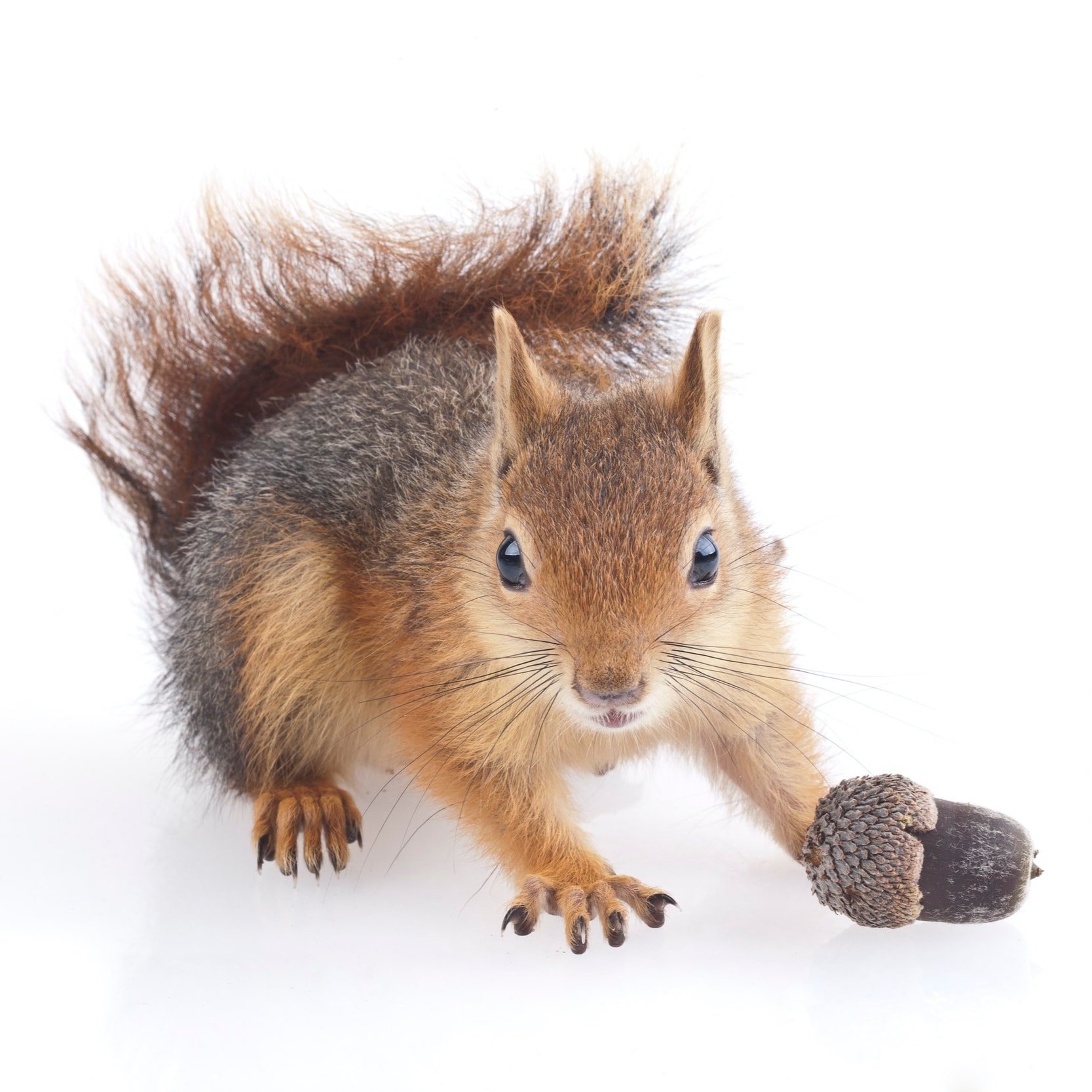
One of the most common theories to explain trees having mast years is called the ‘Predator Satiation’ theory. Using the Oak tree as an example, animals and birds feed on the acorns and if the trees produced the same number of acorns each year, then the wildlife population would grow to match the size that the acorns (and other woodland mast) could sustain, and these would eat the majority of the nuts. However, if the trees produce smaller crops for a few consecutive years, in effect they keep the populations of these animals in check and ensure that numbers remain comparatively low. Then, during a mast year, the trees produce more food than the animals can eat, meaning that not all the acorns are eaten and a substantial number will be buried for later retrieval (that’s the beauty of a nut over a berry – they keep better) some of which will be forgotten or lost, subsequently germinate and develop into a sapling - in this way a new Oak tree is born. In this way the genes from the trees that produce the most acorns are also more likely to be those from which the Oak sapling will grow, and the trees are increasingly the chances of their own survival.
How Do They All Mast Together?
If individual Oak trees randomly had mast years, this would be easy to understand but wouldn’t be as effective widespread simultaneous masting, and we know that the majority of masting tree species have mast years at the same time. In order for sting to be most effective, the trees must synchronise both the quantity and timing of nut or acorn production. But how do the trees synchronise themselves and reach a consensus about the size of the crop they should produce in any given year?
According to ‘The Mystery of Masting in Trees: Some trees reproduce synchronously over large areas, with widespread ecological effects, but how and why?’ there are often four potential explanations.
The Resource Tracking Hypothesis
This is the suggestion that trees produce a crop size related directly to the resources available to it, in response to environmental cues. So warm wet years where the potential for enhanced photosynthesis will result in larger crops than colder, dryer years with less nutrient availability. This would account for why all the trees in a wide geographical area mast at the same time, as they will have been exposed to roughly the same increases or decreases in temperature and rainfall. This proposal suggests that masting is just a side effect of resource availability and has nothing to with evolutionary explanations such as The Predator Satiation Theory.
However, fluctuations in temperature and rainfall are usually much smaller than the fluctuations crop size and temperature and rainfall and rainfall tend to have a ‘normal’ or ‘bell curve’ distribution, whereas crop size does not follow a normal distribution. Rainfall and temperature are comparatively unreliable at predicting crop size, compared to the reliability of predictions that mast years will be followed by a year or two of very small crops.
Fluctuations in Wind Pollination Effectiveness
Trees that mast tend to be wind-pollenated, rather than animal-pollenated, and the weather and wind conditions at the time that the trees are flowering can have a big influence on success rates and thus the size of the crop produced. For species such as beech or oaks that rely on wind-blown pollen reaching female flowers, if all the trees in a forest flower at once in warm windy conditions then the chances of mass fertilisation is far greater. A sudden cold snap Spring would have the opposite effect. Research in Japan has shown that this kind of pollen coupling is capable of causing the difference in crop production characteristic of masting species.
However, fluctuations in wind pollination effectiveness does not account for the synchronisation phenomenon that we see where huge areas of trees switch from prioritising growth to prioritising reproduction simultaneously over distances exceeding 1,000 kilometres.
Chemical Signalling
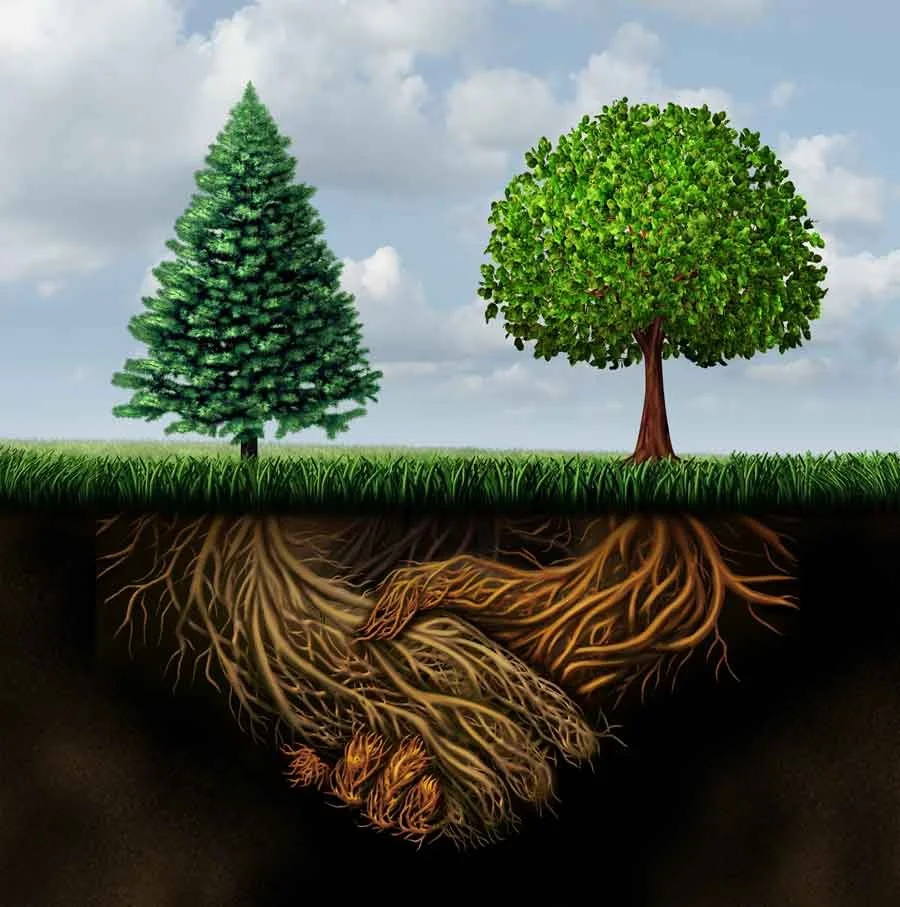
Scientists have shown that trees can communicate with each other in various ways, including through the air such as is then case of phytoncides and terpenes or through root and fungal structures that share fungal filaments known as mycelia. We will be discussing these further in next week’s article on ‘The Wood Wide Web’. However, both mycelial and airborne communication can only take place over a fairly small distance, and it is unlikely that they could share these signals over the large areas in which trees synchronise masting where they are often in fragmented populations.
The Moran Effect
The Moran Effect draws on the work of an Australian Statistician, Patrick Moran, who proposed a combination of several of the above theories. In this proposal, the amount of resources devoted to reproduction is not driven by the boosting or limiting of metabolic processes by environmental factors, but on how the trees use the environmental stimuli to determine how they allocate resources. In this way the trees synchronise themselves according to spatially synchronised environmental cues, for example they use fluctuations in temperature as the cue for whether to invest their resources in growth or reproduction. This hypothesis also supports the proposal that weather conditions conditions that enhance pollination and thus greater crop production are a contributing factor as well, although pollen coupling doesn't occur across wide distances..
The Moran Effect also accounts for spatial synchronisation in many bird populations and other organisms, and it can also explain why global weather phenomenon such as El Niño can have such widespread effects on nature.
Masting and Climate Change
It weather, especially abnormal weather events, is a cue for masting or not masting then we will have to see what effect global warming and climate change has on masting trees and on the knock-on effect that this has on wider ecosystem functioning. Masting trees play an important role in a variety of biomes including most boreal and temperate woodlands and a significant proportion of tropical forest too. Changes to the boom-and-bust cycle of starvation-satiation regimes, either smoothing them out or increasing them could create further challenges both for trees species and the animals that have a symbiotic relationship with them.
One last thought:
“Next Autumn or Fall, don’t take those acorns for granted. The fact that they are everywhere, or nowhere as the case may be, illustrates one of the spectacular ecological mysteries that you’ll encounter as you walk through the woods. Enjoy them while you have the chance.”
If you have enjoyed this article and would like to support what we do by donating £2 or more to buy saplings, please follow the link below:
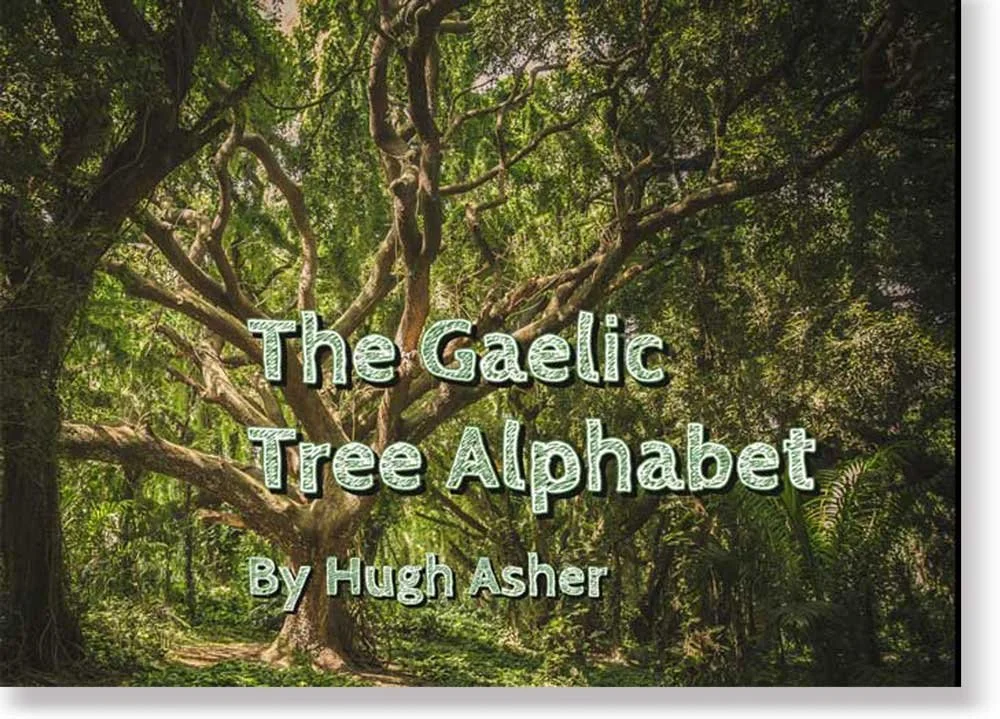
The Gaelic Tree Alphabet – A Journey Through the Ogham Trees and Celtic Nature Wisdom
Step into the living language of trees.
The Gaelic Tree Alphabet is inspired by the ancient Ogham tradition, sometimes known as the Celtic Tree Alphabet, where each letter is associated with a tree or plant deeply rooted in Celtic landscape, myth, and cultural memory. This beautifully illustrated booklet explores 18 trees that form the Gaelic Tree Alphabet, offering a gentle introduction to one of the oldest symbolic nature-based systems in Europe.
Rather than treating trees as abstract symbols, Ogham reflects a worldview in which the natural world was a teacher, guide, and living presence. Each tree carries its own qualities, stories, and ecological character — from the protective strength of Oak and the renewing energy of Birch, to the wisdom of Hazel and the resilience of Rowan.
Inside this 28-page A5 booklet, you will discover:
• The 18 trees that form the Gaelic Tree Alphabet
• The meanings, folklore, and ecological characteristics of each tree
• Insights into the Ogham tradition and its connection to early Gaelic culture
• Reflections on how trees were understood as carriers of wisdom, language, and symbolism
• A gentle introduction to Celtic tree lore and nature-based ways of seeing the world
This booklet is not simply about learning an ancient alphabet — it is an invitation to slow down and reconnect with the intelligence of the natural world. Each tree becomes a doorway into a deeper relationship with landscape, season, and place.
Whether you are drawn to Celtic heritage, fascinated by tree symbolism, or simply looking for a more meaningful way to connect with nature, The Gaelic Tree Alphabet offers a quiet companion for reflection and discovery.
Let each tree be a reminder that language does not only belong to humans — it also lives in roots, branches, wind, and soil.
A small book, carrying an old forest language into the present moment.
It costs £5 and P&P is FREE within the UK and £4 to the Rest of the World.


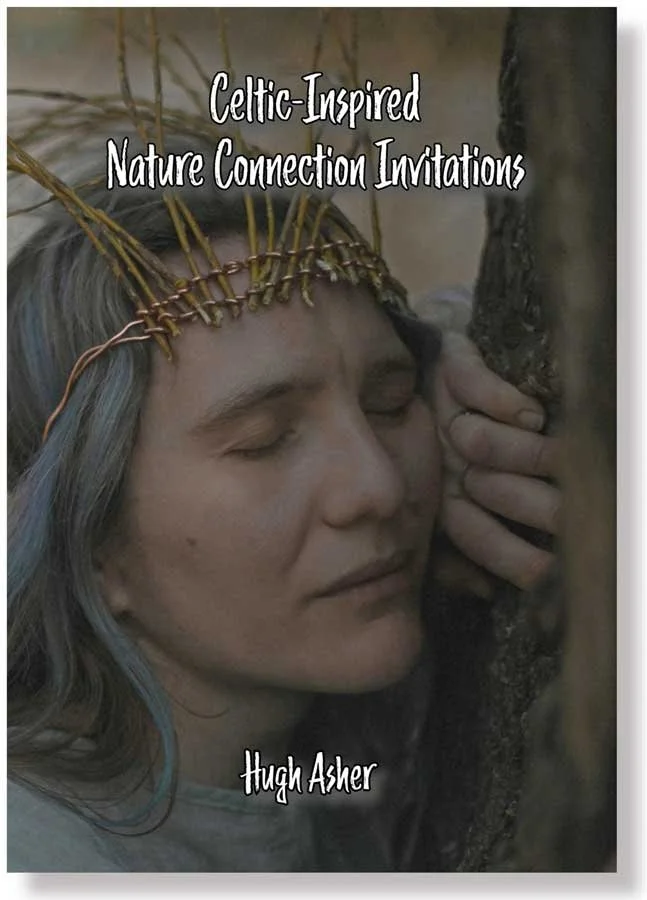

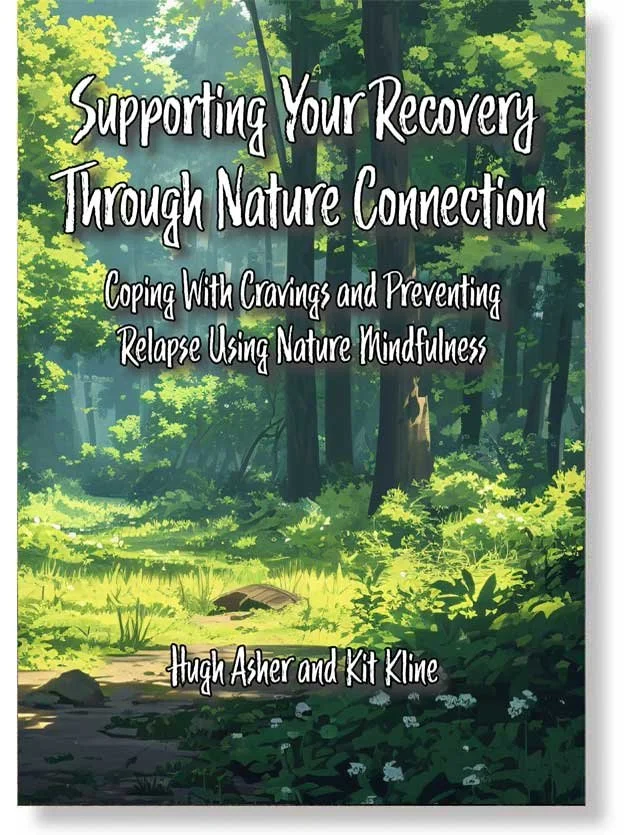












A small collection designed to gently open the door into deeper relationship with the natural world.
This complete set of four Forest Healing booklets brings together practical guidance, reflective ideas, and simple nature connection practices that can be used anywhere — from ancient woodland to a nearby park, garden, or even a single Sit Spot outdoors.
Written to be accessible, grounding, and easy to follow, these booklets offer a pathway into the core practices of Forest Bathing (Shinrin-yoku), Silvotherapy, and everyday nature connection. Rather than asking you to achieve anything, they simply invite you to slow down, notice more deeply, and allow nature to become an active presence in your wellbeing.
Across the four booklets you will explore:
• What Forest Bathing, Silvotherapy, and Nature Connection actually are
• The key benefits of spending mindful time in natural environments
• The practice of the “Sit Spot” and how to develop your own relationship with a chosen place
• Simple, practical Forest Bathing invitations you can try alone or with others
• Ways to bring nature connection into everyday life, even in small moments
Together, they form a gentle introduction to practices that have been shown to support reduced stress, improved mood, greater clarity of thought, and a deeper sense of belonging within the natural world.
These are not academic texts or rigid instruction manuals. They are invitations — encouraging you to step outside, slow your pace, and rediscover the quiet intelligence of trees, weather, and landscape.
Whether you are completely new to nature connection or looking to deepen an existing practice, this collection offers a simple, supportive starting point for building a more intentional and restorative relationship with the living world around you.
A small set of booklets that can change the way you experience even the most familiar patch of nature.
Buy all Four Forest Bathing and Nature-Connection Booklets for £11.00 including FREE P&P within the UK.
Postage to the Rest of the World is £4.